Reviewed · TOKYO TOURS
Tokyo: Private Shinto Shrines Tour by Car with Local Guide
Tokyo’s shrines offer a quieter way to read the city: one stop for love, another for business luck, all reached by private car in a half day. This tour links four distinct places of worship, with a chance to add Koami Jinja if the schedule allows.
I like two things in particular: your guide explains how to take part respectfully, rather than leaving you to guess, and a goshuin stamp book gives you a practical keepsake from the visits. Oishi, named by past participants, has also helped with requests to change the route.
The main trade-off is time. Four shrines in half a day means short visits, and the optional fifth stop depends on the day’s pace. If you want a long, unhurried visit at each site, this may feel brisk.
What makes this shrine route useful
- Meiji Shrine puts a forested pause in central Tokyo, with a strong connection to Emperor Meiji.
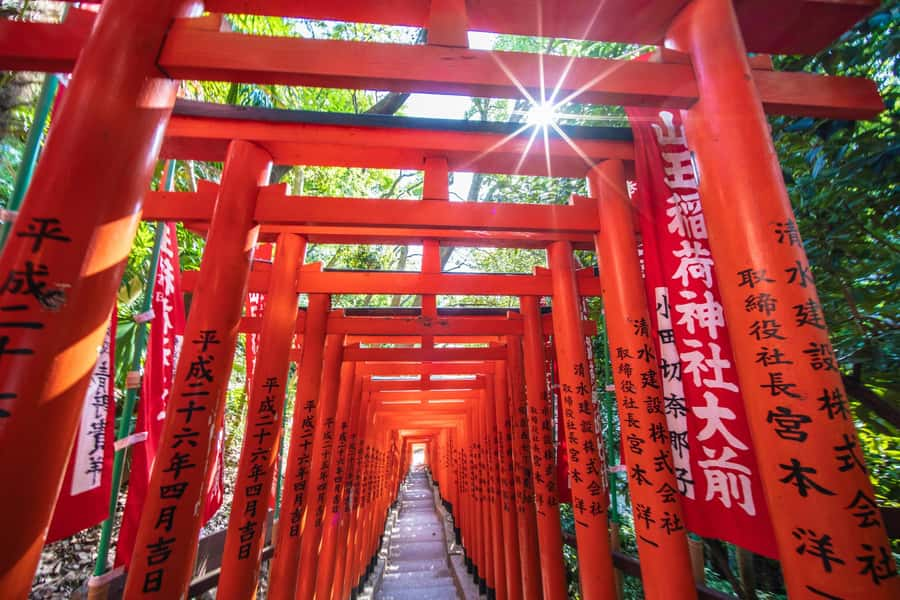
- Hie Shrine is known for its rows of red torii gates, and prayers for good fortune and lasting relationships.
- Tokyo Daijingu focuses on romantic happiness, making it a natural stop for people interested in Japan’s love-shrine traditions.
- Kanda Myojin serves a modern crowd as well as a traditional one, with blessings tied to business success and protection.
- Koami Jinja may be added if time permits, offering another perspective on prayers for luck and safety.
- Oishi’s guidance and route flexibility can shape the day, while goshuin stamps make a lasting record of the shrines you visit.
Four shrines, four different intentions
The route is more than a string of religious sites. Each shrine has a distinct character and a reason people come to pray, so your guide’s explanations help you understand what you are seeing and why it matters.
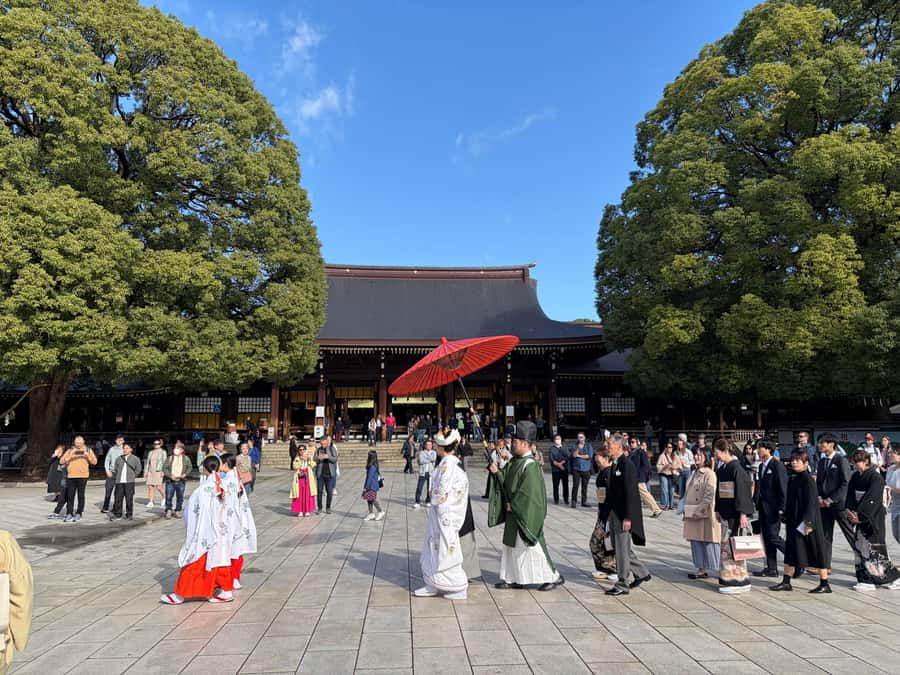
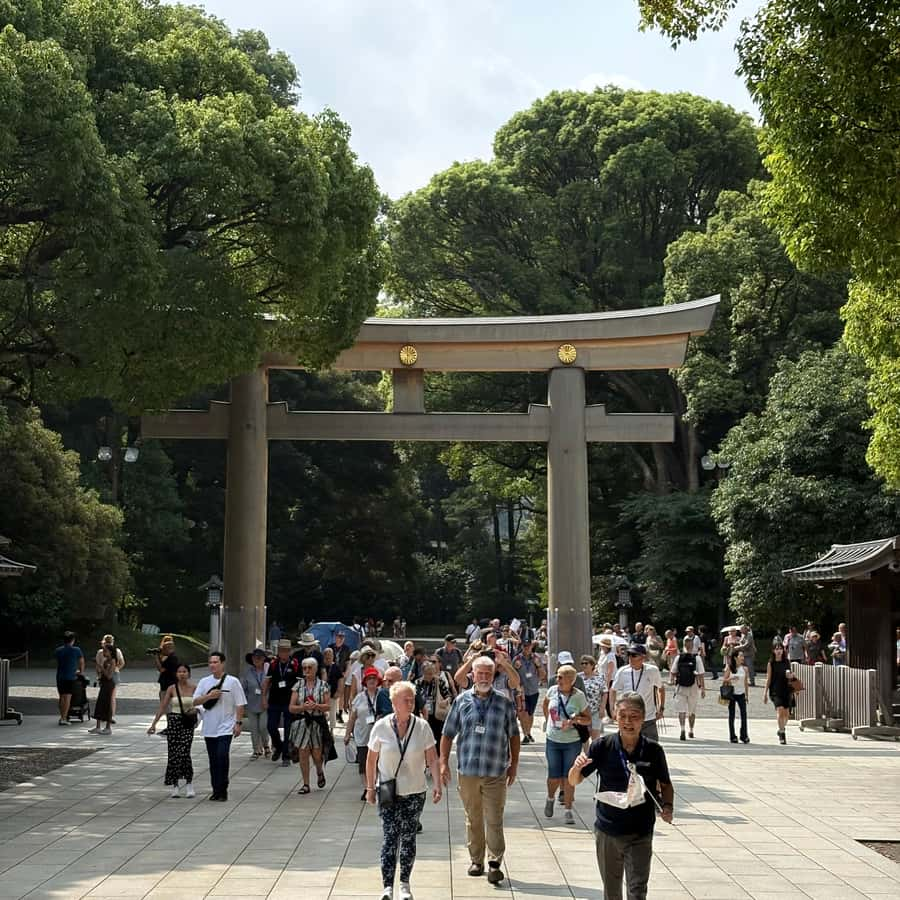
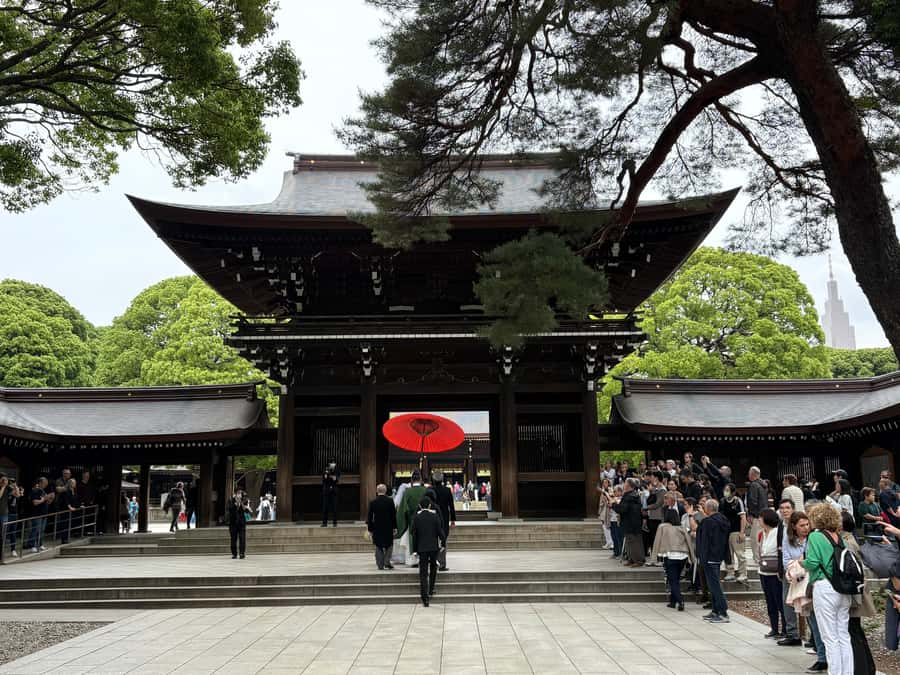
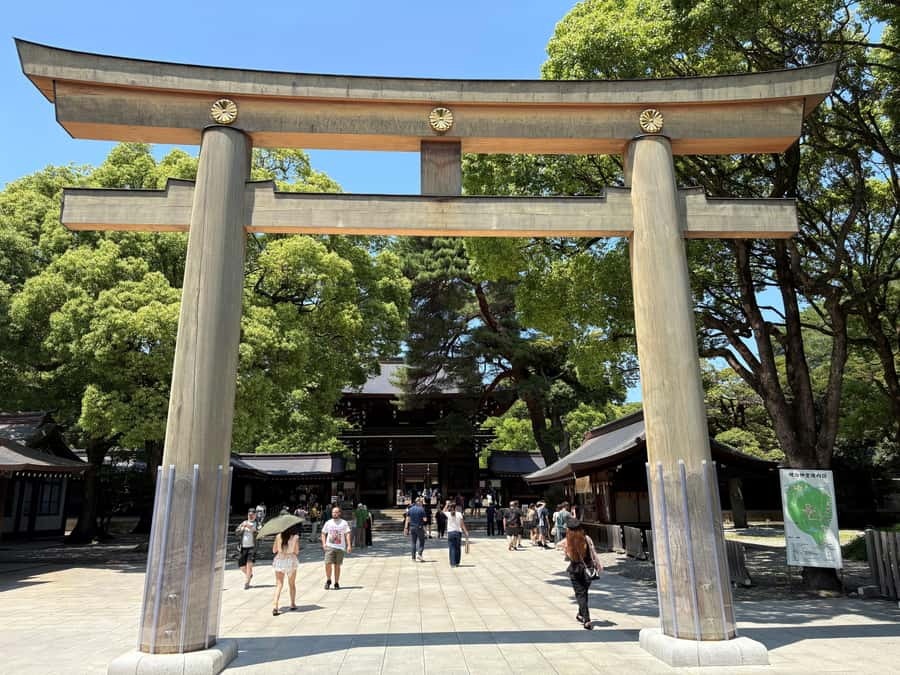
You start at Meiji Shrine, set in a forested area in the middle of the city. Its peaceful setting is part of the appeal: the greenery creates a marked change from Tokyo’s roads and buildings. The shrine is closely associated with Emperor Meiji, and your guide can explain its cultural and historical significance while showing you how to approach a Shinto prayer.
This is a good opening stop because it gives you room to settle into the tour’s rhythm. You can focus on the grounds and customs before moving on to shrines with more specific popular associations. The visit is still one part of a half-day route, though, so don’t expect an extended walk through every corner.
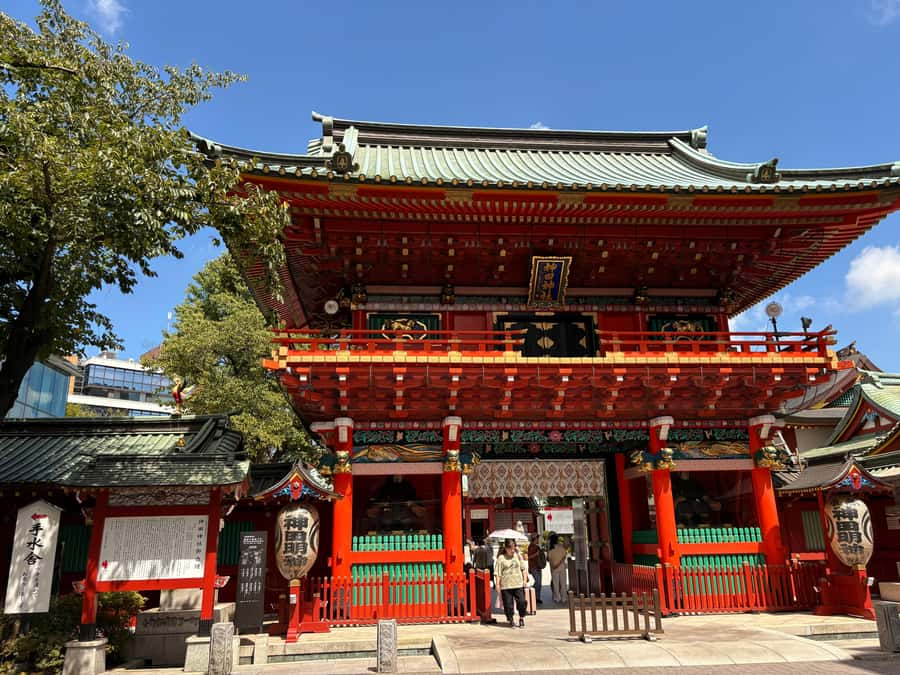
At Hie Shrine, the red torii gates are the most immediately striking feature. They give the site a different feel from Meiji Shrine’s wooded calm, and make it a memorable stop even if you have limited time. Hie is associated with good fortune and lasting relationships, so your guide can connect the physical setting with the kinds of blessings people seek there.
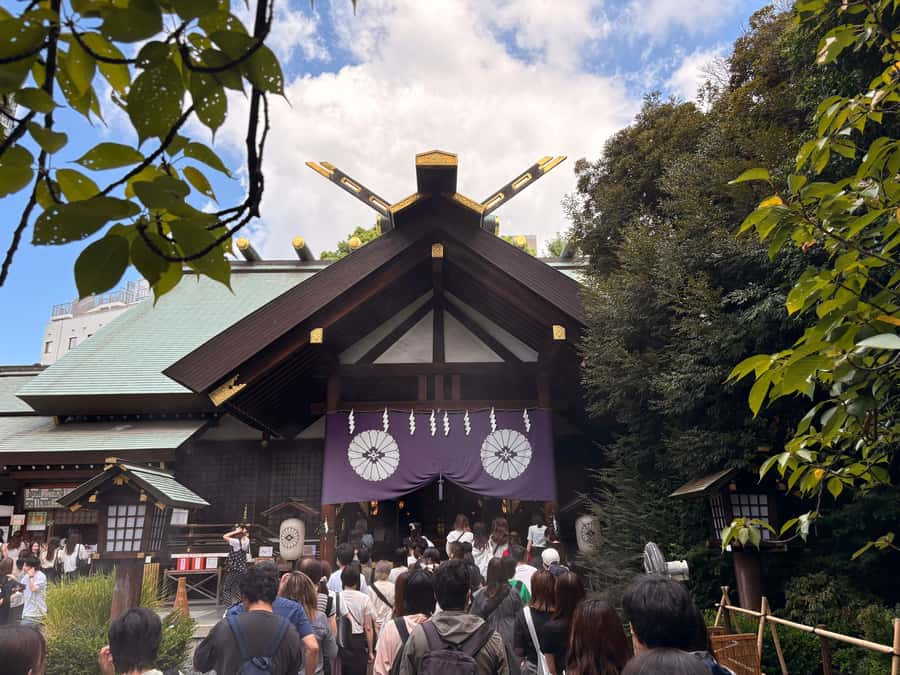
The next stop, Tokyo Daijingu, is especially known as a shrine for love and romantic happiness. If you are interested in how religious practice intersects with everyday hopes, this is a useful place to pause and ask questions. The focus is narrower than at a shrine associated with many kinds of blessings, which helps make the itinerary feel varied rather than repetitive.
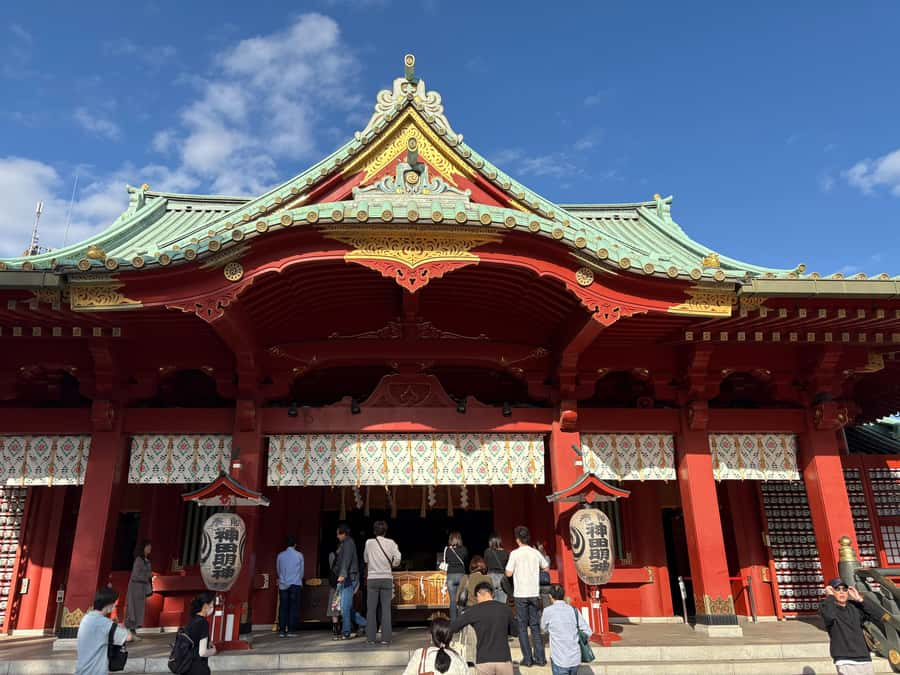
The route ends at Kanda Myojin, a shrine associated with business success and protection. Its appeal to entrepreneurs and people working in technology gives it a contemporary side. That connection makes it a particularly interesting stop if you want to see how shrine traditions remain part of modern city life, not just a preserved custom.
There may also be time for Koami Jinja, a small shrine known for good luck and protection. It is associated with having survived earthquakes and wartime bombings, which has contributed to its reputation for protective power. The important phrase is if time permits: don’t count on this as a guaranteed fifth stop when planning your day.
More guided tours in Tokyo:
- Tokyo 6hr Private Tour with Government-Licensed Guide
★ 5.0 · 3,902 reviews - Tokyo: Shinjuku Local Bar and Izakaya Guided Walking Tour
★ 4.9 · 1,794 reviews - Tokyo: Private City Highlights Tour with Local Guide
★ 4.8 · 1,433 reviews
Your guide turns etiquette into part of the visit
A shrine visit can be simple, but the customs are not always obvious if you have not encountered them before. This tour includes an English-speaking guide who explains the proper etiquette for making a Shinto prayer and shares the history and meaning of each place.
That guidance has practical value. Instead of trying to copy whoever happens to be nearby, you can learn what to do and why, then take part with more confidence. You can also ask questions as the route unfolds, which is a better way to understand the differences between shrines than reading a list of facts on your phone.
Oishi is the named guide associated with the experience. He is described as professional and entertaining, and he has pointed out city landmarks along the way as well as helping with shrine protocols. One useful sign of flexibility: he has accommodated a request to visit Asakusa Shrine, which was not on the original route. That shows that it may be worth asking about a change, but it does not mean every additional stop can be fitted in.
The tour is offered in English and Japanese. If the details of prayer etiquette matter to you, mention your interest to the guide, and use the time at each shrine to ask about the customs you see.
A private car saves time between neighborhoods
Tokyo is large, and the shrines on this route are spread across different parts of the city. With a private, air-conditioned vehicle, you avoid having to plan each transfer on public transport or work out a new route between stops. Hotel pickup and drop-off are included, which makes the tour easier to fit into a day when you are still learning the city.
The car also gives the guide a chance to point out landmarks and districts between visits. That turns transit into a light orientation to Tokyo, rather than simply dead time. Still, the shrine visits are the main event, and the amount you see from the vehicle will depend on the route and traffic.
Private transportation is especially useful if you are travelling as a small group, have limited time, or prefer to keep logistics simple. The stated price is $248 for a group of up to three, not $248 per person. At full capacity, that works out to about $83 each before any personal purchases or food. Toll fees, parking, and fuel are included, so you do not need to budget separately for those parts of the ride.
The car does not remove the need for comfortable shoes. You will still be getting out and walking around shrine grounds, so wear footwear that suits a half-day of stops. Smoking is not allowed on the tour.
Goshuin stamps make a thoughtful souvenir
The tour includes assistance with collecting goshuin, sacred stamps associated with shrine visits. If you want a souvenir that connects directly to the places you have seen, a stamp book is a more meaningful choice than a generic keepsake. Your guide can help you with the process, which is handy if you are unsure how to ask or what to do.
Stamps are not included in the tour price. A past participant noted a cost of around 500 yen per stamp at the shrines visited, so allow extra cash if collecting them is part of your plan. Treat that as a useful guide, not a promise that every shrine will charge the same amount.
You do not need to collect stamps to get value from the tour. But if you enjoy keeping a record of places visited, the book gives the day a simple thread: one stamp from each shrine you reach. It also makes the optional Koami stop especially relevant, since an extra visit could mean another stamp if the shrine offers one.
More tours and experiences in Tokyo:
- Mt Fuji and Hakone 1-Day Bus Tour Return by Bullet Train
★ 5.0 · 26,383 reviews - 1-Day Tokyo Bus Tour
★ 5.0 · 14,250 reviews - Tokyo: teamLab Planets TOKYO Digital Art Museum Entry Ticket
★ 4.6 · 9,779 reviews - Mt Fuji & Hakone Cruise, Drum Show Bullet Train 1 Day from Tokyo
★ 4.0 · 7,413 reviews
What the price includes, and what it does not
For $248 per group of up to three, the tour combines a private guide, hotel transport, an air-conditioned car, and a half-day route through several shrines. Fuel, tolls, and parking are covered. The value comes less from any single admission or activity and more from linking the sites efficiently while having someone explain their customs and significance.
This is a stronger deal for two or three people sharing the group price than for a solo visitor. If you are travelling alone, compare the cost with the value you place on private transport and personal guidance. The tour is not simply a ride between shrines: the guide’s explanations and ability to respond to your interests are part of what you are paying for.
Lunch is not included. One previous outing included a stop at a sushi restaurant, but that does not make a meal part of the standard package. If you want to eat during the tour, ask whether a stop can be arranged and allow for the extra cost.
The schedule is flexible, but it is still a half-day visit with four main shrines and a possible fifth. If you want to spend a long time at one particular site, tell the guide what matters most to you. A tailored pace may mean giving another stop less time, or leaving out Koami Jinja.
Who will get the most from this half-day
I would choose this tour if you want a cultural introduction to Shinto practice without spending your day navigating across Tokyo on your own. It suits visitors with an interest in Japanese customs, shrine architecture, prayers for love or good fortune, or the way religious traditions fit into contemporary life.
It is also a sensible option if you have only a short window in Tokyo and would like to see several distinct sites. The car makes the route manageable, while the guide helps you make sense of what you encounter. Families or small groups may appreciate having one shared guide and a vehicle rather than coordinating separate transfers.
It may be less suitable if you prefer to explore at your own pace for hours, or if you mainly want a quiet, extended visit at one shrine. Four stops in half a day is an efficient introduction, not a slow pilgrimage. The optional Koami visit adds flexibility, but it should not be the main reason you book.
You can reserve and pay later, and cancellation up to 24 hours in advance is eligible for a full refund. Those terms make it easier to keep plans flexible, but the bigger decision is whether a guided, multi-stop route suits your travel style.
Should you book the Tokyo shrine tour?
Book it if you want a practical, personal way to visit four shrines and understand the customs behind them. The strongest reasons are the English-speaking guidance, private car transfers, the sharply different purposes of the shrines, and help collecting goshuin stamps. Oishi’s willingness to accommodate a request is encouraging, though any extra stop should be treated as a possibility rather than a guarantee.
Skip it if you want a long, unstructured visit at each site or would rather organize your own transport. For a small group that values context and convenience, the $248 group price can make good sense. Bring comfortable shoes, set aside money for stamps and lunch, and decide which shrine matters most to you before setting off.
FAQ
How many shrines are included?
The main route visits four shrines: Meiji Shrine, Hie Shrine, Tokyo Daijingu, and Kanda Myojin. Koami Jinja may be added if time permits.
Is transportation included?
Yes. The tour includes private transportation in an air-conditioned vehicle, with hotel pickup and drop-off. Fuel, tolls, and parking fees are included.
Is the tour private?
Yes. The price is $248 for a private group of up to three people.
What languages are available?
The tour is offered in English and Japanese.
Is lunch included?
No. Lunch is not included in the tour price.
Can I collect goshuin stamps?
Yes. Assistance with collecting goshuin stamps is included. Stamp fees are extra; a cost of about 500 yen per stamp has been noted.
What should I bring, and what is not allowed?
Wear comfortable shoes for walking around the shrines. Smoking is not allowed.
Freshly reviewed in Tokyo
- Tokyo: Toshimaya Sake Brewery Tour with Sake Tasting★ 5.0 · 6 reviews
- :Tokyo,Shibuya /Meiji Shrine tour in KIMONO/English-friendly★ 5.0 · 4 reviews
- Tokyo: Tour Privado por Tokio en español★ 4.3 · 4 reviews
- Tokyo:Tea ceremony experience at Komaba Warakuan★ 4.8 · 9 reviews
- :Tokyo,Shibuya/ Pro Photography in Kimono / English-Friendly★ 5.0 · 26 reviews
- Tokyo:Samurai Training : Swords, Bushido & Mental Discipline★ 5.0 · 6 reviews
- Tokyo:Mt Fuji & Hakone Day Tour with English Speaking Driver★ 5.0 · 26 reviews
- Tokyo:Nikko UNESCO World Heritage Sites Private 1-Day Tour★ 3.8 · 6 reviews
Tokyo Tours, compared.
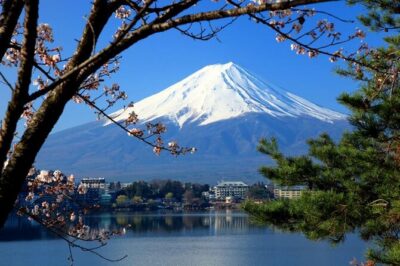
Mt Fuji and Hakone 1-Day Bus Tour Return by Bullet Train
Read our review →
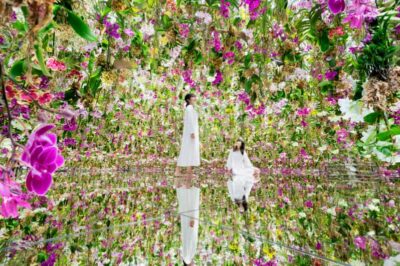
teamLab Planets TOKYO Digital Art Museum Entry Ticket
Read our review →
Mt Fuji & Hakone Cruise, Drum Show Bullet Train 1 Day from Tokyo
Read our review →
Shinjuku Food Tour (13 Dishes at 4 Local Eateries)
Read our review →
Tokyo Mt Fuji 5th St & Hakone Cruise Bus Tour w/Bullet Train
Read our review →
Flagship 2-Hours Official Street Go-Kart Tour – Tokyo Bay Shop
Read our review →