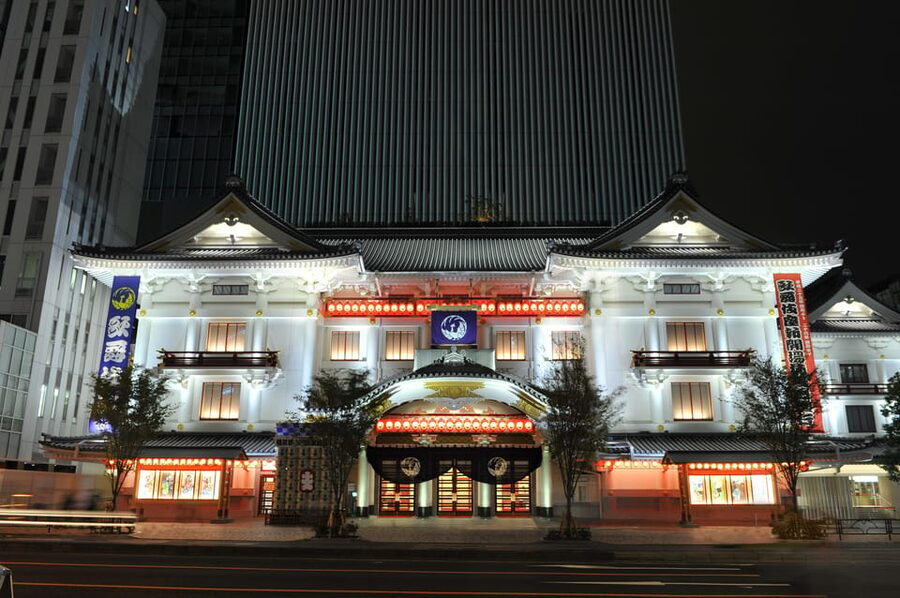
Reviewed · TOKYO TOURS
Tokyo: KABUKI Show at Kabukiza Theatre Admission Ticket
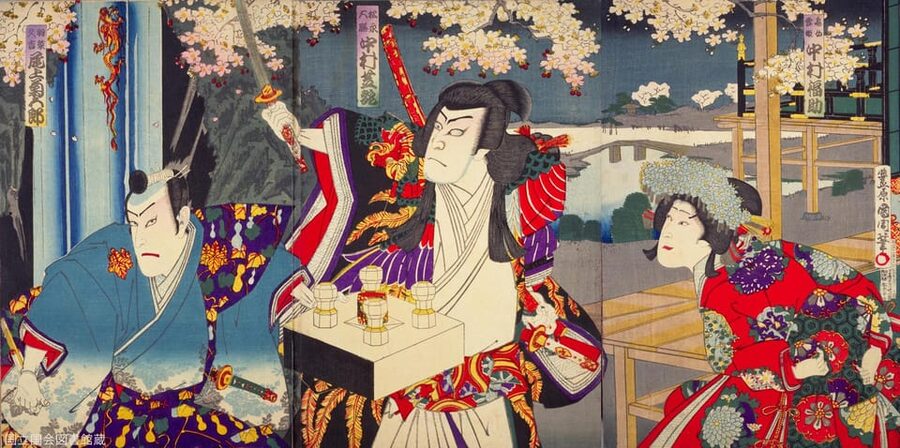
Kabuki at Tokyo’s Kabukiza Theatre is a full evening or afternoon of theatrical storytelling, live music, striking costumes, and stylized movement. The program changes each month, so you might see a historical drama, a dance, and a modern play in one sitting.
I like two things in particular: the English or simplified Chinese captions make the performance more approachable, and the historic Ginza theater gives you a chance to see this art form in its home setting. One thing to plan for is the length. The show runs about four hours, sometimes closer to four and a half, with intermissions.
Key points
- A theater devoted to Kabuki: Kabukiza is the only theater in the world dedicated exclusively to this traditional Japanese art form.
- A changing program: Each month brings different works, often mixing dance, historical drama, and modern Kabuki.
- Captions are included: Choose English or simplified Chinese, so you can follow the story even if you do not speak Japanese.
- Plan for a long performance: Expect about four hours, with intermissions between sections.
- Pick up a physical ticket: Exchange your voucher at the Box Office on Basement Level 2 before heading to the entrance.
- Make time for the building: There is a permanent interactive exhibition and a Kabuki goods shop in the theater complex.
Kabuki at Kabukiza, a living stage tradition
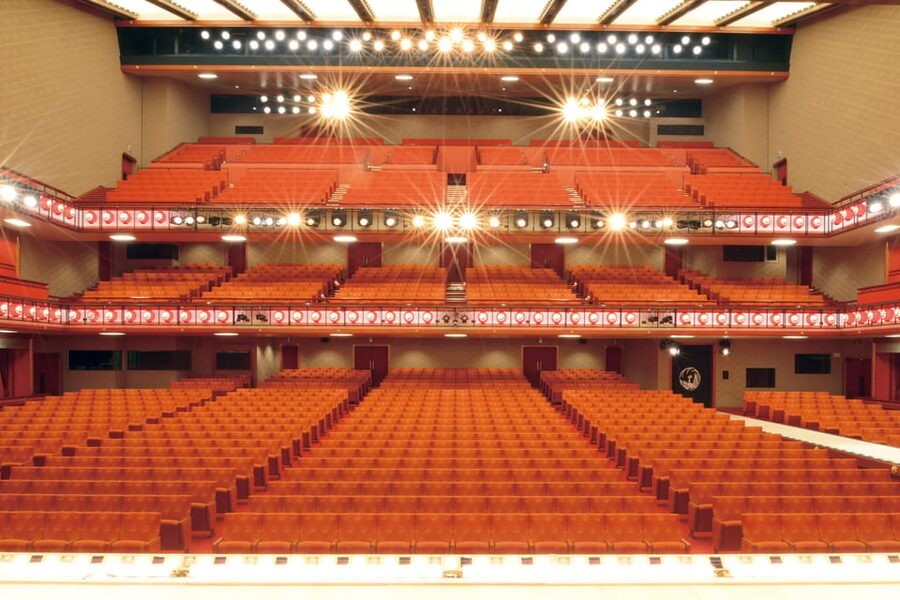
Kabuki is not a museum display. It is a performing art, built around actors, music, dance, elaborate costumes, and stories shaped for the stage. At Kabukiza, you see it in the theater created for this tradition, rather than as a short cultural demonstration squeezed into a busy sightseeing day.
The art form is recognized by UNESCO, but you do not need a background in Japanese theater to appreciate the show. The visual language does much of the work. A carefully held pose, a change in costume, a movement across the stage, or a live musical passage can carry meaning even when the dialogue is unfamiliar.
Kabukiza is in Ginza, at 4-12-15 Ginza, Chuo-ku. The theater is the only one in the world devoted exclusively to Kabuki, which makes the visit feel specific to Tokyo rather than like a general performing-arts outing. The building itself is part of the occasion: you are entering a venue built around a long-running Japanese theatrical tradition.
I would approach the performance with curiosity rather than a checklist of plot points. Kabuki’s style may feel unfamiliar at first, and that is part of the point. Give yourself time to watch the actors’ gestures, listen to the music, and take in the stage pictures. The captions help with the story, but they are not a substitute for looking at what is happening in front of you.
More shows in Tokyo:
- Mt Fuji & Hakone Cruise, Drum Show Bullet Train 1 Day from Tokyo
★ 4.0 · 7,413 reviews - Tokyo: Sumo Show Experience with Chicken Hot Pot and a Photo
★ 4.8 · 6,678 reviews - Tokyo: Sumo Show and Dining Experience
★ 4.8 · 2,742 reviews
One monthly program, several kinds of Kabuki
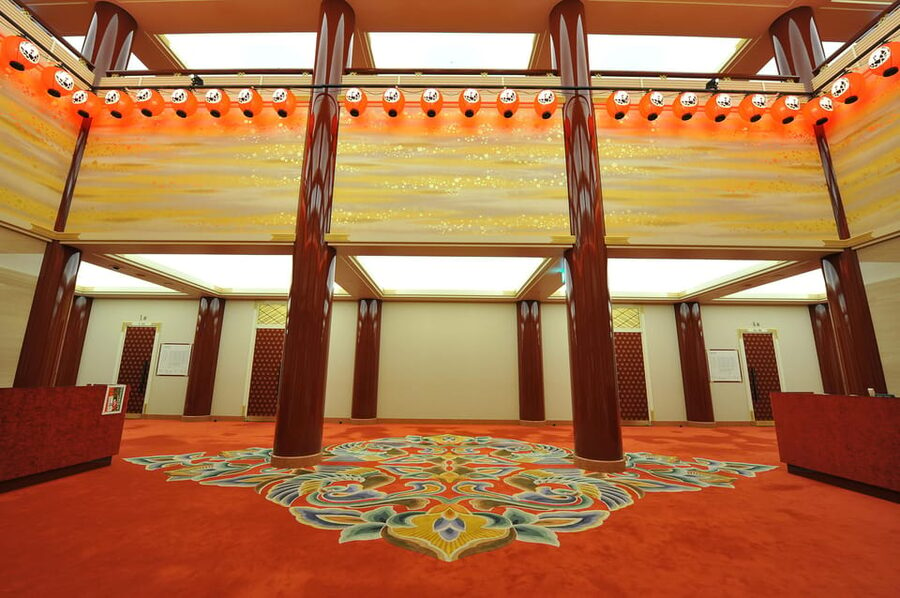
The main attraction is not a fixed show. Kabukiza changes its program each month, and the schedule can include very different kinds of work. That makes the date you choose important: check the official Kabuki website before booking so you know what will be on during your visit.
A February program, for example, can include O-Edo Miyage, a modern Kabuki work; Tonbi Yakko, a dance; and The Snowbound Barrier, also a dance. A March schedule can look quite different, with a historical play such as The Return of the Evil Lady-in-Waiting Iwafuji in the matinee, and a dance followed by the domestic drama Three Thieves Named Kichisa in the evening.
These examples show why it is worth reading the month’s program rather than assuming you are buying a ticket to one continuous story. You may see several separate works in a single performance, each with its own characters, period, mood, and theatrical style. Some programs lean toward historical drama; others give more room to dance or modern Kabuki.
That variety is a strength if you want a broad introduction. A sequence of distinct pieces gives you a sense of Kabuki’s range, and a change of story can refresh your attention during a long visit. The trade-off is that you should not expect one plot to carry through the entire afternoon or evening. If you prefer a single, tightly paced narrative, check the program details before you commit.
Captions make the stories easier to follow
Your ticket includes English or simplified Chinese captioning. This matters because the performance is in Japanese, and some stories draw on historical settings or conventions that may not be familiar to you. Captions give you a route into the plot and help you understand what the characters are saying.
Even with captions, you will be balancing two things: reading and watching. Some of the stage action is visual, and facial expression, movement, costumes, and music all contribute to the effect. If you spend the whole performance reading every line, you may miss some of the acting. If you ignore the captions, you may lose details of the story. A little of both is the sensible approach.
The caption service does not mean that the performance becomes a modern play with familiar pacing. Kabuki has its own rhythms, and a scene may take time to unfold. Treat the captions as a guide, not a running commentary you must follow word for word.
If you are booking from within Japan and do not plan to use the included captions, note that the caption service cannot be refunded or switched to a Japanese earphone guide. The ticket is sold with the caption option included, so it is worth considering that detail before you reserve.
Arrive early for the exhibition and ticket exchange
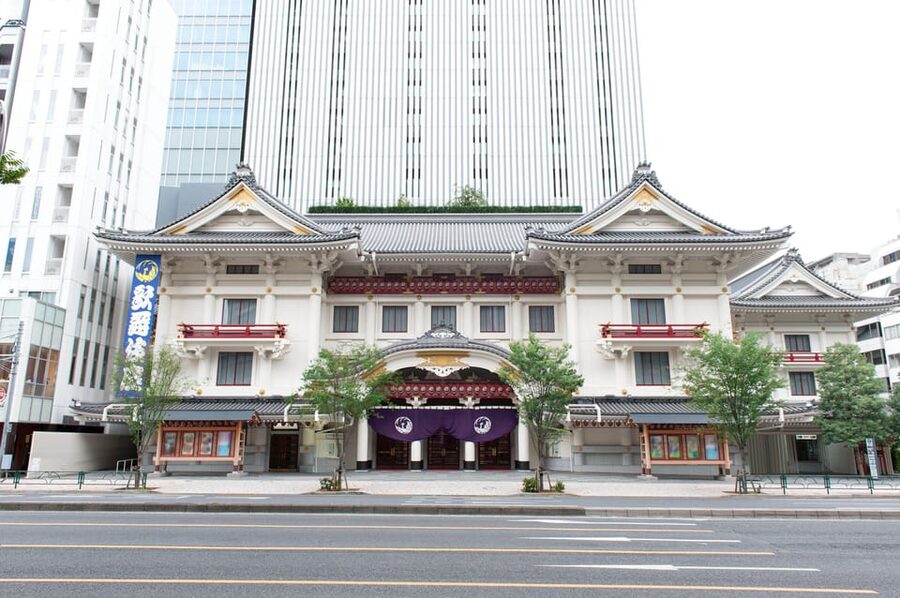
Your voucher is not the ticket that gets you through the theater entrance. You must exchange the PDF or mobile voucher for a physical ticket at the Box Office on Basement Level 2. The Box Office is listed as open from 10:00 a.m. to 6:00 p.m. If you arrive after 6:00 p.m., go directly to the theater entrance.
Build in time for this step, especially if you are unfamiliar with the building. The theater doors open 30 minutes before the performance, and you will want time to collect your ticket, find your seat, and settle in rather than making a hurried entrance. You cannot choose your seat through this reservation, so keep that in mind if being close to the stage is a priority for you.
Before the show, you can visit the permanent interactive exhibition about Kabuki. It offers useful context on the history and details of the art form, making it a good first stop if this is your introduction. The second basement level also has a shopping center with Kabuki-related gifts and souvenirs. Shop hours and availability can vary, so do not leave all your browsing until after the performance.
Ticket reservations for the following month’s program begin on the 14th of each month. Since schedules change monthly, check the official program information before choosing a date. The exact performance you see depends on the month and whether you book the matinee or evening show.
More tickets in Tokyo:
- Tokyo: teamLab Planets TOKYO Digital Art Museum Entry Ticket
★ 4.6 · 9,779 reviews - Tokyo: Hop-On Hop-Off Sightseeing Bus Ticket
★ 3.9 · 4,207 reviews - Tokyo: Japanese Dance Cabaret Theater Asakusa-Kaguwa Ticket
★ 4.8 · 2,270 reviews - Tokyo: Samurai Restaurant Show Ticket with 2 Drinks
★ 4.5 · 1,307 reviews
Four hours, with intermissions built in
The experience is listed as four hours, but the actual program can run longer. Example schedules show a matinee from 11:00 a.m. to about 3:00 p.m., and evening performances from 4:30 p.m. to around 8:00 or 9:00 p.m., depending on the month. Some visitors find the total time closer to four and a half hours.
Intermissions break up the performance, and they are more than a chance to stretch your legs. You can get a snack or drink, visit the theater facilities, or simply give your attention a rest before the next piece. Food and alcohol are available for purchase inside, and you may bring your own food or drink. If you are planning to stay for the full program, having something to eat can make the long sitting more comfortable.
The length is the main practical drawback. Traditional theater asks for patience, and the seats may feel tight or uncomfortable if you are sitting for hours. A small cushion may help if you are sensitive to firm seating, though the theater’s seating arrangements can vary. If you know you struggle with long performances, consider that before booking rather than assuming the intermissions will make the whole visit feel short.
Children under four are not suitable for this activity. For older children, the length and theatrical style are worth considering carefully. This is not a quick show to fit between other plans; it needs a substantial part of your day.
What makes the stage worth watching
The performance’s strongest appeal is its combination of acting, music, dance, and visual design. The costumes and stage sets are not background decoration. They help create the world of each story, and the theatrical look can be captivating even when you are still learning how to read the form.
Live music is part of the experience. It gives the stage action a pulse and helps shape the mood of a scene. Depending on the program, you may also see singing, dance, or acrobatic movement. The cast consists of professional Kabuki actors, and some performers come from families with long traditions in the art form.
The style is highly formal, which can be a delight or a barrier. If you enjoy classical theater, opera, dance, or visual performance, you may find plenty to watch even when you do not know the story. If you strongly dislike slow or stylized performance, the long format may test your patience. Kabuki is not simply a play with unusual costumes; its gestures, pacing, and presentation are central to the art.
Seat position can shape how much you notice. A closer view may make facial expressions easier to read, and those expressions can be important to the performance. Since you cannot select your seat through this booking, do not count on getting a particular location. The captions help with language, but they cannot change the view from your seat.
Is $106 good value for the visit?

At $106 per person, this is a substantial ticket purchase, not a casual add-on. The value depends on what you want from your Tokyo plans. You are paying for a full-length Kabuki performance at a theater dedicated to the art, plus the English or simplified Chinese caption service. You also get access to a cultural experience that is difficult to replicate with a brief introduction or a museum visit.
The ticket makes most sense if you have a real interest in Japanese performing arts, or if you want to set aside an afternoon or evening for something distinctly local. The long running time means the cost is spread across several hours, but value is not just a calculation of minutes. It is about whether you want a sustained performance, with live music, detailed costumes, and several different works.
If you are uncertain about Kabuki, the monthly mix of plays and dance can be an advantage. It gives you more than one style to respond to, and you may find that one piece catches your attention more than another. On the other hand, you are buying the program as a whole. You cannot choose only the section that appeals to you.
The ticket includes captions, but not a guaranteed seat location. Compare the price with your priorities: if a close view matters greatly, this booking’s lack of seat selection is a real consideration. If the main goal is to see authentic Kabuki in its dedicated Tokyo theater, the price can be worthwhile.
Who should book this Kabuki performance?
I would recommend Kabukiza to anyone who wants more than a quick cultural photo stop. It is especially suited to people curious about theater, dance, music, traditional costume, or Japanese storytelling. You do not need to be a theater expert, but an open mind and patience will help.
It is also a good choice if you want a planned cultural evening in Ginza and are comfortable giving it several hours. The captions make it a practical option for visitors who do not speak Japanese, and the monthly schedule means you can choose a date based on the kind of program that appeals to you.
I would think twice if you have a tight schedule, dislike long performances, or need to know your seat in advance. Check the monthly program, allow time to pick up the physical ticket, and plan around the full performance rather than squeezing it between other bookings. Cancel up to two days in advance for a full refund if your plans change.
FAQ
How long is the Kabuki performance?
The experience is listed as four hours. Some programs run closer to four and a half hours, so leave room in your schedule.
Are captions included with the ticket?
Yes. The ticket includes English or simplified Chinese captions.
Where do I exchange my voucher for a ticket?
Exchange your PDF or mobile voucher at the Box Office on Basement Level 2. If you arrive after 6:00 p.m., go directly to the theater entrance.
Can I choose my seat?
No. Seats cannot be specified for this reservation.
Can I bring food or drinks into the theater?
Yes. You may bring food or drinks, and snacks and alcohol are also available for purchase inside.
Does the show change from month to month?
Yes. Kabukiza presents a new program each month. Check the official Kabuki website for the program on your chosen date.
Freshly reviewed in Tokyo
- Tokyo: Toshimaya Sake Brewery Tour with Sake Tasting★ 5.0 · 6 reviews
- :Tokyo,Shibuya /Meiji Shrine tour in KIMONO/English-friendly★ 5.0 · 4 reviews
- Tokyo: Tour Privado por Tokio en español★ 4.3 · 4 reviews
- Tokyo:Tea ceremony experience at Komaba Warakuan★ 4.8 · 9 reviews
- :Tokyo,Shibuya/ Pro Photography in Kimono / English-Friendly★ 5.0 · 26 reviews
- Tokyo:Samurai Training : Swords, Bushido & Mental Discipline★ 5.0 · 6 reviews
- Tokyo:Mt Fuji & Hakone Day Tour with English Speaking Driver★ 5.0 · 26 reviews
- Tokyo:Nikko UNESCO World Heritage Sites Private 1-Day Tour★ 3.8 · 6 reviews
Tokyo Tours, compared.

Mt Fuji and Hakone 1-Day Bus Tour Return by Bullet Train
Read our review →
teamLab Planets TOKYO Digital Art Museum Entry Ticket
Read our review →
Mt Fuji & Hakone Cruise, Drum Show Bullet Train 1 Day from Tokyo
Read our review →
Shinjuku Food Tour (13 Dishes at 4 Local Eateries)
Read our review →
Tokyo Mt Fuji 5th St & Hakone Cruise Bus Tour w/Bullet Train
Read our review →
Flagship 2-Hours Official Street Go-Kart Tour – Tokyo Bay Shop
Read our review →