
Reviewed · ASAKUSA TOURS
Tokyo: Beyond Asakusa to Kappabashi Kitchen Town
Asakusa’s old temple streets and Kappabashi’s practical kitchen shops make an unexpectedly good pair. This two-hour walk links Sensoji’s spiritual rituals with the knives, cookware and startlingly realistic plastic food that help Japan’s restaurants do their work.
I like the chance to learn how to draw and tie a fortune paper, rather than just watch someone else do it, and I like that Kappabashi gives you a useful, distinctly Tokyo shopping stop. One consideration: there is a lot packed into two hours, and a Spanish-speaking participant found the meeting point differed from the one shown in the app, so confirm the Starbucks location before setting out.
At a glance
- Kaminarimon and Nakamise set up the walk with a famous gate, traditional snacks and shops along an old merchant street.
- Sensoji’s rituals include fortune telling, water purification and incense, with explanations of their role in Buddhist practice.
- Asakusa Shrine offers a look at Shinto beside a major Buddhist temple.
- Hoppy Street introduces izakaya customs, Hoppy and kushikatsu in an alley known for casual after-work drinking.
- Kappabashi Kitchen Town brings the tour to Japanese knives, restaurant tools and lifelike plastic food displays.
- The pace is brisk: the tour lasts two hours and includes several neighborhoods and stops.
From Kaminarimon to Kappabashi in two hours
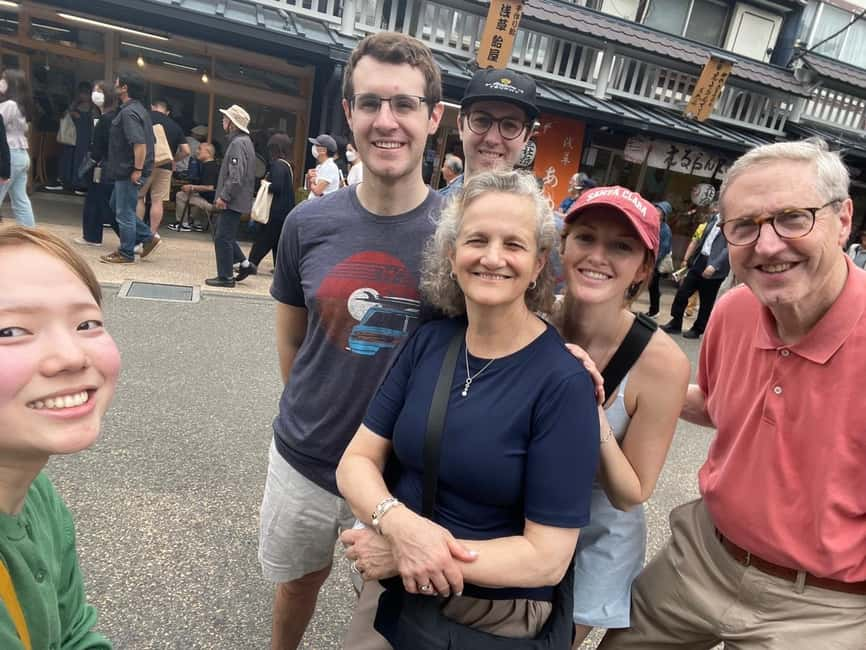
This is a compact walking tour of Asakusa’s best-known sights and a less obvious shopping district. You begin in front of the Starbucks in Asakusa, near Kaminarimon Gate, then walk through Nakamise Shopping Street and the Sensoji grounds before heading to Asakusa Shrine, Hoppy Street, Rokku Street and Kappabashi.
That range is the tour’s main strength. You get temples and street food, a small taste of Tokyo’s drinking culture, and a final stop that shows how restaurants operate behind the scenes. Instead of spending the whole visit looking at the same kind of attraction, you see how religion, commerce, leisure and food culture sit close together in this part of the city.
The trade-off is time. Two hours is enough for a guided introduction, not a leisurely temple visit plus a long shopping session. If you stop to buy snacks, linger over souvenirs or browse every kitchenware shop, you may need to return to the area on your own.
At $17 per person, the price is reasonable for a guided walk that includes cultural activities and several distinct stops. Food, drinks and personal purchases cost extra, so think of the tour as a way to get context and direction, not as a packaged meal or shopping allowance.
More Asakusa tours in Tokyo:
- Tokyo: Japanese Dance Cabaret Theater Asakusa-Kaguwa Ticket
★ 4.8 · 2,270 reviews - Tokyo: Meiji Shrine, Asakusa, Skytree Bus Tour and Cruise
★ 4.7 · 1,986 reviews - Tokyo: Roll and Authentic Sushi Making Class in Asakusa
★ 4.9 · 1,957 reviews
Kaminarimon’s giant lantern and Nakamise’s old trade
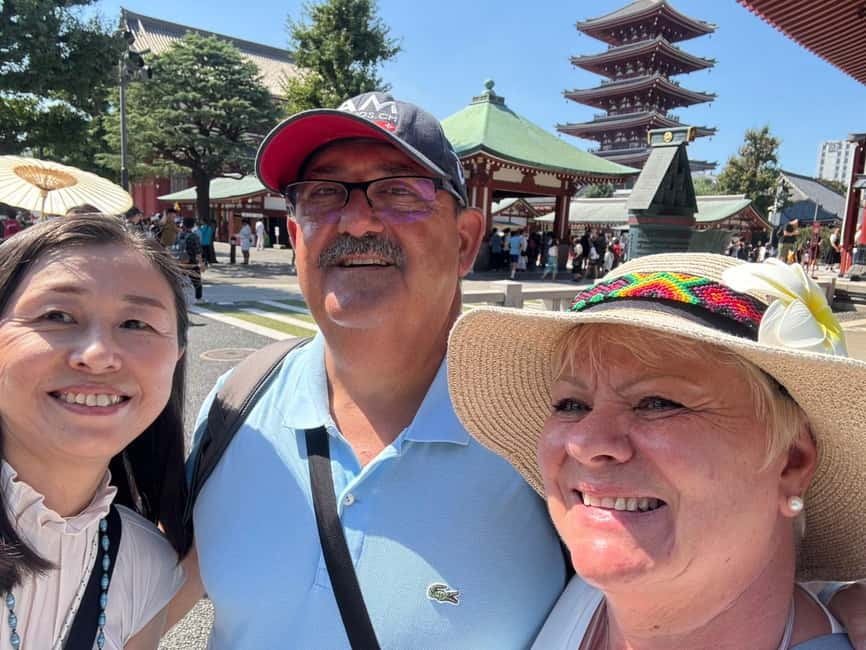
The meeting point is in front of the Starbucks in Asakusa, at coordinates 35.7113392, 139.7961047. Your guide is supposed to hold a paper with the tour name. One person found that the point in the app did not match the actual meeting spot, so check the location details carefully and allow time to find the guide.
Kaminarimon, or Thunder Gate, is the natural starting point. Its huge red lantern is one of Tokyo’s most recognizable sights, but the tour makes the gate more than a photo stop by explaining its history and cultural meaning. The planned visit is about 10 minutes, so you should expect a concise introduction rather than an extended talk.
From there, the route continues along Nakamise Shopping Street, a historic shopping lane dating to the Edo period. The 15-minute stop is a chance to sample traditional snacks and look at handcrafted souvenirs while hearing about the merchant traditions that have shaped the street.
Nakamise is both a route to the temple and a destination in its own right. The shops make it easy to see how religious sites and commercial life have long overlapped in Japan. If you want to buy something, bring cash, as the tour advises; just remember that browsing and shopping time is limited by the short schedule.
Sensoji’s gates, fortunes and temple rituals
Hozomon Gate, the two-story gateway beyond Nakamise, marks the passage into Sensoji’s sacred grounds. It houses Buddhist treasures, and the guide explains its role as a threshold between the shopping street and temple precinct. That distinction helps you read the site as more than a series of striking buildings.
Sensoji was founded in 628 AD and is Tokyo’s oldest temple. Its story includes survival through wars, disasters and urban change, while remaining a place of worship. The tour allocates about 30 minutes to the temple, including a guided visit and time for photographs. That gives you a useful overview, though not a long, unhurried exploration.
The most hands-on part is the fortune-telling ritual. You learn how to draw a fortune, read the paper and tie it in the customary way. This turns a familiar temple activity into a cultural lesson: you are not simply watching the ritual, but learning how to take part respectfully.
You also join the cleansing ritual at the purification fountain and the incense ritual. The guide explains the spiritual purpose of each. These practices can be easy to mistake for photo opportunities when you are moving through a busy temple complex; a short explanation gives them meaning and helps you approach them with care.
Asakusa Shrine beside a Buddhist temple
Asakusa Shrine sits next to Sensoji, giving you a direct look at the close presence of Japan’s two major religious traditions. The tour points out the difference between the Buddhist temple and the Shinto shrine, including their distinct architectural styles.
The stop is useful because the two sites are physically close but not interchangeable. A guide can help you notice that difference without turning the visit into a lecture. The itinerary includes a photo stop and guided visit, though it does not give a set duration for the shrine.
This part of the walk is also a reminder to move respectfully. You are visiting active sacred places, not just historic scenery. If you are new to Japanese religious customs, the explanations of purification and incense at Sensoji provide helpful context for what you see around the shrine as well.
More tours and experiences in Tokyo:
- Mt Fuji and Hakone 1-Day Bus Tour Return by Bullet Train
★ 5.0 · 26,383 reviews - 1-Day Tokyo Bus Tour
★ 5.0 · 14,250 reviews - Tokyo: teamLab Planets TOKYO Digital Art Museum Entry Ticket
★ 4.6 · 9,779 reviews - Mt Fuji & Hakone Cruise, Drum Show Bullet Train 1 Day from Tokyo
★ 4.0 · 7,413 reviews
Hoppy Street and the social side of Asakusa
Hoppy Street shifts the tour from sacred grounds to a narrow alley lined with traditional izakaya, Japanese-style pubs. Here the guide introduces Hoppy, a local beer-like drink, as well as kushikatsu, fried skewered food, and the social habits associated with after-work drinking.
The value of this stop is cultural rather than culinary. Food and drinks are not included, and the tour does not promise a meal or a tasting. Instead, you get an introduction to the setting and customs, with a chance to see a different side of Asakusa from the temple precincts.
If you want to sit down for a drink, check how much time remains and whether the group schedule allows it. The tour has several more stops to cover, so it is better to treat Hoppy Street as a guided look at izakaya culture than assume you will have time for a full evening out.
The walk also passes through Rokku Street, once a major entertainment quarter that rivaled Tokyo’s leading theater districts. Today, it is described as a mix of older and newer Japanese popular culture. This adds a useful layer to the route: Asakusa has been a place for worship and shopping, but also for entertainment.
Kappabashi’s knives, tools and plastic sushi
The final stop is Kappabashi Kitchen Town, a shopping street that has served chefs and restaurant owners for more than 100 years. Its shops sell the equipment used in professional kitchens, from Japanese knives to other restaurant tools. For a home cook, the appeal is seeing how much craft and specialization sits behind an ordinary meal.
The knives are a particular draw. You can browse blades made by long-established smithies, but this is a place to shop thoughtfully rather than buy on impulse. Prices and personal purchases are not included in the tour, and the route gives you a guided introduction, not unlimited time in every shop. Bring cash if you plan to buy something, as advised.
Then there are the plastic food displays, made to look remarkably like real dishes. They are used by restaurants to show what is on the menu, and they make a fun contrast with the serious tools and knives. One visitor bought a sushi keychain, a good example of the small souvenirs you might find among the more practical goods.
A guide’s recommendations can help you use the short stop well. Shun, who led an English-language tour, was praised for sharing history through examples and personal stories and for steering the group toward worthwhile Kappabashi shops. That kind of guidance matters here: the street has plenty to browse, and a few well-chosen stops can be more useful than trying to cover everything.
The tour ends at Kappabashi, so you can decide whether to keep shopping or leave with a quick overview. If kitchenware is a major interest, plan a separate visit with more time. This walk gives you a helpful first look, but a two-hour tour covering all the earlier stops cannot offer a deep shopping session.
What the guide adds
A good guide is especially useful on this route because it moves between subjects that can otherwise feel disconnected. Sensoji’s rituals, the Shinto shrine next door, after-work drinking and professional kitchen tools each make more sense when someone explains the custom or history behind what you are seeing.
Guides Sanae and Shun have led tours in French and English, respectively. Sanae was singled out for speaking French very well. Shun’s approach included examples and personal stories that made Japanese history and culture easier to follow, along with recommendations for making the most of Kappabashi.
The tour is offered in English, Spanish, French, Chinese, Korean, Portuguese, Japanese and Russian. Check the available start times and language when you book. The meeting-point discrepancy is worth keeping in mind: use the stated location in front of the Asakusa Starbucks and look for the guide holding a paper with the tour name.
Who will get the most from this walk
I would choose this tour if you want a structured first visit to Asakusa, particularly if temple customs are unfamiliar or you want to connect the big sights with everyday food and shopping culture. The fortune ritual and the guide’s explanations give you more than a quick photo stop, while Kappabashi adds an unusual final chapter.
It also suits cooks, food fans and curious shoppers. You do not need to be planning a major knife purchase to enjoy the kitchen street; the plastic food samples and restaurant tools are interesting on their own. If you are serious about buying a knife, though, leave time to compare options after the tour.
This is less ideal if you want a slow temple visit, a long lunch or a relaxed evening in an izakaya. The itinerary covers a lot in two hours, and food and drinks are extra. Wear comfortable shoes, bring cash for shopping and expect to keep moving between stops.
Should you book this Asakusa and Kappabashi tour?
Book it if you want a short, varied introduction to Asakusa with a guide who can explain rituals, local customs and the practical appeal of Kappabashi. At $17, it offers good value for the range of stops and the chance to take part in a fortune-telling ritual, rather than only observe.
Skip it if your priority is extensive time inside Sensoji, a sit-down meal on Hoppy Street or hours of browsing kitchen shops. You can still use the tour as an orientation, then return to the places that catch your interest. Confirm the Starbucks meeting point before leaving, and treat the two hours as a focused overview.
FAQ
How long is the tour?
The walking tour lasts two hours.
How much does the tour cost?
The listed price is $17 per person.
Where does the tour start?
Meet in front of the Starbucks in Asakusa, near Kaminarimon. The coordinates are 35.7113392, 139.7961047.
How will I recognize the guide?
The guide will hold a paper with the tour name.
What languages are available?
The tour is offered in English, Spanish, French, Chinese, Korean, Portuguese, Japanese and Russian. Check availability for your chosen time.
Is food included?
No. Food and drinks are not included.
What should I bring?
Wear comfortable walking shoes. Bring cash if you plan to shop.
Do I take part in any cultural rituals?
Yes. The tour includes a Japanese fortune-telling ritual, a purification ritual and an incense ritual.
Does the tour visit Kappabashi Kitchen Town?
Yes. The route includes Kappabashi Street, where you can see kitchenware shops, Japanese knives and realistic plastic food displays.
Can I cancel for a refund?
You can cancel up to 24 hours in advance for a full refund.
Freshly reviewed in Tokyo
- Tokyo: Toshimaya Sake Brewery Tour with Sake Tasting★ 5.0 · 6 reviews
- :Tokyo,Shibuya /Meiji Shrine tour in KIMONO/English-friendly★ 5.0 · 4 reviews
- Tokyo: Tour Privado por Tokio en español★ 4.3 · 4 reviews
- Tokyo:Tea ceremony experience at Komaba Warakuan★ 4.8 · 9 reviews
- :Tokyo,Shibuya/ Pro Photography in Kimono / English-Friendly★ 5.0 · 26 reviews
- Tokyo:Samurai Training : Swords, Bushido & Mental Discipline★ 5.0 · 6 reviews
- Tokyo:Mt Fuji & Hakone Day Tour with English Speaking Driver★ 5.0 · 26 reviews
- Tokyo:Nikko UNESCO World Heritage Sites Private 1-Day Tour★ 3.8 · 6 reviews
Asakusa Tours, compared.
Japanese Dance Cabaret Theater Asakusa-Kaguwa Ticket
Read our review →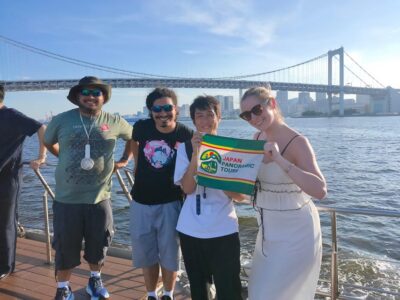
Meiji Shrine, Asakusa, Skytree Bus Tour and Cruise
Read our review →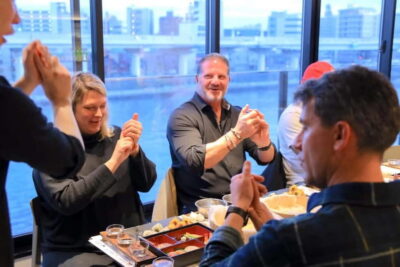
Roll and Authentic Sushi Making Class in Asakusa
Read our review →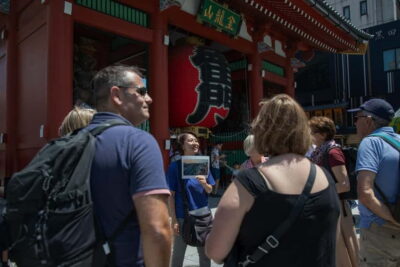
Asakusa Walking Tour with Sensoji Temple Visit
Read our review →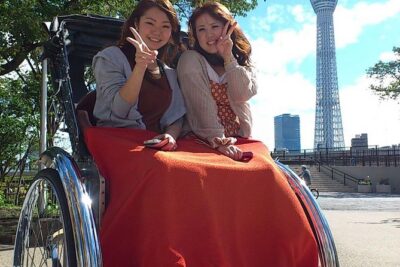
Tokyo Panoramic 1 Day: Meiji Shrine, Asakusa, Odaiba and SKYTREE®
Read our review →
Tokyo Go Kart: Asakusa, Skytree, and Akihabara **IDP MUST**
Read our review →
Asakusa, Skytree & Akhihabara Go-Kart City Experience
Read our review →Browse the lists this tour appears in