
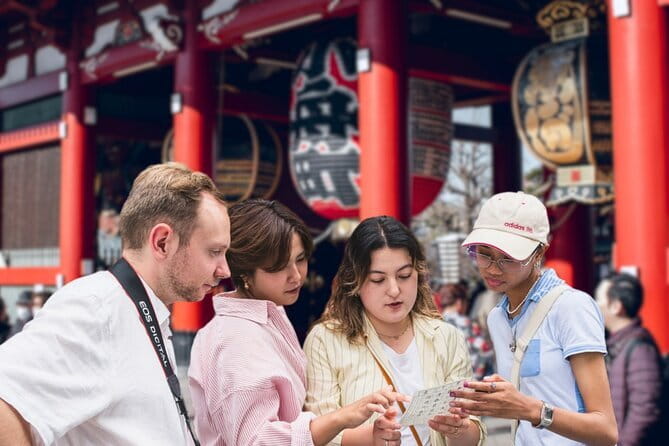
Reviewed · ASAKUSA TOURS
Tokyo: Asakusa Temple & Shrine Walking Tour with Local Guide
Asakusa’s famous Sensō-ji is more than a striking temple gate and a good photo stop. On this two-hour walk, a local guide helps you understand the Buddhist and Shinto customs behind the sights, then shows you smaller temple and shrine spots that are easy to pass by when you explore alone.
I like two things in particular: the small group, capped at eight, makes it easier to ask questions, and the chance to practise rituals such as hand washing and fortune telling gives the history a practical side. The view from the Asakusa Culture Tourist Information Center is another welcome surprise, with a broad look over the temple district.
One consideration: Asakusa can be crowded, and this is a walking tour that runs in any weather. It is not suited to wheelchair users or people with mobility impairments or low fitness, so comfortable shoes and a little stamina matter.
Key points
- See Asakusa from above: Stop at the Asakusa Culture Tourist Information Center for a view over the temple grounds.
- Learn the difference between religions: Your guide explains Buddhist customs at Sensō-ji and Shinto practice at Asakusa Shrine.
- Try familiar rituals: Take part in temizu hand washing, omikuji fortune telling and the incense ritual.
- Get local pointers: Ask about good photo angles, snacks, souvenirs or other Tokyo questions.
- Keep the group small: The tour is limited to eight people and takes about two hours.
- Plan for the walk: Wear comfortable shoes, bring water in hot weather and dress for the forecast.
Start beside the Sumida River
The walk begins near Azuma Bridge, with the Sumida River and Tokyo Skytree in view. The meeting point is listed as the Burger King Asakusa Azumabashi, though it can vary with the option you book, so check your confirmation before setting out.
This first stop is a useful way to get your bearings. As the guide points out the Skytree and the local landmark nicknamed the golden poop, you see how old Asakusa and modern Tokyo sit side by side. The stop is brief, around ten minutes, so think of it as an orientation and photo pause rather than a full riverside visit.
The guide’s presence is valuable from the start. You can ask about the city, local customs or anything else on your mind, not just the temples. Several guides, including Nico, Erik, Lino, Nana, Diane, Joe, Somi, Ayaka and Arief, have been named by people who took the tour. Your assigned guide may be different, but the personal, question-friendly approach is a consistent part of the experience.
More Asakusa tours in Tokyo:
- Tokyo: Japanese Dance Cabaret Theater Asakusa-Kaguwa Ticket
★ 4.8 · 2,270 reviews - Tokyo: Meiji Shrine, Asakusa, Skytree Bus Tour and Cruise
★ 4.7 · 1,986 reviews - Tokyo: Roll and Authentic Sushi Making Class in Asakusa
★ 4.9 · 1,957 reviews
Look over the temple district from above
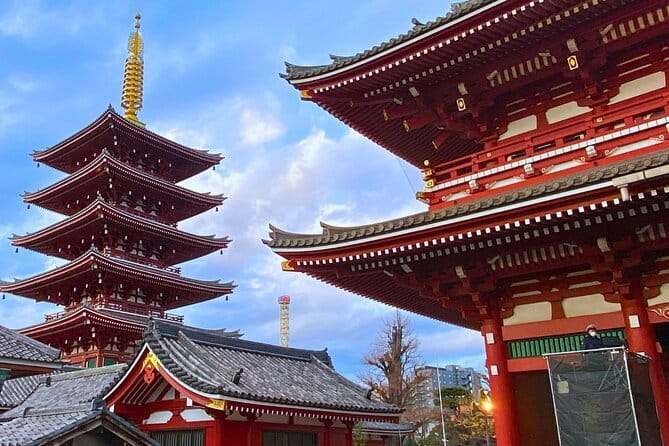
Next comes the Asakusa Culture Tourist Information Center, where the tour heads to a high viewpoint overlooking the temple area. It gives you a useful map-like view before you walk through the gates and streets below. You can spot how the main approach runs toward Sensō-ji, then connect that view to the route as you continue on foot.
This is also a good moment to ask your guide where to stand for photos. The tour includes help finding photo spots, and a guide who knows the area can make a short stop more useful than simply taking the obvious shot from street level.
The viewpoint is part of the value here. Sensō-ji is easy to reach and easy to photograph, but the district can feel like a stream of gates, shops and people when you first arrive. Seeing the layout from above helps you make sense of it before you enter the busiest stretch.
Read the story at Kaminarimon Gate
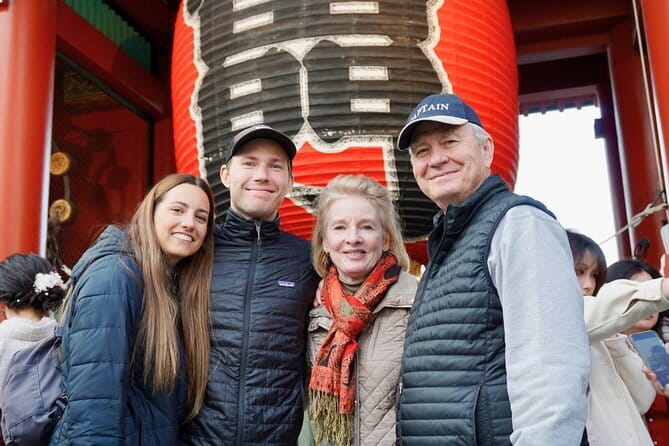
Kaminarimon, or Thunder Gate, is one of Asakusa’s best-known landmarks. Its enormous red lantern weighs about 700 kilograms, and the guide explains the story behind the lantern and the gate’s name. That small piece of context turns a familiar photo stop into a chance to notice what you are looking at.
Expect people taking photos and moving through the gate. The group’s small size helps, but it cannot make a public landmark quiet or empty. Your guide can help you find a good angle and keep the walk moving without treating the stop as a race.
If you arrive early or stay in Asakusa afterward, you may want extra time here for your own photos. The tour allows roughly ten minutes at this point, which is enough for the explanation and a few pictures, not an extended photo session.
Follow Nakamise’s food and souvenir trail
Beyond Kaminarimon, Nakamise Shopping Street leads toward the temple grounds. This compact shopping approach is part of the experience, not merely a route between gates. Your guide explains the cultural background of the treats and souvenirs and can point out where to look for worthwhile finds.
That advice is handy if you are unsure what is a local specialty and what is simply an easy purchase for a passing crowd. The guide can also help with translation, which may make choosing a snack or asking a vendor a little less daunting. Any food or souvenirs you buy are personal expenses and are not included in the tour price.
Nakamise can be crowded, especially when the area is busy. Keep close enough to hear your guide, and do not expect to browse every shop during the roughly fifteen-minute stop. If a particular snack or souvenir catches your eye, make a note to return after the walk.
More walking tours in Tokyo:
- Tokyo Tsukiji Fish Market Food and Culture Walking Tour
★ 5.0 · 3,184 reviews - Tokyo: Imperial Palace and Shogun Historical Walking Tour
★ 5.0 · 2,251 reviews - Tokyo: Shinjuku Local Bar and Izakaya Guided Walking Tour
★ 4.9 · 1,794 reviews - Tokyo: Tsukiji Fish Market Food and Walking tour
★ 5.0 · 1,724 reviews
Pass through Hōzōmon and smaller sacred sites
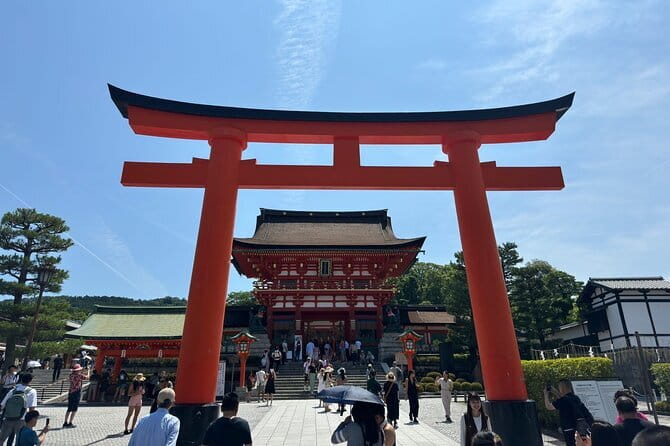
The route continues through Hōzōmon Gate and includes smaller temple and shrine locations. The provided stop schedule does not name two of these sites, so the exact sequence and landmarks may not be obvious in advance. What matters is the contrast: you get the headline sights, but also time to look at quieter corners of Asakusa’s religious life.
This is where a guide can help you see more than architecture. Shinto and Buddhism have coexisted in Japan for centuries, and their practices can appear alongside one another in the same neighbourhood. The tour explains how to recognise the difference and what people are doing at each site, without requiring you to have any background in religion.
The smaller stops also give the walk breathing room between the busiest gates and the main temple. They are not a substitute for a long, quiet visit to a temple, but they add useful context to the more famous sights.
Learn temple etiquette by taking part
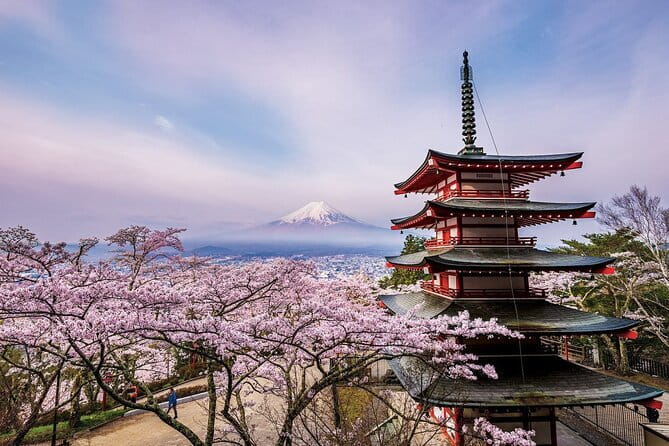
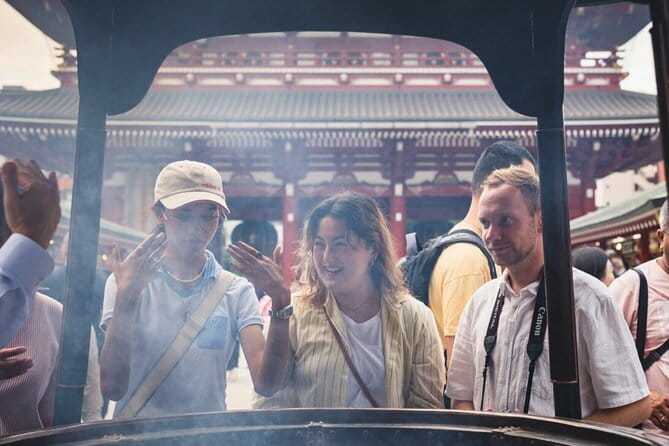
At the smaller sites and around Sensō-ji, the guide introduces temizu, the hand-washing ritual, and omikuji, the drawing of a fortune. You also learn about burning incense, which is associated with healing for both body and mind. These are interactive parts of the tour, not just demonstrations from a distance.
Your guide explains how to take part and what the gestures mean. That guidance can be especially useful if this is your first visit to a Japanese temple or shrine. Instead of worrying about getting every motion right, you can follow along, ask questions and treat the customs with care.
A practical distinction matters here: the tour includes guidance through these rituals, but personal expenses are not included. If a ritual involves an optional purchase or offering, ask your guide what applies at the time. The information provided does not list a separate ritual fee.
Understand Sensō-ji’s Buddhist customs
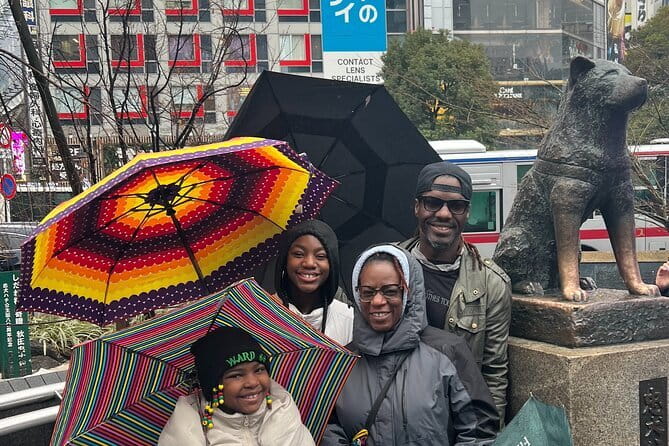
Sensō-ji is the centrepiece of the walk, with around thirty minutes set aside for a guided visit. The guide explains its history and architecture, the meaning of the ritual spaces and how to pray in the Buddhist style. The focus is not only on what the temple looks like, but on how people use it.
That practical explanation is one of the tour’s strongest features. A visitor can walk through Sensō-ji, take photos and leave without understanding what happens at the incense burner or how to approach prayer. Here, you have a chance to learn the steps as you go and ask why they matter.
The grounds are a major draw, so expect other people around you. One guide has helped a visitor with the small coins needed for an offering, but you should not assume that will happen on every tour. It is sensible to carry some small change if you want to make an offering, and to ask your guide before doing so.
Compare it with Asakusa Shrine
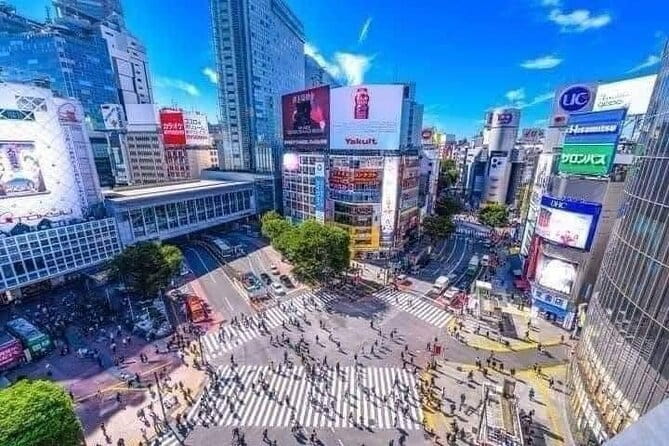
The walk also visits Asakusa Shrine, beside the Buddhist temple complex. Here the guide explains the Shinto way of praying and points out how it differs from the Buddhist practice you have just learned. You also hear about bowing and how to walk through torii gates.
This comparison is the heart of the cultural explanation. Japan’s religious traditions are not always separated into tidy categories, and the nearby temple and shrine make that visible. A guide can help you notice the differences without suggesting that you need to master a rulebook before entering a sacred place.
About fifteen minutes are set aside for this stop. That is enough for an introduction and questions, though you may want to return later if you would like to spend more time on your own.
What two hours and $30 buy you
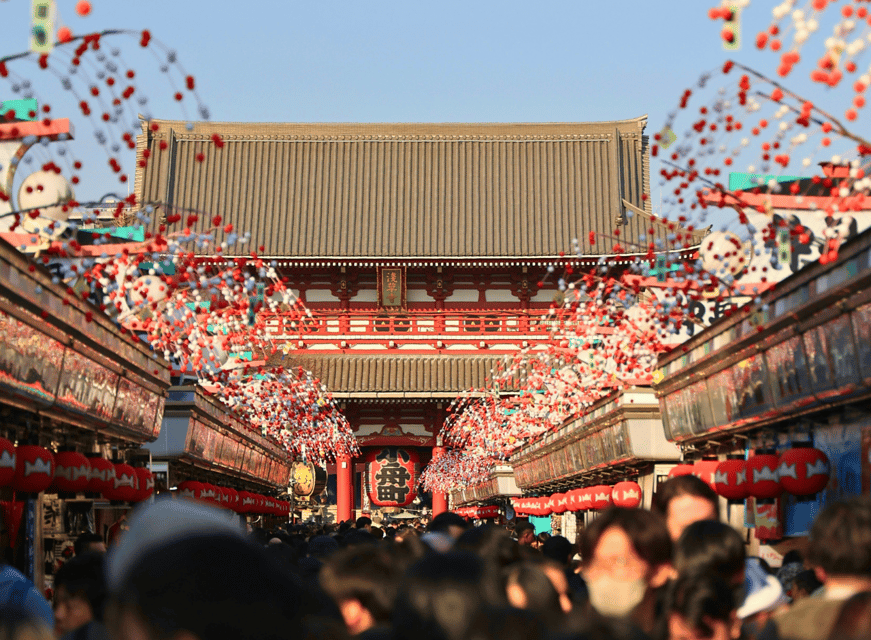
At $30 per person, this is a reasonably priced way to add context to a visit you could make independently. Sensō-ji and the surrounding streets are open to explore without a guide, but the fee pays for more than a route between well-known sights. You get a local guide, explanations of Buddhist and Shinto customs, practical help with rituals, a high viewpoint and recommendations for shopping and photos.
The small-group limit of eight matters at this price. A compact group is easier to keep together through Nakamise and makes it more natural to ask questions than a large tour. If few people book the same time, you may end up with a more personal outing; one person described having the guide to themselves, but that is not guaranteed.
You can also use the guide as a source of wider Tokyo advice. Past guides have offered help with restaurant suggestions, directions to Kappabashi Street and questions from families with children. Those examples are not promised extras, but they show why it is worth speaking up rather than saving every question for the end.
The tour is available in English and French. Free cancellation is available up to 24 hours before the start, and the reserve-now, pay-later option can help if your plans are still taking shape.
Who will get the most from this walk
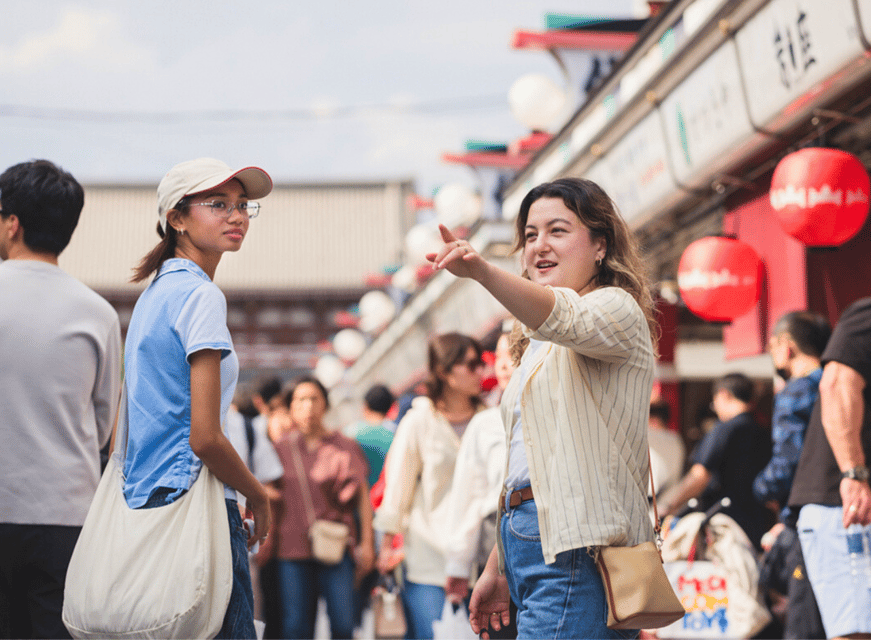
I would put this near the start of a Tokyo visit if you want a clear introduction to Japanese temple and shrine customs. Learning how to behave at Sensō-ji can make later visits easier, and the guide’s local pointers may help you decide what to explore next.
It also suits solo visitors, couples and families who want a manageable group and room for questions. Children can enjoy the gates, shopping street and rituals, and guides have taken time to explain things to younger participants. Still, the walk is not listed as suitable for people with low fitness, mobility impairments or wheelchair users.
Wear comfortable walking shoes and bring water on a hot day. Vending machines are available during the tour, but the route goes ahead rain or shine, so dress for the weather. There is no dress code, and tattoos are welcome. If you are interested in wearing a kimono, the provider can be asked about rental through a local shop two minutes from the meeting point.
Should you book the Asakusa walk?
Book it if you want more than a quick photo at Sensō-ji. The combination of the viewpoint, the main temple, Asakusa Shrine, smaller sacred sites and guided rituals gives you a useful cultural introduction in two hours. At $30, the price is easiest to justify if you plan to ask questions and take part, rather than treating the tour as a simple escorted walk.
Skip it if you prefer to explore entirely at your own pace, need step-free access or want long stretches for shopping and photography. The route is short, the main sights can be crowded, and the tour will not replace a leisurely independent visit. For a first look at Asakusa, though, it offers a practical way to understand what you are seeing and how to approach it respectfully.
FAQ
How long is the tour?
The walking tour lasts about two hours.
What is the maximum group size?
The group is limited to eight participants.
Which languages are available?
The live guide is available in English or French.
Where does the tour start?
The listed starting point is Burger King Asakusa Azumabashi. The meeting point may vary depending on the option you book, so check your booking details.
Which sites does the tour visit?
The route includes Azuma Bridge, the Asakusa Culture Tourist Information Center, Kaminarimon, Nakamise Shopping Street, Hōzōmon Gate, Sensō-ji, Asakusa Shrine and smaller local temple sites.
Are temple rituals part of the experience?
Yes. The guide introduces temizu hand washing, omikuji fortune telling and the incense ritual, and explains how to pray at the Buddhist temple and Shinto shrine.
Is there a dress code, and are tattoos allowed?
There is no dress code, and tattoos are welcome.
What should I bring?
Wear comfortable shoes and bring water, especially on a hot day. Dress for the weather because the tour runs rain or shine.
Is the tour suitable for wheelchair users?
No. The tour is listed as unsuitable for wheelchair users and people with mobility impairments or low fitness.
Are food, souvenirs or personal purchases included?
No. Personal expenses, including snacks and souvenirs you buy, are not included.
Freshly reviewed in Tokyo
- Tokyo: Toshimaya Sake Brewery Tour with Sake Tasting★ 5.0 · 6 reviews
- :Tokyo,Shibuya /Meiji Shrine tour in KIMONO/English-friendly★ 5.0 · 4 reviews
- Tokyo: Tour Privado por Tokio en español★ 4.3 · 4 reviews
- Tokyo:Tea ceremony experience at Komaba Warakuan★ 4.8 · 9 reviews
- :Tokyo,Shibuya/ Pro Photography in Kimono / English-Friendly★ 5.0 · 26 reviews
- Tokyo:Samurai Training : Swords, Bushido & Mental Discipline★ 5.0 · 6 reviews
- Tokyo:Mt Fuji & Hakone Day Tour with English Speaking Driver★ 5.0 · 26 reviews
- Tokyo:Nikko UNESCO World Heritage Sites Private 1-Day Tour★ 3.8 · 6 reviews
Asakusa Tours, compared.
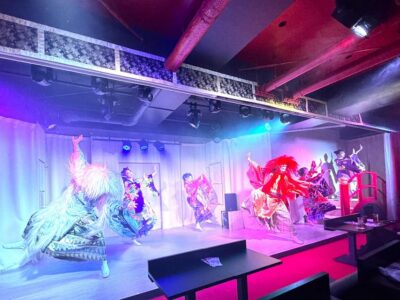
Japanese Dance Cabaret Theater Asakusa-Kaguwa Ticket
Read our review →
Meiji Shrine, Asakusa, Skytree Bus Tour and Cruise
Read our review →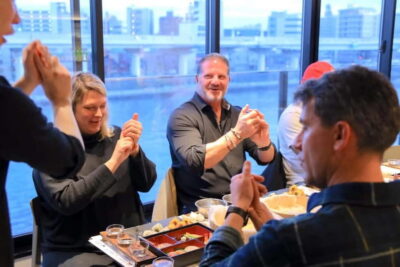
Roll and Authentic Sushi Making Class in Asakusa
Read our review →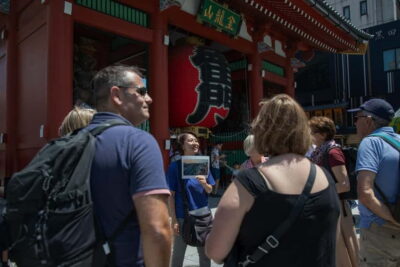
Asakusa Walking Tour with Sensoji Temple Visit
Read our review →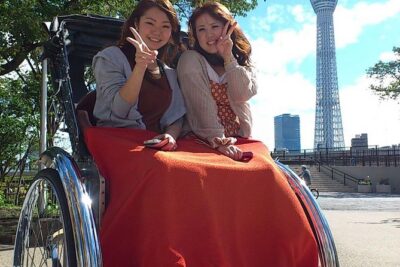
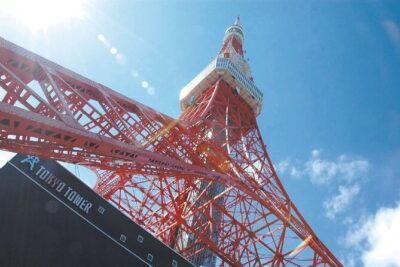
Tokyo Panoramic 1 Day: Meiji Shrine, Asakusa, Odaiba and SKYTREE®
Read our review →
Tokyo Go Kart: Asakusa, Skytree, and Akihabara **IDP MUST**
Read our review →
Asakusa, Skytree & Akhihabara Go-Kart City Experience
Read our review →Browse the lists this tour appears in