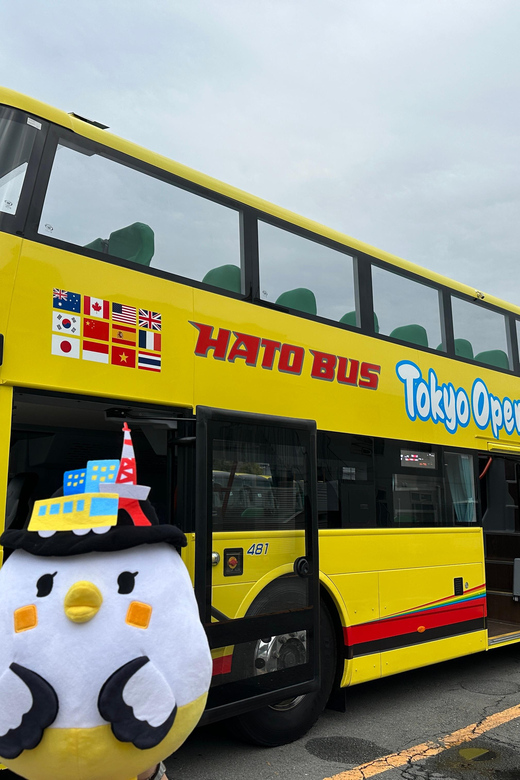
Reviewed · TOKYO TOURS
Tokyo: 60min Panoramic Open Top Bus Tour with Audio Guide
Tokyo’s big sights come into view in quick succession from the open top of a double-decker bus. I like that the route pairs landmark views, including Tokyo Tower and Rainbow Bridge, with a compact one-hour ride, and that the GPS audio is offered in eight languages.
I also like the Japanese-speaking guide’s presence alongside the audio, so you have a live guide even if you use another language for the explanations. The trade-off is that this is a drive-by tour, not a hop-on hop-off service, and rain can mean a closed roof or cancellation.
The useful details at a glance
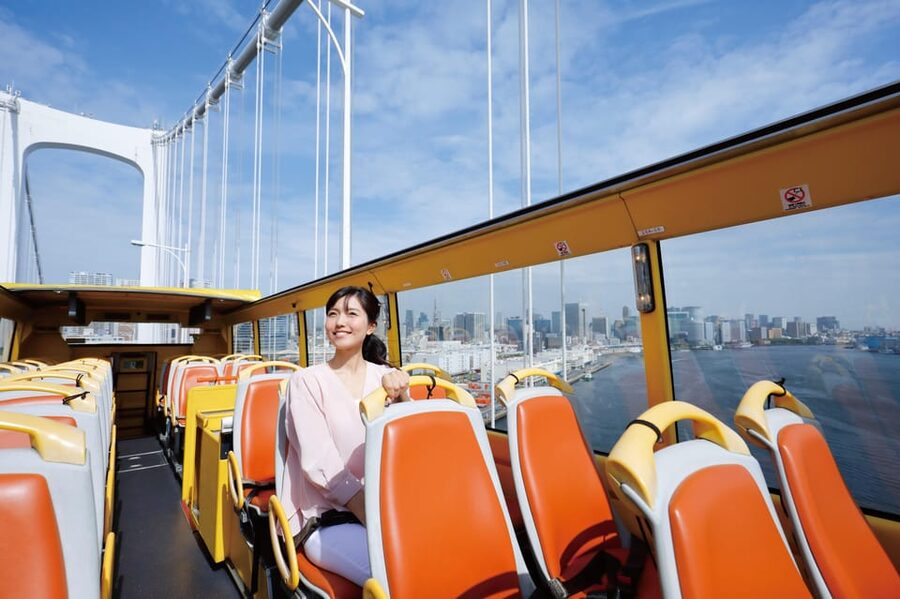
- One hour, with no sightseeing stops: The bus passes major landmarks, then returns to the same Hato Bus stop at Tokyo Station.
- Open-air views: The double-decker roof is normally open, giving you a clear view of the city and a feel for the breeze, especially around Rainbow Bridge.
- Eight audio languages: GPS-based guidance is available in English, Chinese, Korean, Spanish, French, Thai, Indonesian and Vietnamese.
- Bring your own gear: You need a smartphone that works in Japan and your own earphones to use the audio guide.
- Weather can change the ride: The roof may close in rain, and bad weather or heavy rain can cancel the tour.
- A simple, low-cost introduction: At $14 per person, it is an affordable way to see several parts of Tokyo without arranging transport between them.
From Tokyo Station, the city opens up
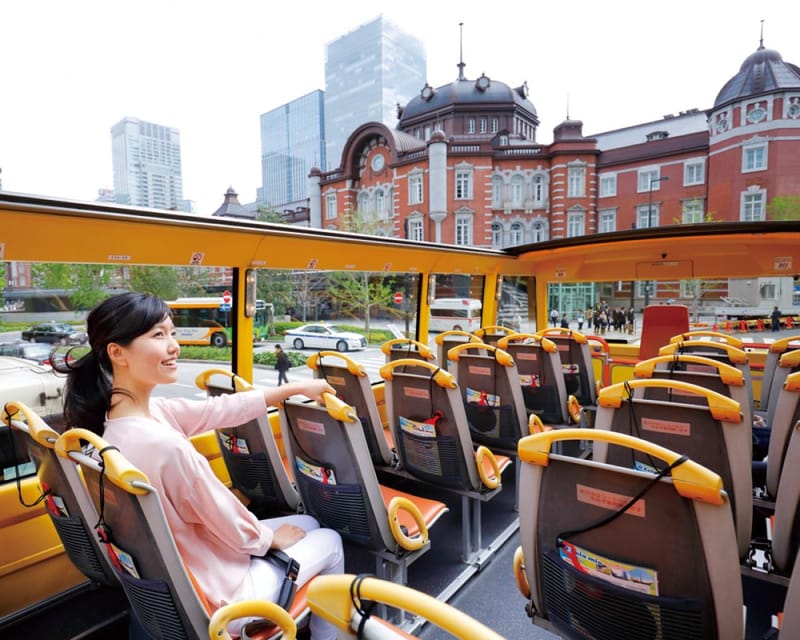
The tour starts and ends at the Hato Bus stop near Tokyo Station’s Marunouchi South Exit. From the station exit, turn left and walk straight for about two minutes to the yellow Hato Bus stop. The meeting point is convenient if you are already in the central station area, but allow time to find the right exit and bus stop rather than rushing out at the last minute.
This is a circular sightseeing ride, not a hop-on hop-off bus. You stay aboard for the full hour, so think of it as a moving overview rather than a way to reach a particular neighborhood. That format works well if you have limited time, want to see several landmarks in one go, or would like a first look at Tokyo before exploring places on foot.
The route moves through a broad sweep of central Tokyo and the bay area. You pass Hibiya Park, the National Diet Building, Toranomon, Tokyo Tower, Rainbow Bridge, Odaiba, Toyosu, Tsukiji Outer Market, Kabuki-za and Ginza before returning to Tokyo Station.
More self-guided tours in Tokyo:
- Tokyo: Open Top Panoramic Sightseeing Bus with Audio Guide
★ 3.8 · 254 reviews - Akihabara: Self-Guided Tour with a special brochure
★ 3.7 · 11 reviews - Tokyo Self-Guided Audio Tour
★ 3.5 · 10 reviews
Hibiya, the Diet Building and Tokyo Tower
The first part of the ride passes Hibiya Park, the National Diet Building and Toranomon. These are drive-by views, so you will not get time to stop and explore the park or inspect the government buildings. Instead, the value is in seeing how central Tokyo’s civic and office districts fit together as the bus moves through them.
The National Diet Building is a notable landmark on this stretch, and the route gives you a chance to spot it from the bus rather than making a separate visit. Toranomon follows as part of the city’s central business area. Keep your attention outside: with so many places on the route, it is easy to miss a landmark if you are focused on your phone or trying to take a photo at every turn.
Tokyo Tower is a highlight for many people, and the bus route offers views from more than one angle. That changing perspective is a real advantage of seeing it from the road. You are not simply looking at the tower from one fixed viewpoint, though you should still expect a passing view rather than time to get out, walk around or take a close-up photo.
The ride’s pace is part of the deal. In an hour, you see a broad selection of sights, but you will not have long to linger over any one of them. If Tokyo Tower is your main goal, pair this ride with a separate visit that gives you time at the tower itself.
Rainbow Bridge and the Tokyo Bay breeze
The open-top bus comes into its own as the route reaches Rainbow Bridge and the Tokyo Bay area. From above street level, you get an unobstructed view of the surroundings, and the fresh air makes this stretch feel different from a standard enclosed bus ride. The breeze is part of the appeal, though it can also make the weather more noticeable.
The route then passes Odaiba and Toyosu, giving you a look at the bay-side parts of Tokyo. These are not stops, so you will see them from the moving bus rather than having time to explore their shops, waterfront or other attractions. For a quick orientation, that is useful. For a full visit to either area, plan a separate trip.
The open roof is also the tour’s main weather-sensitive feature. If it rains, the roof may be closed, which changes the feel of the ride and can limit the open-air experience you booked for. Heavy rain or other bad weather may cancel the tour altogether, so avoid making this your only plan for a day when the weather forecast looks uncertain.
Tsukiji, Kabuki-za and Ginza on the return
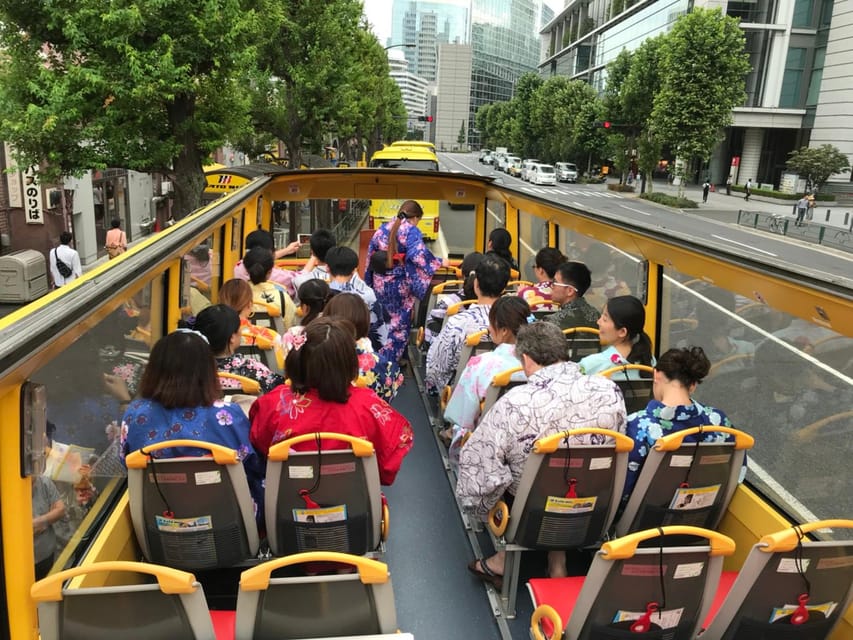
After the bay area, the bus passes Tsukiji Outer Market, Kabuki-za and Ginza on its way back toward Tokyo Station. This final stretch adds a different set of city scenes to the route, moving from the bay-side area back toward central Tokyo.
Tsukiji Outer Market is a well-known food-market district, but this ride does not include time to browse, eat or shop there. Food is not allowed on the bus, so save any market snacks for after the tour. Drinks in plastic bottles are permitted.
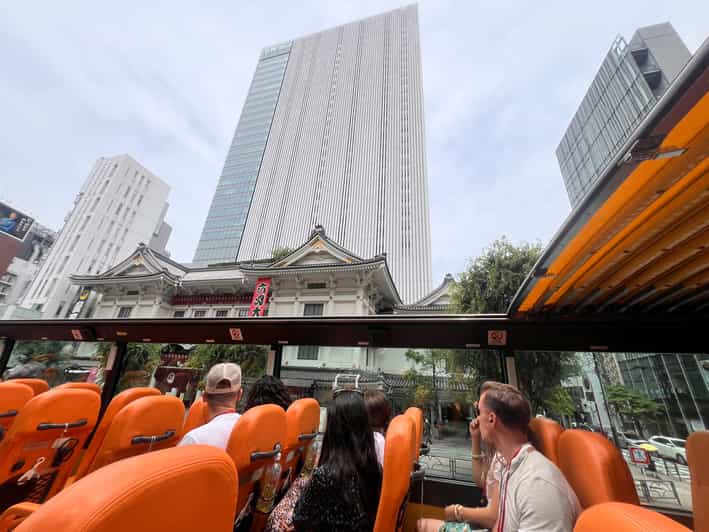
Kabuki-za adds a glimpse of Tokyo’s traditional performing arts district, while Ginza brings the route back through one of the city’s best-known shopping areas. Again, the views are from the bus. You get a quick sense of the area, not a guided walk or a chance to stop at a shop or theater.
That distinction matters when you compare this trip with a walking tour. The bus offers breadth and convenience; a walking tour offers close-up detail. If you want to cover a lot of ground without navigating between neighborhoods, this ride is a useful first layer. If your priority is a detailed visit to Tsukiji, Ginza or Kabuki-za, you will need extra time on your own.
More audio-guided visits in Tokyo:
- Tokyo: Sumo Keiko Training Tour with Audio Guide & Photo
★ 4.8 · 5 reviews
Japanese guide, multilingual audio

A Japanese-speaking guide leads the tour, and GPS-based automated guidance is available in eight languages: English, Chinese, Korean, Spanish, French, Thai, Indonesian and Vietnamese. This setup gives you the option of hearing explanations in your preferred language while still having a live guide on board.
There is an important practical catch: the audio system relies on your own smartphone and earphones. Your phone must be usable in Japan, and the tour does not provide devices or earphones for rent. Check that you can connect and use your phone before boarding, and bring earphones that are comfortable for a bus ride.
The GPS guidance is provided free of charge, but there are no refunds for technical problems or malfunctioning earphones. If the audio matters to you, do not leave setup until the bus is moving. Make sure your phone is charged and that you have the right earphones with you.
A short ride leaves little spare time to troubleshoot. Still, the audio option is a useful feature for people who do not speak Japanese, while the guide’s Japanese commentary means the tour also has a live host rather than relying only on a recorded system.
What $14 gets you
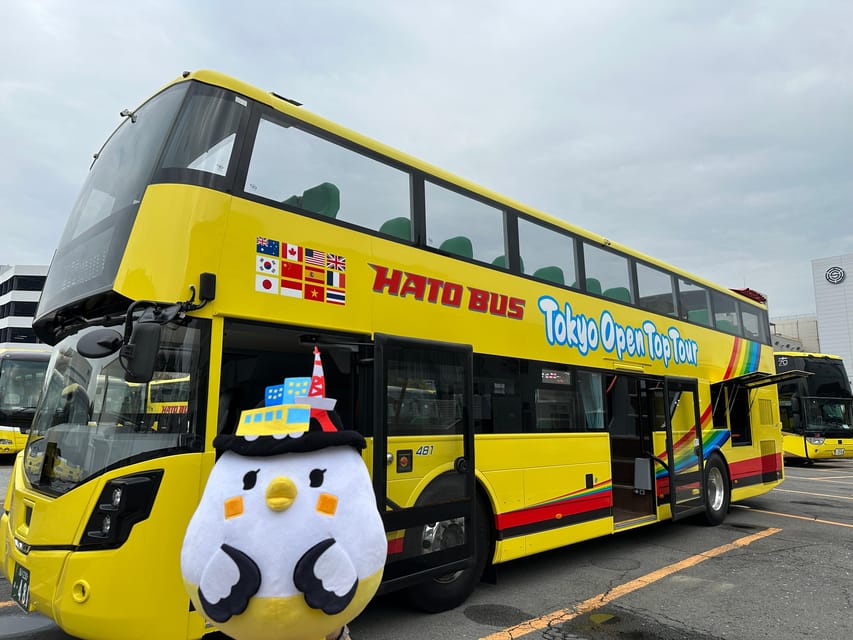
At $14 per person, the main value is the combination of transport, route coverage and open-top views in a single hour. You do not need to plan transfers between Tokyo Tower, the bay area and Ginza, and the price is modest for a guided sightseeing activity. The tour is especially appealing if you want a broad first impression without committing half a day.
The price does not buy entry to any attractions or time to explore the places along the route. The bus passes the landmarks; it does not stop for visits. Hotel pickup and drop-off are not included either, so you need to reach the Hato Bus stop near Tokyo Station yourself.
For families, children under six who do not need their own seat can join for free, with one such child per adult. If a child needs a seat, the free no-seat arrangement does not apply. This makes the ride an easy option for a brief family outing, provided everyone is comfortable staying aboard for the full hour.
Who will get the most from this ride

I would choose this tour if I had a spare hour, wanted an overview of central Tokyo and the bay area, or needed a simple way to see several landmarks early in a visit. The route gives you a useful sense of the city’s spread, and the open top makes the views the main event. Its short duration also makes it easier to fit between other plans.
It is a good match for visitors who like city views but do not want to arrange transport from one sight to another. It may also suit families who want a contained outing, since the ride begins and ends at the same point and takes only an hour. The free option for one child under six without a seat can help keep the cost down for some families.
I would look elsewhere if you want to get off at the landmarks, spend time in Tsukiji or Ginza, or hear detailed commentary in a language not offered by the audio system. You should also think twice if you are counting on an open-air ride in wet weather. The roof can close, and the tour can be canceled in bad conditions.
Should you book the Tokyo open-top bus?

Book it if you want an affordable, one-hour overview with clear views of Tokyo Tower, Rainbow Bridge and the bay-side districts. The strongest reasons to go are the compact route, the open-top perspective and the choice of eight audio languages. Bring your own working smartphone and earphones, and treat each landmark as a preview rather than a full visit.
Skip it if you need stops, hotel transport or a weather-proof plan. For a quick look at several sides of Tokyo, though, this is an efficient ride that leaves the rest of your day free.
FAQ
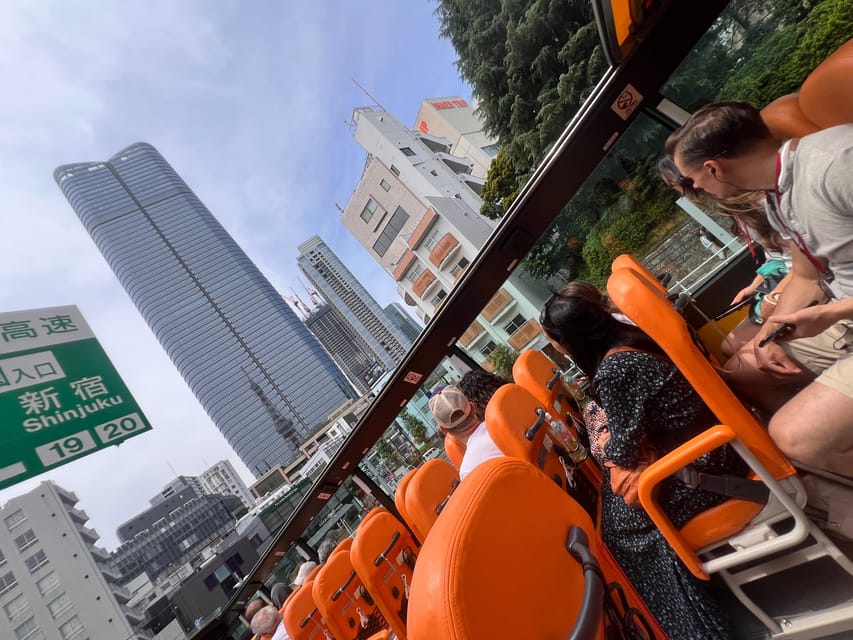
Where does the tour start and finish?
The tour starts and ends at the Hato Bus stop near Tokyo Station’s Marunouchi South Exit. From the exit, turn left and walk straight for about two minutes to the yellow bus stop.
How long is the bus tour?
The ride lasts one hour.
Does the bus stop at Tokyo Tower, Odaiba or Tsukiji?
No. These places are passed by along the route, but the tour is not hop-on hop-off and does not include sightseeing stops.
What languages are available for the audio guide?
GPS-based audio guidance is available in English, Chinese, Korean, Spanish, French, Thai, Indonesian and Vietnamese. The live guide speaks Japanese.
Do I need to bring a phone and earphones?
Yes. Bring a smartphone that can be used in Japan and your own earphones. Devices and earphones are not provided for rent.
Can I eat or drink on the bus?
Eating is not allowed. Drinks in plastic bottles are permitted.
What happens if it rains?
The bus roof may be closed in rain. The tour may be canceled because of bad weather or heavy rain.
Can a child under six ride for free?
A child under six who does not need a seat can join for free. The allowance is one child per adult.
Is hotel pickup included?
No. Hotel pickup and drop-off are not included. You need to make your own way to the Hato Bus stop by Tokyo Station.
Freshly reviewed in Tokyo
- Tokyo: Toshimaya Sake Brewery Tour with Sake Tasting★ 5.0 · 6 reviews
- :Tokyo,Shibuya /Meiji Shrine tour in KIMONO/English-friendly★ 5.0 · 4 reviews
- Tokyo: Tour Privado por Tokio en español★ 4.3 · 4 reviews
- Tokyo:Tea ceremony experience at Komaba Warakuan★ 4.8 · 9 reviews
- :Tokyo,Shibuya/ Pro Photography in Kimono / English-Friendly★ 5.0 · 26 reviews
- Tokyo:Samurai Training : Swords, Bushido & Mental Discipline★ 5.0 · 6 reviews
- Tokyo:Mt Fuji & Hakone Day Tour with English Speaking Driver★ 5.0 · 26 reviews
- Tokyo:Nikko UNESCO World Heritage Sites Private 1-Day Tour★ 3.8 · 6 reviews
Tokyo Tours, compared.
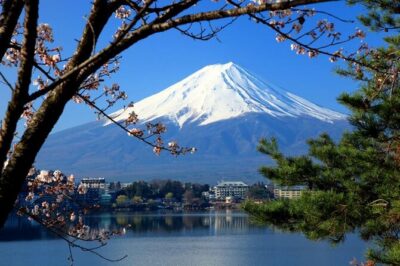
Mt Fuji and Hakone 1-Day Bus Tour Return by Bullet Train
Read our review →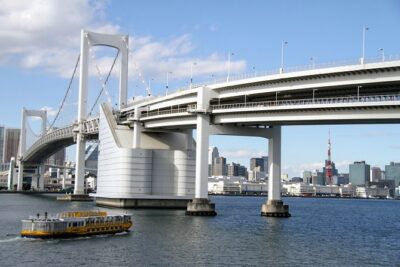
teamLab Planets TOKYO Digital Art Museum Entry Ticket
Read our review →
Mt Fuji & Hakone Cruise, Drum Show Bullet Train 1 Day from Tokyo
Read our review →
Shinjuku Food Tour (13 Dishes at 4 Local Eateries)
Read our review →
Tokyo Mt Fuji 5th St & Hakone Cruise Bus Tour w/Bullet Train
Read our review →
Flagship 2-Hours Official Street Go-Kart Tour – Tokyo Bay Shop
Read our review →