
Reviewed · TOKYO GO-KART TOURS
Official Japan Go-Kart Through Shibuya / Shinjuku (IDP Required)
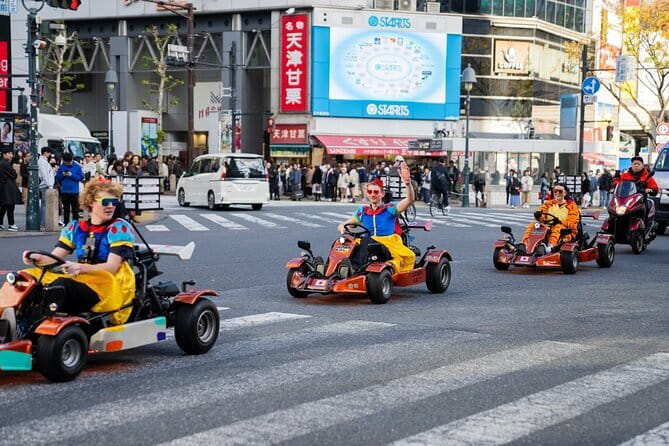
Tokyo’s famous Shibuya Crossing looks different from a tiny kart at street level, with traffic lights changing and a sea of people moving around you. On this roughly two-hour tour, you drive through parts of Shinjuku, Harajuku and Shibuya, following a guide rather than trying to find your way through Tokyo’s traffic alone.
I like two things in particular: the small group, limited to 10, and the chance to see several well-known districts in one moving circuit. The guides take care of the route, and the experience can feel more like a city adventure than a standard sightseeing bus ride.
The main catch is not a minor one: you must bring the right license documents, and Japan’s rules are specific. If your paperwork is wrong, you can be turned away without a refund. The kart also puts you in real traffic, so this is best for people who are excited by the idea, not just curious about the photo.
- Shibuya Crossing from the road: The route passes the famous scramble, with some outings crossing it more than once.
- A guide-led ride: You follow the guide through busy streets instead of navigating on your own.
- A maximum of 10 participants: A compact group is easier for the crew to keep together on the road.
- Several districts in one outing: The route includes Shinjuku, Omotesando, Harajuku and Shibuya.
- Strict driving paperwork: You need an eligible license and permit, or a Japanese translation for certain licenses.
- About two hours door to door: Plan for the full activity, including the time before you set off.
Tokyo by kart, not by train
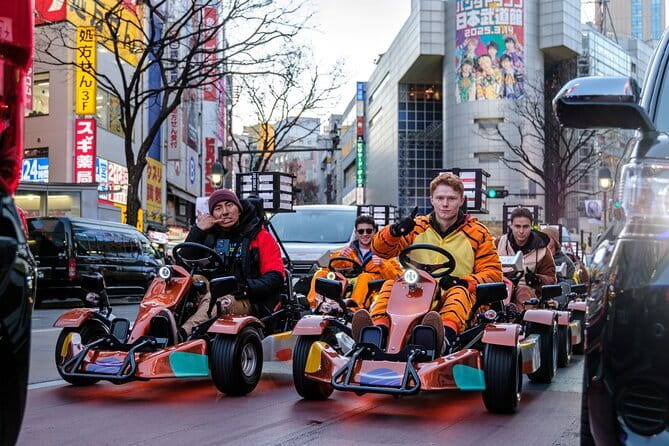
Tokyo’s trains are fast and useful, but they keep you below ground or moving past the city behind glass. A go-kart gives you a much closer view of the streets, shop fronts and traffic patterns. You are also low to the road, which makes the city feel bigger and busier than it does from a bus seat.
This is not a leisurely drive through quiet lanes. You share the road with regular traffic, and the activity’s appeal comes partly from that added edge. Several participants have described feeling nervous at first, then getting comfortable after the opening minutes. That shift is worth keeping in mind: the beginning may feel intense, especially if you have never driven a small kart in city traffic.
The guide is there to lead the group and handle navigation. Accounts of the operation describe a lead vehicle and support at the back, with a motorcycle also helping keep the group together on some outings. That kind of support matters in a city where lanes, signals and traffic can demand your attention. It does not remove the need to drive carefully or follow instructions, but it means you are not expected to work out the route alone.
From Shinjuku to the scramble
The meeting point is JAPANKART’s Shinjuku branch, in Shinjuku City. The activity ends back at the same point, so you do not need to plan for a separate return trip after the ride. Arrive 15 minutes early, as instructed, with your documents ready rather than buried in a suitcase or hotel room.
The advertised duration is about two hours. One participant described driving for more than an hour, so expect a substantial ride, though the exact time behind the wheel may vary. The rest of the time allows for the setup and safety instruction that make a traffic-based activity possible.
The route links several parts of western central Tokyo. Treat the named places as sights you pass, not as guaranteed walking stops. This is a moving tour, so you get a street-level impression of each district, not time to explore a garden, shrine or shopping street on foot.
More Shibuya tours in Tokyo:
- Official Street Go-Kart in Shibuya
★ 5.0 · 3,435 reviews - Tokyo: Street Kart Experience in Shibuya
★ 4.9 · 1,484 reviews - Shibuya Meltdown Nightlife Tour: All-You-Can-Drink Bar Hopping
★ 5.0 · 1,058 reviews
Shinjuku Gyoen and the first stretch
Shinjuku Gyoen National Garden is one of the route’s early landmarks. It is a large, much-loved park, especially known for cherry-blossom viewing in spring. From the kart, you get a sense of the contrast between the garden’s green space and the dense city around it.
There is a trade-off: passing the park is not the same as visiting it. If you want to walk among the garden’s lawns and paths, set aside separate time. The kart tour gives you a quick visual marker and a reason to return, rather than a proper park visit.
Shinjuku is also a practical starting point for a route that heads toward the other named districts. Once the group is moving, your attention will be divided between the guide, the road and the city sights. You will not have the same freedom to stop and look as you would on foot, so take in the broad impressions and leave detailed sightseeing for later.
Omotesando’s polished streets and Harajuku’s playful side
Omotesando is known for high-end shopping and stylish architecture. From a kart, you pass through a district where the expensive cars and carefully designed storefronts are part of the show. The street-level view is the point: you are moving through the area rather than seeing it from a distance.
Harajuku brings a different mood. It is associated with youth fashion and bold personal style, so the shift from Omotesando’s polished shopping streets is part of what makes the route interesting. You may catch a glimpse of the area’s unusual outfits and lively street scene as you ride by, but this is not a shopping stop or a guided walk through its side streets.
That distinction is useful when deciding if the tour suits you. If you want to browse boutiques or linger over fashion, go back on your own. If you want a compact, fast-moving overview of districts with distinct personalities, this stretch adds welcome variety.
Shibuya Crossing from a kart seat
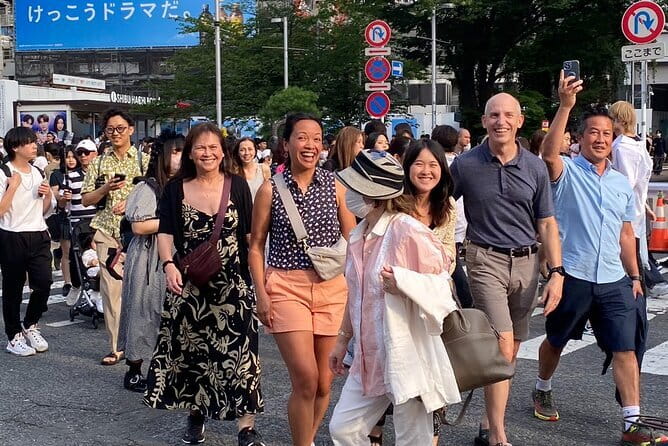
The most memorable moment for many is Shibuya Crossing. At a traffic light, you can watch the crowds move across the famous scramble. The route also takes the karts through the crossing, and some outings have crossed it twice. The exact experience depends on the ride and traffic conditions, so do not treat a particular number of crossings as guaranteed.
From the road, the crossing is less a photo from above and more a close-up of how Shibuya moves. The scale of the crowd, the signals and the surrounding buildings are all right there. You will still need to keep your attention on driving, so this is not the time to frame a phone shot while steering.
The group format is especially useful here. In the accounts of the ride, staff helped keep the group together through busy streets, and some took photos and videos at safe points along the route. Pictures have been shared digitally after some departures, but do not assume that a particular photo service or delivery time is included unless confirmed for your booking.
More Shinjuku tours in Tokyo:
- Tokyo: Shinjuku Food Tour (13 Dishes at 4 Local Eateries)
★ 5.0 · 6,603 reviews - Tokyo Bar Hopping Tour in Shinjuku (All-You-Can-Drink + Dinner)
★ 5.0 · 3,587 reviews - Tokyo: Shinjuku Food Tour (15 Dishes and 4 Eateries)
★ 4.9 · 2,033 reviews - Best of Shinjuku: Izakaya Food Tour (4 Stops, 14+ Tastings)
★ 5.0 · 1,863 reviews
Yoyogi Park and the Meiji Jingu neighborhood
Yoyogi Park is another large green space on the route, with lawns, ponds and wooded areas. It sits beside the well-known Meiji Jingu shrine, making this part of the ride a reminder that Tokyo’s busy urban districts sit close to quieter grounds.
Again, you pass by rather than stop for a visit. If Meiji Jingu is high on your list, plan to go separately and allow time to walk around the shrine grounds. The kart route gives you a quick look at the neighborhood, but it cannot replace a visit on foot.
I like this contrast in the route: commercial streets, crowded crossings and large parks all appear in the same outing. You get a broad sense of how varied central Tokyo can be, even if you only glimpse each place for a short time.
Shinjuku’s government towers and Kabukicho
The Tokyo Metropolitan Government Building is another Shinjuku landmark on the route. Its free observation decks are a popular option for panoramic views of Tokyo and beyond. The kart tour passes the building; it does not include a trip to the observation decks. If you want the city from above, make that a separate stop before or after the ride.
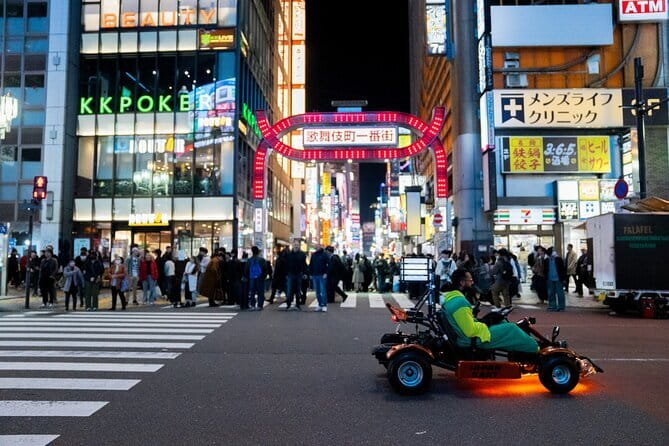
Kabukicho offers a very different view of Shinjuku. It is an entertainment district with restaurants, shops, nightclubs, host and hostess clubs, and love hotels. The area is also known as a red-light district, so expect a more adult-oriented setting than the parks and shopping streets earlier in the route.
Seeing Kabukicho from the road gives you a quick impression of its signs and street life. It is not a guided visit to individual venues, and you should not expect time to explore the district during the kart outing. The value here is the contrast: you move from formal city landmarks to one of Tokyo’s best-known entertainment quarters.
What the ride feels like, and what the crew adds
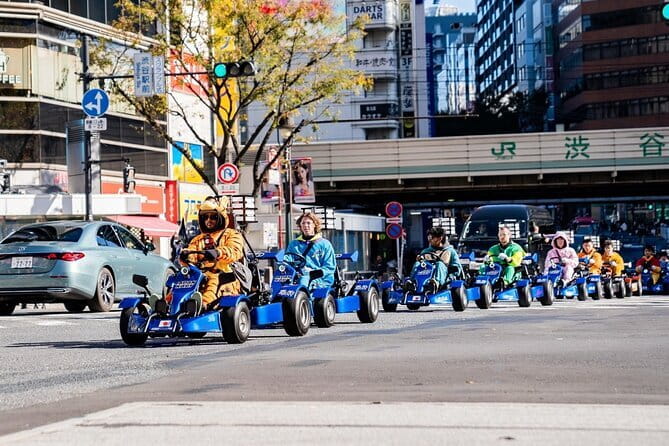
This is a small-group activity, with no more than 10 participants. That limit helps keep the line of karts manageable, though you are still driving in ordinary city traffic. The guide’s role is to set the pace and route, while support vehicles or staff may help the group stay together. Follow instructions closely, especially at lights and lane changes.
The safety briefing is an important part of the experience, not a formality to rush through. People who felt uneasy at the start have described settling in after several minutes on the road. If you are a cautious driver, give yourself that adjustment time and be honest about whether busy streets sound fun or stressful.
The staff have also been praised for being patient, polite and helpful, with English spoken well by some crews. Marge, Leo, Kenny and Alice are among the staff members named by participants, though you should not assume a particular person will be on your departure. Some groups have also received photos and videos taken by staff, sometimes shared through Google Drive within 12 hours. Treat that as a possible extra rather than a guaranteed inclusion.
The experience can be especially striking at night, when the city lights change the look of Shinjuku and Shibuya. If you are choosing between a daytime and evening departure, think about whether you prefer seeing the city’s streets in daylight or under its illuminated signs. The supplied details do not guarantee a particular time slot, so check the available departure when booking.
The paperwork is the make-or-break detail
You must bring your original driving license, passport and a valid International Driving Permit issued under the 1949 Geneva Convention. Japan does not accept permits issued under the 1968 Vienna Convention. The permit must be a booklet, not a paper or A4 document, and it must come from an approved issuer in your country.
Drivers with licenses issued in Switzerland, Germany, France, Taiwan, Belgium or Monaco follow a different rule: bring your home license and an official Japanese translation from the Japan Automobile Federation, available through JAF or its online application. Do not assume that a permit from another country or a translation from an unrelated source will work.
The activity provider places responsibility for valid documents on you. If you arrive without the right paperwork, you can be denied participation and lose the payment. Check the exact requirements before booking, and contact the provider if you are unsure. This is the single most important practical step for protecting both your plans and your budget.
Wear suitable clothes and shoes. Long skirts, high heels and sandals are not allowed, and alcohol before the tour is prohibited. You are also asked to watch the instructional video in the confirmation email. The tour is open to most participants, but the driving requirements mean it is not an activity everyone can join.
Is $125.53 good value?
At $125.53 per person, this costs more than a short transit ride, but it offers something a train cannot: the chance to drive yourself through several well-known Tokyo districts with a guide leading the way. The two-hour format also gives you more than a quick photo opportunity. If the novelty of driving a kart through the city is a major draw, the price can make sense as a memorable part of a Tokyo visit.
Value depends on what you want from sightseeing. You are paying for the guided ride and the unusual way of seeing the city, not for entry to Shinjuku Gyoen, Meiji Jingu or the government building’s observation decks. Nor is it a deep visit to any one neighborhood. If you prefer long stops, detailed history or time to shop, you may get more from a walking tour or a self-planned day.
The experience has a 4.9 rating from 92 reviews, with 97% recommending it. The strongest praise centers on clear instructions, professional staff, a reassuring sense of safety and the sheer fun of driving through Tokyo. There are also serious complaints about finding the meeting point and about people being unable to ride because of paperwork. Those concerns point to two practical fixes: confirm the exact address before setting out, and check your documents well before the tour day.
The meeting point address is JAPANKART Shinjuku Branch, Japan, 160-0022 Tokyo, Shinjuku City, Shinjuku, 5-chōme1123 3階. One person had trouble getting there by rideshare before a taxi driver found the location, so do not leave directions until the last minute. Arrive early enough to sort out any confusion without missing the check-in.
You can cancel for a full refund up to 24 hours before the start time. Cancellations or changes made within 24 hours are not accepted for a refund, and the cut-off uses local time. If bad weather cancels the activity, you can choose a full refund or reschedule, subject to availability. Kart availability may also require the operator to adjust bookings at maximum capacity.
Who should book this Tokyo kart tour?
Book it if you are comfortable driving, have the correct documents and want a high-energy way to see several Tokyo neighborhoods. It is particularly suited to people who enjoy novelty and do not mind sharing the road with city traffic. The small group and guide-led route make the idea less daunting than driving alone, while preserving the thrill of being behind the wheel.
Skip it if you are missing the required permit, dislike traffic or would rather explore each district at walking speed. Also think twice if your main aim is to visit the parks, shrine or observation decks, since the tour passes those landmarks rather than stopping for a full visit.
For the right person, this is a memorable two hours and a fun counterpoint to Tokyo’s trains and sidewalks. Just make the paperwork check your first step, not your last.
FAQ
How long is the tour?
The activity lasts about two hours. The amount of time spent driving may vary.
Where does the tour start and end?
It starts at JAPANKART Shinjuku Branch in Shinjuku City and ends back at the same meeting point.
How many people can join?
The maximum group size is 10 participants.
Do I need an International Driving Permit?
Most participants need a home-country driving license and an International Driving Permit issued under the 1949 Geneva Convention. The permit must be in booklet form.
Are 1968 Vienna Convention permits accepted?
No. International Driving Permits issued under the 1968 Vienna Convention are not accepted in Japan.
What documents do license holders from Switzerland, Germany, France, Taiwan, Belgium or Monaco need?
They need their driving license and a Japanese translation from the Japan Automobile Federation, through JAF or its online application.
Do I need to bring my passport?
Yes. The stated requirements include your passport, home-country driving license and, where required, a valid International Driving Permit.
What should I wear?
Do not wear a long skirt, high heels or sandals. Alcohol consumption before the tour is prohibited.
Does the tour stop at Shinjuku Gyoen or Meiji Jingu?
The route passes Shinjuku Gyoen National Garden and the Yoyogi Park area near Meiji Jingu. The information provided does not describe a visit or walking stop at either place.
What happens if bad weather cancels the tour?
You can choose a full refund or reschedule, depending on availability.
More go-kart rides in Tokyo
- Flagship 2-Hours Official Street Go-Kart Tour – Tokyo Bay Shop
★ 5.0 · 4,974 reviews - Official Street Go-Kart Tour – Akihabara
★ 5.0 · 1,578 reviews - Tokyo Go Kart: Asakusa, Skytree, and Akihabara **IDP MUST**
★ 5.0 · 988 reviews - Shibuya Official Street Go-Kart in Shibuya Annex
★ 5.0 · 972 reviews
Freshly reviewed in Tokyo
- Tokyo: Toshimaya Sake Brewery Tour with Sake Tasting★ 5.0 · 6 reviews
- :Tokyo,Shibuya /Meiji Shrine tour in KIMONO/English-friendly★ 5.0 · 4 reviews
- Tokyo: Tour Privado por Tokio en español★ 4.3 · 4 reviews
- Tokyo:Tea ceremony experience at Komaba Warakuan★ 4.8 · 9 reviews
- :Tokyo,Shibuya/ Pro Photography in Kimono / English-Friendly★ 5.0 · 26 reviews
- Tokyo:Samurai Training : Swords, Bushido & Mental Discipline★ 5.0 · 6 reviews
- Tokyo:Mt Fuji & Hakone Day Tour with English Speaking Driver★ 5.0 · 26 reviews
- Tokyo:Nikko UNESCO World Heritage Sites Private 1-Day Tour★ 3.8 · 6 reviews
Tokyo Go-Kart Tours, compared.
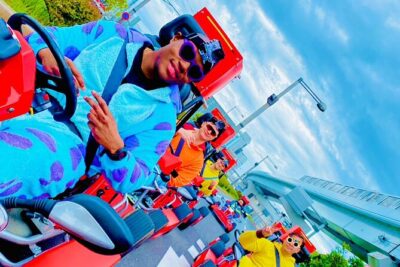
Flagship 2-Hours Official Street Go-Kart Tour – Tokyo Bay Shop
Read our review →
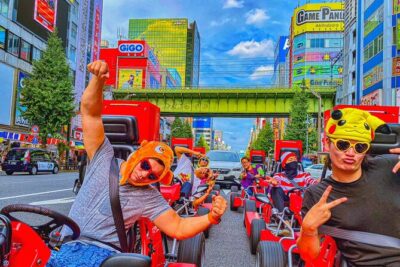
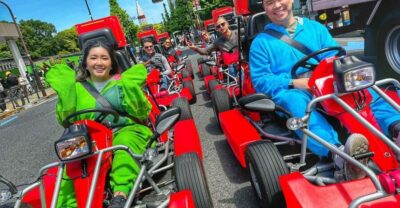
Tokyo Go Kart: Asakusa, Skytree, and Akihabara **IDP MUST**
Read our review →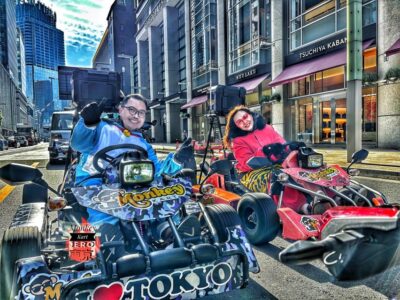
Asakusa, Skytree & Akhihabara Go-Kart City Experience
Read our review →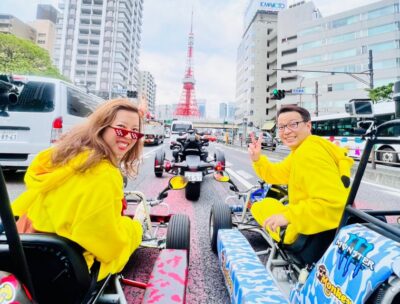
Premium Go-Kart Tour with Tower & Shibuya Crossing
Read our review →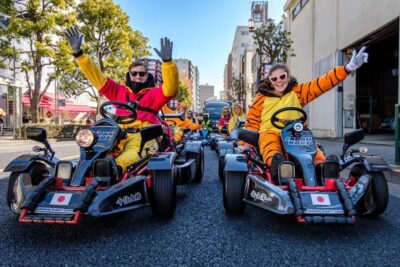
Browse the lists this tour appears in