
Reviewed · TOKYO TOURS
Japanese dried-type Sweets (Ohigashi) making
Wasanbon is the star here: a traditional Japanese sugar pressed into delicate dried sweets called ohigashi. I like that you shape your own sweets with a wooden mold, and that the short session ends with a chance to taste them fresh, when their fine, smooth texture is part of the pleasure.
The main consideration is the clock. You have only about 20 minutes for the explanation, making, and photos before the tasting begins, so this is a compact introduction, not a long lesson. The workshop is conducted in Japanese, with English translation provided as much as possible if you ask in advance.
At a glance
- Taste 100% Wasanbon: Make ohigashi from traditional Japanese sugar, with no added coloring in the standard session.
- Pick a wooden mold: Choose the shape for your sweets, then press and form them yourself.
- Try them fresh: The schedule allows time to eat and drink after the making portion.
- Plan for 30 minutes: The activity takes place at AN TOKYO Japanese Culture Experience in Honshu.
- Add-ons cost extra: Colorful sweets cost 200 JPY more, and a completion certificate costs 300 JPY.
Why Wasanbon makes this short workshop worth considering
Ohigashi looks simple: small, shaped sweets made from dried sugar. But the sugar is the point. Wasanbon is a traditional Japanese sugar, and the experience focuses on its mellow taste and fine, fluffy texture. You get to make the sweets yourself, then taste them while they are freshly made.
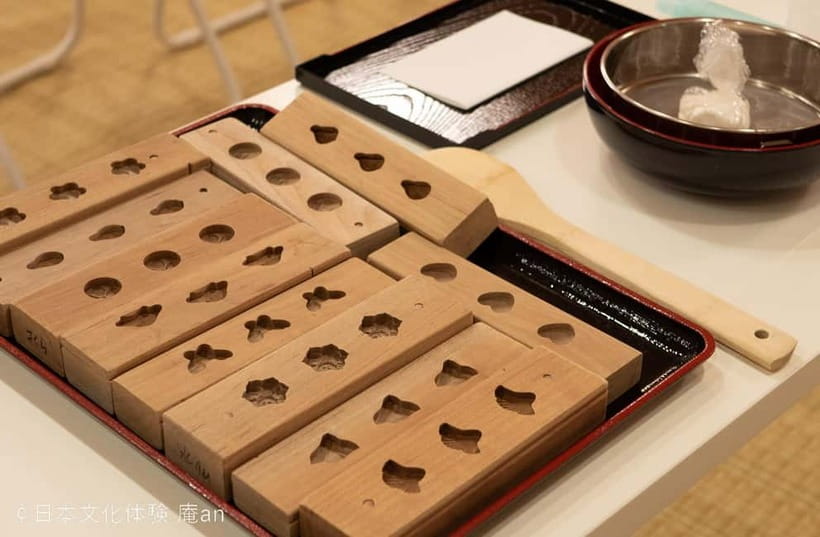
That hands-on element makes the session more than a quick sample. You choose a wooden mold and form your own sweets, so you leave with a sense of how the shape is made rather than just seeing the finished result. The molds are described as cute, which suits an activity that is as much about the look of the sweets as the taste.
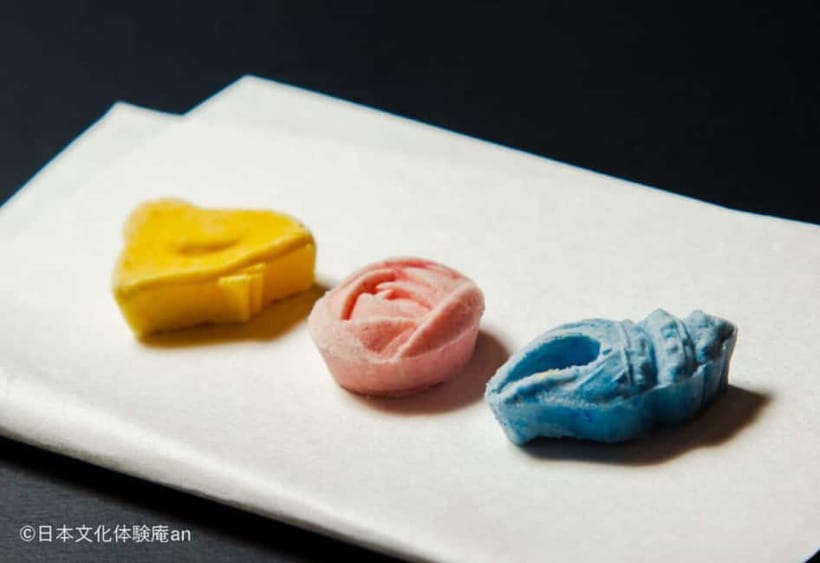
The standard version is made without added color. That keeps the focus on the Wasanbon itself, though you can ask on the day about adding color for an additional 200 JPY. If you prefer a simple, traditional-looking result, the included version is enough. If you want a brighter keepsake or a more playful set, the color option is modestly priced.
More dessert tours in Tokyo:
- Matcha Making Class in Tokyo with Authentic Japanese Sweets Set
★ 5.0 · 744 reviews - Tokyo: Matcha Making Experience with Mochi Sweets in Asakusa
★ 4.9 · 388 reviews - Make Traditional Nerikiri Sweets & Matcha experience in Shibuya
★ 5.0 · 130 reviews
What happens during the 30 minutes
The session begins with an explanation of Japanese traditional sweets. This opening gives you a little context before you start handling the sugar, though the supplied details do not specify how long the explanation lasts or how much history it covers. Since English translation is available as much as possible by request, contact the provider ahead of time if language support matters to you.
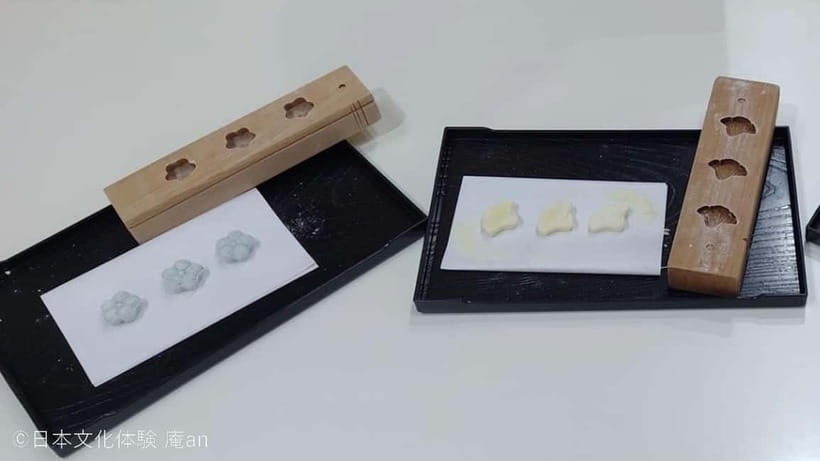
Next comes the making portion. You choose a wooden mold and use it to shape the ohigashi. The activity is designed for participation rather than demonstration alone, so you can expect to make your own sweets under guidance from the instructor. A Danish participant described the woman leading the activity as friendly and good at guiding them. No instructor name is provided, but that note points to a helpful, personal teaching style.
Around the 20-minute mark, the making session ends and there is time for photos. This is a useful moment to take pictures of your finished sweets before eating them. The timeline is brisk, though: if you like photographing each step, keep an eye on the clock and take a few quick shots rather than turning the workshop into a photo session.
After the photo time, you can eat and drink. That last portion is part of the experience, not an optional extra, and it gives you a chance to notice the sweetness and texture of freshly made Wasanbon. The total visit lasts 30 minutes, with the making and photo portion ending at about 20 minutes and the remaining time set aside for eating and drinking.
The taste: mellow, fine, and best tried fresh
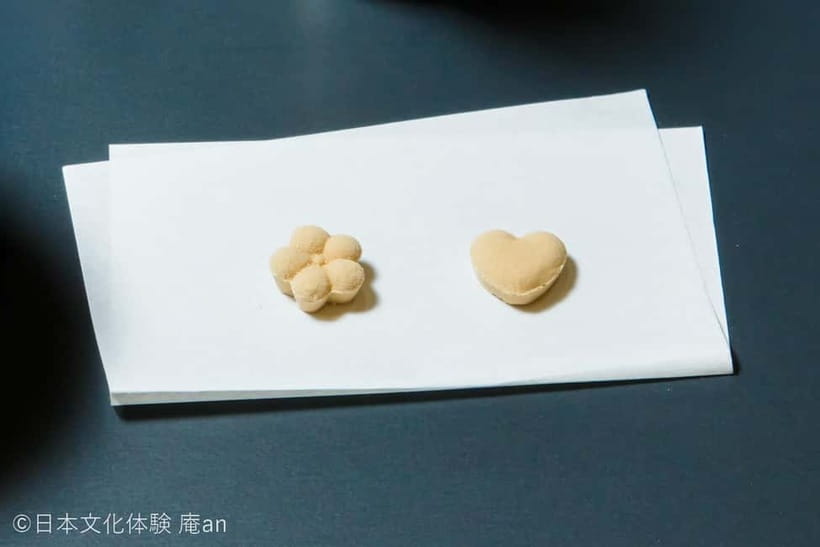
The appeal of Wasanbon is not just that it is sugar. The experience describes it as mellow, fluffy, and smooth, with a taste that you may not recognize unless you have tried high-quality Wasanbon before. Making the sweet yourself gives you a direct connection to what you taste: you have just handled the ingredient and shaped it, rather than receiving a finished confection with no explanation.
The activity also makes a useful distinction between making and tasting. You do the craft first, then enjoy the result. That order means the tasting is tied to the process, and the fresh-made quality is one of the reasons to take the workshop rather than simply buy a sweet elsewhere.
Do not expect a long food tasting or a broad menu. The information describes eating and drinking time, but does not name the drink, serving size, or other foods. If you are choosing this mainly for a full meal or an extended sweets sampling, it is not that. It is a brief craft session with a sweet at the end.
Choosing a mold and deciding about color
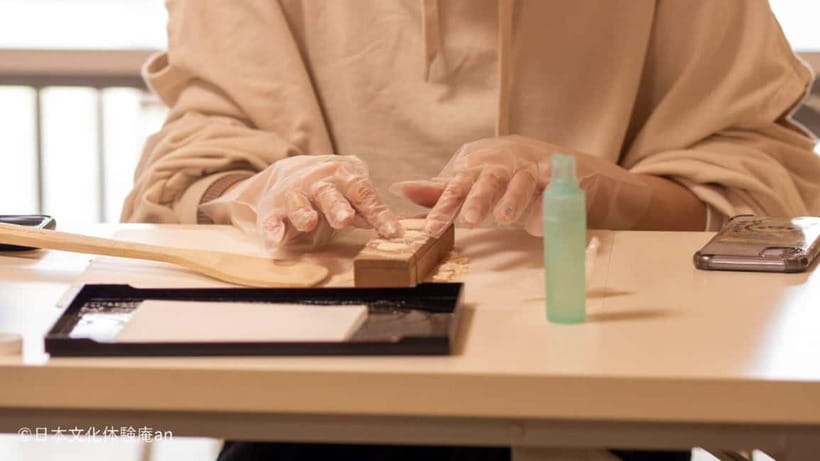
The wooden mold is a small but important part of the activity. You choose your preferred shape, then make your own ohigashi. The exact mold designs are not specified, so you should not count on a particular animal, flower, or seasonal motif. The useful point is that you have a choice, and the finished sweets are yours to shape.
The default sweets are made without color. That gives you the straightforward 100% Wasanbon version included in the price. For an additional 200 JPY, you can ask to make colorful ohigashi on the day. The extra charge is clear and relatively small, but it is not included in the base price, so bring that choice into your budget if colored sweets are important to you.
A completion certificate is another optional add-on, priced at 300 JPY. The included experience is the making session itself. The certificate is not necessary to take part, and the supplied details do not describe its design or format.
More tours and experiences in Tokyo:
- Mt Fuji and Hakone 1-Day Bus Tour Return by Bullet Train
★ 5.0 · 26,383 reviews - 1-Day Tokyo Bus Tour
★ 5.0 · 14,250 reviews - Tokyo: teamLab Planets TOKYO Digital Art Museum Entry Ticket
★ 4.6 · 9,779 reviews - Mt Fuji & Hakone Cruise, Drum Show Bullet Train 1 Day from Tokyo
★ 4.0 · 7,413 reviews
Is $10 good value for half an hour?
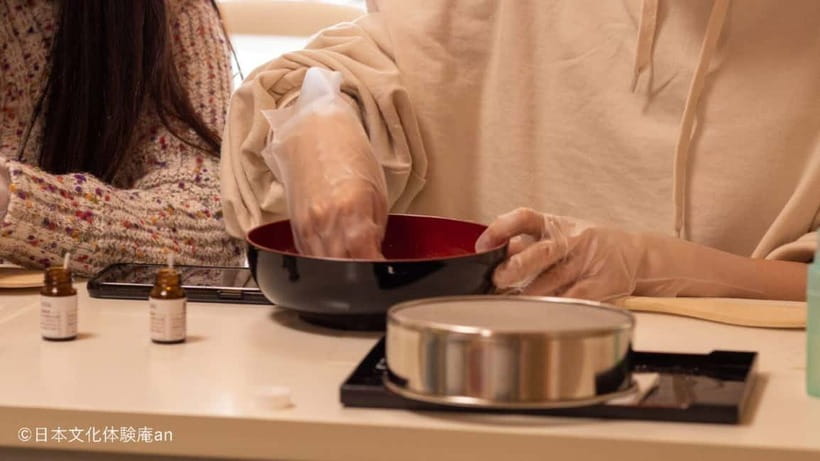
At $10 per person, this is an inexpensive way to try a small piece of Japanese food culture in a hands-on setting. You get an instructor-led activity, a wooden mold choice, your own ohigashi-making session, and time to taste the fresh sweets. For the price, the best value is in doing the craft and learning what Wasanbon tastes like, rather than in the quantity of food or the length of the visit.
The time commitment is also part of the value. At 30 minutes, the workshop is easy to fit between other plans, and it does not ask you to give up half a day. But the short format has a trade-off: the explanation and making time are necessarily limited. If you want a detailed confectionery course or extensive instruction, look for a longer class.
The basic price does not include the optional color charge or completion certificate. Those cost 200 JPY and 300 JPY respectively. The starting price is therefore easy to understand, but consider add-ons separately rather than assuming they are part of the set.
Who will enjoy AN TOKYO’s ohigashi workshop
This activity suits you if you are curious about traditional Japanese sweets and want to do more than sample one. It is a good fit for a short stop, a modest budget, or a day when you want a calm, creative activity between larger plans. The process is approachable in concept: choose a mold, make the sweet, then taste it.
It may also work well for people who enjoy small handmade objects and food that is as much about texture and appearance as flavor. You will shape the sweets yourself, but the experience is only 30 minutes, so it should not be mistaken for a full craft course. Children under 2 who sit on a parent’s lap are free. Those who are not taking part in the experience are not allowed to enter.
Language is worth thinking about before you book. The instructor’s language is Japanese, and English translation is offered as much as possible if requested. If you need clear English instruction, contact the provider in advance rather than assuming it will be available at every moment.
Timing, location, and booking details
The workshop is held at AN TOKYO Japanese Culture Experience, at coordinates 35.6916541, 139.7715022. The activity information places it in Honshu, Japan. Check the exact meeting details when arranging your visit, and allow yourself enough time to arrive promptly.
Operating hours are 10:00 to 17:00. Reservations received after 17:00 are processed the next day. The activity does not wait for late arrivals, so a tight schedule or a delayed connection could mean missing the session. If your plans change, the stated policy allows a full refund when you cancel at least 24 hours in advance. The provider also says cancellation fees apply outside the free-cancellation period, and that changing a booking after a fee has been incurred can bring an additional specified fee. Read the terms before confirming, especially if your schedule is uncertain.
The activity has an overall rating of 4.6 from three reviews. That is a small sample, so I would treat it as a useful signal rather than a guarantee. The practical detail worth carrying into your decision is that the instructor was described as friendly and good at guiding the group. That matters in a short workshop, where clear help can make the difference between feeling rushed and getting on with the craft.
Should you book this Wasanbon workshop?
Book it if you want a short, affordable introduction to Japanese sweets that puts you to work. The draw is the combination of choosing a wooden mold, making ohigashi from 100% Wasanbon, and tasting it fresh. The friendly, guiding approach noted for the instructor is another plus, especially if you are new to this kind of craft.
Skip it if you need a long lesson, guaranteed English instruction, or a substantial food tasting. This is a compact activity with a quick pace, and language support should be requested rather than assumed. If 30 minutes fits your day and you are curious about the taste of traditional Wasanbon, the $10 price makes it an easy, low-commitment way to try something distinctly Japanese.
FAQ
How long does the ohigashi-making experience take?
The full experience lasts 30 minutes. The making and photo portion ends at about 20 minutes, followed by eating and drinking time.
What is included in the $10 price?
The price includes a set experience making Japanese dried sweets called ohigashi.
What is Wasanbon?
Wasanbon is a traditional Japanese sugar used to make the ohigashi in this activity. The sweets are described as mellow, fluffy, and smooth.
Can I choose the shape of my sweets?
Yes. You choose a wooden mold and use it to make your own sweets. Specific mold designs are not listed.
Are the sweets colored?
The standard sweets are made without added color. You can ask to make colorful ohigashi for an extra 200 JPY.
Is English instruction available?
The instructor’s language is Japanese. English translation is provided as much as possible if you contact the provider to request it.
Where does the activity take place?
It takes place at AN TOKYO Japanese Culture Experience, at coordinates 35.6916541, 139.7715022.
Can I cancel for a refund?
You can cancel up to 24 hours in advance for a full refund. Cancellation fees apply after that period, so check the cancellation terms when booking.
Freshly reviewed in Tokyo
- Tokyo: Toshimaya Sake Brewery Tour with Sake Tasting★ 5.0 · 6 reviews
- :Tokyo,Shibuya /Meiji Shrine tour in KIMONO/English-friendly★ 5.0 · 4 reviews
- Tokyo: Tour Privado por Tokio en español★ 4.3 · 4 reviews
- Tokyo:Tea ceremony experience at Komaba Warakuan★ 4.8 · 9 reviews
- :Tokyo,Shibuya/ Pro Photography in Kimono / English-Friendly★ 5.0 · 26 reviews
- Tokyo:Samurai Training : Swords, Bushido & Mental Discipline★ 5.0 · 6 reviews
- Tokyo:Mt Fuji & Hakone Day Tour with English Speaking Driver★ 5.0 · 26 reviews
- Tokyo:Nikko UNESCO World Heritage Sites Private 1-Day Tour★ 3.8 · 6 reviews
Tokyo Tours, compared.

Mt Fuji and Hakone 1-Day Bus Tour Return by Bullet Train
Read our review →
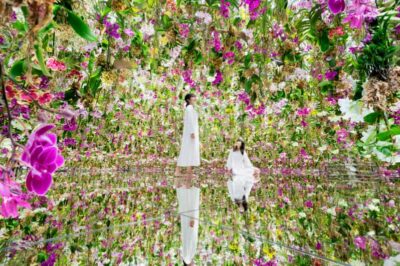
teamLab Planets TOKYO Digital Art Museum Entry Ticket
Read our review →
Mt Fuji & Hakone Cruise, Drum Show Bullet Train 1 Day from Tokyo
Read our review →
Shinjuku Food Tour (13 Dishes at 4 Local Eateries)
Read our review →
Tokyo Mt Fuji 5th St & Hakone Cruise Bus Tour w/Bullet Train
Read our review →
Flagship 2-Hours Official Street Go-Kart Tour – Tokyo Bay Shop
Read our review →
Browse the lists this tour appears in