
Reviewed · TOKYO PRIVATE TOURS
Get Unique Insights into Tokyo – Private Tour with local Guide
Tokyo can feel like several cities stitched together: a quiet shrine, a fashion street, a famous crossing and a wall of neon may all fit into one afternoon. This private tour helps you make sense of those contrasts, with a local guide who can adjust the route to your interests and pace.
I like that the walk pairs major sights such as Meiji Jingu and Shibuya Crossing with quieter streets and local stops you might miss on your own. I also like the practical extras: your guide can take photos, share advice for getting around, and provide tea or coffee and a Japanese snack.
One consideration: the listed stops range from Harajuku and Shinjuku to Odaiba, Asakusa, Akihabara and Ueno. You will need to choose priorities, especially on a two-to-four-hour tour, rather than expect to cover all of Tokyo in one outing.
At a glance
- Meiji Jingu to city streets: Start at the torii gate of this important shrine, then head into Harajuku.
- A private, adaptable pace: Only your group joins, and the guide can shape the route around your interests and energy.
- Transit is part of the plan: Transport between destinations is included, with the JR line used on some routes.
- Photos and local advice: Your guide can take pictures at landmarks and offer tips for exploring after the tour.
- A small local treat: Tea or coffee and a traditional Japanese snack are included; other food and drinks are not.
- Choose your scope: The experience lasts about two to six hours, with morning and afternoon start times available.
A useful first map of Tokyo
This tour is best understood as an orientation with a human guide, not a checklist of every major district. You get a feel for how Tokyo’s neighborhoods differ, hear context as you move between them, and can ask questions that help make the rest of your stay easier.
That matters most on a first visit. The city’s rail system and busy station areas can be daunting at first, and the tour includes transportation between destinations. In one account, the guide took the group on the JR line and explained how to navigate public transit. It is a practical lesson you can use again once you are on your own.
The tour is private, so the guide can make adjustments that a large group cannot. Jero is the name that comes up repeatedly, while Franz is also mentioned as a guide. Their approach, as described in the tour details, is personal: you can talk through what interests you, choose a comfortable pace, and ask for advice on food, shopping or further sightseeing.
More private tours in Tokyo:
- Tokyo 6hr Private Tour with Government-Licensed Guide
★ 5.0 · 3,902 reviews - Private Tour to Mt. Fuji and Hakone (Fully Licenced Operator)
★ 5.0 · 1,910 reviews - Tokyo Customized Private Tour (Must See Places in 1 Day)
★ 5.0 · 1,499 reviews
Meiji Jingu: quiet before the city
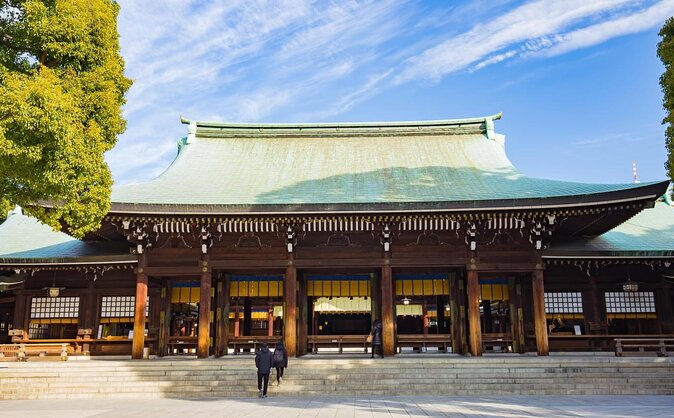
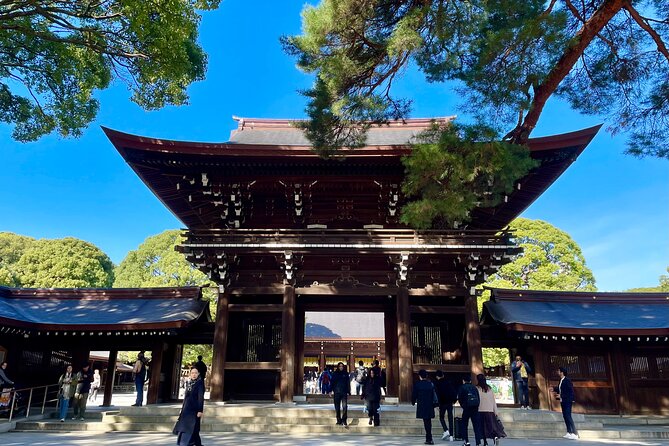
The meeting point is Meiji Jingu Ichino Torii, at 1-chōme-18-20 Jingūmae in Shibuya. From there, the route heads toward the main shrine buildings through a wooded setting that feels far removed from the traffic and shops outside.
This is a good place to begin because the guide can explain shrine customs and Japanese manners before you encounter busier parts of the city. You can learn how to behave respectfully at a shrine, and why the site matters, rather than simply walk through for a photo. The contrast between the calm grounds and nearby Harajuku is part of the lesson: Tokyo’s energy is never far away, but it is not the city’s only mood.
Keep in mind that shrine visits are not just a quick photo stop if you want to take in the setting. Your time here depends on the length of the tour and how much you want to linger. If the shrine is a priority, say so before the route is set.
Harajuku: from Takeshita Street to quieter corners
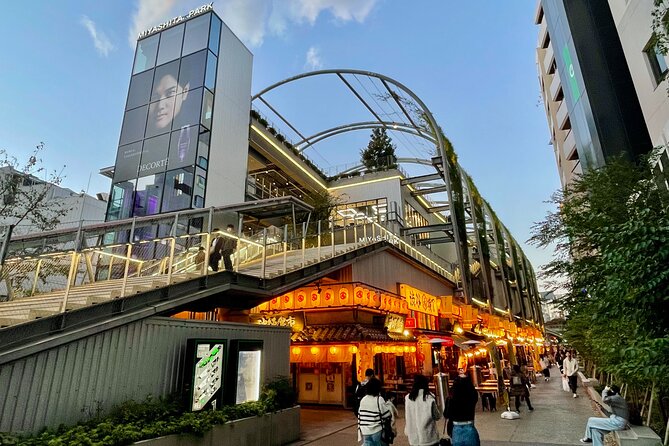
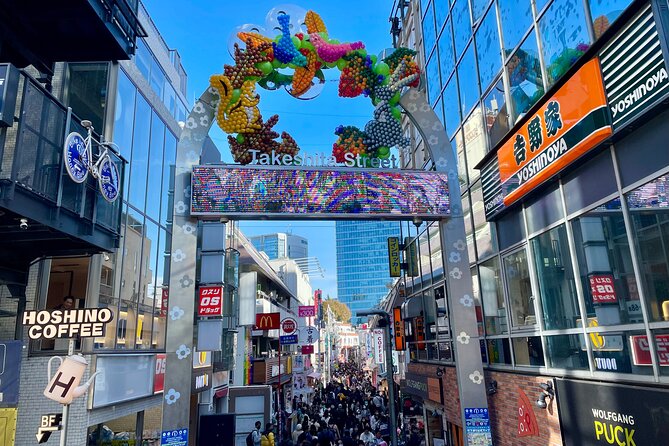
After the shrine, the route may continue to Takeshita Street, a well-known shopping lane in Harajuku. Expect a sharp change of scene: this is a place for fashion, snacks and people-watching, with plenty to catch your eye. It can be crowded, so it may suit you better as a short walk-through than as a place to browse every shop.
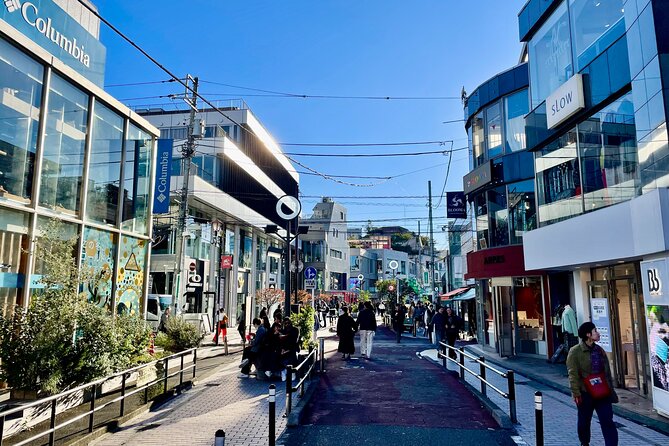
The tour also takes in Harajuku street style and can include Cat Street and Omotesando. This mix gives you a broader sense of the area than Takeshita Street alone. A guide can point out how the side streets differ from the main shopping strip, and can help you decide where to spend your free time later.
That flexibility is useful if you are not especially interested in fashion. You can ask for more time at the shrine or shift the focus to another neighborhood. The point is not to see every shop, but to understand the area and leave with a clearer idea of what you want to explore on your own.
Shibuya Crossing: spectacle with a local frame
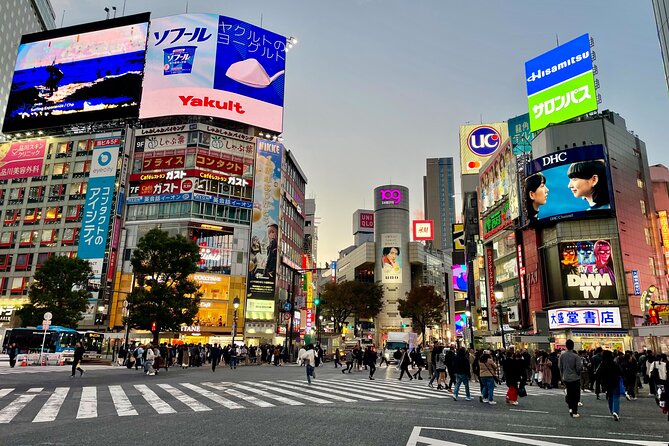
Shibuya Crossing is one of Tokyo’s signature city scenes. You will join the flow of people crossing the intersection, then have a chance to take photos with the landmark. The nearby Hachiko statue is another likely stop, and the guide can offer context that gives the familiar sights more meaning.
A guide is particularly helpful here because Shibuya is more than a single intersection. You can ask for recommendations on places to eat, shop or spend time after the tour. You can also get help understanding how the district connects to other parts of the city, rather than treating the crossing as an isolated photo stop.
The crowds are part of the experience, and they can make the area feel intense. The private format helps: you are not trying to keep up with a large group, and your guide can adapt the pace. Still, if you want a quiet walk, this is not the place. Save your slower moments for Meiji Jingu or a less crowded side street.
More guided tours in Tokyo:
- Tokyo: Shinjuku Local Bar and Izakaya Guided Walking Tour
★ 4.9 · 1,794 reviews - Tokyo: Private City Highlights Tour with Local Guide
★ 4.8 · 1,433 reviews - Tokyo: Tsukiji Fish Market Guided Walking Tour
★ 4.9 · 1,397 reviews - Tokyo 4hr Private Tour with Government-Licensed Guide
★ 5.0 · 1,394 reviews
Shinjuku: skyscrapers, neon and a clear finish
From Shibuya, the tour may take the train to Shinjuku. The district’s skyscrapers and bright signs offer a different face of Tokyo, and the route includes Kabukichō, a lively entertainment district known for its neon-lit streets. The listed finish is near the Giant 3D Cat in Shinjuku, close to Shinjuku Station.
Shinjuku is a practical ending point. You can continue your day from the station, and the guide can help you work out how to return to your accommodation or another destination. That assistance is especially useful if you are still getting comfortable with Tokyo’s rail network.
The district can be visually overwhelming, so it helps to have a guide who can give you a sense of where you are and what you are seeing. But the tour does not promise a deep visit to every Shinjuku attraction. If you want to spend more time exploring the area after the guided portion, plan to do so independently.
Other Tokyo districts, if they fit your interests
The full range of possible stops is much wider than the core Harajuku, Shibuya and Shinjuku route. The experience also lists Odaiba, Asakusa, Akihabara, Ueno Park and the Imperial Palace East Gardens. These are best treated as alternatives or priorities to discuss, not as a promise that every one fits into a single short tour.
Odaiba offers a more futuristic side of the city. The listed sights include Aqua City, DECKS Tokyo Beach, the nostalgic Hikara Yokocho and the Unicorn Gundam statue. This is a different outing from the central Tokyo neighborhoods, so ask about it if the waterfront and modern architecture matter more to you than the classic Harajuku-to-Shinjuku route.
Asakusa connects with Tokyo’s earlier history. The area was once the city’s main entertainment district during the Edo period, and the tour description points to the continued festive spirit of the neighborhood. Akihabara, by contrast, grew from a postwar radio-parts market into a center for electronics and popular culture. Ueno Park combines green space with cultural attractions and seasonal beauty, while the Imperial Palace East Gardens offer a quieter look at the former Edo Castle grounds, with old walls, gates and moats.
These options show why it is worth discussing your interests before setting out. A two-hour tour gives you a snapshot; a longer booking creates more room for travel between districts and time at stops. Even with six hours, you will need to make choices. Ask the guide which combination makes sense for your priorities and starting point.
Private guiding, photos and small comforts
The strongest reason to book this tour is the personal attention. You are not sharing the guide with strangers, and the route can be adjusted to suit your pace, interests and energy. This can help families and first-time visitors, as well as repeat visitors who want to see less familiar streets.
The guide can take individual and group photos at well-known sights. That is a useful detail if you want pictures of everyone together rather than a collection of selfies. You can also expect local recommendations and practical pointers, which may help you plan the rest of your stay.
Tea or coffee and a typical Japanese snack are included. They are a modest extra, not a meal, so do not count on them to replace lunch or dinner. Food and other drinks are not included. If you have dietary preferences or need a particular kind of snack, ask in advance rather than assume it can be provided.
How much to walk, and what the price buys
The listed price is $82.90 per person, with group discounts offered. For a private tour, the cost buys more than a route between landmarks: it covers a guide’s attention, transportation between destinations, local explanations, practical help and the option to tailor the outing. It may be especially good value early in your stay, when useful advice can shape several days of independent exploring.
The duration ranges from about two to six hours. A shorter booking suits you if you want a compact introduction or have limited time. A longer one gives you more room to stop, ask questions and connect several areas, though the broad list of districts still calls for a clear plan.
This is a walking tour, and the amount of walking can add up. One person described walking more than eight miles on a full day, but that should not be treated as the standard distance for every booking. Tell the guide about your pace and limits so the plan can be adjusted. Transport between destinations is included, but that does not remove the walking within neighborhoods and at sights.
Who should book this Tokyo walk
I would put this tour near the start of a first Tokyo visit. You get a quick sense of the city’s variety, learn some basic customs, and can ask how to move around by train. The local advice may pay off throughout the rest of your trip, especially if you are unsure which neighborhoods suit you.
It also suits families and small groups who want a route built around their interests, or anyone who prefers conversation to a fixed script. Repeat visitors may find value in asking for a different set of districts or local streets. If you are short on time, even a two-hour version can help you get oriented, though you will need to keep expectations focused.
Skip it if you want a deep visit to every attraction listed, a full meal, or a tour where all walking is avoided. The route is flexible, but time and distance still matter. Before booking, decide whether you care most about shrine culture, youth fashion, city lights, older Tokyo or modern Odaiba, then ask the guide to build around that choice.
FAQ
How long does the tour last?
The tour lasts approximately two to six hours. You can choose your preferred duration during booking.
What is the price?
The listed price is $82.90 per person. Group discounts are offered.
Is this a private tour?
Yes. The tour is private, and only your group participates.
Are English-speaking guides available?
Yes. English-speaking guides are available.
Where does the tour start?
The meeting point is Meiji Jingu Ichino Torii at 1-chōme-18-20 Jingūmae, Shibuya, Tokyo.
Where does the tour end?
It ends near the Giant 3D Cat in Shinjuku, close to Shinjuku Station.
Is transportation between stops included?
Yes. Transportation between tour destinations is included.
Are drinks or snacks included?
Tea or coffee and a typical Japanese snack are included. Other food and drinks are not.
Which places can the tour visit?
Possible stops include Meiji Jingu, Harajuku, Shibuya, Shinjuku, Odaiba, Asakusa, Akihabara, Ueno Park and the Imperial Palace East Gardens. The route can be adjusted, so discuss your priorities with the guide.
Can I cancel for a refund?
You can cancel for a full refund if you do so at least 24 hours before the start time. Cancellations and changes made less than 24 hours before the experience are not accepted for a refund or change.
Freshly reviewed in Tokyo
- Tokyo: Toshimaya Sake Brewery Tour with Sake Tasting★ 5.0 · 6 reviews
- :Tokyo,Shibuya /Meiji Shrine tour in KIMONO/English-friendly★ 5.0 · 4 reviews
- Tokyo: Tour Privado por Tokio en español★ 4.3 · 4 reviews
- Tokyo:Tea ceremony experience at Komaba Warakuan★ 4.8 · 9 reviews
- :Tokyo,Shibuya/ Pro Photography in Kimono / English-Friendly★ 5.0 · 26 reviews
- Tokyo:Samurai Training : Swords, Bushido & Mental Discipline★ 5.0 · 6 reviews
- Tokyo:Mt Fuji & Hakone Day Tour with English Speaking Driver★ 5.0 · 26 reviews
- Tokyo:Nikko UNESCO World Heritage Sites Private 1-Day Tour★ 3.8 · 6 reviews
Tokyo Private Tours, compared.
Tokyo 6hr Private Tour with Government-Licensed Guide
Read our review →
Private Tour to Mt. Fuji and Hakone (Fully Licenced Operator)
Read our review →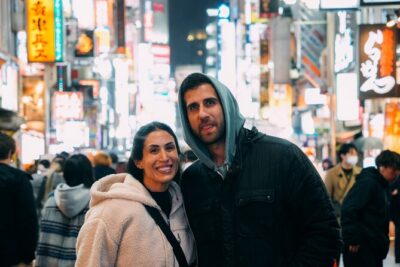
Tokyo Customized Private Tour (Must See Places in 1 Day)
Read our review →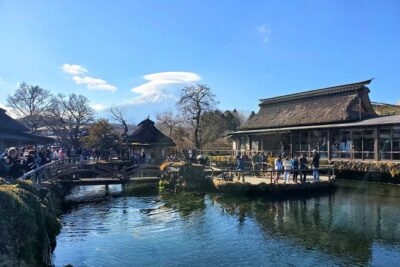
Mount Fuji Full-Day Private Tour from Tokyo (Customizable)
Read our review →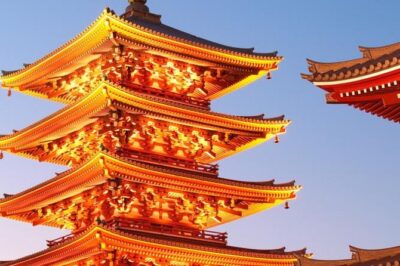
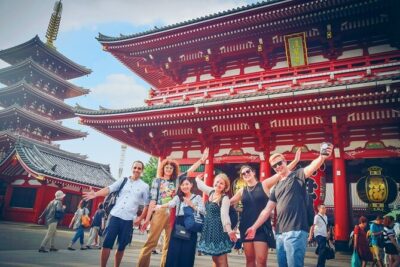
Tokyo Customized Private Tour: See Top Attractions in 1 Day
Read our review →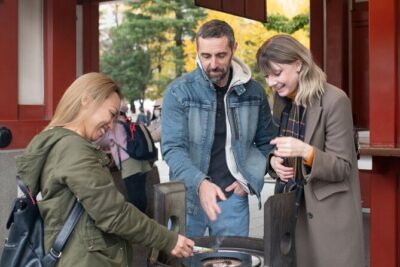
Tokyo, Shaped Around You: A Private Experience with a Local
Read our review →
Browse the lists this tour appears in