
Reviewed · DAY TRIPS FROM TOKYO
From Osaka: Kyoto & Nara Highlights Day Tour (7 attractions)
In one long day, this tour links Nara’s deer and Great Buddha with Uji’s tea shops and Kyoto’s famous shrines and temples. You cover seven stops across three places, so it is a useful way to sample several sides of the Kansai region without arranging the transport yourself.
I like two things here: the route pairs major landmarks with time to explore independently, and the guides can add context as you go. Jo, Min, Jeon and Tae Hyun are among the guides named by people who have taken the trip, with praise for friendly service, clear explanations, safe driving and practical help.
The trade-off is the pace. Seven stops, traffic and crowds can turn the day into a checklist, and admission fees and meals are not included in the $53 price. If you want long visits at every temple, this itinerary may feel hurried.
Seven stops, from deer to torii gates

- Nara Park opens the day with free-roaming deer. You can meet and feed them, then continue to Todaiji Temple and its huge bronze Buddha.
- Kasugataisha adds a quieter shrine visit. Stone and bronze lanterns line its paths, offering a calmer contrast to the busy temple grounds.
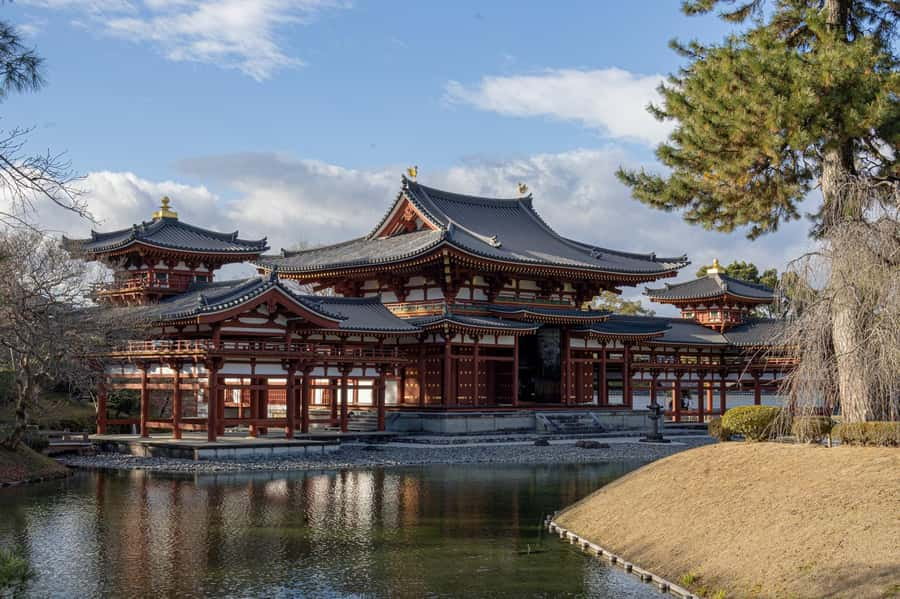
- Uji brings a change of pace and flavor. Byodoin Temple’s Phoenix Hall reflects over a pond, while Uji Omotesando has tea houses and matcha treats.
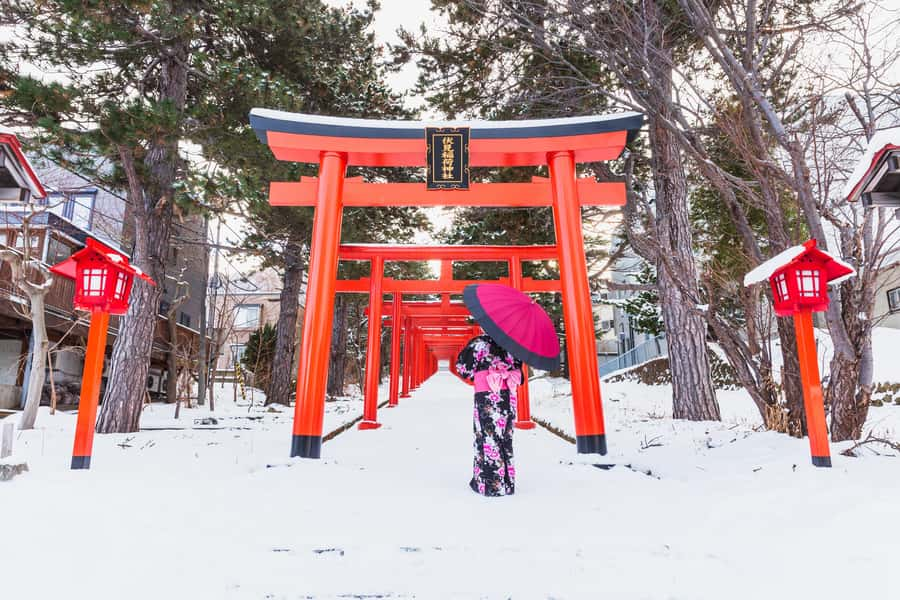
- Fushimi Inari is famous for its long rows of vermillion torii gates. You can walk through the gates and take in the shrine’s sacred atmosphere.
- Kiyomizu-dera closes the sightseeing with Kyoto views. Its wooden stage looks out over the city, with seasonal blossoms or autumn leaves adding color.
- Transport and a guide are included, but entrance fees are extra. Add those costs, plus lunch, to the advertised $53 before deciding what the day is worth to you.
Leaving Osaka early for a full day out
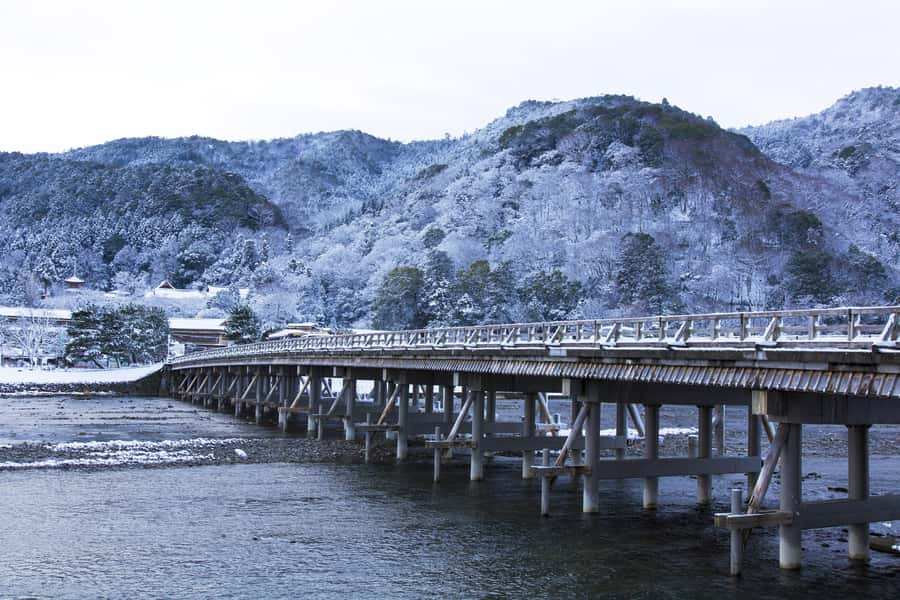
The meeting point is in front of Tsurutontan Soemoncho. Be there before 7:50 AM for the 8:00 AM departure, and look for Jtourstory staff. The tour returns to the same meeting point, though the exact return time is not stated.
The early start makes sense. Nara, Uji and Kyoto are separate destinations, and getting between them by public transport takes planning. Included transportation lets you spend less of the day working out connections and more of it at the sights. The group may travel in a minivan; one person described a small group and a minivan, though the group size is not guaranteed.
This is a full itinerary, not a leisurely day at one temple. Japanese law limits vehicles to 10 hours of operation, and traffic, weather and conditions at each stop can change the schedule. The guide may adjust the order or time spent at a site, so treat the stops as a planned route rather than a promise of identical visit lengths.
Guides speak English and Korean. The people named by past participants include Jo, Min, Jeon and Tae Hyun. Their reported strengths include explaining history and culture, helping the group stay comfortable, driving safely, offering Osaka dinner tips, suggesting photo spots and taking photos. These are useful extras on a packed day, though the amount of explanation and free time can vary.
More day trips from Tokyo in Tokyo:
- Mt Fuji Top 5 Spots Day Tour: Arakurayama Park,Oshino Hakkai
★ 4.7 · 2,066 reviews - Tokyo: Mt. Fuji, Kamakura, Big Buddha, & Lake Ashi Day Trip
★ 4.5 · 867 reviews - Mt. Fuji & Hakone Private Day Tour with English-Speaking Driver
★ 4.5 · 824 reviews
Nara Park, deer and the Great Buddha
Nara Park is the day’s most playful opening. Deer roam freely, and you can get close to them and feed them. The animals are a memorable part of the visit, but keep your attention on them and your belongings rather than treating the park as a quick photo stop.
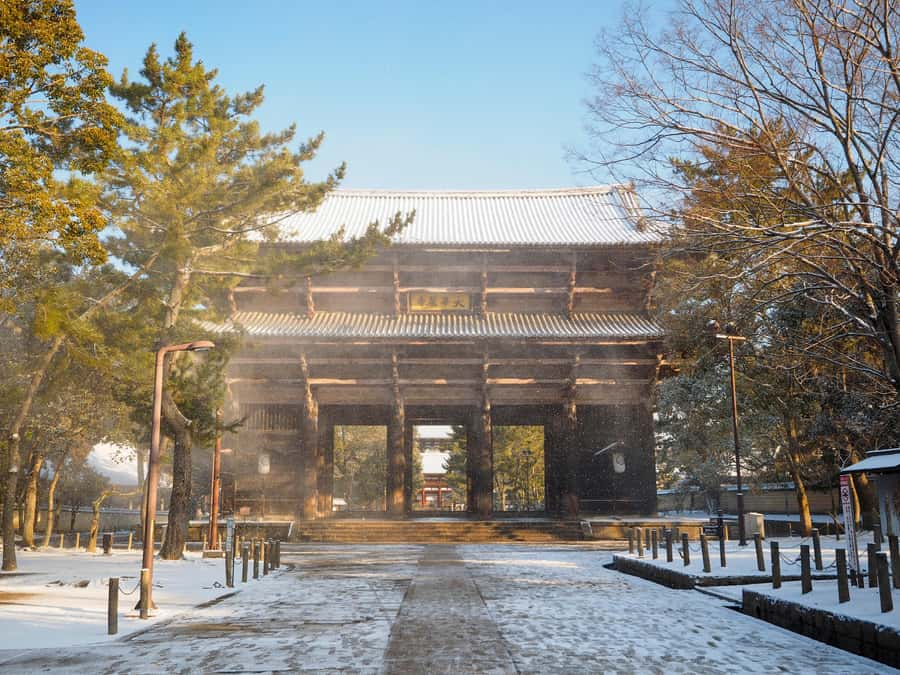
From the park, the route continues to Todaiji Temple, where the Great Buddha sits inside a large wooden hall. The scale is the point: the statue and its setting give you a sense of the importance of Buddhist worship in Japan. Admission is not included, so budget separately if you want to enter the temple or other paid areas.
Kasugataisha Shrine gives the morning a different mood. Its stone and bronze lanterns line peaceful paths, and the shrine offers a chance to pause after the crowds and spectacle of the park and Todaiji. The tour description calls attention to lantern-lit paths, but the visit’s exact timing and conditions will depend on the day.
Nara’s three stops make a strong opening because they are close enough to form a coherent visit, yet distinct in character: wildlife, a monumental temple and a Shinto shrine. The limitation is time. You are not spending a whole morning in Nara, so if a particular temple matters deeply to you, be prepared to choose what deserves your attention first.
Uji, the Phoenix Hall and a matcha lunch break
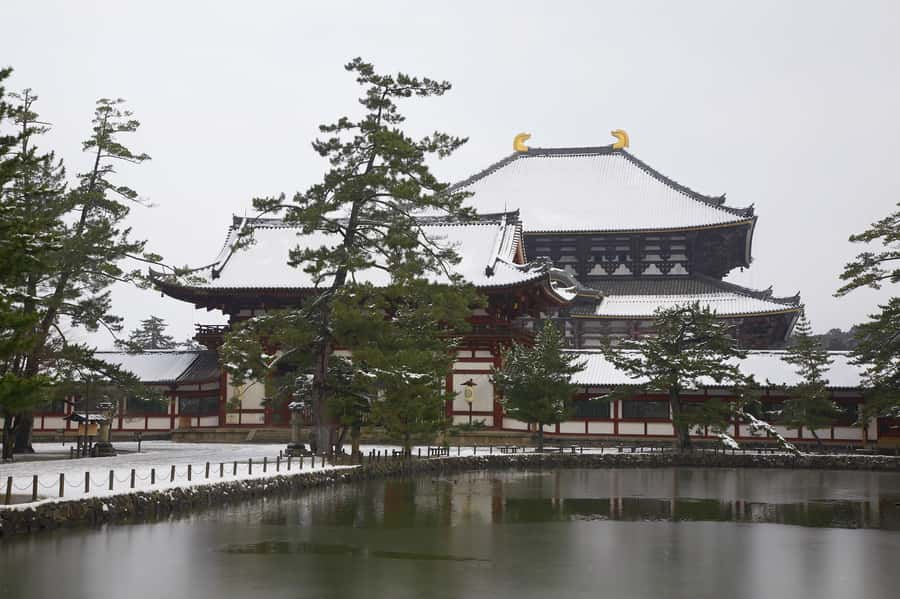
By midday, the tour reaches Uji. Byodoin Temple is an architectural highlight, best known for the Phoenix Hall reflected in the pond. The building is also pictured on Japan’s 10-yen coin, a detail that makes it easy to recognize later. You can admire its exterior and setting, but access to paid areas may cost extra.
Uji Omotesando is the practical lunch stop. The street has traditional tea houses, and you can use the free time to buy lunch at your own expense or try Uji matcha treats. One reported meal was udon, while others found options such as fried rice and a duck burger. Those examples are useful reminders that you need not make the meal all about sweets or tea.
I like this stop because it breaks up the temple visits with a chance to eat and look around at your own pace. The drawback is that lunch is not included, and the time available will depend on the day’s schedule. If you want to sit down for a slow meal, ask your guide how much time the group has before choosing a restaurant.
Fushimi Inari’s long tunnel of red gates
Fushimi Inari Taisha is known for its thousands of vermillion torii gates, arranged in paths up Mount Inari. Walking through them is a different kind of shrine visit: the repeated gates create a striking corridor, and the route itself is the main event.
You do not need to treat this as a race to see how far up the mountain you can get. With several stops still to come, use the time you have to enjoy the gates and the atmosphere. The tour does not specify how long you will stay or how far along the paths you will walk, so do not assume you will cover the entire route.
Expect other people here. The main sights on this tour are popular, and crowds can make it harder to pause or photograph the gates without people around you. A guide helps with orientation and timing, but a large landmark does not become quiet simply because it is part of a group tour.
More city highlights tours in Tokyo:
- From Tokyo: Mount Fuji Full-Day Sightseeing Trip
★ 4.5 · 4,970 reviews - Tokyo: Hop-On Hop-Off Sightseeing Bus Ticket
★ 3.9 · 4,207 reviews - Tokyo: Private City Highlights Tour with Local Guide
★ 4.8 · 1,433 reviews - Tokyo Private Sightseeing Tour by Car- English speaking chauffeur
★ 5.0 · 1,004 reviews
Kiyomizu-dera and Kyoto from the wooden stage
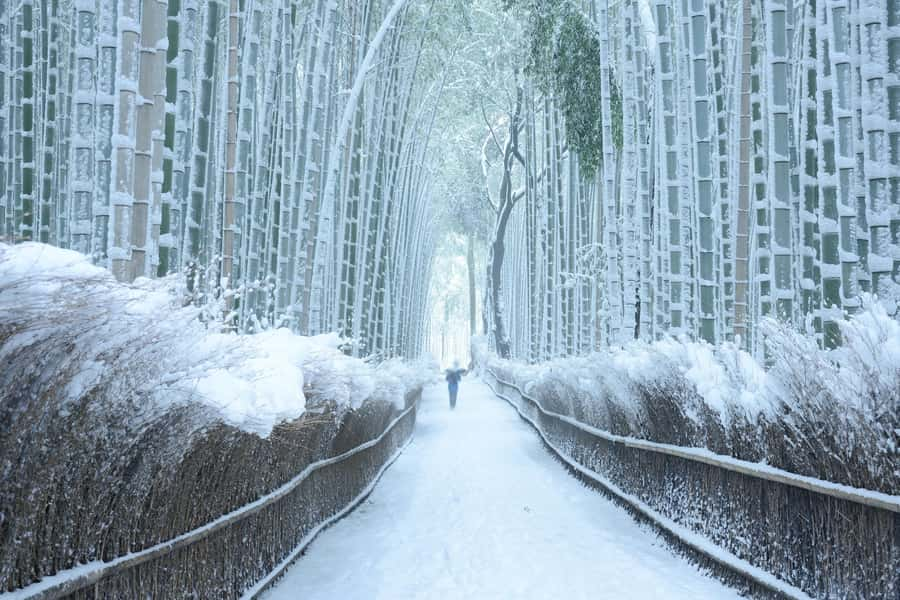
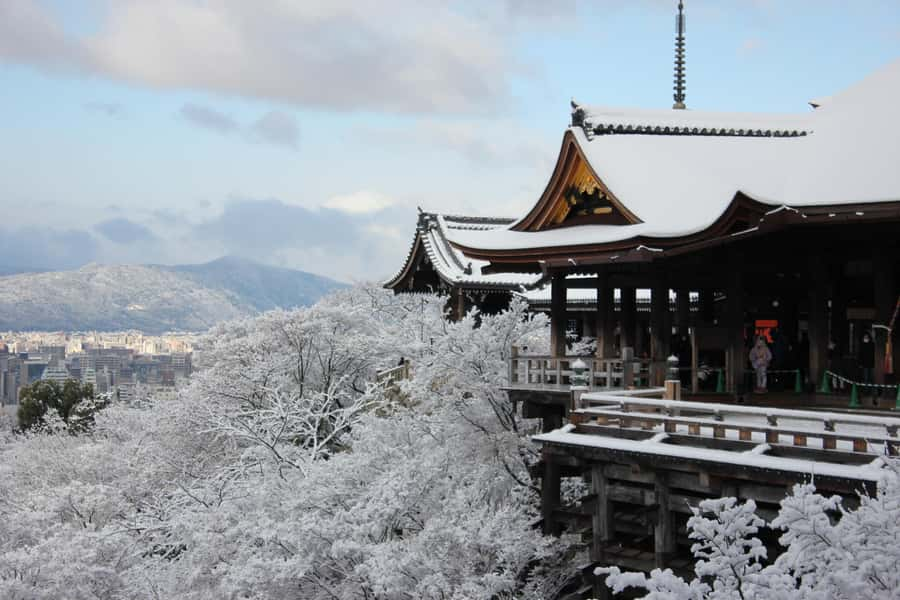
Kiyomizu-dera is the final stop, with a broad wooden stage and views over Kyoto. The temple is a UNESCO World Heritage site, and the view changes with the season: cherry blossoms in spring and maple leaves in autumn are two especially appealing times to visit.
The grounds offer more than a viewpoint, but you will be arriving after a long day. Take time to look out over the city and explore what you can, while keeping an eye on the group’s departure time. Entry fees are extra, and the schedule may be affected by traffic or conditions at earlier stops.
One practical caution: these famous places draw crowds. A busy day may mean queues, packed paths or limited chances to see temple interiors. One family visiting in rain still found Nara beautiful, but described the major sites as crowded even on a day that was considered relatively quiet. Bring patience and waterproof layers if the forecast calls for rain.
What $53 covers, and what it does not
At $53 per person, the main value is transport between Osaka, Nara, Uji and Kyoto, plus an English or Korean speaking guide. Covering all these stops independently in one day would require careful transport planning and a firm timetable. A guided trip can take that chore off your hands and offer useful explanations along the way.
The price does not include meals, entrance fees, activity charges, travel insurance or personal expenses. That distinction matters because the headline price is not the full cost of the day. Add lunch and any temple or shrine admissions you plan to pay, then decide whether the convenience and guide support justify the total for your budget.
The tour has an overall rating of 4.7 from 10 ratings, but the individual experiences reflect the main trade-off. Many people valued the guides, explanations, friendly care and room to explore independently. One person found the itinerary rushed and wanted more history at each stop. Both reactions make sense: this is a broad introduction, not a slow, specialist temple tour.
Some families have found the service accommodating, including a family traveling with a one-year-old. Infants travel free but do not get a seat, so consider that carefully before booking. The tour is stroller-friendly if you tell the provider in advance, but it is not wheelchair-accessible.
How to get the most from a packed itinerary
Before you leave, check that you have the meeting point right and arrive before 7:50 AM. A full day of walking and transport is easier when you start on time, and the guide needs to gather the group before departure.
Wear shoes you can walk in and bring clothing suited to the forecast. The route includes temple grounds, shrine paths and outdoor stops. Weather can affect the schedule, and rain at Nara can make the day less comfortable even if the visit still goes ahead.
Use the guide for context, but set your own priorities at each stop. If you care most about deer, give Nara Park time. If architecture is your focus, pay attention to Byodoin’s Phoenix Hall and Kiyomizu-dera’s wooden stage. If the torii gates are your main reason for booking, ask how much time you will have at Fushimi Inari.
The reviews make clear that guides can improve the day in very practical ways. Jo was praised for finding the meeting point, explaining the sites, driving safely and helping a slower walker. Min was praised for detailed explanations and restaurant suggestions; Jeon was credited with helpful facts and Osaka dinner advice; Tae Hyun helped a family feel safe on the road. You cannot choose which guide will lead your departure, but the names give a sense of the service people have valued.
Do not count on a long, private-feeling visit at every landmark. Some small groups have found the day almost like a private tour, with free time after a short explanation, but that is not guaranteed. The schedule is affected by traffic, weather, season and on-site conditions, so flexibility is part of the deal.
Is this Kyoto and Nara day tour right for you?
Book it if you are staying in Osaka and want a guided sampler of Nara, Uji and Kyoto in one day. It is especially useful for a first visit, for anyone who values help with transport, or for someone who wants a guide to explain the cultural setting without planning every connection.
Skip it if your priority is slow exploration, long temple visits or a deep study of one destination. Seven stops are a lot, and crowds can cut into the time and calm you hoped to find. The $53 fare is a good starting price, not the final cost, once you add lunch and admission fees.
For a broad first look, the route offers a rewarding mix: deer, a giant Buddha, lanterns, tea, torii gates and Kyoto views. Go in knowing it is a fast-moving day, and you are more likely to appreciate what it does well.
FAQ
Where does the tour start and end?
Meet in front of Tsurutontan Soemoncho before 7:50 AM for the 8:00 AM departure. The tour ends back at the same meeting point.
Which languages does the guide speak?
The guide service is available in English and Korean.
Are temple admission fees included?
No. Admission fees and activity charges are not included in the tour price.
Is lunch included?
No. Meals are at your own expense. Uji Omotesando is the planned lunch area, with tea houses and matcha treats.
Can I bring a stroller?
The activity is stroller-friendly. Let the provider know in advance if you will bring one. The tour is not wheelchair-accessible.
Can I cancel for a refund?
You can cancel up to 24 hours in advance for a full refund. Reserve and pay later is also offered.
Freshly reviewed in Tokyo
- Tokyo: Toshimaya Sake Brewery Tour with Sake Tasting★ 5.0 · 6 reviews
- :Tokyo,Shibuya /Meiji Shrine tour in KIMONO/English-friendly★ 5.0 · 4 reviews
- Tokyo: Tour Privado por Tokio en español★ 4.3 · 4 reviews
- Tokyo:Tea ceremony experience at Komaba Warakuan★ 4.8 · 9 reviews
- :Tokyo,Shibuya/ Pro Photography in Kimono / English-Friendly★ 5.0 · 26 reviews
- Tokyo:Samurai Training : Swords, Bushido & Mental Discipline★ 5.0 · 6 reviews
- Tokyo:Nikko UNESCO World Heritage Sites Private 1-Day Tour★ 3.8 · 6 reviews
- Tokyo:Mt Fuji & Hakone Day Tour with English Speaking Driver★ 5.0 · 26 reviews
Day Trips from Tokyo, compared.
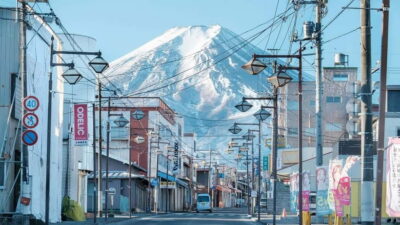
Mt Fuji Top 5 Spots Day Tour: Arakurayama Park,Oshino Hakkai
Read our review →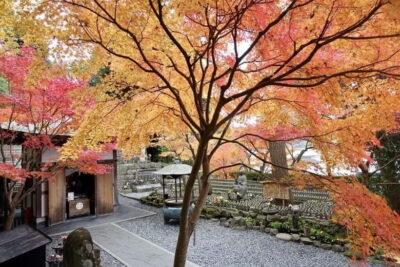
Kamakura & Enoshima Day Trip including Temple Tickets
Read our review →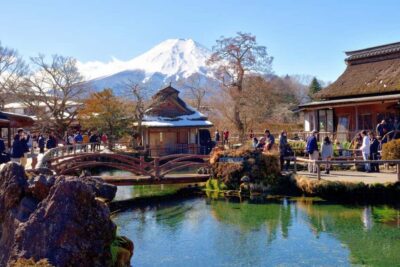
Mt. Fuji, Kamakura, Big Buddha, & Lake Ashi Day Trip
Read our review →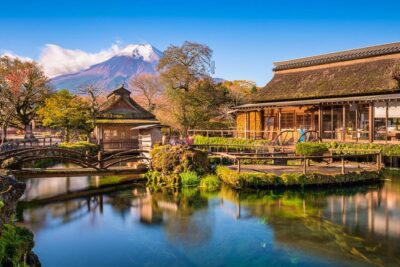
Mt. Fuji & Hakone Private Day Tour with English-Speaking Driver
Read our review →
Mt Fuji, Arakurayama and Kawaguchi Lake Day Trip
Read our review →
Tokyo Private Day Trip – Enjoy Your First-Time Visit to Tokyo!
Read our review →
Hakone Fuji Day Tour w/ Cruise, Cable Car, Volcano
Read our review →
Browse the lists this tour appears in