
Reviewed · TOKYO AIRPORT TRANSFERS
From Narita Airport: Private Layover or Transit Guided Tour
Narita’s old approach street leads to a thousand-year-old Buddhist temple, and both are close enough to visit during a long airport stop. This four-hour private tour takes you there by train, with a local guide to help turn a short outing into a first taste of Japan.
I like two things in particular: the personal guide can shape the walk around your interests, and the mix of temple, traditional street, and local food gives you more than a quick photo stop. Guides such as Fusako and Chiho have also helped visitors find cultural events, including tea ceremonies, when timing allows.
The main catch is that four hours is the tour length, not a guarantee that any layover will be long enough. You must leave time for the airport, security, and your onward flight. Lunch and train fare are extra, and you’ll want to leave large bags at the airport.
At a glance
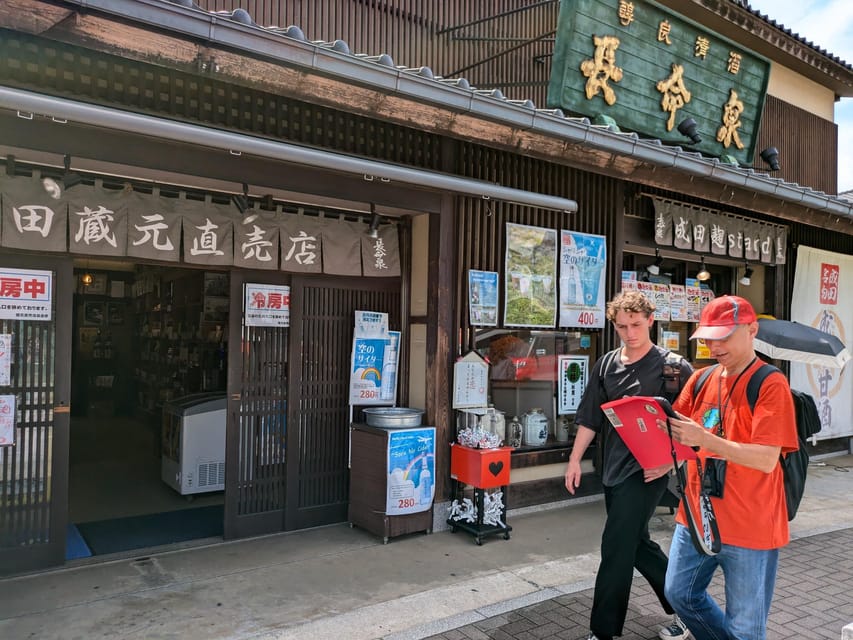
- Naritasan Omotesando: Walk a traditional approach street lined with shops and restaurants, with a guide to explain local specialties and customs.
- Naritasan Shinshoji Temple: See a major Buddhist complex and, if the timing works, watch a Goma Prayer ceremony.
- Private, adaptable format: Your guide can adjust the walk to your interests, pace, and needs.
- Local food, at your cost: Eel is a Narita specialty, and lunch might also include sushi, tempura, soba, or udon.
- A short train ride: The trip to Narita Station takes about 15 minutes each way; the fare is not included.
- Plan for cash and light luggage: Some shops do not take cards, and this is a walking tour.
A useful taste of Japan without going far
This outing makes sense because Narita town is close to the airport yet offers a sharp change of scene. Rather than spending a long layover inside the terminal, you can walk through a traditional shopping street, visit an important temple, and sit down for a Japanese meal.
The tour is private, so you are not tied to a large group’s pace or interests. That matters on a short visit: you can ask questions as you go, take more time at a shop or temple, or focus on food and culture. The guide can also help with practical tasks such as buying a train ticket or finding your way back to a luggage locker.
The experience is guided in English or Japanese. Fusako and Chiho are among the guides named by people who have taken the tour, and both helped make local history and customs understandable. Kai, a company contact, has also helped some customers prepare by sending meeting-point photos and information about luggage storage and terminal transfers.
More airport transfers in Tokyo:
- Haneda Airport (HND) Private Transfer to Central Tokyo
★ 4.5 · 636 reviews - Private Haneda Airport (HND) to Central Tokyo City Transfer
★ 4.5 · 260 reviews - Narita Airport(NRT) Private Transfer To/From Tokyo 1-way or Round
★ 4.5 · 258 reviews
From the airport to Narita Station
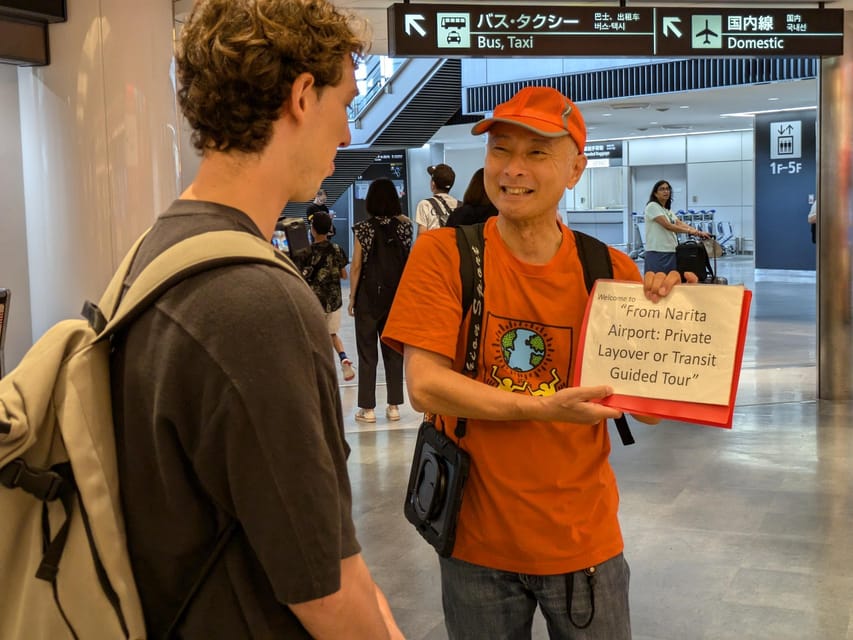
The tour starts with a pickup at Narita Airport or Narita Station. At Terminal 1, the stated meeting place is near the Tourist Information Center in the Visitor Service Center area on the arrivals level of the central terminal building. At JR Narita Station, meet near the Tourist Information Center just outside the east exit. The guide wears something orange.
If you are meeting at the airport, follow the meeting instructions closely and check that the terminal and location suit your arrival. The guide then takes you to the station for a roughly 15-minute train ride into Narita. Train fare is extra, around ¥500 according to the tour information, so have cash ready.
That short train trip is part of the appeal. You get a little independence from the airport setting without committing to a long journey across the region. Your guide can help with tickets and explain what you are seeing along the way. If you are new to Japan or tired after a flight, that practical help can make the outing less stressful.
Walking Omotesando at an unhurried pace
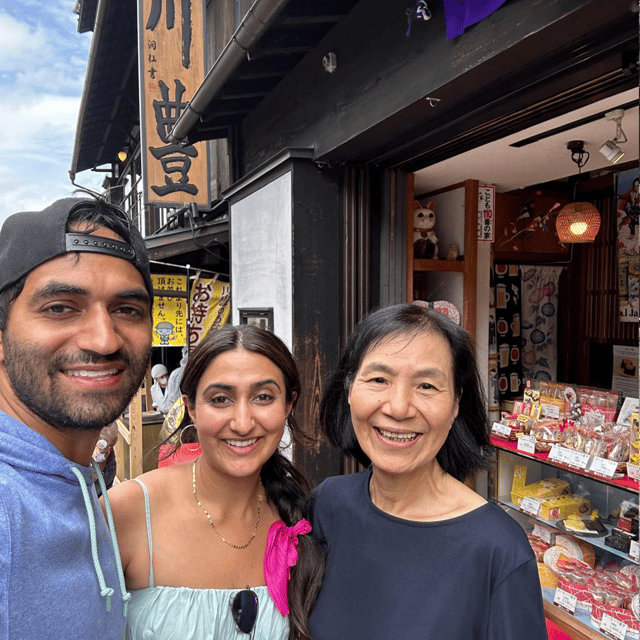
From Narita Station, the walk follows Naritasan Omotesando, the traditional street leading toward the temple. Its old-fashioned character, shops, and restaurants give you an easy introduction to local life. This is a good place to ask about Japanese food, customs, and everyday products, rather than simply moving from one landmark to the next.
The street is also where food starts to become part of the sightseeing. Eel, or unagi, is a local specialty, and shops sell sweets and other regional treats. Past visitors have tried bean-filled waffles and sesame ice cream, among other snacks. These stops depend on your interests and the time available, but a guide can point out things you might otherwise walk past.
One visitor found a shop with reasonably priced goods after asking the guide for suggestions. That is the sort of small local help that can add value to a private tour, especially if you want a souvenir but do not want to spend your limited time comparing every shop.
Expect to walk. Comfortable shoes are a must, and the route may be changed on very hot days. In summer, bring a hat and take heat precautions. The tour runs rain or shine, so an umbrella or rain jacket is sensible if the forecast calls for rain.
Naritasan Shinshoji and the Goma Prayer
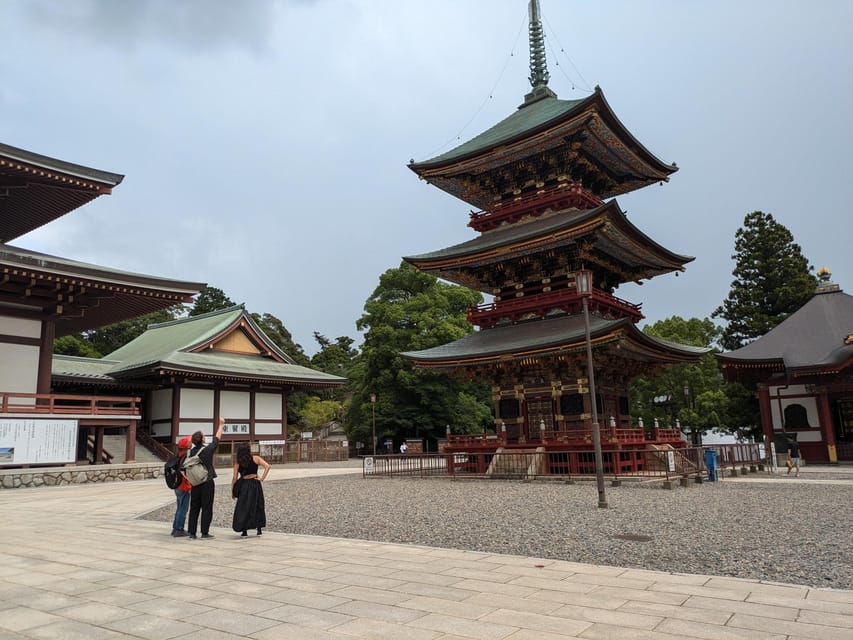
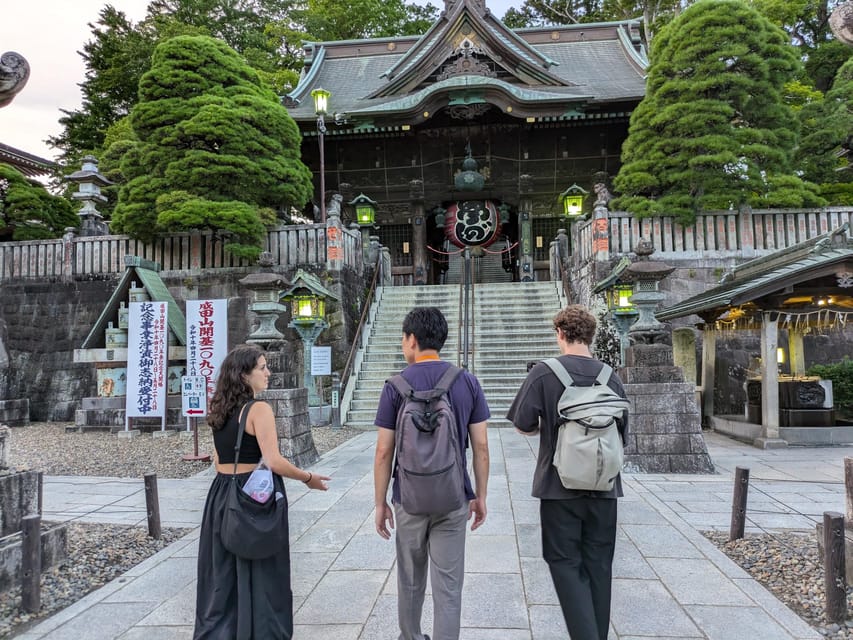
At the end of Omotesando stands Naritasan Shinshoji Temple, a large Buddhist complex with a history of about a thousand years. The visit offers more than a quick look at a temple building: your guide can explain the site’s background and the practices you see.
A highlight may be the Goma Prayer, a Buddhist fire ceremony held in the main hall. You can observe part of the ceremony and get an introduction to its place in Japanese religious life. The ceremony is not something to treat as guaranteed at a particular time, so ask about timing when you book or speak with your guide.
Some outings have also included a traditional tea ceremony. That depends on what is happening during your visit and should be seen as a possible bonus, not a promise. One guide helped a visitor take part in a ceremony that happened to be scheduled that day. Another showed the group how to fold an origami crane. These personal touches illustrate the flexibility of the tour, but your own program will depend on the day and your interests.
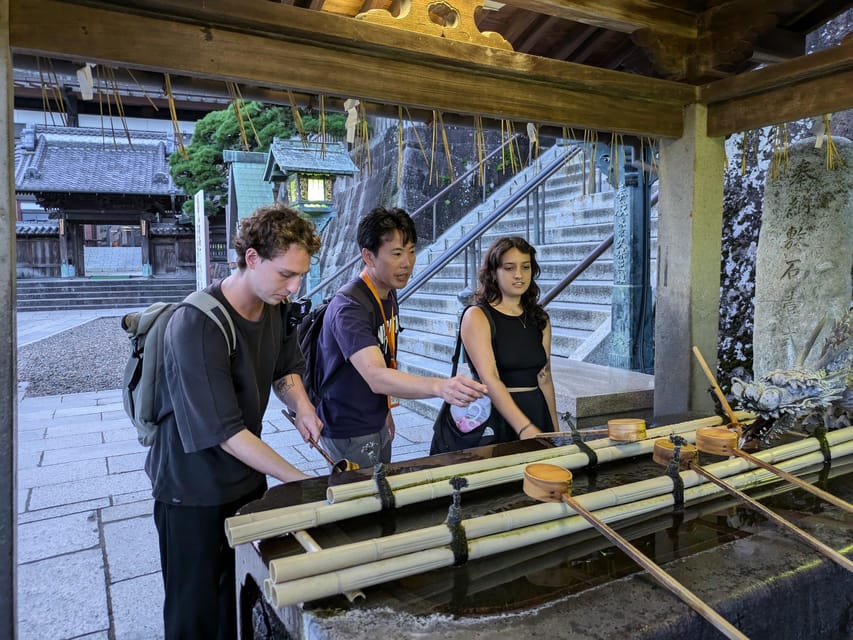
The temple grounds and ceremony add welcome depth to the visit. Still, half an hour is a short time for a large religious site, especially if you want to linger. Tell your guide what interests you most so they can use the available time well.
More guided tours in Tokyo:
- Tokyo 6hr Private Tour with Government-Licensed Guide
★ 5.0 · 3,902 reviews - Tokyo: Shinjuku Local Bar and Izakaya Guided Walking Tour
★ 4.9 · 1,794 reviews - Tokyo: Private City Highlights Tour with Local Guide
★ 4.8 · 1,433 reviews - Tokyo: Tsukiji Fish Market Guided Walking Tour
★ 4.9 · 1,397 reviews
Lunch, local specialties, and what the bill includes
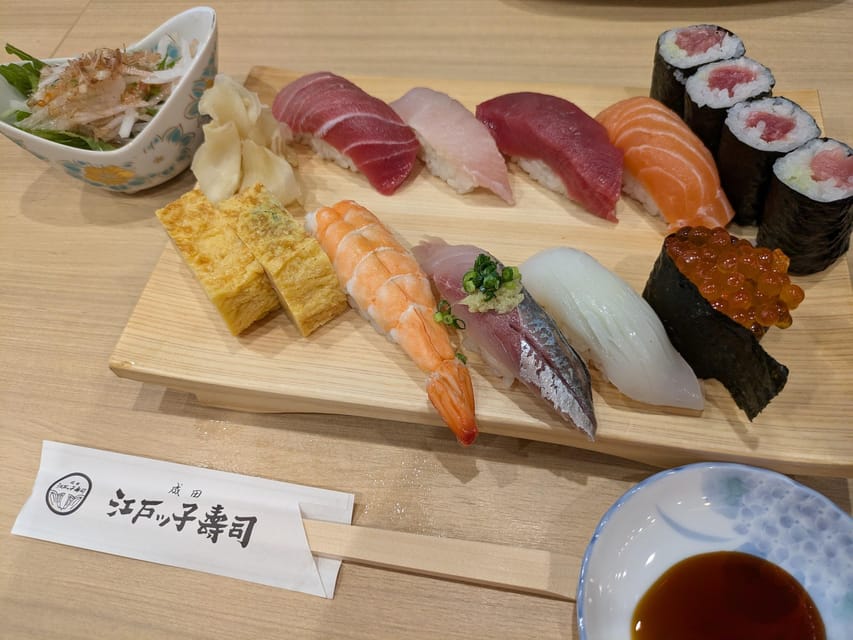
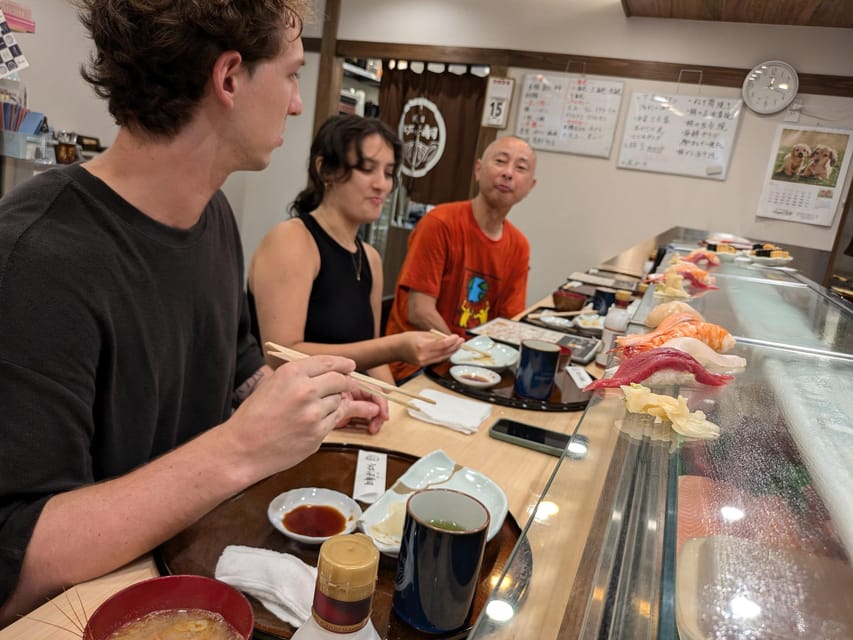
Lunch is not included in the tour price. You can choose from options such as eel, sushi, tempura, soba, or udon, depending on the restaurant and your preferences. The guide can help you choose a place and explain unfamiliar dishes. Past outings have included eel, noodle dishes, shrimp, and vegetables, as well as a meal at a tea house.
Plan on around ¥2,000 for a regular Japanese meal, or ¥3,000 to ¥4,000 for a more upscale choice. Food is one of the tour’s pleasures, but it can also take a sizeable part of your available time. If you have a short layover, tell your guide whether you would rather sit down for a full meal or spend longer walking and sightseeing.
The tour information recommends carrying about ¥10,000 in cash if you want to buy souvenirs or other items. Some shops do not accept credit cards, and you will also need cash for the train fare. The amount you actually spend depends on your meal and shopping choices.
Is $277 good value for your group?
The listed price is $277 for a private group of up to four. At four people, that works out to about $69 per person; at two, about $138.50 per person. The price covers the private guide and customized tour, but not lunch, train fare, or baggage storage.
That makes the tour a more compelling buy for a small group than for one person paying the full group rate. The value is not just a guided walk. You also get help navigating the station, context at the temple and along the street, and the chance to tailor the outing rather than follow a fixed group schedule. For someone with a long layover who wants to make the most of a few hours, that support can be worth paying for.
The costs add up, so budget beyond the booking price. A meal, train fare, and any snacks or souvenirs are on you. If you prefer to explore independently and are comfortable arranging your own train ride and temple visit, you may not need a private guide. If you want local explanations, help with logistics, or a flexible pace, the price is easier to justify.
Timing, luggage, and airport planning
The tour is described as four hours, with about 15 minutes by train in each direction. The planned time in town includes a guided walk along Omotesando, a temple visit, free time, and lunch. Since the time spent at each stop can shift, agree with your guide on priorities, especially if your flight schedule is tight.
Do not mistake a four-hour tour for a four-hour layover. You need time before and after the outing for airport procedures and your next flight. One person who had a layover of at least six hours found the outing a good fit, but that is not a guarantee that six hours will suit every flight or terminal situation. Check your own schedule carefully and leave a comfortable margin.
This is a walking tour, and large luggage should stay at the airport. Baggage storage fees are not included. If you need help locating storage or transferring between terminals, ask ahead; the company has provided that kind of practical information to some customers.
The tour is listed as wheelchair accessible, but it still involves walking along a street and around a temple. If you have specific mobility needs, confirm the route and pace with the provider before booking. Airport-style security applies to all visitors, and visa requirements depend on the country that issued your passport. Check Japan’s entry rules before leaving the airport.
Who should book this Narita outing?
I would consider this tour if you have a long layover, want more than airport shops and cafés, and enjoy learning as you walk. It is especially well suited to people who value conversation, food, and cultural context over ticking off a long list of sights. Families or friends sharing the private fee may also find the per-person cost easier to manage.
It is less suitable if you have only a short connection, want to avoid walking, or prefer not to spend extra on lunch and transport. The heat can be hard in summer, and the route may change on very hot days. If the temple is your main reason for going, ask about the Goma Prayer schedule rather than assuming it will happen during your visit.
FAQ
How long is the tour?
The tour lasts four hours. The train ride to Narita Station takes about 15 minutes each way.
What is included in the $277 price?
The price covers a private guide and a customized tour for a group of up to four. Lunch, train fare, and baggage storage fees are not included.
How much should I budget for lunch?
A regular Japanese meal typically costs around ¥2,000. Higher-end options are around ¥3,000 to ¥4,000.
Where do I meet the guide at Narita Airport?
At Terminal 1, meet near the Tourist Information Center in the Visitor Service Center area on the arrivals level of the central terminal building. The guide wears something orange.
Can I start or end the tour at Narita Station?
Yes. Narita Station is one of the pickup and drop-off options. The meeting point is near the Tourist Information Center outside the east exit of JR Narita Station.
Should I bring cash?
Yes. The train fare is around ¥500, and some shops do not accept credit cards. About ¥10,000 is recommended if you plan to buy food, souvenirs, or other items.
Can I bring large luggage on the tour?
No. This is a walking tour, so large luggage should be left at the airport. Baggage storage fees are not included.
Freshly reviewed in Tokyo
- Tokyo: Toshimaya Sake Brewery Tour with Sake Tasting★ 5.0 · 6 reviews
- Tokyo: Tour Privado por Tokio en español★ 4.3 · 4 reviews
- :Tokyo,Shibuya /Meiji Shrine tour in KIMONO/English-friendly★ 5.0 · 4 reviews
- Tokyo:Tea ceremony experience at Komaba Warakuan★ 4.8 · 9 reviews
- :Tokyo,Shibuya/ Pro Photography in Kimono / English-Friendly★ 5.0 · 26 reviews
- Tokyo:Samurai Training : Swords, Bushido & Mental Discipline★ 5.0 · 6 reviews
- Tokyo:Mt Fuji & Hakone Day Tour with English Speaking Driver★ 5.0 · 26 reviews
- Tokyo:Nikko UNESCO World Heritage Sites Private 1-Day Tour★ 3.8 · 6 reviews
Tokyo Airport Transfers, compared.

Private Haneda Airport (HND) to Central Tokyo City Transfer
Read our review →
Narita Airport(NRT) Private Transfer To/From Tokyo 1-way or Round
Read our review →
Private arrival Transfer from Narita Airport(NRT) to central Tokyo city
Read our review →
Private One-Way Transfer to/from Haneda Airport(HND)
Read our review →
Narita Airport: One Way Private Transfer to Tokyo|Yokohama Hotels
Read our review →
Shuttle Van Transfer, Yokohama(Port)⇒Tokyo, Narita, Haneda, TDR
Read our review →
Narita Airport(NRT): Private Transfer to Tokyo/Yokohama 1-9pax
Read our review →Browse the lists this tour appears in