
Reviewed · TOKYO RAMEN TOURS
Made from flour in 30min! Ramen-noodle Making Experience!
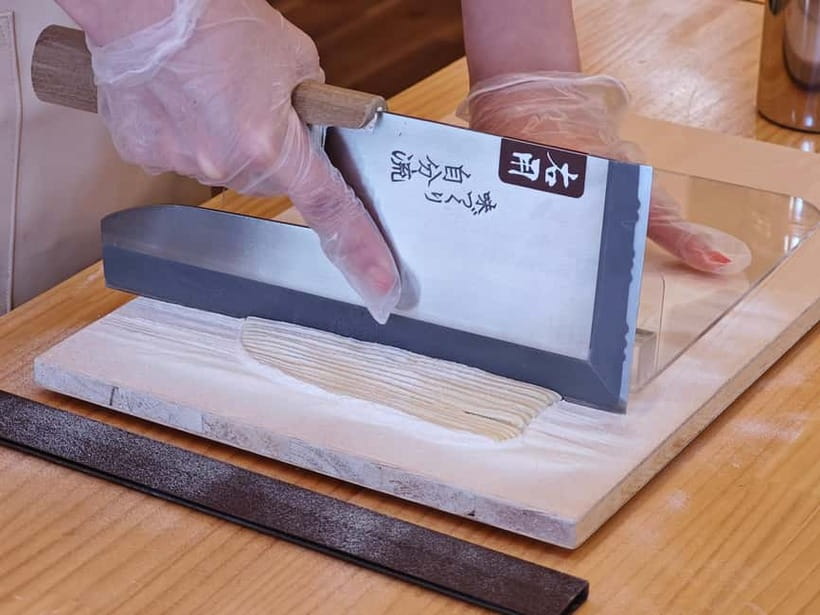
Ramen usually arrives in a bowl, ready to eat. Here, you start with flour and water, work the dough, and cut it into noodles by hand with a large knife. The workshop takes about 30 minutes, then staff cook what you’ve made for your meal.
I like two things in particular: you get to try a traditional hand-cutting technique rather than watch a pasta machine do the work, and the price includes ramen, one drink, and all-you-can-eat Japanese snacks. The bright, spacious studio also makes this a more comfortable stop than a cramped, flour-dusted workshop.
One consideration: the knife is large and heavy, so children need to be able to handle it safely or work alongside a parent. Also, the advertised activity is 50 minutes, while the hands-on portion is about 30 minutes and the meal follows, so leave some breathing room in your plans.
The useful details at a glance
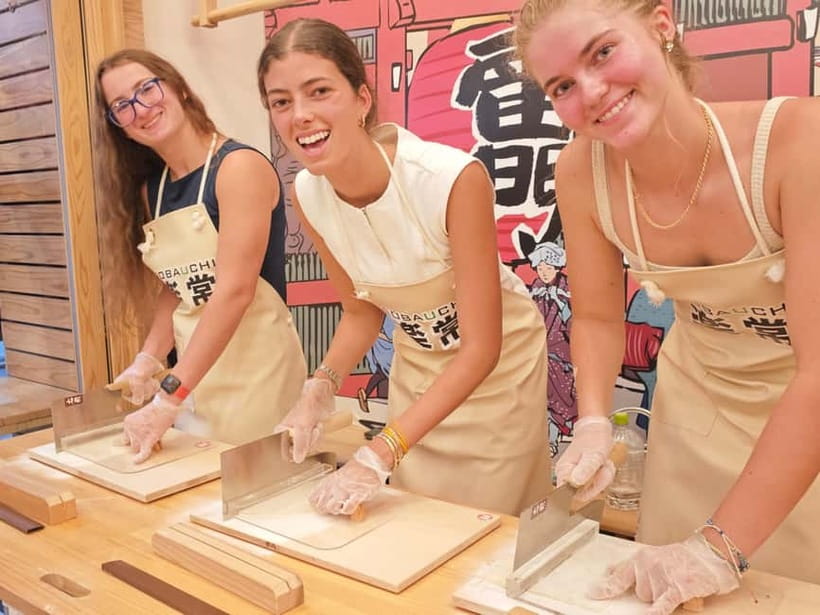
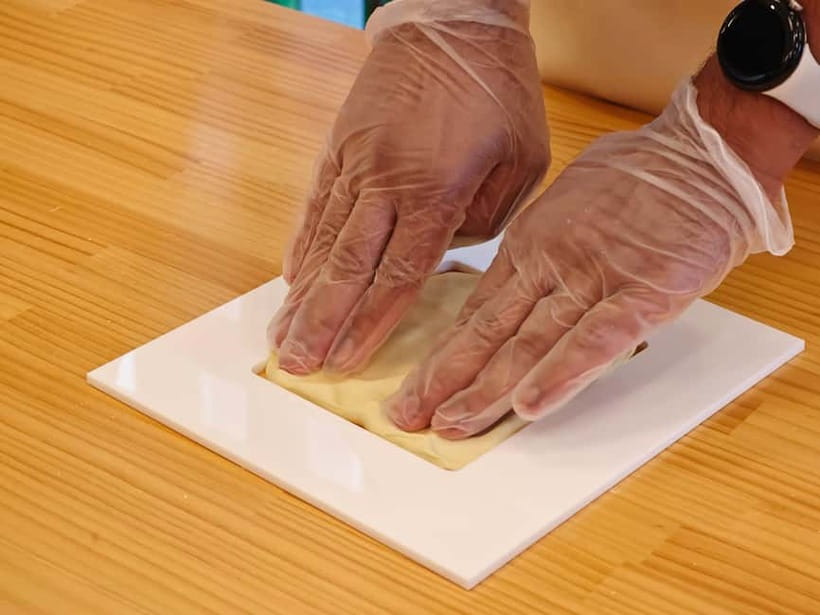
- You make the noodles from flour: Mix, knead, flatten, and cut the dough in a short, guided session.
- The cutting is done by hand: You use a large knife made for slicing noodles, not a pasta machine.
- Your work becomes lunch: Staff cook the noodles you made, with choices including miso, soy sauce, salt, vegan ramen, and vegan soup curry ramen.
- The meal comes with extras: One drink and all-you-can-eat Japanese snacks are included; drink refills cost extra.
- The studio is in Kappabashi: It’s about 25 minutes from Sensoji Temple, among Asakusa’s kitchenware shops.
- The session is small-group: Bookings are limited to six participants, and instruction is available in Japanese and English.
From flour to noodles in half an hour
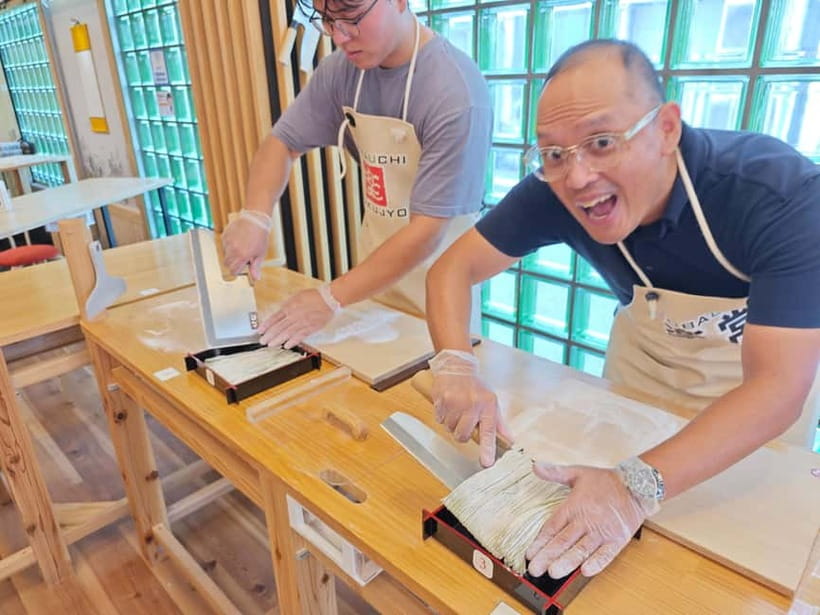
SOBAGIRI-RAKUJYO teaches you to make ramen noodles from scratch in an open kitchen studio on the ground floor of Kappabashi. You start with flour and water, then mix, knead, and flatten the dough before cutting it into thin strips. The practical challenge is the last step: controlling a large, heavy knife so the noodles come out fine and even.
The technique is based on hand-cutting methods passed down in Japan since the Edo period. This isn’t a long masterclass in noodle craft, and the workshop doesn’t ask you to spend an hour wrestling with dough. The team has developed a process that fits the sequence into about 30 minutes, making it a manageable introduction for families and anyone fitting the activity between other plans.
An instructor guides the work in Japanese or English, with an English audio guide also included. The teaching is described as careful and gently humorous, a good combination when you’re holding a serious-looking knife and trying not to turn your noodles into dumplings. The point is not to leave as a ramen chef. It’s to understand, with your hands, how flour becomes the noodles in your bowl.
You should arrive 10 minutes before your reserved time. That gives you time to check in and wash your hands before the making begins. The workshop is wheelchair accessible, and bookings are limited to six participants, though the studio itself can accommodate larger groups.
More ramen tours in Tokyo:
- Eat and Drink Like a Local: Tokyo Ueno Food Tour-Taverns&Ramen
★ 5.0 · 957 reviews - Ramen & Gyoza Cooking Class in Tokyo with Local Supermarket Visit
★ 5.0 · 823 reviews - Tokyo: Ramen Tasting Tour with 6 Mini Bowls of Ramen
★ 4.9 · 432 reviews
A knife, not a pasta machine
The hand-cutting is the experience’s main distinction. Many noodle-making demonstrations rely on a pasta machine, which can be satisfying to watch but leaves you with less to do. Here, you work the dough yourself and cut the strands one by one with a purpose-built knife.
That makes the activity more tactile, but it also calls for attention. The knife is large and heavy, and the safety guidance matters. Parents are responsible for their children, and a child attending alone must be able to knead the dough and use the knife independently. If that seems like too much, each child needs an accompanying adult to work as a pair.
There are a few age and participation rules to keep in mind. Children under 3 are listed as unsuitable, and the activity is also unsuitable for people with a cold, gluten intolerance, or a buckwheat allergy. Because the age information includes overlapping restrictions for very young children, check directly before booking for a toddler. The venue also says that three participants cannot share one table, so groups of three should confirm the arrangement in advance.
Your noodles, cooked into a meal
Once the cutting is done, staff cook the noodles for you. That short pause is part of the appeal: you don’t need to take raw dough away or find a kitchen. You sit down and eat the result as a proper meal, which gives the workshop a satisfying finish rather than leaving you with a novelty souvenir.
Ramen choices include miso, soy sauce, salt, vegan ramen, and vegan soup curry ramen. That range makes it easier for a group with different tastes to find something suitable, though anyone with a dietary restriction should check the ingredients directly. The meal includes noodles you made yourself, but not a meal for an accompanying person who isn’t taking part.
The experience includes one drink, with choices listed as beer, highball, lemon sour, juice, or non-alcoholic beer. Japanese snacks are available without a separate charge in the eating area. Refills are not included, so treat the first drink as a welcome extra rather than an open bar.
A useful detail for families and groups: observation-only entry is generally not allowed. Companions should plan to order a meal rather than expect to sit in and watch without participating. That policy helps the small studio keep the activity focused, but it’s worth knowing before you make a reservation.
A clean, open studio in Kappabashi
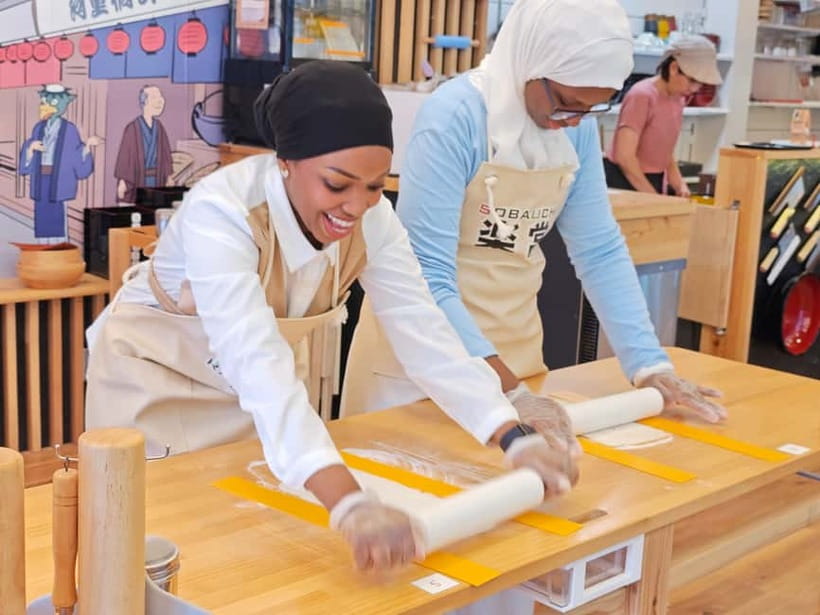
The setting is a bright, spacious Japanese-style shop on the first floor, not a makeshift room or a dark workshop. That matters when you’re handling flour and equipment, and it makes the activity feel like a comfortable part of a day out rather than a stop you need to endure for the novelty.
Kappabashi is Asakusa’s kitchen-tool district, so the location pairs naturally with a stroll among shops selling cookware and restaurant supplies. The studio is about 25 minutes from Sensoji Temple. You can make the noodle session a break between sightseeing and shopping, or use it as a meal stop before exploring the district.
Look for the meeting point diagonally across from a food-sample specialty store marked by a large beetle sculpture. It’s a distinctive landmark, but Kappabashi has plenty to look at, so don’t leave the arrival until the last minute. The required 10-minute early arrival is especially sensible if you’re unfamiliar with the area.
The generous interior can hold up to 30 people, while the activity is described as a small-group session limited to six participants. That combination gives the room space without suggesting that your booked workshop will be a crowd. If you’re travelling with a larger party, ask how the group will be divided and seated.
More tours and experiences in Tokyo:
- Mt Fuji and Hakone 1-Day Bus Tour Return by Bullet Train
★ 5.0 · 26,383 reviews - 1-Day Tokyo Bus Tour
★ 5.0 · 14,250 reviews - Tokyo: teamLab Planets TOKYO Digital Art Museum Entry Ticket
★ 4.6 · 9,779 reviews - Mt Fuji & Hakone Cruise, Drum Show Bullet Train 1 Day from Tokyo
★ 4.0 · 7,413 reviews
What the price includes, and what it doesn’t
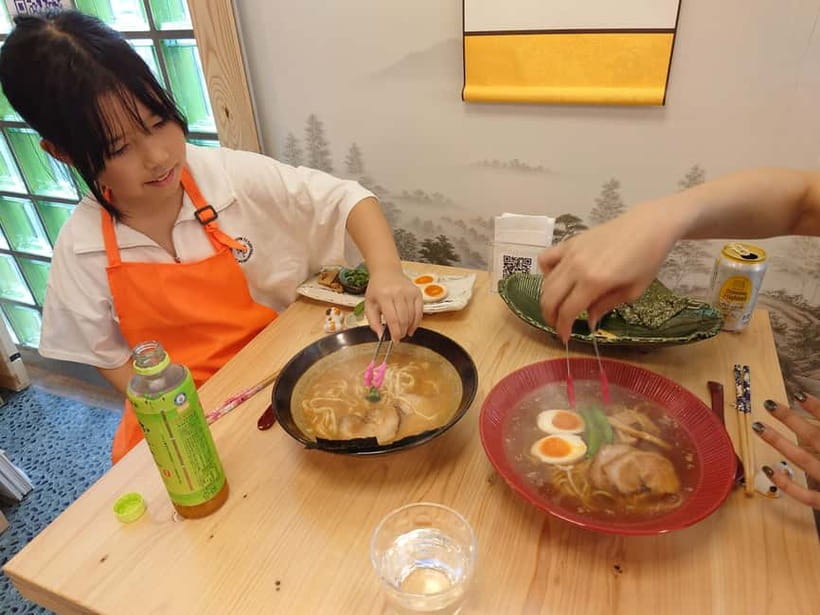
At $57 per person, this is more than a quick demonstration. Your fee covers the noodle-making session, a meal made with your noodles, one drink, and all-you-can-eat Japanese snacks. You’re paying for an activity and lunch in one booking, which can make the cost easier to justify than a workshop that ends before the meal begins.
The value is strongest if you want to try the hands-on craft and would have bought a meal anyway. The short making session also leaves room for other Asakusa plans. If you only want a bowl of ramen, the experience may be more than you need; the price buys participation, instruction, and the chance to eat something you made.
Remember the exclusions. Extra drinks cost more, and attendants who aren’t participating must pay for their own meal. There is also no option, as a rule, to enter just to observe. If you have a group with non-participants, factor that into the total cost before booking.
The workshop’s compact timing is a real advantage for children and tight itineraries, but don’t assume the whole visit ends at the 30-minute mark. The activity is listed as 50 minutes, and meal time follows the making. The amount of time you spend eating depends on your own pace, so leave a cushion before your next appointment.
Small touches that make the stop easier
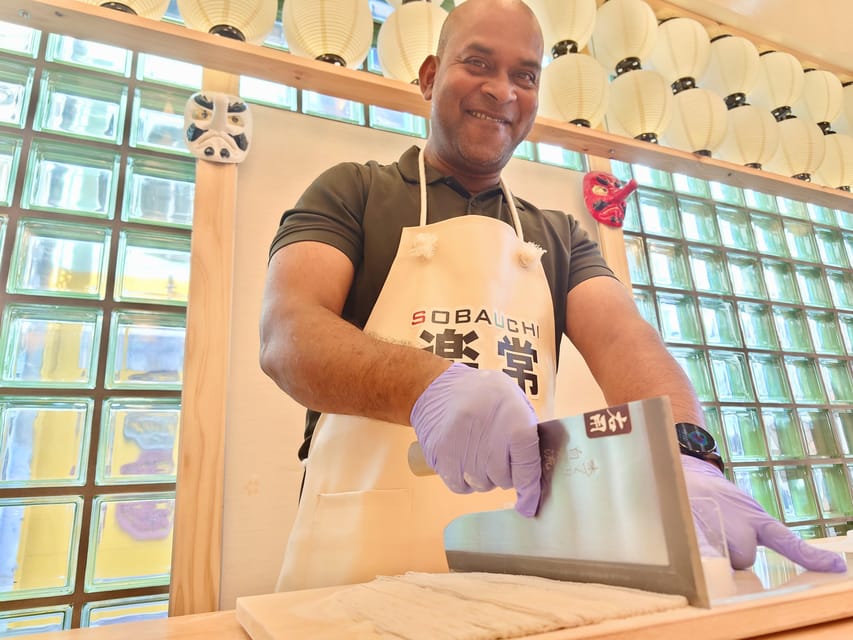
The staff are described as friendly and clear in their instruction, with a light sense of humor during the process. That can make a difference for first-timers: the knife work is precise, but the mood needn’t be stiff. The emphasis is on learning safely, not getting every strand perfect on your first try.
One session also included staff-taken photos shared by QR code, keeping phones away from the flour during the workshop. Ask whether that is available on your date rather than counting on it as a standard inclusion. The main souvenir, either way, is the meal and the memory of turning dough into noodles with your own hands.
There’s a practical benefit to the flour-based process, too: you see how much work sits between dry ingredients and a finished bowl. Ramen can seem simple when it arrives at the table. After kneading and cutting the dough yourself, the texture and shape of the noodles become part of the meal, not just a detail beneath the broth.
Should you book the ramen workshop?
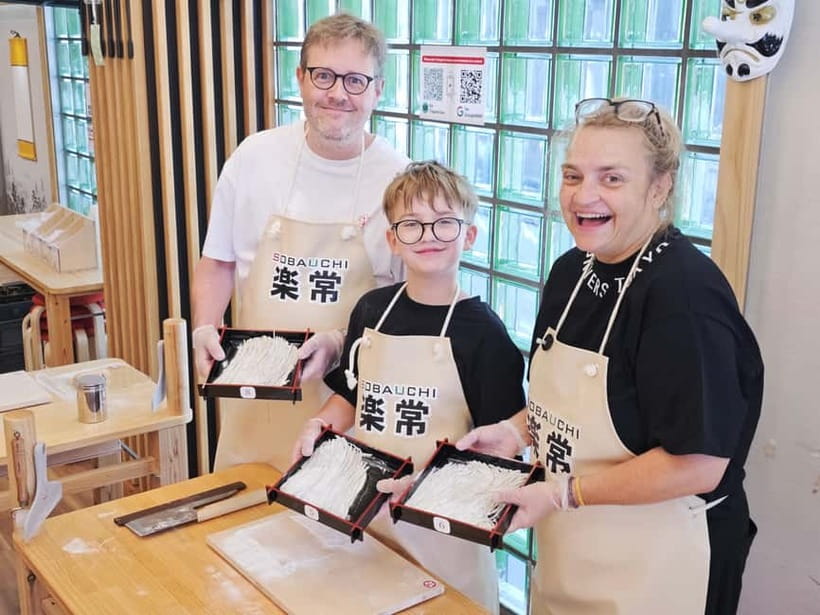
I’d book this if you want a short, hands-on food activity in Asakusa, especially if you’re travelling with older children who can follow safety instructions. It combines a traditional cutting technique, a meal, a drink, and snacks in a clean studio, with enough time left in the day for Kappabashi’s shops.
Skip it if you’re looking only for the cheapest ramen meal, have a buckwheat allergy or gluten intolerance, or aren’t comfortable using a large knife. Families should check the age and adult-accompaniment rules, and groups of three should confirm seating. If those details suit your party, this is a practical way to make lunch part of the day’s activity rather than just another stop at a restaurant.
FAQ
How long does the ramen-making experience take?
The activity is listed as 50 minutes. The hands-on noodle-making portion takes about 30 minutes, followed by staff cooking your noodles and time to eat.
What ramen flavors can I choose?
Options include miso, soy sauce, salt, vegan ramen, and vegan soup curry ramen.
Is food and a drink included?
Yes. Your booking includes a meal made with the noodles you cut, one drink, and all-you-can-eat Japanese snacks. Drink refills cost extra.
Is the workshop suitable for children?
Children under 3 are listed as unsuitable. Older children must be able to knead and use the large knife safely, or work with a parent. One adult must accompany each child in a parent-child pair.
Can I watch without taking part?
As a rule, observation-only entry is not possible. Attendants who are not participating should plan to order a meal.
Is the experience available in English?
Yes. Instruction is available in Japanese and English, and an English audio guide is included.
Where is the meeting point?
The studio is on Kappabashi Kitchenware Street in Asakusa. The meeting point is diagonally across from a food-sample specialty store with a large beetle sculpture.
Freshly reviewed in Tokyo
- Tokyo: Toshimaya Sake Brewery Tour with Sake Tasting★ 5.0 · 6 reviews
- :Tokyo,Shibuya /Meiji Shrine tour in KIMONO/English-friendly★ 5.0 · 4 reviews
- Tokyo: Tour Privado por Tokio en español★ 4.3 · 4 reviews
- Tokyo:Tea ceremony experience at Komaba Warakuan★ 4.8 · 9 reviews
- :Tokyo,Shibuya/ Pro Photography in Kimono / English-Friendly★ 5.0 · 26 reviews
- Tokyo:Samurai Training : Swords, Bushido & Mental Discipline★ 5.0 · 6 reviews
- Tokyo:Mt Fuji & Hakone Day Tour with English Speaking Driver★ 5.0 · 26 reviews
- Tokyo:Nikko UNESCO World Heritage Sites Private 1-Day Tour★ 3.8 · 6 reviews
Tokyo Ramen Tours, compared.

Eat and Drink Like a Local: Tokyo Ueno Food Tour-Taverns&Ramen
Read our review →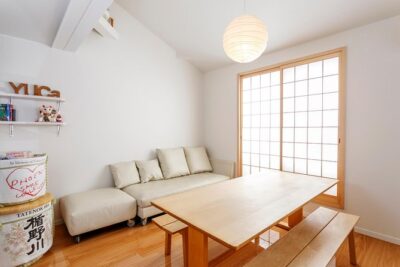
Ramen & Gyoza Cooking Class in Tokyo with Local Supermarket Visit
Read our review →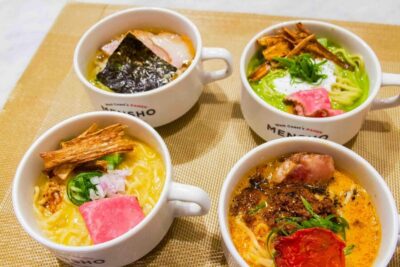
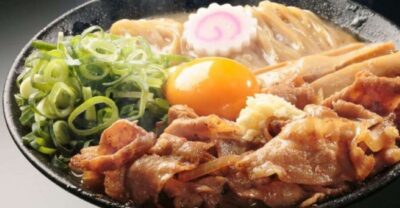
Easy Ramen Cooking Experience in Kabukicho, Shinjuku
Read our review →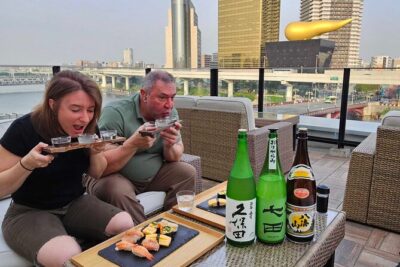
Ramen and Sushi Cooking Class with Sake Pairing Set in Tokyo
Read our review →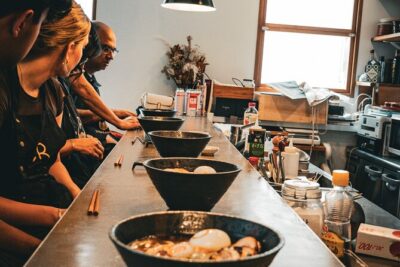
Professional Ramen & Gyoza with Ramen Chef in a restaurant!
Read our review →
Ramen Dojo Tokyo | Make All 3 (Tonkotsu/Shoyu/Miso)
Read our review →
Browse the lists this tour appears in