Reviewed · TOKYO TOURS
Kintsugi Experience with Arita Ware in Tokyo (English Guide)
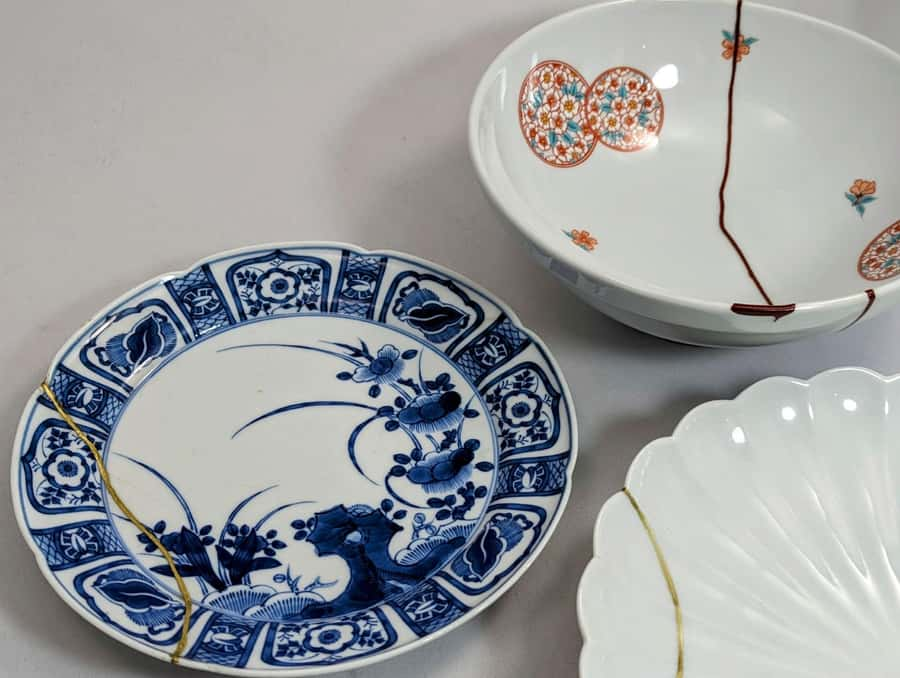
Kintsugi turns a broken piece of pottery into something with a visible history: its cracks become part of the design, rather than something to hide. In this 90-minute class, you’ll try the Japanese repair craft with Arita Ware, a Japanese porcelain tradition dating back 400 years.
I like two things here: you get an English-speaking instructor and a finished plate to take home, and the class takes place in a long-established shop devoted to traditional lacquerware and glassware. The main caveat is that your piece needs about a week to dry, and it’s for decoration rather than food or drink.
At a glance: what makes this class distinctive
- A repair craft with a point of view: Kintsugi treats cracks as part of an object’s story, drawing on the Japanese appreciation of imperfection and change.
- Arita Ware with four centuries behind it: You’ll practise on porcelain from a tradition described as the first porcelain made in Japan.
- A 1923 setting: Nihonbashi Mutoh Main Store is a working shop for lacquerware and glassware, not simply a classroom.
- A take-home plate is included: Materials and a plate are provided, so you can join without bringing anything.
- A small class, capped at 10: You’ll have a more personal format than a large workshop, though the session may run alongside regular shop customers.
- Plan for the curing time: Your work needs to dry indoors for about a week and should be used for display, not eating or drinking.
A hands-on introduction to Kintsugi
Kintsugi is the Japanese craft of joining broken pottery and highlighting its repairs with gold. The idea is more than cosmetic. Instead of pretending an object was never damaged, the repair makes its history visible and gives the break a new role in its appearance.
The practice is associated with wabi-sabi, an outlook that finds beauty in imperfection and impermanence. That makes this class appealing even if you don’t think of yourself as artistic. You’re not being asked to produce a flawless factory finish; the point is to take part in a craft that values the marks and irregularities of repair.
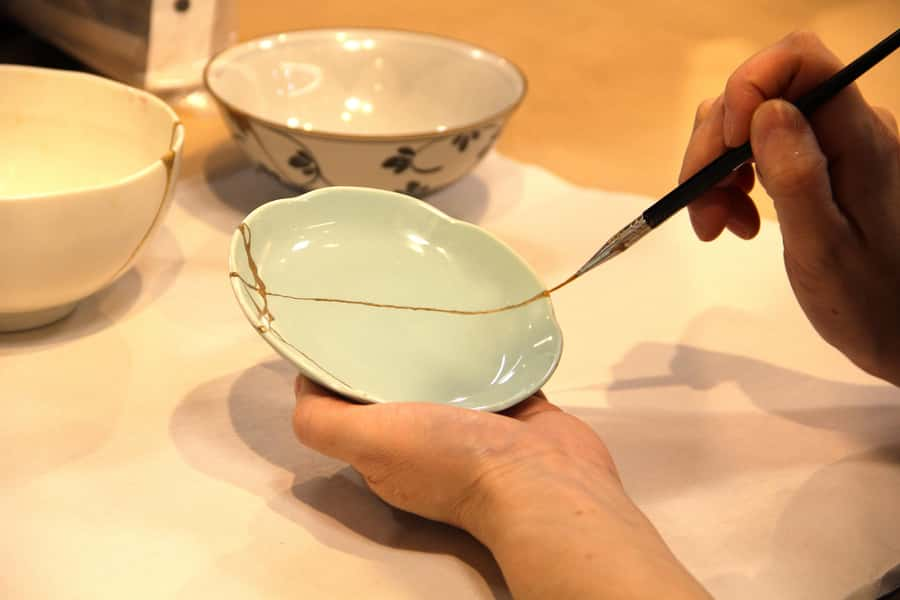
The activity lasts 90 minutes, and that’s enough time to work on one object. You’ll use a plate supplied for the session, with the necessary materials included, and you can take your finished piece home. The instructor speaks English, so you can follow the process without needing to understand Japanese craft terms in advance.
It’s worth keeping your expectations practical. This is a short introduction, not a full course in every stage or variation of Kintsugi. You’ll get a focused chance to try the craft, learn its cultural idea, and make a souvenir yourself.
More guided tours in Tokyo:
- Tokyo 6hr Private Tour with Government-Licensed Guide
★ 5.0 · 3,902 reviews - Tokyo: Shinjuku Local Bar and Izakaya Guided Walking Tour
★ 4.9 · 1,794 reviews - Tokyo: Private City Highlights Tour with Local Guide
★ 4.8 · 1,433 reviews
Working with Arita Ware
The workshop uses Arita Ware, porcelain with a 400-year history and a place in Japan’s early porcelain-making tradition. The pieces used for the experience come from Shobido Honten, a well-known Arita Ware brand with fans in Japan and abroad.
That material gives the activity a stronger sense of place than a generic craft class. You’re not just repairing an anonymous object; you’re working with a kind of Japanese porcelain that has its own long tradition. For visitors who want an activity that connects making with local craft, that context adds real value.
You can also bring your own item, provided it fits the workshop’s limits: ceramic or porcelain, about 15 centimetres in diameter and 15 centimetres high at most, with one or two broken parts. That option can make the class more personal, especially if you have a piece you’d like to repair rather than a new souvenir.
Check your item against those requirements before you go. The class is not set up for oversized pieces, other materials, or pottery with more extensive damage. If your item doesn’t qualify, the included plate gives you a straightforward alternative.
Inside Nihonbashi Mutoh Main Store
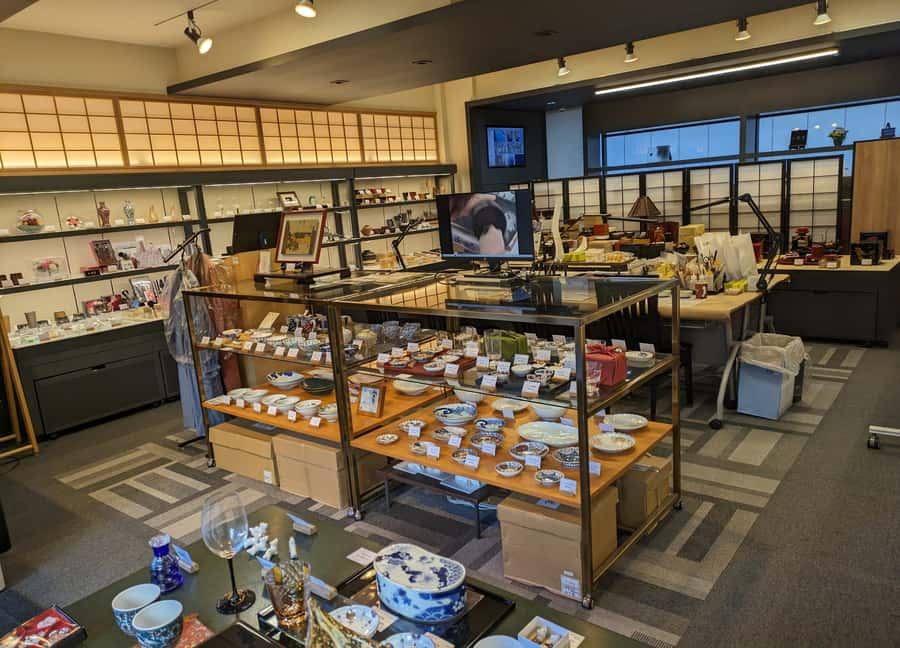
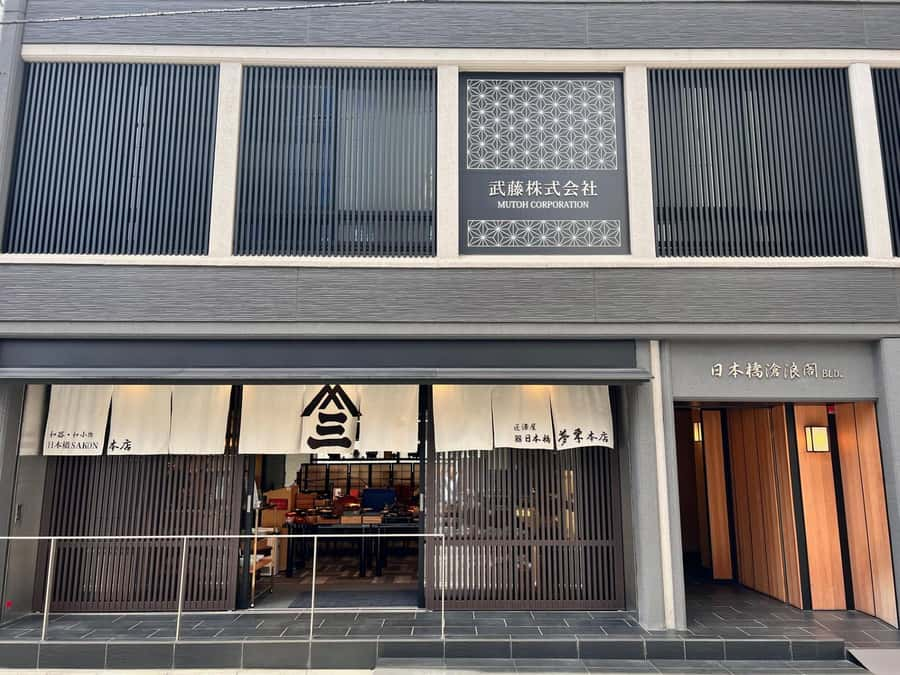
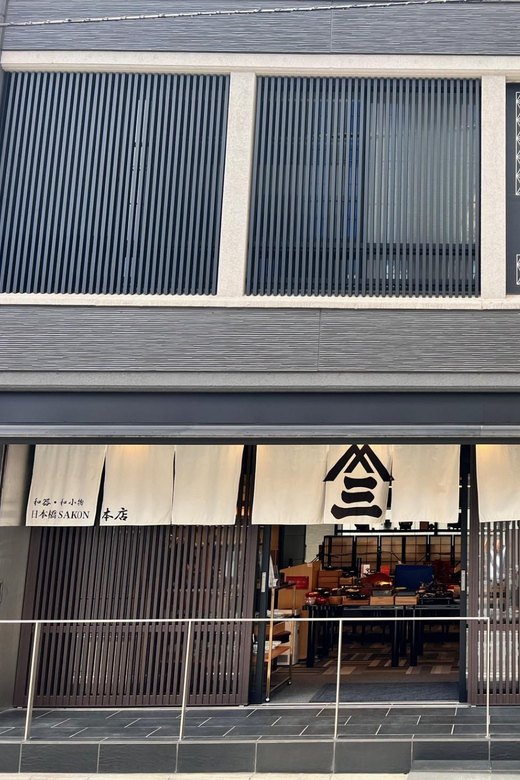
The class meets at Nihonbashi Mutoh Main Store, at 1-8-3 Honcho, Nihonbashi, Chuo City, Tokyo. Established in 1923, the shop deals in high-quality lacquerware and glassware, and its shelves give the workshop a traditional craft setting.
I like that the activity happens in a shop with a working history, rather than in a room detached from the objects and materials being discussed. The setting helps place Kintsugi among other Japanese craft traditions. It also means you may be sharing the space with regular customers, so don’t expect a private studio or a closed-door class.
The group limit is 10 people. That’s small enough to keep the session from feeling like a crowd, though the exact feel will depend on how many people book and what else is happening in the shop. In a group of eight, for example, there’s still room to hear instruction and concentrate on your own piece.
Instructions may be given in Japanese first and then translated into English. The instructor is English-speaking, but a little pause between the original explanation and translation is normal. Take that moment to look closely at the demonstration and get your questions ready.
How the 90 minutes are likely to feel
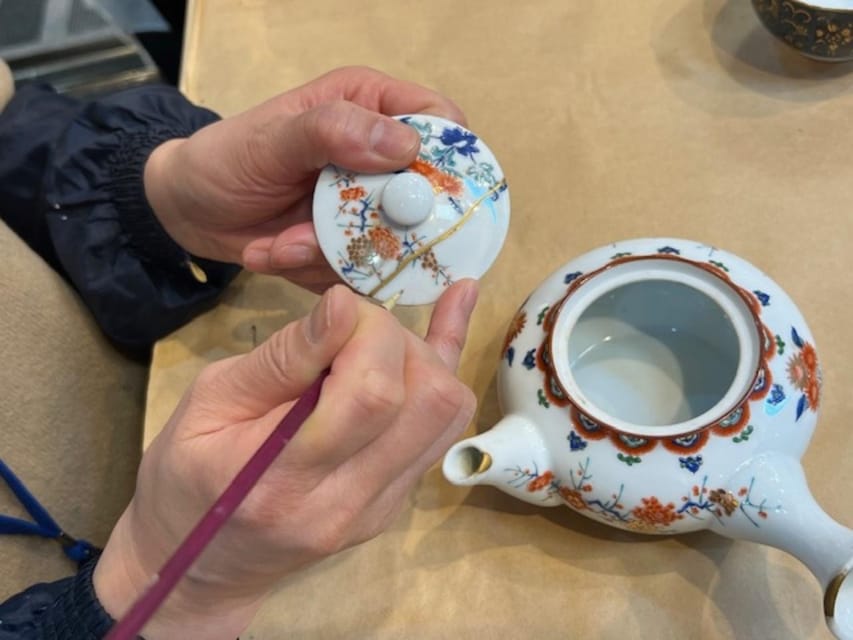
There are three listed session times: 10:30 a.m. to noon, 1:30 to 3 p.m., and 3:30 to 5 p.m. Each is a 90-minute workshop. Choose a slot that leaves you breathing room before or after; if you arrive late, the class still ends at its scheduled time.
At the start, expect to meet the instructor and get oriented to the activity and its materials. The workshop is designed to introduce the Kintsugi process, with the instructor guiding you in English. Specific step-by-step techniques aren’t detailed in advance, so it’s best to think of this as a guided first try rather than a technical masterclass.
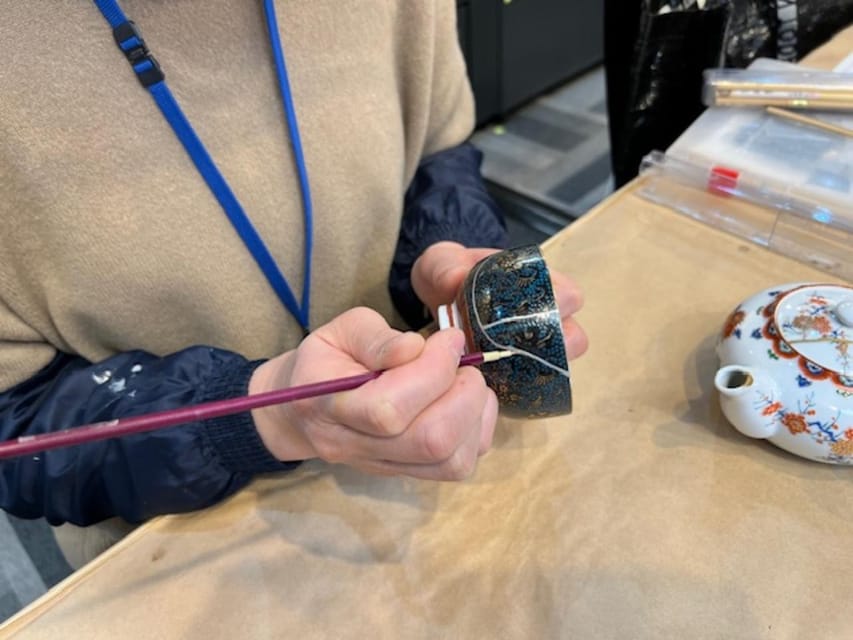
You’ll then work on one plate. The class is long enough to complete one object, which gives you a clear, achievable project within the 90-minute window. If you’ve brought a suitable broken piece, confirm that it meets the size, material, and damage limits; otherwise, use the included plate.
The calm, focused nature of the work is part of its appeal. Kintsugi asks you to pay attention to a small area and treat repair as part of the object’s character. You don’t need prior experience, and the class is presented as accessible to people at all artistic levels.
At the end, you can take your piece home, but it isn’t ready for everyday use straight away. Leave it indoors to dry for about one week. After that, hand-wash it with dishwashing detergent, and keep it out of the microwave and dishwasher. The finished work is for decoration, not for serving food or drink.
More tours and experiences in Tokyo:
- Mt Fuji and Hakone 1-Day Bus Tour Return by Bullet Train
★ 5.0 · 26,383 reviews - 1-Day Tokyo Bus Tour
★ 5.0 · 14,250 reviews - Tokyo: teamLab Planets TOKYO Digital Art Museum Entry Ticket
★ 4.6 · 9,779 reviews - Mt Fuji & Hakone Cruise, Drum Show Bullet Train 1 Day from Tokyo
★ 4.0 · 7,413 reviews
What $139 buys you
At $139 per person, this is not a bargain-basement craft activity. The fee covers a 90-minute workshop, the materials, an English-speaking instructor, and the plate you work on and take home. You’re also paying for a guided introduction to a traditional repair practice in a shop that has been part of Tokyo’s craft trade since 1923.
The value is strongest if you want more than a ready-made souvenir. You’ll spend time making something yourself and learn why Kintsugi treats repair as an aesthetic choice, not just a way to hide damage. The Arita Ware adds a material connection to Japanese porcelain-making, while the small group cap makes individual instruction more plausible than in a large class.
It’s less compelling if you’re seeking a long, advanced course or a finished piece you can use at dinner the same day. The 90-minute format centres on one object, and the week of indoor drying means you’ll need patience before displaying it. The no-food-use guidance also makes this a decorative keepsake, not a replacement for a dinner plate.
For a craft activity in central Tokyo, the price can make sense if you value instruction, materials, and a meaningful take-home object as a package. If you’re mainly shopping for porcelain, buying a finished item may suit you better. If you want to understand a Japanese craft by trying it, the class offers a more memorable return.
Who will get the most from it
This suits adults and older teens who enjoy hands-on activities, traditional crafts, or thoughtful souvenirs. Children under 13 are not eligible. You don’t need to be artistic, and the class’s focus on repair and imperfection makes it approachable even if you’re more comfortable observing than making.
It’s also a good option if you’ve lived in Japan for a while or are returning to Tokyo and want an activity beyond the usual sights. The regular English-language sessions make the craft accessible to people who don’t speak Japanese, while the shop setting offers a glimpse of an established craft business.
Wear clothes you don’t mind getting dirty. The class involves materials and hands-on work, and practical clothes are a better choice than anything you’d worry about protecting. Food and drink aren’t included, so plan those separately.
The shop is listed as wheelchair accessible. Cancellation is free up to three days in advance for a full refund. If you don’t attend on the scheduled day, there is no refund, and arriving late does not extend your session.
Should you book this Kintsugi class?
Book it if you want a short, guided introduction to a Japanese craft and like the idea of taking home an object you repaired yourself. The combination of Arita Ware, an English-speaking instructor, and a century-old shop makes the experience more specific than a generic pottery activity.
Think twice if you need an instantly usable souvenir, want a private class, or prefer a longer technical course. But if you can set aside 90 minutes, follow the aftercare rules, and give your piece a week to dry, this is a worthwhile way to spend part of a Tokyo day.
FAQ
How long is the Kintsugi experience?
The workshop lasts 90 minutes. The listed session times are 10:30 a.m. to noon, 1:30 to 3 p.m., and 3:30 to 5 p.m.
Is the workshop taught in English?
Yes. An English-speaking instructor leads the experience. Instructions may be given in Japanese first and then translated into English.
What is included in the price?
The experience includes admission to the 90-minute workshop, all necessary materials, an English-speaking instructor, and a plate to work on and take home.
Can I bring my own broken pottery?
Yes, if it is ceramic or porcelain, measures no more than about 15 centimetres in diameter and 15 centimetres in height, and has one or two broken parts.
When can I use the repaired piece?
Let it dry indoors for about one week. It should be hand-washed with dishwashing detergent, kept out of the microwave and dishwasher, and used for decoration rather than eating or drinking.
Is the experience suitable for children?
It is not suitable for children under 13.
What is the cancellation policy?
You can cancel up to three days in advance for a full refund. No refund is issued if you do not attend on the scheduled day.
Freshly reviewed in Tokyo
- Tokyo: Toshimaya Sake Brewery Tour with Sake Tasting★ 5.0 · 6 reviews
- :Tokyo,Shibuya /Meiji Shrine tour in KIMONO/English-friendly★ 5.0 · 4 reviews
- Tokyo: Tour Privado por Tokio en español★ 4.3 · 4 reviews
- Tokyo:Tea ceremony experience at Komaba Warakuan★ 4.8 · 9 reviews
- :Tokyo,Shibuya/ Pro Photography in Kimono / English-Friendly★ 5.0 · 26 reviews
- Tokyo:Samurai Training : Swords, Bushido & Mental Discipline★ 5.0 · 6 reviews
- Tokyo:Mt Fuji & Hakone Day Tour with English Speaking Driver★ 5.0 · 26 reviews
- Tokyo:Nikko UNESCO World Heritage Sites Private 1-Day Tour★ 3.8 · 6 reviews
Tokyo Tours, compared.

Mt Fuji and Hakone 1-Day Bus Tour Return by Bullet Train
Read our review →

teamLab Planets TOKYO Digital Art Museum Entry Ticket
Read our review →
Mt Fuji & Hakone Cruise, Drum Show Bullet Train 1 Day from Tokyo
Read our review →
Shinjuku Food Tour (13 Dishes at 4 Local Eateries)
Read our review →
Tokyo Mt Fuji 5th St & Hakone Cruise Bus Tour w/Bullet Train
Read our review →
Flagship 2-Hours Official Street Go-Kart Tour – Tokyo Bay Shop
Read our review →