
Reviewed · TOKYO PRIVATE TOURS
Tokyo 8hr Private Tour with Government-Licensed Guide
Tokyo’s scale is the first thing this tour helps you manage. With a private guide, you can connect historic temples, quiet gardens, and modern districts in one day, while learning how to move through the city by train and subway.
I like two things especially: you help choose the stops, so the day can follow your interests, and your guide can turn public transit into part of the lesson, not just a way to get from A to B. Guides including Koba, An, Taka, and Kenji have adapted routes for families, history fans, and first-time visitors.
The tradeoff is the pace. Eight hours on foot, with transit and several widely spaced sights, can mean a very long day. You pay your own transport, meal, and most entrance costs, too, so plan the route and budget before you set off.
What to know before you book
- Choose four to six places with your guide: Options range from Asakusa and Meiji Shrine to gardens, museums, Shibuya, and Akihabara.
- Expect a walking tour, not a chauffeured one: Pickup is on foot, and private vehicle transport is not included.
- Use the day to learn Tokyo’s transit system: Guides have helped visitors navigate train stations and subway routes.
- Allow for a full day on your feet: One guest reported walking 22,000 steps, and other accounts also describe a lot of walking.
- Budget for add-ons: Transport, lunch, personal expenses, and admission to certain gardens and museums cost extra.
- Keep the route flexible: Guides have adjusted plans for weather, family interests, mobility concerns, and time available.
A private guide makes Tokyo easier to read
Tokyo can feel like several cities stitched together. A morning at a temple, an afternoon in a garden, and a final stop at Shibuya Crossing may each reveal a different side of the capital, but getting between them takes planning. A private guide gives you a local point person who can help connect the sights and explain what you are seeing.
The tour is for your group alone. That matters if you want to ask questions, pause for photos, change the order, or make room for a specific interest. Guides have built days around Edo-period sites, cherry blossoms, local neighborhoods, family-friendly stops, and modern pop culture. One guide, Koba, helped a family fit Tokyo Tower, Asakusa, a Pokémon Center, Shibuya, and Harajuku into a day. Another, Izumi, took a visitor through temples, the Tokyo National Museum, and Yanaka.
The English-speaking guide is licensed, and hotel pickup is offered. The practical detail is that this is a walking tour with pickup on foot, not a car service. You will use public transportation and walk between stations and sights. Your guide can help you work out the route, but you cover your own fares.
More private tours in Tokyo:
- Tokyo 6hr Private Tour with Government-Licensed Guide
★ 5.0 · 3,902 reviews - Private Tour to Mt. Fuji and Hakone (Fully Licenced Operator)
★ 5.0 · 1,910 reviews - Tokyo Customized Private Tour (Must See Places in 1 Day)
★ 5.0 · 1,499 reviews
Choosing a route that fits eight hours
You choose four to six places from a broad set of options, then work with your guide to turn them into a sensible route. Tokyo is large, so the best plan is not necessarily the one with the most stops. Group sights by area, leave room for transit and lunch, and tell your guide what matters most before the day begins.
You might focus on old Tokyo around Asakusa, Ueno, and Yanaka, or build a route around gardens and imperial history. If you want a mix, you could pair Meiji Shrine with Harajuku and Shibuya, then choose another district for the remaining time. The exact sequence is something to discuss with your guide, not a fixed procession through every place on the long menu.
Some listed stops have suggested visits of only five minutes, while gardens and museums are given more time. Treat those short entries as quick visits or brief looks, not as a promise of a full exploration. If you want to spend meaningful time inside a museum or stroll through a large garden, choose fewer places.
Temples and old Tokyo in Asakusa
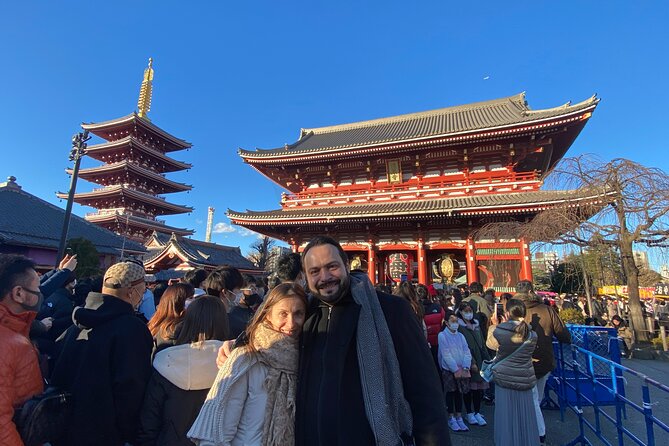
Asakusa is one of the clearest introductions to Tokyo’s older side. Senso-ji, also called Asakusa Kannon Temple, is a colorful and popular Buddhist temple. Its story reaches back to a local legend from 628, and the grounds offer a place to learn about temple customs and the role of Buddhism in Japanese life.
The temple itself is free to visit, but the area can be busy. That is part of the appeal, though it can make a quiet, contemplative visit harder to find. Give your guide a sense of whether you want a short look at the main sights or more time to understand the temple and neighborhood.
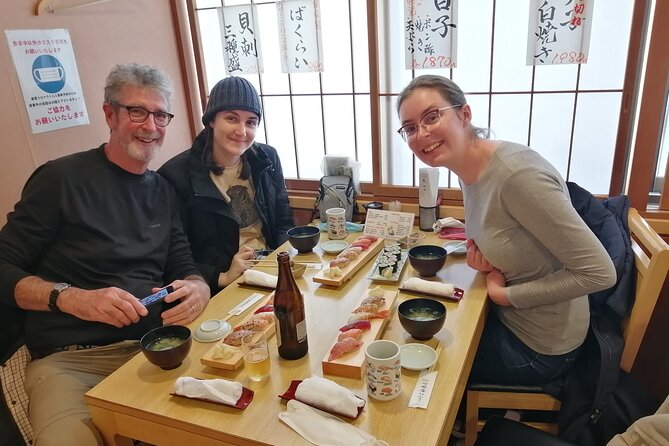
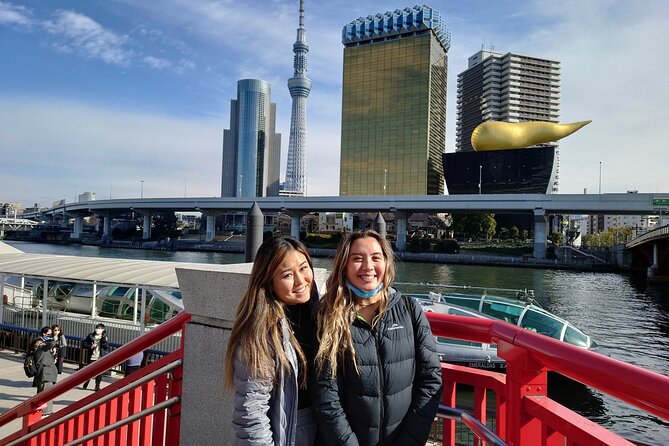
Asakusa can also be paired with Tokyo Skytree views, Tokyo Tower, or a stop for food. A family who toured with Koba enjoyed a small Japanese restaurant during the day, while another guide helped a visitor find a baby Buddha for a child. Those details show the advantage of a private format: a good guide can make room for a personal request, provided the route and timing allow it.
Imperial Palace grounds and Tokyo’s gardens
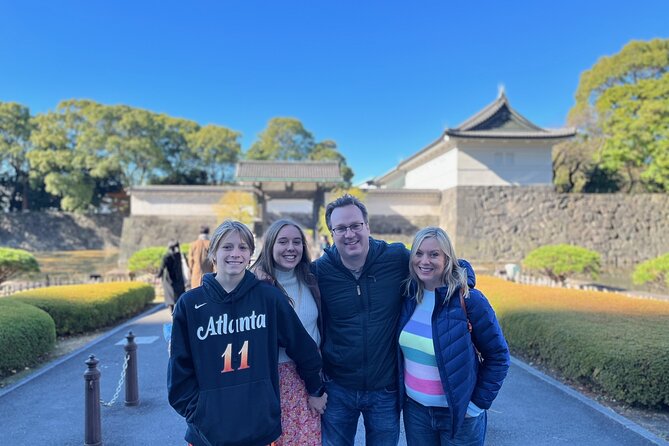
The Imperial Palace occupies the former site of Edo Castle, once a stronghold of the Tokugawa shogunate. You can see moats, massive stone walls, and broad grounds, but this tour does not include access to the inside of the palace. Think of this stop as an introduction to the site and its history, not a palace interior visit.
Tokyo’s gardens make a useful counterpoint to the city’s dense streets. Shinjuku Gyoen is one of the capital’s largest and most popular parks, with lawns, walking paths, and calm corners. Koishikawa Korakuen is one of the oldest Japanese gardens in Tokyo, built in the early Edo period. Hama Rikyu sits beside Tokyo Bay and has seawater ponds affected by the tides. Rikugien is another celebrated traditional garden, known for its carefully composed scenery.
These gardens are not all included in the ticket price. Shinjuku Gyoen, Koishikawa Korakuen, Hama Rikyu, and Rikugien list admission as extra, so check current entry costs as you plan. A garden stop can be especially rewarding during cherry blossom season, but the timing of blooms varies. One guide helped visitors find winter cherry blossoms at Shinjuku Gyoen and the Imperial Palace East Gardens, a reminder that seasonal surprises can shape the day.
More guided tours in Tokyo:
- Tokyo: Shinjuku Local Bar and Izakaya Guided Walking Tour
★ 4.9 · 1,794 reviews - Tokyo: Private City Highlights Tour with Local Guide
★ 4.8 · 1,433 reviews - Tokyo: Tsukiji Fish Market Guided Walking Tour
★ 4.9 · 1,397 reviews - Tokyo 4hr Private Tour with Government-Licensed Guide
★ 5.0 · 1,394 reviews
Shrines, parks, and the Meiji area
Meiji Jingu is dedicated to the spirits of Emperor Meiji and Empress Shoken. Its location beside busy Harajuku Station makes the transition from city streets to shrine grounds especially striking. Here, your guide can explain the customs of visiting a Shinto shrine, including purification before approaching the main area.
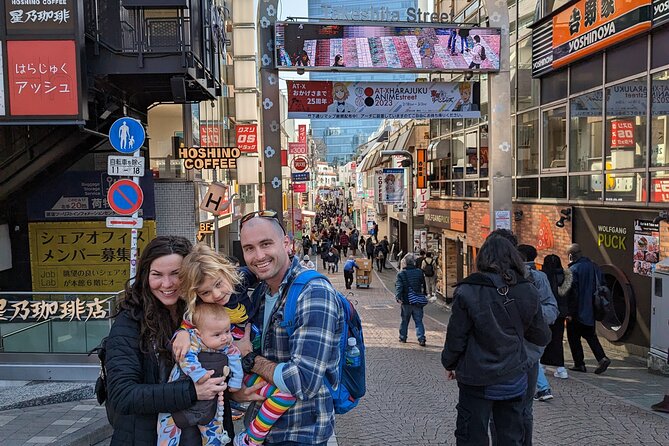
Nearby Yoyogi Park offers broad lawns, ponds, and wooded areas. It is a large city park used for jogging, picnics, and other outdoor activities. Takeshita Street, by contrast, is known for youth fashion and teenage culture. Putting these places together lets you see several different moods in one part of the city: sacred grounds, open parkland, and a lively shopping street.
Meiji Jingu is free to visit, as are Yoyogi Park and Takeshita Street. The appeal is not just checking off three attractions. You get a closer look at how Tokyo’s quiet and hectic sides sit close together. If summer heat is a concern, consider splitting the experience into two half-days rather than spending all eight hours outside. One visitor found the full-day format comfortable in cool winter weather, but would have preferred shorter outings in summer.
Crossing Shibuya and exploring modern Tokyo
Shibuya Crossing is a famous pedestrian intersection and a useful place to see Tokyo’s movement at street level. A short stop can give you the basic spectacle, while a view from above lets you watch the crossing’s patterns from a different angle. Ask your guide what fits the route and your interests.
Akihabara offers a very different kind of stop. It is known for electronics shops and has become a center for Japanese anime and manga culture. If you are drawn to pop culture or gadgets, it may be worth more than a quick pass-through. If your interests lie elsewhere, use those minutes for a temple, garden, or neighborhood walk instead.
Shinjuku Golden Gai is a compact district of eating and drinking establishments with roots in the postwar years. Its history gives the area a distinct character, but it is often most relevant if you want to see a particular slice of nightlife culture. A daytime visit may feel different from an evening one, so consider how it fits your schedule.
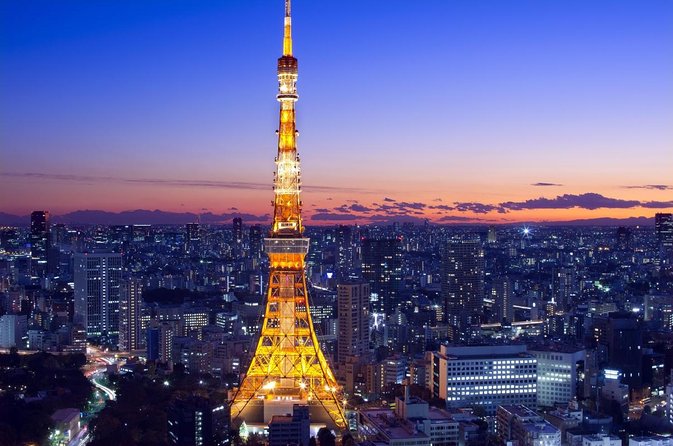
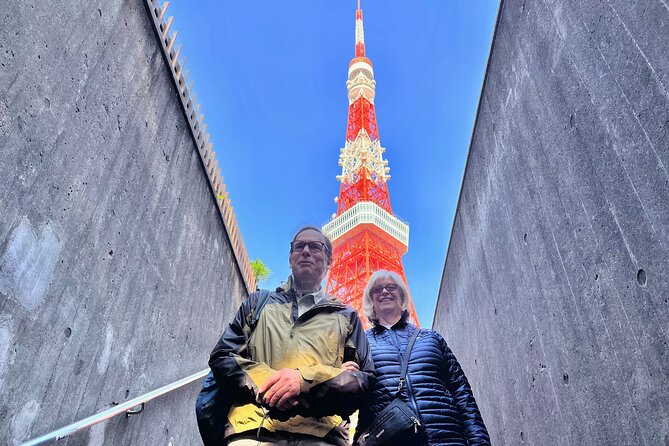
Tokyo Tower is another option. The tour allows access up to the main deck, while the top deck is not included. Admission is extra. Odaiba, on a man-made island in Tokyo Bay, adds shopping and entertainment options, though the distance may make it a less efficient choice in a packed day.
Museums and neighborhoods for a slower pace
The Tokyo National Museum is Japan’s oldest and largest of its top-level national museums. It offers a substantial look at Japanese art and history, but a quick stop will only scratch the surface. If the museum is a priority, give it room in the plan and accept that you may need to skip another district.
Nezu and nearby Yanaka retain the feel of old downtown Tokyo. This area offers a quieter alternative to the city’s best-known visitor stops, with shrines, temples, and neighborhood streets. Izumi planned a route that included Yanaka rather than the crowded Senso-ji area for a visitor seeking a less familiar side of Tokyo. That is a good model for explaining your interests clearly: the guide can help decide which famous sight is worth trading for a slower local walk.
Shibamata also preserves an old-school character on Tokyo’s eastern edge, near the Edogawa River. It may suit you if you want to look beyond the central districts, though distance and transit time matter. As with Odaiba, confirm that an outlying stop makes sense alongside your other choices.
What the price covers, and what it does not
The listed price is $201.51 per person, with group discounts noted but no discount details provided. For that, you get about eight hours with a licensed local English-speaking guide and a private, customizable walking tour. The value depends on your group size and how much you benefit from personal guidance. For a first Tokyo visit, the ability to ask questions and learn the transit system can be worth more than simply following a fixed route.
The price does not include transit fares, lunch, personal expenses, or most admission fees. There is no private vehicle. The guide’s entry fees are covered only for sights listed among the tour options, while your own entrance costs can still apply. Before booking, decide which paid attractions matter to you and factor those costs into the total.
The strongest practical value is the guide’s ability to make a large city feel manageable. Visitors have described help with train stations, subway navigation, restaurant choices, souvenir shopping, and even booking bullet train tickets. Guides have also taken photos for families, which can save you from trying to arrange a group picture at every stop. These are useful extras, but the main service remains a guided walking day, not a personal concierge or car tour.
Pace, weather, and mobility
A full day can add up to a lot of walking. One group logged 22,000 steps, and several guides adjusted routes for rain, heat, or an injured foot. That flexibility is useful, but it does not remove the need to be honest about your stamina. Tell the guide before the tour if someone in your group has sore knees, limited walking tolerance, or needs frequent breaks.
Weather can change which stops make sense. A guide can suggest adjustments in rain, while gardens and outdoor sights are more comfortable in mild conditions. If you are visiting during hot weather, consider whether eight consecutive hours outdoors is right for you. The tour is private, so the pace can respond to your group, but you will still cover ground.
Who should book this Tokyo day
I would put this tour near the top of the list for first-time visitors who want orientation as well as sightseeing. It also suits families, history enthusiasts, and small groups with different interests, because you can shape the route together and ask questions as you go. If you already know Tokyo well, choose a narrow theme, such as Edo-period history, gardens, or pop culture, so the day feels purposeful rather than like a repeat of familiar stops.
You may prefer to explore independently if you want a slow day, dislike public transit, or would rather spend hours in one museum or garden. This is a city-wide sampler, not an in-depth visit to every site. Keep the plan to four or five well-matched stops if you want breathing room, and confirm which admissions and transit costs you will pay.
Should you book it?
Book this tour if you want a flexible introduction to Tokyo and value having a local guide help you connect the sights, history, and transit system. It is especially useful early in a visit, when what you learn can help you navigate the rest of your stay.
Skip it if you want a car, a low-step day, or long visits at several attractions. For the best value, choose a compact route, share your priorities and mobility needs in advance, and leave enough time to enjoy each stop rather than racing across the city.
FAQ
How long is the tour?
The tour lasts about eight hours. The exact number of places you visit depends on the route you agree on with your guide.
How many sites can I choose?
The tour includes a customizable visit to four to six sites from the listed options. Discuss your priorities with the guide so the route fits the available time.
Is hotel pickup included?
Pickup is offered, but this is a walking tour and pickup is on foot within a designated area of Tokyo. A private vehicle is not included.
Are transportation and entrance fees included?
No. You pay your own transportation fees and entrance fees, as well as lunch and personal expenses. Guide entry fees are covered only for sights listed among the tour options.
Can I enter the Imperial Palace?
No. The tour does not include access to the inside of the Imperial Palace. The stop focuses on the former Edo Castle site and its grounds.
Is the tour private?
Yes. It is a private activity for your group, and you cannot combine multiple tour groups.
Freshly reviewed in Tokyo
- Tokyo: Toshimaya Sake Brewery Tour with Sake Tasting★ 5.0 · 6 reviews
- :Tokyo,Shibuya /Meiji Shrine tour in KIMONO/English-friendly★ 5.0 · 4 reviews
- Tokyo: Tour Privado por Tokio en español★ 4.3 · 4 reviews
- Tokyo:Tea ceremony experience at Komaba Warakuan★ 4.8 · 9 reviews
- :Tokyo,Shibuya/ Pro Photography in Kimono / English-Friendly★ 5.0 · 26 reviews
- Tokyo:Samurai Training : Swords, Bushido & Mental Discipline★ 5.0 · 6 reviews
- Tokyo:Mt Fuji & Hakone Day Tour with English Speaking Driver★ 5.0 · 26 reviews
- Tokyo:Nikko UNESCO World Heritage Sites Private 1-Day Tour★ 3.8 · 6 reviews
Tokyo Private Tours, compared.
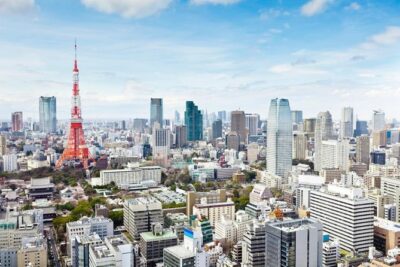
Tokyo 6hr Private Tour with Government-Licensed Guide
Read our review →
Private Tour to Mt. Fuji and Hakone (Fully Licenced Operator)
Read our review →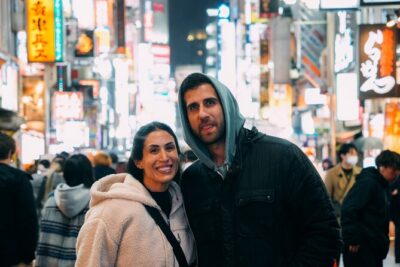
Tokyo Customized Private Tour (Must See Places in 1 Day)
Read our review →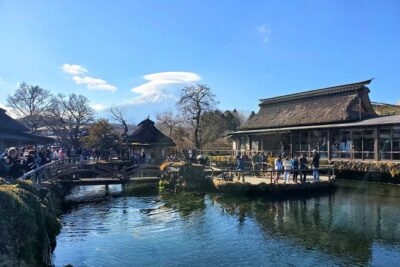
Mount Fuji Full-Day Private Tour from Tokyo (Customizable)
Read our review →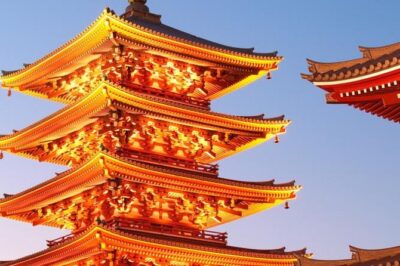
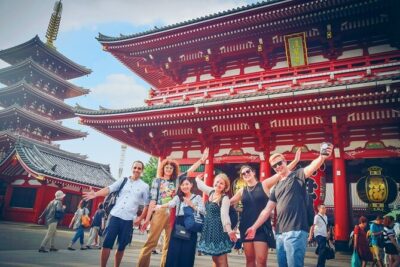
Tokyo Customized Private Tour: See Top Attractions in 1 Day
Read our review →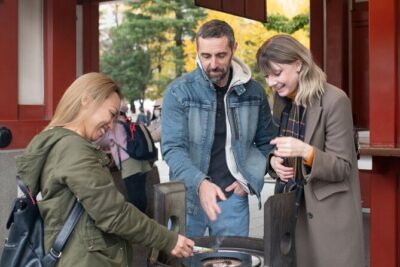
Tokyo, Shaped Around You: A Private Experience with a Local
Read our review →
Browse the lists this tour appears in