Reviewed · TOKYO TOURS
Hidden Tokyo: Explore Kitchen Street with a Local Guide
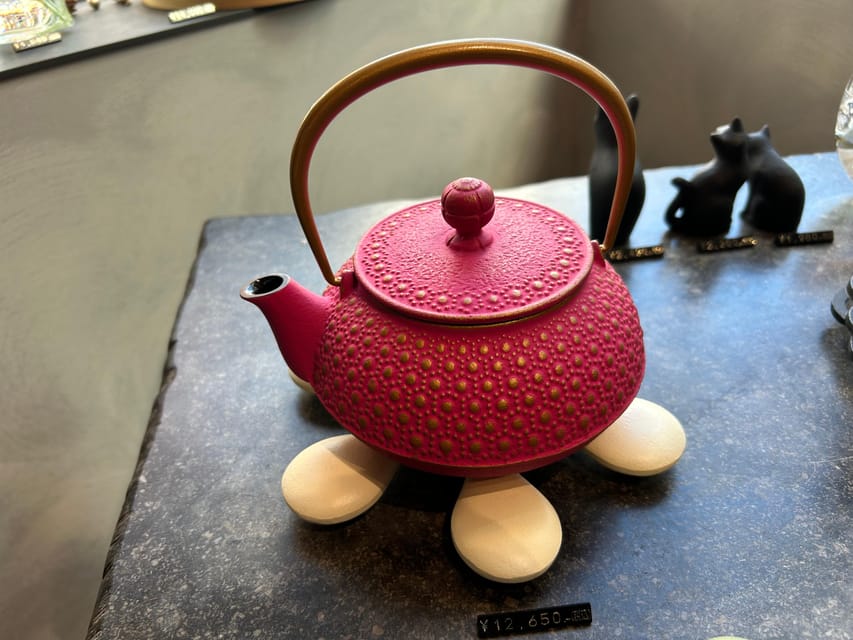
Kappabashi is where Tokyo’s cooking trade meets the curious browser: shop windows fill with knives, plates, chopsticks, ironware, and remarkably lifelike plastic sushi. This two-hour walk introduces you to the district through its specialist shops, with local guide Hirose-san helping you make sense of what you’re seeing.
I like two things in particular: you get a close look at Japanese-made goods, including rare water-hardened knives, and the private guide can add local context beyond the merchandise. The route also includes food samples, a playful change of pace from the serious business of cutlery and tableware.
One consideration: shopping is not included in the $19 price, and the shop visits are short. If you want to compare knives carefully or browse every shelf, plan to return on your own.
Kappabashi at a glance
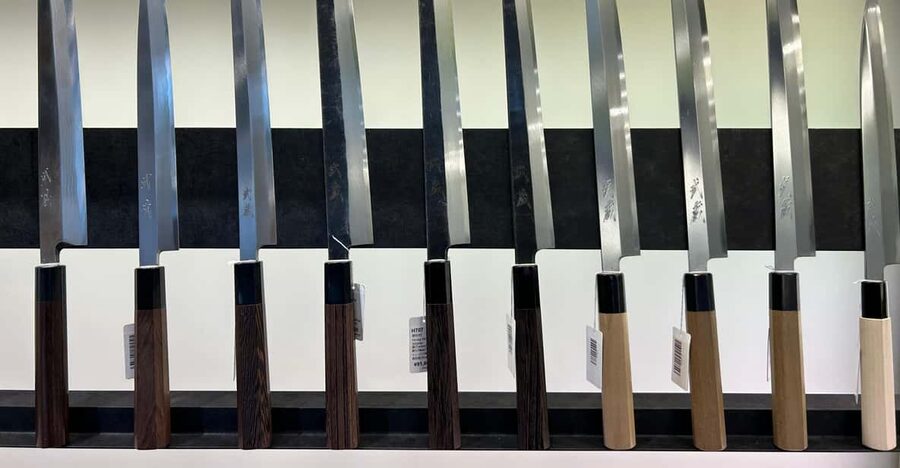
- A close look at Japanese knives: Learn about honyaki knives and the rare water-hardened examples sold in the district.
- Eight specialist stops: The route includes tableware, glassware, cutlery, and a food-sample showroom.
- A local guide, not just a map: Hirose-san can share neighborhood knowledge, including stories about Asakusa and tips for places to eat.
- Private and multilingual: The tour is for a private group, with Japanese, English, and German available.
- Two hours on foot: Expect a brisk sequence of guided visits, with time to shop at your own expense.
Why Kappabashi rewards a guided walk
Kappabashi is known for the equipment used by restaurants and food professionals. That gives the neighborhood a different feel from a general souvenir street: much of what you see is made to be used, not merely displayed. The challenge is knowing what you’re looking at. A guide can help turn a line of knives or shelves of tableware into a more useful introduction to Japanese food culture and craft.
The tour visits eight shops in two hours. That is efficient, but it also means you should think of the walk as an orientation rather than an exhaustive shopping session. You’ll get a quick look at different kinds of products and can make note of the places you’d like to revisit.
There’s a nice balance between serious and lighthearted stops. Japanese knives and traditional tableware offer plenty to examine, while the food-sample showroom adds the kind of surprise that works for both adults and children. You’re not only seeing objects; you’re getting a sense of the tools and visual language behind Japanese dining.
More guided tours in Tokyo:
- Tokyo 6hr Private Tour with Government-Licensed Guide
★ 5.0 · 3,902 reviews - Tokyo: Shinjuku Local Bar and Izakaya Guided Walking Tour
★ 4.9 · 1,794 reviews - Tokyo: Private City Highlights Tour with Local Guide
★ 4.8 · 1,433 reviews
Starting near Tawaramachi Station
The listed meeting point is described in English as Wawaramachi metro station, Exit 3, while the route names 田原町駅, commonly rendered as Tawaramachi Station. Those details appear inconsistent, so confirm the exact meeting point with the operator before you set out. The supplied coordinates are 35.7098833, 139.7907335.
The guide is meant to hold a GetYourGuide sign. Allow a little time to find the correct exit and meeting spot, especially if you’re unfamiliar with the area. Transport to the starting point is not included, so you’ll pay your own fare.
The walk is led by Hirose-san, a local guide who has been described as warm and generous with his time. The language options are Japanese, English, and German. Since the tour is private, you won’t be joining a large mixed group, which can make it easier to ask questions or linger briefly over something that catches your eye.
From tableware to glass at the first shops
The first stops are Dengama and Majimaya, each allotted about 15 minutes for a guided visit, shopping, and walking. Together, they ease you into Kappabashi’s practical side: a district where the shelves are stocked for people who cook and serve food every day.
You’ll find Japanese tableware among the goods available in the area, including pieces that make useful souvenirs because they are tied to Kappabashi’s specialist shops. The appeal is less about buying a generic keepsake and more about finding something you might actually use at home. Prices and stock are not specified, so treat these visits as a chance to look, ask, and decide for yourself.
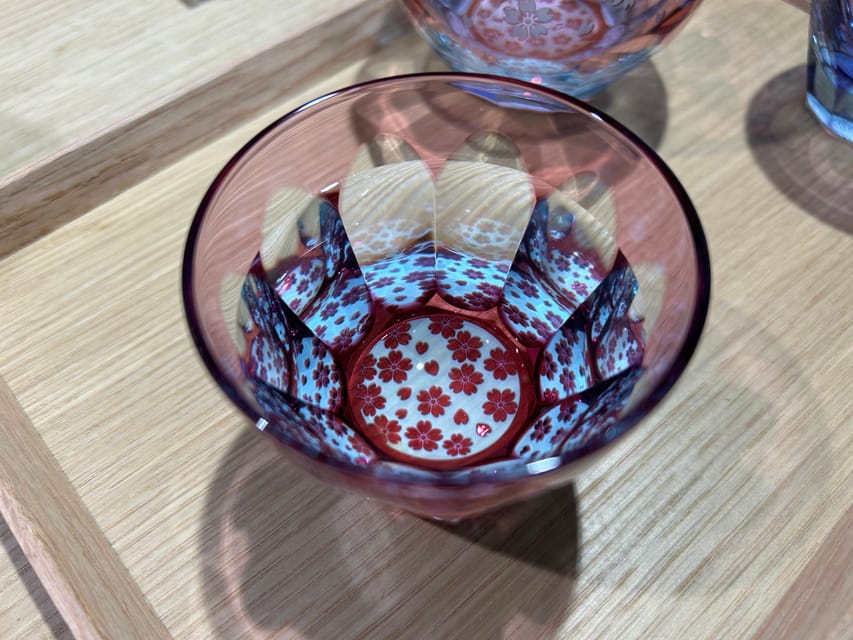
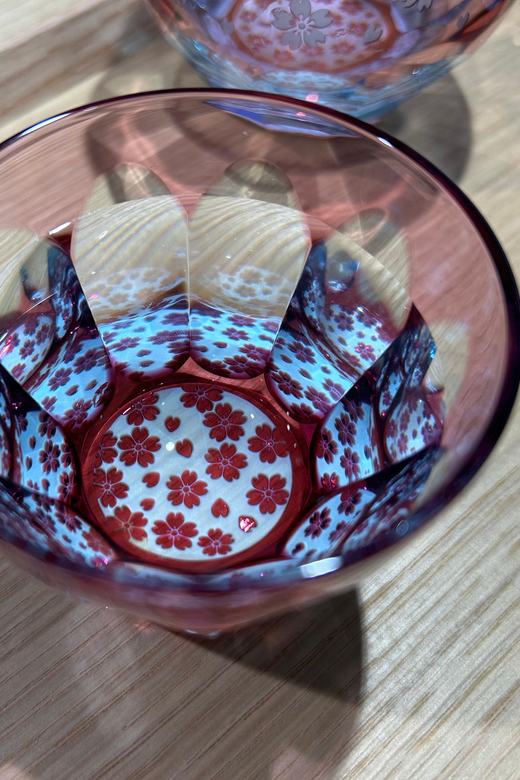
Next comes TSUCHI-YA, a shop identified with glass vessels and craft. It offers a change of material and mood after the earlier tableware stops. If you’re shopping for a small souvenir, glassware may be attractive, but remember that purchases are extra and the tour’s short schedule does not leave unlimited browsing time.
The route then visits Hashitou and Iidaya. The tour presents these as further opportunities to explore Kappabashi’s range of Japanese kitchen and dining goods. You might see products that suit a particular need, or simply get a clearer sense of how varied the district’s shops are. The guide’s role matters here: a local explanation can help you distinguish a specialist store from one that is more useful for casual browsing.
Knives with a link to sword-making
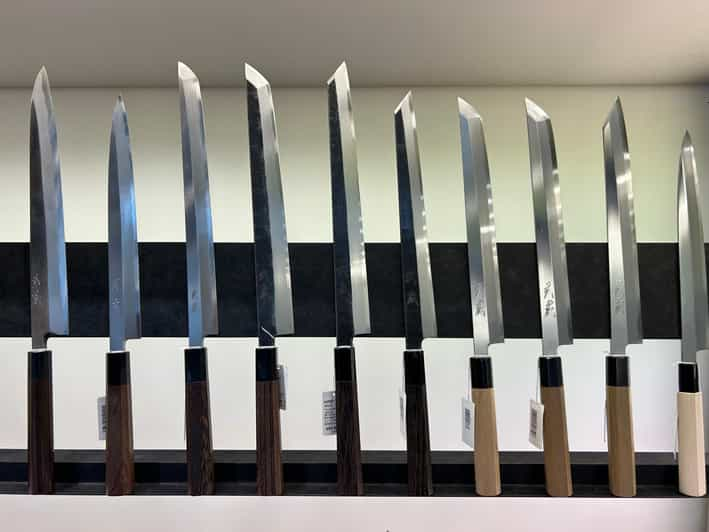
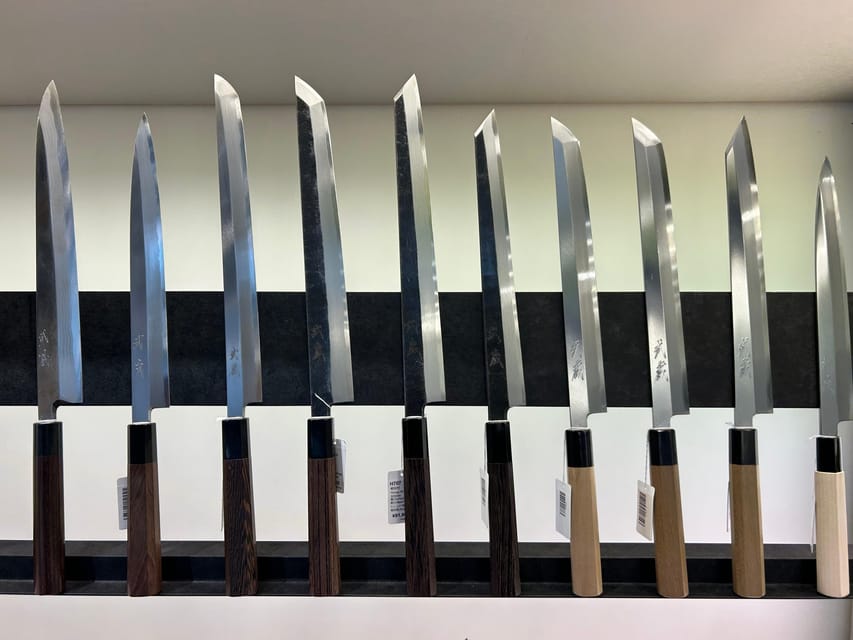
The cutlery stop is Tsubaya, a knife shop. Japanese knives are the tour’s most distinctive subject, and the description connects their techniques to the sword-making traditions of the samurai era. That history is not just window dressing: it gives you a way to understand why some knives are treated as crafted objects as well as kitchen tools.
The tour introduces honyaki knives, made by punching a single piece of steel from a block, in imitation of the hon-forging technique associated with Japanese swords. It also points to water-hardened knives, described as exceptionally rare and dependent on advanced skill. The appeal is in seeing the finish and workmanship up close, not in being promised a demonstration or a purchase.
A fine knife can be an expensive and highly personal buy. This short visit is useful if you want an introduction, but it may not be enough time to compare models, ask every technical question, or choose a knife with confidence. If you’re seriously shopping, use the tour to identify the shop and return when you can give the decision proper attention. You’re paying for the guided walk, not for a knife, and there is no shopping credit included.
More tours and experiences in Tokyo:
- Mt Fuji and Hakone 1-Day Bus Tour Return by Bullet Train
★ 5.0 · 26,383 reviews - 1-Day Tokyo Bus Tour
★ 5.0 · 14,250 reviews - Tokyo: teamLab Planets TOKYO Digital Art Museum Entry Ticket
★ 4.6 · 9,779 reviews - Mt Fuji & Hakone Cruise, Drum Show Bullet Train 1 Day from Tokyo
★ 4.0 · 7,413 reviews
A playful stop at the food-sample showroom
Ganso Shokuhin Sample-ya Kappabashi Showroom brings the route into the world of replica food displays. These realistic models are a familiar feature of Japanese restaurant windows, where they help show diners what a dish looks like before ordering. Seeing them in a showroom gives the tour a lighter pause after the detail-heavy knife stop.
This is one of the more accessible stops if you’re with children or simply want something visually amusing. The tour is private, and the experience has suited families, but the exact pace and level of explanation will depend on your group and guide. Purchases at the showroom are not included in the tour cost.
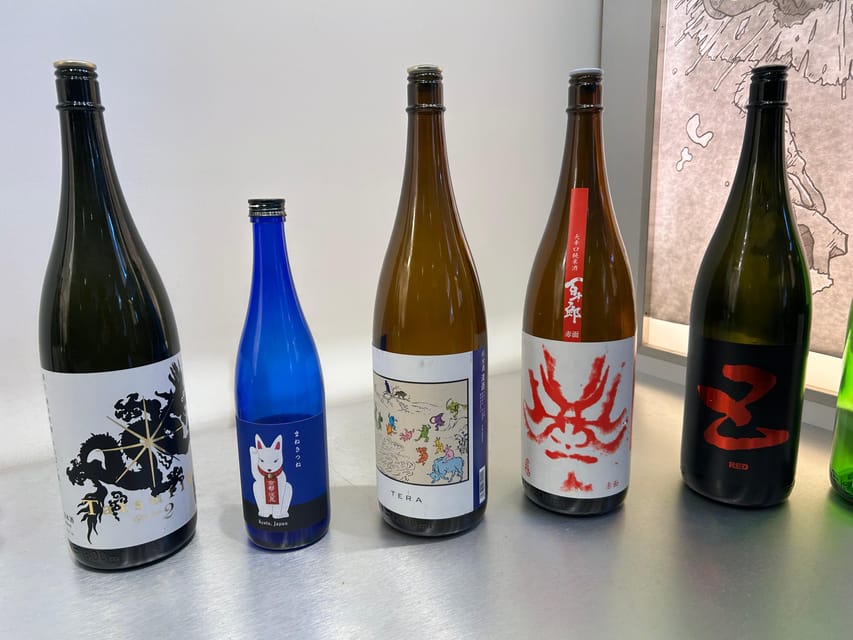
The final named stop is MUSASHI JAPAN Kappabashi, identified as a knife and sake shop. It rounds out the route with another look at Japanese products and gives you a second point of comparison for cutlery. The tour does not specify a tasting or a knife demonstration, so think of this as a shop visit rather than a scheduled food or craft activity.
What the two-hour pace means
The route lists eight visits at about 15 minutes each, adding up to the full two hours. Those blocks include guided touring, shopping, and walking, so don’t expect 15 minutes of uninterrupted browsing inside every shop. The pace is designed to cover a range of places efficiently.
That format is a good fit if you want a clear first look at Kappabashi and help deciding where to spend more time later. It is less suited to a dedicated shopping day, especially if you’re comparing knives or looking for a particular piece of tableware. Ask your guide questions as you go, and make a note of shops you want to revisit.
The guide can also add neighborhood context beyond the shop shelves. Hirose-san has shared local stories about Asakusa, including the Sanja Festival, and offered suggestions for activities and restaurants. One useful kind of tip is a recommendation for a local soba restaurant that may feel easier to try with a local person’s guidance. Those extra pointers can make the walk useful even if you buy nothing.
Is $19 good value?
At $19 per person, the tour is an affordable way to get a private introduction to a specialist shopping district. You’re paying for a guide and a walking route through eight named stops, not for transport, food, or goods. For someone who would otherwise wander past shop windows without knowing what makes them special, the explanation can be the main value.
The price looks especially reasonable if you’re traveling with someone who shares your interest in Japanese knives, kitchen tools, or tableware. A private group means the guide’s attention is reserved for your party, rather than divided among strangers. Still, the low tour price should not be confused with a low-cost shopping trip: purchases are separate, and specialty goods can vary widely in price.
You can reserve now and pay later, and cancellation is free up to 24 hours before the activity for a full refund. Starting times depend on availability. Those flexible terms help if your Tokyo plans are still taking shape, but check the precise meeting point because of the station-name mismatch.
Who should book this walk?
I’d choose this tour if you enjoy browsing practical, well-made goods and want a local guide to explain why Kappabashi matters. It suits curious cooks, design-minded shoppers, people interested in Japanese knives, and families who would enjoy the food-sample stop. It can also work well early in a Tokyo visit, when a local guide’s Asakusa tips may help you plan the next meal or outing.
I’d skip it if you want a long, unhurried shopping session or are looking for a hands-on cooking or knife-making class. Neither is part of the described experience. If you’re undecided, consider whether you’d value a guided overview more than two hours of independent browsing. For many first-time visitors to Kappabashi, the guide’s explanations and route planning are the point.
Should you book?
Book if you want a compact, private introduction to Kappabashi’s knives, dining goods, and food samples, with local context from Hirose-san. At $19 per person, it offers strong value as a guided orientation. Leave room in your schedule and budget to return to shops that catch your interest, and confirm the meeting location before you go.
FAQ
How long is the tour?
The walking tour lasts two hours.
How much does the tour cost?
The listed price is $19 per person. Shopping and transportation are extra.
Is the tour private?
Yes. It is offered as a private group.
Which languages are available?
The live guide is available in Japanese, English, and German.
Where is the meeting point?
The meeting information gives Wawaramachi metro station, Exit 3, while the itinerary names 田原町駅, or Tawaramachi Station. Confirm the exact location with the operator before departure. The supplied coordinates are 35.7098833, 139.7907335.
What is included in the price?
A tour guide and a walking tour are included.
Are shopping and transportation included?
No. Purchases at the shops and transportation expenses are paid separately.
Can I cancel for a refund?
Yes. You can cancel up to 24 hours in advance for a full refund.
Freshly reviewed in Tokyo
- Tokyo: Toshimaya Sake Brewery Tour with Sake Tasting★ 5.0 · 6 reviews
- :Tokyo,Shibuya /Meiji Shrine tour in KIMONO/English-friendly★ 5.0 · 4 reviews
- Tokyo: Tour Privado por Tokio en español★ 4.3 · 4 reviews
- Tokyo:Tea ceremony experience at Komaba Warakuan★ 4.8 · 9 reviews
- :Tokyo,Shibuya/ Pro Photography in Kimono / English-Friendly★ 5.0 · 26 reviews
- Tokyo:Samurai Training : Swords, Bushido & Mental Discipline★ 5.0 · 6 reviews
- Tokyo:Mt Fuji & Hakone Day Tour with English Speaking Driver★ 5.0 · 26 reviews
- Tokyo:Nikko UNESCO World Heritage Sites Private 1-Day Tour★ 3.8 · 6 reviews
Tokyo Tours, compared.

Mt Fuji and Hakone 1-Day Bus Tour Return by Bullet Train
Read our review →
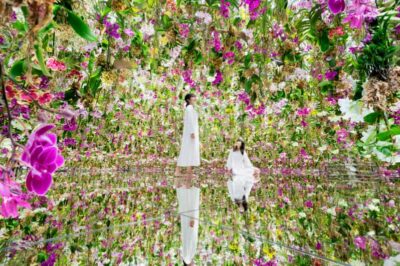
teamLab Planets TOKYO Digital Art Museum Entry Ticket
Read our review →
Mt Fuji & Hakone Cruise, Drum Show Bullet Train 1 Day from Tokyo
Read our review →
Shinjuku Food Tour (13 Dishes at 4 Local Eateries)
Read our review →
Tokyo Mt Fuji 5th St & Hakone Cruise Bus Tour w/Bullet Train
Read our review →
Flagship 2-Hours Official Street Go-Kart Tour – Tokyo Bay Shop
Read our review →