
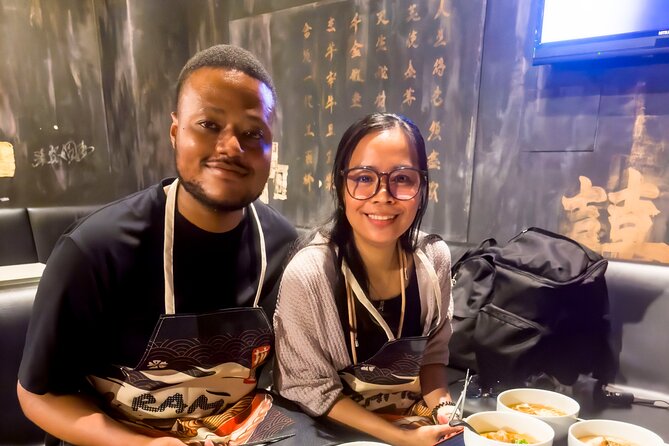
Reviewed · TOKYO RAMEN TOURS
Shibuya: Ramen Dojo Tokyo | Make All 3 (Tonkotsu/Shoyu/Miso)
Tonkotsu, shoyu, and miso ramen arrive together as a trio you make yourself, from fresh-cut noodles to toppings. In this Shibuya workshop, you’ll also prepare chicken chashu and adjust the three soups to your taste. It’s a practical way to compare ramen styles, not just order another bowl.
I like that you make noodles with a professional cutter, then taste three styles side by side. I also like the small group, English-speaking instruction, and patient help that can make the steps manageable for beginners. One consideration: if your main goal is learning to build broth from scratch, this class appears to focus more on noodles, chashu, and seasoning than on broth-making technique.
Key points to know
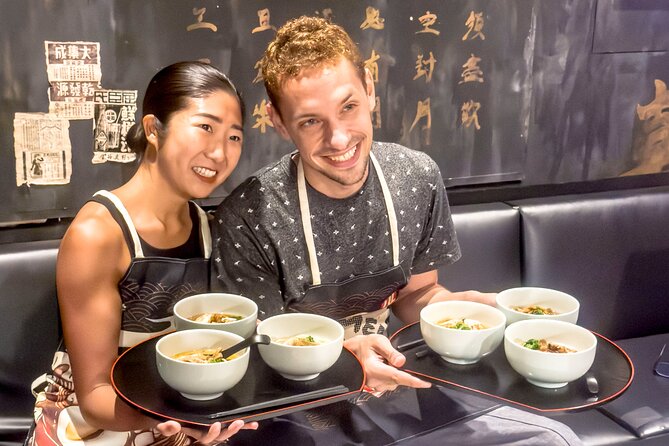
- Three ramen styles in one sitting: Taste mini bowls of tonkotsu, shoyu, and miso, then compare their flavors.
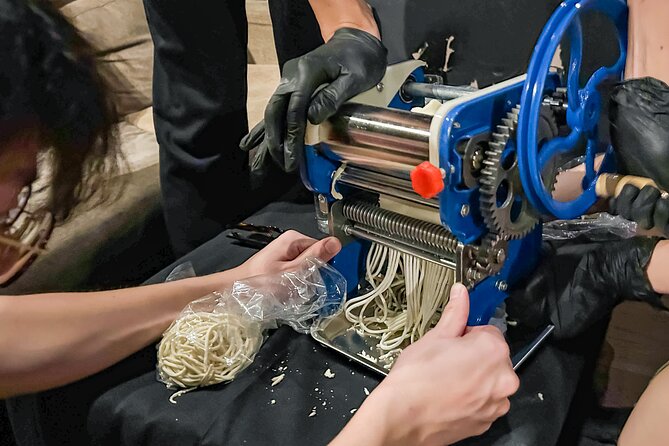
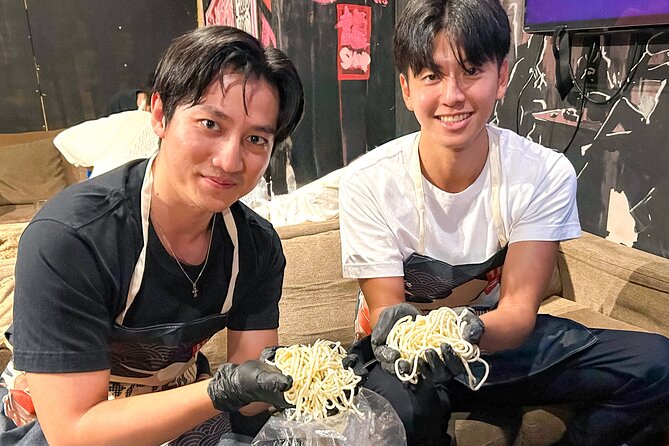
- Hands-on noodle work: Knead dough and cut it with a professional machine, with ingredients prepared for the class.
- Chicken chashu is part of the lesson: You prepare and finish the chicken topping before assembling your bowls.
- A compact, small-group class: The 90-minute session is limited to eight people and is taught in English.
- A Shibuya activity with a take-home recipe: The studio is about a 10-minute walk from Shibuya Station, and a digital recipe follows the class.
Three bowls, three different ramen styles
The main pleasure here is comparison. Instead of choosing one bowl from a menu, you make and taste three mini versions: tonkotsu, shoyu, and miso. That gives you a quick lesson in how much the soup changes the character of ramen, even when the noodles and toppings are part of the same meal.
The portions are described as mini bowls, so think tasting flight rather than a trio of full restaurant servings. They’re included in the class, and the final half hour is set aside for eating and photos. You should leave with a satisfying meal, though this is not presented as a large ramen feast.
The class frames ramen as Japanese comfort food and gives you a chance to handle more than the finished bowl. You work with dough, use a noodle machine, prepare chicken chashu, and adjust the soups before adding toppings. That practical sequence helps connect the ingredients and technique to what arrives at the table.
More Shibuya tours in Tokyo:
- Official Street Go-Kart in Shibuya
★ 5.0 · 3,435 reviews - Tokyo: Street Kart Experience in Shibuya
★ 4.9 · 1,484 reviews - Shibuya Meltdown Nightlife Tour: All-You-Can-Drink Bar Hopping
★ 5.0 · 1,058 reviews
The 90-minute class, step by step
The session starts with a 10-minute check-in and briefing. This is a useful moment to get oriented, hear the plan, and ask about the process before you start handling ingredients. The studio is near Shibuya Station, roughly a 10-minute walk away, so allow time to find the building and arrive ready to begin.
Next comes a short chicken chashu preparation, followed by the longest hands-on segment: about 20 minutes for noodle making. You knead the dough and press it through a professional cutter. The ingredients for the dough are prepared for you, so the focus is on working the dough and shaping the noodles rather than measuring every ingredient from the start.
The chicken chashu is then finished over about 10 minutes. The class schedule also allows 10 minutes for boiling noodles and preparing soup, followed by five minutes for plating. These quick stages keep the workshop moving, but they leave limited room for a slow, detailed lesson on every part of ramen.
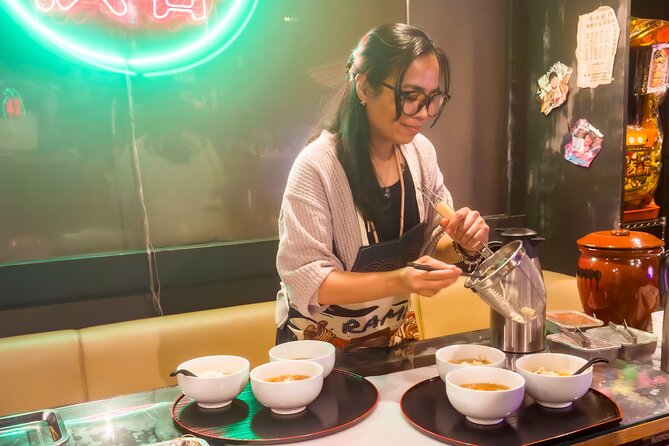
The final 30 minutes are for tasting and photos. You assemble three small bowls, fine-tune the flavors, add toppings, and sit down to eat. That time at the end matters: it turns the cooking steps into a meal, and gives you a chance to compare the three styles while they’re fresh.
What you learn about noodles and broth
Noodle making is one of the most tangible parts of the class. You get to knead the dough yourself and use the cutter, rather than only watching an instructor demonstrate. If you have never made noodles, the process may feel unfamiliar at first, but the class is designed for beginners and includes close support.
It’s worth setting the right expectation about the soups. You’ll work with three styles and adjust the flavors to your preference, but the available details do not describe a full lesson in making broth from its raw ingredients. The class schedule gives soup preparation a short window, and one participant specifically wished for more instruction on broth.
If broth technique is the reason you’re considering the class, ask the provider what the instructor will cover before booking. You can still learn how the three soups differ and how to tune them for your bowl, but don’t assume you’ll leave with a complete, from-scratch broth method for each style.
The digital recipe is provided after class, which is useful if you want to revisit the meal at home. It’s a practical souvenir, though you may want to clarify whether it includes detailed broth recipes if that is important to you.
Chicken chashu and the finishing touches
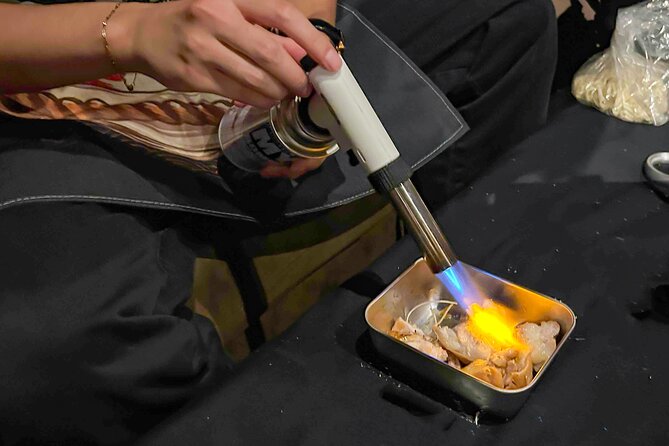
Chicken chashu gives the workshop another useful cooking step beyond noodles. You prepare it early, then return to finish it later, before placing it in the bowls. The class description does not specify the exact seasoning or cooking method, so I wouldn’t book expecting a detailed butchery or meat-preparation course.
The final assembly is where your three bowls become your own. You can adjust the soup to your taste, add toppings, and plate each style. That small act of tuning makes the meal more personal, while also giving you a simple way to notice how each ramen style responds to seasoning.
The finished trio should be a good photo subject, but the photo is secondary to the useful part: you taste each bowl after taking part in its preparation. If you’re curious about ramen but not ready to commit to a long cooking class, this format keeps the work contained and the payoff close at hand.
More ramen tours in Tokyo:
- Eat and Drink Like a Local: Tokyo Ueno Food Tour-Taverns&Ramen
★ 5.0 · 957 reviews - Ramen & Gyoza Cooking Class in Tokyo with Local Supermarket Visit
★ 5.0 · 823 reviews - Tokyo: Ramen Tasting Tour with 6 Mini Bowls of Ramen
★ 4.9 · 432 reviews - Tokyo: Easy Ramen Cooking Experience in Kabukicho, Shinjuku
★ 4.6 · 321 reviews
Small group, English instruction, beginner-friendly pace
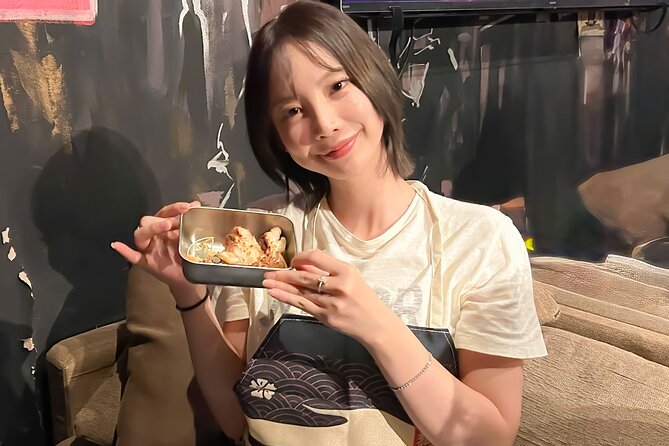
The group is capped at eight people. That limit is meaningful in a hands-on class: you have a better chance of getting help while kneading, cutting, and assembling than in a large demonstration where most people watch from the back. The instructor speaks English, and attentive support is part of the experience.
The class is described as suitable for beginners. One participant who had never made ramen found the steps challenging at first, but said the guides were patient and made the process enjoyable. That’s encouraging if your cooking skills are basic. The class is not designed only for confident home cooks.
An eight-year-old was accommodated during one session, which suggests the format can work for a child who is interested in cooking. Still, that is not a guarantee about every child or every class. If you’re bringing a young participant, check directly with the provider about age suitability and supervision.
Is $86.22 good value?
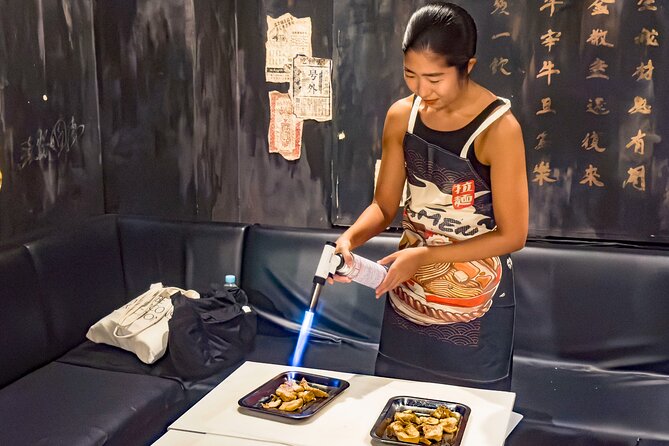
At $86.22 per person, this is more expensive than simply sitting down for a bowl of ramen. You’re paying for a 90-minute guided activity, ingredients, use of kitchen equipment, an apron loan, English instruction, three mini bowls, and a digital recipe. The value rests on the hands-on lesson and comparison of three styles, not on the quantity of food.
For someone who only wants lunch, this is an indulgence. For a ramen fan who wants to learn the basic process and make noodles, it offers more than a meal out. The small group and professional cutter add practical value, while the three-bowl tasting gives you a broader introduction than a one-style workshop would.
The price does not include drinks, transport, hotel pickup, or personal expenses. You’ll need to get to the studio yourself, and the activity begins and ends at the same location. Since it’s near Shibuya Station, you can build the class into a day in the area without arranging a separate return transfer.
Location and practical cautions
The meeting point is Umekita Building, 7-11 Maruyamachō, Shibuya, Tokyo 150-0044, Japan. It is about a 10-minute walk from Shibuya Station and near public transportation. The class ends where it begins, so you can continue exploring Shibuya afterward.
This experience is not suitable for people with severe wheat, egg, or soy allergies, celiac disease, severe airborne flour sensitivity, or a need for strict dietary compliance, including fully strict vegan or religious diets. Special dietary substitutes beyond the stated ingredients are not included. If any food restriction matters to you, contact the provider before booking rather than hoping for an on-the-day adjustment.
The venue is also not suitable for people unable to use stairs. Alcoholic and other drinks are not included. The stated cancellation terms allow a full refund if you cancel at least 24 hours before the start; cancellations made within 24 hours are non-refundable, and late changes are not accepted.
Who should book this ramen class?
I’d choose this class if you want to do more than eat ramen in Tokyo. It suits curious beginners, ramen fans who like hands-on food activities, and small groups who want a shared meal at the end. The three styles make it especially appealing if you’re unsure whether you prefer miso, shoyu, or tonkotsu.
It can also suit a family with an older child who enjoys cooking, though you should check age details with the provider. The patient instruction described in the class details is a plus for anyone who worries about keeping up. You don’t need to arrive as a cook, but you should be comfortable handling flour and following a compact schedule.
I would look elsewhere if you need strict dietary substitutions, have one of the listed allergies, or mainly want an in-depth course in making broth from scratch. This class offers a broad, approachable introduction to ramen, not a specialist kitchen apprenticeship.
Should you book it?
Book this if the appeal is making fresh noodles, preparing chicken chashu, and tasting three ramen styles in one compact session. The small group, English instruction, and patient approach make it a sensible choice for beginners, while the included tasting gives the lesson a satisfying finish.
Skip it if your priority is a full broth-making course or strict dietary accommodation. At $86.22, the price makes most sense when you value the cooking lesson as much as the meal. If that sounds like your kind of afternoon in Shibuya, this is a focused, tasty way to spend 90 minutes.
FAQ
How long is the ramen class?
The class lasts about 90 minutes, including check-in, cooking, plating, and tasting.
Where does the class meet?
It meets at Umekita Building, 7-11 Maruyamachō, Shibuya, Tokyo 150-0044, Japan. The studio is about a 10-minute walk from Shibuya Station.
What kinds of ramen will I make?
You’ll assemble and taste three mini bowls: tonkotsu, shoyu, and miso.
Do I make the noodles myself?
Yes. You knead the dough and cut the noodles with a professional noodle machine. The dough ingredients are prepared for the class.
Is the class taught in English?
Yes. An English-speaking instructor leads the class, and the group is limited to eight people.
Are food and equipment included?
All ingredients and use of kitchen equipment are included. The price also includes an apron loan and three mini bowls of ramen. Drinks are not included.
Can I take part with a food allergy or strict dietary requirement?
The activity is not suitable for severe wheat, egg, or soy allergies, celiac disease, severe airborne flour sensitivity, or strict dietary requirements such as fully strict vegan or religious diets. Special dietary substitutes are not included.
What is the cancellation policy?
You can cancel at least 24 hours before the start time for a full refund. Cancellations or changes made within 24 hours are not accepted for a refund or adjustment.
Freshly reviewed in Tokyo
- Tokyo: Toshimaya Sake Brewery Tour with Sake Tasting★ 5.0 · 6 reviews
- :Tokyo,Shibuya /Meiji Shrine tour in KIMONO/English-friendly★ 5.0 · 4 reviews
- Tokyo: Tour Privado por Tokio en español★ 4.3 · 4 reviews
- Tokyo:Tea ceremony experience at Komaba Warakuan★ 4.8 · 9 reviews
- :Tokyo,Shibuya/ Pro Photography in Kimono / English-Friendly★ 5.0 · 26 reviews
- Tokyo:Samurai Training : Swords, Bushido & Mental Discipline★ 5.0 · 6 reviews
- Tokyo:Mt Fuji & Hakone Day Tour with English Speaking Driver★ 5.0 · 26 reviews
- Tokyo:Nikko UNESCO World Heritage Sites Private 1-Day Tour★ 3.8 · 6 reviews
Tokyo Ramen Tours, compared.

Eat and Drink Like a Local: Tokyo Ueno Food Tour-Taverns&Ramen
Read our review →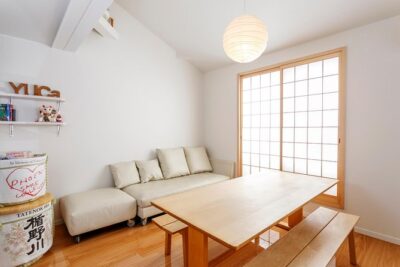
Ramen & Gyoza Cooking Class in Tokyo with Local Supermarket Visit
Read our review →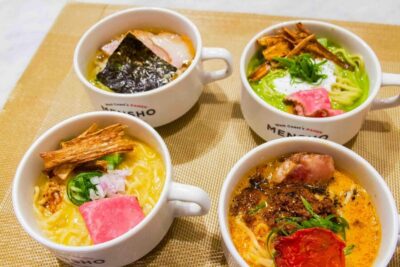
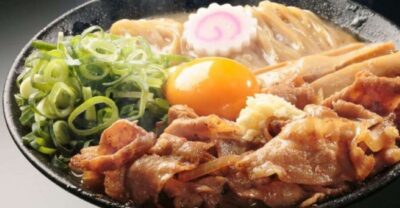
Easy Ramen Cooking Experience in Kabukicho, Shinjuku
Read our review →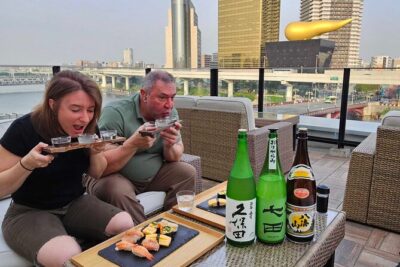
Ramen and Sushi Cooking Class with Sake Pairing Set in Tokyo
Read our review →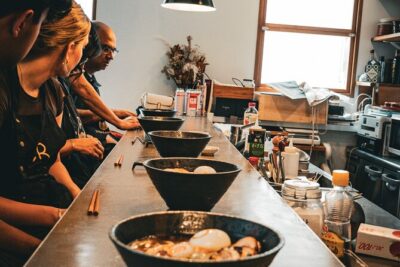
Professional Ramen & Gyoza with Ramen Chef in a restaurant!
Read our review →
Ramen Dojo Tokyo | Make All 3 (Tonkotsu/Shoyu/Miso)
Read our review →
Browse the lists this tour appears in