
Reviewed · ASAKUSA TOURS
Asakusa: 2-Hour History Walking Tour & Local Food Tasting
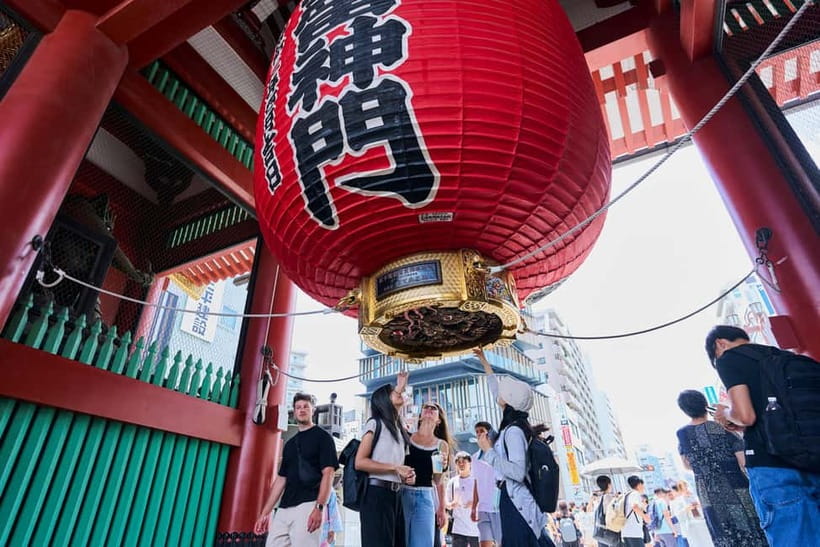
At Senso-ji, Tokyo’s oldest temple, a two-hour walk through Asakusa brings centuries of religious life into the middle of a working neighborhood. You’ll see the temple, nearby Asakusa Shrine, and streets lined with traditional food shops, all with an English-speaking local guide to help connect the sights.
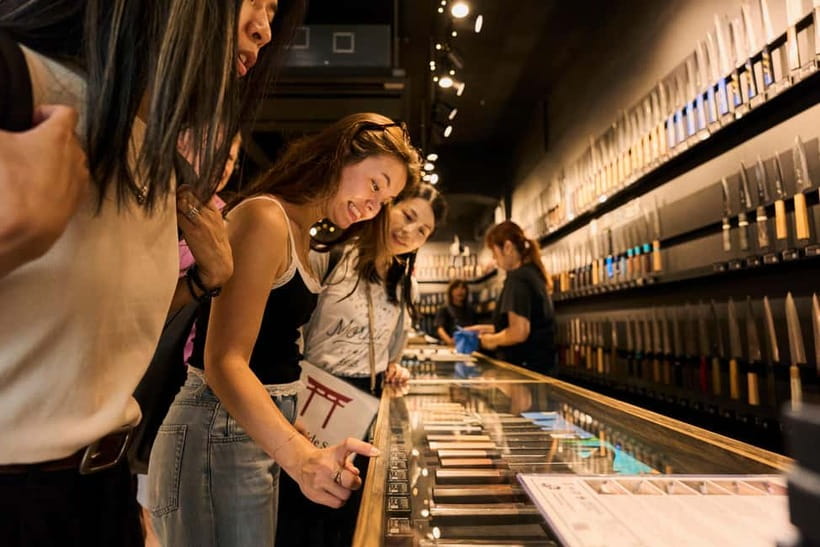
I like two things about this tour: it pairs a major historic site with small specialty shops, and its food stops give you a taste of everyday Asakusa rather than only its monuments. The chef’s knife shop and Japanese tableware store also offer a useful look at local crafts, with souvenirs you might actually use.
One consideration: this is a short walking tour, not a full meal or a slow temple visit. Food and drinks are not included, and two hours means you’ll get an introduction to the area rather than time to explore every shop at length.
Key points to know
- Senso-ji and Asakusa Shrine put Buddhist and Shinto traditions side by side in one compact visit.
- Street-food stops add a tasty local angle, but meals and drinks are not included in the tour price.
- Specialty shops include a professional knife shop, a samurai and ninja goods store, and a Japanese tableware shop.
- The walk lasts two hours and starts and ends in front of the Kaminarimon Police Box near Asakusa Station.
- Bring cash and comfortable shoes for temple offerings, omikuji fortunes, and walking on your feet.
- The $16 price is a low-cost way to get a local guide and a structured introduction to Asakusa.
A first look at Asakusa through its oldest temple
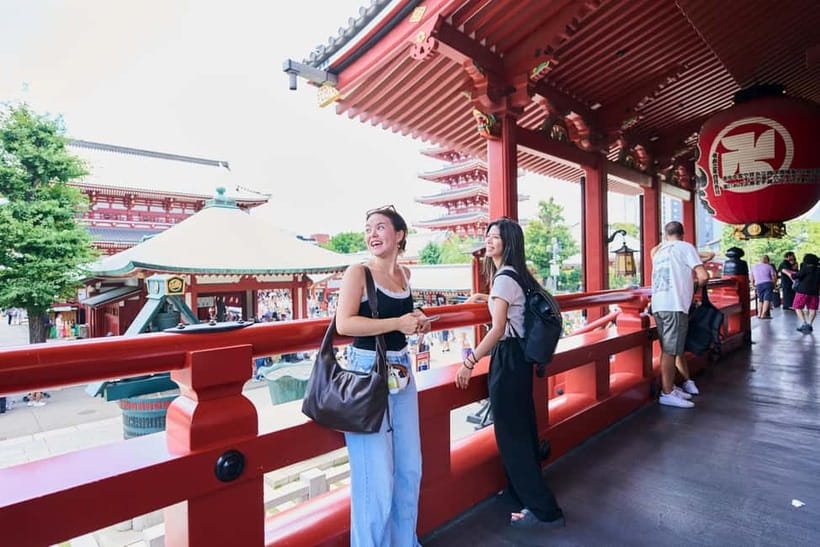
Asakusa has a different feel from Tokyo’s newer commercial districts. Its appeal lies in the contrast: a historic temple complex, busy local streets, small shops, and food traditions all fit into a neighborhood you can explore on foot.
The tour’s anchor is Senso-ji, described as Tokyo’s oldest temple, with origins dating to 628. That long timeline gives the visit weight, but you don’t need to arrive with a history book in hand. The guide’s role is to make the setting easier to read: why this temple matters, how it has remained part of local life, and what you’re seeing as you move through the area.
Senso-ji is loved by locals and has a history that includes protection by samurai. That detail helps connect the temple to more than religious practice. It has also been part of the neighborhood’s public life for centuries, shaped by changing eras and people who came here for devotion, good fortune, or simply a walk among the shops.
A guided visit is especially useful if this is your first time in Asakusa. A temple can look like a string of gates, buildings, and customs if you don’t know what to notice. With a local guide, you can ask questions and get context as you go, rather than trying to piece it together from signs or your phone.
More Asakusa tours in Tokyo:
- Tokyo: Japanese Dance Cabaret Theater Asakusa-Kaguwa Ticket
★ 4.8 · 2,270 reviews - Tokyo: Meiji Shrine, Asakusa, Skytree Bus Tour and Cruise
★ 4.7 · 1,986 reviews - Tokyo: Roll and Authentic Sushi Making Class in Asakusa
★ 4.9 · 1,957 reviews
Senso-ji and Asakusa Shrine, side by side
The tour also visits Asakusa Shrine, right next to Senso-ji. It’s a compact but valuable stop because it helps explain a distinctive feature of Japanese religious life: Buddhism and Shinto are both present in the neighborhood, sometimes close enough to experience in the same outing.
The tour specifically covers how the two traditions coexist in Japan. That matters more than memorizing labels. You’ll have a chance to see how a Buddhist temple and a Shinto shrine occupy the same historic setting, and to hear an explanation from someone who knows the area.
You may wish to make a small offering or draw an omikuji, a paper fortune, while at the temple. Neither is required, and there are no extra tour fees. Still, bring some yen if you’d like to take part, since cashless payment is not accepted for these temple activities.
Allow your guide to set the pace. Two hours is enough for a guided introduction, but it is not a long, unhurried temple visit. If you want to spend extra time praying, taking photos, or looking around on your own, consider returning to Senso-ji after the tour.
Street food, with room for your own appetite
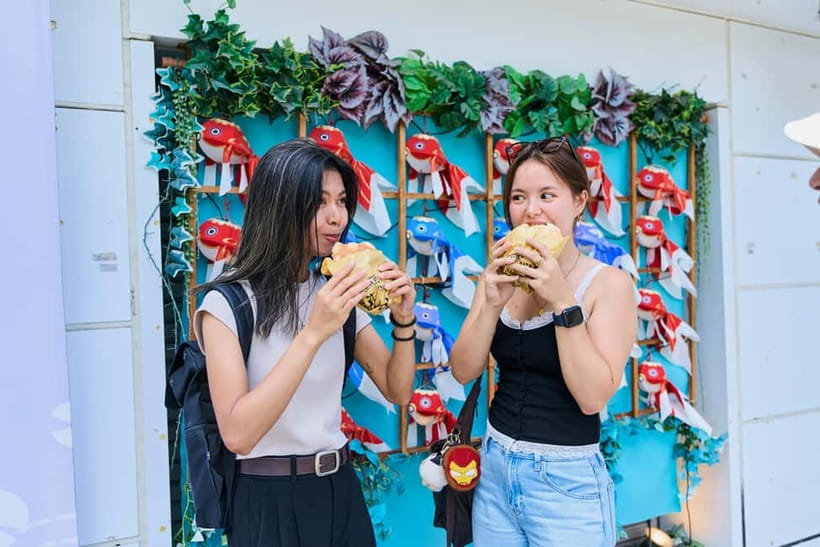
Food is one of the tour’s practical pleasures. Asakusa’s streets have a long tradition of serving local treats, and the guide shares top picks for places to eat. The advertised tasting includes sweet or savory options, so you can sample a style that suits your appetite.
Keep the cost distinction clear: the tour price is $16 per person, but meals and drinks are not included. The experience includes local food stops, but you should plan to pay separately for anything you choose to eat or drink. Carrying some cash is sensible, especially if you hope to try a snack or make a temple offering.
This food component is more than a break between sights. It gives you a reason to slow down and notice how the neighborhood works beyond its famous temple. You can ask what the guide recommends, see what local shops specialize in, and make a small purchase without having to plan every stop yourself.
Still, don’t book this as a lunch replacement. The tour lasts two hours, and the tasting is one part of a route that also covers the temple, shrine, and shops. If you’re hungry enough for a full meal, arrange one before or after the walk.
From professional knives to samurai souvenirs
The shopping stops make the tour more varied than a temple-only walk. One is a pro-level knife shop, where you can browse tools made for serious cooking. Even if you don’t plan to buy, it’s an opportunity to see a specialty shop and learn what draws cooks to Japanese knives.
A knife purchase is a decision, not an impulse snack. If you’re considering one, ask questions about the item and its intended use, and remember that the tour is only two hours. There may not be time for a long consultation or a detailed comparison of every product. The value here is the chance to visit a renowned shop with a local guide’s help, not a promise of a private shopping session.
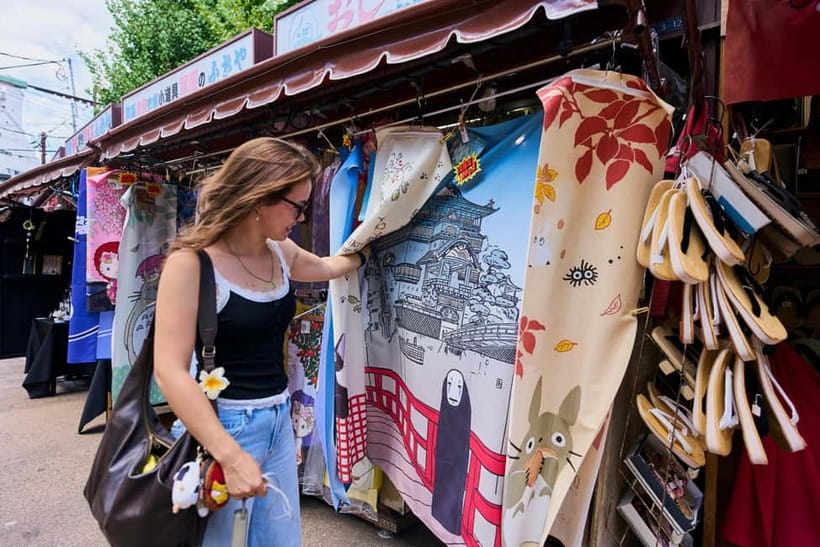
The route also includes a samurai and ninja goods store. It brings a playful, pop-culture note to a tour otherwise grounded in religious history and neighborhood traditions. This could be the easiest stop for a fun souvenir, especially if you’re travelling with someone who likes Japanese martial imagery.
A cute Japanese tableware shop rounds out the shopping. Tableware can be a more useful keepsake than a novelty item, though what you find and whether you buy anything is up to you. These visits give you a glimpse of Asakusa’s retail mix: food, practical craft, historical themes, and objects for the home.
You’re not promised time to shop extensively at all three. Think of these as guided introductions to local finds, not a dedicated shopping expedition. If one store catches your eye, you can ask the guide whether there will be a chance to return on your own after the tour.
More food tours in Tokyo:
- Tokyo: Shinjuku Food Tour (13 Dishes at 4 Local Eateries)
★ 5.0 · 6,603 reviews - Tokyo: Shinjuku Food Tour (15 Dishes and 4 Eateries)
★ 4.9 · 2,033 reviews - Best of Shinjuku: Izakaya Food Tour (4 Stops, 14+ Tastings)
★ 5.0 · 1,863 reviews - Tokyo Night Foodie Tour in Shinjuku – Seasonal Sushi, Wagyu Beef
★ 5.0 · 1,161 reviews
What two hours can, and cannot, cover
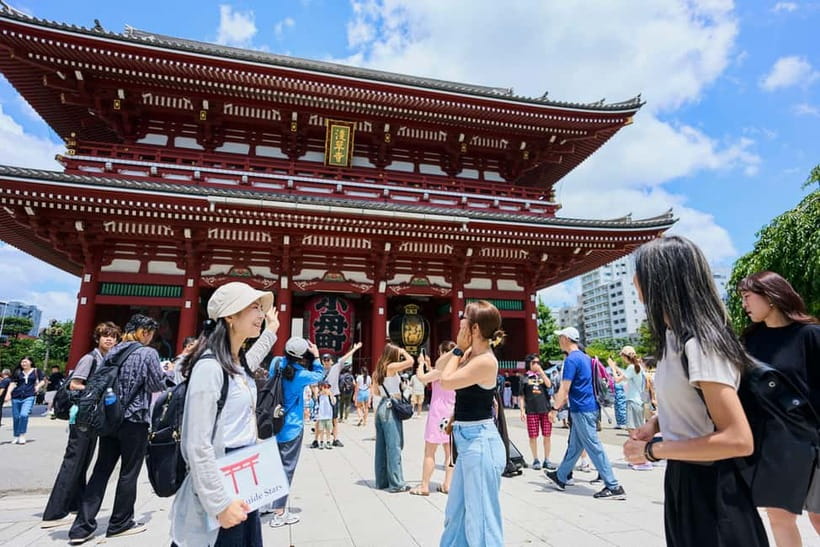
Two hours is a sensible length for a first orientation. It gives you a guide, a clear route, and a range of experiences without asking you to devote half a day to one neighborhood. For a first-time visitor with limited time in Tokyo, that balance can be useful.
The trade-off is pace. The tour brings together a temple, shrine, food stops, and several shops, so you should expect a sampler rather than an in-depth visit to every stop. If you like lingering over temple architecture or comparing crafts, you may want to return to the places that interest you most.
The walk is described as a two-hour walking tour, so comfortable shoes are essential. The route’s exact distance and surface details are not specified, so don’t assume it is suitable for every mobility level. Be ready for changing weather, too. You’ll be outside as you move through the neighborhood, and the tour advises dressing for the conditions.
The meeting point is in front of the Kaminarimon Police Box at Asakusa Station. Look for a guide holding a sign that says Local Guide Stars. The tour ends back at the same place, which makes it easy to continue exploring Asakusa afterward or head back toward the station.
Is $16 a good value?
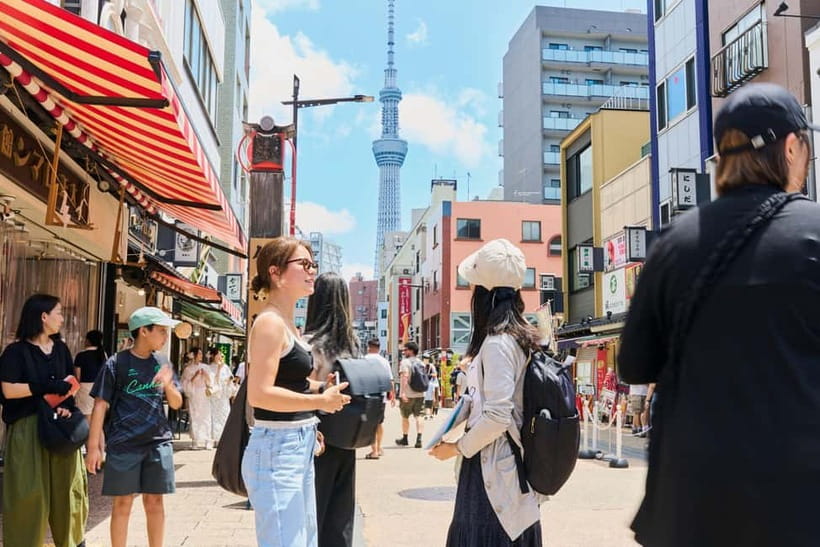
At $16 per person, the price is modest for a two-hour guided walk in central Tokyo. The fee pays for a local guide and a planned mix of cultural context, food recommendations, and specialty-shop visits. If you’re new to Asakusa, that can save time and help you understand what you’re seeing.
The low price does not mean every part of the outing is covered. Food and drinks are excluded, and any purchases at the shops are also your choice. Temple offerings or omikuji may involve a small additional cash payment. Budget for those separately rather than treating the $16 as an all-inclusive food tour.
Value depends on what you want. If you’re looking for a broad first look at Asakusa and like combining history with local food and shopping, the price is appealing. If your priority is a long temple visit, an extensive meal, or detailed instruction about Japanese knives, this short tour may feel too brisk.
Booking can also suit flexible plans: you can reserve and pay later, and cancel up to 24 hours in advance for a full refund. The activity is offered in English.
Who should book this Asakusa walk?
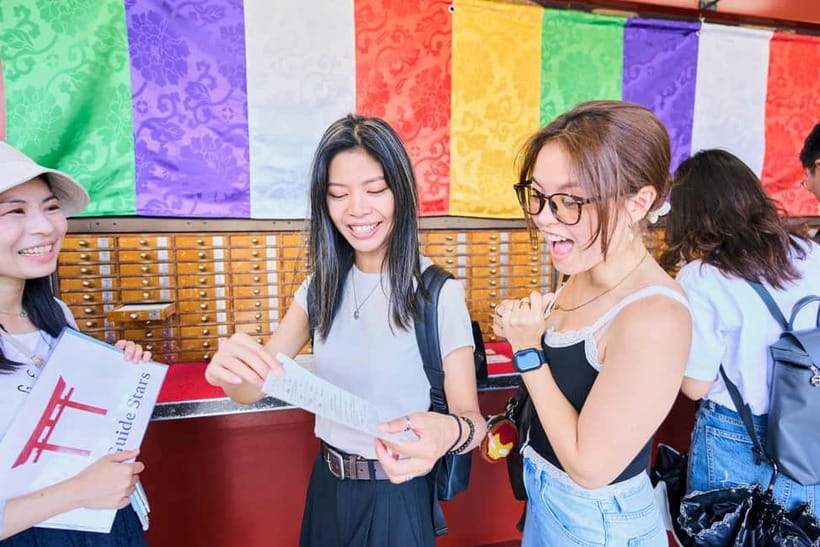
I’d consider this tour for a first visit to Tokyo, especially if you want a friendly introduction to Asakusa without organizing each stop yourself. It suits curious walkers who enjoy seeing a major landmark and then exploring the smaller details around it, from a local snack to a specialist shop.
It’s also a good fit if you’re travelling with someone whose interests differ. One person can enjoy the temple history, another the food, and another the samurai goods or tableware. The route gives each of you something to notice without making the outing feel like a shopping trip or a lecture.
You may want to skip it if you need a sit-down meal, prefer to explore entirely at your own pace, or want a long and detailed tour of Senso-ji alone. The two-hour format works best as an introduction, with time afterward to return to the sights and shops you liked.
FAQ
How long is the tour?
The walking tour lasts two hours.
Where does the tour start?
Meet in front of the Kaminarimon Police Box at Asakusa Station.
How do I identify the guide?
The guide will be holding a sign that says Local Guide Stars.
Where does the tour end?
It ends back at the meeting point.
What language is the tour in?
The tour is offered in English.
Is food included in the price?
Meals and drinks are not included. The tour includes local food stops, but plan to pay separately for food or drinks you choose.
What should I bring?
Wear comfortable walking shoes. Bringing cash is recommended if you want to make a temple offering or draw an omikuji.
Does the tour visit both Senso-ji and Asakusa Shrine?
Yes. It visits Senso-ji, Tokyo’s oldest temple, and nearby Asakusa Shrine.
Are hotel pickup and drop-off included?
No. Hotel pickup and drop-off are not included.
Can I cancel for a refund?
You can cancel up to 24 hours in advance for a full refund.
More food and drink experiences in Tokyo
- Eat and Drink Like a Local: Tokyo Ueno Food Tour-Taverns&Ramen
★ 5.0 · 957 reviews - Tokyo: Shibuya Food Tour (13 dishes and 4 Eateries)
★ 5.0 · 770 reviews - Tokyo: Tsukiji Fish Market Food and Culture Walking Tour
★ 4.7 · 757 reviews - Tsukiji Fish Market: Street Food & Culture Walking Tour
★ 5.0 · 669 reviews
More walking tours in Tokyo
- Tokyo Tsukiji Fish Market Food and Culture Walking Tour
★ 5.0 · 3,184 reviews - Tokyo: Imperial Palace and Shogun Historical Walking Tour
★ 5.0 · 2,251 reviews - Tokyo: Shinjuku Local Bar and Izakaya Guided Walking Tour
★ 4.9 · 1,794 reviews - Tokyo: Tsukiji Fish Market Food and Walking tour
★ 5.0 · 1,724 reviews
Freshly reviewed in Tokyo
- Tokyo: Toshimaya Sake Brewery Tour with Sake Tasting★ 5.0 · 6 reviews
- :Tokyo,Shibuya /Meiji Shrine tour in KIMONO/English-friendly★ 5.0 · 4 reviews
- Tokyo: Tour Privado por Tokio en español★ 4.3 · 4 reviews
- Tokyo:Tea ceremony experience at Komaba Warakuan★ 4.8 · 9 reviews
- :Tokyo,Shibuya/ Pro Photography in Kimono / English-Friendly★ 5.0 · 26 reviews
- Tokyo:Samurai Training : Swords, Bushido & Mental Discipline★ 5.0 · 6 reviews
- Tokyo:Mt Fuji & Hakone Day Tour with English Speaking Driver★ 5.0 · 26 reviews
- Tokyo:Nikko UNESCO World Heritage Sites Private 1-Day Tour★ 3.8 · 6 reviews
Asakusa Tours, compared.

Japanese Dance Cabaret Theater Asakusa-Kaguwa Ticket
Read our review →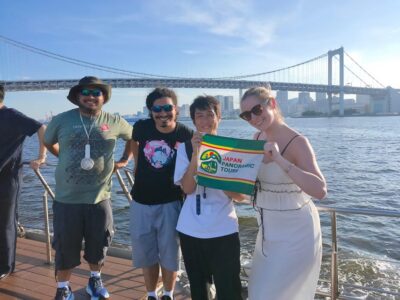
Meiji Shrine, Asakusa, Skytree Bus Tour and Cruise
Read our review →
Roll and Authentic Sushi Making Class in Asakusa
Read our review →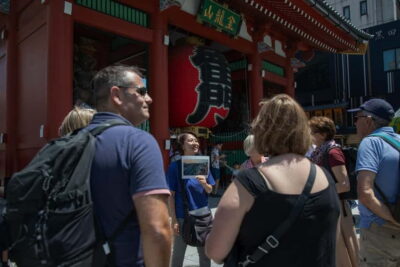
Asakusa Walking Tour with Sensoji Temple Visit
Read our review →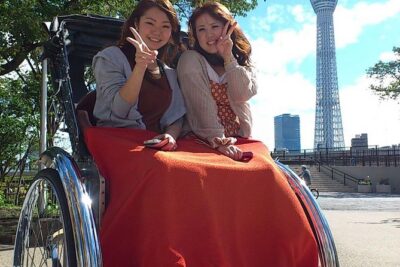
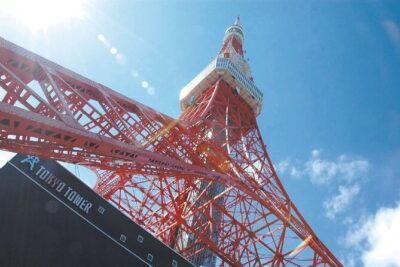
Tokyo Panoramic 1 Day: Meiji Shrine, Asakusa, Odaiba and SKYTREE®
Read our review →
Tokyo Go Kart: Asakusa, Skytree, and Akihabara **IDP MUST**
Read our review →
Asakusa, Skytree & Akhihabara Go-Kart City Experience
Read our review →Browse the lists this tour appears in