Reviewed · TOKYO TOURS
Freely set up plans Guided Private Tours in Tokyo
Tokyo can feel like several cities stitched together, and this private tour gives you a guide to help choose which pieces fit your day. I like that you can build around your interests, and that a guide can handle the train system while explaining what you’re seeing. Tsukiji Market and Senso-ji Temple make a strong first-day pairing: one is a feast of food shops, the other a landmark of old Tokyo.
I also like the choice of tour length, from about four to ten hours, and the private format, which gives your group room to set its own pace. One caution: Tokyo sightseeing can mean a lot of walking, stairs, and station transfers. A few visitors have found the pace or English communication uneven, so spell out your needs and priorities before the day begins.
At a glance
- A private plan, not a fixed route: Choose the length and sights that matter to you, then plan with your guide.
- A practical introduction to Tokyo transit: Your guide leads the way on public transport, a real help in a city with a large, complex rail system.
- A broad menu of stops: Pick among markets, temples, gardens, towers, a zoo, Shibuya Crossing, and animal cafes.
- Admission costs are extra: Entry fees for you and your guide are not included at paid attractions.
- Hotel pickup is available in central Tokyo: The meeting point is your hotel lobby within Tokyo’s 23 wards.
- Plan ahead for demand: The tour is booked an average of 47 days in advance, so don’t leave a specific date to chance.
A private day that starts with your priorities
The tour is designed for you to choose what to see and how long to spend out. That flexibility matters in Tokyo, where crossing town between attractions can take time, and where even a short visit can turn into a full day once you add stations, walks, and meal breaks.
The advertised length is about four to ten hours. The listed attractions are options, not a promise that you can cover every one in a single outing. Their suggested visit times add up to far more than ten hours before travel between neighborhoods. For a four-hour tour, choose a compact route with two or three nearby stops. With more time, you can take on a broader mix.
I’d decide what matters most before the tour: food, traditional sights, gardens, city views, or a first look at several neighborhoods. Then let the guide help shape a workable route. One family group of eight appreciated having a guide check that everyone stayed together, while other visitors valued being able to change the order or ask for particular stops.
More guided tours in Tokyo:
- Tokyo 6hr Private Tour with Government-Licensed Guide
★ 5.0 · 3,902 reviews - Tokyo: Shinjuku Local Bar and Izakaya Guided Walking Tour
★ 4.9 · 1,794 reviews - Tokyo: Private City Highlights Tour with Local Guide
★ 4.8 · 1,433 reviews
Tsukiji Market and Senso-ji: food and tradition

Tsukiji Jogai Market is a useful place to start if you want to meet Tokyo through its food. Its streets mix wholesale and retail shops with restaurants, and you can encounter traditional Japanese ingredients alongside newer food trends. The suggested visit is one hour, though your pace may depend on whether you want to browse, eat, or simply get an introduction.
The market’s appeal is not just the shopping. A guide can help make sense of what you’re looking at and point you toward a meal that suits your taste. Several tour accounts describe sushi stops, including fresh tuna, and one visitor singled out a local sushi shop as a highlight. Lunch is not listed as included, so budget separately for food.
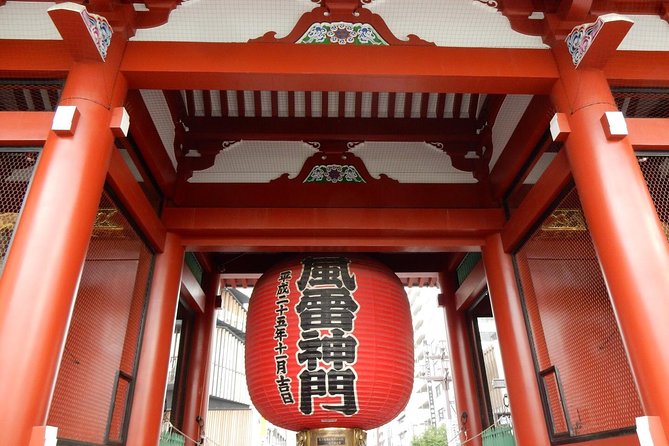
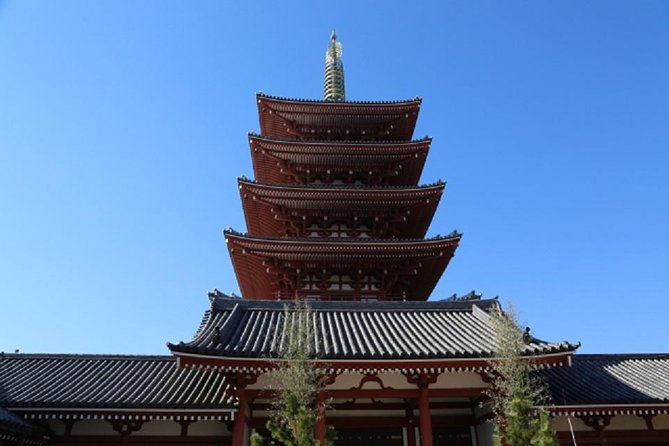
Senso-ji, in Asakusa, offers a different kind of first impression. It is one of Japan’s best-known attractions, with historic structures on its grounds, including the five-story pagoda and the Hozo-mon, or Treasure-House Gate. The listed visit is an hour, enough to see the main grounds and hear some context, though crowds and your interest in the details can affect the pace.
These two stops work well together because they show different sides of Tokyo without asking you to commit to a full day of museums or shopping. If this is your first visit, a guide can explain customs and history as you go, rather than leaving you to puzzle over each place on your own.
Towers, crossings, and Tokyo’s modern side
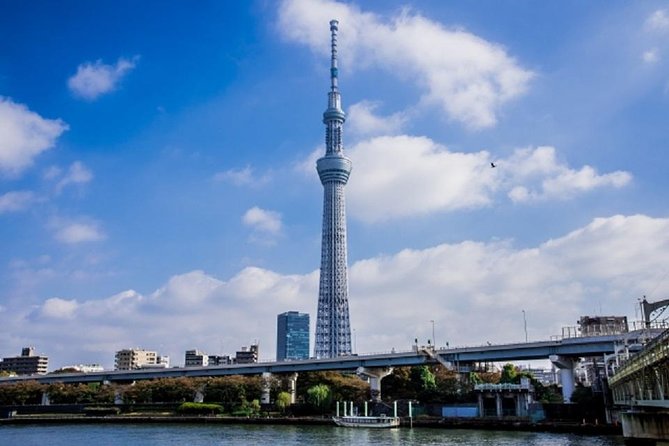
Tokyo Skytree rises 634 meters and has observation decks at 340 and 450 meters. It can be a good choice if you want a view that helps you grasp the scale of the city. The observation experience costs extra, and you should allow for the visit itself as well as the journey there. The tour description sets aside an hour for this stop.
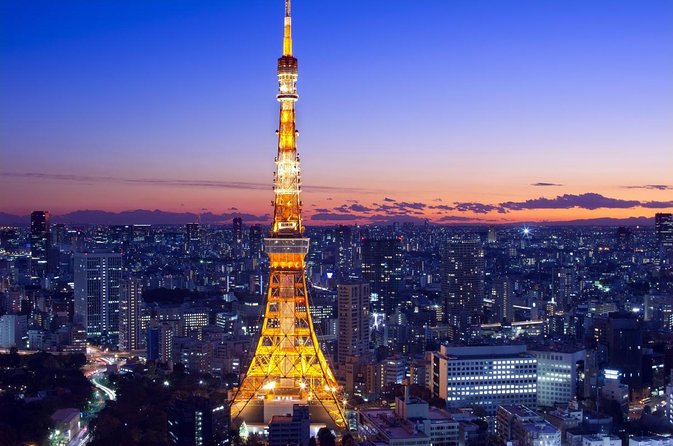
Tokyo Tower is another option for a high-up view. Built in 1958, the 333-meter radio tower has a viewing cafe and a shrine, and it is lit in different ways, including Landmark Light and Diamond Veil. Admission is not included. With both towers on the menu, I’d choose one unless you have a particular reason to see each.
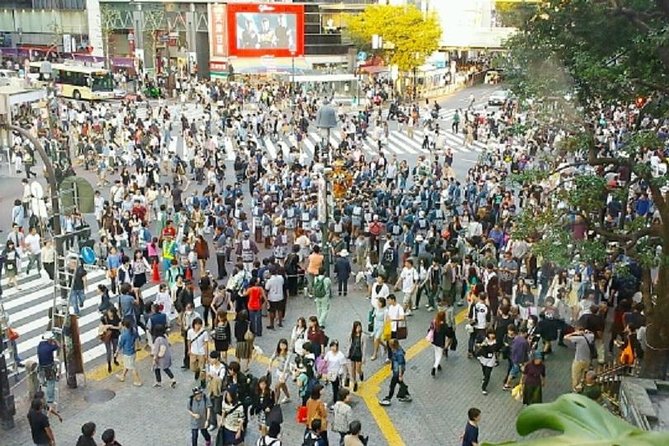
Shibuya Crossing gives you a close-up of Tokyo’s current-day energy. The description notes that about 500,000 people use the crossing each day, with as many as 3,000 moving through on one green light. The suggested visit is just 30 minutes, making it an easy stop for photos and a look at the city’s crowded choreography.
A private guide can help you decide how these sights fit with your other priorities. Just keep in mind that a city view, market visit, and temple stop are not next door to one another. The tour uses public transport, but getting between stations and attractions takes time and often adds walking.
Gardens, shrines, and the quieter pauses
Meiji Jingu Shrine offers a calmer counterpoint to the crowds around Shibuya. Built in 1920, it is dedicated to Emperor Meiji and Empress Shoken, and it draws worshippers and visitors throughout the year. The suggested visit is one hour. It is a good pick if you want a place of worship and a chance to learn about Japanese customs, rather than another lookout or shopping area.
Shinjuku Gyoen National Garden combines formal, landscaped, and Japanese garden styles. It was created as an imperial garden in 1906 and opened to the public in 1946. The tour allows an hour here, and admission is not included. This is a better choice for a slower pause than for a quick tick on a list; if gardens are a priority, leave room to wander.
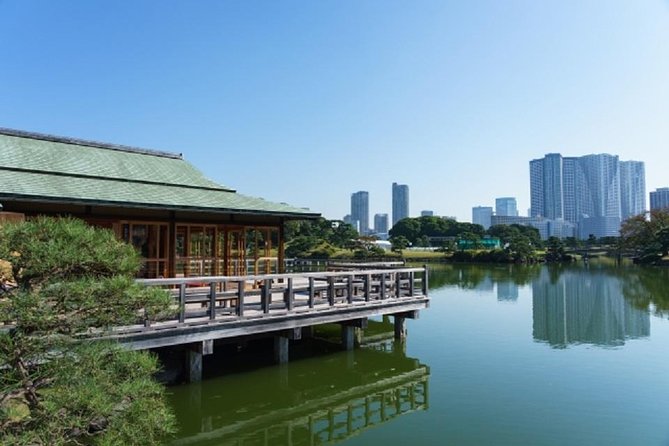
Hama Rikyu Gardens offers another garden experience, with Shioiri Pond and a seawater moat connected to Tokyo Bay. The grounds cover a large area, so an hour is a useful introduction rather than a leisurely exploration. Admission costs extra. Pair it with other nearby interests if your guide agrees the route works, but don’t assume you can linger at every garden and still reach far-flung stops.
The East Gardens of the Imperial Palace sit on the former grounds of Edo Castle. The wider Imperial Palace complex includes the Emperor and Empress’s residences, the palace, and the Imperial Household Agency offices; the East Gardens give you access to a historic part of the former castle site. Admission is not included, and the suggested visit is one hour.
These green spaces are not interchangeable. Meiji Jingu is a shrine visit, while the gardens offer designed grounds and a slower walk. If you have only a half day, choose the one that best matches your interest rather than trying to squeeze in all three.
More tours and experiences in Tokyo:
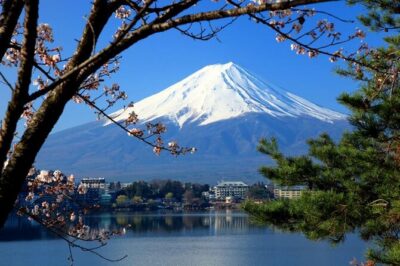
- Mt Fuji and Hakone 1-Day Bus Tour Return by Bullet Train
★ 5.0 · 26,383 reviews - 1-Day Tokyo Bus Tour
★ 5.0 · 14,250 reviews - Tokyo: teamLab Planets TOKYO Digital Art Museum Entry Ticket
★ 4.6 · 9,779 reviews - Mt Fuji & Hakone Cruise, Drum Show Bullet Train 1 Day from Tokyo
★ 4.0 · 7,413 reviews
Ueno Zoo and animal cafes: choose with care
Ueno Zoo opened in 1882 as Japan’s first zoo. It keeps about 400 species, including animals such as the Sumatran tiger, and the suggested visit is two and a half hours. That makes it one of the biggest time commitments on the menu. Admission is extra, so it makes sense if the zoo itself is a priority, not simply because it appears on the list.
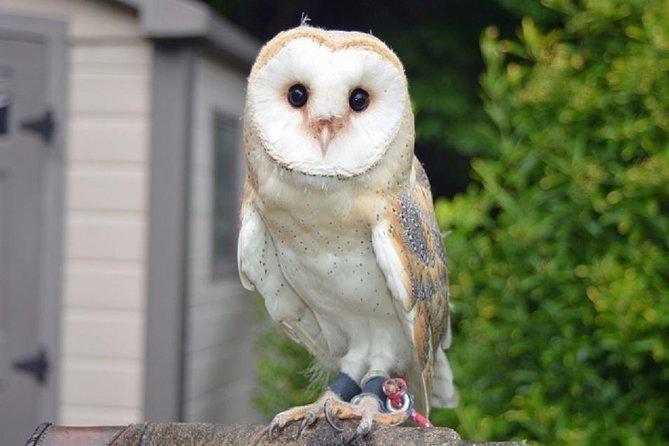
The tour also offers two animal cafes. Owl Cafe Tokyo Akiba Fukurou is described as a place to interact with owls in a classical-music setting. Chiku Chiku Cafe lets you spend time with hedgehogs and serves drinks rather than lunch or dinner. Each is allotted an hour, and admission is extra.
Animal cafes are a personal choice, and their availability can change. One visitor found that an animal cafe was closed, so if this is a must-do, confirm it with the provider before your tour. These stops may also suit some groups more than others. You can build the day around an animal experience, but you don’t need to include one just because it is an option.
The guide and the train ride matter
The guide may be the most useful part of this experience. Tokyo’s rail network can feel like a maze even if you are used to transit in a large city. Guides including Kono, Yumi, Yoshio, and Yumiko have led visitors through stations, explained Japanese history and customs, and adapted routes to individual requests. You cannot assume you will be assigned a particular guide, but the names give you a sense of the people who have hosted these tours.
Visitors have especially valued guides who took time to answer questions, adjust the plan, and help the group stay together. One family described a patient guide who checked that all eight members were still with her. Another visitor appreciated a guide who arranged timely water and lunch breaks. Those small acts can make a long day easier.
There are also limits to keep in mind. English ability and walking pace can vary by guide. One visitor struggled to understand a guide and found he walked too far ahead; another felt the day involved too much walking to and from stations, especially in heavy rain. Tell the provider if you need a slower pace, extra breaks, or clear communication. Ask in advance how the guide will adapt the route to your mobility needs.
The tour uses public transportation, and public-transport costs for the guides are included. Your own fares are not identified as included, so ask what you’ll need to pay. The listed attractions also exclude admission for both you and your guide. A private guide can save you planning effort, but the ticket and transport costs are separate considerations.
What the price buys, and who gets good value
At $132.14 per person, this tour’s value rests on private guidance and a plan built around your group, not on bundled entry tickets. You’re paying for help navigating, interpreting what you see, and fitting your priorities into the time available. That can be especially useful on your first day, when practical tips about trains and markets may help with the rest of your stay.
The per-person price is easier to justify for a group that wants the same sights and can share a private guide. Group discounts are offered, though the exact discount is not specified. For a solo visitor or a pair on a tight budget, compare the guide fee with the cost of planning a self-guided route and paying fares and admission separately.
This tour is best for first-time visitors, families, and small groups who want to ask questions and adjust plans as they go. It also suits people with only one day in Tokyo, including those fitting a city visit around a cruise or a longer Japan trip. A guide can help you focus on a few meaningful stops instead of spending the day working out which train to take.
It is less ideal if you want a low-walking day, expect a fixed itinerary with every major sight included, or need admission tickets covered in the price. The range of options is broad, but time is not. A successful tour is likely to come from choosing a few priorities, not from trying to collect all twelve stops.
A few practical details before you book
The meeting point is your hotel lobby if it is within Tokyo’s 23 wards, and pickup is offered. There are several start times, so you can choose one that works with your day. Confirmation is provided at booking, and the activity is private to your group.
The tour is booked an average of 47 days in advance. That is not a guarantee that you need to book that early, but it is a sensible prompt to reserve ahead if you have a particular date or guide preference. Free cancellation is available up to 24 hours before the start time. Changes made less than 24 hours before the tour are not accepted, and cancellations within that window are not refunded.
A small number of serious service failures have also been reported, including a guide arriving on the wrong day or a tour being canceled because no guide was available. These accounts are not the typical experience, but they are a reason to keep booking details and confirmation handy and to contact the operator if anything looks wrong before your tour.
Should you book this Tokyo tour?
Book it if you want a private guide to make Tokyo easier to navigate and you’re willing to choose a manageable set of sights. The strongest case is for a first visit: a guide can connect a market, temple, or garden to the wider city and help you use the trains with less guesswork.
Before booking, decide on your top three or four interests, ask about walking and transport between them, and confirm any must-see attraction or animal cafe. Budget for your own transport, meals, and admission fees. If you’re clear about your pace and priorities, this can be a flexible, useful introduction to Tokyo. If you want a fully ticketed package or very little walking, look for a different format.
FAQ
How long is the tour?
The tour lasts approximately four to ten hours. The length depends on the plan you choose with your guide.
Is this a private tour?
Yes. Only your group participates.
Is hotel pickup available?
Yes. The meeting point is your hotel lobby if the hotel is within Tokyo’s 23 wards.
Does the tour include an English-speaking guide?
Yes. An English-speaking professional guide is included.
Are admission tickets included?
No. Admission fees for both you and your guide are not included.
Is public transportation included?
The included public transportation is listed for the guides. Your own transit fares are not listed as included, so confirm the cost before the tour.
Which places can I visit?
Options include Tsukiji Jogai Market, Senso-ji Temple, Tokyo Skytree, Ueno Zoo, Shibuya Crossing, Meiji Jingu Shrine, Tokyo Tower, Shinjuku Gyoen National Garden, two animal cafes, Hama Rikyu Gardens, and the East Gardens of the Imperial Palace.
Can I choose the start time?
Several start times are available.
Can I cancel for a refund?
You can cancel at least 24 hours before the experience starts for a full refund. Cancellations made less than 24 hours before the start time are not refunded.
How far ahead is the tour usually booked?
It is booked an average of 47 days in advance.
Freshly reviewed in Tokyo
- Tokyo: Toshimaya Sake Brewery Tour with Sake Tasting★ 5.0 · 6 reviews
- :Tokyo,Shibuya /Meiji Shrine tour in KIMONO/English-friendly★ 5.0 · 4 reviews
- Tokyo: Tour Privado por Tokio en español★ 4.3 · 4 reviews
- Tokyo:Tea ceremony experience at Komaba Warakuan★ 4.8 · 9 reviews
- :Tokyo,Shibuya/ Pro Photography in Kimono / English-Friendly★ 5.0 · 26 reviews
- Tokyo:Samurai Training : Swords, Bushido & Mental Discipline★ 5.0 · 6 reviews
- Tokyo:Mt Fuji & Hakone Day Tour with English Speaking Driver★ 5.0 · 26 reviews
- Tokyo:Nikko UNESCO World Heritage Sites Private 1-Day Tour★ 3.8 · 6 reviews
Tokyo Tours, compared.
Mt Fuji and Hakone 1-Day Bus Tour Return by Bullet Train
Read our review →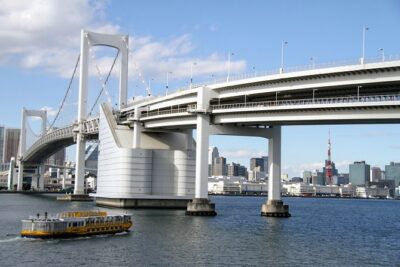
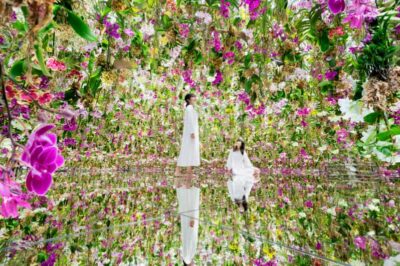
teamLab Planets TOKYO Digital Art Museum Entry Ticket
Read our review →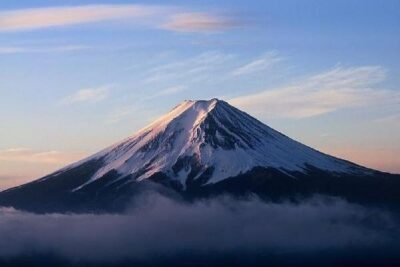
Mt Fuji & Hakone Cruise, Drum Show Bullet Train 1 Day from Tokyo
Read our review →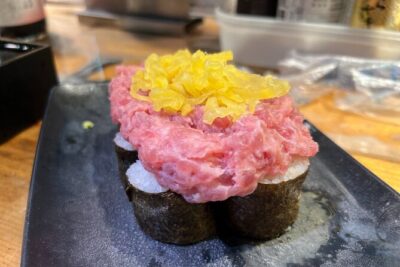
Shinjuku Food Tour (13 Dishes at 4 Local Eateries)
Read our review →
Tokyo Mt Fuji 5th St & Hakone Cruise Bus Tour w/Bullet Train
Read our review →
Flagship 2-Hours Official Street Go-Kart Tour – Tokyo Bay Shop
Read our review →