
Reviewed · TOKYO BIKE TOURS
3h Tokyo E-Bike Tour: Hidden Gems, and Local Life with guide
Tokyo makes more sense when you see how its grand landmarks meet its working neighborhoods. This three-hour e-bike tour covers ground that would take much longer on foot, with a local guide leading you through central streets, back lanes and a handful of major sights.
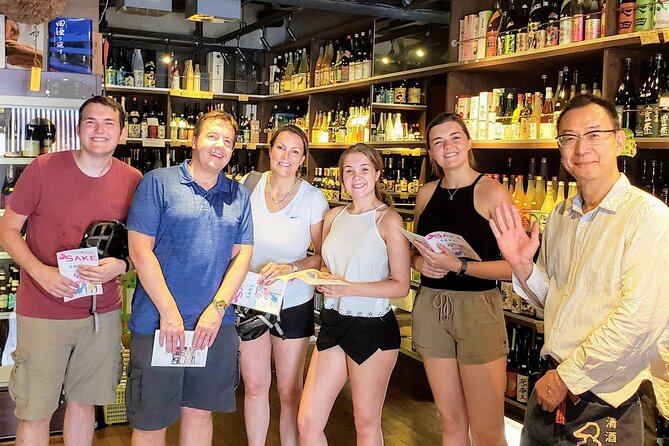
I like two things in particular: the small group, capped at six, makes it easier to ask questions and stay connected, and the electric-assist bikes help you cover distance without turning the outing into a fitness test. One consideration: you still need to be comfortable riding in city traffic and keeping pace with the guide.
At a glance
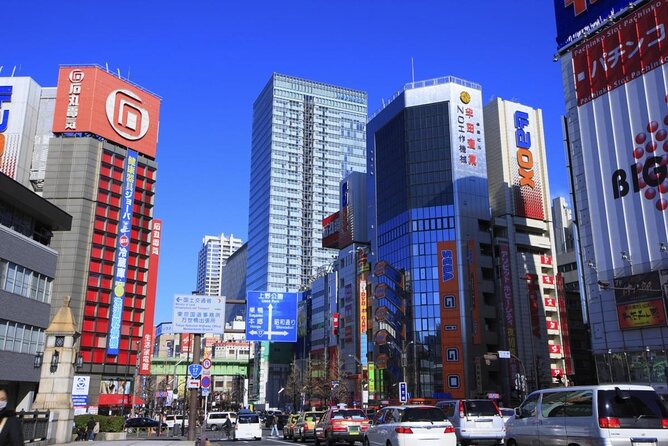
- Two routes, two sides of Tokyo: Morning rides focus on the Imperial Palace area, Ginza and Tsukiji; afternoon rides head toward Akihabara, Kappabashi, Asakusa and Ryogoku.
- A useful first-day orientation: You pass landmarks and local streets, then can return to neighborhoods that catch your eye.
- A compact group: A maximum of six people allows for a more personal outing, though at least two participants are needed for the tour to run.
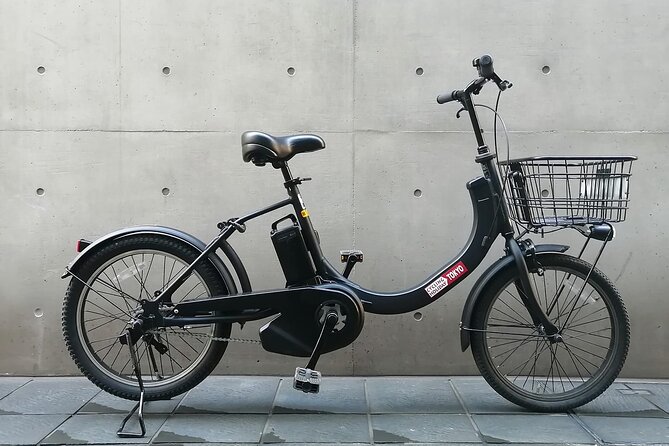
- E-bike assistance included: Bikes, helmets, insurance and simple rain gear are part of the price.
- Plan for weather and heat: Rain can cancel the ride, and summer conditions may lead the operator to stop or call off a tour.
- Come ready to ride: Participants must be at least 12 years old, at least 147 centimeters tall and able to ride a bicycle.
Three hours to get a feel for Tokyo
At $63.01 per person, this tour sits in the range of a guided city activity rather than a simple bike rental. The price includes an e-assist bike, helmet, English-speaking guide, insurance and a small-group format. You are also paying for a route that connects several neighborhoods without asking you to work out the turns, station transfers or timing yourself.
That matters in Tokyo, where a famous landmark may be close to another on a map but less straightforward to connect on foot. A guide can link the city’s business center, old shopping streets and everyday residential lanes in a single outing. You get a broad introduction, not a deep visit to every stop. The value is in the overall view and the local explanations along the way.
The ride begins and ends at Cycling Holiday Tokyo, at 3-chōme-8-6 Uchikanda. The shop is about a one-minute walk from the west exit of JR Kanda Station, and has a waiting room, restroom and space to store luggage, apart from valuables. That makes the meeting point convenient if you are coming by train or carrying bags between hotel check-in times.
Guides named by the operator include Yo, Jenny, Take, Ted, Kazu, Ninja, Yoshiko and Yoppi. The guide you meet depends on the tour, so do not book expecting a particular person. What matters more is the format: guides explain local history and customs, answer questions, make regular stops and keep the group together.
More city highlights tours in Tokyo:
- From Tokyo: Mount Fuji Full-Day Sightseeing Trip
★ 4.5 · 4,970 reviews - Tokyo: Hop-On Hop-Off Sightseeing Bus Ticket
★ 3.9 · 4,207 reviews - Tokyo: Private City Highlights Tour with Local Guide
★ 4.8 · 1,433 reviews
Choose the route that suits your day
The morning and afternoon rides take different paths. If you want imperial landmarks, the business district and market streets, the morning route is the better fit. If traditional temple streets, kitchenware shops and pop culture appeal more, choose the afternoon.
The stops can change with traffic, road conditions, the number of pedestrians, the season and whether it is a weekday or weekend. Treat the route as a plan rather than a guarantee that every listed place will be visited in precisely the same order. The guide’s job is to keep the ride safe and enjoyable, which can mean adjusting the way through a busy area.
Morning: business Tokyo, palace moats and Tsukiji
The route starts in Kanda, a compact downtown area known for small Japanese-style bars and its working-day atmosphere. It is a modest beginning, but a useful contrast with the grander sights ahead. Here, the city feels less like a postcard and more like a place where people work and meet after hours.
From there, the group rides through Tokyo’s financial and business center. Modern buildings provide a sharp change of scene, and the moving view helps you grasp how much of central Tokyo is built around commerce. This is not a stop for a long architectural lecture, but a chance to notice the city’s contemporary scale between older districts.
At Tokyo Station’s Marunouchi side, the guide points out the station building from Gyoko-dori Street and explains its history. The stop is brief, around five minutes, so think of it as an introduction and photo pause rather than a full station visit. The striking exterior is a good marker for understanding the district around it.
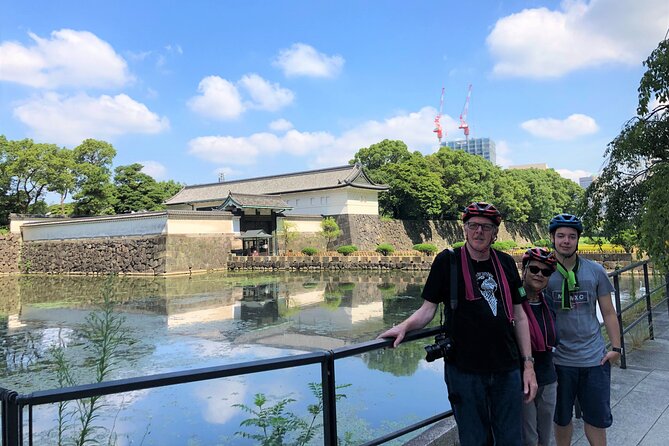
Next comes the Imperial Palace’s Otemon Gate and the view across the moat toward Fujimi-yagura tower. The moat and gate give you a glimpse of the former castle grounds within the modern capital. The route also passes the spacious park beside the palace and Sakuradamon, a notable traditional gate. These are quick, outdoor encounters, not a tour inside the palace grounds.
The ride then reaches Ginza, where the route may use back streets or main roads depending on conditions. Ginza is associated with luxury-brand shopping, but the less showy lanes can offer a more grounded sense of the area. The choice of streets is one reason the guide’s judgment matters: a safer or quieter route may be preferable to a direct line through crowds.
At Tsukiji Outer Market, you get about ten minutes among small, old-fashioned food shops and stalls selling a range of interesting goods. Food and drinks are not included, and the stop is short, so bring spending money if you hope to buy a snack. You will not have time to sample your way through the market, but you can note places to revisit later.
Local roads and narrow passages connect the larger sights. This is where the ride can feel most revealing: an e-bike lets the group move between districts without limiting the outing to the most obvious avenues. The route ends at Nihonbashi Bridge, a historic point from which road distances in Japan are measured. It makes a fitting final reference point for a city built around movement and connections.
Afternoon: Akihabara, kitchen tools and Asakusa
The afternoon route opens with Akihabara, known for youth and geek culture. The guide offers context beyond the familiar maid-café image, giving you a quick introduction to the district’s subcultures. The stop is only about five minutes, so save time for a longer independent visit if you want to shop or explore specific interests.
Kappabashi Street shifts the subject from pop culture to the practical business of cooking. Shops sell kitchen utensils, professional cooking tools and Japanese knives. The group has about ten minutes to look around and shop, which is enough for a quick browse but not a leisurely hunt for a particular knife or kitchen item. If you plan to buy, keep an eye on the group’s departure time.
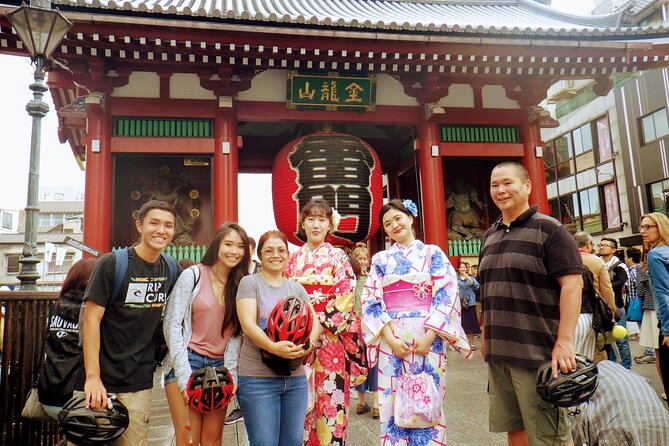
Asakusa brings the route to one of Tokyo’s best-known temple areas. The district is home to the city’s oldest temple, and the short stop gives you a first look at its traditional streets and customs. A guide can explain temple etiquette, useful knowledge if this is your first visit to Japan. The ride is not a substitute for returning on foot, when you can take your time around the temple precinct.
The tour continues toward Ryogoku, the sumo district. If timing and luck line up, you might see sumo wrestlers near the arena, but that is not something to count on. Even without that chance encounter, the neighborhood gives the route a distinctive finish, with its connection to Japan’s national sport.
Both the morning and afternoon routes include Nihonbashi Bridge, a central landmark with a practical role in Japan’s road-distance measurements. Like the other stops, it is brief, around five minutes. Think of these pauses as a series of introductions, with the guide helping you decide which places deserve a return visit.
More bike tours in Tokyo:
- Tokyo Great Cycling Tour
★ 5.0 · 811 reviews - Tokyo Top Highlights 3h Guided E-bike Tour
★ 5.0 · 714 reviews - Tokyo: 3-Hour Bike or E-Bike City Highlights Tour
★ 4.8 · 435 reviews - Tokyo: 3-hour Guided E-Bike Tour of the City’s Hidden Gems
★ 4.8 · 251 reviews
What riding in Tokyo is really like
The e-bikes are designed to make the distance manageable, and the electric assist helps reduce the effort of riding. You still need to steer, watch the road and follow the guide through city streets. The bikes are not a reason to switch off your attention. One rider’s practical warning is worth taking seriously: you need to be comfortable handling a bicycle in busy urban conditions.
The group size helps. With no more than six people, the guide can keep an eye on the riders and stop for explanations and photos. Still, do not drift far behind. The pace is guided, not a free-for-all, and the route may move through traffic or narrow streets where staying together matters.
The ride is open to people aged 12 and older, with a minimum height of 147 centimeters. You must know how to ride a bicycle. Families with teens can be a good match, especially if everyone is confident on two wheels and interested in seeing the city beyond a car window or train platform.
Weather, clothing and comfort
Tokyo’s weather can shape the tour. If rain is forecast, the operator checks conditions the day before and may cancel. Simple rain gear is included, but that does not make a wet ride comfortable for everyone. If the forecast looks unsettled, bring suitable protection for your own comfort and keep the possibility of a cancellation in mind.
Summer needs special care. July and August can be hot and muggy, and the operator may cancel if heat-stress conditions make the ride unsafe. The guide can also stop the tour and return to the starting point if conditions become dangerous. Bring water, sunscreen and a small towel; an electrolyte drink is a sensible choice on a very hot day.
In winter, bring warm clothes and gloves. Simple gloves are provided for winter use, while cooling products are offered in summer. These are practical extras, but they do not replace dressing for the weather. The tour includes simple rain gear, not a full set of specialized cycling clothing.
Who gets the most from this ride
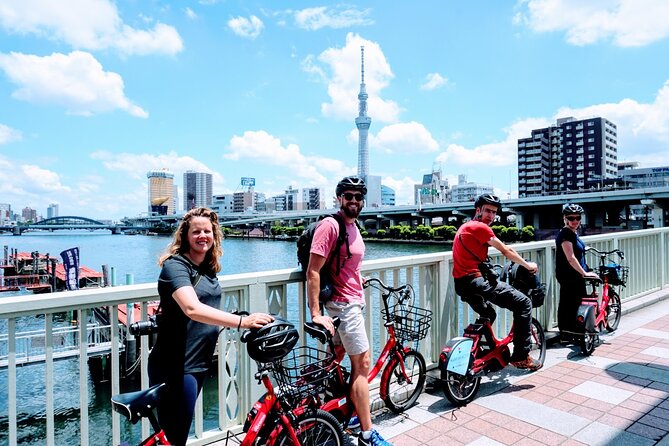
I would choose this tour early in a Tokyo stay. A few hours on a bike can help you understand how districts relate to one another, and the stops may give you a shortlist for later exploration. People have used it as a first activity to orient themselves, then returned on foot to places they wanted to see in more depth.
It also suits repeat visitors who want a different angle on familiar landmarks. You can take the route through local streets, see the spaces between major attractions and hear explanations from a guide who lives and works in the city. If your only goal is spending a long time inside one museum or temple, this is not the right format.
The tour is less suitable if you are nervous about riding in traffic, cannot ride a bicycle, or prefer to set your own pace. Even an easy-to-operate e-bike requires attention and coordination. The group pauses often, but you should be ready to ride when the guide moves on.
Is $63 worth it?
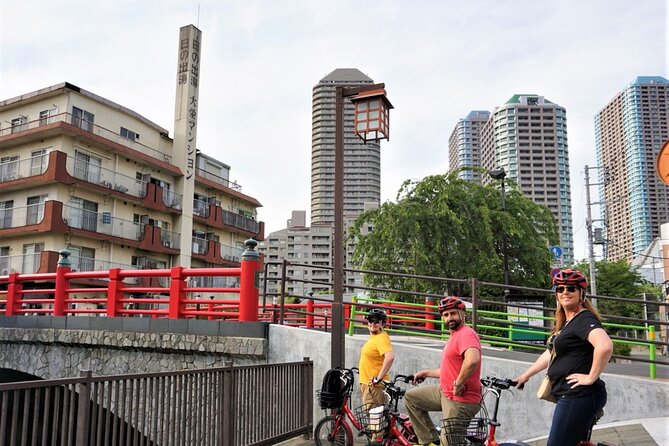
For three hours, the price is reasonable if you value a guide, the e-bike and a route that takes in several distinct parts of Tokyo. You avoid arranging your own bike rental and navigation, and the small-group limit keeps the outing more personal than a large coach tour. The English guide and included helmet also make the basic setup straightforward.
The trade-off is that the stops are short. You get a taste of Tokyo Station, the palace area, a market or temple district, and other neighborhoods, but not time for a full visit at each one. Food and drinks cost extra, and any shopping is on your own tab. Book this for orientation and variety, not for a long market meal or an extended temple visit.
Practical details before you book
The tour runs for about three hours and returns to the Kanda meeting point. It requires at least two participants, even if you are booking alone, and has a maximum of six. Confirmation is subject to availability.
You can leave luggage at the shop, except valuables. Food and drinks are not included. The tour operates on Sundays and public holidays, and you can cancel for a full refund if you do so at least 24 hours before the start time. If weather or the minimum group size forces a cancellation, you are offered another date or experience, or a refund.
Should you book the Tokyo e-bike tour?
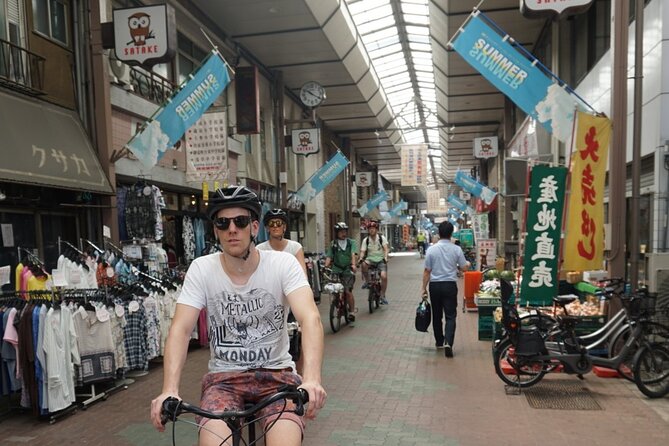
Book it if you want an active, guided introduction to Tokyo, enjoy seeing neighborhoods change as you move through them, and feel comfortable cycling in city traffic. The strongest reasons to go are the manageable e-bikes, the small group and the mix of landmarks with ordinary streets.
Choose the morning ride for the Imperial Palace, Tokyo Station, Ginza and Tsukiji. Choose the afternoon if Akihabara, Kappabashi, Asakusa and sumo culture sound more appealing. If you want long visits, guaranteed sightings or a completely self-paced outing, make other plans. For a first look at Tokyo from street level, this is a practical and lively use of three hours.
FAQ
How long is the tour?
The tour lasts approximately three hours.
Where does the tour start and finish?
It starts and ends at Cycling Holiday Tokyo, at 3-chōme-8-6 Uchikanda, Chiyoda City. The shop is about a one-minute walk from the west exit of JR Kanda Station.
What is included in the price?
The price includes an electric-assist bike, helmet, English-speaking guide and insurance. Simple rain gear is provided, along with gloves in winter and cooling products in summer.
Are food and drinks included?
No. Food and drinks are self-pay.
What is the minimum age and height?
Participants must be at least 12 years old and at least 147 centimeters tall.
Do I need to know how to ride a bicycle?
Yes. People who cannot ride a bicycle cannot join the tour.
What is the difference between the morning and afternoon routes?
The morning route includes areas such as Tokyo Station, the Imperial Palace, Ginza and Tsukiji. The afternoon route includes Akihabara, Kappabashi, Asakusa and Ryogoku. Stops can change with road and crowd conditions.
What happens if it rains or is extremely hot?
The tour may be canceled in poor weather, with another date or a full refund offered. In July and August, dangerous heat can also lead to cancellation or an early return to the starting point.
More three-hour experiences in Tokyo
- 3-Hour Tokyo Pub Crawl Nightlife Welcome Guided Tour in Shibuya
★ 5.0 · 209 reviews - Tokyo: 3-Hour Bike/E-Bike Tour of the City’s Highlights
★ 5.0 · 209 reviews - 3-Hour Small-Group Sushi Making Class in Tokyo
★ 5.0 · 166 reviews - 3-Hour Tokyo Private E-Bike Tour Starting from Your Hotel
★ 5.0 · 117 reviews
Freshly reviewed in Tokyo
- Tokyo: Toshimaya Sake Brewery Tour with Sake Tasting★ 5.0 · 6 reviews
- :Tokyo,Shibuya /Meiji Shrine tour in KIMONO/English-friendly★ 5.0 · 4 reviews
- Tokyo: Tour Privado por Tokio en español★ 4.3 · 4 reviews
- Tokyo:Tea ceremony experience at Komaba Warakuan★ 4.8 · 9 reviews
- :Tokyo,Shibuya/ Pro Photography in Kimono / English-Friendly★ 5.0 · 26 reviews
- Tokyo:Samurai Training : Swords, Bushido & Mental Discipline★ 5.0 · 6 reviews
- Tokyo:Mt Fuji & Hakone Day Tour with English Speaking Driver★ 5.0 · 26 reviews
- Tokyo:Nikko UNESCO World Heritage Sites Private 1-Day Tour★ 3.8 · 6 reviews
Tokyo Bike Tours, compared.
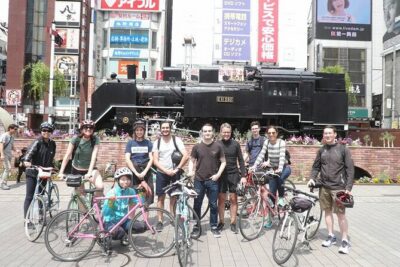
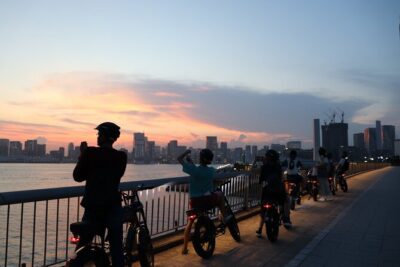
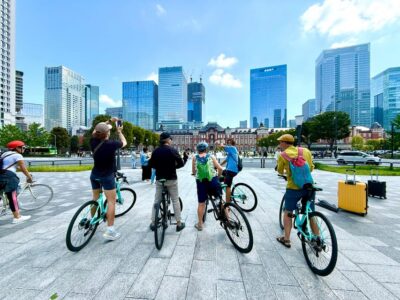
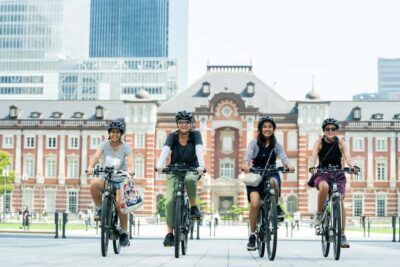
3-hour Guided E-Bike Tour of the City’s Hidden Gems
Read our review →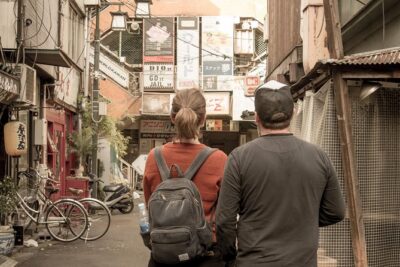
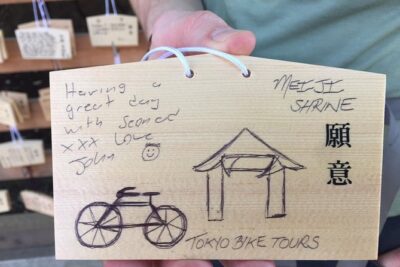
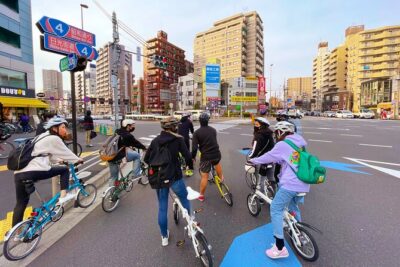
Tokyo downtown bicycle tour Tokyo Backstreets Bike Tour
Read our review →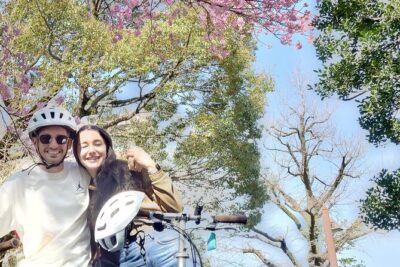
3-Hour Tokyo Private E-Bike Tour Starting from Your Hotel
Read our review →Browse the lists this tour appears in