
Reviewed · TOKYO BIKE TOURS
Tokyo: 3-Hour Bike/E-Bike Tour of the City’s Highlights
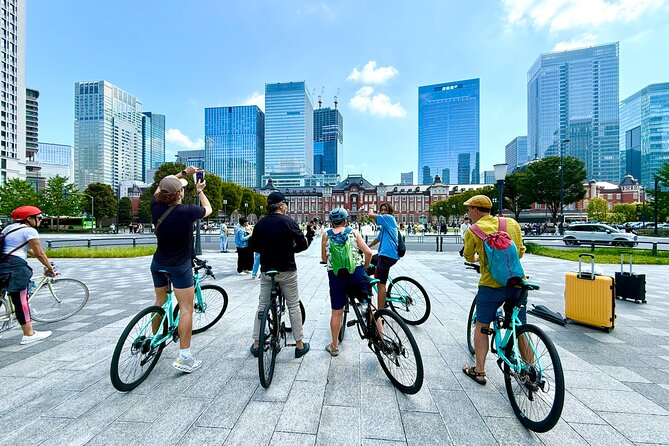
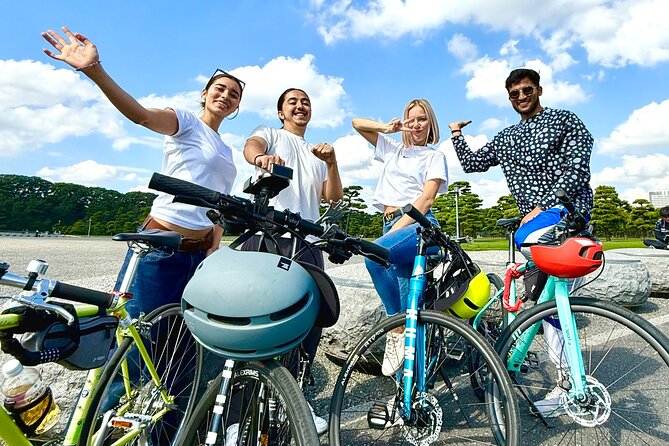
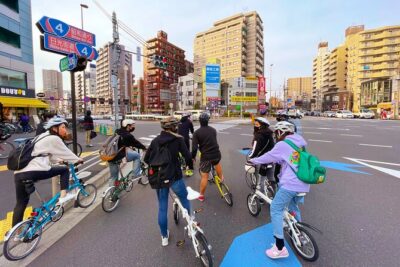
Tokyo’s scale makes a bike a useful sightseeing tool: in three hours, you can ride from Zojo-ji Temple to the Imperial Palace, Tokyo Station and Shibuya, with a local guide leading the way. I like the mix of major landmarks and everyday neighborhoods, and the chance to cover ground that would take much longer on foot.
I also like that this is a private tour, so the ride is for your group rather than a large, mixed crowd. Guides such as Naoki, Rinto and Hiro have earned praise for clear explanations and careful group handling. The trade-off is that you’ll spend much of the three hours riding, and traffic or a hard-to-find meeting point may take some getting used to.
- See the city in motion: The route links temple grounds, palace surroundings, grand civic buildings and shopping streets in one ride.
- Follow a local guide: An English- or Japanese-speaking guide navigates and adds context as you go.
- Choose pedal assist if available: E-bike riders describe the route as easier to manage over three hours.
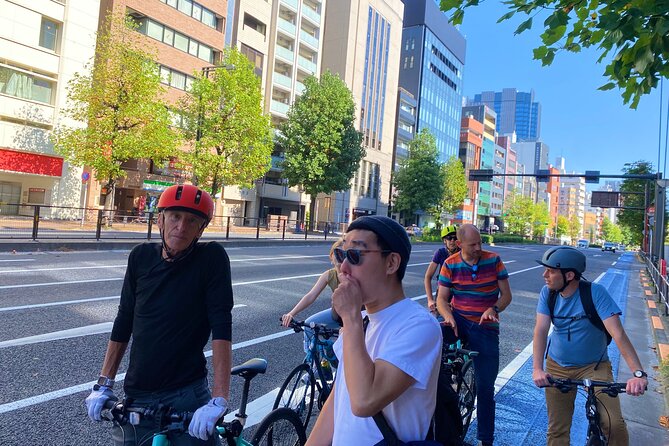
- Expect some city traffic: You may ride on roads and through busy areas, including Shibuya Crossing.
- Bring cash for extras: A helmet costs ¥1,000 to rent, and a child seat costs ¥3,000 with advance notice.
- Finish near two useful areas: The ride ends in Jinnan, about a five-minute walk from Yoyogi Park and ten minutes from Shibuya Station.
A three-hour ride across several sides of Tokyo
This tour is best understood as a quick, moving introduction to central Tokyo, not a slow, in-depth visit to each landmark. The advertised three hours include travel between stops. Some stops are only five or ten minutes, so you should expect brief looks, photos and short explanations rather than extended time inside temples, palaces or museums.
That quick pace is also the appeal. Tokyo’s highlights are spread across a large area, and a bike makes it possible to connect them in a single outing. If you have only a few hours, or want an early-trip orientation before deciding where to spend more time, this route can help you get your bearings.
The ride is private, meaning only your party participates. That gives the guide room to adjust explanations and check how the group is doing. It does not mean you can linger indefinitely at each stop: the route has several destinations to cover, and one rider’s account notes that there are not many planned photo breaks.
Starting at Zojo-ji beside Tokyo Tower
The tour begins at the Statue of Commodore Perry in Shibakoen, near Zojo-ji Temple and Tokyo Tower. The meeting point deserves attention before tour day. One rider found the memorial difficult to locate and said even locals were unsure where it was, so save the address and map pin in advance rather than relying on a quick verbal description.
Zojo-ji is a strong first stop because it puts religious and political history in the same frame. The temple is described as a religious center and resting place of warlords, and it sits beside the unmistakably modern Tokyo Tower. The planned stop is only five minutes, so think of it as a quick introduction and photo opportunity, not a full temple visit.
That contrast is a recurring pleasure of Tokyo: old sites and contemporary city life often sit close together. Your guide can help explain why the temple matters, but the short schedule means the detail you hear may vary. Riders particularly value guides who bring history to life, so ask questions when there is a pause if you want more context.
More city highlights tours in Tokyo:
- From Tokyo: Mount Fuji Full-Day Sightseeing Trip
★ 4.5 · 4,970 reviews - Tokyo: Hop-On Hop-Off Sightseeing Bus Ticket
★ 3.9 · 4,207 reviews - Tokyo: Private City Highlights Tour with Local Guide
★ 4.8 · 1,433 reviews
Riding past the Imperial Palace and Tokyo Station
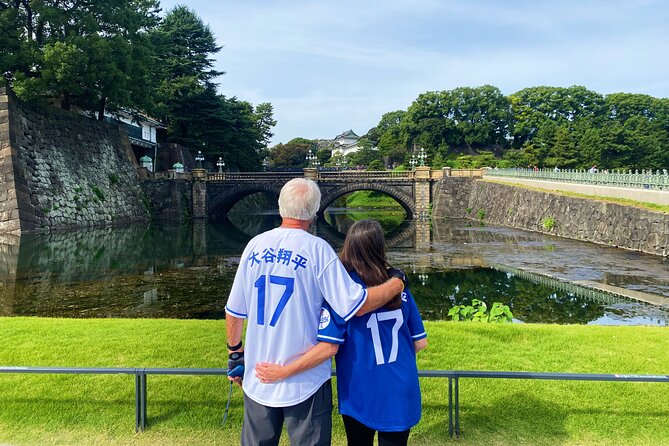
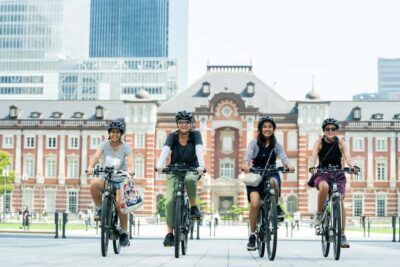
The route next turns toward the Imperial Palace, the residence of Japan’s Emperor. You have about 15 minutes here, followed by a short stop at Tokyo Station’s Marunouchi side. The palace grounds are a major historical and civic landmark, while the station gives you a different kind of history: its red-brick facade dates to its 1914 opening.
The stops are close enough in theme to make a useful pair. At the palace, you get a sense of the city’s imperial past; at the station, you see a prominent piece of early twentieth-century architecture still serving a modern transport hub. The station stop lasts ten minutes, so don’t expect a full station tour or a long wander through its interior.
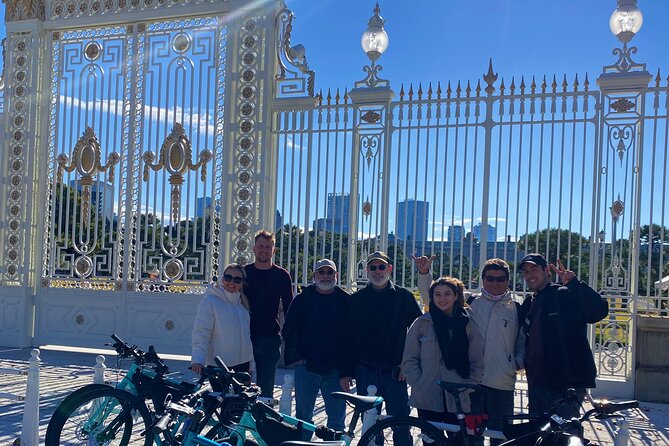
Otemon Gate, one of the main entrances to the Imperial Palace, gets another ten minutes. It offers a clear chance to photograph a traditional Japanese gate and take in the scale of the palace approach. Since you’ll be moving between landmarks by bike, it is worth keeping your phone or camera accessible. A small bike pouch is included for a phone, wallet or keys.
From Akasaka Palace to the Olympic stadium
Akasaka Palace, originally built as a royal villa and now used as a state guesthouse, is another brief stop. The five-minute visit is enough to see the building and hear a little about its changing role, but not enough for a leisurely look around. It adds variety to the route by shifting from imperial grounds to a formal state building.
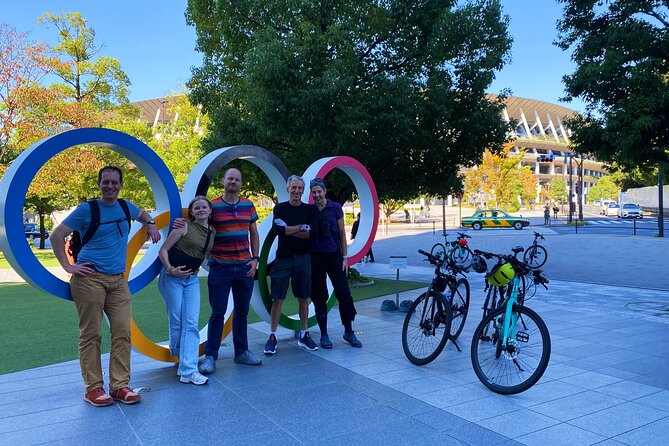
The Japan National Stadium offers a more recent chapter. This is where the 2020 Tokyo Olympic and Paralympic Games took place, and the planned 15-minute stop gives you a moment to take in the venue and its public significance. If you follow major sporting events, this will likely be one of the route’s most memorable landmarks.
There is a lot of ground to cover between these stops. The guide’s navigation is therefore a real part of what you are paying for, not just a bonus. A bike tour can make distances feel manageable, but you still need to be comfortable riding for most of three hours and paying attention to instructions.
Aoyama and Shibuya by bike
The route passes through Aoyama, known here for high-end fashion brands and distinctive architecture, then heads to Shibuya Cat Street, where you’ll find fashion shops and vintage stores. These neighborhood sections help balance the monuments with a look at Tokyo’s commercial and street-level character.
Cat Street is not a long shopping stop. The scheduled visit is five minutes, which is enough to notice the area and perhaps take a quick picture, but not to browse at leisure. If shopping is a priority, make a note of the area and return on your own after the tour.
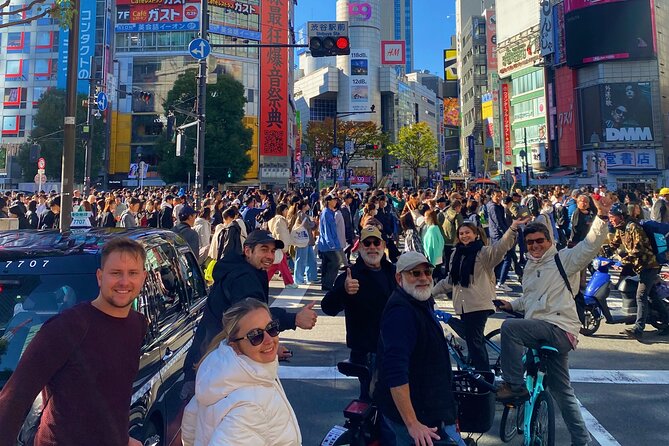
The ride’s finale is Shibuya Crossing, one of the city’s best-known intersections. The tour description says you’ll bike through it, so be ready to follow the guide closely and stay alert. Some riders find the traffic stressful at moments, while others say the guide’s instructions make it feel manageable. If you are uneasy cycling in crowds, ask the operator about the riding conditions before booking.
The end point is in Jinnan, between Yoyogi Park and Shibuya. The Bell of Peace is the stated endpoint, with Yoyogi Park about a five-minute walk away and Shibuya Station about ten minutes away. That makes it easy to continue your day in either direction.
More bike tours in Tokyo:
- Tokyo Great Cycling Tour
★ 5.0 · 811 reviews - Tokyo Top Highlights 3h Guided E-bike Tour
★ 5.0 · 714 reviews - 3h Tokyo E-Bike Tour: Hidden Gems, and Local Life with guide
★ 5.0 · 670 reviews - Tokyo: 3-Hour Bike or E-Bike City Highlights Tour
★ 4.8 · 435 reviews
What the guide and bike add
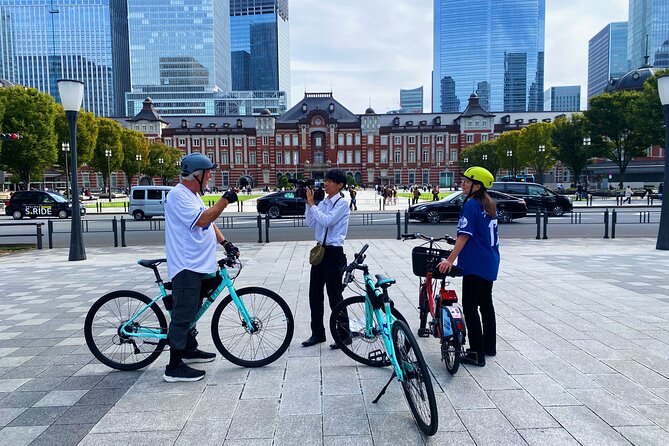
Guides are a central part of the experience. Names praised for their communication, history explanations and group care include Naoki, Hiroto, Sho, Rinto, Rin, Kei, Casey and Hiro. Your assigned guide will depend on the date, but the tour is offered in English or Japanese. Good guiding matters here because several stops are short: a concise explanation can make a quick look at a gate or station feel more meaningful.
The tour includes use of a bicycle, bike insurance and a small pouch attached to the bike. Raincoats are provided on rainy days. E-bikes are recommended by some riders as a less strenuous way to cover the route, but the listed inclusions specify bicycle use rather than promising a particular bike type. If pedal assist is important to you, confirm the available option when booking.
A helmet is not included. You can rent one for ¥1,000, payable in cash on the day, or bring your own. A child seat costs ¥3,000 and must be arranged at least two days in advance; bring cash for that too. Food and drinks are not included, and no meal stop is listed.
Is $63 good value for three hours?
At $63.01 per person, this is a reasonably practical way to see a wide spread of central Tokyo in a short window. The price includes the bicycle, insurance and a guide who handles navigation. You are paying for movement and orientation as much as for access to individual sights; the stops are mostly short, and admission is not part of the experience.
The value improves if you have limited time, enjoy cycling and want someone else to shape the route. It may be less appealing if you prefer to explore each landmark at length, shop along Cat Street or spend time inside attractions. In that case, use the ride to identify places for a return visit rather than treating it as a complete tour of every stop.
The tour has a 4.9 rating from 210 reviews, with 98% recommending it. Praise centers on friendly guides, useful historical context, safety and the number of sights covered. A smaller but relevant caution is that some riders want more explanation at each stop or more photo time. Those are fair expectations to manage: the route is broad, and three hours goes quickly.
Timing, fitness and weather
You should have a moderate level of physical fitness and be comfortable on a bike. The ride lasts about three hours, and the total includes travel between stops. It is not described as a strenuous workout, particularly if you can use pedal assist, but it is not a sightseeing bus with long rests either. One rider found it required more effort than expected, while others valued the exercise.
Weather can affect the outing. Raincoats are supplied on rainy days, but the activity may be canceled if conditions are poor; in that case, you are offered another date or a full refund. One rider had a date changed because of rain and found the change inconvenient, so leave some flexibility in your schedule if possible. The tour also offers free cancellation up to 24 hours before the start; cancellations inside 24 hours are not refundable.
Heat and cold are worth considering too. One rider found the ride very hot and suggested going early in the day, while another found it cold enough to make hands uncomfortable. Dress for the forecast, and choose a morning or afternoon slot based on the season and your own comfort.
Who should book this Tokyo bike tour?
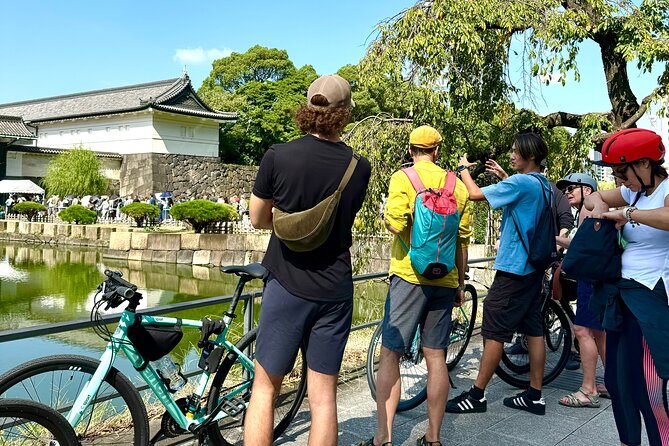
I’d book this if you want a fast, guided overview and are comfortable riding around other city users. It suits a first day in Tokyo, a short stopover, or anyone who wants to link major sights without spending the day changing trains. Families may also find it useful, though a child seat requires advance arrangement and an added fee.
I’d skip it if you dislike cycling in traffic, need long visits at each landmark or want a quiet, unhurried temple tour. For everyone else, it offers a practical trade: less time standing in transit, more time seeing the city from street level. Confirm the meeting point, ask about e-bike availability, bring cash for extras and treat the stops as an introduction. On those terms, this is a lively way to start understanding Tokyo.
FAQ
How long is the tour?
The tour lasts approximately three hours, including the time spent traveling between stops.
Is the tour private?
Yes. Only your group participates.
What languages does the guide speak?
The in-person guide is available in English or Japanese.
Is a bicycle included?
Yes. Use of a bicycle is included, along with bike insurance.
Is an e-bike included?
The tour is described as a bike or e-bike experience, and riders refer to an e-bike option. Confirm what is available for your date when booking.
Is a helmet included?
No. A helmet can be rented for ¥1,000, payable in cash on the day.
Can I request a child seat?
Yes. It costs ¥3,000, and you must contact the operator at least two days in advance. Bring cash on the day.
Where does the tour start and end?
It starts at the Statue of Commodore Perry in Shibakoen and ends at the Bell of Peace in Jinnan, near Yoyogi Park and Shibuya.
What happens if the weather is poor?
If the tour is canceled because of poor weather, you will be offered another date or a full refund. Raincoats are provided on rainy days.
Can I cancel for a refund?
You can cancel for a full refund up to 24 hours before the experience starts. Cancellations made less than 24 hours before the start are not refundable.
More three-hour experiences in Tokyo
- Tokyo: 3-hour Guided E-Bike Tour of the City’s Hidden Gems
★ 4.8 · 251 reviews - 3-Hour Tokyo Pub Crawl Nightlife Welcome Guided Tour in Shibuya
★ 5.0 · 209 reviews - 3-Hour Small-Group Sushi Making Class in Tokyo
★ 5.0 · 166 reviews - 3-Hour Tokyo Private E-Bike Tour Starting from Your Hotel
★ 5.0 · 117 reviews
Freshly reviewed in Tokyo
- Tokyo: Toshimaya Sake Brewery Tour with Sake Tasting★ 5.0 · 6 reviews
- :Tokyo,Shibuya /Meiji Shrine tour in KIMONO/English-friendly★ 5.0 · 4 reviews
- Tokyo: Tour Privado por Tokio en español★ 4.3 · 4 reviews
- Tokyo:Tea ceremony experience at Komaba Warakuan★ 4.8 · 9 reviews
- :Tokyo,Shibuya/ Pro Photography in Kimono / English-Friendly★ 5.0 · 26 reviews
- Tokyo:Samurai Training : Swords, Bushido & Mental Discipline★ 5.0 · 6 reviews
- Tokyo:Mt Fuji & Hakone Day Tour with English Speaking Driver★ 5.0 · 26 reviews
- Tokyo:Nikko UNESCO World Heritage Sites Private 1-Day Tour★ 3.8 · 6 reviews
Tokyo Bike Tours, compared.
3h Tokyo E-Bike Tour: Hidden Gems, and Local Life with guide
Read our review →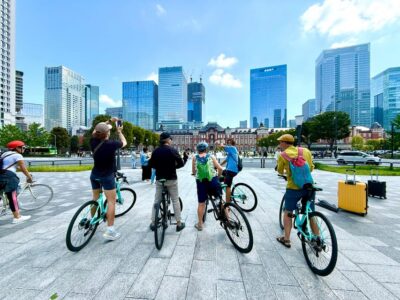
3-hour Guided E-Bike Tour of the City’s Hidden Gems
Read our review →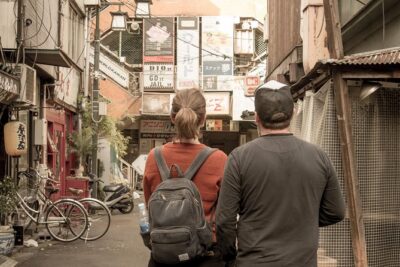
Tokyo downtown bicycle tour Tokyo Backstreets Bike Tour
Read our review →Browse the lists this tour appears in