
Reviewed · TOKYO CALLIGRAPHY WORKSHOPS
Tokyo:Calligraphy & Zen Mindful Journey+Take Home Memory
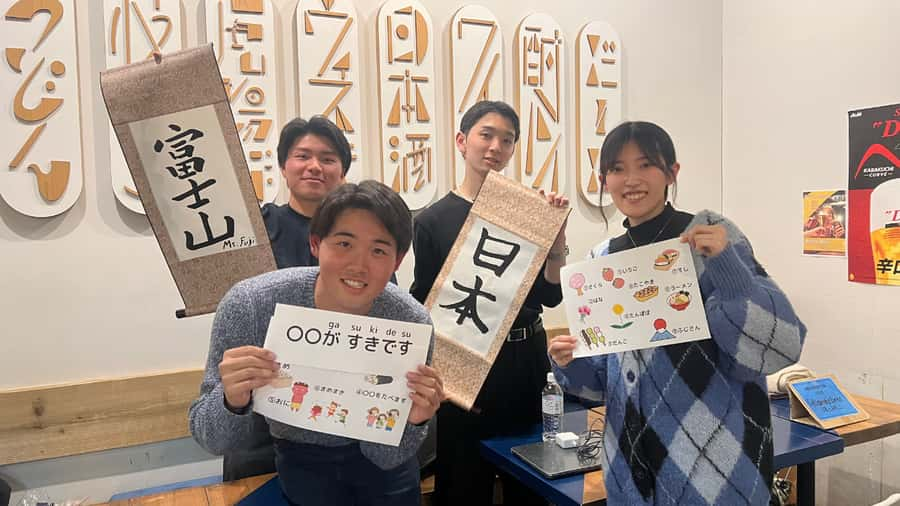
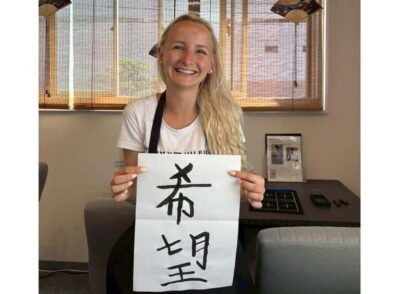
Tokyo’s calligraphy session turns a name into something you can brush onto paper. You’ll learn a Zen method beforehand, then work with a teacher to find Kanji that suit you and practise writing them. The finished work goes onto a hanging scroll to take home.
I like two things here: the chance to make a personal keepsake rather than copy a standard sample, and the patient teaching approach. One participant, Laura, especially appreciated the teacher’s encouragement while she tried different ways to express her Kanji. The main consideration is the silent format: watch the emailed video before you go, and make sure you’re comfortable with that approach.
Key points to know before you book
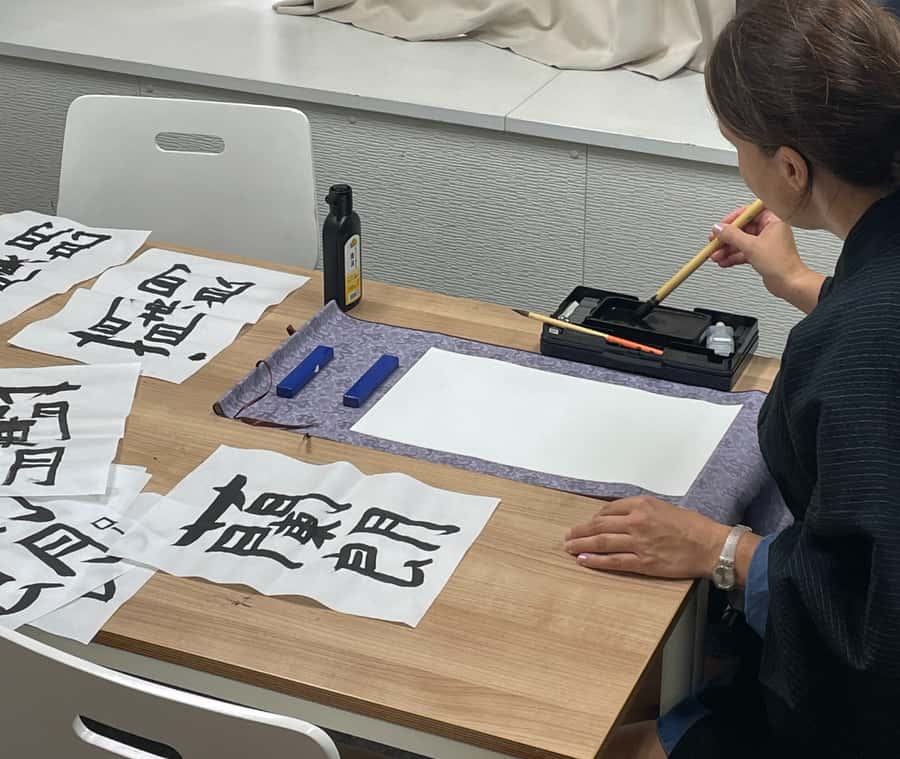
- Your Kanji are chosen to suit you: The teacher suggests characters, and you try writing them through several attempts.
- Plan for about two hours of calligraphy: The central workshop takes two hours, with a hanging scroll as the finished work.
- Prepare for a silent experience: An emailed video explains the Zen method before the day.
- A kimono photo is part of the experience: The schedule describes taking a photo with your art while wearing a kimono.
- SHODO-only plans offer location choices: You can request Shibuya, Shinjuku, Asakusa, or Akihabara by email. With no preference, the location is Hiroo Station.
- Budget for extras: The $67 price includes the Zen entrance fee, workshop, and hanging scrolls, but not train fares or a light meal or snack.
Start with the Zen method, not the brush
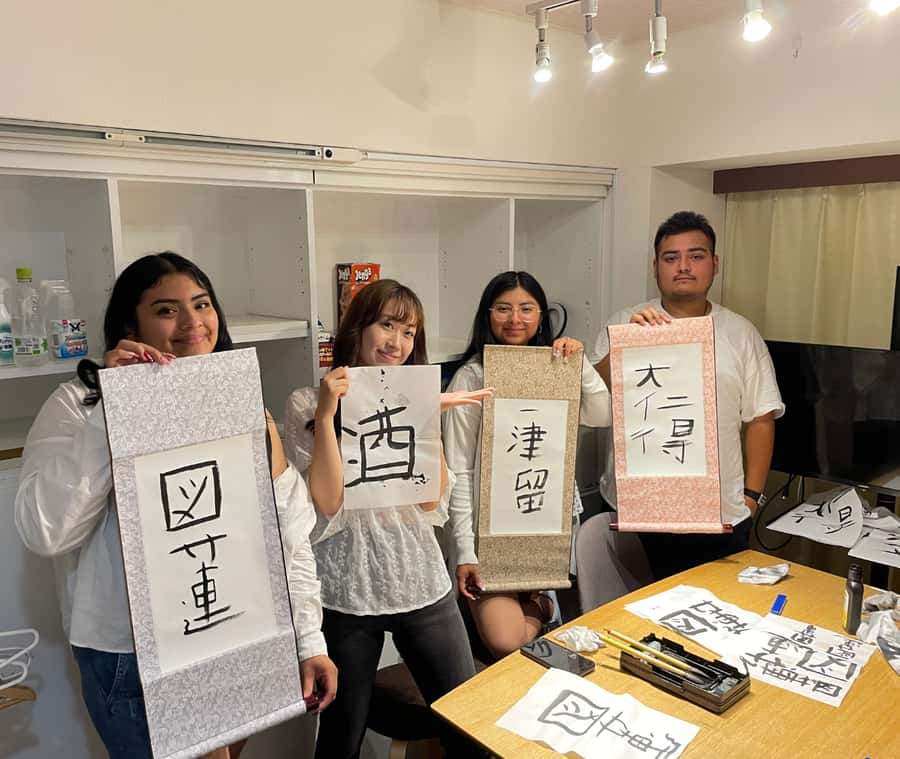
This experience asks you to prepare before arriving. You’ll receive a video by email about the Zen method, and the day itself is described as silent. That makes the video more than optional background: it is your introduction to the approach and helps you know what to expect before the workshop begins.
The Zen element gives the calligraphy a different focus from simply learning to write a few characters. You’re asked to prepare your mind first, then bring that attention to the brushwork. If you like quiet, structured activities, this may be a welcome change of pace from Tokyo’s busy streets. If you prefer lots of conversation and spontaneous questions, the silent format could feel restrictive.
English and Japanese are listed as available languages, but the instructions also emphasize that the day will be silent. If you have questions about how communication works during the session, ask YOKOSO Japan before booking. The information provided does not spell out exactly when or how the teacher speaks.
More calligraphy workshops in Tokyo:
- Tokyo: Calligraphy on Kanji Fan & Scroll with Drink
★ 5.0 · 210 reviews - Let’s experience calligraphy in YANAKA, Taito-ku, TOKYO !!
★ 5.0 · 127 reviews - Experience all of Japanese culture and Japanese food experience classes “origami, udon, Japanese food, green tea, calligraphy” in 4 hours
★ 5.0 · 105 reviews
Find Kanji that feel personal
A key part of the workshop is working out which Kanji characters might suit you. The teacher suggests characters, and you try writing your own Kanji. That personal step is what gives the activity its appeal: you are not just tracing a character chosen for everyone in the room.
It is worth keeping expectations flexible. The description promises suggested Kanji that suit the participant, but it does not say that the characters will be a direct translation or phonetic spelling of your name. If you have a particular meaning, sound, or idea in mind, consider raising it when you arrange the session. The aim is to find an expression that feels right, which may take some discussion and several tries.
Laura’s experience offers a useful picture of the teaching style. She found the teacher encouraging and understanding, and valued the help in trying different ways to express the Kanji. That matters in a hands-on art session: calligraphy is not only about getting a character onto the page, but also about deciding how you want it to look.
Give the brushwork time
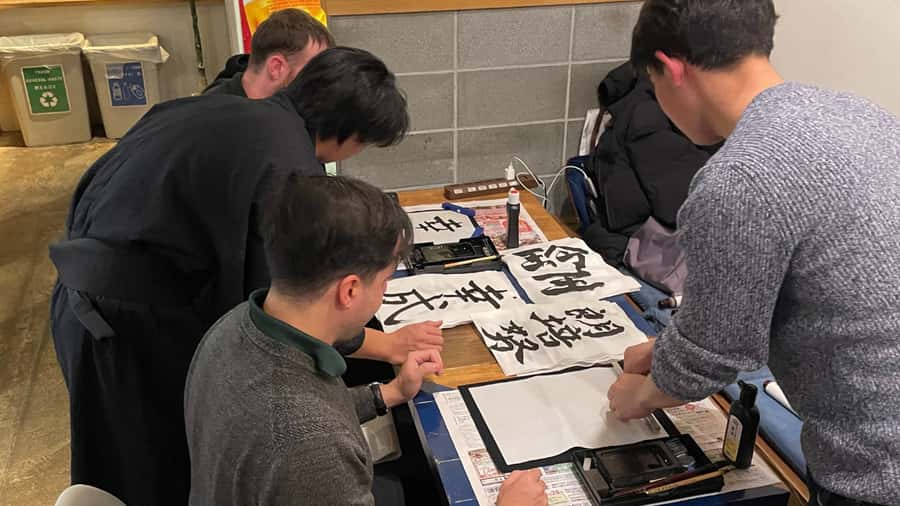
The calligraphy portion lasts about two hours. You’ll have time to experience the art, attempt your chosen Kanji, and work toward an original piece. This is not described as a quick demonstration followed by a rushed souvenir-making stop. The time is set aside for the process itself.
Expect to make more than one attempt. That is part of the point, and Laura’s description of trying many expressions suggests that the teacher encourages experimentation rather than insisting on a single correct result. If you’re new to calligraphy, don’t treat an imperfect first try as a failure. The activity is designed to help you find an expression through practice.
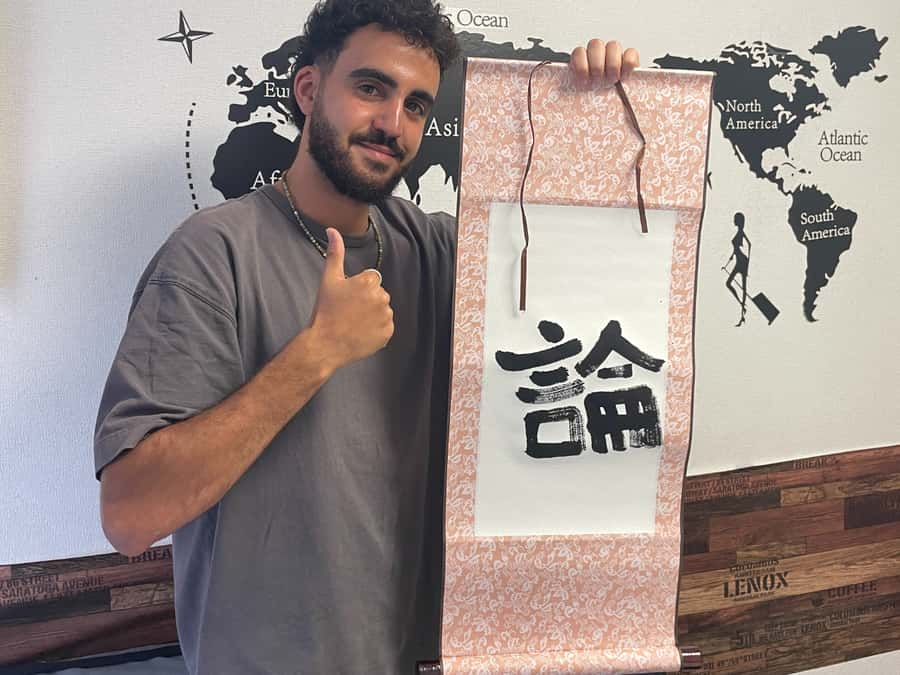
At the end, the work is placed on a hanging scroll, which is included. This turns your practice into something easier to keep and display, and gives the session a clear finish. It also makes the souvenir personal: the scroll carries the Kanji you worked on, rather than a ready-made design picked up from a shop.
Wear a kimono for the keepsake photo
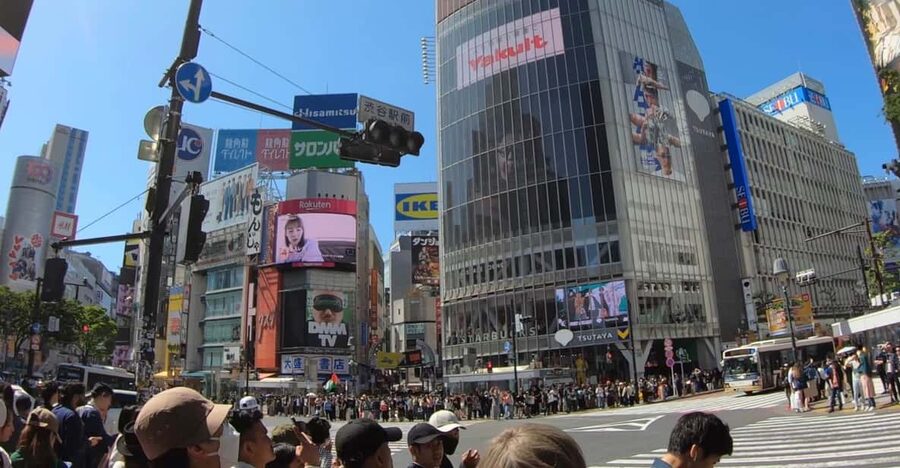
The experience includes a photo with your finished art while wearing a kimono. It’s a simple but appealing way to mark the occasion, especially if you want a picture that connects the calligraphy with another part of traditional Japanese culture.
The supplied schedule does not explain how kimono dressing works, how long the photo portion takes, or whether there are different options. It does describe the photo as part of the experience, so check the details of your selected plan if the clothing or portrait element is a deciding factor. The main activity remains the calligraphy workshop, and the photo is best seen as a finishing touch rather than the reason to book.
More tours and experiences in Tokyo:
- Mt Fuji and Hakone 1-Day Bus Tour Return by Bullet Train
★ 5.0 · 26,383 reviews - 1-Day Tokyo Bus Tour
★ 5.0 · 14,250 reviews - Tokyo: teamLab Planets TOKYO Digital Art Museum Entry Ticket
★ 4.6 · 9,779 reviews - Mt Fuji & Hakone Cruise, Drum Show Bullet Train 1 Day from Tokyo
★ 4.0 · 7,413 reviews
Choose a Tokyo location with care
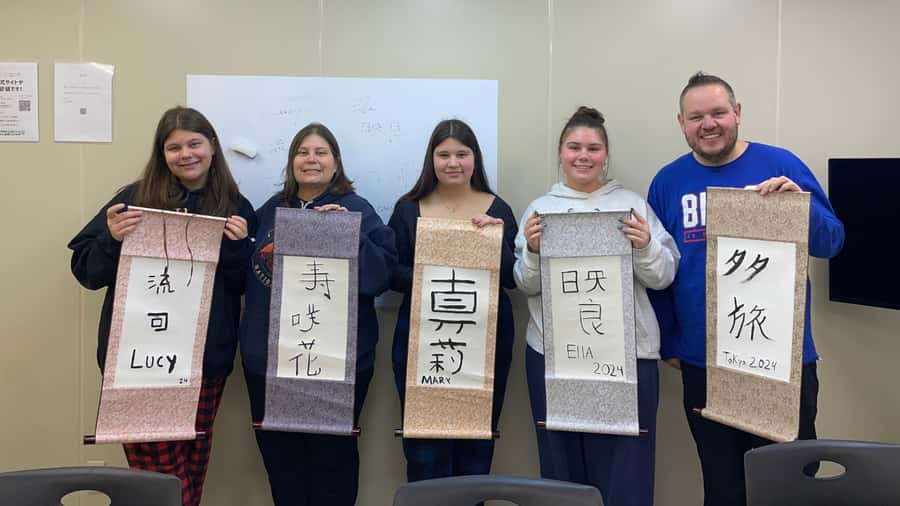
For a SHODO-only plan, you can request a session in Shibuya, Shinjuku, Asakusa, or Akihabara. These choices let you fit the activity around the part of Tokyo you want to explore. The experience highlights Tokyo’s energetic areas, but the actual neighborhood depends on the location you select.
If you have no location preference, the session is set at Hiroo Station. The meeting information also gives Exit 2 as the start point, and says the activity ends back at the meeting point. Since the station name is not attached to that exit detail, confirm the exact meeting location in your booking correspondence rather than relying on Exit 2 alone.
If location matters to your plans, send your preferred place and time slot by email when required for the SHODO-only option. Train travel is not included in the price, so allow for the cost of getting to your chosen location and back. The activity does not describe transportation between neighborhoods, so plan to reach the meeting point independently.
What the $67 price covers
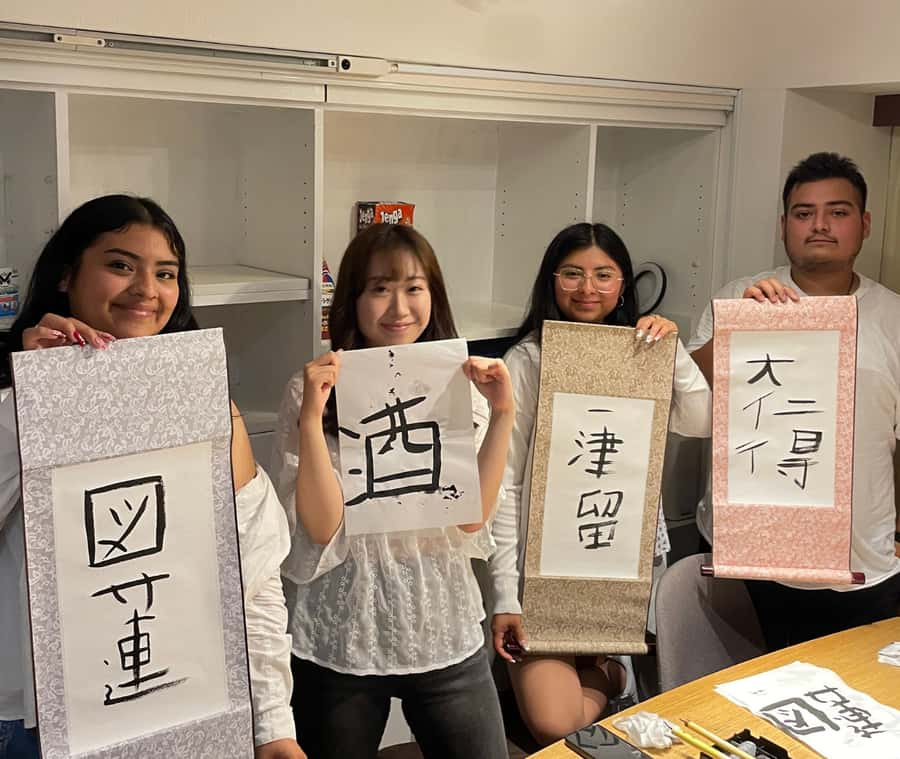
At $67 per person, the price includes the Zen entrance fee, the workshop, and hanging scrolls. The value rests mainly in the two-hour calligraphy session and the chance to create a personal work with a teacher’s guidance. You’re paying for an activity with a take-home result, not simply access to a cultural site.
The price does not include train fares or the cost of a light meal or snack. Keep those expenses in mind if you’re arranging a full day around the session. Cash is listed as something to bring, though no specific amount or reason for needing it is provided.
The small number of available written impressions means it’s wise not to treat the five-star rating as a guarantee that every session will suit every person. Still, the specific praise for a supportive teacher is relevant to an activity where patient feedback can make the difference between a frustrating first attempt and an enjoyable one.
Who will enjoy this experience most
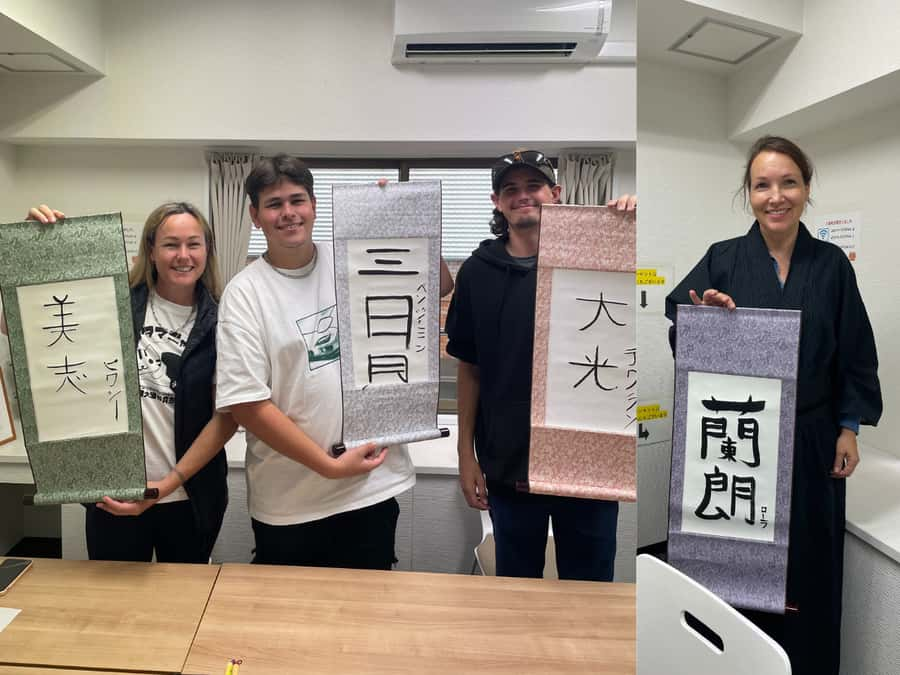
I’d consider this a good fit if you want a hands-on cultural activity and like the idea of bringing home something you made yourself. It should suit people curious about Kanji, calligraphy, or Zen practice, especially those who are happy to spend time refining a piece rather than racing through a checklist.
It may be less appealing if you want a lively, conversation-heavy lesson or if you need the exact meaning of your name rendered in Kanji. The activity offers suggestions that suit you, but does not promise a direct translation. Its silent format is also important: watching the preparatory video first will help you decide whether the mood sounds right.
Families or groups considering the experience should check with the provider about age suitability and how the session is arranged. The available information does not specify age limits, group size, or whether the session is private. Those details could matter if you’re booking for several people or have particular needs.
Should you book this calligraphy session?
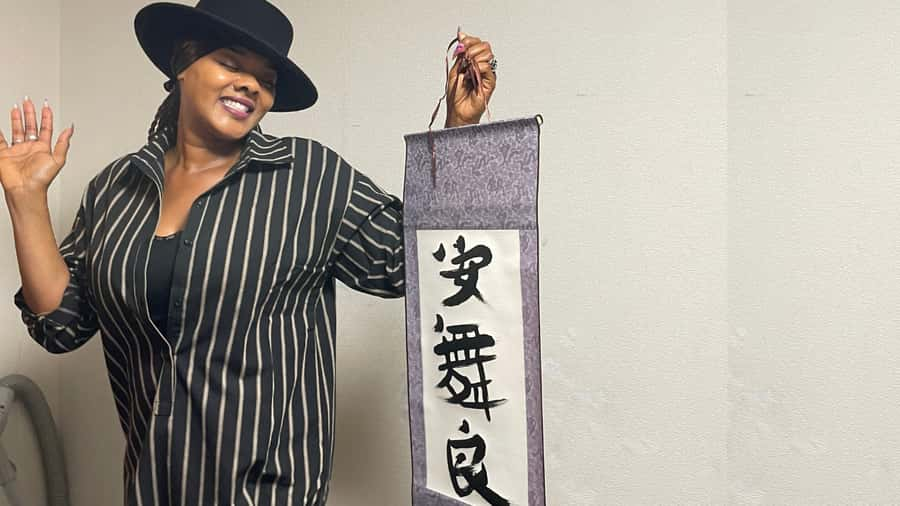
Book it if you want a calm, personal activity with time to practise and a keepsake that comes from your own work. The combination of a Zen introduction, teacher-suggested Kanji, a two-hour calligraphy session, and a finished hanging scroll gives the experience a clear purpose. The kimono photo adds a memorable visual record.
Pause before booking if silence would make the session uncomfortable, or if you expect a direct translation of your name. Read the emailed video before you go, confirm the plan and meeting location, and ask about any details that matter to you. At $67, it offers reasonable value for a guided creative session with a take-home piece, provided the quiet format and personal approach are what you’re looking for.
FAQ
How long does the calligraphy session last?
The calligraphy workshop is described as lasting two hours.
What is included in the $67 price?
The price includes the Zen entrance fee, the workshop, and hanging scrolls.
Are train fares included?
No. Train travel expenses are not included.
Is food included?
No. The cost of a light meal or snack is not included.
What should I bring?
Cash is listed as something to bring.
Which languages are available?
English and Japanese are listed.
Where does the SHODO-only plan take place?
You can request Shibuya, Shinjuku, Asakusa, or Akihabara by email. If you have no preference, the location is Hiroo Station.
What should I know about the Zen portion?
You should watch the video sent by email before joining. The day is described as silent.
Where does the activity end?
It ends back at the meeting point.
Freshly reviewed in Tokyo
- Tokyo: Toshimaya Sake Brewery Tour with Sake Tasting★ 5.0 · 6 reviews
- :Tokyo,Shibuya /Meiji Shrine tour in KIMONO/English-friendly★ 5.0 · 4 reviews
- Tokyo: Tour Privado por Tokio en español★ 4.3 · 4 reviews
- Tokyo:Tea ceremony experience at Komaba Warakuan★ 4.8 · 9 reviews
- :Tokyo,Shibuya/ Pro Photography in Kimono / English-Friendly★ 5.0 · 26 reviews
- Tokyo:Samurai Training : Swords, Bushido & Mental Discipline★ 5.0 · 6 reviews
- Tokyo:Nikko UNESCO World Heritage Sites Private 1-Day Tour★ 3.8 · 6 reviews
- Tokyo:Mt Fuji & Hakone Day Tour with English Speaking Driver★ 5.0 · 26 reviews
Tokyo Calligraphy Workshops, compared.
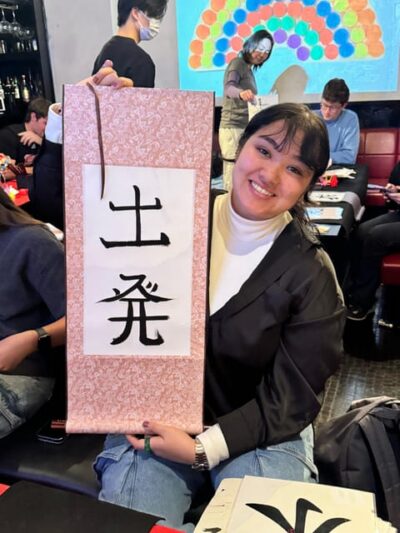
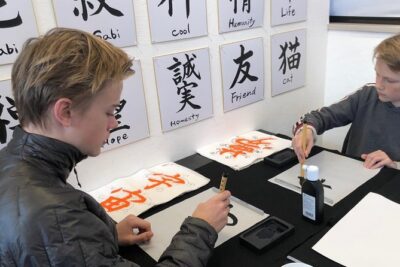
Let’s experience calligraphy in YANAKA, Taito-ku, TOKYO !!
Read our review →
Calligraphy Workshop & Original T-Shirt Creation
Read our review →
Calligraphy &Make your original folding fan in Asakusa
Read our review →
Calligraphy Workshop Craft Your Own Art in Asakusa
Read our review →
Calligraphy & print your calligraphy on a T-shirt.
Read our review →Browse the lists this tour appears in