
Reviewed · TOKYO RAMEN TOURS
Tokyo: Ramen Tasting Tour with 6 Mini Bowls of Ramen
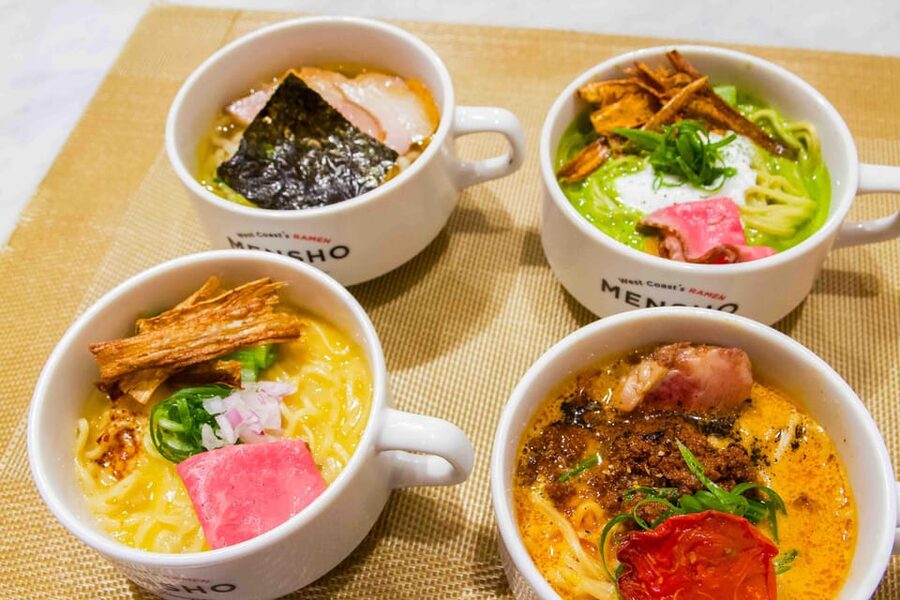
Six mini bowls, three ramen shops, and a choice of 11 or 12 styles: this is a tasting tour built for comparing, not just eating. You sample regional and modern ramen, then learn how broth, noodles, and preparation shape each bowl.
I like two things in particular: you choose the six bowls, so you can follow your curiosity, and the guide gives context that makes each taste easier to understand. Guides such as Bunga, Sahori, Makayla, and Daisy have led tours, with a tablet or handouts helping explain ramen’s history and styles.
The trade-off is the price: $122 per person is a lot for ramen, even with six tastings and a drink included. You also walk about 3 kilometers, and six small bowls can add up to a full meal.
At a glance
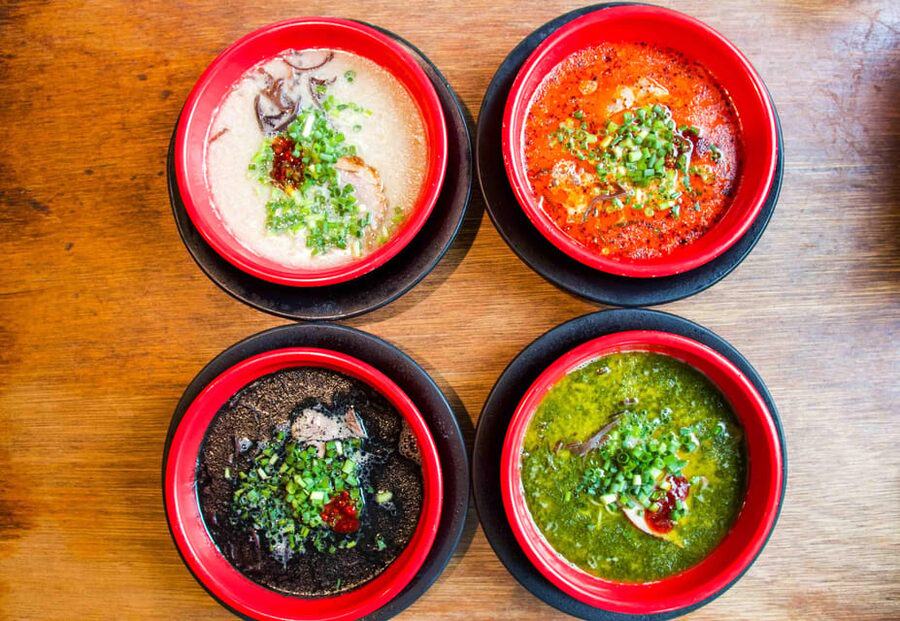
- Six tastings, not six full meals: Each mini bowl is about one quarter the size of a regular serving.
- Choose from 11 to 12 styles: The selection varies by route and can include classics, regional varieties, and newer combinations.
- Three different ramen shops: Each stop offers its own style, so the contrasts are part of the point.
- Route options vary: Shibuya, Shinjuku, and Ueno styles appear in the route descriptions. Check the option you book for the meeting point and finish.
- Small group, substantial walk: Groups are limited to eight, and the route covers about 3 kilometers on foot.
- Not suitable for plant-based diets: The broths contain chicken, pork, and fish. A separate vegan and vegetarian tasting tour is offered.
Six small bowls make room for variety
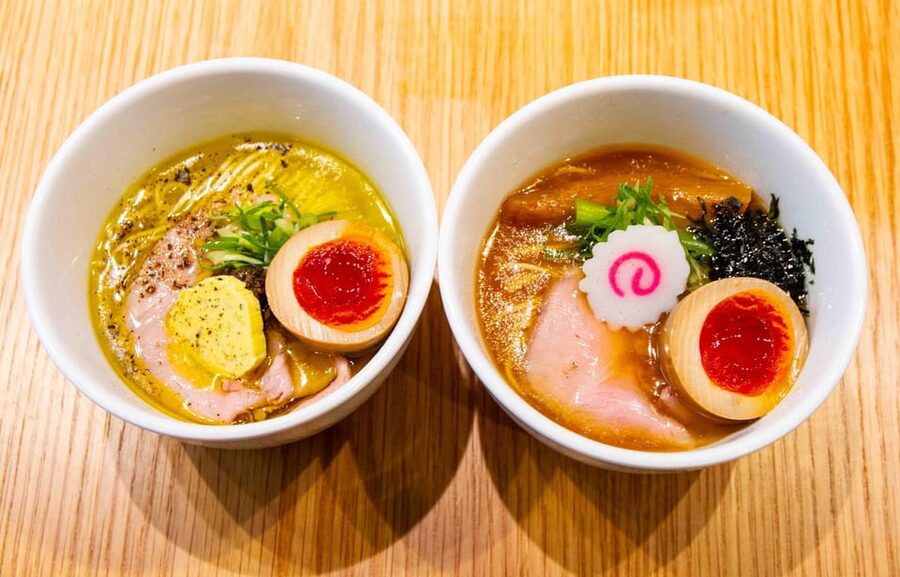
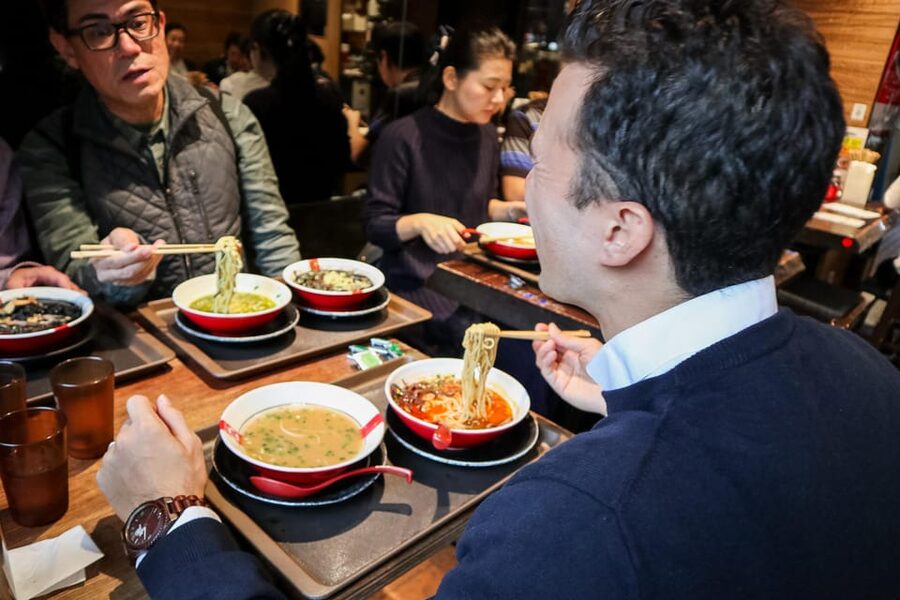
A full bowl of ramen is a commitment. Six of them would be a challenge even for a devoted noodle fan. Here, each serving is about a quarter of a regular bowl, leaving room to compare styles without turning the afternoon into a contest of appetite.
At each of three shops, you generally choose two mini bowls. The total is six, selected from a menu of 11 or 12 options. The exact mix depends on the route and the shops in service that day, but the idea stays the same: move beyond one familiar bowl and notice what changes when the broth, noodle, or seasoning shifts.
The small portions are not a token taste. They let you try styles you might otherwise pass over when faced with a full serving. One past selection has included squid ink, curry, and pesto alongside more familiar tonkotsu and miso. Those unusual options will not necessarily appear on every tour, but the range is a useful clue: ramen can be far more varied than the standard pork-broth bowl many visitors picture.
More ramen tours in Tokyo:
- Eat and Drink Like a Local: Tokyo Ueno Food Tour-Taverns&Ramen
★ 5.0 · 957 reviews - Ramen & Gyoza Cooking Class in Tokyo with Local Supermarket Visit
★ 5.0 · 823 reviews - Tokyo: Easy Ramen Cooking Experience in Kabukicho, Shinjuku
★ 4.6 · 321 reviews
Three shops, three distinct styles
The tour visits three ramen shops, each with a different approach. The routes are organized around particular Tokyo areas and styles, so the experience is not one fixed menu.
On the Shibuya route, the progression includes classic Hokkaido ramen, a fusion tonkotsu made with pork-bone broth, and savory curry ramen. That sequence gives you a useful contrast between a regional classic, a rich pork-based style, and a bowl with a different seasoning profile. Shibuya also adds an urban walking component, and the route has been described as a good way to see the neighborhood between meals.
The Shinjuku route pairs classic Tokyo ramen with modern tori paitan, a rich chicken ramen, then a luxurious chicken or fish ramen. For a first-time taster, the contrast between an older Tokyo style and a thicker, newer chicken broth makes this route especially easy to follow. The final bowl gives you another chance to compare how different proteins and preparations shape the soup.
The Ueno route features classic Kyushu ramen, contemporary tsukemen, and modern Tokyo ramen. Tsukemen is served as dipping ramen, so the noodles and broth are presented separately. That change in format makes it a particularly useful stop for understanding that ramen is not defined by one serving style.
The shops are described as award-winning, and guides have taken groups to places that can be easy to miss if you are choosing restaurants without local context. The benefit is not simply a meal at a popular address. It is having someone explain what is distinctive about the bowl in front of you, then walking on to compare it with something quite different.
A short lesson between the slurps
The educational part is practical rather than academic. Your English-speaking guide uses colorful slides or handouts to explain ramen’s origins, its types, and how it is prepared. Some guides use a tablet to make the presentation visual, which helps when the subject includes regional names and unfamiliar techniques.
That background matters because ramen menus can seem like a wall of terms when you are new to them. Learning the difference between tonkotsu, tori paitan, and tsukemen gives you a framework for ordering later in your trip. You are not expected to become a noodle scholar in three hours, but you should leave better able to recognize what you like and ask more useful questions.
The strongest part of the tour, judging by the way it is structured, is the combination of explanation and tasting. A description of broth can be abstract; tasting several styles close together makes the differences more obvious. Guides also answer questions, and some share broader Tokyo tips along the way. If you are curious about Japanese food beyond ramen, use the walk to ask what else the guide recommends.
Guides vary by date. Names associated with the tour include Bunga, Sahori, Makayla or Michaela, Daisy, Manny, and Brian. The names matter less than the role: a good guide keeps the meal moving, explains the choices clearly, and makes it easier to try a style you might not have ordered alone.
Walking is part of the meal
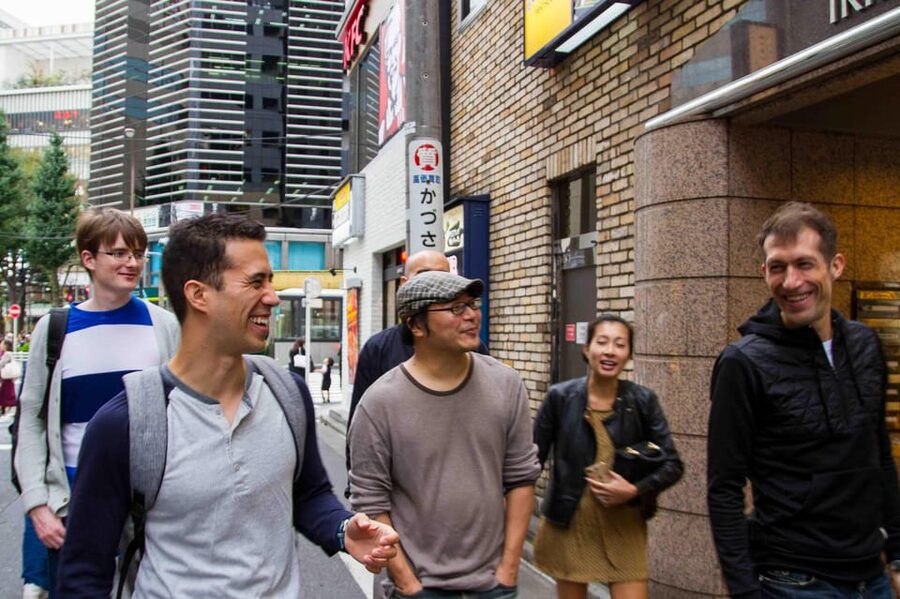
Plan for about 3 kilometers of walking over the three-hour tour. The distance helps break up the tastings, but it is still a meaningful walk, especially if you are tired or have spent the day on your feet. The activity information says it is not recommended for people with a low level of fitness.
The route may involve walking between shops and train travel if needed. Any train ticket required is not included in the price. The walk can be a plus if you want to see more of the neighborhood rather than shuttle from one restaurant to another, but do not mistake this for a seated food event.
The route and endpoint can vary with the option and day. The tour information describes a Shibuya start with an end in Ebisu or Shinjuku, while the route choices also include Ueno. Check the meeting details for the specific tour you are booking rather than assuming every departure follows the same path.
More food and drink experiences in Tokyo:
- Tokyo: Shinjuku Food Tour (13 Dishes at 4 Local Eateries)
★ 5.0 · 6,603 reviews - Tokyo Tsukiji Fish Market Food and Culture Walking Tour
★ 5.0 · 3,184 reviews - Tokyo: Shinjuku Food Tour (15 Dishes and 4 Eateries)
★ 4.9 · 2,033 reviews - Best of Shinjuku: Izakaya Food Tour (4 Stops, 14+ Tastings)
★ 5.0 · 1,863 reviews
Is $122 fair value for a ramen tour?
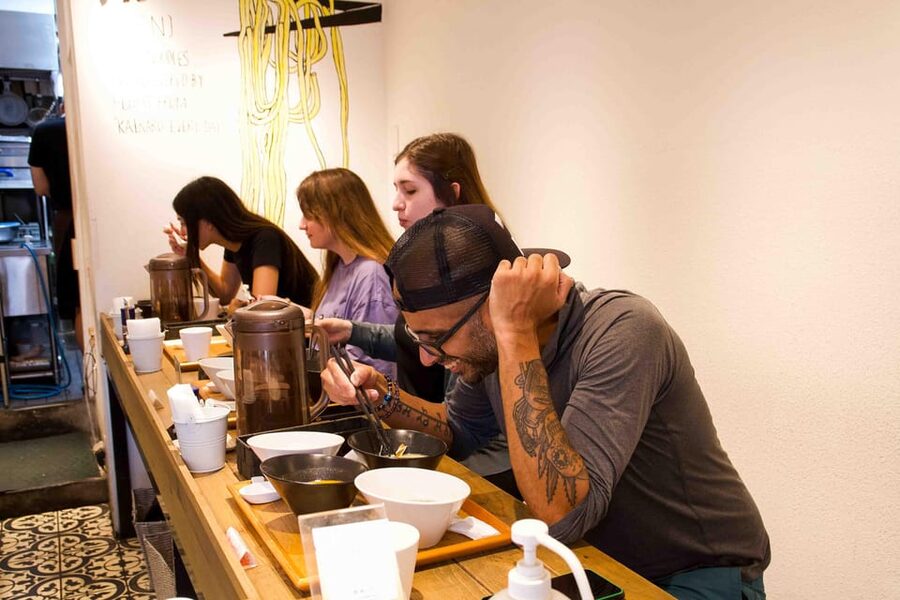
At $122 per person, this is not a bargain meal. You could spend less by ordering a bowl on your own, and the tour is not the right choice if your main aim is to eat the largest possible portion for the lowest cost.
The value comes from the range: six mini bowls at three different shops, the freedom to choose from 11 to 12 options, an included drink, and an English-language guide who explains the styles. You are also paying for a route that connects different restaurants and for access to choices you may not know how to find or order independently. One tasting can introduce you to a kind of ramen that changes what you look for on the rest of your trip.
For someone who already knows the Tokyo ramen scene and is comfortable navigating menus, the fee may feel steep. For a first visit, or for a serious ramen fan who wants to compare styles efficiently, the guided format can make the cost worthwhile. Small-group size is capped at eight, which should allow for questions without making the tour feel like a large food convoy.
One drink is included. Train fares, if required, are extra. Keep both details in mind when comparing the tour with a self-guided meal.
Come hungry, but do not expect to leave peckish
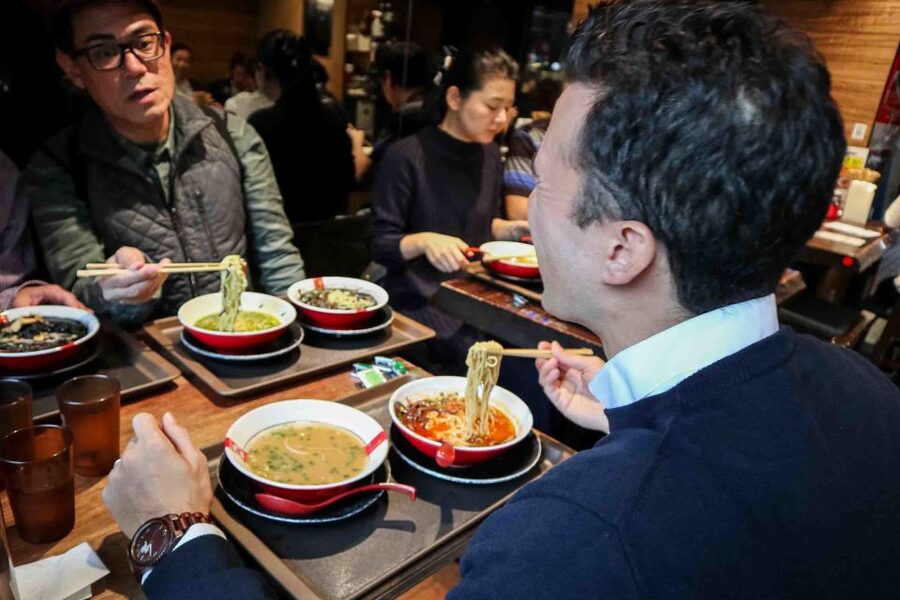
Six bowls may be small, but they add up. Several people have found the full tasting substantial, and the walking does not guarantee you will have room for another dinner afterward. I would plan this as a main meal and keep lunch light.
This is a useful tip if you are traveling with children, too. A nine-year-old has taken part with a family, and the tour is built around tasting rather than finishing large servings. Still, the pace includes walking and three restaurant stops, so consider whether the child in your group is happy to keep moving and try unfamiliar flavors.
The small format does make the meal more manageable than six full bowls. You can taste carefully, compare, and still enjoy the later stops. But if you have a small appetite, you may want to share or leave some broth rather than feel obliged to finish every serving.
Important dietary limits
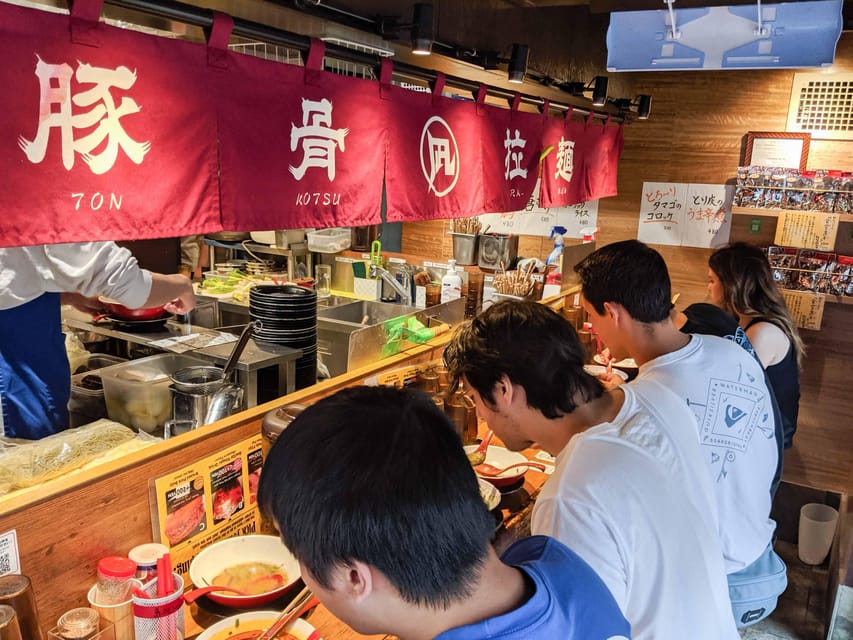
All the ramen broths contain chicken, pork, and fish. That rules out the tour for vegans and vegetarians, even if an individual bowl looks as though it might be meat-free. A separate vegan and vegetarian ramen tasting tour is available.
If you have other dietary requirements, the information provided does not confirm what substitutions or accommodations can be made. Ask the operator before booking rather than assuming a particular bowl can be changed.
Who will get the most from it?
This tour makes the most sense if ramen is more than a convenient lunch to you. You do not need to know the difference between regional styles in advance. In fact, the guided tasting is most useful if you are curious but still find Japanese ramen menus hard to decode.
It suits visitors who want to sample several flavors in one outing, enjoy learning as they eat, and are comfortable walking between stops. It can also work well early in a Tokyo stay: you will have a better sense of what to seek out afterward, and the guide may offer useful local food suggestions.
It is less suited to someone focused on the lowest meal cost, anyone who dislikes walking, or anyone who needs a plant-based broth. It may also be a poor fit if you are already planning a large dinner immediately afterward. The servings are mini, but six tastings are still six tastings.
Should you book?
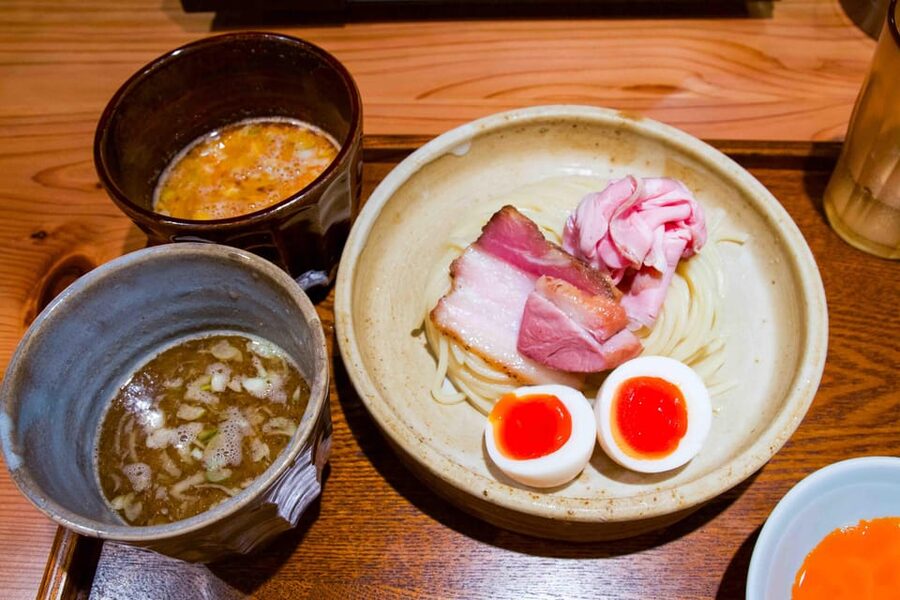
Book this if you want a guided introduction to ramen styles and would rather compare six small bowls than commit to one large bowl at a time. The strongest reasons are the variety, the explanations, and the chance to try styles you might not have found or ordered on your own.
Skip it if budget is your main concern, if you cannot manage the walk, or if you need vegan or vegetarian broth. Before booking, check whether your route is Shibuya, Shinjuku, or Ueno and confirm the meeting point. If you do go, treat it as a meal, not a snack, and arrive ready to walk and taste.
FAQ
How long is the ramen tour?
The tour lasts three hours.
How many bowls of ramen are included?
Six mini bowls are included. Each is about one quarter the size of a full ramen bowl.
Can I choose which ramen to try?
Yes. You choose six bowls from a selection of 11 to 12 options.
How many ramen shops does the tour visit?
The tour visits three ramen shops, each with its own style.
Which Tokyo neighborhoods are included?
Route descriptions include Shibuya, Shinjuku, and Ueno. The meeting point and route depend on the option booked.
Is a drink included?
Yes. One beverage is included.
Is the tour suitable for vegans or vegetarians?
No. The ramen broths contain chicken, pork, and fish. A separate vegan and vegetarian ramen tasting tour is available.
How much walking should I expect?
The tour involves about 3 kilometers, or 1.86 miles, of walking. It is not recommended for people with a low level of fitness.
Are train tickets included?
No. A train ticket, if required, is not included.
Freshly reviewed in Tokyo
- Tokyo: Toshimaya Sake Brewery Tour with Sake Tasting★ 5.0 · 6 reviews
- :Tokyo,Shibuya /Meiji Shrine tour in KIMONO/English-friendly★ 5.0 · 4 reviews
- Tokyo: Tour Privado por Tokio en español★ 4.3 · 4 reviews
- Tokyo:Tea ceremony experience at Komaba Warakuan★ 4.8 · 9 reviews
- :Tokyo,Shibuya/ Pro Photography in Kimono / English-Friendly★ 5.0 · 26 reviews
- Tokyo:Samurai Training : Swords, Bushido & Mental Discipline★ 5.0 · 6 reviews
- Tokyo:Mt Fuji & Hakone Day Tour with English Speaking Driver★ 5.0 · 26 reviews
- Tokyo:Nikko UNESCO World Heritage Sites Private 1-Day Tour★ 3.8 · 6 reviews
Tokyo Ramen Tours, compared.

Eat and Drink Like a Local: Tokyo Ueno Food Tour-Taverns&Ramen
Read our review →
Ramen & Gyoza Cooking Class in Tokyo with Local Supermarket Visit
Read our review →
Easy Ramen Cooking Experience in Kabukicho, Shinjuku
Read our review →
Ramen and Sushi Cooking Class with Sake Pairing Set in Tokyo
Read our review →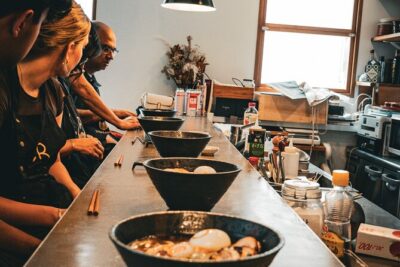
Professional Ramen & Gyoza with Ramen Chef in a restaurant!
Read our review →
Ramen Dojo Tokyo | Make All 3 (Tonkotsu/Shoyu/Miso)
Read our review →
Mt. Fuji & Hakone: Fuji Sengen Shrine, Cruise, and Ramen-Making
Read our review →Browse the lists this tour appears in