
Reviewed · TSUKIJI FISH MARKET TOURS
Tokyo: Guided Walking Tour of Tsukiji Market with Lunch
Tsukiji is best understood with your appetite switched on. This small-group walk takes you through the Outer Market’s stalls and food shops, with nine tastings along the way and a guide to help make sense of a crowded place where the most interesting things are often happening at counter height.
I like two things in particular: the guide helps you navigate the market, and the food comes with context about Japanese culture and cuisine. The opening stop at Tsukiji Hongwanji also adds a striking architectural note before the tastings begin.
One caution: this is a market walk with samples, not a guaranteed feast of premium portions. The food choices can be ordinary or uneven, and the route covers a fairly small area, so the $113 price makes most sense if you value the guide’s explanations as much as the bites.
Key points before you book
- Nine tastings make up the lunch: Expect a mix of seafood, meat, rice, sweets, tea, and dashi, rather than one sit-down meal.
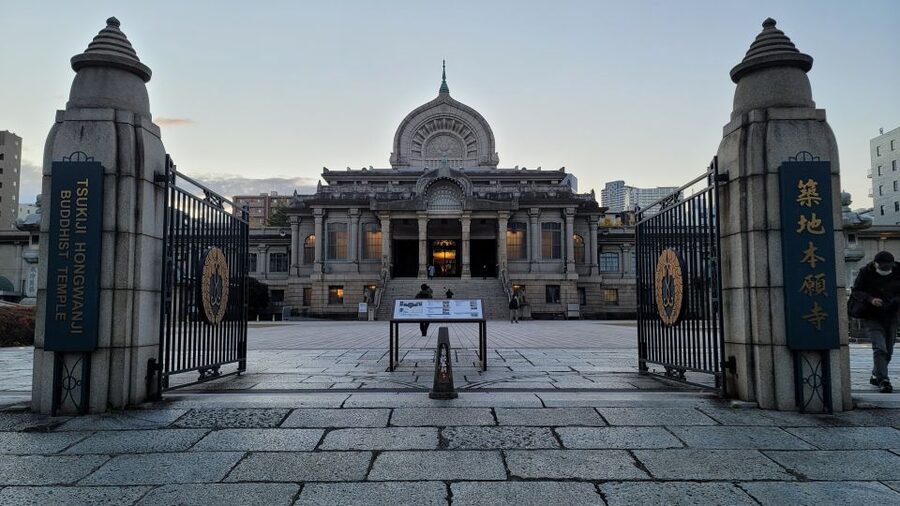
- The route starts at Tsukiji Hongwanji: You meet outside the temple, whose unusual Indian-inspired Buddhist exterior is viewed from outside.
- A guide is useful in the market: The walk takes you among stalls, shops, restaurants, and market workers, with help choosing and finding food.
- The group is limited to 10: That is a sensible size for moving through narrow, busy market streets.
- Budget about 2 hours and 45 minutes: The tour lasts 165 minutes, so leave room for it in your day.
- You are paying for more than food: The strongest value comes from combining tastings with local context and help navigating Tsukiji.
Starting at Tsukiji Hongwanji Temple

The meeting point is in front of Tsukiji Hongwanji Temple, a short walk from Tsukiji Station on the Hibiya Line. From Exit A1, turn left; the entrance is about 50 meters away. Comfortable shoes are a good idea, since the tour involves walking and standing in a market area.
The temple is a useful first stop because its exterior looks unlike the image many visitors have of a Japanese Buddhist temple. Its design draws on ancient Indian architectural forms, making it an eye-catching introduction to the connection between religion and Japanese life. The tour views the temple from outside, so think of this as an architectural and cultural pause, not a temple interior visit.
I like this opening because it gives the walk a wider frame. The tour is about food, but not food alone: it also aims to show how culture and religion connect with what people eat. The temple helps set that tone before you enter the market.
More Tsukiji market tours in Tokyo:
- Tokyo Tsukiji Fish Market Food and Culture Walking Tour
★ 5.0 · 3,184 reviews - Tokyo: Tsukiji Fish Market Food and Walking tour
★ 5.0 · 1,724 reviews - Tokyo: Tsukiji Fish Market Guided Walking Tour
★ 4.9 · 1,397 reviews
Finding your way through Tsukiji Outer Market
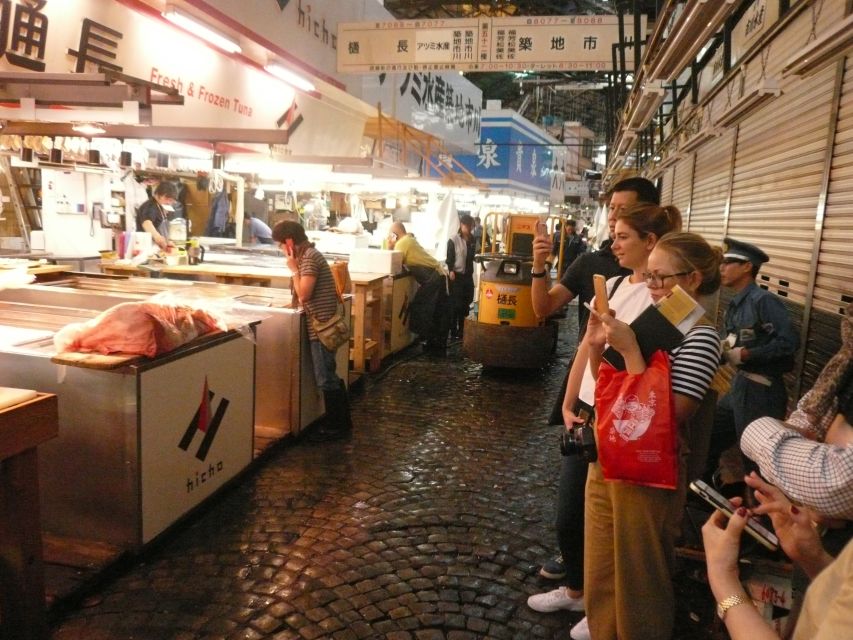
From the temple, the guide leads you into Tsukiji Outer Market, a major destination for food lovers and part of a market district known for its wholesale fish trade. You pass restaurants, shops, stalls, and other businesses while watching the people who keep the market moving. The appeal is not only what is for sale, but the work and routines around it.
This is where a guide can make a real difference. Market streets can feel confusing when you are looking at unfamiliar products, trying to choose a stall, and keeping pace with the crowd. A guide can direct your attention to unusual goods and explain what you are seeing, rather than leaving you to guess your way through.
The small-group format matters here. With no more than 10 participants, the group is less cumbersome than a large tour, though you are still moving through an active market where space is limited. You should expect the guide to set the pace and keep the group together, not to give you a long stretch of independent browsing.
Past tours have been led by guides including Hide, Tomoko, and Yumiko. The names are useful context, not a promise about who will lead your departure. The qualities that matter most are a relaxed manner, clear explanations, and practical help with the market. One guide, Tomoko, was especially helpful in handling stall queues while the group explored; her assistant also brought food boxes and cleaning wipes to keep the tasting stops tidy. Those touches are not guaranteed, but they show how hands-on guiding can improve a food walk.
Nine tastings, not nine full courses
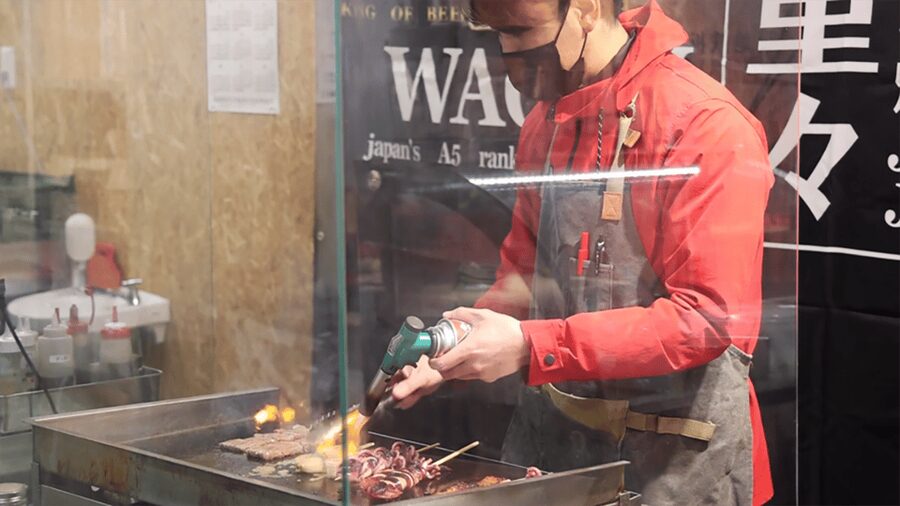
The tour includes nine local specialties. The announced range covers grilled seafood or beef skewers, Japanese-style omelette, tuna sushi, fried fish paste skewers, filled rice balls, a dessert, a drink, Japanese tea, and dashi soup stock. The precise food experience may vary, but this list gives you a fair idea: several small bites, not a full restaurant lunch.
That distinction is important when judging the price. Nine tastes can introduce you to different textures and flavors, but sample portions may not satisfy a big appetite. If you expect a substantial meal built around top-grade sushi or wagyu, you may come away disappointed. The advertised possibilities include wagyu beef, but the tasting list also allows for grilled seafood, and there is no basis to expect a large serving of any one item.
The assortment is part of the tour’s appeal. You get more than fish: omelette, rice, fried fish paste, dessert, tea, and soup stock broaden the picture of Japanese food. Dashi, in particular, is a useful taste to encounter because it is a basic soup stock used in Japanese cooking. The tour lets you sample it rather than only hearing the word explained.
Still, food is subjective, and the quality of a street-food stop can vary. Some people may find the tuna sushi and tuna-mayo rice ball familiar or plain; others may enjoy having easy-to-eat samples while they move through the market. Grilled items can be rich or oily, and a dessert described only as a sample should not be mistaken for a carefully plated finale.
I would approach the tastings with curiosity rather than a checklist of luxury ingredients. The point is to try a selection of everyday market foods and learn what they are, not to compare each bite with a high-end restaurant meal. If food is your only reason for booking, the value is less certain. If you enjoy hearing why a dish matters and trying things you might not select on your own, the mix makes more sense.
Market culture beyond the menu

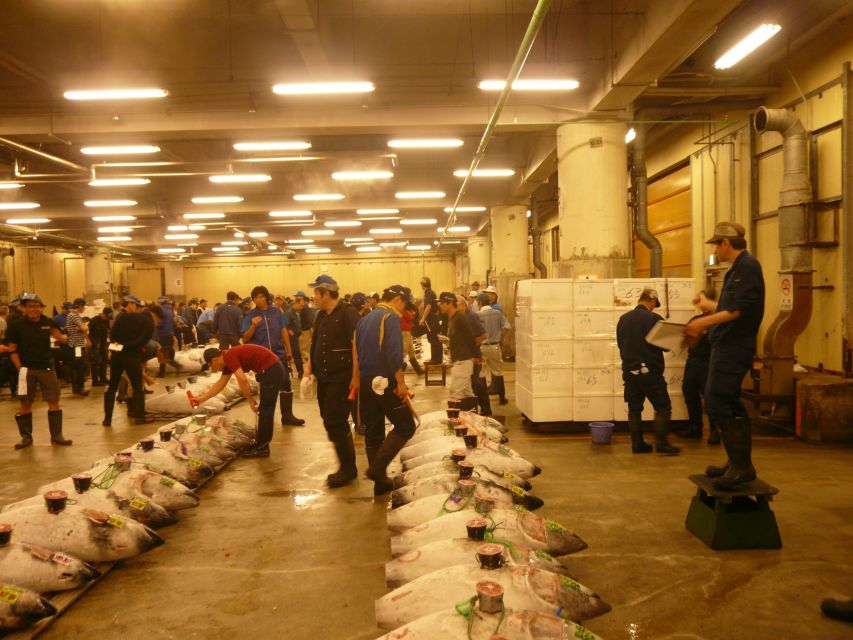
The tour’s most useful contribution may be its explanations. Tsukiji is not simply a row of places to buy snacks; it is a working food district, with experienced wholesalers and other market workers carrying on their business. The tour lets you observe that activity while a guide offers context about the area and its customs.
That does not mean you should expect access to every work area or a close-up demonstration of wholesale trade. The experience is a guided walk through the Outer Market, passing businesses and observing workers as they go about their jobs. For visitors who want to see the practical side of Tokyo’s food culture, that is a more grounded experience than simply dropping in for one snack and leaving.
The cultural angle also helps explain why a food tour can be worthwhile even if the portions are modest. A guide can connect ingredients, habits, and places in a way that makes the market easier to understand. Several past guides have been praised for explaining local history and the culture around the market, and for helping visitors see the area differently, even when they had been there before.
More walking tours in Tokyo:
- Tokyo: Imperial Palace and Shogun Historical Walking Tour
★ 5.0 · 2,251 reviews - Tokyo: Shinjuku Local Bar and Izakaya Guided Walking Tour
★ 4.9 · 1,794 reviews - Tokyo: Asakusa Walking Tour with Sensoji Temple Visit
★ 4.8 · 1,583 reviews - Tokyo Castle & Imperial PalaceーShogun Walking Tour
★ 4.7 · 1,068 reviews
What the price buys you
At $113 per person, this is not a bargain lunch. You are paying for a 165-minute guided walk, nine tastings, and a small group capped at 10. It is a stronger value for someone who wants help making sense of Tsukiji than for someone who simply wants the cheapest way to eat sushi.
Think of the guide as the main value and the food as part of the experience. A guide who knows how to move the group through the market, explain what is on offer, and keep the stops organized can save you the friction of making every decision alone. Some past tours have included practical help with queues and carrying food, but the exact style of assistance depends on the guide and should not be treated as a fixed feature.
The trade-off is that the route is fairly compact. You are not covering a broad sweep of Tokyo, and the tour’s 165 minutes are spent around the temple and market. If you want a wide-ranging city walk or a long restaurant lunch, this is not the right format. If you want a focused introduction to Tsukiji, the limited area lets you spend time noticing details rather than rushing between distant sights.
Who will enjoy this walk most
This tour suits first-time visitors who would rather have an expert guide them through a busy food district than work out each stop alone. It also suits curious eaters who like trying several kinds of food, including small portions, and want more than a list of places to eat.
Families may appreciate the guided structure and variety of samples, though tastes and appetites vary. One family group described the experience as especially enjoyable, but the food is not tailored to individual preferences in the information provided. If you are travelling with someone who is a picky eater, check whether the listed items appeal before booking.
Returning visitors can also get something from the walk if they want market history and cultural context. A past visitor who had already been to Tsukiji found the guide’s explanations offered a different perspective. That is a good reason to book again, but only if you want interpretation, not just more time to shop.
The tour is wheelchair accessible, and the language is English. Because it is a walking tour through a market, the listed advice is simple: wear comfortable shoes. Check available starting times when booking, since the duration is fixed but departure times depend on availability.
Should you book the Tsukiji market tour?
Book this if you want a guided introduction to Tsukiji, value local context, and enjoy sampling a range of Japanese foods in small portions. The temple, market workers, and nine tastings give the walk a useful mix of architecture, daily commerce, and food.
Skip it if your main aim is a lavish sushi lunch, a large meal, or a wide-ranging tour of Tokyo. At $113, the food alone may not justify the cost, especially if you are comfortable choosing your own stalls. For a first visit, though, the guide’s navigation and explanations can make the market more legible and the time there more rewarding.
FAQ
How long is the tour?
The tour lasts 165 minutes, or 2 hours and 45 minutes.
Where does the tour meet?
Meet in front of Tsukiji Hongwanji Temple. From Tsukiji Station on the Hibiya Line, take Exit A1 and turn left. The temple entrance is about 50 meters from the station.
What food is included?
The tour includes nine tastings. These may include grilled seafood or beef skewers, Japanese-style omelette, tuna sushi, fried fish paste skewers, filled rice balls, dessert, a drink, Japanese tea, and dashi soup stock.
Is this a full lunch?
The experience is described as a street-food tasting for lunch, but it consists of samples rather than a stated sit-down meal or full-sized portions.
What language is the tour in?
The live tour guide speaks English.
How many people are in the group?
The small group is limited to 10 participants.
Is the tour wheelchair accessible?
Yes, the activity is listed as wheelchair accessible. Comfortable shoes are recommended for the walk.
More market visits in Tokyo
- Tsukiji Fish Market Guided Tour and Sushi Making with Pro Chef
★ 5.0 · 775 reviews - Tokyo: Tsukiji Fish Market Food and Culture Walking Tour
★ 4.7 · 757 reviews - Tsukiji Fish Market: Street Food & Culture Walking Tour
★ 5.0 · 669 reviews - Tsukiji Fish Market Small-Group Food Walking Tour
★ 5.0 · 621 reviews
More tours with lunch in Tokyo
- Tokyo: Mt.Fuji & Lake Kawaguchiko 1-Day Bus Tour w/Optional Lunch
★ 4.5 · 839 reviews - Tokyo: Sumo Experience and Chanko Nabe Lunch
★ 4.8 · 257 reviews - Tokyo: Tsukiji Fish Market Tour with 6 Stops & Seafood Lunch
★ 4.5 · 165 reviews - Tokyo: 1 Day Bus Tour with Meiji-Jingu,Odaiba,lunch&Skytree
★ 4.6 · 156 reviews
Freshly reviewed in Tokyo
- Tokyo: Toshimaya Sake Brewery Tour with Sake Tasting★ 5.0 · 6 reviews
- :Tokyo,Shibuya /Meiji Shrine tour in KIMONO/English-friendly★ 5.0 · 4 reviews
- Tokyo: Tour Privado por Tokio en español★ 4.3 · 4 reviews
- Tokyo:Tea ceremony experience at Komaba Warakuan★ 4.8 · 9 reviews
- :Tokyo,Shibuya/ Pro Photography in Kimono / English-Friendly★ 5.0 · 26 reviews
- Tokyo:Samurai Training : Swords, Bushido & Mental Discipline★ 5.0 · 6 reviews
- Tokyo:Mt Fuji & Hakone Day Tour with English Speaking Driver★ 5.0 · 26 reviews
- Tokyo:Nikko UNESCO World Heritage Sites Private 1-Day Tour★ 3.8 · 6 reviews
Tsukiji Fish Market Tours, compared.
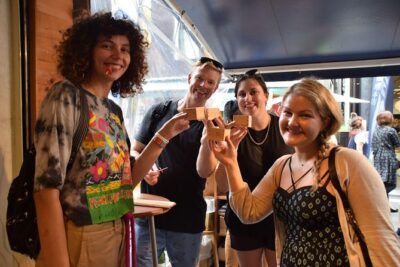
Tokyo Tsukiji Fish Market Food and Culture Walking Tour
Read our review →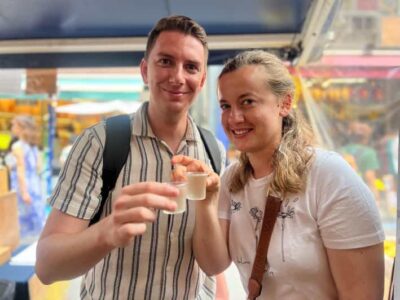

Tokyo Sushi Making Class in Tsukiji with Professional Chef
Read our review →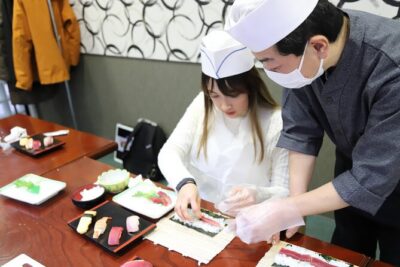
Tsukiji Fish Market Guided Tour and Sushi Making with Pro Chef
Read our review →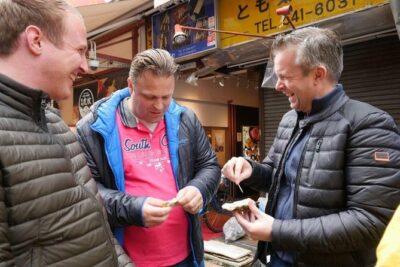
Tsukiji Fish Market Small-Group Food Walking Tour
Read our review →
Tsukiji Fish Market Sushi Making Class with Pro Chef
Read our review →
Tokyo Food Tour Taste Fresh Delights at Tsukiji Market
Read our review →
Private Toyosu & Tsukiji Market Adventure with Tuna Auction
Read our review →Browse the lists this tour appears in