Reviewed · TOKYO TOURS
Tokyo: Traditional Japanese Performing Arts Show and Dinner
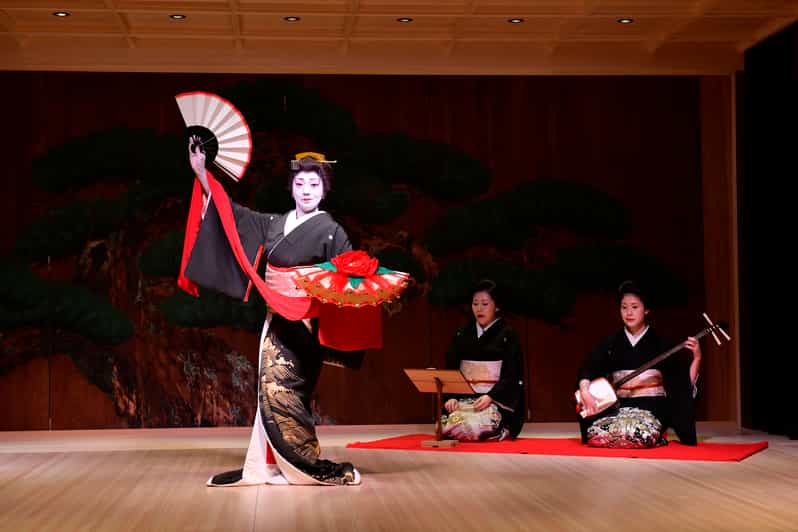
SUIGIAN places a small stage beneath the grounds of Fukutoku Shrine, then builds an evening around a seasonal Japanese dinner and traditional performance. You can expect three short sets, with kagura on certain February and March dates and Nihon-buyo on other listed dates.
I like the way the setting and meal are part of the cultural experience, not just a room and a show: the Noh-style stage, old pine backdrop and historic tableware all add context. I also like that the multi-course meal comes at an unhurried pace, with short performances woven between courses.
The main consideration is time and taste. Allow two to three hours, and come ready for an omakase menu that may include several seafood dishes; tell the restaurant about allergies or dietary needs when you book.
- A stage below Fukutoku Shrine: SUIGIAN is in Fukutoku Garden’s basement in Nihonbashi, close to Mitsukoshi-mae Station.
- Three short performance sets: The program is listed as three sets of about 10 minutes each, with the art form depending on your date.
- A seasonal omakase dinner: Expect a succession of dishes, often including Japanese beef, rice and dessert, followed by matcha and dry sweets.
- Historic serving pieces: Some trays and dishes have a reported history of more than 350 years and come from a restaurant in Nagasaki.
- Four seating options: Choose among four seat categories when booking; the assigned seating depends on the option selected.
- A leisurely, special-occasion evening: The whole experience takes about two to three hours and is intended for children aged 10 and older.
A shrine garden above the stage
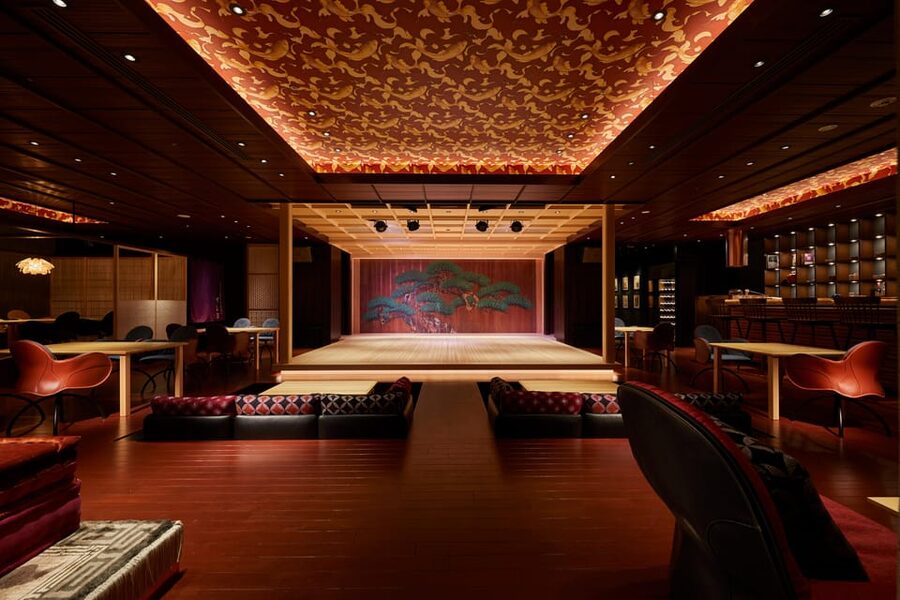
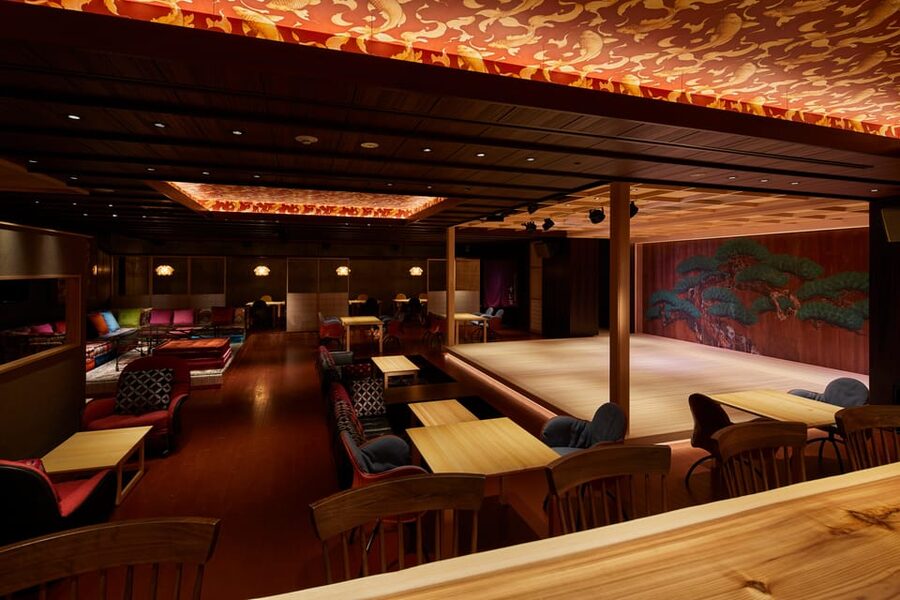
The address sounds like an ordinary city location, but the setting is part of the appeal. SUIGIAN sits in the basement of Fukutoku Garden, beneath the grounds of historic Fukutoku Shrine, in Tokyo’s Nihonbashi district. The restaurant describes itself as a theater-style restaurant and lounge, and the room is arranged around a Noh-style stage with an old pine tree painted as its backdrop.
That blend of traditional forms and a polished restaurant setting helps explain what you are paying for. This is not a large theater production with a long show followed by a quick meal. It is a carefully paced dinner with live arts built into the evening, so you encounter the food, room and performance together.
Finding the entrance may take a moment if you expect a street-level restaurant door. Head for Fukutoku Garden and look for the entrance at the corner of the park, rather than searching only along the street. The restaurant’s address is Fukutoku Garden B1F, 2-5-10 Nihonbashi Muromachi, Chuo-ku.
Choosing a date means choosing a performance
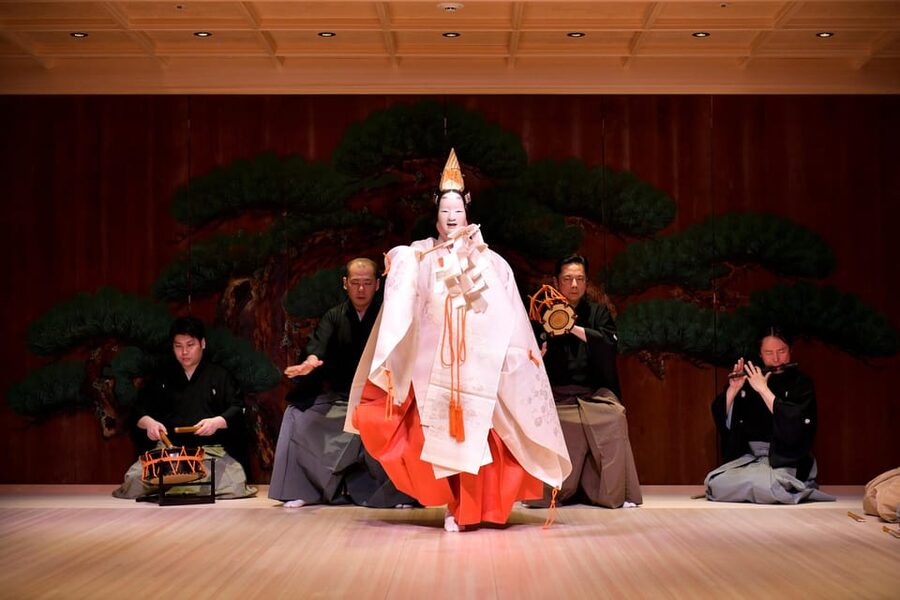
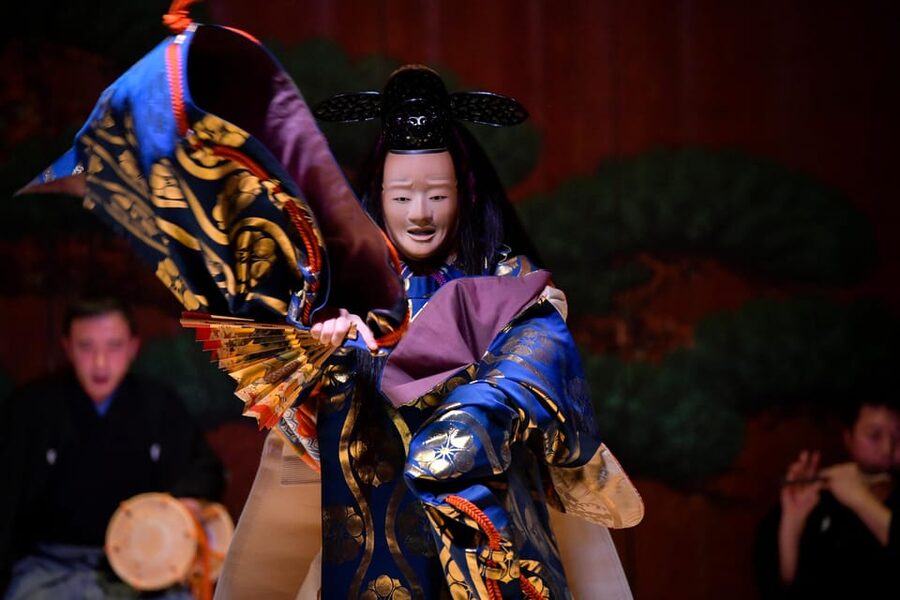
The program changes by day, so check the schedule before booking instead of assuming every evening features the same art. On the listed February and March dates of February 5, 10, 17 and 25, and March 10, 17 and 24, the regular program is kagura, ancient Shinto music and dance. Other days in February and March are listed for Nihon-buyo, traditional Japanese dance.
Each program is presented in three short sets during dinner. The stated estimate is about 10 minutes per set, so think of the performance as a series of concentrated interludes rather than a full-length stage show. One account of the evening describes individual pieces as closer to five minutes, so the exact length may feel brief, but the format leaves room for the meal and a relaxed pace.
The art forms have different associations. Kagura is linked to Shinto ritual and combines music and dance; Nihon-buyo is a traditional Japanese dance form. If one matters more to you, confirm the date’s program before reserving. The show is a chance to see an art form in an intimate restaurant setting, but it is not a substitute for a full performance at a specialist theater.
Descriptions of past evenings have also mentioned shamisen, a vocalist, Noh music and performers described as geisha. Those details should not be treated as a promise for every date. The program varies, and the dependable expectation is a traditional performing-arts show, with the specific content tied to the day you choose.
More dinner experiences in Tokyo:
- Tokyo Bar Hopping Tour in Shinjuku (All-You-Can-Drink + Dinner)
★ 5.0 · 3,587 reviews - Tokyo: Sumo Show and Dining Experience
★ 4.8 · 2,742 reviews - Sumida River: Japanese Traditional Yakatabune Dinner Cruise
★ 4.6 · 779 reviews
Dinner unfolds one course at a time
The meal is a seasonal omakase, which means the chef chooses the dishes rather than offering a fixed menu for you to select from. A typical course may begin with an appetizer and seasonal platter, followed by soup and another seasonal dish. A grilled Japanese beef course, rice and dessert are also listed among the usual components.
The ingredients are described as fresh, with bonito broth used in the cooking. The dishes are presented on carefully chosen tableware, including pieces with a history of more than 350 years that the restaurant inherited from another Japanese restaurant in Nagasaki. That detail gives the serving pieces a life beyond decoration: they connect the meal to the long craft of Japanese dining and the care given to presentation.
Expect a slow dinner rather than a quick meal before another booking. The measured service gives you time to look at the food, take in the room and follow the performance as it arrives between courses. For some people, that deliberate rhythm is the point. If you are hungry for speed or planning a tightly packed night, the two-to-three-hour estimate deserves attention.
The menu is seasonal and not designed around a guaranteed Western-style set of familiar dishes. Several seafood courses may appear, and even the broth or tea can carry seafood notes. If you have allergies, follow a vegetarian diet or avoid particular foods for any other reason, tell the restaurant when you reserve. The restaurant warns that requests made only after arrival may not be possible to accommodate.
At the end, the meal usually closes with matcha green tea and dry sweets. It is a quiet, fitting finish after the courses and performances, and another reason to leave yourself time rather than trying to rush out.
The performances work best as part of dinner
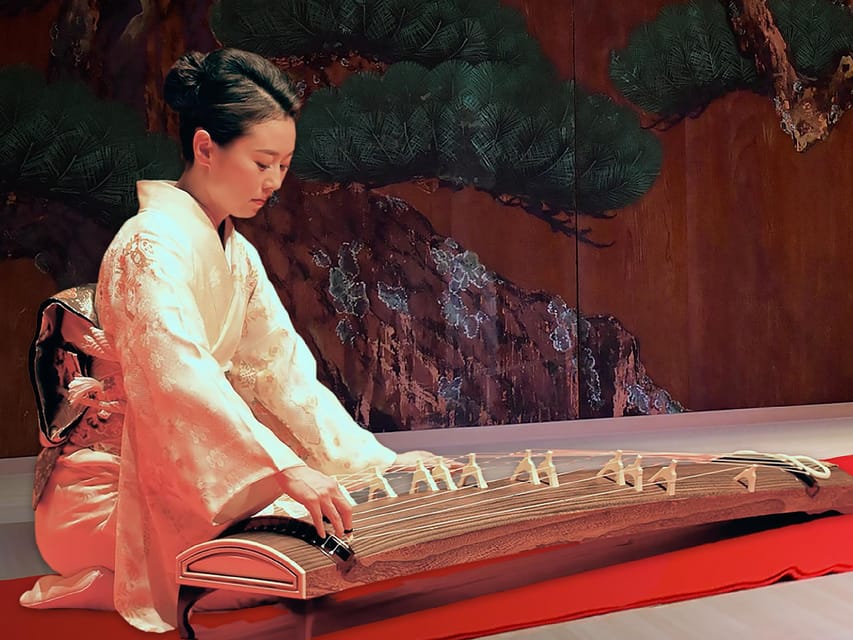
The room’s close stage is a practical advantage. You are not watching from the back of a large hall, and a seat near the performance area can make the dance and musical details easier to follow. There are four seating options, but the names and exact differences are not provided here; check the selected category at booking rather than assuming every seat offers the same view.
Short sets also make traditional arts more approachable if you do not know the forms. You can watch the movement and hear the music without needing to follow a long narrative. English-language explanations of the dishes and performances have been available, which can help you understand what you are seeing. Still, do not assume every spoken detail will be in English on every date.
The performance is one strand of the evening, not necessarily its entire focus. A typical program includes three sets, while the dinner occupies much more of the schedule. If your priority is a lengthy dance or concert, choose a dedicated performance instead. If you want a memorable introduction to Japanese food, room design and live arts in one sitting, the balance here makes sense.
What the price buys, and what it does not
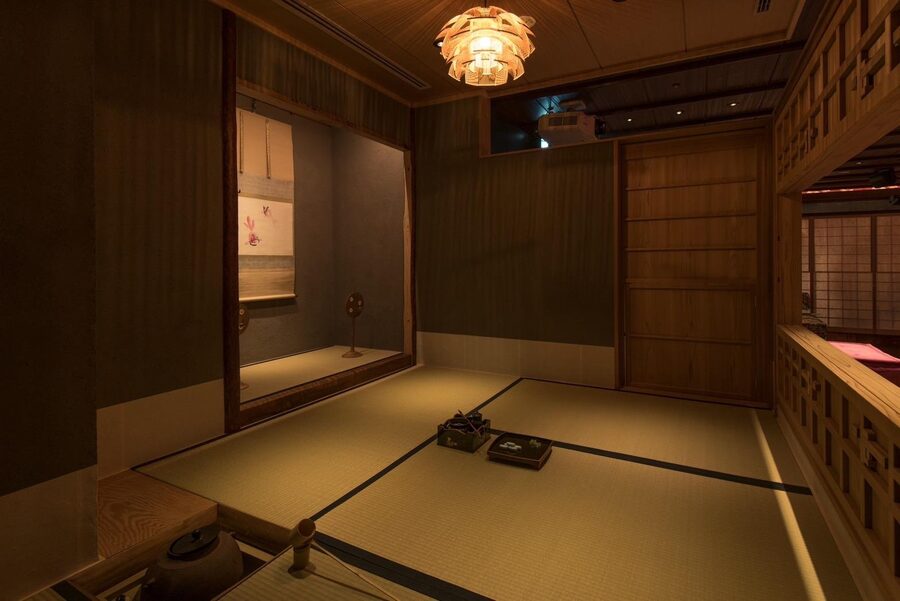
The supplied price is $140 per group up to one person. Because that wording is unusual and both the performance and price can vary by day, check the total for your selected date and seat before you confirm. Do not assume the displayed amount applies unchanged to every performance or party size.
The value is in the combined evening: a seasonal multi-course dinner, service, traditional arts and a distinctive room in central Tokyo. You are also paying for time and attention. This is more like a special dinner with a cultural program than a budget meal with entertainment added on.
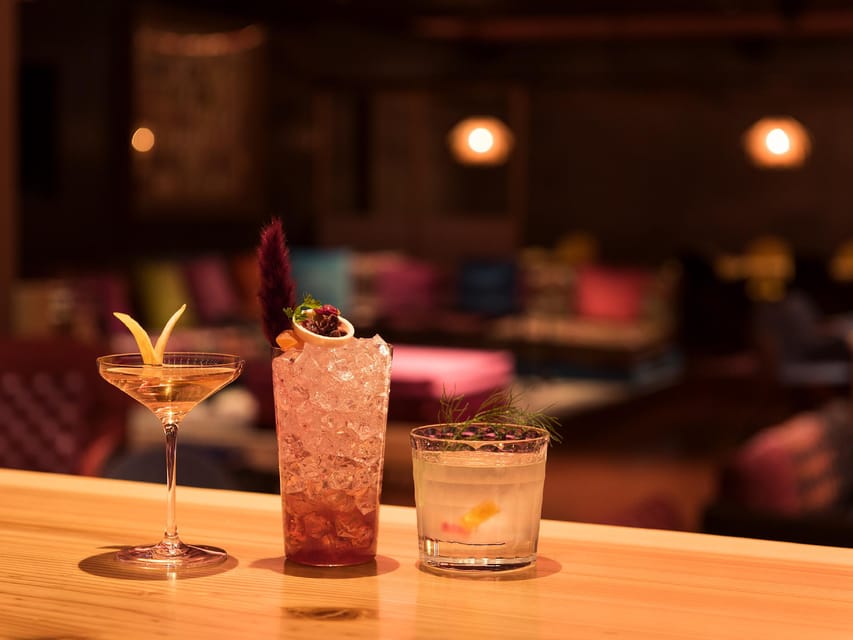
Drinks beyond water are not included in the dinner price, so allow extra if you want something else to drink. That matters when comparing the cost with a restaurant meal alone. On the other hand, combining the meal and performance means you avoid arranging separate dinner and show plans across town.
The experience makes the most sense for a special occasion, a culture-minded date, or a night when you want a slower pace after a day of sightseeing. It is less compelling if you are mainly looking for a long stage show or a low-cost dinner.
More dining experiences in Tokyo:
- Tokyo: Samurai Restaurant Show Ticket with 2 Drinks
★ 4.5 · 1,307 reviews - Tokyo Bay Yakatabune Dinner/Day Cruise with Japan Show and Drinks
★ 4.5 · 473 reviews - Tokyo: Shinjuku Bar Hopping with All-You-Can-Drink & Dinner
★ 4.9 · 440 reviews - Tokyo Dinner Cruise & Tradition Show & Drinks & Tokyo Tower
★ 4.7 · 315 reviews
Getting to SUIGIAN without circling the block
Mitsukoshi-mae Station is the easiest approach. Take the Tokyo Metro Ginza or Hanzomon Line, leave by Exit A6, and walk about a minute toward Coredo Muromachi 2, where the restaurant is in the B1F level of Fukutoku Garden. Keep the park entrance in mind: the restaurant is below the garden, not an obvious storefront on the sidewalk.
From Shin-Nihonbashi Station, allow about six minutes on foot. Tokyo Station is roughly a 10-minute walk from the Nihombashiguchi exit, or about six minutes by taxi, with a stated taxi fare of around ¥600. Those are useful options if you are coming from elsewhere in the city or prefer not to walk after dinner.
The restaurant is wheelchair accessible. The experience is not suitable for children under 10, so plan accordingly if you are arranging a family evening.
Who should book this evening
I would put SUIGIAN high on the list if you want an introduction to traditional Japanese performance without giving up the pleasure of a proper dinner. It offers several cultural touchpoints in one place: stage design, seasonal cooking, historic dishes and trays, and short live performances. The central Nihonbashi location also makes it practical to reach from major train stations.
It suits diners who are curious about unfamiliar ingredients and comfortable letting the chef choose the menu. It may be a poor fit if you need a tightly controlled meal, dislike seafood, or want to decide each course yourself. Dietary needs should be discussed before booking, not at the table.
For a birthday or date night, the slow service and polished surroundings can make the evening feel special without requiring you to plan a separate show. Just set expectations correctly: the show is brief and broken into three parts, and the meal is the evening’s anchor. Choose your date for the performance you want, confirm the seat and price, and reserve enough time to enjoy the whole sequence.
FAQ
How long does the experience take?
Plan for about two to three hours. The meal is served at a relaxed pace, with performance sets between courses.
What performances are offered?
The program varies by day. Listed dates in February and March feature kagura, ancient Shinto music and dance; other listed February and March days feature Nihon-buyo, traditional Japanese dance.
How many performance sets are there?
The program includes three short sets. Each is listed as lasting about 10 minutes.
What food is included?
A Japanese full-course dinner is included. A typical seasonal omakase may include an appetizer, seasonal platters, soup, grilled Japanese beef, rice and dessert, followed by matcha and dry sweets.
Can I request a vegetarian meal or report an allergy?
Yes. Tell the restaurant about allergies, vegetarian needs or other food restrictions when you make the reservation. Requests made after you arrive may not be accommodated.
Are drinks included?
Water is included, but other drinks are not part of the dinner price.
Where is SUIGIAN?
It is at Fukutoku Garden B1F, 2-5-10 Nihonbashi Muromachi, Chuo-ku, Tokyo. The venue is beneath the grounds of Fukutoku Shrine.
What is the easiest way to reach the restaurant by train?
Take the Tokyo Metro Ginza or Hanzomon Line to Mitsukoshi-mae Station and use Exit A6. The walk to the restaurant is about one minute.
Is the experience suitable for children?
It is not suitable for children under 10.
Can I cancel, and is the venue wheelchair accessible?
You can cancel up to 24 hours in advance for a full refund. The venue is wheelchair accessible.
More shows in Tokyo
- Mt Fuji & Hakone Cruise, Drum Show Bullet Train 1 Day from Tokyo
★ 4.0 · 7,413 reviews - Tokyo: Sumo Show Experience with Chicken Hot Pot and a Photo
★ 4.8 · 6,678 reviews - the SUMO show
★ 5.0 · 1,960 reviews - Tokyo Shinjuku Sumo Show & Experience with Photo
★ 5.0 · 1,750 reviews
Freshly reviewed in Tokyo
- Tokyo: Toshimaya Sake Brewery Tour with Sake Tasting★ 5.0 · 6 reviews
- :Tokyo,Shibuya /Meiji Shrine tour in KIMONO/English-friendly★ 5.0 · 4 reviews
- Tokyo: Tour Privado por Tokio en español★ 4.3 · 4 reviews
- Tokyo:Tea ceremony experience at Komaba Warakuan★ 4.8 · 9 reviews
- :Tokyo,Shibuya/ Pro Photography in Kimono / English-Friendly★ 5.0 · 26 reviews
- Tokyo:Samurai Training : Swords, Bushido & Mental Discipline★ 5.0 · 6 reviews
- Tokyo:Mt Fuji & Hakone Day Tour with English Speaking Driver★ 5.0 · 26 reviews
- Tokyo:Nikko UNESCO World Heritage Sites Private 1-Day Tour★ 3.8 · 6 reviews
Tokyo Tours, compared.
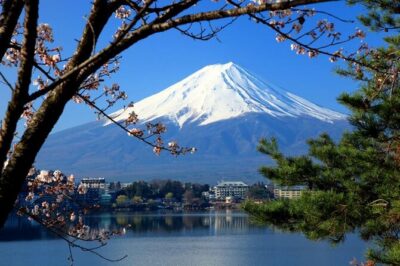
Mt Fuji and Hakone 1-Day Bus Tour Return by Bullet Train
Read our review →
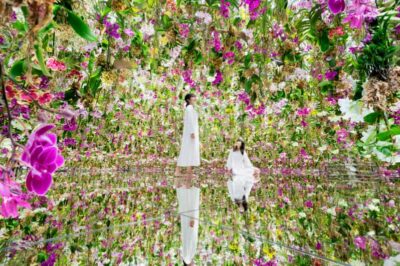
teamLab Planets TOKYO Digital Art Museum Entry Ticket
Read our review →
Mt Fuji & Hakone Cruise, Drum Show Bullet Train 1 Day from Tokyo
Read our review →
Shinjuku Food Tour (13 Dishes at 4 Local Eateries)
Read our review →
Tokyo Mt Fuji 5th St & Hakone Cruise Bus Tour w/Bullet Train
Read our review →
Flagship 2-Hours Official Street Go-Kart Tour – Tokyo Bay Shop
Read our review →