Reviewed · TOKYO TOURS
Tokyo Professional Sushi Chef Experience
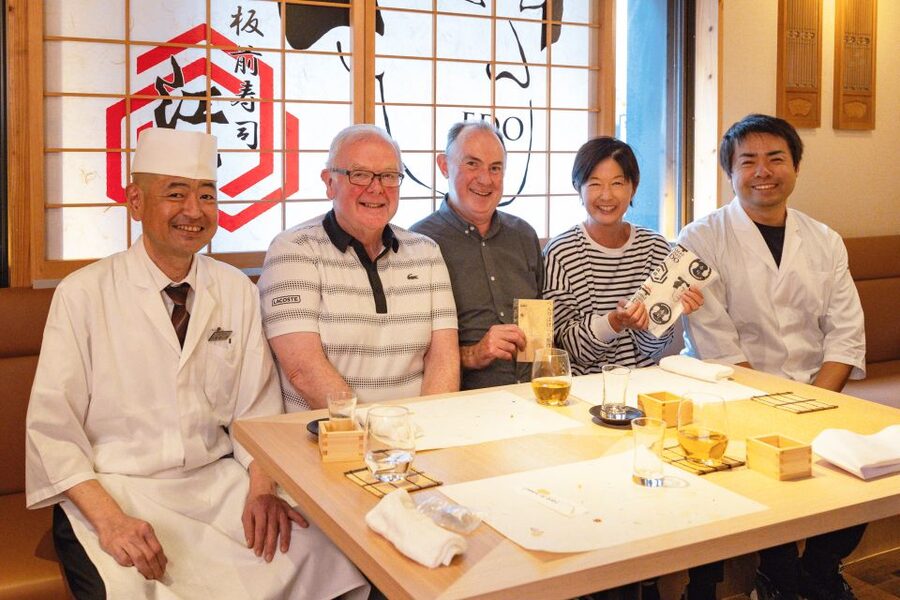
A sushi class gets much more interesting when you move beyond rolling rice and fish into a seaweed tube. Here, an itamae with 30 years of experience leads you through the details, including grating real wasabi, preparing sushi rice, and trying your hand at several types of nigiri in a real Tokyo restaurant.
I like two things in particular: you work with ingredients such as uni, chutoro, and kuruma-ebi, and the small group size means there is room for instruction rather than a quick demonstration from across a crowded room. The class also includes a special wakame udon, with a drink listed among the experience’s offerings.
The main consideration is the price: at $161 per person, this is a focused, two-hour food class, not a budget meal. It is best for people who want expert instruction and a closer look at sushi craft, rather than a long cooking course or an inexpensive dinner.
At a glance
- Learn from an experienced itamae: Your instructor has 30 years of sushi-making experience, with English instruction and interpretation support.
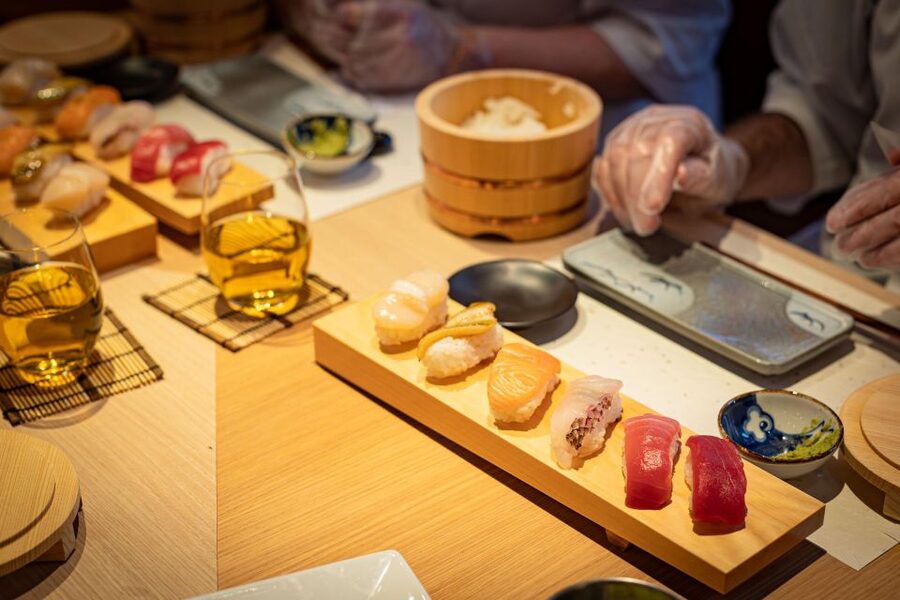
- Make more than hand rolls: Prepare sushi rice, grate fresh wasabi, and try sushi featuring uni, negitoro, hirame, kuruma-ebi, chutoro, and akami.
- Work in a real Tokyo restaurant: The setting gives the class a direct connection to the place and tradition behind the food.
- Keep the group small: No more than eight participants can join, and at least two are required.
- Plan for a two-hour session: Tuition, food, tools, and equipment are included. Vegetarian and allergy-friendly options are available.
Start with rice, wasabi, and the chef’s craft
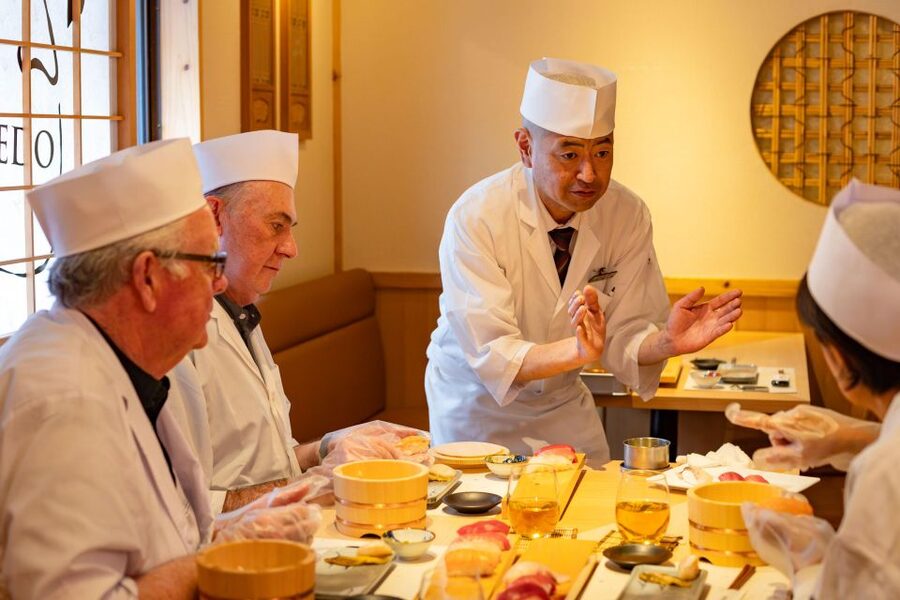
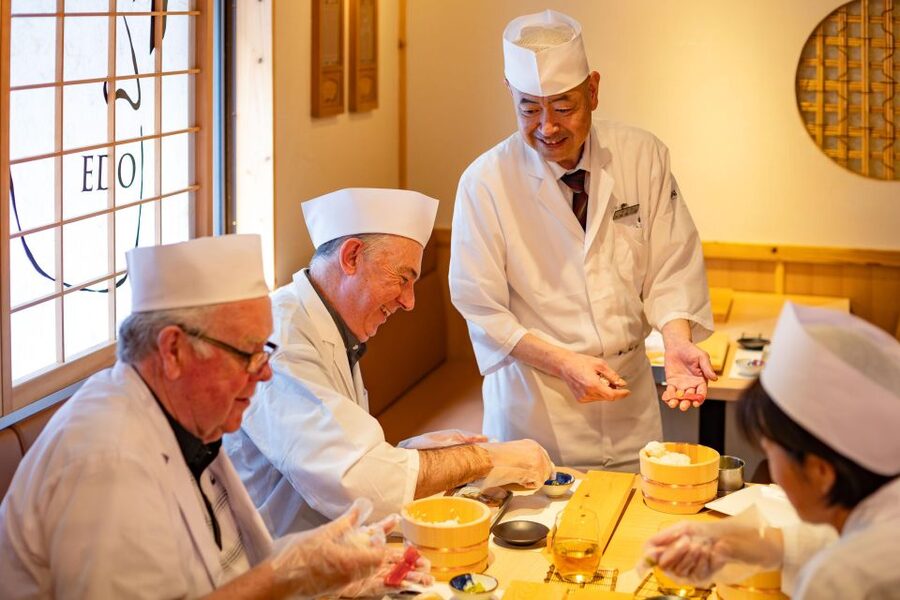
The heart of the class is not simply assembling sushi. You learn about the choices and handwork that shape each piece, with your itamae demonstrating techniques and guiding you as you try them. The chef’s 30 years of experience gives the lesson a useful point of reference: there is a person behind the method, not just a set of instructions to follow.
The program includes preparing shari, the seasoned sushi rice that forms the base of many pieces. Rice may look like a simple ingredient, but its texture and seasoning matter. Learning how to prepare it gives you a better sense of why good sushi depends on care at every stage, not just a prized slice of fish.
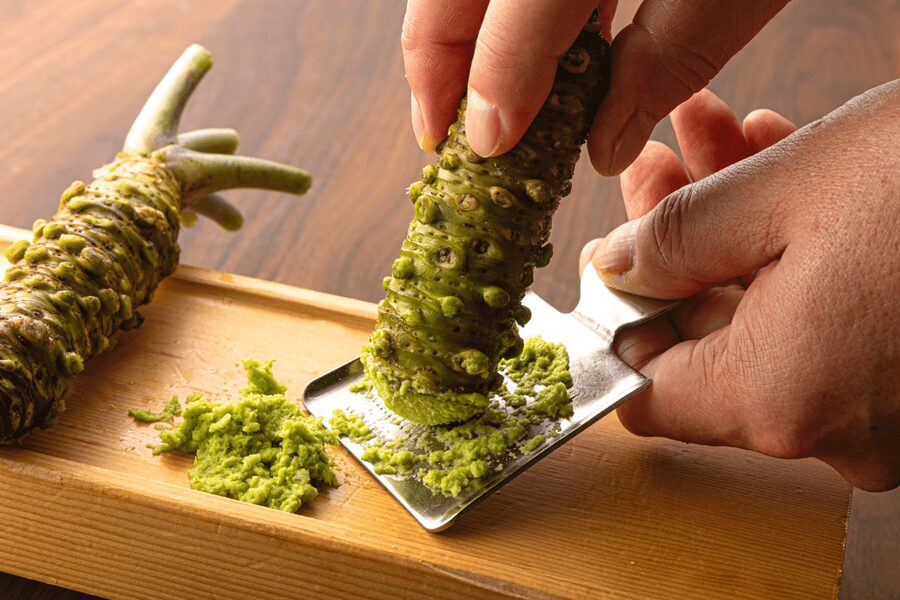
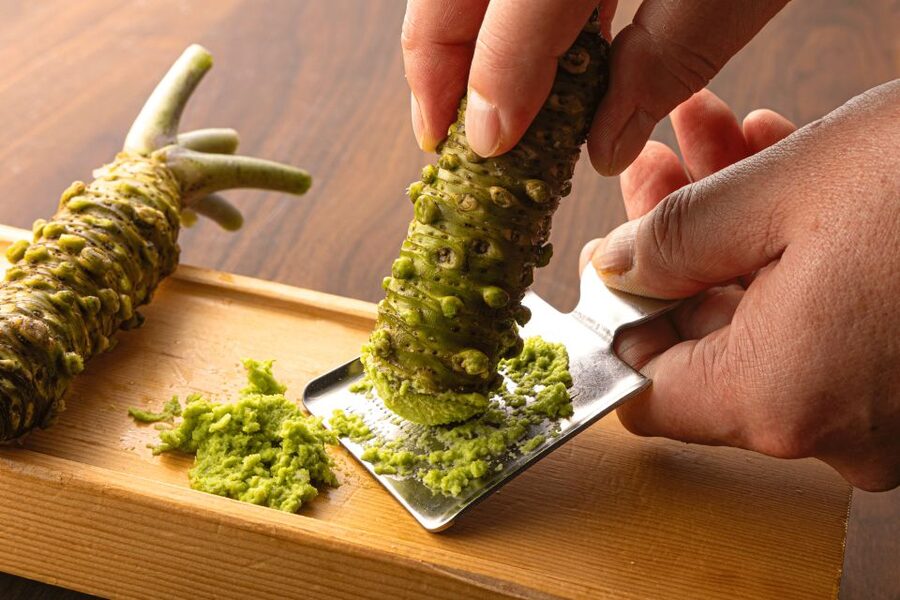
You also grate fresh wasabi, a small task with a noticeable payoff. Real wasabi has a distinctive flavor, and preparing it yourself helps make the difference between a fresh ingredient and the familiar heat of a ready-made condiment easier to understand.
The chef demonstrates fish preparation and sushi techniques before you work on your own pieces. That balance matters. You get to watch practiced hands at work, then put the principles into use instead of leaving with only a camera full of demonstrations.
More tours and experiences in Tokyo:
- Mt Fuji and Hakone 1-Day Bus Tour Return by Bullet Train
★ 5.0 · 26,383 reviews - 1-Day Tokyo Bus Tour
★ 5.0 · 14,250 reviews - Tokyo: teamLab Planets TOKYO Digital Art Museum Entry Ticket
★ 4.6 · 9,779 reviews
Make hand rolls and try several styles of nigiri
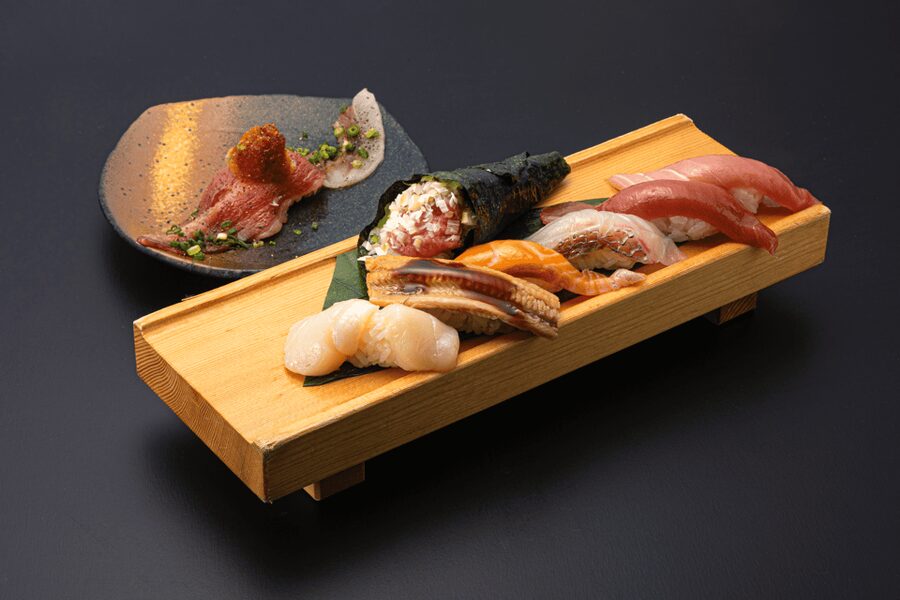
Hand-rolled sushi gives you a practical start. You work with premium nori, the dried seaweed sheet, and learn how to bring the components together. The aim is not to produce a perfect restaurant piece on the first try. It is to understand the feel of the ingredients and the basic technique well enough to repeat it at home.
The class also gives you a chance to make and taste sushi with a range of seafood. The listed choices include uni, or sea urchin; negitoro, a tuna preparation with green onion; hirame, a flatfish; kuruma-ebi, a type of prawn; and two cuts of tuna, chutoro and akami. This is a useful spread for comparing textures and flavors, rather than focusing on one familiar salmon roll.
Some of these ingredients may be new to you, and that is part of the point. You are not just eating a plate chosen for convenience. You are handling ingredients and learning how they fit into sushi, with the chef there to explain and demonstrate the techniques. If you already know your favorite kinds of sushi, the class can broaden your frame of reference. If you are new to some of the seafood, it gives you a guided way to try it.
There is no promise that every participant will master every technique in two hours. Treat the class as an introduction with useful practice, not as professional training. You should leave with a better sense of how sushi is made and a few skills you can use again, even if your home-kitchen nigiri takes some practice.
Learn in a real Tokyo restaurant
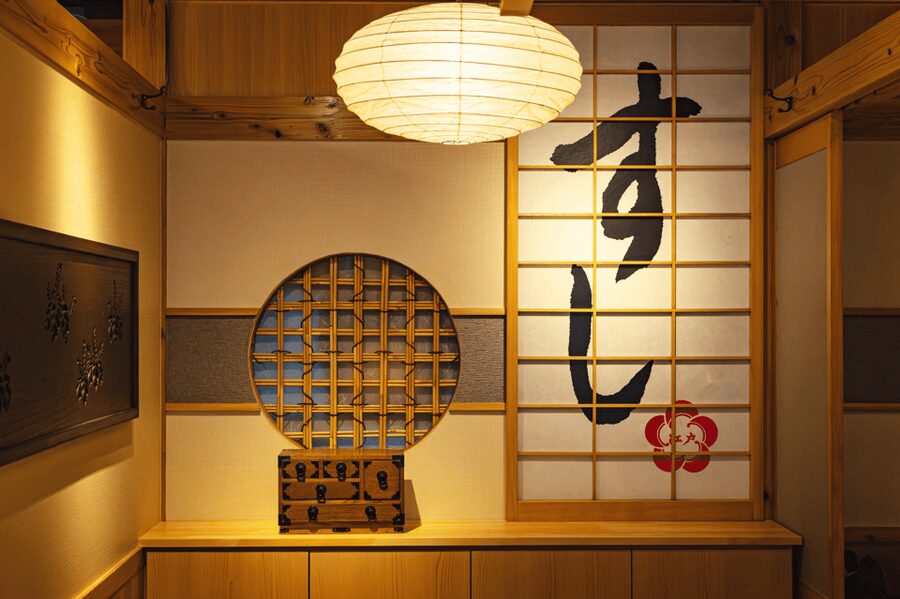
The restaurant setting is a meaningful part of the experience. You are learning in the kind of place where sushi is served, rather than in a generic classroom. That gives the food a practical context and makes the chef’s demonstrations feel closely tied to the craft.
Still, the class is designed for visitors, so expect instruction and interpretation support in English. You do not need to arrive with sushi-making experience. The point is to learn by watching, listening, and trying the steps yourself, with the chef’s team guiding the process.
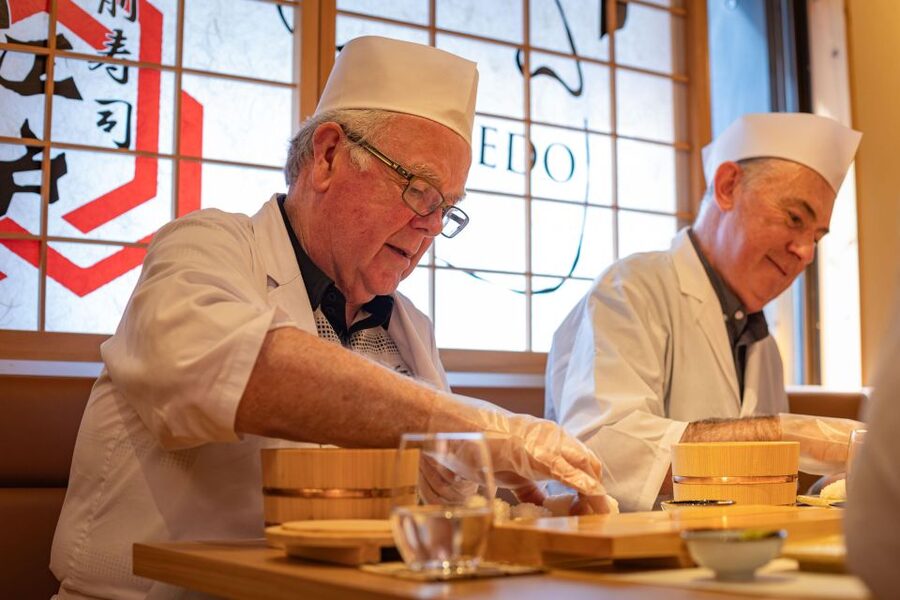
The group is capped at eight, a sensible limit for a hands-on lesson. With a small class, you have a better chance of seeing demonstrations and getting help as you work. The minimum is two participants, so this is not a private lesson by default. If you are travelling with a partner or friend, it can be a good shared activity: each of you gets to practice, compare results, and taste the finished food.
Past participants have described the team as warm, patient, and clear in its explanations. One particularly useful detail from a class description is that instruction can cover everything from tying a chef’s apron to grating wasabi, slicing fish, and forming nigiri. That suggests the lesson is built for beginners, not just people who already know kitchen routines.
A two-hour sequence with plenty to taste
The class lasts two hours, so it fits neatly into a day of sightseeing without taking over the whole schedule. The exact order of activities is not specified, but you can expect a mix of chef demonstrations, hands-on preparation, and tasting.
A likely progression begins with an introduction to the ingredients and basic setup, then moves into preparing rice and wasabi, followed by hand rolls and sushi-making practice. The chef also demonstrates fish preparation and technique. The lesson includes tasting the seafood you work with, so the process has a satisfying finish: you eat what you have helped prepare.
The meal component includes a special wakame udon, a noodle dish with seaweed, and a drink is described as included, with beer, sake, cola, or green tea listed as choices. The inclusions section separately says beverages are not included and that drinks are available from a menu, so check the exact drink arrangement for your chosen option before booking. Food, tuition, tools, and equipment needed for the class are included.
This is not an open-ended restaurant meal. Two hours gives the chef time to teach several techniques and serve food, but it also means the pace is structured. If you want a long, leisurely dinner, book one separately. If you want a hands-on lesson that combines cooking and eating in a compact visit, the timing is a strength.
For a different side of the same trip:
- Mt Fuji & Hakone Cruise, Drum Show Bullet Train 1 Day from Tokyo
★ 4.0 · 7,413 reviews - Tokyo: Sumo Show Experience with Chicken Hot Pot and a Photo
★ 4.8 · 6,678 reviews - Tokyo: Shinjuku Food Tour (13 Dishes at 4 Local Eateries)
★ 5.0 · 6,603 reviews - Tokyo Mt Fuji 5th St & Hakone Cruise Bus Tour w/Bullet Train
★ 4.4 · 5,024 reviews
Is $161 worth it?
At $161 per person, this is a substantial purchase for a two-hour activity. The value depends on what you want from the session. You are paying for the chef’s instruction, ingredients, tools, a restaurant setting, and the chance to make and taste multiple kinds of sushi. The small group limit also makes the fee easier to justify than a large demonstration where you might barely get a turn.
The class is less compelling if your priority is simply to eat sushi at the lowest price. You can spend less on a meal without taking a lesson. But if you are curious about how sushi is made and value access to an experienced itamae, the price covers more than the food on the table. You are paying for technique, context, and guided practice.
There is also a practical souvenir here: skills you can try again at home. You will not leave as a sushi chef after one session, but knowing how to handle rice, nori, and wasabi gives you more than a novelty photo. The best measure of value is whether you want to learn the craft, not just sample the menu.
Who should book this class
Food lovers are the natural fit, especially if you want to understand the work behind sushi rather than only order it. It also suits couples, families with older children, and anyone looking for a shared activity with a clear beginning, middle, and meal at the end.
Children under 10 are not suitable. The activity information also says it is available for elementary school students and up, so age guidance is not perfectly consistent. If you are booking for a child near that threshold, confirm suitability before paying.
Vegetarian and allergy-friendly options are available, which makes the class more flexible than a seafood-only lesson. You should still communicate any dietary needs when arranging your booking, since the class includes a range of fish and shellfish.
The format is not ideal if you dislike group instruction, have no interest in handling food, or want a full-day culinary course. It is also worth remembering that the meeting point can vary depending on the option you book. Check the details for your selected option rather than assuming every class meets at the same address.
The practical details that matter
The experience is in Tokyo, on Honshu, and instruction is in English with interpretation support. Groups are limited to eight, with a minimum of two participants. The listed price is $161 per person, and the session lasts two hours.
Tuition, food, tools, equipment, and other items needed for the lesson are included. The drink details deserve a quick check: a complimentary drink is described, but beverages are also listed as not included, with a separate drinks menu available. Vegetarian and allergy-friendly options are offered.
Smoking indoors and strong fragrances are not allowed. Cancellation is available for a full refund up to three days in advance. These rules are straightforward, but the fragrance restriction is worth noting if you plan to wear perfume or scented products.
Should you book it?
Book this class if you want a small, hands-on introduction to sushi craft with a seasoned chef, and if you are happy to pay for instruction as well as food. The combination of fresh wasabi, prepared rice, premium seafood, demonstrations, and tasting makes the two hours feel focused and varied.
Skip it if your main goal is a cheap sushi meal or if you would rather spend your time sightseeing than practicing kitchen techniques. For a curious eater who wants to understand what goes into each piece, though, this is a practical way to make a Tokyo meal more memorable.
FAQ
How long is the sushi class?
The experience lasts two hours.
How much does it cost?
The listed price is $161 per person.
Who teaches the class?
An itamae, or master sushi chef, with 30 years of experience leads the class. English instruction and interpretation support are provided.
What kinds of sushi can I make and taste?
The class includes hand-rolled sushi and sushi featuring uni, negitoro, hirame, kuruma-ebi, chutoro, and akami.
Are food and equipment included?
Yes. Tuition, food, tools, equipment, and other items needed for the experience are included.
Are vegetarian or allergy-friendly options available?
Yes. Vegetarian and allergy-friendly options are available.
Can children take part?
The activity is described as suitable for elementary school students and up, but children under 10 are listed as not suitable. Check the age guidance before booking for a younger child.
What is the group size, and how many people are needed?
The group is limited to eight participants, and a minimum of two participants is required.
Freshly reviewed in Tokyo
- Tokyo: Toshimaya Sake Brewery Tour with Sake Tasting★ 5.0 · 6 reviews
- :Tokyo,Shibuya /Meiji Shrine tour in KIMONO/English-friendly★ 5.0 · 4 reviews
- Tokyo: Tour Privado por Tokio en español★ 4.3 · 4 reviews
- Tokyo:Tea ceremony experience at Komaba Warakuan★ 4.8 · 9 reviews
- :Tokyo,Shibuya/ Pro Photography in Kimono / English-Friendly★ 5.0 · 26 reviews
- Tokyo:Samurai Training : Swords, Bushido & Mental Discipline★ 5.0 · 6 reviews
- Tokyo:Mt Fuji & Hakone Day Tour with English Speaking Driver★ 5.0 · 26 reviews
- Tokyo:Nikko UNESCO World Heritage Sites Private 1-Day Tour★ 3.8 · 6 reviews
Tokyo Tours, compared.

Mt Fuji and Hakone 1-Day Bus Tour Return by Bullet Train
Read our review →

teamLab Planets TOKYO Digital Art Museum Entry Ticket
Read our review →
Mt Fuji & Hakone Cruise, Drum Show Bullet Train 1 Day from Tokyo
Read our review →
Shinjuku Food Tour (13 Dishes at 4 Local Eateries)
Read our review →
Tokyo Mt Fuji 5th St & Hakone Cruise Bus Tour w/Bullet Train
Read our review →
Flagship 2-Hours Official Street Go-Kart Tour – Tokyo Bay Shop
Read our review →