
Reviewed · TOKYO FOOD TOURS
Tokyo: Private Personalized Local Food Tour
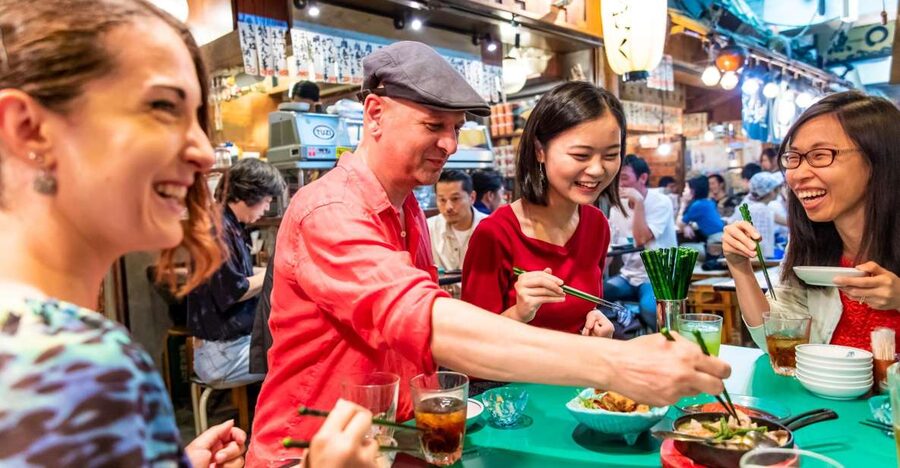
Tokyo’s best food discoveries may start with ramen steam in a covered shopping arcade, then lead to oden and sake in a quiet lane. This private walk makes room for that kind of change of plan, with 8 to 10 food and drink tastings and a local host who shapes the route around your tastes.
I like two things especially: you can ask for the sort of food and atmosphere you want, and a host can help you find small local places you might not spot on your own. The guides also often share useful context, from how a dish is made to how to get around Tokyo.
One thing to weigh: the three-hour route is flexible, not a set crawl through a guaranteed list of restaurants. The neighborhood and depth of cultural commentary can vary, and any extra food, drinks, or transport beyond what is included costs more.
What to know before you book
- Expect 2 or 3 eateries, not a fixed restaurant list. Your host plans around your questionnaire and may adjust the route as the evening unfolds.
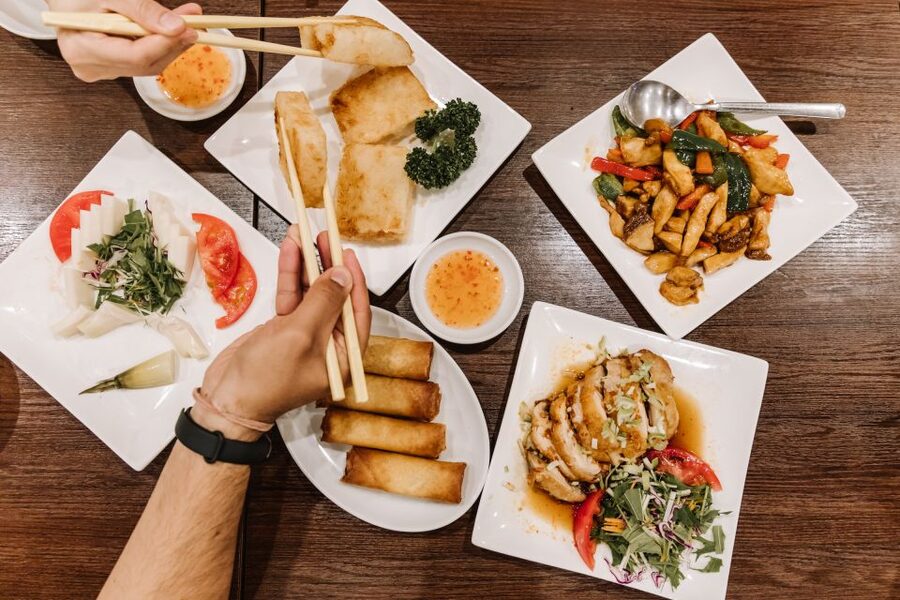
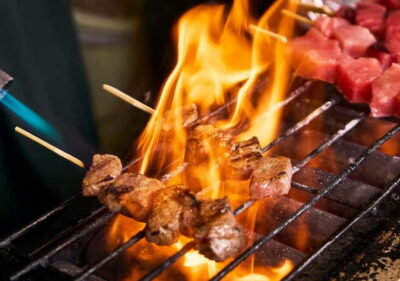
- The meal is built from 8 to 10 tastings. Dishes may include ramen, karaage, grilled skewers, miso eggplant, or oden, with drinks such as sake or plum wine.
- You get a private host. That makes it easier to explain your food preferences, ask questions, and keep the pace comfortable for your group.
- The route can introduce you to local neighborhoods. Nakano is one possible starting point, while past routes have included areas such as Ueno, Shibuya, and Tsukiji.
- Three hours means a brisk sampling, not a long dinner. You will taste across several places, but can spend extra on anything beyond the included food and drinks.
- Transport is not included. This is a walking tour, though local transit or taxis may be used between stops at extra cost.
A food walk built around your appetite
This is not a food tour with a firm script and a row of restaurant reservations. After booking, you fill in a short questionnaire about your interests, personality, and food preferences. The organizer matches you with a host, who contacts you directly to discuss a possible plan.
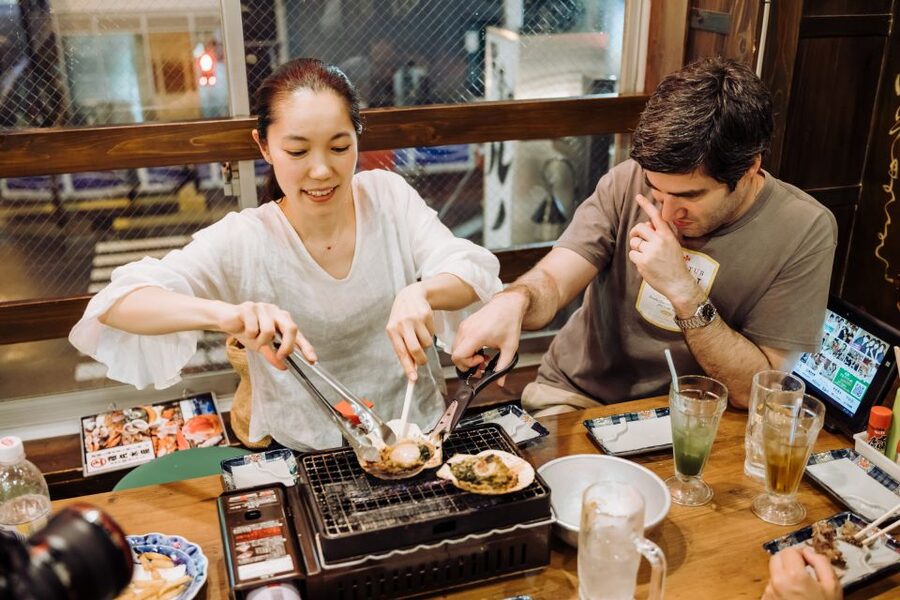
That advance exchange is useful in practical ways. You can say if you are curious about everyday Japanese dishes, would rather stick to familiar flavors, or want to try something outside your comfort zone. You can also flag dietary needs. A guide named Mari, for instance, helped a couple with a dietary restriction, while another host adapted a route for a vegetarian and a young child.
The plan remains flexible once you meet. You might start in Nakano’s retro Sun Mall, where ramen shops and lantern-lit storefronts set the scene, or begin in an alley with oden and sake. Those are examples, not guaranteed stops. The point is to let your host respond to your interests and the evening’s possibilities rather than march you through a predetermined checklist.
That freedom is the tour’s main strength, and also the reason to manage expectations. If you want a particular restaurant or dish, mention it before the tour and ask whether it can fit the route. If you prefer a predictable itinerary, this loose format may feel too open-ended.
More food tours in Tokyo:
- Tokyo: Shinjuku Food Tour (13 Dishes at 4 Local Eateries)
★ 5.0 · 6,603 reviews - Tokyo: Shinjuku Food Tour (15 Dishes and 4 Eateries)
★ 4.9 · 2,033 reviews - Best of Shinjuku: Izakaya Food Tour (4 Stops, 14+ Tastings)
★ 5.0 · 1,863 reviews
From ramen steam to skewers and sake
The tour includes 8 to 10 local dishes and drink tastings across 2 or 3 eateries. In three hours, that gives you a sampler of several styles of eating, rather than one extended meal. The exact menu depends on the host and your preferences, but possible bites include ramen, crisp karaage, grilled skewers, miso eggplant, and oden, with drinks such as sake or plum wine.
I like the range this format can offer. A bowl of ramen gives you a familiar entry point, while a shared plate of grilled food or a dish you have not tried before can open up a new flavor. You are not just picking a single restaurant from a list; your host can help connect the dishes to the places and habits behind them.
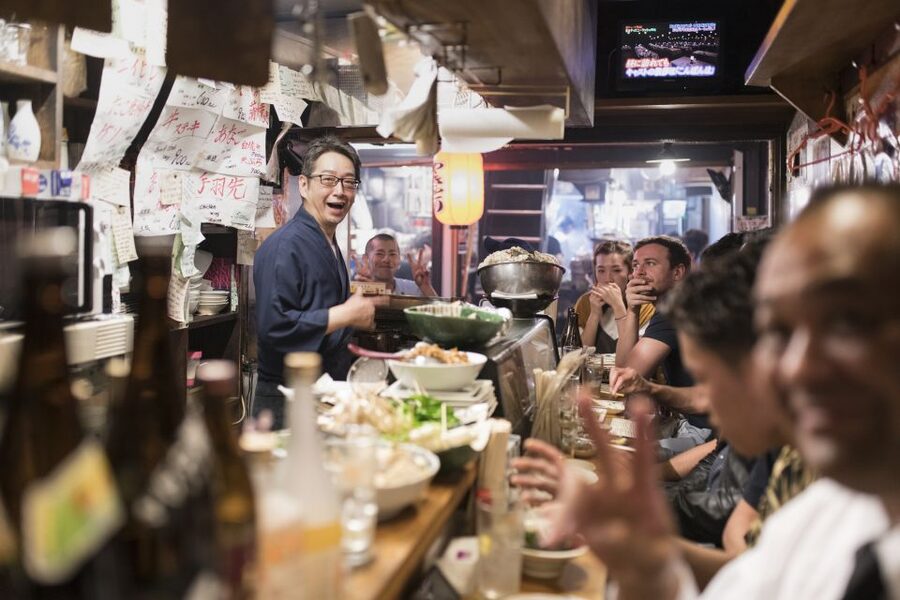
The smaller venues are part of the appeal. Backstreet izakayas and yatai-style spots can be hard to choose from when you do not read the signs or know what to order. A host can smooth over those small barriers, explain a menu, and help you understand local dining customs. That can make a quick meal feel more like a window into daily life.
Keep in mind that the included tasting count is not a promise of a full dinner for every appetite. Additional food and drinks are not included, so arrive hungry and ask your host what the included portions are likely to be. If you have a hearty appetite, budget for extras.
Neighborhoods are part of the meal
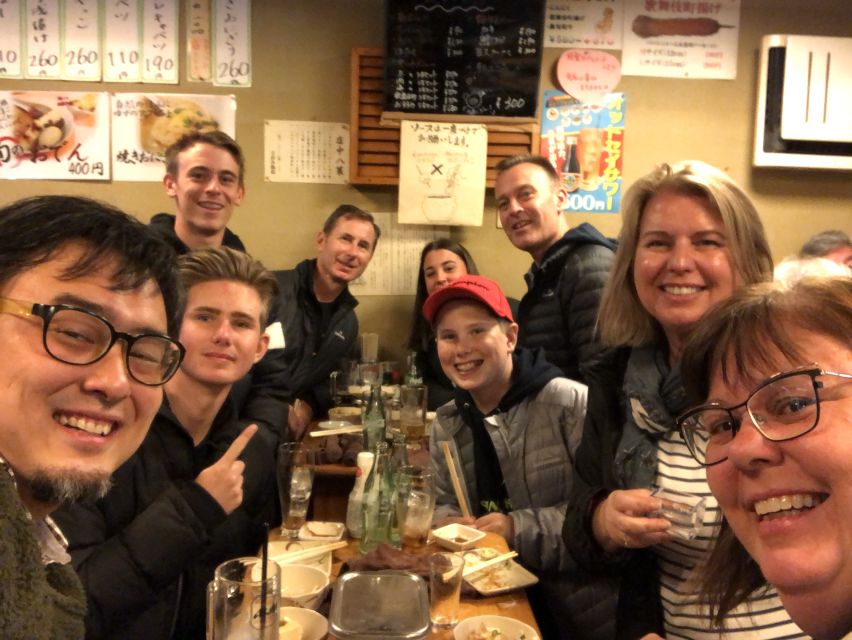
Tokyo’s food districts have different moods, and the route may take its cue from the area as much as from the menu. Sun Mall in Nakano offers a covered arcade atmosphere, while a narrow side street may suit a quieter drink and a warming bowl of oden. The description also points to the chance of spontaneous stops, so the evening can shift when a place catches your eye or a host spots a good fit.
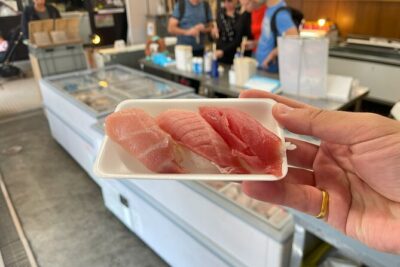
Past routes have taken people to places beyond Nakano. A host named Mari led a group to an off-the-beaten-path spot, while another guide introduced guests to Ameyoko Street in Ueno. One group began with ramen and then visited Tsukiji Market stalls. These are useful examples of how different the experience can be, but they are not destinations you should assume will be part of your own tour.
That variety can be a real advantage if you are new to Tokyo. Several guides have helped people see parts of the city they would not have found on their own. Hosts have also shared suggestions for places to explore later, from a vegetarian ramen shop to other local food stops. If you are just starting a longer Japan trip, use the host’s neighborhood and transport tips to get your bearings.
Still, this is not a sightseeing tour with a guaranteed list of landmarks. Some guides fold in local history or a shrine visit; others focus more tightly on the food and conversation. If area-specific stories matter to you, say so when you contact your host. The experience can be tailored, but the amount of commentary is not fixed.
The guide makes the difference
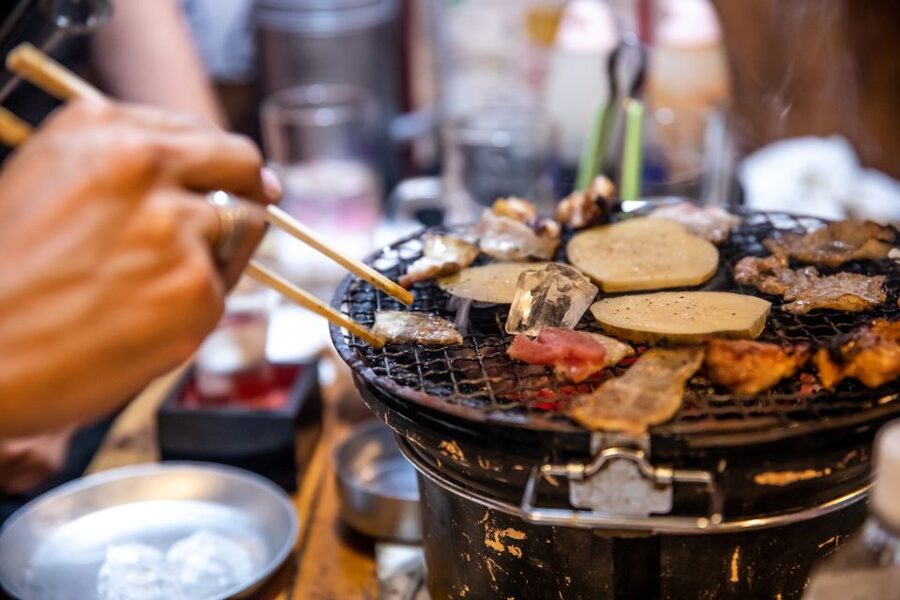
A private food walk depends heavily on the person leading it. The strongest version feels like an evening out with a local who can explain dishes, answer questions, and adjust to your group without making the food feel like a lecture. People have praised hosts including Apy, Ady, Mari, Steven, Amir, Ayaka, and Martina for warm conversation, thoughtful choices, and help with local customs.
That personal connection is more than a pleasant extra. A guide can explain where a dish comes from, help you order, or make a stop feel less intimidating when you are unsure of the routine. One host also helped a first-time visitor understand Tokyo’s rail system, while another assisted with train reservations after the tour. Those kinds of practical details can be especially useful early in a trip.
The level of information may vary. Some hosts give plenty of food history and neighborhood context; one guest found a guide more companion than area expert. So if you want more than a pleasant meal, ask for that directly when you plan the route. If you mainly want company, a few good dishes, and help crossing the language gap, the format may suit you well.
More food and drink experiences in Tokyo:
- Tokyo Tsukiji Fish Market Food and Culture Walking Tour
★ 5.0 · 3,184 reviews - Tokyo: Tsukiji Fish Market Food and Walking tour
★ 5.0 · 1,724 reviews - Eat and Drink Like a Local: Tokyo Ueno Food Tour-Taverns&Ramen
★ 5.0 · 957 reviews - Tokyo: Shibuya Food Tour (13 dishes and 4 Eateries)
★ 5.0 · 770 reviews
What $172 buys you

At $172 per person, this is a substantial outlay for a three-hour walk. You are paying for a private host, a customized plan, 8 to 10 food and drink tastings, and the ease of moving between places with someone who can explain what you are ordering. It is not simply the cost of the food.
The value is strongest if you want a personal introduction to Tokyo’s dining culture. A host can help you make sense of unfamiliar menus, choose a route that matches your appetite, and find local spots you might otherwise pass by. For a first evening in the city, that orientation can pay off during the rest of your stay, especially if you collect recommendations and ask for help with transport.
It is less compelling if you are happy to plan your own meals, already know the neighborhoods, or want to spend three hours at one restaurant. Because the tour includes only 2 or 3 eateries, the price is best judged as a guided experience with tastings, not as a bargain dinner. Ask in advance how drinks and portions will work, and plan for extra spending if you want more.
Pacing, access, and practical details
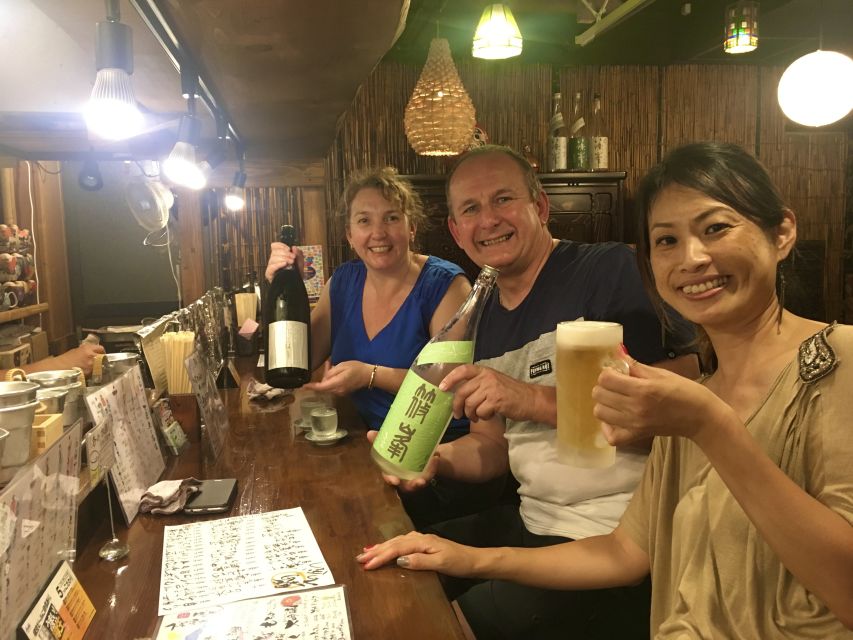
The tour lasts three hours and is primarily a walking experience. Your host may use public transport or a local taxi to transfer between stops, but those costs are extra. There is no private vehicle included, so wear comfortable shoes and let your host know if you want a slower pace.
The activity is listed as wheelchair accessible, and hotel pickup can be arranged from a central Tokyo hotel. Alternatively, the stated meeting point is JR Nakano Station. Because the route is flexible and may involve different eateries or transfers, discuss access needs and the proposed route with your host before the day.
English and Japanese are the listed tour languages. The group is private, so you will not be matched with strangers. Cancellation is free up to 24 hours before the experience, and you can reserve now and pay later. Check the available start times when choosing a date, since the tour is three hours long.
Who will enjoy this most
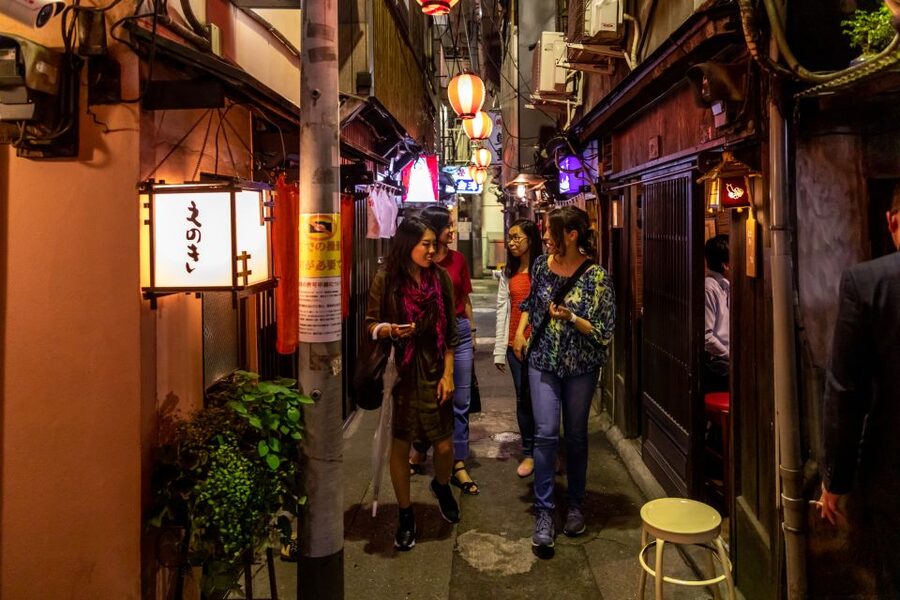
I would choose this tour if you want more than a list of famous restaurants. It suits first-time visitors who value a local introduction, curious eaters who want help trying unfamiliar dishes, and families or couples who want a route adjusted to their preferences. It can also work well for a traveler who wants a friendly start to a longer stay in Japan.
It is a particularly good fit if you have a dietary need or a specific interest, because you can discuss that with your host before meeting. The private format gives you room to ask questions and change direction without worrying about keeping pace with a large group.
I would think twice if you need a fixed itinerary, want guaranteed stops at specific establishments, or expect a full dinner to be covered by the ticket price. The tour’s best moments come from its flexibility, but that means the exact route, menu, and balance of food and cultural explanation are not identical every time.
Should you book this Tokyo food walk?
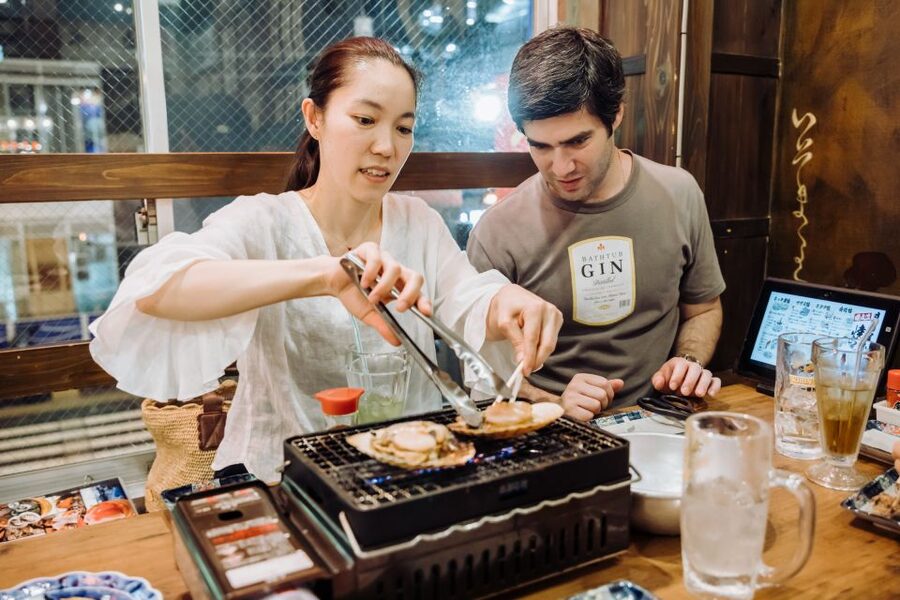
Book it if you value personal guidance, want to sample several kinds of local food, and are willing to let your host shape the evening with you. Before you go, share dietary needs and interests, ask what the included tastings are likely to cover, and clarify whether you want more food history, neighborhood context, or a relaxed evening of conversation.
Skip it if you prefer to choose every restaurant yourself or are mainly looking for the cheapest way to eat well. For the right person, the price buys a useful combination of food, local company, and city orientation. The best souvenir may be the list of places and dishes you can return to on your own.
FAQ
How long is the tour?
The experience lasts three hours.
How many dishes and drinks are included?
The tour includes 8 to 10 local dishes and drink tastings from 2 or 3 eateries. Additional food and drinks are not included.
Is the itinerary fixed?
No. You complete a questionnaire after booking, and your host plans a flexible route around your interests and preferences.
Where does the tour start?
You can arrange pickup from a central Tokyo hotel, or meet your host at JR Nakano Station.
Is transportation included?
No private vehicle is included. The tour is a walking experience, and public transportation or local taxis may be used between stops at an additional cost.
Which languages are available?
The tour is offered in English and Japanese.
Can I cancel for a refund?
Yes. You can cancel up to 24 hours in advance for a full refund.
More food experiences in Tokyo
- Tokyo Night Foodie Tour in Shinjuku – Seasonal Sushi, Wagyu Beef
★ 5.0 · 1,161 reviews - Tokyo: Tsukiji Fish Market Food and Culture Walking Tour
★ 4.7 · 757 reviews - Tsukiji Fish Market: Street Food & Culture Walking Tour
★ 5.0 · 669 reviews - Tsukiji Fish Market Small-Group Food Walking Tour
★ 5.0 · 621 reviews
Freshly reviewed in Tokyo
- Tokyo: Toshimaya Sake Brewery Tour with Sake Tasting★ 5.0 · 6 reviews
- :Tokyo,Shibuya /Meiji Shrine tour in KIMONO/English-friendly★ 5.0 · 4 reviews
- Tokyo: Tour Privado por Tokio en español★ 4.3 · 4 reviews
- Tokyo:Tea ceremony experience at Komaba Warakuan★ 4.8 · 9 reviews
- :Tokyo,Shibuya/ Pro Photography in Kimono / English-Friendly★ 5.0 · 26 reviews
- Tokyo:Samurai Training : Swords, Bushido & Mental Discipline★ 5.0 · 6 reviews
- Tokyo:Mt Fuji & Hakone Day Tour with English Speaking Driver★ 5.0 · 26 reviews
- Tokyo:Nikko UNESCO World Heritage Sites Private 1-Day Tour★ 3.8 · 6 reviews
Tokyo Food Tours, compared.
Shinjuku Food Tour (13 Dishes at 4 Local Eateries)
Read our review →
Best of Shinjuku: Izakaya Food Tour (4 Stops, 14+ Tastings)
Read our review →
Tokyo Night Foodie Tour in Shinjuku – Seasonal Sushi, Wagyu Beef
Read our review →
Eat and Drink Like a Local: Tokyo Ueno Food Tour-Taverns&Ramen
Read our review →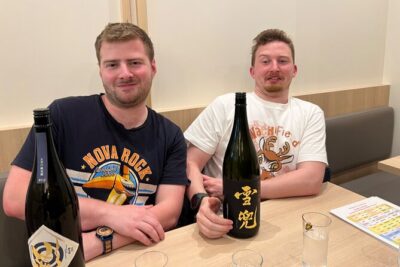
Tsukiji Fish Market: Street Food & Culture Walking Tour
Read our review →
Tokyo Food Tour Taste Fresh Delights at Tsukiji Market
Read our review →Browse the lists this tour appears in