
Reviewed · TOKYO FOOD TOURS
Tokyo: Local Foodie Adventure near Roppongi
Azabujuban offers a different slice of Tokyo: a neighborhood of old shops, local shrines, and snack stops just near the better-known Roppongi area. On this small-group walk, you taste five Japanese treats while a guide introduces the streets and the stories behind them.
I like two things here: the food comes from neighborhood shops and home-style eateries, and the guide adds context about local history, folklore, and the stores themselves. The tour also has a fun extra for Sailor Moon fans, with real places connected to the setting that inspired creator Naoko Takeuchi.
One consideration: the exact food selection depends on which shops are open, and the walk requires a moderate level of fitness. Your five tastings and one alcoholic drink are included, but extra food, drinks, and transport are not.
Azabujuban at a glance

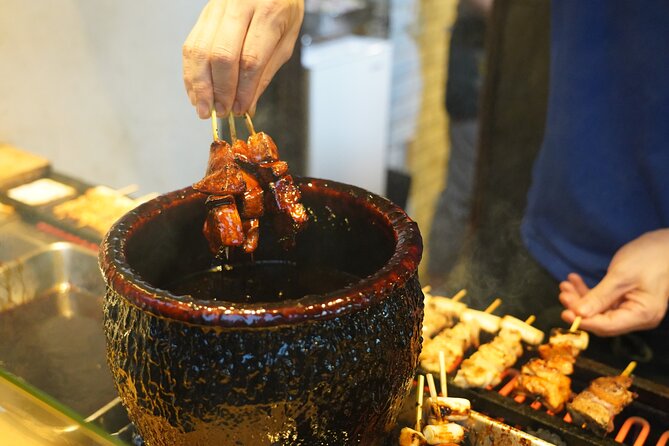
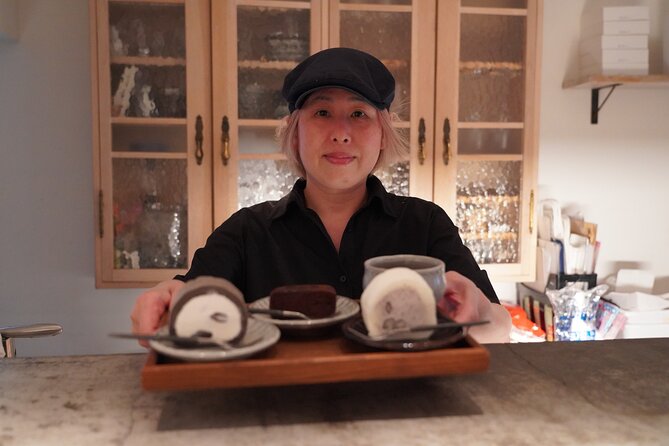
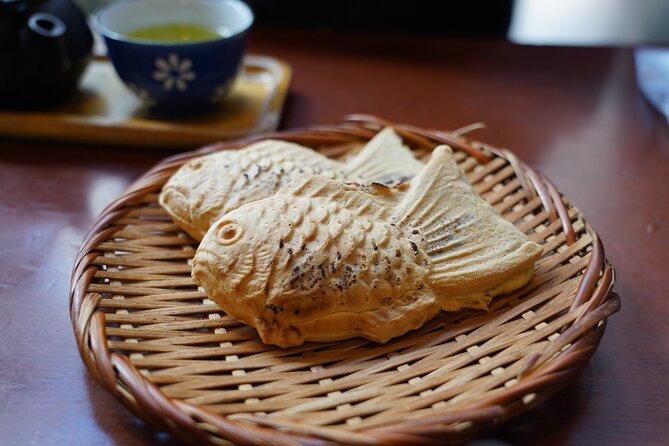
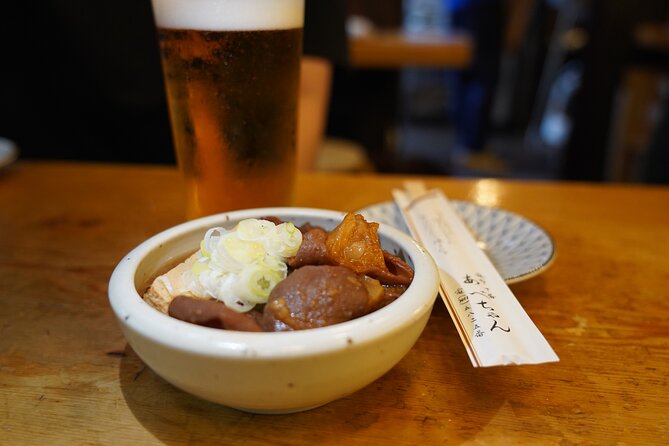
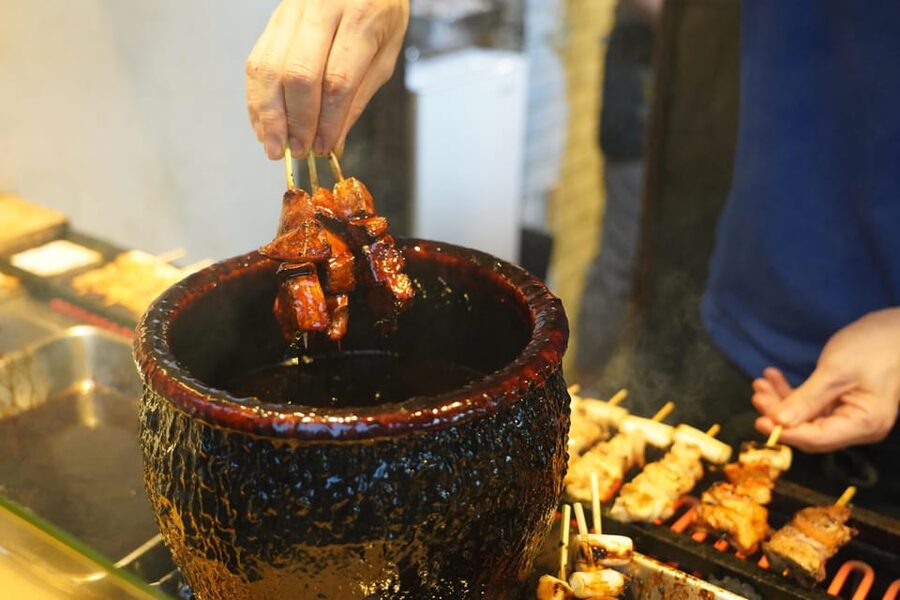
- Five local treats are included, with possible dishes such as yakitori, mame daifuku, taiyaki, oden, pastries, omelettes, or sushi depending on the day.
- Shrines, temples, and folklore add cultural context between food stops.
- Small groups of one to four people make it easier to ask questions and adjust stops to your interests.
- Local shop stories help explain why this neighborhood has kept more than 300 shops going for decades.
- Sailor Moon connections give fans a chance to see places linked with the manga’s setting.
- One alcoholic drink is included, and the tour begins and ends at Azabujuban Station.
A neighborhood break from central Tokyo
Azabujuban is close to Roppongi, yet the appeal of this walk is that it turns your attention away from the city’s grand avenues and toward a smaller-scale neighborhood. More than 300 shops have operated here for close to a century, giving the area a strong sense of continuity. A guide can help you notice the details you might otherwise pass without understanding: a long-running shop, a local shrine, or a food counter serving a dish that has been part of everyday life for years.
This is not a formal lesson in Japanese history, nor does the description promise entry into every site or shop. Think of it as a guided introduction to the neighborhood’s food and character, built around short stops and conversation. You get local context while moving at walking pace, rather than trying to piece together the area from a map.
The tour starts at Azabujuban Station, Exit 4, in front of Oslo Coffee, where guides wait with the Japan Hopping Tours logo. It ends back at the same meeting point. Since no tour duration is specified, check the current details before arranging a tight connection or scheduling another activity immediately afterward.
More food tours in Tokyo:
- Tokyo: Shinjuku Food Tour (13 Dishes at 4 Local Eateries)
★ 5.0 · 6,603 reviews - Tokyo: Shinjuku Food Tour (15 Dishes and 4 Eateries)
★ 4.9 · 2,033 reviews - Best of Shinjuku: Izakaya Food Tour (4 Stops, 14+ Tastings)
★ 5.0 · 1,863 reviews
Five tastings, with room for surprises
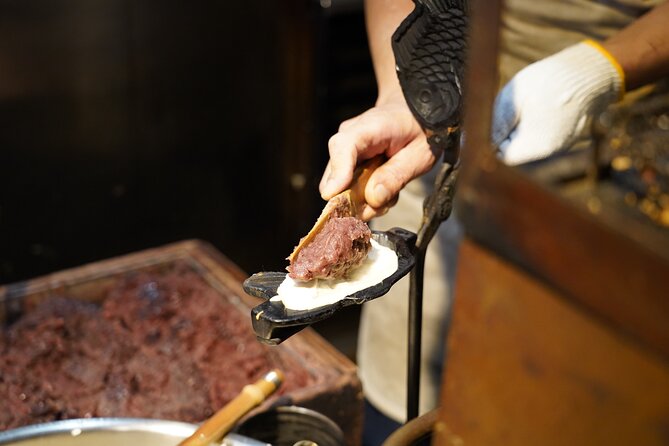
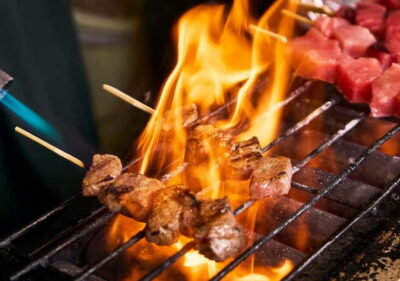
The food is the main event, but the selection is not fixed. Five treats are included, and the particular mix depends on store availability. Yakitori, mame daifuku, taiyaki, and homemade oden are among the examples associated with the experience. Food mentioned on the walk has also included pastries, omelettes, and sushi.
That range matters. You are not signing up for a single specialty meal or a restaurant crawl limited to one dish. Instead, expect a sampling of Japanese snacks and familiar local foods, with the precise balance changing from one day to another. If you are eager to try a specific item, it is sensible to ask in advance, but there is no guarantee it will be served.
The stops are also a chance to see how neighborhood food works beyond a polished dining room. One account of the experience describes home-style restaurants and conversations with staff and some diners. That kind of contact can make a modest meal more memorable than a long list of dishes, though it depends on the shops open and the pace of the day.
The organizers say the five treats should be enough to fill you up. That is useful if you want to treat this as lunch, but appetites differ and so does the day’s menu. Plan on the included tastings as a substantial food experience, not as a promise of a particular quantity or a set meal. Additional food and drinks are at your own expense.
Shrines, temples, and the stories between bites
Food gives the walk its rhythm, while visits to local shrines and temples provide a change of pace. These stops are described as places to seek good luck and learn about local history and folklore. They can help you understand how sacred sites fit into ordinary neighborhood life, rather than seeing them only as stand-alone sights.
The emphasis is on connecting the places to Azabujuban. You may hear the local stories that give a shrine or temple meaning, then continue on to a shop or food stop with a better sense of the area around it. The tour information does not name specific shrines or promise a particular ritual, so approach these visits as part of a neighborhood walk rather than a set of landmark interiors.
This mix of food and local sites is one of the tour’s strongest ideas. A food walk can easily become a series of tastings with little sense of place. Here, the shrines, folklore, and shop histories give you a reason to pause and look beyond the next bite.
Long-running shops and everyday conversation
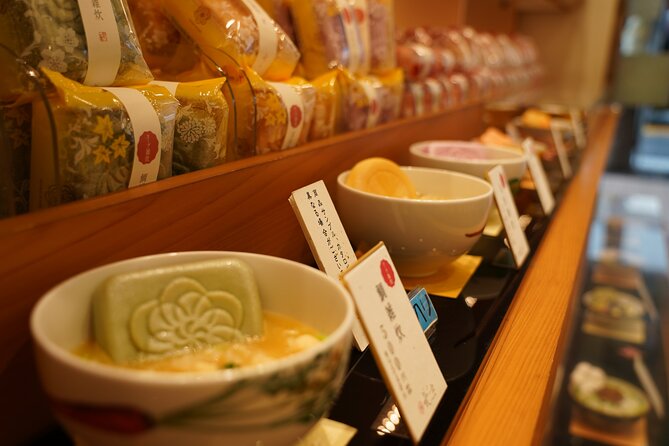
The neighborhood’s more than 300 shops are a central part of its appeal. Many have stayed open for almost a century, a detail that points to a local economy built around repeat customers and enduring businesses. The tour includes opportunities to shop for gifts at stores unique to Azabujuban, though purchases are separate from the tour price.
I would not treat this as a dedicated shopping excursion. The more useful value is having a guide explain what makes a store or product distinct, and how the shop fits into the neighborhood. If you find something you want to bring home, you can browse and buy it, but personal purchases are not included.
The walk is also designed to bring you into contact with local residents. How much conversation happens will depend on the people you meet and the shops you visit, so it is best seen as a chance for informal exchange rather than a guaranteed meet-and-greet. A few ordinary words with staff or diners can make the area feel less like a sightseeing backdrop and more like a place where people live and work.
More food experiences in Tokyo:
- Tokyo Tsukiji Fish Market Food and Culture Walking Tour
★ 5.0 · 3,184 reviews - Tokyo: Tsukiji Fish Market Food and Walking tour
★ 5.0 · 1,724 reviews - Tokyo Night Foodie Tour in Shinjuku – Seasonal Sushi, Wagyu Beef
★ 5.0 · 1,161 reviews - Eat and Drink Like a Local: Tokyo Ueno Food Tour-Taverns&Ramen
★ 5.0 · 957 reviews
Sailor Moon, with a local setting
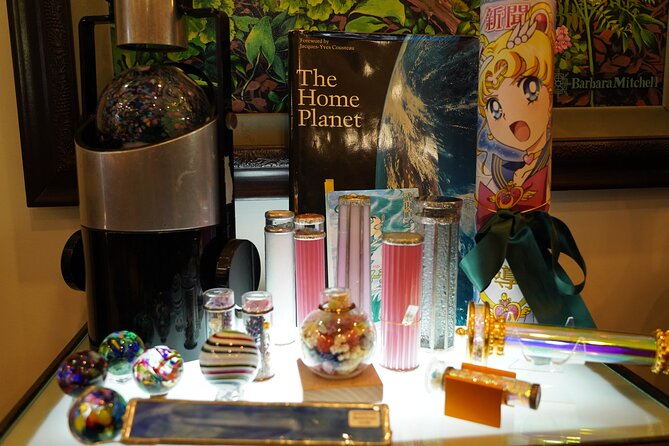
For Sailor Moon fans, Azabujuban has an extra layer of interest. The neighborhood is connected to real-life places that inspired the setting for manga creator Naoko Takeuchi. That gives fans a reason to look closely at the streets and surroundings, rather than treating the walk as food alone.
The experience is not described as a full Sailor Moon tour, and no specific locations or scenes are promised. But if the series is part of your Tokyo plans, the connection adds a personal thread to the neighborhood’s other stories. You can enjoy the food and local sites while also noticing the places that helped shape a fictional world.
A guide who shapes the walk
The small group size, usually one to four people, is a practical advantage. With fewer people, it is easier to ask questions and tell the guide what interests you. The walk has been tailored to participants’ requests, and the food stops can vary with what is available, so this format appears better suited to a conversational outing than a rigid parade of fixed stops.
Ellen is a guide named in accounts of the tour. She is described as friendly, well prepared, and able to explain the neighborhood, its people, and its food. She has also adjusted stops to suit individual needs and answered questions along the way. That points to the kind of guide you want for this experience: someone who can make small details meaningful, not simply lead you from snack to snack.
Guide assignments may vary, so do not assume Ellen will lead your particular walk. The tour is in English, and the small-group format should give you room to engage with whoever is guiding. If you have a dietary concern or a particular food interest, ask before booking rather than assuming the day’s menu can be changed.
Is $71 a fair price?
At $71 per person, the value depends on what you want from a food tour. Five treats and one alcoholic beverage are included, along with a guide-led walk through a neighborhood that can be hard to appreciate without local context. You are paying for more than the food: the shop stories, shrine visits, folklore, and chance to ask questions are a meaningful part of the outing.
The small group also helps justify the cost if you value conversation and flexibility. A group of one to four people is a very different experience from a large tour where the guide has to keep everyone moving. The food selection changes, however, and the price does not cover extra orders, personal shopping, or transport. If you mainly want the largest possible meal for your money, compare the included tastings with a restaurant meal. If you want food paired with neighborhood context, the price is easier to understand.
The tour is best for curious eaters who like trying a mix of familiar and less familiar Japanese foods, and for visitors who want to see a quieter side of Tokyo. It also suits Sailor Moon fans and anyone who enjoys learning how small businesses and local traditions shape a neighborhood. You should be comfortable walking around town at a moderate level of activity and wearing comfortable shoes.
Practical details before you go
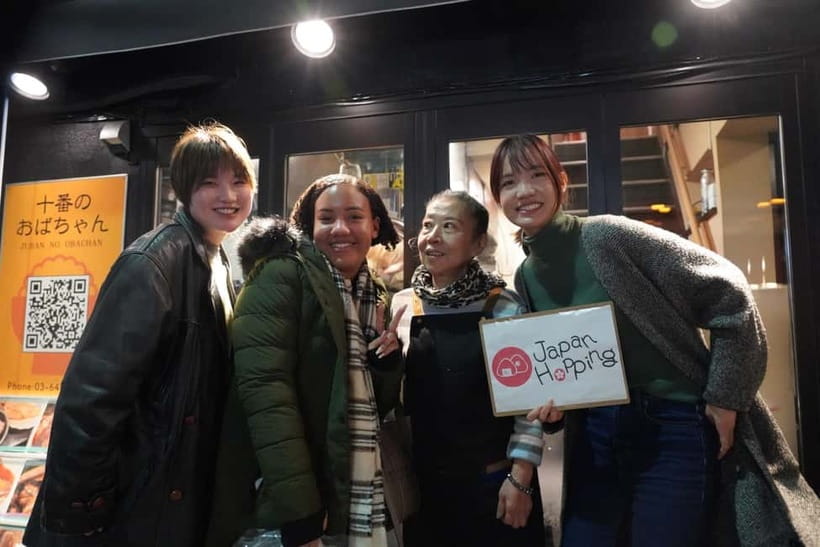
Meet at Azabujuban Station, Exit 4, in front of Oslo Coffee. Look for the Japan Hopping Tours logo. The tour returns to the same meeting point, so you do not need to plan a separate end location.
Wear comfortable shoes. The walk involves moving around the neighborhood, and the stated fitness level is moderate. Transport to and from the meeting point is not included, nor are extra food, drinks, and personal purchases. One alcoholic beverage is included, so plan accordingly if you do not drink alcohol.
Food availability can change from day to day. The included five treats are a selection, not a fixed menu, and the tour’s exact stops may depend on which shops are open. The activity is not suitable for people over 95 years old. You can reserve without paying immediately and cancel up to 24 hours in advance for a full refund.
Should you book this Azabujuban food walk?
Book it if you want a guided introduction to neighborhood life, not just a checklist of famous Tokyo sights. The combination of Japanese snacks, shop histories, shrines, and local folklore gives the walk a clear sense of place. The small group and the chance to talk with a guide make it especially appealing if you like asking questions as you go.
Think twice if you need a guaranteed menu, prefer not to walk, or want a tour focused only on food quantities. The experience is strongest for people who enjoy the stories around a meal as much as the meal itself. If that sounds like your kind of afternoon, Azabujuban offers a satisfying change of pace near Roppongi.
FAQ
Where does the tour start and end?
Meet at Azabujuban Station, Exit 4, in front of Oslo Coffee, where the guide will have the Japan Hopping Tours logo. The tour ends back at the meeting point.
How many Japanese treats are included?
Five treats are included, along with one alcoholic beverage. The food selection changes depending on store availability.
What foods might I try?
Possible examples include yakitori, mame daifuku, taiyaki, and homemade oden. Pastries, omelettes, and sushi have also been part of the food selection.
Is the tour in English?
Yes. English is the listed language for the tour.
How large is the group?
The activity is a small-group tour, with one to four people expected to join.
What should I bring, and how much walking should I expect?
Bring comfortable shoes. The tour involves walking around town and calls for a moderate level of fitness.
Freshly reviewed in Tokyo
- Tokyo: Toshimaya Sake Brewery Tour with Sake Tasting★ 5.0 · 6 reviews
- Tokyo: Tour Privado por Tokio en español★ 4.3 · 4 reviews
- :Tokyo,Shibuya /Meiji Shrine tour in KIMONO/English-friendly★ 5.0 · 4 reviews
- Tokyo:Tea ceremony experience at Komaba Warakuan★ 4.8 · 9 reviews
- :Tokyo,Shibuya/ Pro Photography in Kimono / English-Friendly★ 5.0 · 26 reviews
- Tokyo:Samurai Training : Swords, Bushido & Mental Discipline★ 5.0 · 6 reviews
- Tokyo:Mt Fuji & Hakone Day Tour with English Speaking Driver★ 5.0 · 26 reviews
- Tokyo:Nikko UNESCO World Heritage Sites Private 1-Day Tour★ 3.8 · 6 reviews
Tokyo Food Tours, compared.
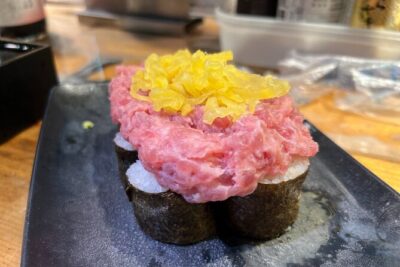
Shinjuku Food Tour (13 Dishes at 4 Local Eateries)
Read our review →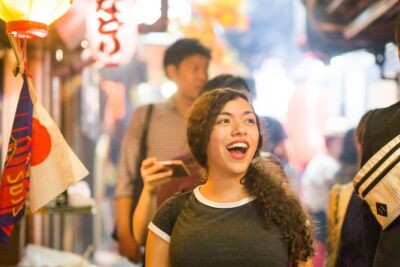
Best of Shinjuku: Izakaya Food Tour (4 Stops, 14+ Tastings)
Read our review →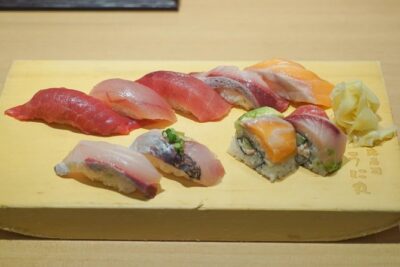
Tokyo Night Foodie Tour in Shinjuku – Seasonal Sushi, Wagyu Beef
Read our review →
Eat and Drink Like a Local: Tokyo Ueno Food Tour-Taverns&Ramen
Read our review →
Tsukiji Fish Market: Street Food & Culture Walking Tour
Read our review →
Tokyo Food Tour Taste Fresh Delights at Tsukiji Market
Read our review →Browse the lists this tour appears in