Reviewed · TOKYO TOURS
Tokyo: KABUKI, BUNRAKU, etc. presented by National Theatre
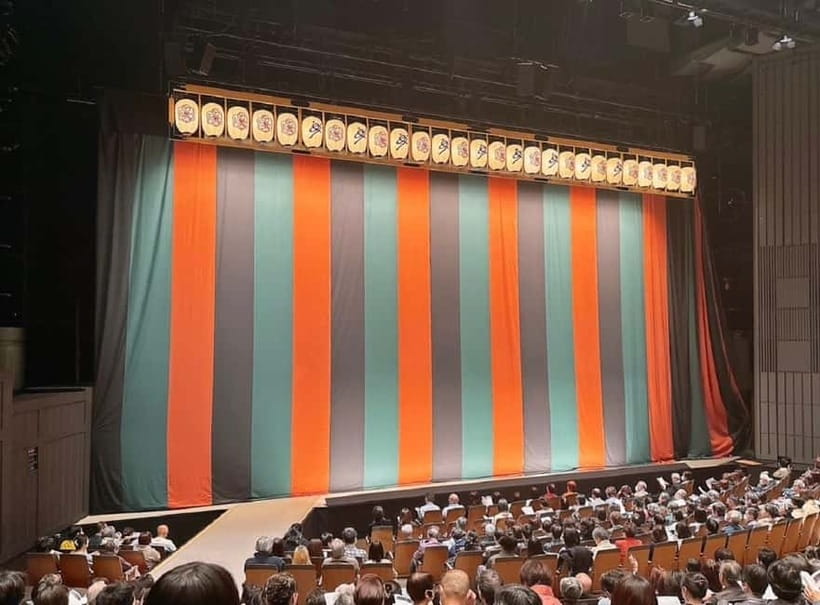
Kabuki and Bunraku are not museum pieces behind glass. They are live theatre, shaped by music, movement and stories that can be hard to follow if you do not speak Japanese. This National Theatre presentation gives you a chance to see the art forms on stage, with English support for Kabuki and Bunraku.
I like two things here: the chance to hear the performers without loudspeakers, and the audio guide that gives you a helpful outline without trying to translate every word. The catch is that the program, venue and length vary by date, and even with English help, a long performance can take patience.
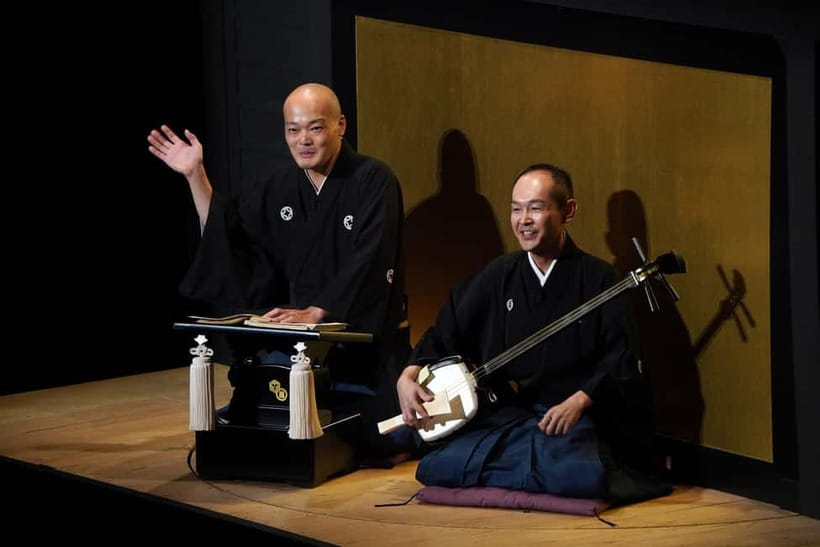
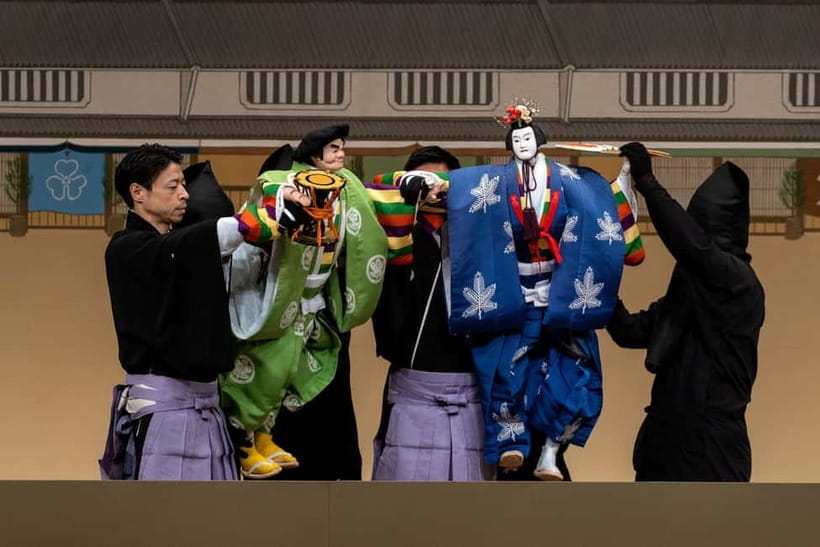
- Bunraku is a team performance: Storyteller, shamisen player and puppeteers work together, so watch and listen across the whole stage.
- The English guide gives context, not a full translation: It helps you follow the main action while leaving room for the actors’ voices and music.
- The Yokohama venue matters: The Bunraku performance described here is at KAAT Kanagawa Arts Theatre, not at the National Theatre in Hanzomon.
- The program changes by date: Kabuki, Bunraku and Hogaku are different experiences, so check the option title before booking.
- Set aside time for the full performance: Depending on the program, it lasts from 75 minutes to three hours.
A live art, not a cultural display
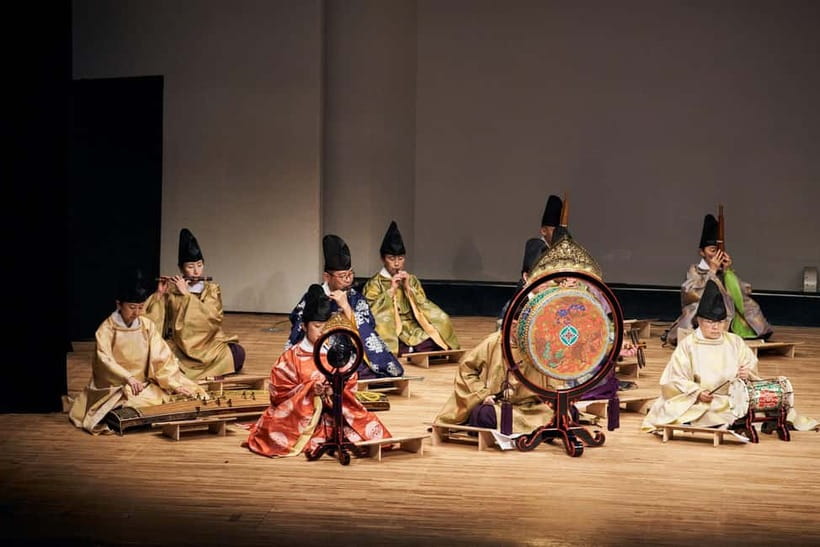
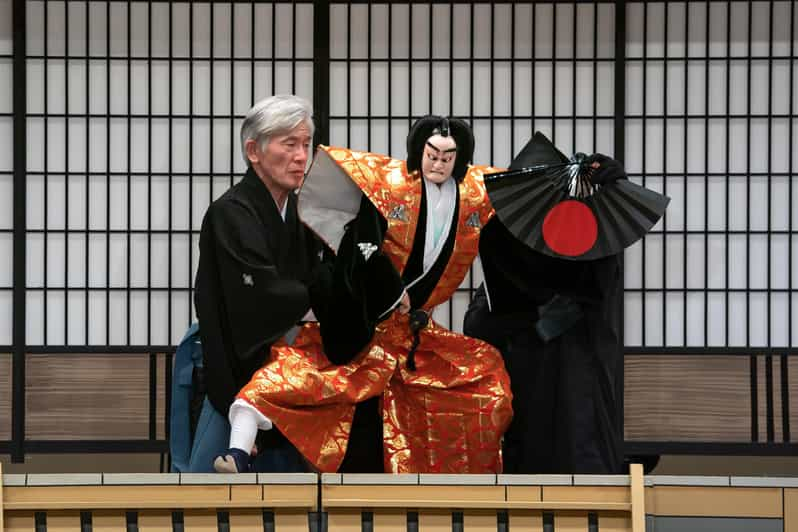
The strongest reason to book is simple: you get to watch a Japanese performing art in the form it was made for, on stage, in front of an audience. Kabuki blends drama, music and dance. Bunraku brings together puppetry, shamisen music and powerful narrative recitation. Hogaku, the music program, asks you to listen closely to traditional melodies and their variations.
These are not interchangeable shows, and the broad tour title can make them sound like one package. Your date determines what you see. Check the specific option before you pay, then read the details for that program. If you are hoping for puppets, book Bunraku. If you want stylized acting and dance, look for Kabuki. Hogaku is a concert, not a play.
The presentation comes from Japan’s National Theatre, an institution established in 1965 to support traditional performing arts. That backing matters: the aim is to present established forms by top performers, rather than a simplified imitation made only for tourists. You do not need to be an expert to attend, but a little curiosity helps.
Bunraku: story, strings and puppets in concert
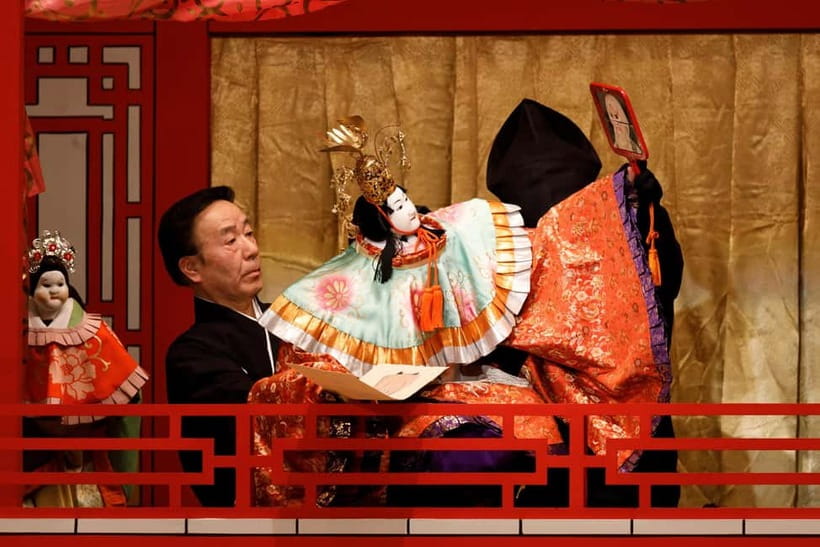
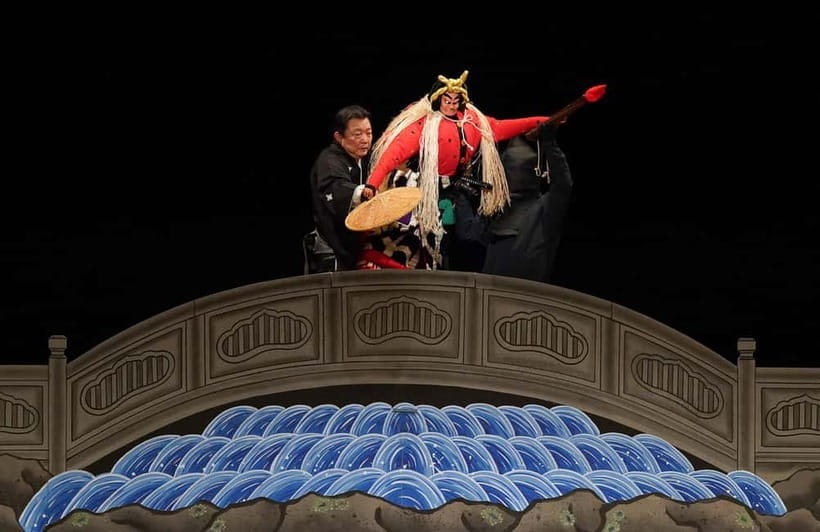
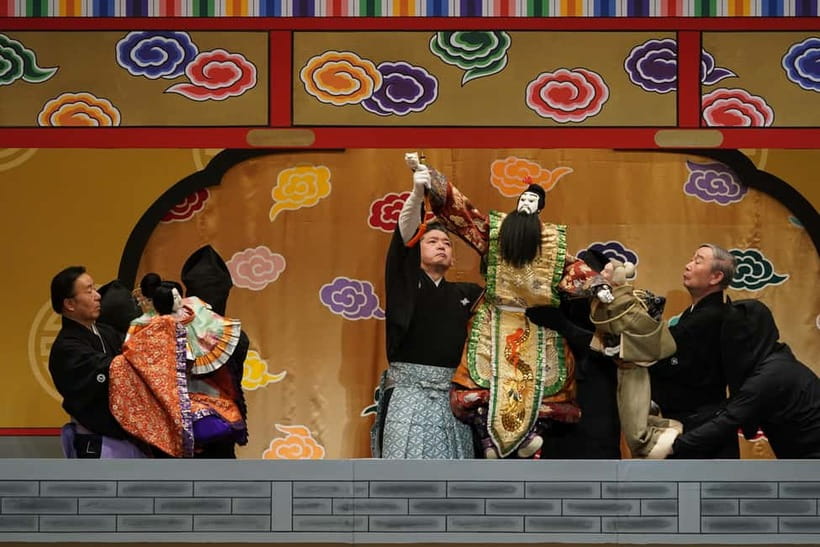
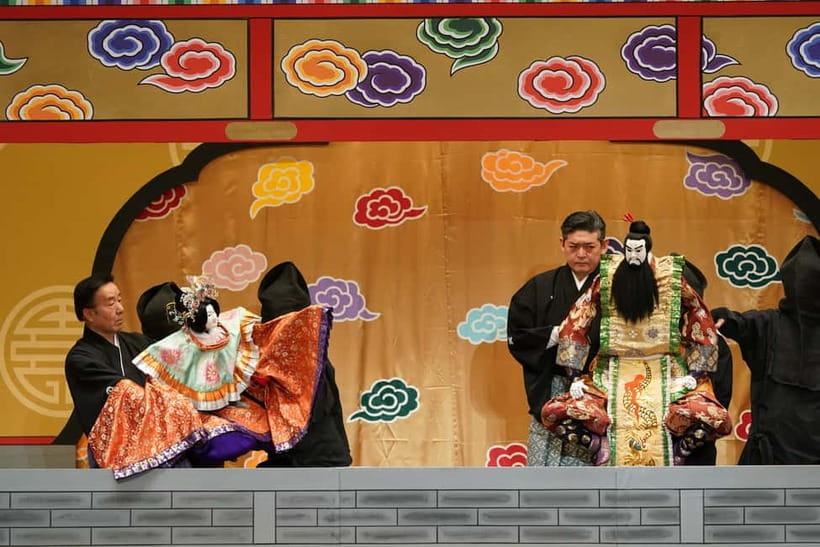
For the specific Bunraku ticket described here, the performance is at KAAT Kanagawa Arts Theatre in Yokohama. Bunraku is a sophisticated form of puppet theatre, recognized by UNESCO as an intangible cultural heritage. Its effect comes from the precise coordination of three elements: a narrator voices the story, a shamisen player sets its musical pulse, and puppeteers bring the figures to life.
Watch how your attention shifts. At first, you may focus on the puppets and their controlled movements. Then the narrator’s forceful voice and the shamisen’s sharp, expressive sound begin to shape the scene. The puppets are only one part of the drama. The performance works because the whole group appears to move as a single storytelling instrument.
The English audio guide is particularly useful in Bunraku, where the spoken story is central. It gives an overview of the main points, not a word-for-word translation. That is a fair trade: a literal translation could compete with the narrator and music, while the guide gives you enough context to follow the action.
There is a small adjustment period. You are listening to the English commentary while also hearing the performers, and it can feel like two sound tracks competing for your attention. Give yourself time to find a rhythm. Listen to the guide for the plot and key turns, then let your eyes and ears follow the live performance.
Do not assume every Bunraku program will feature the same kind of show. A special program may differ from a standard puppet performance. One visitor arrived expecting puppets and found a special show without them, which is a good reminder to read the date-specific description rather than relying on the general title.
More tours and experiences in Tokyo:
- Mt Fuji and Hakone 1-Day Bus Tour Return by Bullet Train
★ 5.0 · 26,383 reviews - 1-Day Tokyo Bus Tour
★ 5.0 · 14,250 reviews - Tokyo: teamLab Planets TOKYO Digital Art Museum Entry Ticket
★ 4.6 · 9,779 reviews
Kabuki: stylized drama with music and dance
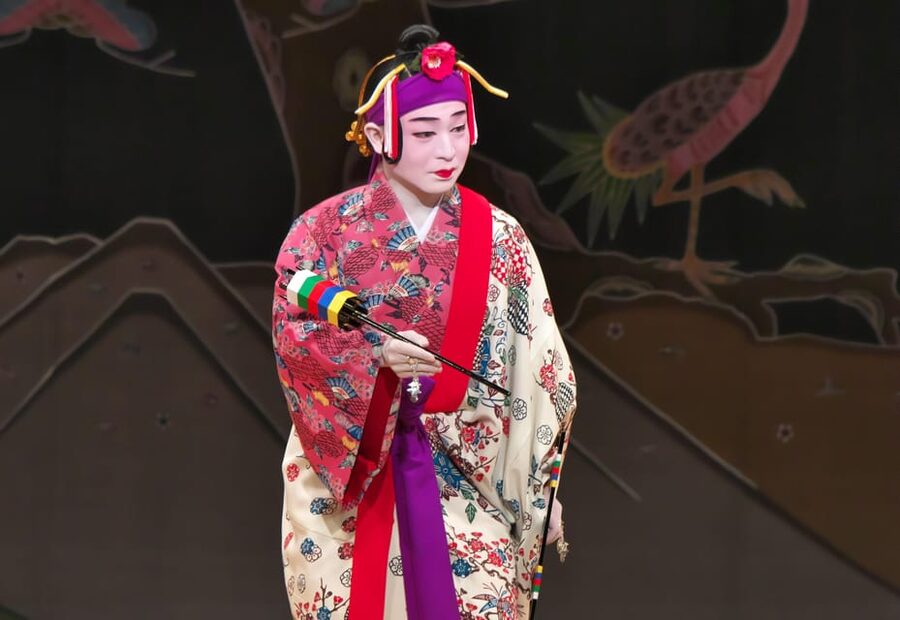
Kabuki is one of Japan’s best-known theatre forms, but it may not behave like the Western plays you are used to. Its appeal lies in the blend of acting, music, dance, striking costumes and carefully shaped movement. A story may unfold through visual gestures and musical changes as much as through dialogue.
The English audio guide helps you catch the main ideas and offers context about Kabuki’s history and conventions. It is an overview, not a script, so you will still miss some of the language and nuance. That is not a reason to stay away. Instead, watch the performers’ movements, the stage pictures and the way music builds around the action.
A useful approach is to read a little about Kabuki before you go, especially if you want to understand why a costume or gesture matters. The guide gives you a good starting point, but it cannot explain every detail in real time. If the performance has introductory explanations before it begins, arrive early enough to hear them. A few minutes of context can make the visual language easier to read.
The format can also surprise you. A program may include several acts or stories rather than one neat plot with a final resolution. Some stories may be unrelated or left open-ended. Go for the performance style and atmosphere as well as the narrative, and you are less likely to expect a tidy, familiar ending.
Hogaku: listening for the snow motif
Hogaku is a concert of traditional Japanese music, and it calls for a different kind of attention. The program described here focuses on melodies associated with snow, including Yuki no Aikata, a long shamisen interlude from the Jiuta piece Yuki. The melody appears in other songs connected with scenes of falling snow.
Rather than waiting for a plot, listen for how the musical idea returns and changes. The program invites you to notice how a familiar melody can suggest a setting or mood across different pieces. A free English explanation sheet provides context, but there is no audio guide for Hogaku.
This can be a good choice if you are interested in Japanese music and are happy to listen without a translated storyline. If you want the most direct help following a theatrical narrative, Kabuki or Bunraku may suit you better. The distinction is important when choosing: the included English support depends on the performance type.
English help, with limits worth knowing
The English audio guide is included for Kabuki and Bunraku, and it is one of the most useful parts of the offer for visitors who do not speak Japanese. It explains the main action and gives background, helping you understand what is happening without turning the show into a lecture.
Still, it is not a complete translation. You may need to split your attention between the guide and the live voices, and some subtleties of the text will remain out of reach. The performances themselves are a large part of the point: vocal style, timing, gesture and music carry meaning beyond the words.
For Hogaku, you receive a free English explanation sheet instead. Read it before or during the concert as appropriate, and use it to orient your listening. Japanese and other language versions of the audio guide are not available.
For a different side of the same trip:
- Mt Fuji & Hakone Cruise, Drum Show Bullet Train 1 Day from Tokyo
★ 4.0 · 7,413 reviews - Tokyo: Sumo Show Experience with Chicken Hot Pot and a Photo
★ 4.8 · 6,678 reviews - Tokyo: Shinjuku Food Tour (13 Dishes at 4 Local Eateries)
★ 5.0 · 6,603 reviews - Tokyo Mt Fuji 5th St & Hakone Cruise Bus Tour w/Bullet Train
★ 4.4 · 5,024 reviews
Yokohama travel: check the venue before you set out
The title may say Tokyo, but the Bunraku performance described here takes place in Yokohama. The venue is KAAT Kanagawa Arts Theatre, not the National Theatre in Hanzomon. Check the meeting-location details for your chosen date, because the venue can vary across the different performances.
For KAAT, the nearest listed station is Nihon-ōdōri on the Minatomirai Line. From Exit 3 or 4, the walk is about five minutes. Motomachi-Chukagai station is about eight minutes from Exit 1. The Minatomirai Line connects directly with the Tokyu Toyoko Line and Tokyo Metro Fukutoshin Line; from Shibuya, the train to Motomachi-Chukagai takes about 45 minutes.
That travel time changes the value calculation. The ticket may be a sensible way to spend an evening or a longer day in the area, but it is not a quick stop beside central Tokyo sights. If your schedule is tight, count the train journey along with the performance time before booking.
At the theatre, exchange your GetYourGuide voucher for the theatre-issued ticket at the entrance. Staff will ask for the name on the reservation. Seating is assigned by the theatre, so you cannot count on choosing a particular section.
How long to allow, and how to plan your day
The stated duration ranges from 75 minutes to three hours, depending on the performance. That is a wide spread, so check the duration for your exact date rather than planning around the shortest estimate. A longer program can take a substantial share of your day, especially when you add the journey to Yokohama.
Some performances include breaks. If yours does, use them to stretch or get a drink, but pay attention to the return time. Drinks are not allowed inside the theatre, so finish them before taking your seat again. The performance is not a good fit for anyone who expects to come and go freely.
The setting also asks for a little restraint. Photography, video and audio recording are prohibited, as are smoking, pets other than assistance dogs, alcohol and drugs, and making noise. In a quiet theatre, even small interruptions can distract from the performers and audience.
Children may find some programs long and slow-paced, and the subject matter can be serious. Bunraku stories can include adult themes, so check what is being performed if you are bringing children. The program details provided for this experience do not promise a child-friendly story.
Is $37 good value?
At $37 per person, the ticket includes admission and, for Kabuki or Bunraku, an English audio guide. Hogaku includes an English explanation sheet. Transportation is not included, and the Yokohama journey can add time and cost if you are staying in Tokyo.
I think the price makes most sense if you want to see a traditional performance, not simply tick off a cultural attraction. You are paying for live work by top performers in forms that depend on skilled coordination and a specific stage tradition. For someone curious about theatre, music or Japanese culture, that is a meaningful use of the ticket price.
The value is less clear if you have only a few days and are choosing between this and several other sights. A three-hour show plus travel could occupy much of an afternoon. If you are unsure, choose the shorter program when one is available, or book only after confirming the date, venue and art form.
There is free cancellation up to 24 hours before the activity, and a reserve-now, pay-later option is available. The experience is wheelchair accessible, but if you use a wheelchair, contact the provider as soon as possible so accessible seating can be arranged.
Who will get the most from this performance?
I would recommend it to you if you enjoy live theatre, are curious about how music and movement tell a story, or want to see a traditional art form without relying on a tourist-style demonstration. The strongest fit is a visitor willing to slow down, observe and accept that English support will help but not explain every nuance.
It is also a good choice for a return visit to Japan or a longer stay, when you have room for a performance and the trip to the venue. If you have only a short Tokyo visit, weigh the journey and show length against the rest of your plans.
You may find the pace challenging if you prefer fast-moving plots, familiar theatre conventions or a fully translated script. That does not make the performance inaccessible, but it does mean you should go with realistic expectations. The visual design, sound and acting can hold your attention even when the words do not.
Should you book it?
Book this if you want an authentic live encounter with Kabuki, Bunraku or Hogaku and are willing to give the form time to work on you. The English support, especially for Bunraku and Kabuki, makes the experience more approachable, while the live voices and music preserve the character of the performance.
Before paying, confirm the exact program, venue and duration. For the Bunraku ticket described here, plan for KAAT in Yokohama, not Hanzomon. If that journey fits your schedule and you are comfortable with a performance that may be slow, unfamiliar or only partly translated, $37 is a reasonable price for a rare chance to see these arts on stage.
FAQ
Is the Bunraku performance at the National Theatre in Tokyo?
No. The Bunraku performance described here is at KAAT Kanagawa Arts Theatre in Yokohama. Other programs may use different venues, so check the details for your selected date.
How do I get to KAAT Kanagawa Arts Theatre?
Nihon-ōdōri station on the Minatomirai Line is about a five-minute walk from Exit 3 or 4. Motomachi-Chukagai station is about an eight-minute walk from Exit 1.
How long does the performance last?
The duration varies by date and program, from 75 minutes to three hours. Check the selected performance details before booking.
Is an English audio guide included?
Yes, for Kabuki and Bunraku. It is available in English only and gives an overview of the main points, not a literal translation. Hogaku includes a free English explanation sheet instead.
Does every performance include puppets?
No. The program changes by date, and a special Bunraku program may not include puppets. Check the specific performance description before booking if puppetry is what you want to see.
What is included in the ticket price?
The ticket includes theatre admission. Kabuki and Bunraku include an English audio guide, while Hogaku includes a free English explanation sheet. Transportation to the theatre is not included.
Do I need to exchange my voucher at the theatre?
Yes. Exchange the GetYourGuide voucher for a theatre-issued ticket at the entrance on the day of the performance. Staff will ask for the name used for the reservation.
Can I take photos or record the performance?
No. Photography, video recording and audio recording inside the theatre are not allowed.
Is the experience wheelchair accessible?
Yes. If you are coming in a wheelchair, contact the provider as soon as possible so accessible seating can be arranged.
Freshly reviewed in Tokyo
- Tokyo: Toshimaya Sake Brewery Tour with Sake Tasting★ 5.0 · 6 reviews
- Tokyo: Tour Privado por Tokio en español★ 4.3 · 4 reviews
- :Tokyo,Shibuya /Meiji Shrine tour in KIMONO/English-friendly★ 5.0 · 4 reviews
- Tokyo:Tea ceremony experience at Komaba Warakuan★ 4.8 · 9 reviews
- :Tokyo,Shibuya/ Pro Photography in Kimono / English-Friendly★ 5.0 · 26 reviews
- Tokyo:Samurai Training : Swords, Bushido & Mental Discipline★ 5.0 · 6 reviews
- Tokyo:Mt Fuji & Hakone Day Tour with English Speaking Driver★ 5.0 · 26 reviews
- Tokyo:Nikko UNESCO World Heritage Sites Private 1-Day Tour★ 3.8 · 6 reviews
Tokyo Tours, compared.
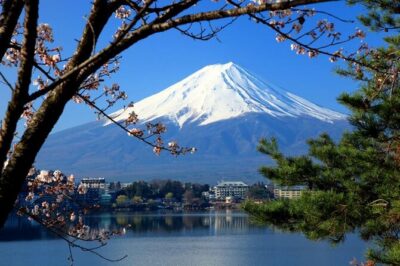
Mt Fuji and Hakone 1-Day Bus Tour Return by Bullet Train
Read our review →
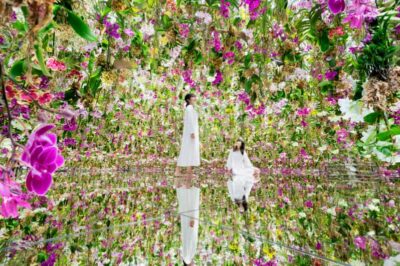
teamLab Planets TOKYO Digital Art Museum Entry Ticket
Read our review →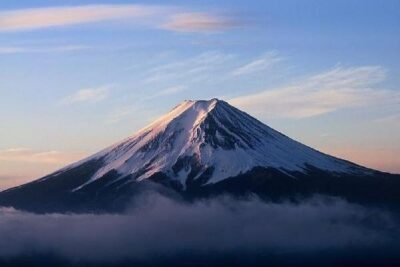
Mt Fuji & Hakone Cruise, Drum Show Bullet Train 1 Day from Tokyo
Read our review →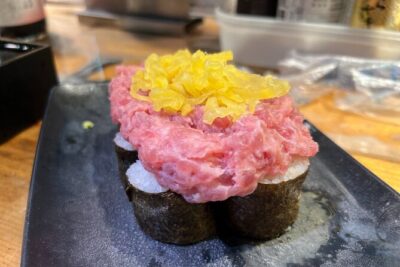
Shinjuku Food Tour (13 Dishes at 4 Local Eateries)
Read our review →
Tokyo Mt Fuji 5th St & Hakone Cruise Bus Tour w/Bullet Train
Read our review →
Flagship 2-Hours Official Street Go-Kart Tour – Tokyo Bay Shop
Read our review →