Reviewed · TOKYO TOURS
Make a temple stamp book with artist
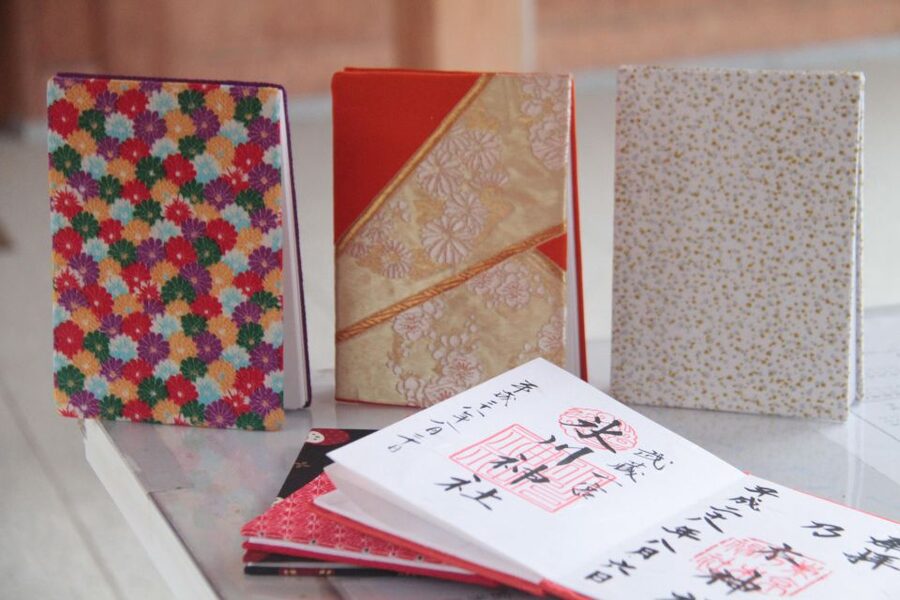
A goshuin book is a handmade notebook for collecting the calligraphic stamps given at temples and shrines in Japan. In this two-hour workshop near Shibuya, you choose from more than 100 kimono fabrics, learn to fold and glue the pages into a book, then visit a local shrine to collect your first stamp.
I like two things in particular: you get to make something personal from traditional fabric, and the craft leads straight into a cultural visit where you can learn how to approach a shrine formally. Instructor Chikako Oshiro also shares stories about goshuin and shrines, adding context to the object you have just made.
One consideration: the $38 price covers the workshop, but the shrine stamp fee is extra. The route also includes about 10 steps to reach the classroom and shrine, so this is not a good fit for people with mobility impairments.
What makes this workshop worth considering
- More than 100 kimono fabrics: Choose the material for your own goshuin notebook.
- A book you make yourself: Learn to fold and glue the pages rather than simply buying a souvenir.
- A first shrine stamp: After crafting, visit a local shrine and collect the first entry in your book. The stamp costs extra.
- English instruction: Chikako Oshiro leads the workshop in English and shares stories about goshuin and shrines.
- A small group: The class is limited to eight participants, giving the craft a more personal scale.
- A practical Shibuya-area outing: The workshop is located near popular tourist spots, making it easy to pair with other time in the area.
Choosing fabric, then building your book
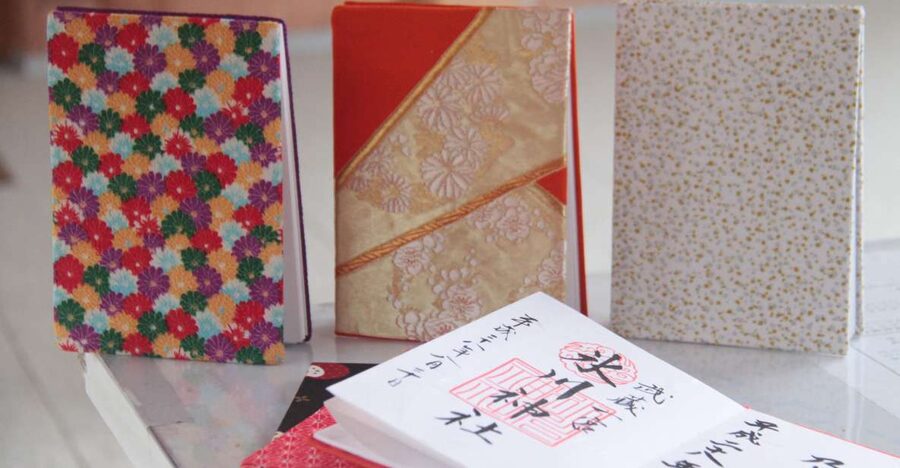
The session begins with a look through the fabric selection. With more than 100 kimono fabrics to choose from, the first decision is not a small one: this is the part of the project that makes your notebook feel like yours. You can take your time comparing patterns and colors, then settle on a favorite before the work begins.
The hands-on construction uses a simple process: folding and gluing paper together to make the notebook. Materials are provided, and the instructions are clear enough for beginners to follow. You are not expected to arrive with craft skills or tools. The point is to learn the method, make your own book, and understand what it is for.
This is a modest project, not a full-day craft course. That is part of its appeal. Two hours gives you time to make the notebook and connect it to the custom of collecting goshuin, without taking over an entire day in Tokyo. If you want a polished keepsake that is ready to use right away, remember that the pleasure here is in making it yourself.
The host’s approach also helps put the fabric in context. The workshop includes explanations about the significance of the traditional fabrics, along with stories about goshuin and the history of shrines. Those details can make the choice feel more meaningful than picking a pattern at random.
More tours and experiences in Tokyo:
- Mt Fuji and Hakone 1-Day Bus Tour Return by Bullet Train
★ 5.0 · 26,383 reviews - 1-Day Tokyo Bus Tour
★ 5.0 · 14,250 reviews - Tokyo: teamLab Planets TOKYO Digital Art Museum Entry Ticket
★ 4.6 · 9,779 reviews
Why goshuin books make a useful souvenir
A goshuin notebook gives a visit to a shrine or temple a continuing thread. Each place has its own stamp, and the book gives you somewhere to collect them as you go. Instead of bringing home an object with no connection to the rest of your trip, you leave with a notebook designed for a practice you can continue at other temples and shrines.
That ongoing use is the main value of the workshop. You make the book, learn what it is used for, and then get your first stamp during the same outing. The first entry becomes more than a decoration: it marks the point where you began collecting.
The workshop does not include the stamp fee, so bring that cost into your budget. The supplied information does not give the fee amount, so you should not assume it is covered by the $38 workshop price. You may also want to ask the instructor about how to use the notebook on later visits. One participant received extra glue for future stamps, but that detail should not be treated as a guaranteed inclusion.
A local shrine visit with a first stamp
After the craft, the group visits a local shrine. This is where the activity shifts from making an object to using it. Chikako teaches you how to visit the shrine formally, giving you a practical introduction before you collect your first goshuin stamp.
The visit is a useful bridge between the workshop and the wider customs you may encounter during a Japan trip. You do not need to arrive already familiar with shrine etiquette. The instructor explains how to pay your respects, and you can ask questions in English as you go.
The shrine is described as local, not as a major sightseeing stop. That suits the experience: the aim is to learn and collect your first stamp, not to spend the session touring a large landmark. If you are looking for a detailed shrine tour or a broad lesson on Japanese religion, this short visit may be too focused. If you want a gentle introduction tied to a hands-on activity, it fits well.
The stamp itself is not included in the workshop fee. Keep a little extra money available for it, and remember that the shrine visit is part of the two-hour session. The exact amount of time spent at each stage is not specified, so expect the host to guide the pace.
The instructor and small-group feel
The workshop is led in English by Chikako Oshiro, the named experience provider. The small-group limit of eight matters here: fabric selection, folding, and gluing are all easier to follow when the class is not large. It also leaves room for the instructor to help if you are unsure about a step.
The teaching style sounds practical and welcoming. The guidance covers the construction process, while the cultural explanations give you reasons behind the craft and the shrine visit. Clear instructions are especially helpful for a project involving glue and folded paper, where a small misstep could make the process frustrating.
The activity’s strongest appeal is this mix of hands-on making and cultural explanation. You are not only watching a demonstration, and you are not only listening to a talk. You do something with your hands, then see how the finished notebook is used.
For a different side of the same trip:
- Mt Fuji & Hakone Cruise, Drum Show Bullet Train 1 Day from Tokyo
★ 4.0 · 7,413 reviews - Tokyo: Sumo Show Experience with Chicken Hot Pot and a Photo
★ 4.8 · 6,678 reviews - Tokyo: Shinjuku Food Tour (13 Dishes at 4 Local Eateries)
★ 5.0 · 6,603 reviews - Tokyo Mt Fuji 5th St & Hakone Cruise Bus Tour w/Bullet Train
★ 4.4 · 5,024 reviews
Is $38 a fair price?
At $38 per person, the price covers a two-hour English-language workshop and the chance to make a personal notebook from a wide fabric selection. Materials are provided, and the session includes a visit to a local shrine. You should add the stamp fee separately when estimating the total.
The value depends on what you want from the experience. If you are mainly looking for a cheap souvenir, buying a ready-made notebook may cost less. But this workshop includes instruction, a cultural introduction, and the satisfaction of making the book yourself. That combination makes the fee more reasonable for someone who enjoys small-group activities and wants a memento tied to a specific custom.
The group limit also supports the price. A class of no more than eight makes it easier to get individual help than a large demonstration would. It is still a short activity, though, so do not expect an extensive craft course or a long shrine tour.
Fitting it into a day near Shibuya
The workshop is located near popular tourist spots in Shibuya, which makes it a sensible choice if you want to add a cultural activity to a day in the area. The meeting point is in front of an entrance between a drug store and Cozy Corner, a cake shop. Use those nearby businesses as your landmarks when finding the entrance.
The activity lasts two hours, but check available starting times before planning the rest of your day. The experience takes place rain or shine, so do not count on weather cancelling the session. The information provided does not specify how much time is spent indoors versus outdoors, so bring clothing suitable for the conditions on the day.
There are about 10 steps to reach the classroom and shrine. That is worth considering before booking, especially because the activity is specifically not suitable for people with mobility impairments. Children under three are also not eligible.
Who will enjoy it most
I would choose this workshop if you want a souvenir you can keep using, enjoy a relaxed craft activity, or are curious about shrine customs but would like someone to explain them in English. It is also a good match for visitors who want a cultural stop near Shibuya without committing to a full-day tour.
It may be less satisfying if you are short on time, uninterested in making things, or expecting an extensive visit to a famous shrine. The experience is focused: choose fabric, make a goshuin book, learn shrine etiquette, and collect a first stamp. Its value comes from that clear, personal sequence.
The small group and the host’s cultural explanations give the session a thoughtful feel, while the actual craft keeps it grounded. You leave with a handmade notebook and a first entry, plus a better sense of how to use it during the rest of your time in Japan.
Should you book this workshop?
Book it if you want a practical, personal introduction to goshuin and enjoy the idea of making your own notebook before using it. The combination of fabric choice, clear instruction, and a shrine visit makes good use of two hours, especially if you are already spending time near Shibuya.
Skip it if you need step-free access, are bringing a child under three, or want the shrine stamp included in the price. For everyone else, it is a focused cultural activity with a useful keepsake at the end. Just budget separately for the stamp and arrive ready to make a few careful folds.
FAQ
How long does the workshop last?
The activity lasts two hours.
How much does it cost?
The price is $38 per person. The shrine stamp fee is not included.
What is a goshuin book?
It is a notebook for collecting stamps from temples and shrines in Japan.
How many fabrics can I choose from?
The workshop offers more than 100 kimono fabrics.
Who leads the workshop?
The experience provider is Chikako Oshiro. Instruction is in English.
Do I get to visit a shrine?
Yes. After making the notebook, the group visits a local shrine.
Is my first shrine stamp included in the price?
No. The stamp fee at the shrine is not included in the workshop fee.
How many people can join?
The group is limited to eight participants.
Does the workshop run if it rains?
Yes. The activity takes place rain or shine.
Is the activity suitable for people with mobility impairments?
No. There are about 10 steps to reach the classroom and shrine, and the activity is not suitable for people with mobility impairments.
Freshly reviewed in Tokyo
- Tokyo: Toshimaya Sake Brewery Tour with Sake Tasting★ 5.0 · 6 reviews
- :Tokyo,Shibuya /Meiji Shrine tour in KIMONO/English-friendly★ 5.0 · 4 reviews
- Tokyo: Tour Privado por Tokio en español★ 4.3 · 4 reviews
- Tokyo:Tea ceremony experience at Komaba Warakuan★ 4.8 · 9 reviews
- :Tokyo,Shibuya/ Pro Photography in Kimono / English-Friendly★ 5.0 · 26 reviews
- Tokyo:Samurai Training : Swords, Bushido & Mental Discipline★ 5.0 · 6 reviews
- Tokyo:Nikko UNESCO World Heritage Sites Private 1-Day Tour★ 3.8 · 6 reviews
- Tokyo:Mt Fuji & Hakone Day Tour with English Speaking Driver★ 5.0 · 26 reviews
Tokyo Tours, compared.

Mt Fuji and Hakone 1-Day Bus Tour Return by Bullet Train
Read our review →

teamLab Planets TOKYO Digital Art Museum Entry Ticket
Read our review →
Mt Fuji & Hakone Cruise, Drum Show Bullet Train 1 Day from Tokyo
Read our review →
Shinjuku Food Tour (13 Dishes at 4 Local Eateries)
Read our review →
Tokyo Mt Fuji 5th St & Hakone Cruise Bus Tour w/Bullet Train
Read our review →
Flagship 2-Hours Official Street Go-Kart Tour – Tokyo Bay Shop
Read our review →