
Reviewed · KAMAKURA TOURS
Kamakura & Enoshima: Great Buddha, Shrines and Ocean Views
Kamakura’s appeal is the way its samurai past, spiritual sites and ocean-facing island life fit into one day out. On this five-hour tour, you move between them by foot and by the historic Enoden train, with the Great Buddha as a memorable final stop.
I like two things in particular: the guide can put Tsurugaoka Hachimangu and the city’s samurai connections in context, and the train ride gives you a change of pace from temple grounds to coastal scenery. Guides Yoko and Yuya have led tours, with strong English and patient answers to questions.
The main consideration is the pace. You cover several stops in five hours, with walking, train transfers and time on your feet, so this is not the best fit if you need step-free access, use a wheelchair, or want a slow, unstructured day.
- Start at Tsurugaoka Hachimangu: Spend 45 minutes at Kamakura’s spiritual heart and hear about its place in samurai culture.
- Take the Enoden railway: Ride between the city and the coast on a historic line with ocean views.
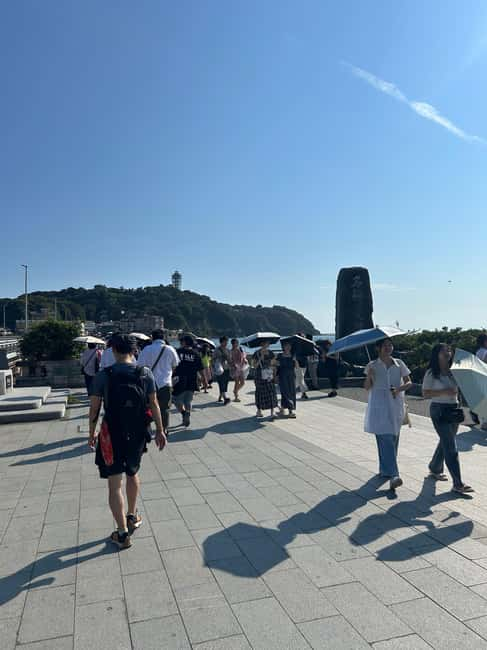
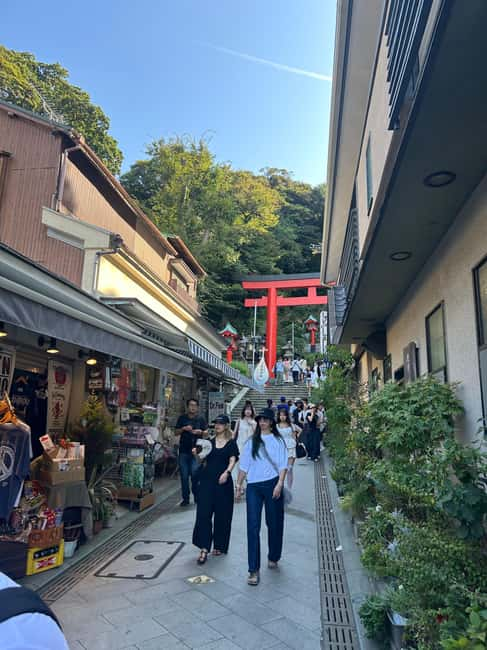
- Make time for Enoshima: Walk the island’s streets, see its shrines and enjoy a food-tasting stop.
- Visit Hase-dera and Kotoku-in: See Kannon at Hase-dera, then the Great Buddha at Kotoku-in.
- Plan for practical limits: Admission is included, but bring cash; the tour runs in rain and is not suited to mobility-impaired participants.
Kamakura’s samurai story begins at Tsurugaoka Hachimangu
The tour starts at Kamakura Station, with the exact meeting point depending on the option you book. From there, the group walks about 10 minutes to Tsurugaoka Hachimangu, the city’s spiritual heart and a landmark tied to its samurai culture.
You have about 45 minutes here for a guided visit, sightseeing and photos. That is enough time to take in the grounds and hear why the shrine matters to Kamakura, without needing to piece together the city’s history on your own. I value this kind of introduction: a local guide can connect what you see to the traditions that still shape the place.
The shrine stop is not just a quick photo pause. The guide’s stories give the visit a thread to follow, and the length leaves room to look around rather than march straight through. If you want a long, independent exploration of the grounds, though, you may wish for more time.
A further 20-minute stop follows, listed for sightseeing and a food-market visit. The precise location is not specified, so treat it as a chance to browse and get a feel for local food rather than expecting a particular market or a full meal. Keep some cash handy: small shops may not accept cards.
The Enoden makes the coast part of the day
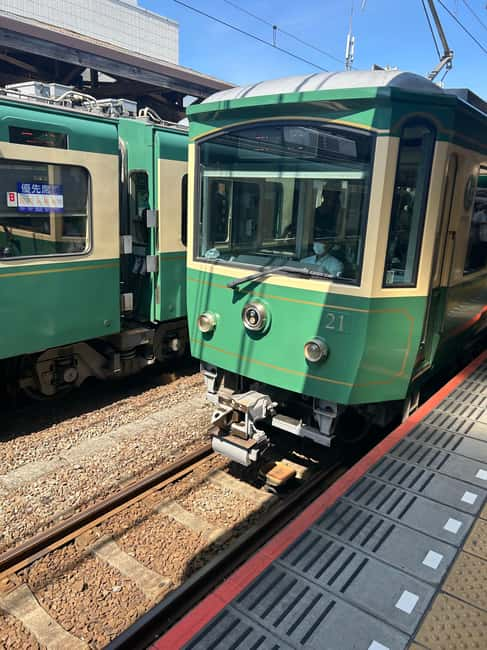
After the first Kamakura stops, you board the Enoden for a 15-minute ride toward Enoshima. The railway is part of the experience, not just a way to save your feet. Its historic character and coastal route give you a different view of the area between the temple visits.
For a half-day tour, that change of scene matters. You move from a shrine associated with Kamakura’s past to an island setting known for seaside views, historic shrines and shopping streets. The train also breaks up the walking, though you should still expect plenty of time on your feet over the whole outing.
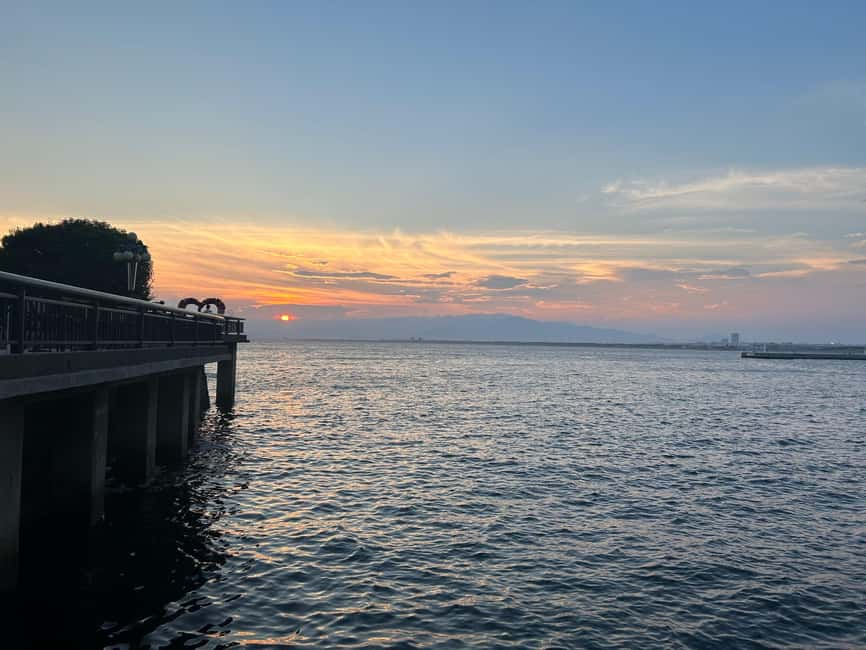
The coastal ride is a highlight for anyone who wants more than a temple checklist. It brings the sea into the day and gives the guide another setting in which to talk about local life. Exact views depend on conditions and where you are on the route, so think of this as a scenic ride rather than a dedicated sightseeing cruise.
More Kamakura trips in Tokyo:
- Tokyo: Mt. Fuji, Kamakura, Big Buddha, & Lake Ashi Day Trip
★ 4.5 · 867 reviews - Tokyo:Sea of Mount Fuji, Hakone Ropeway, Ōwakudani, Enoshima
★ 4.9 · 84 reviews - Kamakura 8 hr Private Walking Tour with Licensed Guide from Tokyo
★ 5.0 · 80 reviews
Enoshima gives the tour its seaside pause
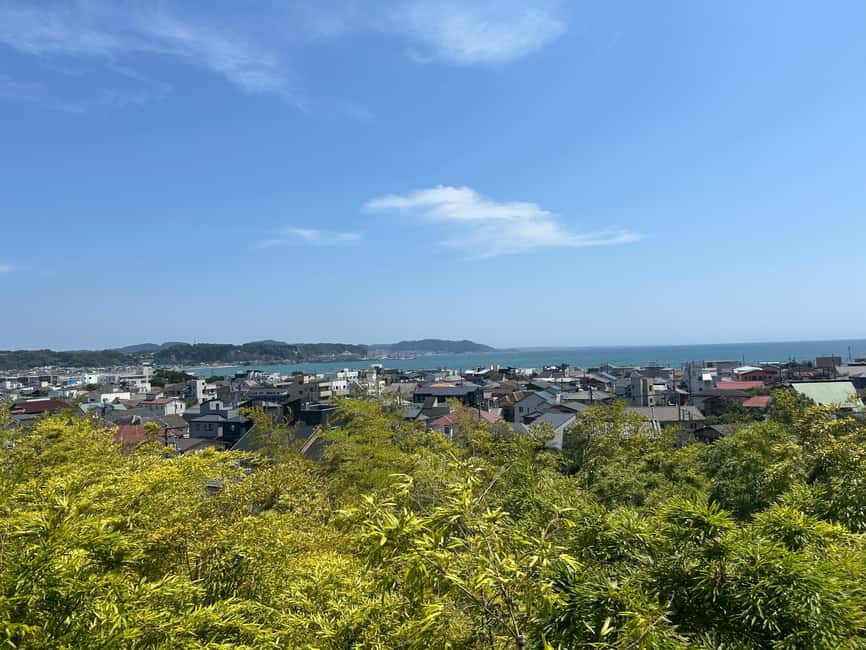
You spend about an hour on Enoshima, with a guided visit, sightseeing, photos and a food-tasting stop. The island’s streets offer a lively change from the quieter temple grounds, while its shrines and ocean views keep the focus on the coast.
An hour is a useful but limited window. You can get a sense of the island’s atmosphere, follow the guide through its main areas and sample food, but you should not expect a leisurely, self-directed island day. If you have a particular shop or corner of Enoshima in mind, this tour may not leave much time to linger there.
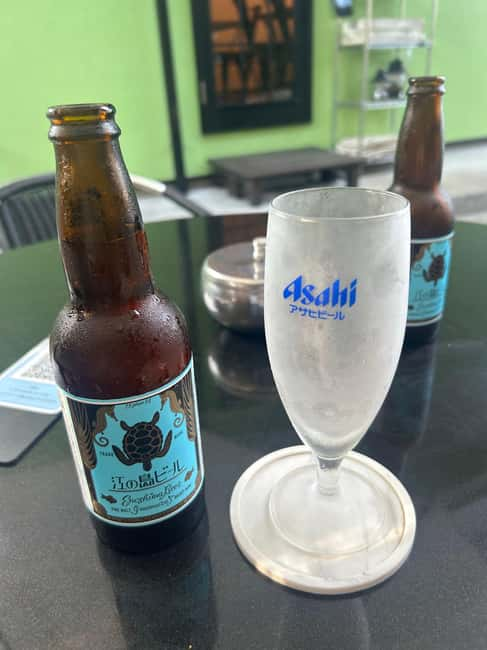
The food tasting is a pleasant way to make the stop feel local rather than purely scenic. The tour information does not say whether tasting costs are covered, so bring cash for anything you want to buy. That is also sensible for small purchases elsewhere along the route.
Enoshima is a good counterweight to Kamakura’s spiritual heritage. Here, the experience shifts toward seaside scenery and the everyday bustle of island streets. I like that contrast: it makes the outing feel like an exploration of the broader coastal area, not just a chain of famous monuments.
Hase-dera brings gardens and Kannon into view
From Enoshima, the group takes another train for about 10 minutes, then walks roughly 10 minutes to Hase-dera. The visit lasts about 30 minutes and includes time for sightseeing, photos and a guided explanation.
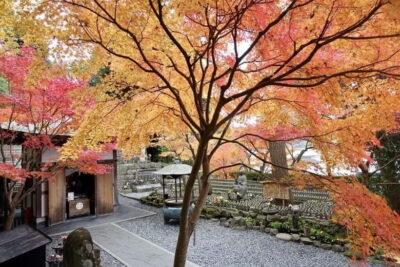
Hase-dera is known for peaceful gardens and an impressive statue of Kannon, the goddess of compassion. The contrast with the island streets is immediate: this stop turns the pace back toward contemplation and gives the tour another way to approach Kamakura’s spiritual life.
Thirty minutes is enough for an introduction, but not an invitation to lose track of time among the grounds. You will want to stay with the group and listen closely, especially if you have questions. One of the tour’s strengths is the chance to ask them as they arise. Yuya, for example, has been praised for giving detailed answers, while Yoko has been described as kind and attentive. Guides may vary, but the experience is designed around a live English-speaking guide.
If gardens and temple details are your main interest, consider returning to Hase-dera independently for a longer visit. The guided stop is best understood as one part of a varied day, not an exhaustive tour of the temple.
The Great Buddha is a fitting final landmark
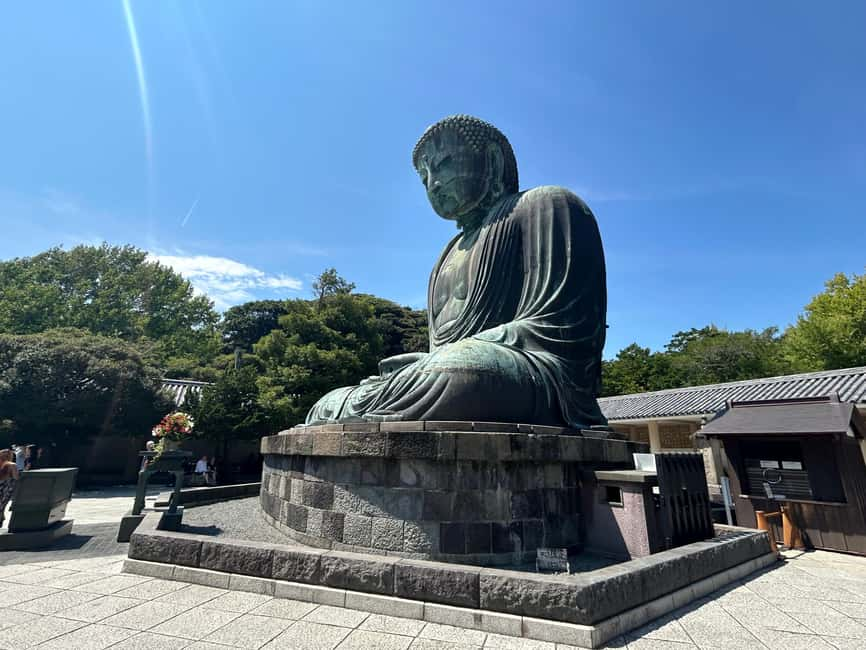
The final major visit is Kotoku-in, home to the Great Buddha of Kamakura. You have about 40 minutes here for a guided visit and sightseeing. The large bronze statue has inspired visitors for centuries, and seeing it in person gives the day a clear focal point after its shifts between shrine, island and temple.
This is the kind of landmark that benefits from context. A guide can help you connect the statue to Kamakura’s broader spiritual heritage, rather than treating it as a quick stop for a photograph. There is time to look, listen and take pictures, though the tour’s overall schedule still keeps the visit moving.
After Kotoku-in, the group takes a train for about 10 minutes back to Kamakura Station, the listed drop-off point. The route is practical for seeing several places in one day, but the transport links and fixed schedule mean you will need to follow the group rather than set your own pace.
For a different side of the same trip:
- Mt Fuji and Hakone 1-Day Bus Tour Return by Bullet Train
★ 5.0 · 26,383 reviews - 1-Day Tokyo Bus Tour
★ 5.0 · 14,250 reviews - Tokyo: teamLab Planets TOKYO Digital Art Museum Entry Ticket
★ 4.6 · 9,779 reviews - Mt Fuji & Hakone Cruise, Drum Show Bullet Train 1 Day from Tokyo
★ 4.0 · 7,413 reviews
What the $50 price covers, and what it does not
At $50 per person, the price includes an English-speaking guide, the walking tour and entrance fees to attractions. That is useful value if you want guided context at several major sites and prefer not to work out each visit on your own. Admission costs are already accounted for, which also makes the day easier to budget.
The experience includes a market visit and food tasting, but it does not specify that food purchases are covered. Budget separately for snacks or souvenirs, and bring cash because some shops do not take cards. The booking offers private or small-group options, but no exact group size is given; check the option details if the size of your party matters to you.
You can reserve now and pay later, and cancellation is free up to 24 hours before the activity for a full refund. Starting times depend on availability. Confirm the meeting point for your chosen option, since it may vary even though Kamakura Station is the stated start and end area.
Who will enjoy this five-hour route
I would recommend this tour if you want a guided introduction to Kamakura and Enoshima, have a moderate amount of time, and enjoy mixing cultural sights with coastal views. It suits curious first-time visitors who want a local voice to connect the sites, and anyone who would rather ride the Enoden and follow a planned route than organize each transfer alone.
It is less suitable if you want a quiet, slow day at one temple, extensive free time on Enoshima, or a route with minimal walking. The tour is not suitable for children under seven, people with mobility impairments or wheelchair users. Baby strollers, baby carriages, luggage and large bags are not allowed.
Wear comfortable walking shoes and dress for the weather. The tour runs rain or shine, and the route may change because of weather or local events. Arrive at least 10 minutes early, carry cash, and be prepared for crowds at some attractions during peak hours.
Should you book it?
Book this tour if you want one well-shaped half-day that links Kamakura’s samurai heritage, the Enoden coastline, Enoshima’s island atmosphere and the Great Buddha. Its best value is the combination: transport, admission and English-language guiding help you cover a lot without turning the day into a series of disconnected stops.
Skip it if you need an accessible route, prefer to explore at your own speed, or want several hours at each temple. For most active visitors with a free half-day, though, it offers a practical mix of history, spiritual sites and sea views, with guides such as Yoko and Yuya bringing local stories and clear answers to the walk.
FAQ
How long is the tour?
The tour lasts five hours, including walking, train rides and visits to Kamakura and Enoshima.
Where does the tour start and finish?
Kamakura Station is listed as both the starting and drop-off area. The exact meeting point may vary depending on the option you book.
Is an English-speaking guide included?
Yes. The tour includes a live English-speaking guide.
Are attraction entrance fees included?
Yes. Entrance fees to attractions are included in the price.
Should I bring cash?
Yes. Bring cash for small purchases because some shops may not accept cards. The tour information does not specify whether food tasting purchases are included.
Can I cancel for a refund?
You can cancel up to 24 hours in advance for a full refund.
Is the tour suitable for wheelchair users or young children?
No. It is not suitable for wheelchair users or people with mobility impairments, and children under seven are not accepted. Baby strollers, baby carriages and large bags are also not allowed.
Freshly reviewed in Tokyo
- Tokyo: Toshimaya Sake Brewery Tour with Sake Tasting★ 5.0 · 6 reviews
- :Tokyo,Shibuya /Meiji Shrine tour in KIMONO/English-friendly★ 5.0 · 4 reviews
- Tokyo: Tour Privado por Tokio en español★ 4.3 · 4 reviews
- Tokyo:Tea ceremony experience at Komaba Warakuan★ 4.8 · 9 reviews
- :Tokyo,Shibuya/ Pro Photography in Kimono / English-Friendly★ 5.0 · 26 reviews
- Tokyo:Samurai Training : Swords, Bushido & Mental Discipline★ 5.0 · 6 reviews
- Tokyo:Mt Fuji & Hakone Day Tour with English Speaking Driver★ 5.0 · 26 reviews
- Tokyo:Nikko UNESCO World Heritage Sites Private 1-Day Tour★ 3.8 · 6 reviews
Kamakura Tours, compared.
Kamakura & Enoshima Day Trip including Temple Tickets
Read our review →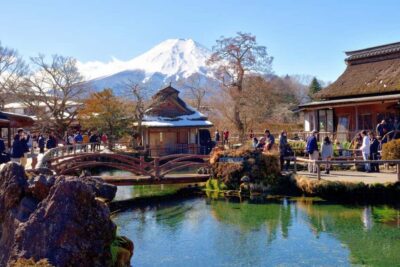
Mt. Fuji, Kamakura, Big Buddha, & Lake Ashi Day Trip
Read our review →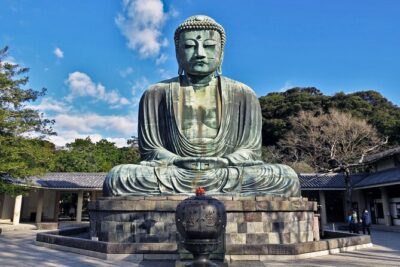
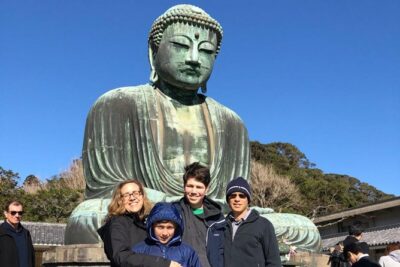
Kamakura Historical Walking Tour with the Great Buddha
Read our review →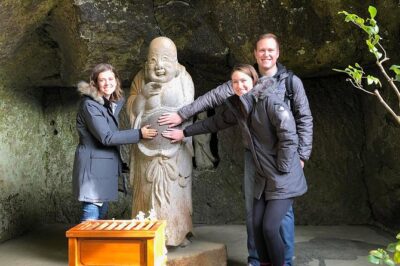
Kamakura Private Tour: Temples, Nature, and the Great Buddha
Read our review →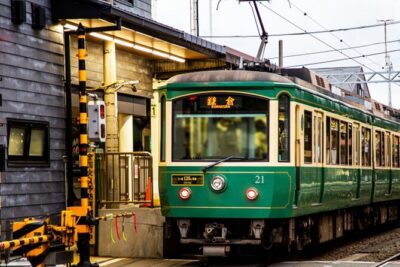
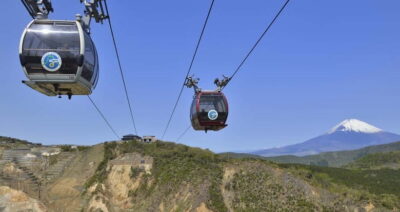
Sea of Mount Fuji, Hakone Ropeway, Ōwakudani, Enoshima
Read our review →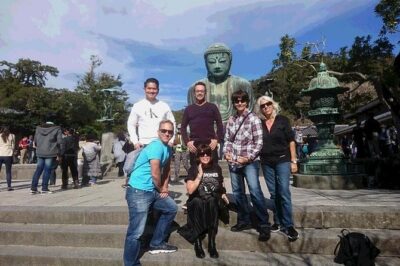
Kamakura 8 hr Private Walking Tour with Licensed Guide from Tokyo
Read our review →Browse the lists this tour appears in