Reviewed · TOKYO TOURS
Japanese Traditional Music Show in Tokyo
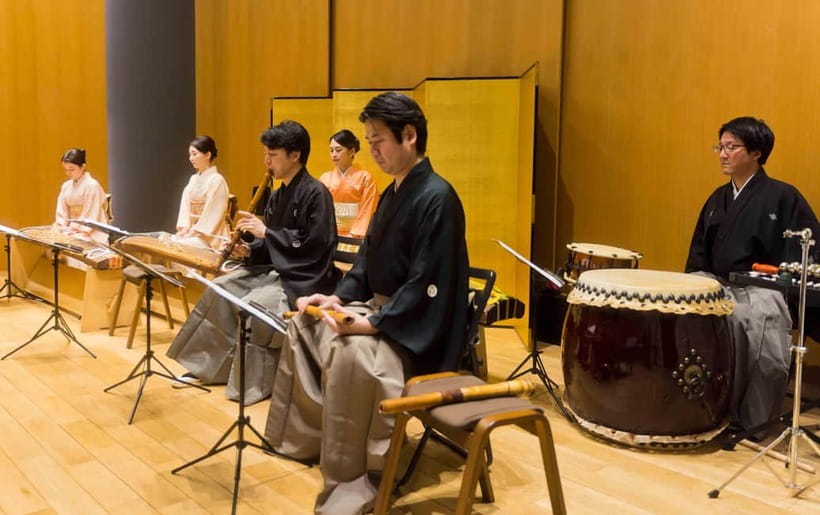
Traditional Japanese instruments can sound startlingly fresh when played a few feet away. At ZAKURO SHOW, you hear the koto, shamisen, shakuhachi flute, and taiko drums in a small, reserved-seat setting, with an English- and Japanese-speaking host explaining what you’re hearing.
I like two things in particular: the short explanations woven between the music make the instruments easier to understand, and the program moves between old and modern pieces, including an unexpected Western hit. One consideration: it’s a one-hour introduction, not a long concert or a full course in Japanese music.
What makes this concert worth your hour
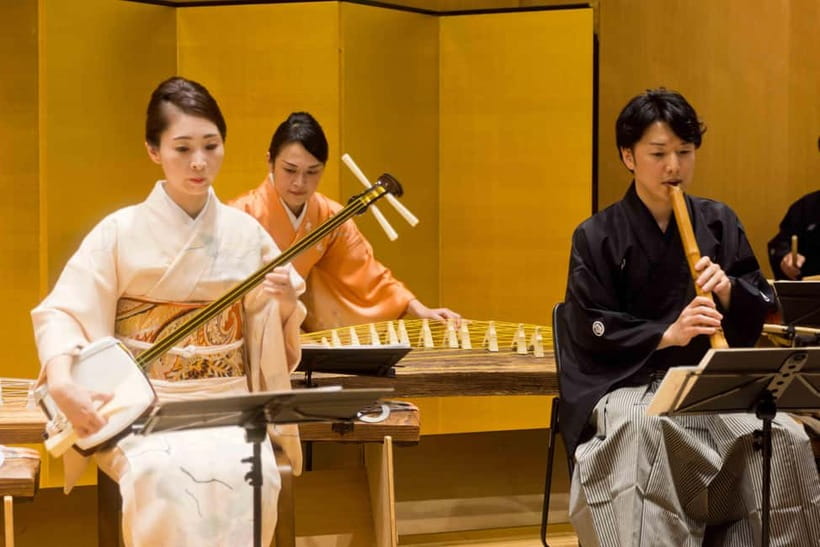
- Four distinct sounds: Hear koto, shamisen, shakuhachi flute, and taiko drums performed live.
- Music with context: The host explains the instruments and the history behind selected pieces in English and Japanese.
- A small audience: Reserved seats and limited capacity make this a closer-up performance than a large hall concert.
- Old and new in one program: Traditional and modern Japanese music share the set with a Western pop cover.
- Photos are welcome: You can take pictures and videos during the show, then take photos beside the musicians afterward.
- An easy Harajuku location: Hall 60 is a one-minute walk from Meiji-Jingumae Station, Exit 7, or about five minutes from JR Harajuku Station’s Omotesando Exit.
A close-up introduction to wagakki
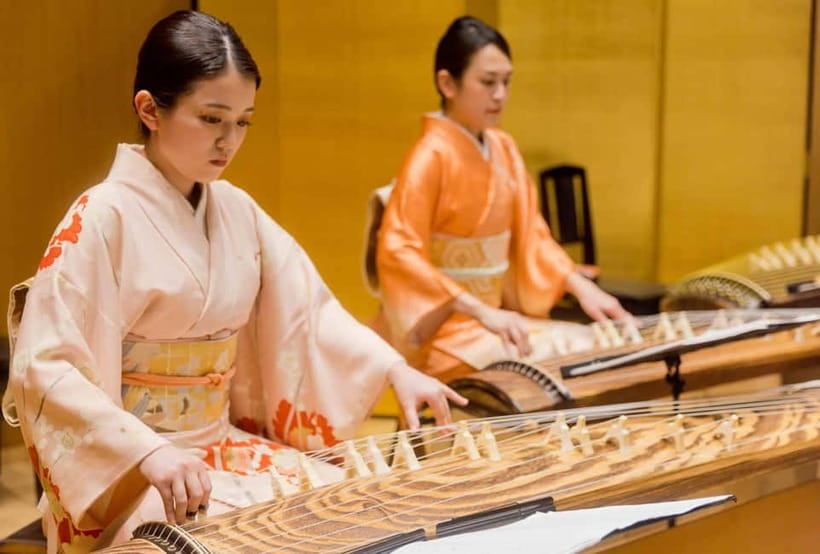
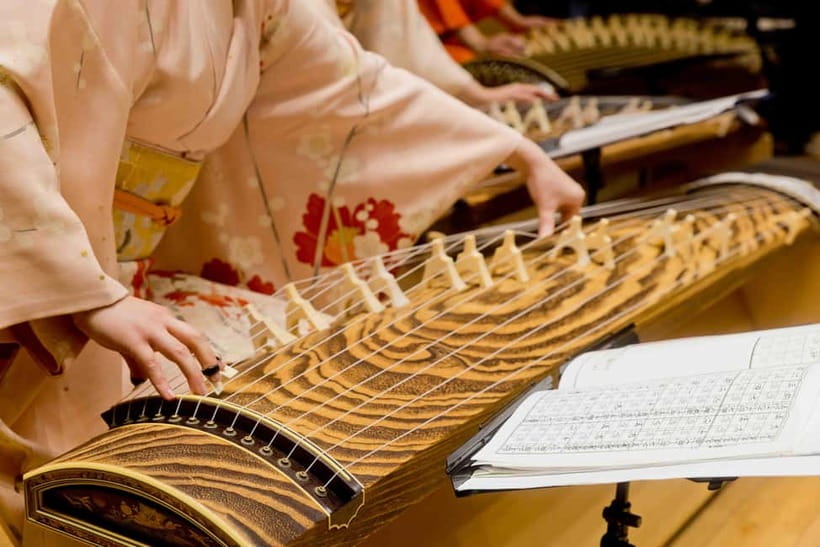
Wagakki is the Japanese term for traditional Japanese musical instruments. This concert gives you a direct introduction through sound rather than a museum display: the musicians perform on instruments including the koto, shamisen, shakuhachi flute, and taiko drums, then the host helps explain what you’ve just heard.
That combination matters. Traditional music can be hard to follow if you don’t know the instruments, the pieces, or the context. Here, explanations are placed between musical selections, so you can connect what you hear with the instrument and its background without having to understand Japanese.
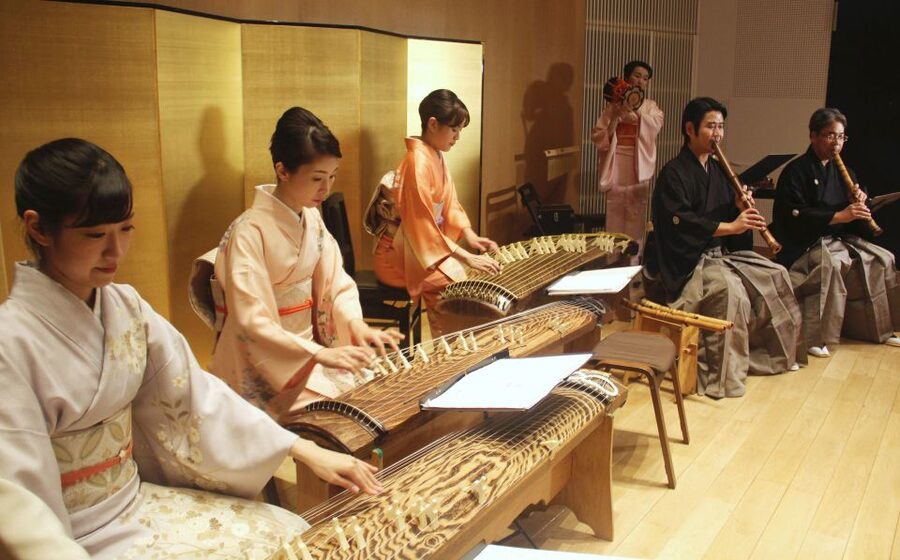
The musicians perform in kimono, and the limited audience keeps the setting intimate. You’re not watching a distant stage production built around spectacle. The emphasis is on the players, their instruments, and the sound they make together.
I’d think of this as a compact cultural performance, not a specialist concert. You don’t need musical training to enjoy it. The program is designed for both Japanese residents and international visitors, and the explanations give newcomers a way into the music.
More shows in Tokyo:
- Mt Fuji & Hakone Cruise, Drum Show Bullet Train 1 Day from Tokyo
★ 4.0 · 7,413 reviews - Tokyo: Sumo Show Experience with Chicken Hot Pot and a Photo
★ 4.8 · 6,678 reviews - Tokyo: Sumo Show and Dining Experience
★ 4.8 · 2,742 reviews
How the one-hour program unfolds
The concert is a one-hour program, with a reserved seat included. The precise order of instruments and pieces isn’t specified, but the format combines musical performances with explanations about the instruments and the history of selected pieces.
You’ll hear the instruments in performance rather than just hear them described. The koto, sometimes presented as a Japanese harp, has a different character from the shamisen, while the shakuhachi flute and taiko drums add further contrast. That range is part of the appeal: the show lets you hear several kinds of traditional Japanese sound within a single visit.
Between pieces, the host provides context and translates for the audience in English and Japanese. The explanations help you follow along even if you’ve never encountered the music before. They also give the concert a conversational rhythm: listen, learn a little, then listen again with more context.
The program includes ancient and modern Japanese traditional music. A Western pop cover adds a playful comparison, showing how familiar material can sound when played on Japanese instruments. It’s a useful change of pace, especially if you’re unsure how you’ll respond to a full hour of unfamiliar music.
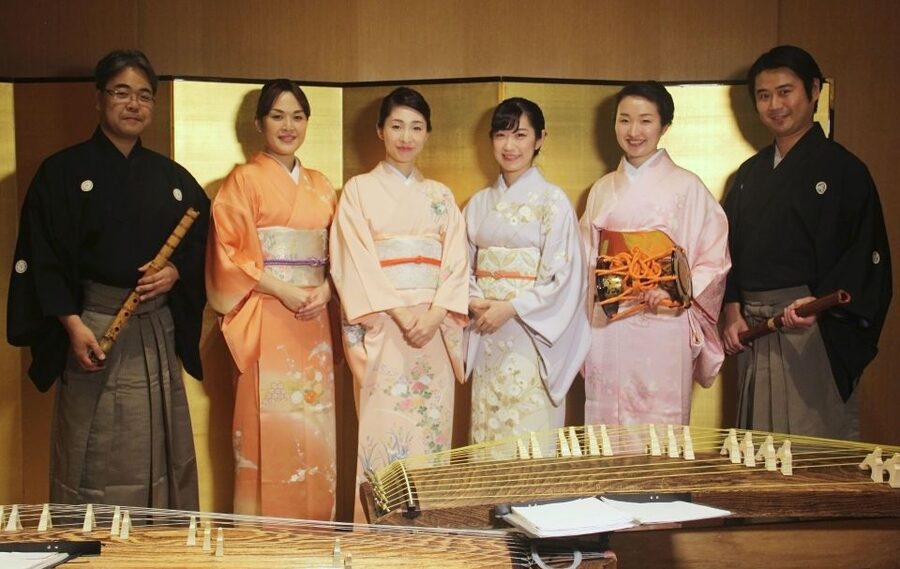
At the end, you can take photos with the musicians. That gives you a chance to meet them briefly and leave with a picture from the performance. You can also take photos and videos during the show, a practical plus if recording a moment matters to you.
What the instruments bring to the experience
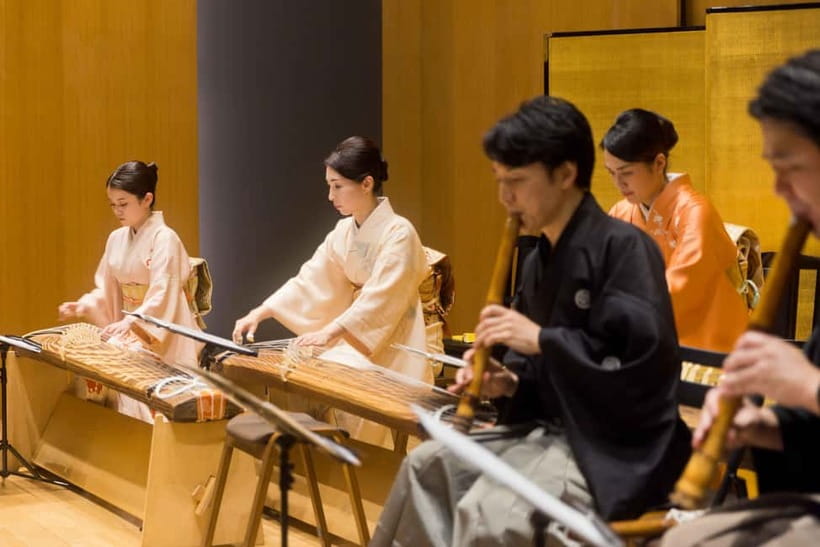
The koto, shamisen, shakuhachi, and taiko are not just a checklist of cultural objects. Hearing them played in the same program lets you compare their sounds and roles. The performance makes that contrast immediate in a way a short written description cannot.
The koto and shamisen are central to the advertised lineup, alongside the flute and drums. The show’s explanations are especially useful here: you can learn about the instruments’ history and how they work, then hear their sound in a musical setting. That is a better introduction than trying to remember a list of names without hearing them.
The taiko drums also give the program a different kind of presence from the string and wind instruments. The format brings several kinds of wagakki together, so the concert has room for shifts in sound and mood rather than relying on one instrument throughout.
You don’t need to identify every instrument correctly to enjoy the performance. The point is to listen, notice the differences, and let the host supply the background. If you already know Japanese music, you may appreciate the chance to hear the instruments live and close by; if you’re new to it, the explanations make the first encounter less intimidating.
English explanations make the music easier to follow
The host speaks English and Japanese, and translation is a meaningful part of this experience, not a small extra. Without it, you might enjoy the sound but miss the background to the pieces and instruments. With explanations between selections, you can understand more of the program as it unfolds.
The presentation is intended for both tourists and Japanese residents, which helps make it accessible to a mixed audience. You don’t need to bring any knowledge of Japanese culture or music. The host’s role is to explain and guide the concert, not simply announce the next piece.
No host name is provided, so I wouldn’t book expecting a particular presenter. What matters is the format: a bilingual host explains the instruments and translates the program. If you’re planning to attend with someone who speaks Japanese while you speak English, the bilingual approach can help both of you follow the same show.
More tours and experiences in Tokyo:
- Mt Fuji and Hakone 1-Day Bus Tour Return by Bullet Train
★ 5.0 · 26,383 reviews - 1-Day Tokyo Bus Tour
★ 5.0 · 14,250 reviews - Tokyo: teamLab Planets TOKYO Digital Art Museum Entry Ticket
★ 4.6 · 9,779 reviews - Tokyo: Shinjuku Food Tour (13 Dishes at 4 Local Eateries)
★ 5.0 · 6,603 reviews
The intimate setting and photo policy
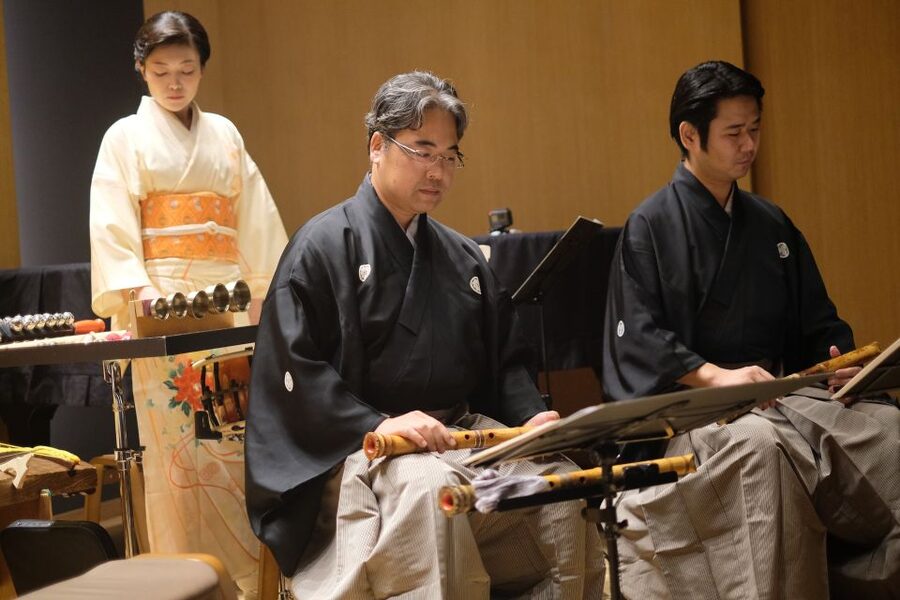
The audience is limited to a small numbered seating arrangement, and each ticket includes a reserved seat. That combination is useful if you prefer knowing where you’ll sit instead of arriving and hoping for a good view. It also suits a performance where seeing the musicians and instruments matters.
The smaller scale can make the concert feel personal, but it is not the same as attending a large production with a big stage or elaborate effects. If you want a grand theatrical event, this may feel modest. If you value being close to the performers and having the music explained, the scale works in its favor.
Photos and videos are allowed during the show, and you can take photos with the musicians afterward. That’s a welcome policy for families and anyone who likes recording a live performance. Still, be considerate of the people around you: a phone held up for a long stretch can block someone else’s view, even when filming is permitted.
Is $38 good value for one hour?
At $38 per person, this is a focused cultural activity rather than an all-evening package. The price includes entry, a reserved seat, and the one-hour concert. Food, drinks, merchandise, and hotel transport are not included, so budget separately if you want any of those.
The value comes from the combination of live music and explanation. You’re not paying only to hear a short set; the host provides context that can make the instruments and pieces more meaningful. The intimate setting, range of instruments, and opportunity to meet the musicians afterward also add to the experience.
The short duration is both an advantage and a limit. One hour fits neatly into a day of sightseeing, and you don’t have to commit a whole evening to an unfamiliar musical tradition. But if you’re hoping for a long, formal concert or a deep study of each instrument, this won’t replace one.
For a first encounter with wagakki, the price seems reasonable for a reserved-seat performance that combines several instruments, bilingual explanations, and a varied program. If you’re mainly looking for background music while you eat or drink, this is not that kind of event. The focus is on listening and learning.
Finding Hall 60 in Harajuku
The venue is Hall 60. It’s a one-minute walk from Meiji-Jingumae Station, Exit 7, or about five minutes from JR Harajuku Station’s Omotesando Exit. Those clear station options make the concert straightforward to fit into a Harajuku visit.
There is no hotel pickup or drop-off, so you’ll need to make your own way to the venue. A ticket includes a reserved seat and skips the ticket line. The activity is wheelchair accessible, and the host or greeter speaks English and Japanese.
Starting times vary, so check availability for the date you want. The booking terms allow you to reserve now and pay later, and you can cancel up to 24 hours in advance for a full refund. Those options are helpful if your Tokyo plans are still taking shape, but they don’t change the essentials: the show itself lasts one hour.
Who will enjoy this most
I’d recommend this concert if you’re curious about Japanese music but don’t know where to begin. The explanations and mix of instruments make it approachable, while the live performance gives you more than a basic introduction. It also suits anyone who likes hearing traditional forms alongside a modern or unexpected selection.
Families with teenagers may find the format works well, especially if the option to take photos and videos adds interest. The one-hour length is manageable, and the show combines music with short explanations rather than asking the audience to sit through a long lecture.
You don’t have to be a musician. The program is framed for a general audience, and the host helps make the instruments understandable. Music fans may value the range and playing, while curious first-timers can simply enjoy the sounds and pick up context along the way.
You might want to skip it if you prefer a large venue, a long concert, or a program with no explanations between pieces. The host’s commentary is part of the experience, and the format is designed to introduce the music as well as perform it. Also, if you’re not interested in live music or cultural context, a different Harajuku activity may suit you better.
Should you book ZAKURO SHOW?
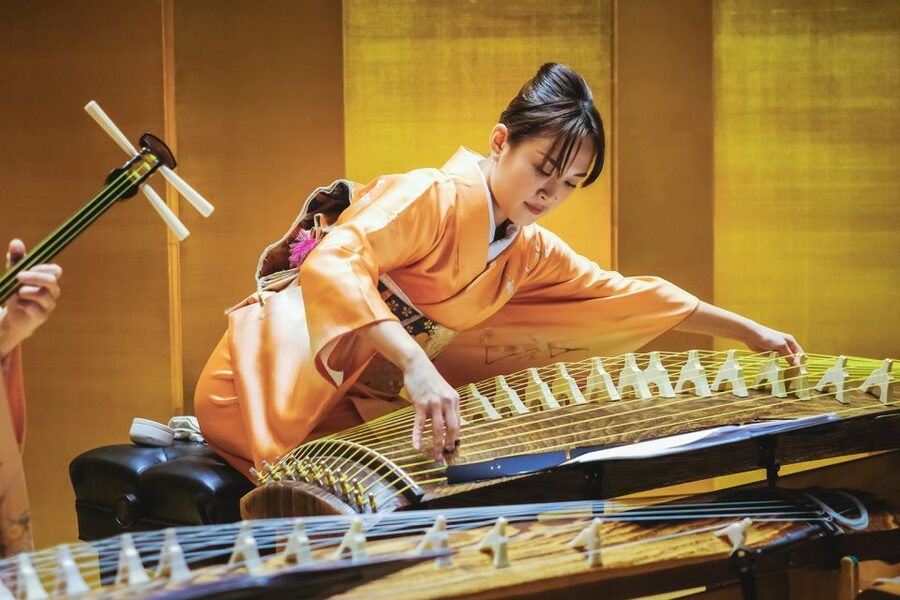
Book it if you want an accessible, one-hour introduction to traditional Japanese instruments in a small setting. The strongest reasons are the live playing, the English explanations, the mix of old and modern music, and the chance to take photos with the musicians afterward.
I’d be comfortable recommending it to a first-time listener, a family, or anyone looking for a cultural break from sightseeing. At $38, it offers a clear, compact experience rather than an entire evening’s entertainment. Check the start time that fits your plans, then arrive ready to listen.
FAQ
How long is the Japanese Traditional Music Show?
The concert program lasts one hour.
How much does the experience cost?
The listed price is $38 per person.
Which instruments are featured?
The program features the koto, shamisen, shakuhachi flute, and taiko drums.
Is the show available in English?
Yes. The host or greeter speaks English and Japanese, and the show is designed for both tourists and Japanese residents.
Where does the show take place?
It takes place at Hall 60 in Tokyo.
How do I get to Hall 60 by train?
It is a one-minute walk from Meiji-Jingumae Station, Exit 7, or a five-minute walk from JR Harajuku Station’s Omotesando Exit.
Is seating reserved?
Yes. A reserved seat is included with the entry ticket.
Can I take photos or videos during the concert?
Yes. Photos and videos are permitted during the show, and you can take photos with the musicians afterward.
Is the venue wheelchair accessible?
Yes, the activity is listed as wheelchair accessible.
What is included in the ticket?
The ticket includes entry to the venue, a reserved seat, and the one-hour concert program. Food, drinks, merchandise, and hotel pickup and drop-off are not included.
Freshly reviewed in Tokyo
- Tokyo: Toshimaya Sake Brewery Tour with Sake Tasting★ 5.0 · 6 reviews
- :Tokyo,Shibuya /Meiji Shrine tour in KIMONO/English-friendly★ 5.0 · 4 reviews
- Tokyo: Tour Privado por Tokio en español★ 4.3 · 4 reviews
- Tokyo:Tea ceremony experience at Komaba Warakuan★ 4.8 · 9 reviews
- :Tokyo,Shibuya/ Pro Photography in Kimono / English-Friendly★ 5.0 · 26 reviews
- Tokyo:Samurai Training : Swords, Bushido & Mental Discipline★ 5.0 · 6 reviews
- Tokyo:Mt Fuji & Hakone Day Tour with English Speaking Driver★ 5.0 · 26 reviews
- Tokyo:Nikko UNESCO World Heritage Sites Private 1-Day Tour★ 3.8 · 6 reviews
Tokyo Tours, compared.

Mt Fuji and Hakone 1-Day Bus Tour Return by Bullet Train
Read our review →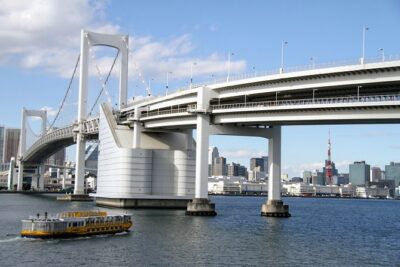
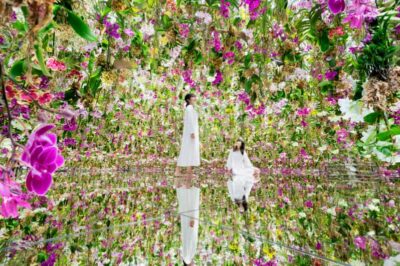
teamLab Planets TOKYO Digital Art Museum Entry Ticket
Read our review →
Mt Fuji & Hakone Cruise, Drum Show Bullet Train 1 Day from Tokyo
Read our review →
Shinjuku Food Tour (13 Dishes at 4 Local Eateries)
Read our review →
Tokyo Mt Fuji 5th St & Hakone Cruise Bus Tour w/Bullet Train
Read our review →
Flagship 2-Hours Official Street Go-Kart Tour – Tokyo Bay Shop
Read our review →