
Reviewed · TOKYO SAKE TASTINGS
Ginza, Tokyo: Sake Experience with traditional vessels
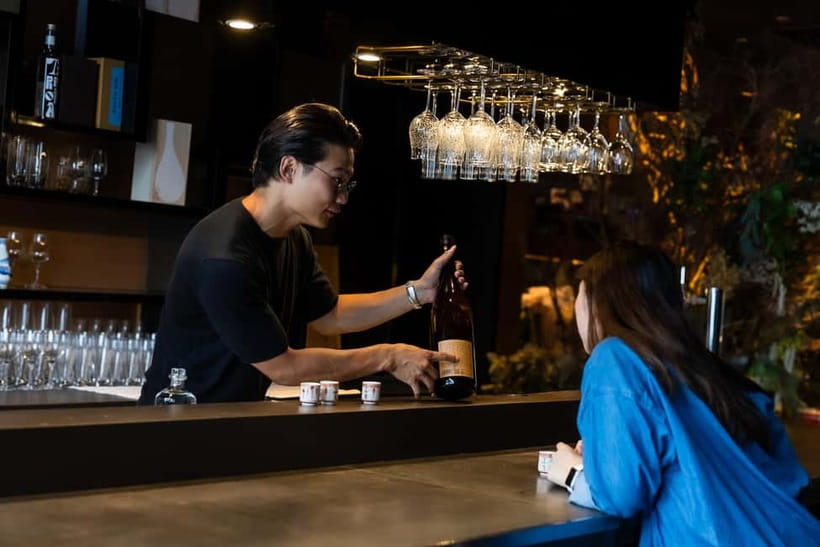
Sake is the point here, but the vessel is part of the lesson. At JIDAI, you taste three kinds, each served in a glass chosen to suit it, including KINTSUGI using 400-year-old Imari porcelain. The bar also looks out toward Tokyo Bay, so this is a tasting with a sense of place, not just three quick samples at a counter.
I like two things in particular: the small group, capped at seven, leaves room for questions, and the bilingual staff pair the tasting with stories about sake and its regional roots. Hosts named Rireka, Hiyori, and Nana have been praised for being warm and helpful, and staff can offer tips for the rest of your Japan trip.
The main consideration is scope. The $22 price includes three sakes and their vessels, but additional drinks and snacks cost extra. If you want a full meal or a long, in-depth sake course, this compact introduction may not be enough on its own.
Key points before you book
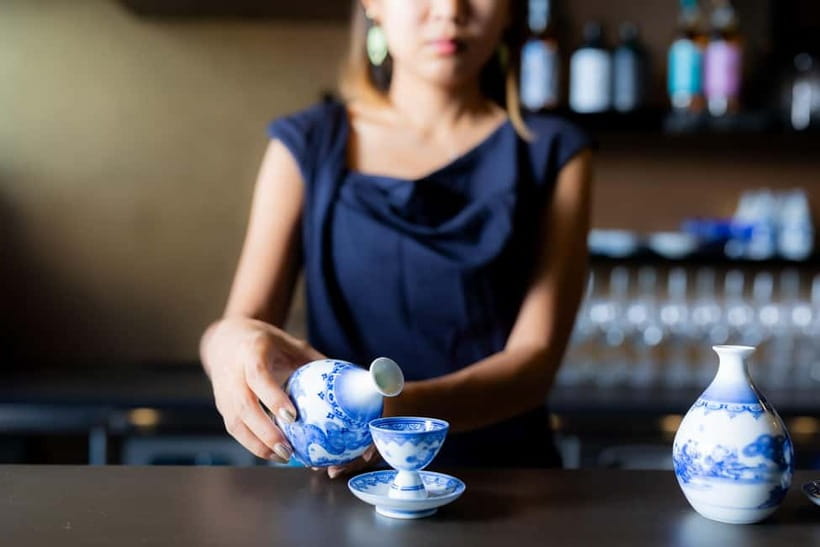
- Three sakes, three ways to taste: Compare sake served in wine glasses and traditional vessels, rather than treating every pour as the same.
- A 400-year-old porcelain connection: One of the vessels is KINTSUGI using Imari porcelain, linking the tasting to Japanese craft.
- Ginza setting with Tokyo Bay views: JIDAI is on the 11th floor of JEWEL BOX GINZA, a central location with a view from the bar.
- A small group for questions: The experience is limited to seven participants, with bilingual staff explaining sake and its culture.
- Travel advice comes with the tasting: You can ask the bar staff for recommendations to help shape the rest of your Japan visit.
- Plan for extras if you want more: The ticket includes three sake tastings, not additional pours, snacks, or other drinks.
Start with sake, then pay attention to the cup
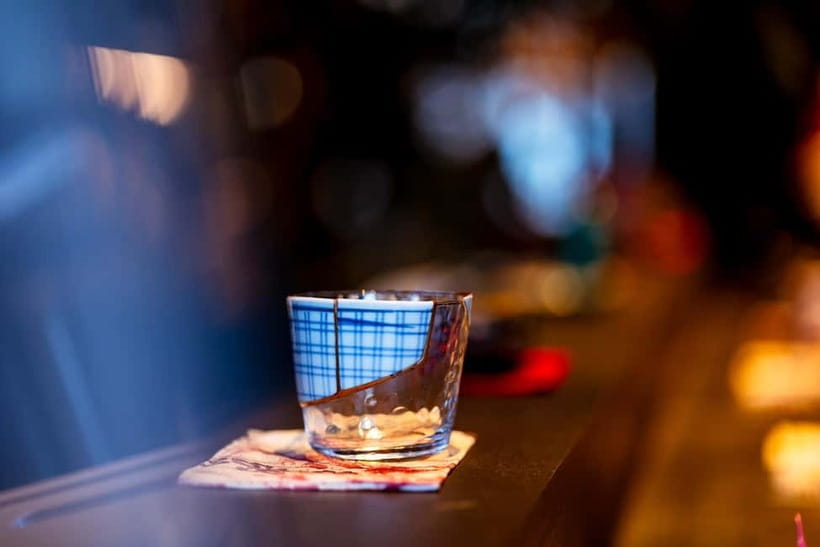
This tasting takes a thoughtful approach to a drink that can be easy to flatten into one broad category. Japan has about 1,500 sake breweries, each connected to a local region and culture. JIDAI’s three selections are intended as an introduction, giving you a chance to compare different sake rather than sampling one style and calling it a survey.
The vessel is not just decoration. Each sake is paired with a type of cup or glass chosen to bring out its character. Some are served in wine glasses; another is presented in KINTSUGI with 400-year-old Imari porcelain. The pairing gives you a practical way to notice how the shape and material of a vessel affect the act of tasting.
You do not need to arrive with a working knowledge of sake. The bilingual staff explain its history and culture as you go, so you can ask basic questions without feeling that you should already know the difference between regions or brewing traditions. That makes this a useful first stop for anyone curious about sake but unsure how to begin.
The experience is deliberately limited to three types. That keeps the session accessible and gives each pour room for explanation, though it also means you should not expect an extensive tasting flight. If you already know sake well, you may want to ask the staff what is being poured and how the selections differ before deciding if the format suits you.
More sake tastings in Tokyo:
- Ramen and Sushi Cooking Class with Sake Pairing Set in Tokyo
★ 5.0 · 291 reviews - Sake Tasting Masterclass in Shinjuku (8+ Varieties with a Pro)
★ 5.0 · 271 reviews - Sake Omakase in Tokyo: Guided Tasting by Certified Sommeliers
★ 5.0 · 239 reviews
Find JIDAI on Ginza’s 11th floor
The meeting point is the 11th floor of the JEWEL BOX GINZA building. Look for the Swarovski shop on the first floor, then head upstairs to JIDAI. That specific landmark is useful in Ginza, where a building entrance can be easier to spot than a small bar sign.
JIDAI’s location is part of the appeal. Ginza is known for its polished, luxurious feel and convenient access, so the tasting can fit into an evening in central Tokyo without requiring a trip far outside the city. The bar offers a view of Tokyo Bay, adding a sense of openness above the district’s streets.
The view is a welcome extra, but this is not described as a sightseeing tour. You are here to taste sake and talk with the staff, with the bay as a backdrop. If the view is a major reason you are booking, remember that the experience focuses on the bar and tasting, not a guided tour of the waterfront.
The activity is listed as valid for one day, with starting times available to check during booking. That does not tell you how long the tasting itself lasts, so avoid planning a tight connection or fixed dinner reservation unless you have confirmed the session time directly. The experience is best treated as one stop in your evening, not a timed transport link.
Taste three sakes with their chosen vessels
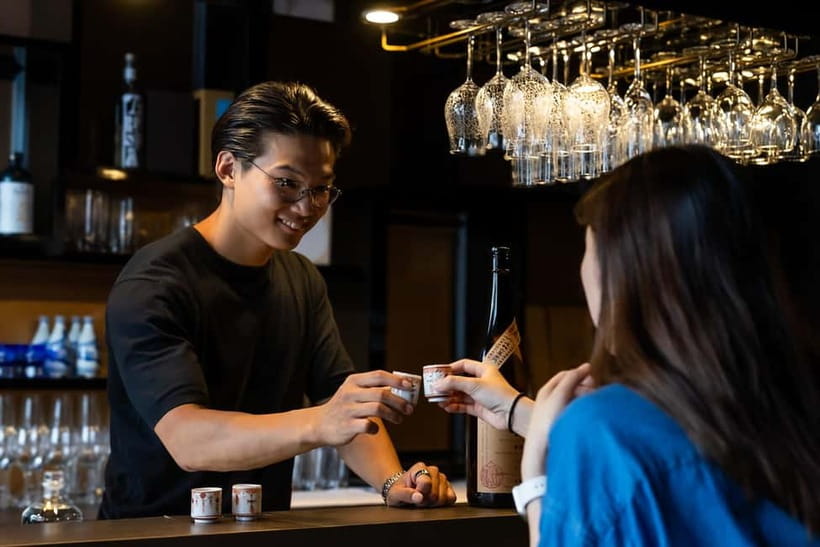
The core of the session is straightforward: you taste three types of sake selected for a first-time experience. The staff explain the background and culture behind sake, and each pour comes in a vessel intended to suit its qualities. The point is to slow down enough to notice the differences, rather than simply counting samples.
One sake is served in a wine glass, a familiar shape that can make the comparison approachable if you already know wine tasting. Other sake is served in different vessels, including KINTSUGI made with 400-year-old Imari porcelain. That contrast lets you consider how serving choices shape the presentation and experience of a drink.
The provided details do not name the three sakes or describe their flavor profiles. So you should not expect to know in advance whether the selection will be dry, sweet, light, or robust. Instead, go in ready to ask what is in your glass, where it comes from, and why that vessel was chosen. The staff are there to explain those connections.
The choice of three also suits a short introduction better than a sprawling flight. You get enough variety to compare, while keeping the focus on context and service. If you find a favorite, you can ask whether more is available, but additional glasses are not included in the price.
Learn from staff who can explain and advise
The bilingual staff are central to the experience. They explain sake’s history and culture, and the activity is offered in English. That matters if you are new to the subject: a good explanation can turn a pretty cup and an unfamiliar drink into something you understand well enough to enjoy.
The hosts have included Rireka, Hiyori, and Nana. They have been praised for being friendly, helpful, and clear in their explanations, including an account of how sake is made and how sake traditions differ across parts of Japan. You may not have one of those particular hosts on your visit, but the experience is designed around English-speaking instruction.
There is also a useful travel angle. Staff can offer recommendations and tips for your time in Japan, making the bar feel a little like a small concierge stop as well as a tasting. Bring a question or two if you have them. Specific requests are likely to make the conversation more useful than asking for general advice about all of Tokyo.
Keep expectations grounded, though. The staff can help you with recommendations, but the experience is primarily a sake tasting, not a private city-planning consultation. If you already have a detailed itinerary, ask about a particular area, food choice, or next stop rather than expecting a full travel plan.
More drinks tours in Tokyo:
- Tokyo Bar Hopping Tour in Shinjuku (All-You-Can-Drink + Dinner)
★ 5.0 · 3,587 reviews - Best of Shinjuku: Izakaya Food Tour (4 Stops, 14+ Tastings)
★ 5.0 · 1,863 reviews - Tokyo: Shinjuku Local Bar and Izakaya Guided Walking Tour
★ 4.9 · 1,794 reviews - Shibuya Meltdown Nightlife Tour: All-You-Can-Drink Bar Hopping
★ 5.0 · 1,058 reviews
What $22 buys, and what it does not
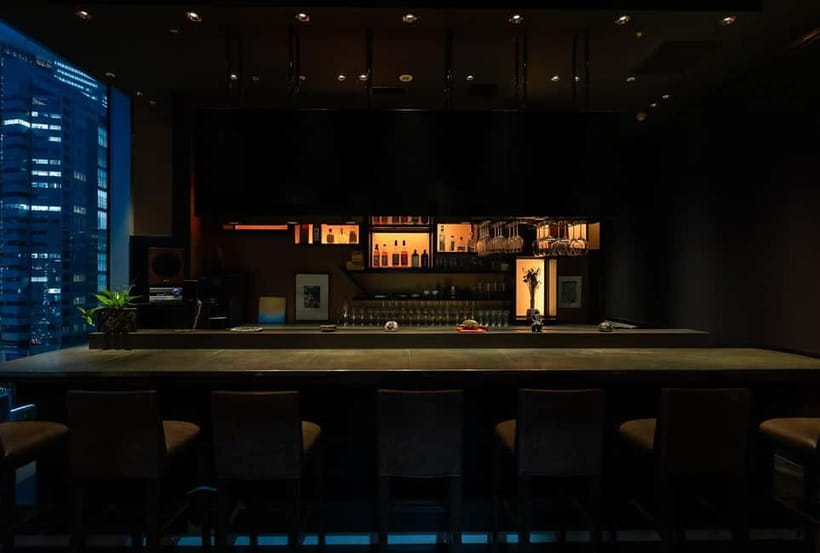
At $22 per person, the price covers three types of sake, bilingual explanations, and the vessels selected for each pour. The inclusion of KINTSUGI with 400-year-old Imari porcelain gives the session a cultural detail beyond a simple bar flight. You are paying for the guided comparison and setting as well as the sake itself.
That makes the price reasonable if you want a structured introduction and value having someone explain what you are tasting. It is less compelling if you only want a drink or two in a bar. In that case, the paid guidance and curated vessels may matter less to you than ordering a glass somewhere casually.
Do budget for extra purchases if you want more sake, another drink, or something to eat. None of those is included. The information provided does not say that snacks or a meal are part of the experience, so treat this as a tasting stop rather than dinner.
The small-group cap of seven helps support conversation without promising a private session. You can ask questions and listen to the explanations, but you will be sharing the host’s attention with the rest of the group. For a tasting at this price, that is a sensible balance.
Who will get the most from this tasting
This experience makes the most sense for a first-time sake drinker, or for someone who has had sake but never learned why it is served in different vessels. The combination of three selections, accessible explanations, and the porcelain detail gives you more to take away than a quick bar order.
It also suits travelers who enjoy asking questions and want a little local advice alongside a drink. The staff’s travel recommendations are a useful bonus, especially if you are still planning parts of your Japan visit. You can get a taste of sake culture without committing to a long class or a large group tour.
It is less suitable if you want a full meal, a large tasting menu, or detailed information about specific sake labels before booking. The selection is not named in advance, and the ticket only covers three tastings. If you are already an experienced sake drinker, consider whether the vessel pairing and staff conversation are enough to make the session worthwhile for you.
The activity is listed as unsuitable for children under 18 and for people with a range of medical conditions, including pregnancy, heart problems, respiratory issues, epilepsy, diabetes, kidney problems, high blood pressure, recent surgery, and other pre-existing conditions. The list also includes claustrophobia, vertigo, colds, haemophilia, lactose intolerance, and children under 33 pounds. Check the full suitability details before booking if any of these apply to you.
The experience is wheelchair accessible. It is also a small-group activity, with no more than seven participants. If you need to confirm a particular access requirement or suitability question, do so before reserving rather than assuming the general accessibility note covers every need.
Should you book JIDAI?
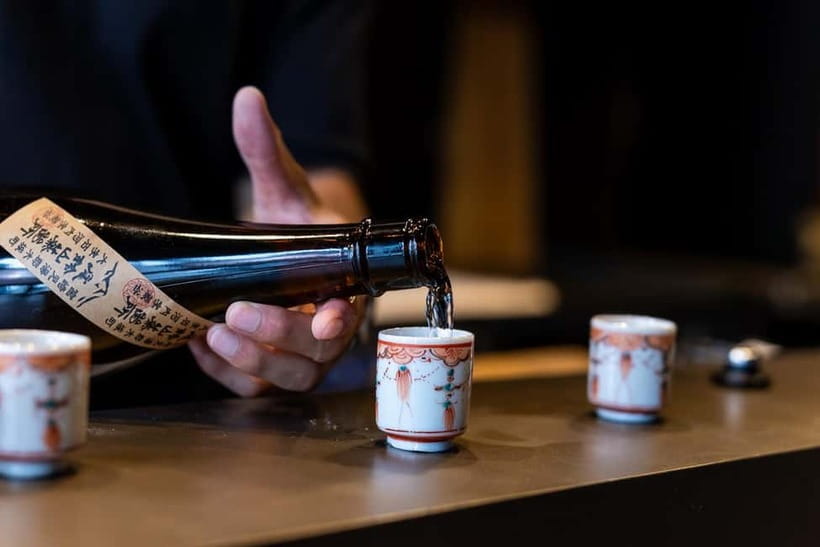
Book this if you want an easy-to-follow introduction to sake in a central Tokyo setting, and you like the idea of comparing wine glasses with traditional porcelain vessels. The three-sake format, English explanations, and opportunity to ask for Japan travel tips make it a practical choice for a curious beginner.
Skip it if you are mainly looking for dinner, a long tasting session, or a fixed list of sake styles. The $22 price covers a focused experience, not a night of drinks. For the right person, the appeal is the pairing of drink, vessel, and cultural context, with Tokyo Bay in view.
FAQ
How many types of sake are included?
Three types of sake are included, selected for a first-time tasting experience.
Which vessels are used?
Each sake is served in a vessel chosen to suit it. These include wine glasses and KINTSUGI using 400-year-old Imari porcelain.
What is the meeting point?
Go to the 11th floor of JEWEL BOX GINZA. Swarovski is on the building’s first floor.
Is the experience in English?
Yes. The instructor language is English, and bilingual staff explain sake’s history and culture.
How many people can join?
The group is limited to seven participants.
Are additional drinks or snacks included?
No. The price includes three sakes and their vessels. Additional sake, other drinks, and snacks cost extra.
Is the activity wheelchair accessible?
Yes, the activity is listed as wheelchair accessible.
Can children take part?
No. Children under 18 are listed as not suitable for this experience.
More food and drink experiences in Tokyo
- Tokyo: Shinjuku Food Tour (13 Dishes at 4 Local Eateries)
★ 5.0 · 6,603 reviews - Tokyo Tsukiji Fish Market Food and Culture Walking Tour
★ 5.0 · 3,184 reviews - Tokyo: Shinjuku Food Tour (15 Dishes and 4 Eateries)
★ 4.9 · 2,033 reviews - Tokyo: Tsukiji Fish Market Food and Walking tour
★ 5.0 · 1,724 reviews
Freshly reviewed in Tokyo
- Tokyo: Toshimaya Sake Brewery Tour with Sake Tasting★ 5.0 · 6 reviews
- :Tokyo,Shibuya /Meiji Shrine tour in KIMONO/English-friendly★ 5.0 · 4 reviews
- Tokyo: Tour Privado por Tokio en español★ 4.3 · 4 reviews
- Tokyo:Tea ceremony experience at Komaba Warakuan★ 4.8 · 9 reviews
- :Tokyo,Shibuya/ Pro Photography in Kimono / English-Friendly★ 5.0 · 26 reviews
- Tokyo:Samurai Training : Swords, Bushido & Mental Discipline★ 5.0 · 6 reviews
- Tokyo:Mt Fuji & Hakone Day Tour with English Speaking Driver★ 5.0 · 26 reviews
- Tokyo:Nikko UNESCO World Heritage Sites Private 1-Day Tour★ 3.8 · 6 reviews
Tokyo Sake Tastings, compared.
Ramen and Sushi Cooking Class with Sake Pairing Set in Tokyo
Read our review →
Sake Tasting Masterclass in Shinjuku (8+ Varieties with a Pro)
Read our review →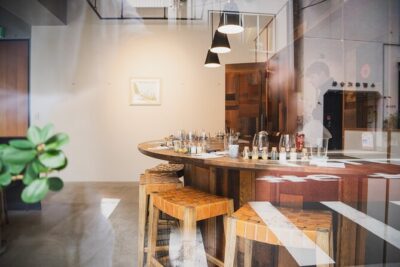
Sake Omakase in Tokyo: Guided Tasting by Certified Sommeliers
Read our review →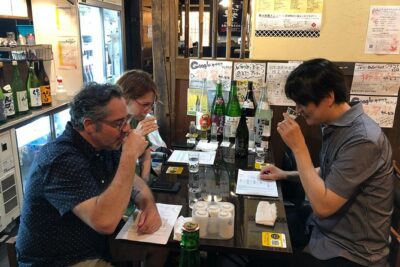
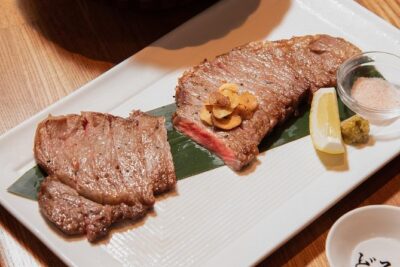
Wagyu & Sake Pairing in Shinjuku – Steak, Shabu-Shabu & More
Read our review →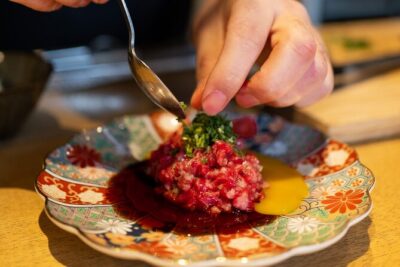
Tokyo Wagyu & Sake Pairing Tasting Experience with Local Flavors
Read our review →
Tsukiji: Outer Market Walking Tour & Sake Tasting Experience
Read our review →
Browse the lists this tour appears in