
Reviewed · TOKYO FOOD TOURS
Flavours of Tokyo: A Journey Through Time – Small Group Food Tour
Tokyo’s food story comes into focus on this walk from historic Nihonbashi to Akihabara’s modern sweets shops. Instead of staying in one neighborhood, you follow the city’s changing tastes through three districts and sample 14 foods along the way.
I like the way the tour pairs food with context: dashi introduces the building blocks of Japanese cooking, while the railway-side bars of Yurakucho show how work and city life shaped dining. I also like the small group, capped at nine, which leaves room to ask questions and chat with your guide.
One consideration: this is a long walking tour, not a quick tasting crawl. Expect about 6.5 kilometers on foot, plenty of station stairs, and two subway rides at your own expense. The emphasis is on understanding Tokyo through food, so the pace includes stories and non-food stops.
- Taste across eras: Try foods linked to traditional Japanese cooking, postwar city life, and newer dessert trends.
- Visit three districts: The route runs through Nihonbashi, Ginza and Yurakucho, then Akihabara.
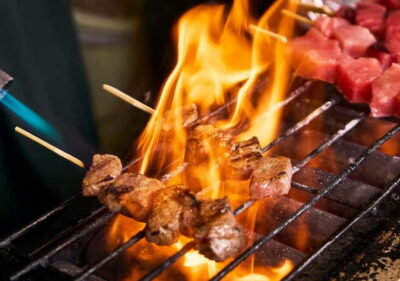
- Get a meal’s worth of variety: The 14 items include yakitori, tempura soba, tamagoyaki, fruit sando, and sweets.
- Keep the group small: The maximum group size is nine, making conversation with the guide easier.
- Plan for a full afternoon: The tour starts at 11:30 am and lasts about five and a half hours, with roughly four miles of walking.
Nihonbashi starts with the basics
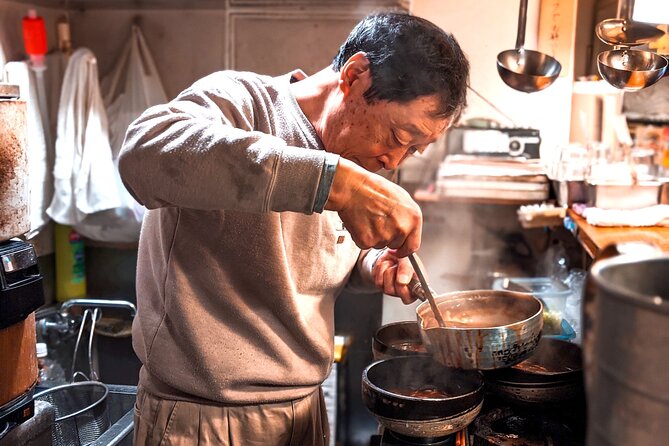
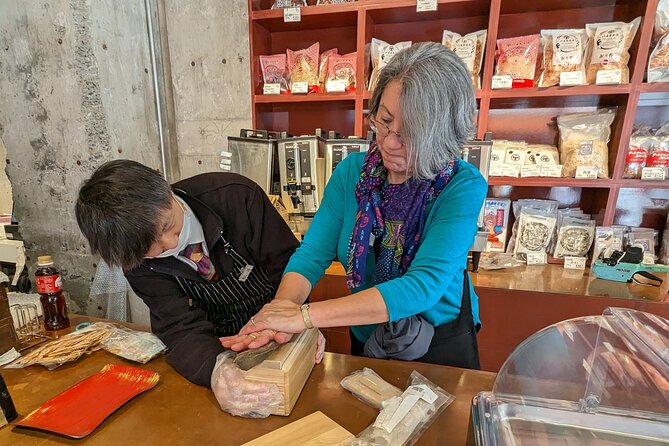
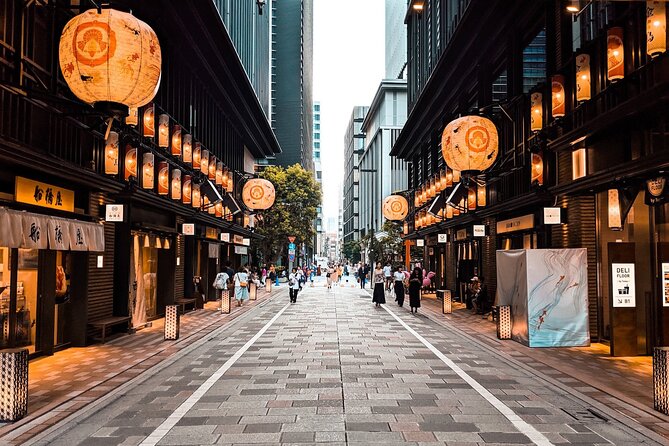
Meet at the Mitsui Building in Nihonbashi at 11:30 am. This is the tour’s look back to older Tokyo, with food as the guide to the story. The first stop focuses on ingredients and flavors that underpin Japanese cooking, especially dashi, the stock used as a base in many dishes.
You can expect to encounter katsuobushi, dried bonito, and kombu, kelp, alongside other tastes such as satsuma-age and amazake. These are useful introductions because they give you a way to recognize familiar flavors later in the tour, rather than simply ticking dishes off a list.
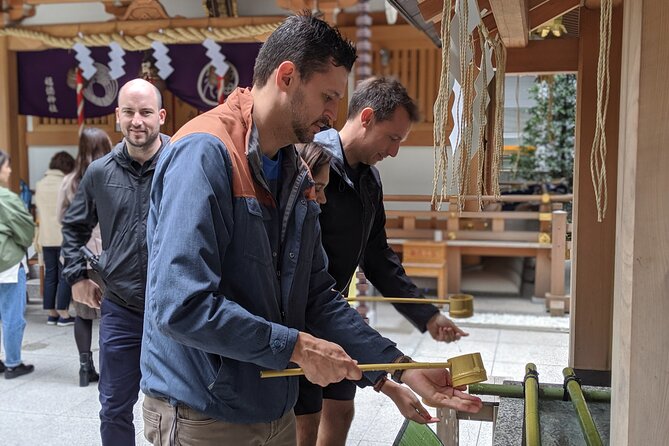
Nihonbashi Bridge anchors the neighborhood portion of the walk. The tour also visits Fukutoku Shrine, where your guide explains how shrines differ from temples and demonstrates how to cleanse yourself and pray. It is a short stop, about ten minutes, but it adds cultural context to the neighborhood and a pause between tastings.
The early stretch lasts about an hour and a half. That gives the guide room to explain the food and its place in Japanese life. If you are hoping to spend every minute eating, this may feel slow. If you enjoy learning why ingredients matter, it is a strong start.
Ginza and Yurakucho meet under the railway
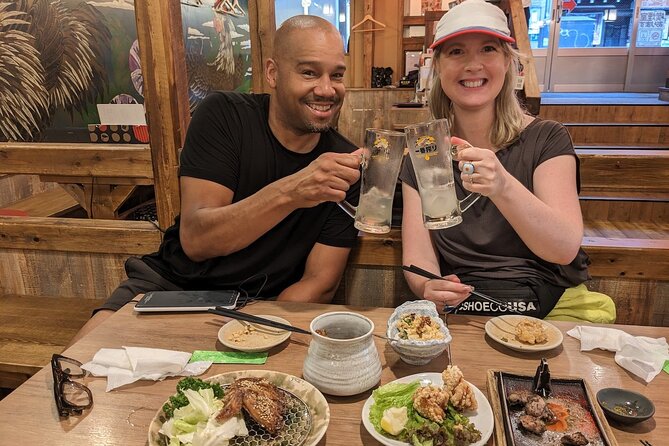
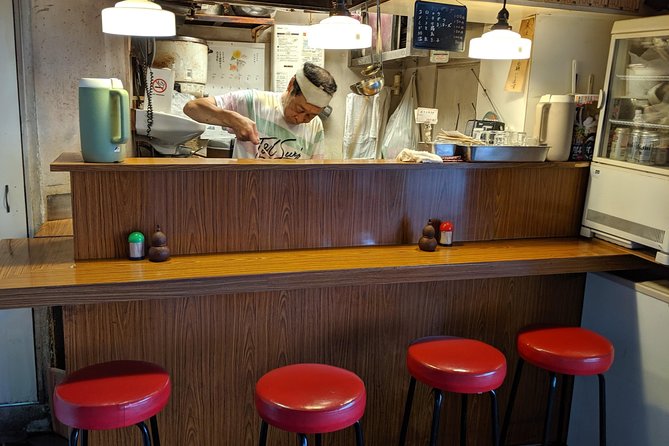
From Nihonbashi, the tour moves toward Ginza and Yurakucho, where the focus shifts to postwar industrial growth and the rise of the salaryman. The neighborhood’s small eateries beneath the railway tracks, known as gado shita, offer a practical example of how city life shaped where people ate and drank.
The area is a good setting for the tour’s present-day theme. Rather than treating Tokyo’s food culture as a set of old traditions, the guide connects it to working routines, public transport and the city’s changing economy. Food stops here include yakitori and tempura soba, a more substantial part of the day than the small snacks.
This stretch takes about an hour and ten minutes. The route includes time to walk and talk, so don’t expect a rapid succession of restaurant visits. That slower pace is part of the format: you get a feel for the district as well as a taste of its food.
The tour’s references to izakayas and cafes describe the range of places you visit, not a promise that every stop will be a sit-down meal. Some tastings are shared or small, while other items are individual portions. If you have a large appetite, eat a light breakfast and bring a little extra money in case you want a snack later.
More food tours in Tokyo:
- Tokyo: Shinjuku Food Tour (13 Dishes at 4 Local Eateries)
★ 5.0 · 6,603 reviews - Tokyo: Shinjuku Food Tour (15 Dishes and 4 Eateries)
★ 4.9 · 2,033 reviews - Best of Shinjuku: Izakaya Food Tour (4 Stops, 14+ Tastings)
★ 5.0 · 1,863 reviews
Tokyo International Forum and KITTE add a city pause
The walk continues toward Tokyo Station, passing the Tokyo International Forum. The stop is brief, about 15 minutes, but it offers a change of pace from railway-side dining and a chance to take in one of the route’s notable buildings.
KITTE Marunouchi follows, with around ten minutes at the KITTE building. These are not major food stops. Their value is in helping you read the city around the meal: Tokyo is not only a collection of old streets and narrow bars, but also a capital shaped by large public buildings, offices and transport hubs.
The overall route covers several neighborhoods, so these short pauses help break up the walk. Still, if your priority is a high number of food venues rather than the city’s broader story, you may prefer a shorter, food-only tour in one district.
Tokyo Station brings commuter food to the table
At Tokyo Station, the tour turns to foods associated with the trip home: tamagoyaki, a Japanese omelette, and fruit sando, a milk-bread sandwich filled with fresh fruit and whipped cream. Both make sense in this setting. They are convenient, portable foods, and they show how everyday eating can be as revealing as a formal meal.
The Tokyo Station and Daimaru Tokyo portions are listed as roughly 20 minutes each. The food-focused stop is a welcome contrast to the earlier ingredients and the railway-side bars: here, you get a taste of the kind of food someone might pick up while commuting.
Tamagoyaki is a useful reminder that a simple dish can carry more than one role, from snack to packed food. The fruit sando, with its soft bread and cream, is an easy-to-like bridge between Japanese bakery culture and contemporary sweets. Together they bring the day’s food story into ordinary city life.
Akihabara closes with sweets and a look ahead
The final district is Akihabara, known for electronics shops, maid cafes and anime culture. The tour uses the neighborhood to look toward the future of Japanese food, with desserts that combine traditional ingredients and newer styles.
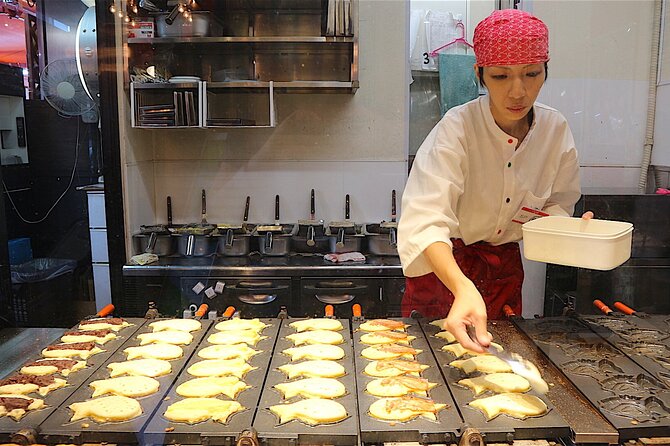
Depending on the selection, the sweet stops include daifuku or dorayaki, Pokemon taiyaki, and matcha bubble tea or ice cream. Imo kenpi, candied sweet potato, also appears among the included snacks. These tastes give you a playful finish after the more traditional flavors earlier in the day.
Akihabara is a fitting end because it contrasts sharply with Nihonbashi. The route does not claim that one district is more authentic than another. Instead, it shows how Tokyo’s food keeps changing, and how new forms can still draw on familiar ingredients and symbols.
The final stretch lasts around 45 minutes. At the end, you finish near Akihabara Station. Some guides have also helped participants find their way back to the station and shared the names of dishes or group photos afterward, though those extras depend on the guide.
More food and drink experiences in Tokyo:
- Tokyo Tsukiji Fish Market Food and Culture Walking Tour
★ 5.0 · 3,184 reviews - Tokyo: Tsukiji Fish Market Food and Walking tour
★ 5.0 · 1,724 reviews - Eat and Drink Like a Local: Tokyo Ueno Food Tour-Taverns&Ramen
★ 5.0 · 957 reviews - Tokyo: Shibuya Food Tour (13 dishes and 4 Eateries)
★ 5.0 · 770 reviews
What the $176 price buys
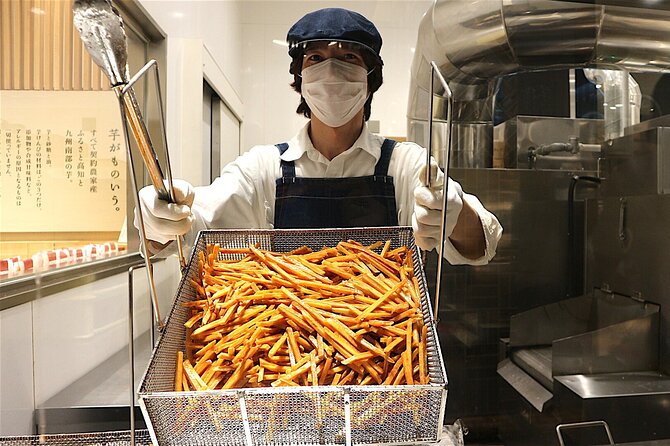
At $176 per person, this is not the cheapest way to eat in Tokyo. You are paying for 14 food and drink tastings, a guide, a small group, and a route that links several parts of central Tokyo to a clear theme. The included food ranges from snacks such as dashi, amazake and sweets to lunch items such as yakitori, tempura soba, tamagoyaki and fruit sando. A lemon sour, a Japanese alcoholic drink, is included as well.
That variety can make the price worthwhile if you want both a meal and a guided introduction to the city. It is less compelling if you mainly want large portions or a fast tour of many restaurants. Portions vary, and some items are intended for sharing. A past participant felt the tastings were too small and left hungry, while others found the amount generous. It is sensible to arrive having eaten a modest breakfast, not an empty stomach.
Transport is not included. You will take two short subway rides and pay those fares yourself. The food is the main expense beyond the tour price, but budget for the rides and any extra snack you decide to buy.
Pace, group size and practical details
The tour takes about five and a half hours and covers approximately 6.5 kilometers, or four miles. You will need to keep a reasonable walking pace with the group and manage many subway-station stairs. This is not a good fit if long walks or stairs are difficult for you; the operator advises asking about a private tour if you cannot meet the walking requirement.
A maximum of nine people keeps the group more personal than a large coach outing. It also makes it easier to ask about ingredients, customs or the neighborhoods you are crossing. Guides who have led the tour include Yasu, Keiko, Miko, Paiva and Sidney. The guide assigned to your date can vary, so don’t book on the assumption that you will have a particular person.
The start point is the Nihonbashi 1-chome Mitsui Building, and the tour ends at Akihabara Station. Give yourself time to find the meeting point and arrive before 11:30 am. The experience is commonly booked well ahead, on average about 53 days in advance, so it is worth planning early if your dates are fixed.
The tour can be canceled because of poor weather or if too few people book, in which case you are offered another date or a refund. The cancellation terms provided for individual bookings are inconsistent, so check the conditions shown at checkout before paying, especially if your plans may change.
Who should book this Tokyo food walk?
I’d choose this tour if you want a guided introduction to Japanese food that also explains how Tokyo developed. It suits curious eaters who like trying unfamiliar snacks, learning the story behind everyday dishes, and seeing multiple neighborhoods in one outing. The small group and cross-city route are real advantages if you are new to Tokyo and want more than a restaurant list.
It is less suited to anyone who wants a short, highly food-focused crawl, large portions at every stop, or a low-impact walk. The best reason to book is the combination of food and history: you taste dashi, commuter snacks and modern sweets while seeing how different parts of the city shaped what people eat. If that sounds like your kind of afternoon, the price buys a full and thoughtfully connected experience.
FAQ
How long is the tour?
It lasts about five hours and 30 minutes.
What time does the tour start?
The start time is 11:30 am.
Where does the tour begin and end?
It begins at the Nihonbashi 1-chome Mitsui Building and ends at Akihabara Station.
How much walking should I expect?
The tour covers about 6.5 kilometers, or four miles, and includes many stairs at subway stations.
How many people can join?
The group is limited to a maximum of nine travelers.
What food and drinks are included?
Included items include snacks, lunch foods and an alcoholic lemon sour. Specific foods include dashi, katsuobushi, kombu, yakitori, tempura soba, tamagoyaki, fruit sando, sweets and matcha bubble tea or ice cream.
Are subway fares included?
No. You pay for the two short subway rides during the tour.
Which neighborhoods does the tour visit?
The route includes Nihonbashi, Ginza and Yurakucho, Tokyo Station, and Akihabara.
More food experiences in Tokyo
- Tokyo Night Foodie Tour in Shinjuku – Seasonal Sushi, Wagyu Beef
★ 5.0 · 1,161 reviews - Tokyo: Tsukiji Fish Market Food and Culture Walking Tour
★ 4.7 · 757 reviews - Tsukiji Fish Market: Street Food & Culture Walking Tour
★ 5.0 · 669 reviews - Tsukiji Fish Market Small-Group Food Walking Tour
★ 5.0 · 621 reviews
Freshly reviewed in Tokyo
- Tokyo: Toshimaya Sake Brewery Tour with Sake Tasting★ 5.0 · 6 reviews
- :Tokyo,Shibuya /Meiji Shrine tour in KIMONO/English-friendly★ 5.0 · 4 reviews
- Tokyo: Tour Privado por Tokio en español★ 4.3 · 4 reviews
- Tokyo:Tea ceremony experience at Komaba Warakuan★ 4.8 · 9 reviews
- :Tokyo,Shibuya/ Pro Photography in Kimono / English-Friendly★ 5.0 · 26 reviews
- Tokyo:Samurai Training : Swords, Bushido & Mental Discipline★ 5.0 · 6 reviews
- Tokyo:Nikko UNESCO World Heritage Sites Private 1-Day Tour★ 3.8 · 6 reviews
- Tokyo:Mt Fuji & Hakone Day Tour with English Speaking Driver★ 5.0 · 26 reviews
Tokyo Food Tours, compared.
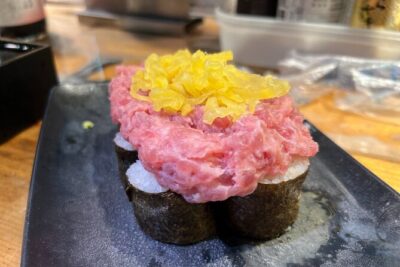
Shinjuku Food Tour (13 Dishes at 4 Local Eateries)
Read our review →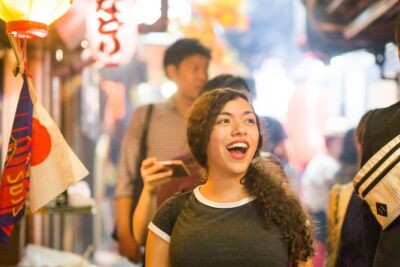
Best of Shinjuku: Izakaya Food Tour (4 Stops, 14+ Tastings)
Read our review →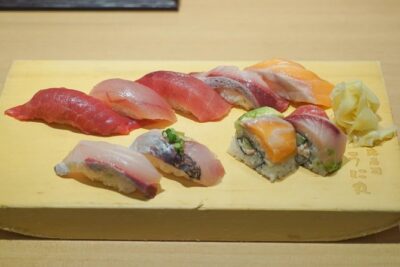
Tokyo Night Foodie Tour in Shinjuku – Seasonal Sushi, Wagyu Beef
Read our review →
Eat and Drink Like a Local: Tokyo Ueno Food Tour-Taverns&Ramen
Read our review →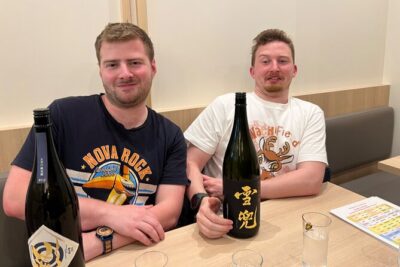
Tsukiji Fish Market: Street Food & Culture Walking Tour
Read our review →
Tokyo Food Tour Taste Fresh Delights at Tsukiji Market
Read our review →Browse the lists this tour appears in