Reviewed · TOKYO TOURS
Chill Out in Tokyo: Personalized Private Tours with Local Friends
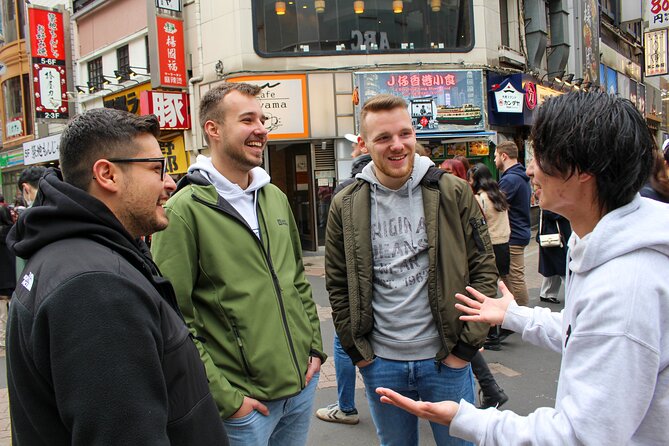
Tokyo can feel like several cities stitched together: one neighborhood turns from shrine paths to fashion shops, another from seafood stalls to electronics stores. This private walk lets you choose the mix, with a local guide to handle the route and answer questions as you go.
I like two things here: the freedom to set your own priorities and the chance to explore with a guide such as Yu, Ayumi, Kanta, or Ikumi. A private guide can help a first-time visitor get oriented, or help a returning one make a specific plan, such as visiting Golden Gai or exploring Asakusa.
The main consideration is time. The tour lasts about two to four hours, so the many listed neighborhoods are options, not a realistic checklist for one outing. You will get more from it if you choose a few priorities before you meet.
At a glance
- Set the route around your interests: Pick from city districts, shrines, gardens, markets, and more.
- Meet your guide in Shibuya: Pickup may be arranged at a location you choose.
- Expect to walk: The experience is mainly on foot, with some public transportation.
- Plan for extra costs: Transit fares, food, and lunch are not included.
- Keep the outing focused: Two to four hours is enough for a few stops, not all eleven.
A private route through Tokyo, not a sightseeing checklist
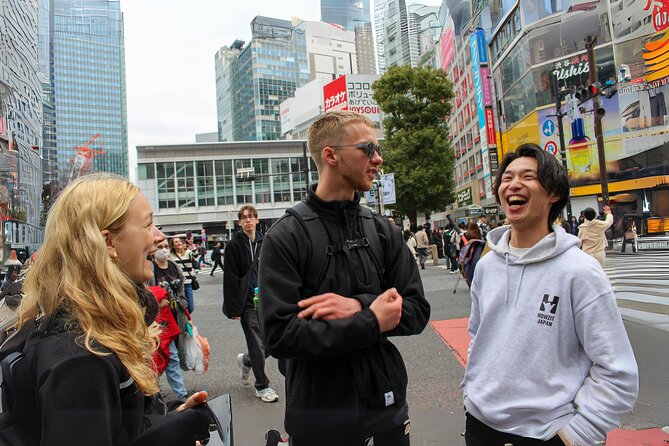
This experience works best as a conversation that turns into a walk. You can tell your guide what you want from Tokyo, then spend your limited time on the places that match. That may mean a shrine and a park, a market and a food stop, or a first look at several districts to help you decide where to return.
The route is private to your group. That makes it easier to ask questions, set the pace, and adjust the plan if a particular place catches your interest. The guides named in past tours include Yu, Yuki, Ayumi, Kanta, Ikumi, and Yohei. The precise guide for your date is not specified, so confirm who will lead your outing after booking.
The company describes this as a walking tour, usually with some public transportation rather than a private vehicle. That suits a city where trains and walking are often the practical way to move between neighborhoods. Fares are extra, so bring some money for transit and ask your guide what route they expect to take.
More tours and experiences in Tokyo:
- Mt Fuji and Hakone 1-Day Bus Tour Return by Bullet Train
★ 5.0 · 26,383 reviews - 1-Day Tokyo Bus Tour
★ 5.0 · 14,250 reviews - Tokyo: teamLab Planets TOKYO Digital Art Museum Entry Ticket
★ 4.6 · 9,779 reviews
Choosing between Shibuya, shrines, gardens, and markets
The planned stops range across Tokyo, from Shibuya and Harajuku to Asakusa, Ueno, Akihabara, Tsukiji, and Odaiba. That range gives you choices, but it also makes prioritizing essential. The listed stop times add up to about four hours before travel between them, so do not expect to cover every place on a two-hour tour.
Before the meeting, think about what would make the outing useful to you. If you are new to Tokyo, you might want a few contrasting places and practical help getting your bearings. If you have visited before, you could focus on a neighborhood or interest, such as food, shopping, temples, or anime culture.
The route can also suit a mixed-interest group. One family outing, for example, combined Tsukiji tastings, lunch, Senso-ji, and a matcha dessert stop. That kind of plan is more likely to satisfy different ages and tastes than trying to march everyone through a fixed list.
Shibuya and Yoyogi: city energy beside open green space
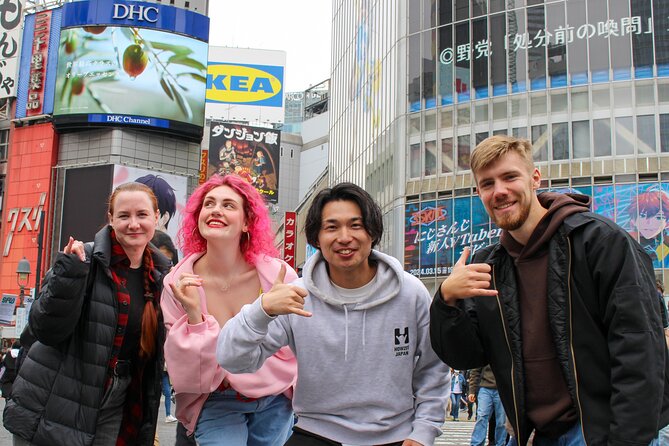
The stated meeting point is Shibuya Station, at 2 Chome-24, Shibuya. Shibuya is known for youth culture and the famous Scramble Crossing, where streams of people cross at once. Thirty minutes here can give you a first look at the district, though it is not much time for a long shopping visit.
Yoyogi Park offers a sharp change of pace. It is a large park used for walking, picnics, jogging, cycling, events, and festivals, with scenery that changes through the seasons. A half-hour visit could make a good breathing space between city stops, but the park is large enough that you should be clear about whether you want a short stroll or a longer pause.
Meiji Shrine Imperial Garden adds a quieter, more reflective stop. Its forested setting offers a break from nearby city streets, and the grounds are used for worship and walks. Keep in mind that the shrine and park are separate stops on the route, so combining both with Shibuya takes a meaningful share of your tour time.
Takeshita Street, listed for 15 minutes, is a compact taste of Harajuku’s youth fashion and pop culture. Shops, cafes, crepes, and ice cream are part of its appeal. That short visit is best treated as a quick look rather than a chance to browse every shop or settle in for a snack.
Shinjuku Gyoen: a garden stop with room to slow down
Shinjuku Gyoen National Garden offers ponds, streams, bridges, and seasonal plants in the middle of the city. It is a strong choice if you want a calmer stretch in a day otherwise spent among shops, crowds, and train stations. The listed visit is only 15 minutes, so ask whether that is enough for the part of the garden you want to see.
For a garden-focused outing, it may make sense to give this stop more time and leave another neighborhood for another day. A short visit can still provide a change of scene, but it is not the same as a leisurely walk through the grounds.
For a different side of the same trip:
- Mt Fuji & Hakone Cruise, Drum Show Bullet Train 1 Day from Tokyo
★ 4.0 · 7,413 reviews - Tokyo: Sumo Show Experience with Chicken Hot Pot and a Photo
★ 4.8 · 6,678 reviews - Tokyo: Shinjuku Food Tour (13 Dishes at 4 Local Eateries)
★ 5.0 · 6,603 reviews - Tokyo Mt Fuji 5th St & Hakone Cruise Bus Tour w/Bullet Train
★ 4.4 · 5,024 reviews
Senso-ji and Ueno: tradition, park paths, and market food
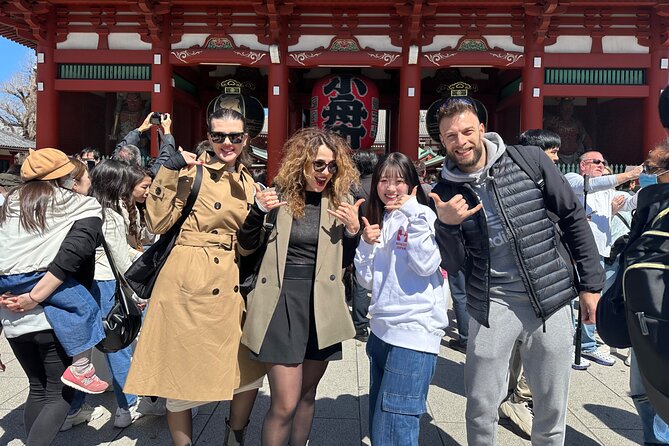
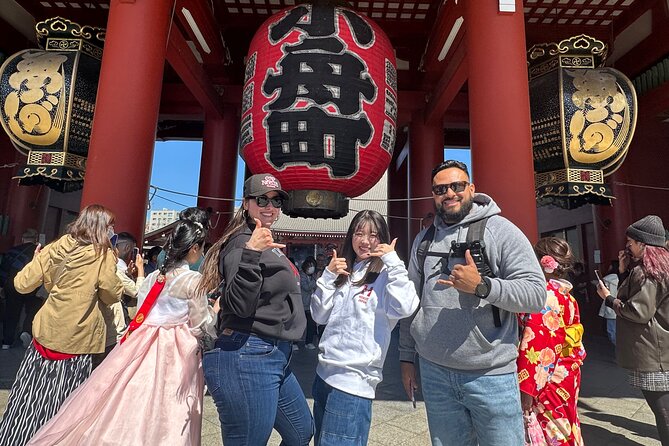
Senso-ji is one of Tokyo’s oldest and most traditional temples. The approach begins at the Thunder Gate and continues along a path lined with opportunities to shop, draw a fortune slip, or buy an amulet. A 15-minute stop is brief, especially if you want time to look around the grounds or browse the shops.
A guide can help put the temple visit in context and answer questions as you go. If Senso-ji is a priority, say so before the tour and check how much time your route can allow. The temple is a natural match with Asakusa, though that neighborhood is not separately named as a stop in the supplied route.
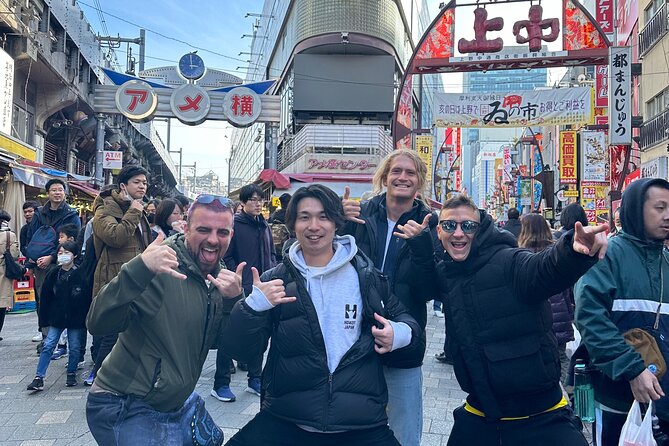
Further north, Ame Yoko is a traditional shopping street with food stalls, eateries, clothing, small goods, and souvenirs. The listed examples include takoyaki, okonomiyaki, and skewers. It is a useful choice if you want a market atmosphere and casual food, but a 15-minute stop will likely mean a quick look rather than a full meal.
Ueno Park brings green space and cultural sites together. It includes facilities such as Ueno Zoo and Tokyo National Museum, as well as places to stroll or picnic. The park’s scale makes it difficult to pair a short visit with a museum or zoo visit, so decide whether you want a walk through the park or time at a particular attraction.
Akihabara and Tsukiji: two very different kinds of browsing
Akihabara is known for electronics shops and anime merchandise, with a central street lined with stores. It offers a distinct side of Tokyo and is a good pick if you are interested in electronics or otaku culture. The listed 30 minutes gives you time to see the area, but not to explore every shop.
Tsukiji Fish Market is centered on seafood and ingredients, with sushi and seafood restaurants alongside shops selling condiments and souvenirs. A half-hour visit may be enough for a first look or a few tastes, but your appetite and the pace of the market will shape what you can do. Food is not included in the tour price.
If food is central to your plan, tell your guide before the outing. A family tour with guide Kanta included tastings at Tsukiji and a sushi and tempura lunch, followed by Senso-ji and matcha dessert. That shows how a private route can link food and culture, though lunch adds time and cost.
Odaiba: a waterfront finish, if it fits your plan
Odaiba is a man-made island district with entertainment venues, shopping malls, and Odaiba Seaside Park. The area is known for a resort-like feel and views of Rainbow Bridge, particularly at night. The listed visit is 15 minutes, making it more of a quick look than a long waterfront outing.
Because Odaiba is one of many possible areas, it may not fit neatly into a short walk that also includes central Tokyo. If the waterfront or the night view matters to you, build the tour around that priority rather than treating Odaiba as one more stop on a crowded route.
What the $105.71 price does and does not cover
At $105.71 per person, the price buys a private, personalized guide for roughly two to four hours. Its value depends on how much you want help shaping your time in a large city. For a first visit, a guide can make the first few hours feel less like a map-reading exercise. For a family or group with different interests, the ability to adapt the route may be worth more than a fixed group tour.
The price does not cover transportation, food, or lunch. The tour generally uses walking and some public transit, so include transit fares in your budget. Lunch is usually around 1,000 to 3,000 yen per person, and it is not included for you or your guide.
Pickup is offered, and you can request a meeting at a place you choose. The usual meeting point is Shibuya Station, and the tour ends back at the meeting point. Hotel drop-off is not included, and the company says it does not typically use vehicles.
The activity is private, so only your group participates. It is recommended by 100 percent of 104 ratings, with a five-star rating. That is a strong record, but the best measure for your plans is whether the guide can match your interests, pace, and preferred neighborhoods.
Who will get the most from this walk
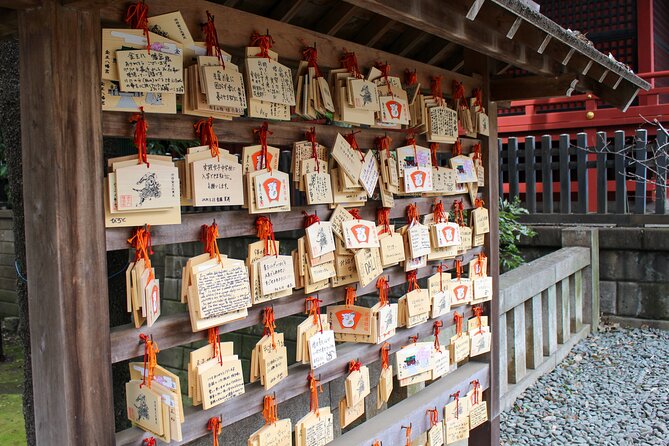
This tour is a good fit if you want a local person to help you choose among Tokyo’s many districts, or if you have a particular interest that is hard to fit into a standard route. It can also work well for families and small groups with competing wish lists. Past guides have planned around varied interests, from teenage shopping priorities to a family’s first temple and market visit.
It is also useful if a neighborhood feels intimidating to explore alone. Ayumi, for example, guided an evening visit to Golden Gai and Omoide Yokocho for a couple who wanted to see those areas but felt unsure about going on their own. Those districts are not on the listed daytime route, so ask specifically about them if you want an evening outing.
A guide can adapt the pace, too. One guest with a sore leg was able to move more slowly with Ayumi. If you have a mobility or access question, contact the provider before booking; the tour information invites you to call and reference the product code.
This is less suitable if you want a full-day tour, a vehicle, or a guaranteed visit to every named attraction. The duration is short, transport costs extra, and the route is designed to be flexible. You will get a better outing by choosing a few priorities than by trying to collect every neighborhood.
Should you book this Tokyo tour?
Book it if you value a private guide, want help tailoring a route, or would feel more comfortable exploring a specific neighborhood with a local. Set your priorities in advance, ask which stops fit the time available, and budget separately for transit and food.
Skip it if you prefer to explore entirely on your own or expect a chauffeured tour that covers the whole city. The strength here is personal attention and choice, not distance covered. For a first orientation or a focused half-day walk, that can be a sensible use of your time.
FAQ
How long is the tour?
The tour lasts approximately two to four hours.
Is the tour private?
Yes. Only your group participates.
Where does the tour start and end?
The usual meeting point is Shibuya Station, at 2 Chome-24, Shibuya, Tokyo 150-0002. The tour ends back at the meeting point.
Is pickup available?
Yes. Pickup is offered, and you can request a meet-up at your desired location.
Are transportation and meals included?
No. Transportation fees, food, drinks, and lunch are not included. Lunch is usually around 1,000 to 3,000 yen per person.
Can I cancel for a refund?
You can cancel for a full refund if you do so at least 24 hours before the experience’s start time. If poor weather cancels the tour, you will be offered a different date or a full refund.
Freshly reviewed in Tokyo
- Tokyo: Toshimaya Sake Brewery Tour with Sake Tasting★ 5.0 · 6 reviews
- :Tokyo,Shibuya /Meiji Shrine tour in KIMONO/English-friendly★ 5.0 · 4 reviews
- Tokyo: Tour Privado por Tokio en español★ 4.3 · 4 reviews
- Tokyo:Tea ceremony experience at Komaba Warakuan★ 4.8 · 9 reviews
- :Tokyo,Shibuya/ Pro Photography in Kimono / English-Friendly★ 5.0 · 26 reviews
- Tokyo:Samurai Training : Swords, Bushido & Mental Discipline★ 5.0 · 6 reviews
- Tokyo:Mt Fuji & Hakone Day Tour with English Speaking Driver★ 5.0 · 26 reviews
- Tokyo:Nikko UNESCO World Heritage Sites Private 1-Day Tour★ 3.8 · 6 reviews
Tokyo Tours, compared.
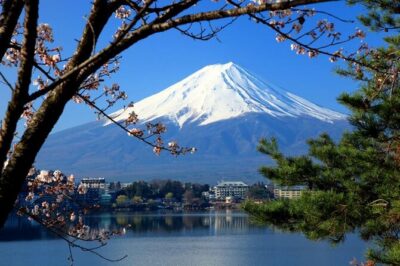
Mt Fuji and Hakone 1-Day Bus Tour Return by Bullet Train
Read our review →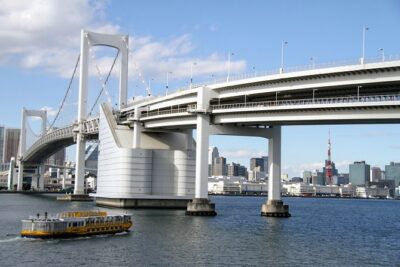
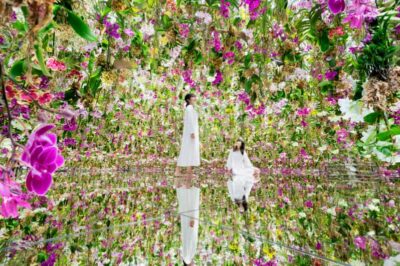
teamLab Planets TOKYO Digital Art Museum Entry Ticket
Read our review →
Mt Fuji & Hakone Cruise, Drum Show Bullet Train 1 Day from Tokyo
Read our review →
Shinjuku Food Tour (13 Dishes at 4 Local Eateries)
Read our review →
Tokyo Mt Fuji 5th St & Hakone Cruise Bus Tour w/Bullet Train
Read our review →
Flagship 2-Hours Official Street Go-Kart Tour – Tokyo Bay Shop
Read our review →