
Reviewed · TOKYO SAKE TASTINGS
Casual Japanese sake tasting and snack experience, Kabukicho
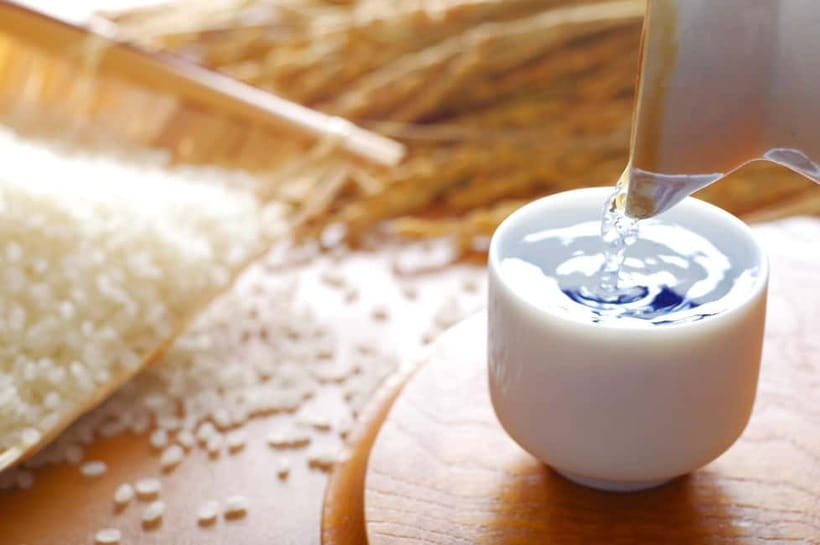
Eight selected sake varieties, traditional snacks, and a sweet rice drink to finish make this a friendly way to get beyond ordering sake by guesswork. The tasting starts with simpler, lower-alcohol options and builds toward comparisons, so you can notice what changes from one glass to the next.
I like two things in particular: you get to compare several drinks side by side, rather than sampling one sake in isolation, and the snacks give you a chance to see how food changes the taste. The small group, limited to six people, also leaves room to ask questions as you go.
One consideration: this is a tasting, not a full meal or a tour of a brewery. The exact session length is not specified, and English support may sometimes involve a translation device. If you want a long, technical lesson, check the details before booking.
Key points before you book
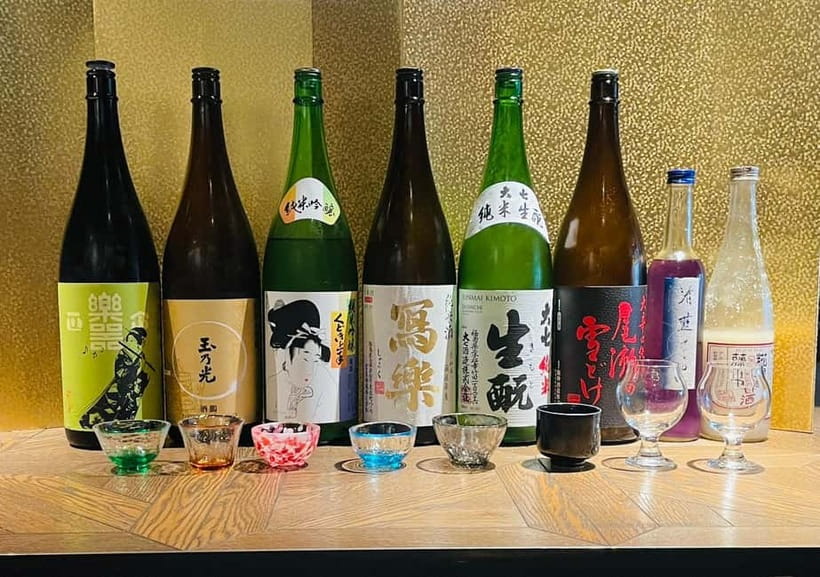
- Eight sake varieties give you a practical basis for comparing flavors and styles.
- Cold, hot, and cocktail-style drinks may be part of the tasting, alongside traditional Japanese snacks.
- Amazake finishes the session as a sweet, fermented rice drink. It is not the same as another sake sample.
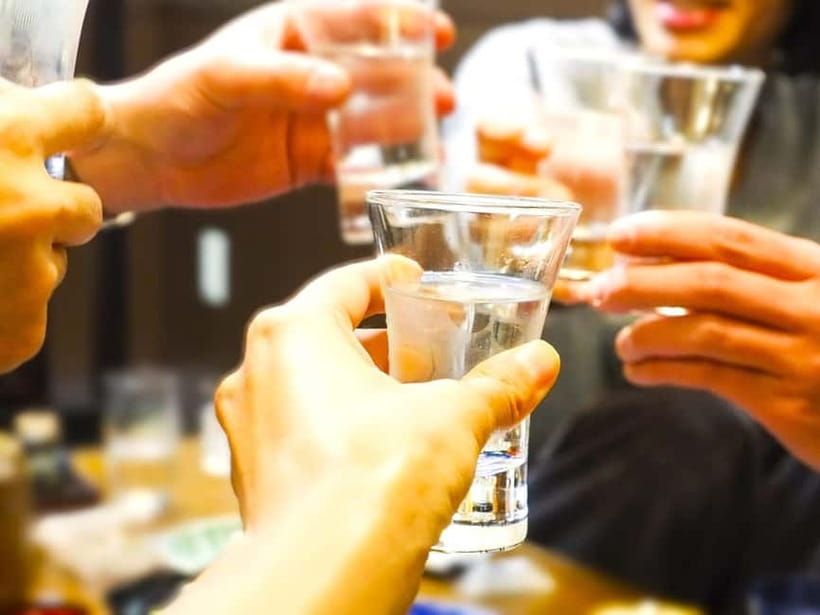
- The format suits first-timers, with lower-alcohol sake introduced before the tasting moves on.
- The group is capped at six, with instruction in English or Japanese.
- The meeting place is in Kabukicho, about a five-minute walk from Shinjuku Station, but its sign may be easy to miss.
Finding the tasting room near Shinjuku Station
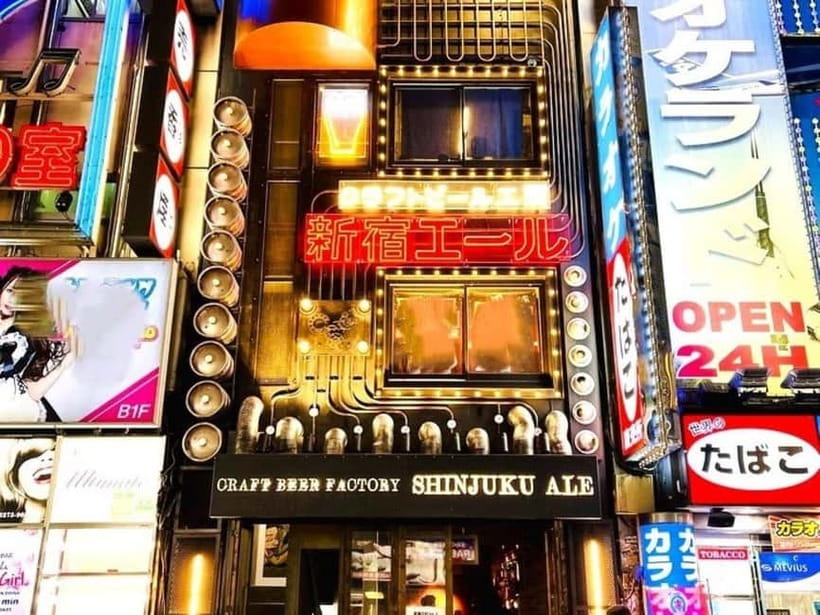
The meeting point is in Kabukicho, five minutes on foot from Shinjuku Station on the JR Yamanote Line. Walk along Kabukicho Central Road toward TOHO Cinemas. Shinjuku Ale is beside Karaoke 747, on your right; the activity takes place on the second floor of the bar.
That last detail matters. You are not meeting at a large, obvious tour desk, and the sign may be less visible than you expect. Keep the directions handy and look for the named businesses rather than assuming the tasting room has a prominent entrance. The listed Google Plus Code is MPV2+VR Shinjuku City, Tokyo.
Kabukicho can feel like an abrupt change of scene if you arrive from a quieter part of Tokyo. One participant found the street used to approach the venue a little unsettling. That is a useful reminder to plan your route, especially if you are unfamiliar with the area, and to follow the directions rather than wandering around looking for a general sake bar.
The tasting itself is indoors, upstairs. There is no elevator, so the venue is not wheelchair accessible. If stairs are a concern, this is worth checking before you reserve.
More Shinjuku tours in Tokyo:
- Tokyo: Shinjuku Food Tour (13 Dishes at 4 Local Eateries)
★ 5.0 · 6,603 reviews - Tokyo Bar Hopping Tour in Shinjuku (All-You-Can-Drink + Dinner)
★ 5.0 · 3,587 reviews - Tokyo: Shinjuku Food Tour (15 Dishes and 4 Eateries)
★ 4.9 · 2,033 reviews
Starting gently with lower-alcohol sake
The tasting begins with a short introduction to alcoholic drinks and sake, then moves to a lower-alcohol option. Sake averages around 15 to 16 percent alcohol, though individual varieties can fall below or rise above that range. Starting with a gentler pour gives you a sensible reference point before comparing stronger or more distinctive examples.
This gradual approach is useful if sake is new to you. Rather than needing to know names or technical terms in advance, you can focus on what you actually notice: how a drink smells, feels, and tastes. The experience is designed to be enjoyable for beginners, and the small group makes it easier to ask a basic question without feeling you should already know the answer.
The host may explain in English or Japanese. English ability varies among staff, so a translation machine may be used. That could make some exchanges less fluid, but the tasting is built around direct comparison, which gives you a clear way to participate even if every explanation is not delivered in polished English.
Comparing eight varieties, not just ordering a glass
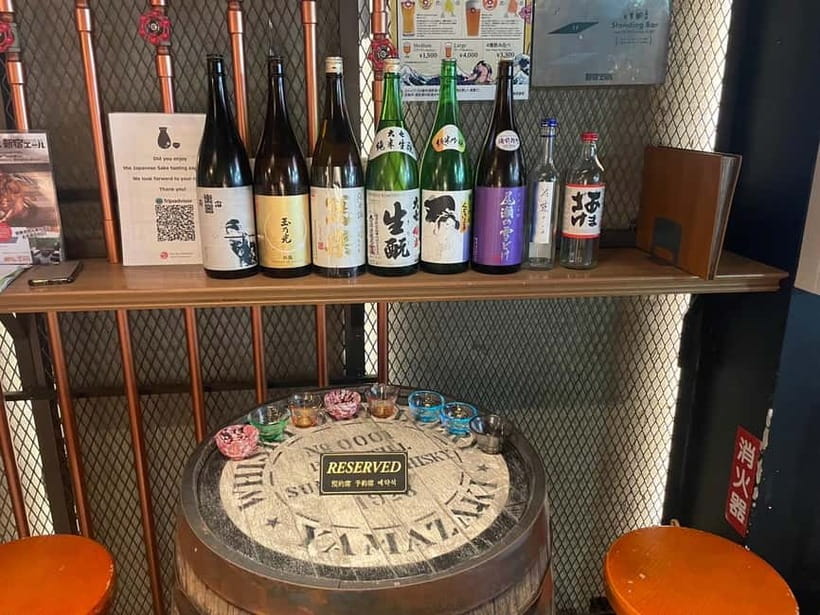
The main event is tasting eight selected sake varieties that are available to sample in Japan. The point is not simply to drink eight pours. Comparing them gives you a better sense of how broad sake can be, and helps you work out which kinds appeal to you.
You may encounter different serving styles, including cold, hot, and cocktail-style drinks. Those options are helpful because temperature and preparation can change the character of a drink. A sake you find less appealing one way might suit you better served another way. The tasting gives you a chance to notice those differences without having to order several full drinks on your own.
The word comparison is important here. If you are choosing sake from a menu, it can be hard to predict what a label or description will mean in the glass. Sampling several carefully selected options makes the differences more concrete. You can compare one sip with the next and decide whether you prefer a lighter, stronger, warmer, or mixed drink.
The available details do not name the eight varieties or give a fixed pouring order beyond starting with lower-alcohol sake. So, if you have a particular style in mind, ask the host whether it is included. The tasting is best approached as an introduction to a range, not a promise that you will try a specific bottle.
Traditional snacks make the tasting more useful
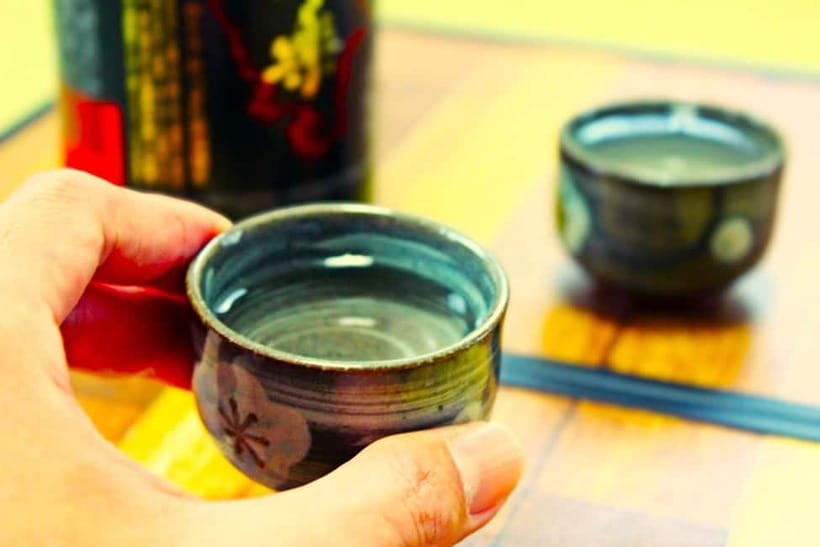
Traditional Japanese snacks accompany the drinks, adding a practical food-and-sake pairing element. That matters because taste does not happen in a vacuum. A small bite can alter what you notice in the next sip, and pairing the two gives you more to think about than simply rating each sake on its own.
The snacks are included as part of the experience, but this is not a meal. Additional meals and drinks are not included, so plan to eat before or after if you expect to be hungry. The activity is centered on tasting and pairing, not replacing dinner.
The food also helps keep the session approachable. If you are new to sake, you can use the snacks as a familiar point of comparison: does a drink seem sharper with food, smoother, or more appealing? You do not need formal tasting vocabulary to get something from that exercise. A simple preference is useful information when you later face a sake list in a restaurant.
More sake tastings in Tokyo:
- Ramen and Sushi Cooking Class with Sake Pairing Set in Tokyo
★ 5.0 · 291 reviews - Sake Tasting Masterclass in Shinjuku (8+ Varieties with a Pro)
★ 5.0 · 271 reviews - Sake Omakase in Tokyo: Guided Tasting by Certified Sommeliers
★ 5.0 · 239 reviews - Tasting All Types of Sake with Sommelier
★ 5.0 · 151 reviews
Ending with amazake, a sweet rice drink
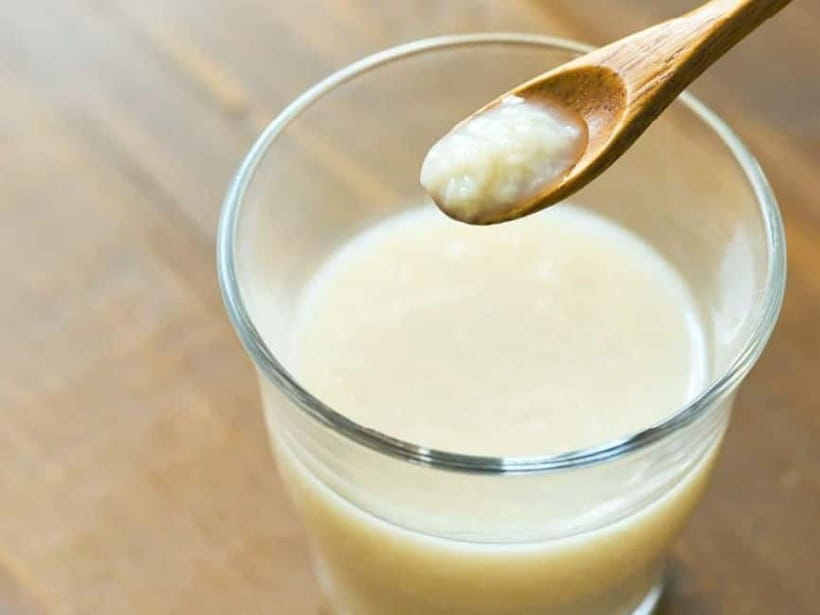
The final taste is amazake, a sweet fermented drink made from rice malt. It is presented as dessert, so it gives the tasting a different finish from the alcoholic sake samples. If you have only encountered sake as a savory or strong drink, this sweeter ending helps show another side of fermented rice beverages.
The distinction is worth keeping clear: amazake is not simply another of the eight sake varieties. It is a separate sweet drink, and a final contrast that rounds out the session. You can leave with a broader sense of what rice-based Japanese drinks can include, rather than thinking of sake as one fixed flavor or serving style.
What the small group and host add
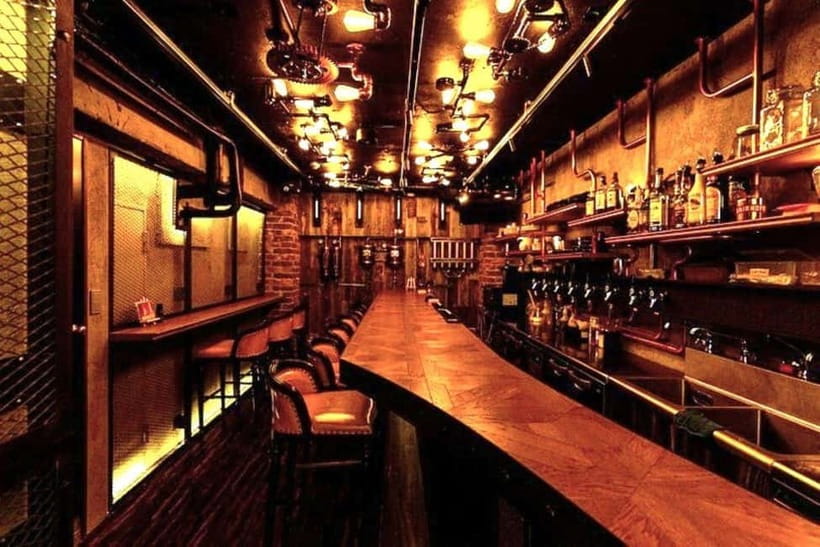
With a maximum of six participants, the group is small enough for a more personal tasting than a large bar presentation. You can ask questions as the samples arrive, compare impressions with the others, and take the tasting at a conversational pace. The activity is offered in English and Japanese, though staff may use a translation device when needed.
One guide named Mai received specific praise for being welcoming and for answering questions while keeping conversation going. That gives you a sense of the tone to expect, but guide assignments can vary, so do not assume Mai will lead every session. The useful point is that the experience is meant to be social and informal, not a lecture.
A few people have bought a tasting glass as a keepsake, but it was described as expensive. That is an optional extra, not part of the included price. If you like souvenirs, ask the cost before deciding; you do not need to buy anything to take part in the tasting.
Is $38 good value?
At $38 per person, the price includes all fees and taxes, the sake tasting, and the traditional snacks described as part of the experience. You are paying for a guided comparison of eight selected varieties in a small group, plus the chance to try different serving styles and finish with amazake. If you would otherwise order several drinks individually, a structured tasting can be a more informative use of your budget.
The value depends on what you want. If sake is a real interest, or you want an easy first introduction before ordering it elsewhere in Japan, the range and guidance are the main benefits. If you are looking for a filling meal, a long cultural tour, or a highly technical class, this is not that. Additional meals and drinks, transport to the meeting point, and hotel pick-up or drop-off are not included.
The activity is listed as lasting one day, but no exact session duration is provided. Check available start times and confirm the expected length when you choose a date, especially if you are fitting it between other plans. You can reserve now and pay later, and cancellation is free up to 24 hours in advance.
Who should book this tasting?
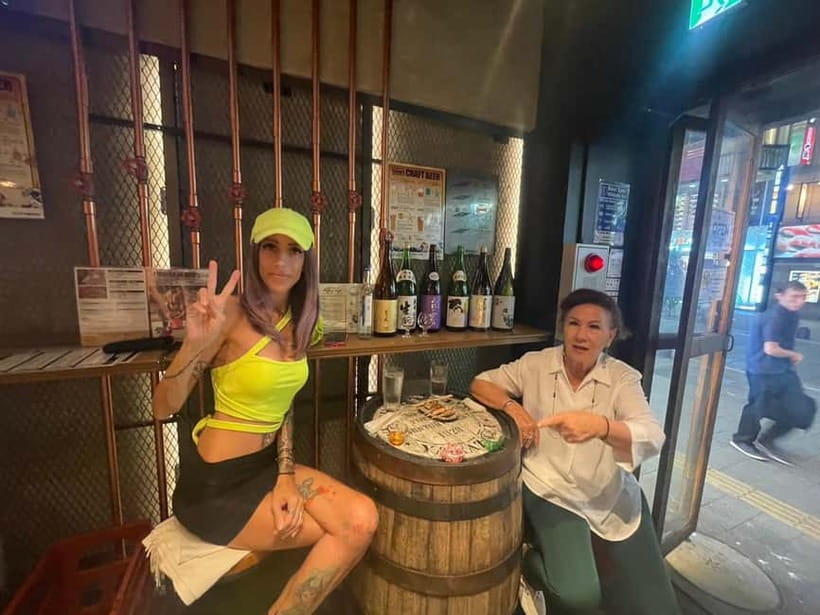
This is a good fit if you want a low-pressure introduction to sake, enjoy comparing flavors, or would like a social activity close to Shinjuku. It also suits a sake fan who wants to sample a range without committing to full servings at separate venues. Because the group is small and the tasting is described as beginner-friendly, you do not need prior knowledge to take part.
It is not suitable for anyone under 20 or for pregnant women. It is also not the right choice if you need step-free access, since there is no elevator. And if you expect a substantial meal or detailed English interpretation throughout, ask about those points before booking.
Should you book?
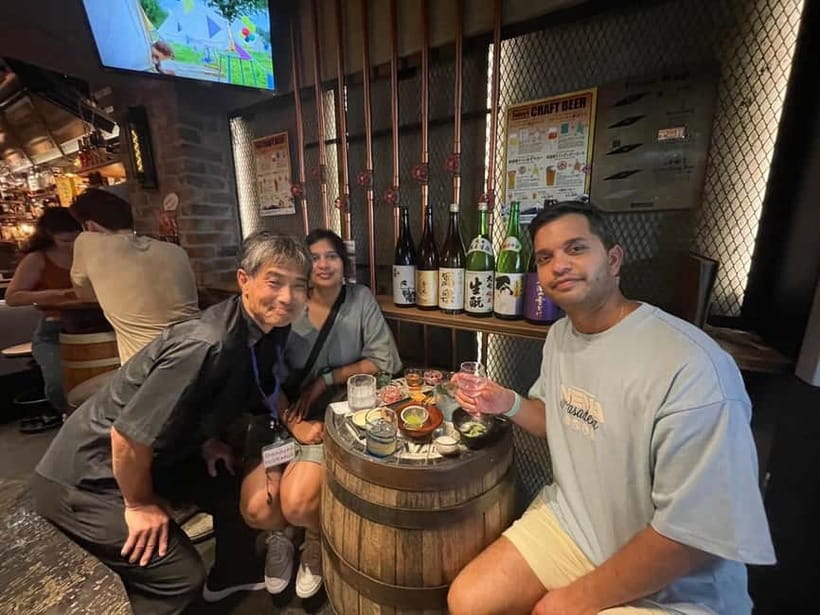
Book if you are curious about sake and want a guided, snack-paired comparison in a casual setting. The strongest reasons are the eight varieties, the chance to try different temperatures and preparations, and the small group size. For $38, it is a focused way to learn what you like before ordering sake elsewhere.
Skip it if you want a brewery visit, a full dinner, or a long lesson with guaranteed fluent English. Confirm the session length and meeting directions ahead of time, and remember that the tasting is upstairs. For a relaxed introduction in Kabukicho, though, this is a practical and approachable choice.
FAQ
How many sake varieties will I try?
The tasting includes eight selected varieties of sake. The experience also finishes with amazake, a sweet fermented drink made from rice malt.
Is this experience suitable for someone new to sake?
Yes. It is designed to be enjoyable for first-time sake drinkers, and it starts with a lower-alcohol option before moving through the tasting.
What is included in the $38 price?
All fees and taxes are included, along with the sake tasting and traditional snacks. Additional meals and drinks, transportation to the meeting place, and hotel pick-up and drop-off are not included.
Where is the meeting point?
It is about a five-minute walk from Shinjuku Station on the JR Yamanote Line. Walk along Kabukicho Central Road toward TOHO Cinemas and look for Shinjuku Ale beside Karaoke 747. The activity takes place on the second floor.
Is the venue wheelchair accessible?
No. There is no elevator, so the venue is not wheelchair accessible.
Can children or pregnant women take part?
No. The experience is not suitable for people under 20 or for pregnant women.
More food and drink experiences in Tokyo
- Tokyo Tsukiji Fish Market Food and Culture Walking Tour
★ 5.0 · 3,184 reviews - Tokyo: Tsukiji Fish Market Food and Walking tour
★ 5.0 · 1,724 reviews - Eat and Drink Like a Local: Tokyo Ueno Food Tour-Taverns&Ramen
★ 5.0 · 957 reviews - Tokyo: Shibuya Food Tour (13 dishes and 4 Eateries)
★ 5.0 · 770 reviews
More drinks tours in Tokyo
- Best of Shinjuku: Izakaya Food Tour (4 Stops, 14+ Tastings)
★ 5.0 · 1,863 reviews - Tokyo: Shinjuku Local Bar and Izakaya Guided Walking Tour
★ 4.9 · 1,794 reviews - Shibuya Meltdown Nightlife Tour: All-You-Can-Drink Bar Hopping
★ 5.0 · 1,058 reviews - Tokyo: Pub Crawl and Bar Tour
★ 4.5 · 951 reviews
Freshly reviewed in Tokyo
- Tokyo: Toshimaya Sake Brewery Tour with Sake Tasting★ 5.0 · 6 reviews
- :Tokyo,Shibuya /Meiji Shrine tour in KIMONO/English-friendly★ 5.0 · 4 reviews
- Tokyo: Tour Privado por Tokio en español★ 4.3 · 4 reviews
- Tokyo:Tea ceremony experience at Komaba Warakuan★ 4.8 · 9 reviews
- :Tokyo,Shibuya/ Pro Photography in Kimono / English-Friendly★ 5.0 · 26 reviews
- Tokyo:Samurai Training : Swords, Bushido & Mental Discipline★ 5.0 · 6 reviews
- Tokyo:Mt Fuji & Hakone Day Tour with English Speaking Driver★ 5.0 · 26 reviews
- Tokyo:Nikko UNESCO World Heritage Sites Private 1-Day Tour★ 3.8 · 6 reviews
Tokyo Sake Tastings, compared.
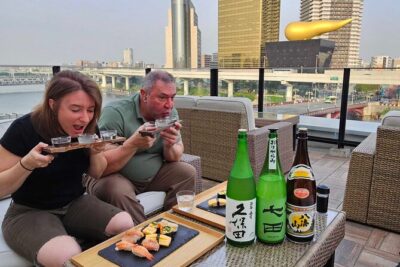
Ramen and Sushi Cooking Class with Sake Pairing Set in Tokyo
Read our review →
Sake Tasting Masterclass in Shinjuku (8+ Varieties with a Pro)
Read our review →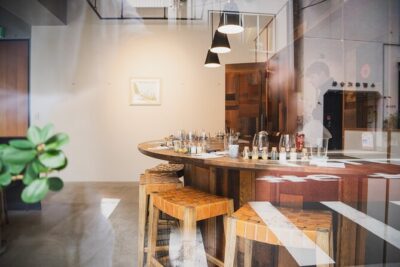
Sake Omakase in Tokyo: Guided Tasting by Certified Sommeliers
Read our review →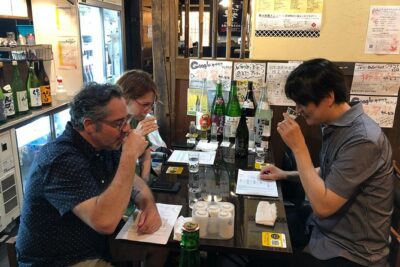
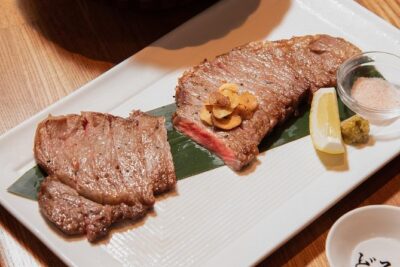
Wagyu & Sake Pairing in Shinjuku – Steak, Shabu-Shabu & More
Read our review →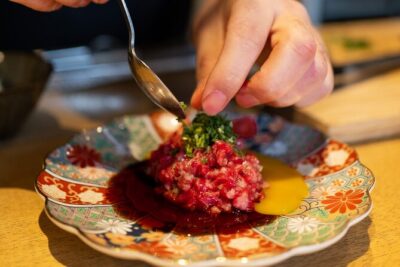
Tokyo Wagyu & Sake Pairing Tasting Experience with Local Flavors
Read our review →
Tsukiji: Outer Market Walking Tour & Sake Tasting Experience
Read our review →
Browse the lists this tour appears in