Reviewed · TOKYO TOURS
Tokyo: Buddhism and Shinto Temple Tour with a Real Local
At Naritasan Fukagawa Fudōdō, the room fills with drumbeats as monks perform a Buddhist fire ritual. Manami explains the ceremony step by step, but this is a place of worship, not a stage show: you observe quietly, follow the photography rules, and leave the best seats for the Buddhist community.
I like two things about this walk: it gives you practical guidance on temple and shrine etiquette, and it pairs the ceremony with a visit to Tomioka Hachimangu Shrine rather than ending at the temple. Manami’s family connection to the area adds a personal thread to the cultural explanations.
The main consideration is the ceremony’s strict rules. Photography and video are not allowed inside, and the tour is not suitable for children under five or people over 80. If you want a casual food crawl or a photo-heavy visit, this is not the right fit.
What makes this Monzennakacho walk different
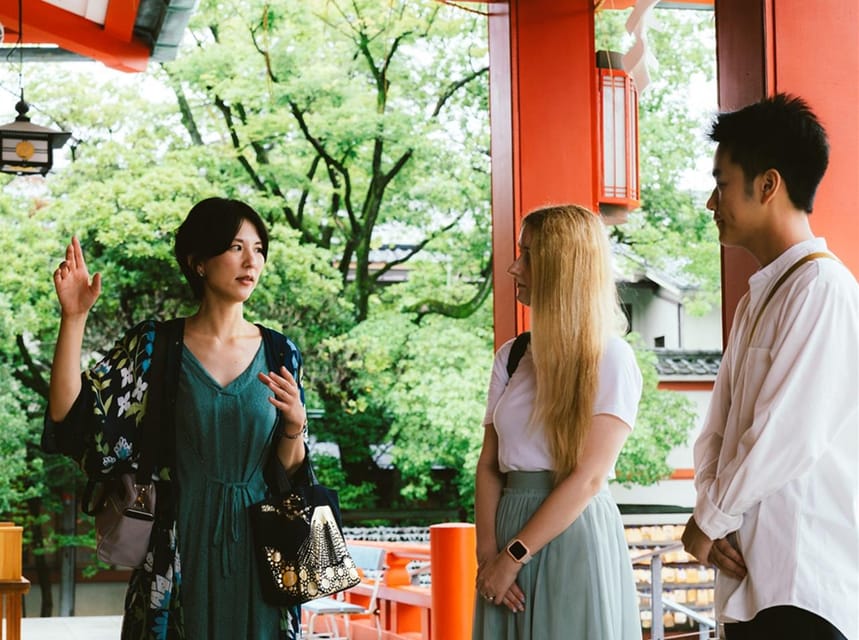
- A local guide with academic training: Manami was born and raised in the area and holds a Ph.D. in cultural heritage protection.
- A fire ceremony explained in context: Observe the ritual in silence while Manami uses explanation sheets to clarify what is happening.
- A considerate seating approach: The group avoids taking the front middle seats, which are best left for Buddhist worshippers.
- Two traditions in one neighborhood: Compare Buddhist practice at Fukagawa Fudōdō with Shinto customs at Tomioka Hachimangu.
- Useful etiquette, not just background: Learn about offerings, shrine objects, clothing, footwear, and rules for photographs and recordings.
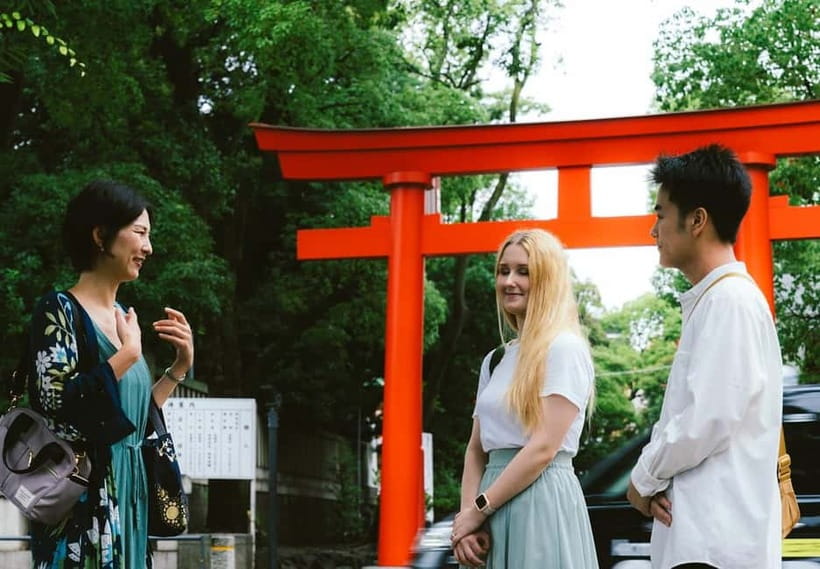
- A genuinely small group: With a maximum of six people, you have room to ask questions and hear family stories about the district.
A quieter side of East Tokyo
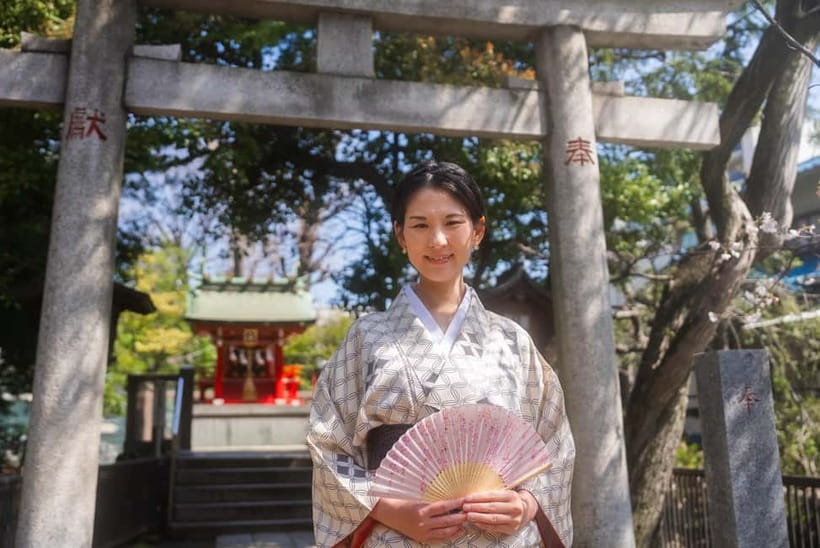
Monzennakacho is in East Tokyo’s old Shitamachi district, an area with a more local feel than the city’s best-known sightseeing zones. This two-hour walk makes the neighborhood the setting for a clear introduction to two major strands of Japanese spirituality: Buddhism and Shinto.
The distinction can be hard to grasp when you are visiting on your own. Manami explains how Japanese people may take part in both religions, and what separates their beliefs and practices. That context helps you read the places you visit instead of treating every sacred site as simply another temple.
The group is capped at six, a useful limit for a tour built around questions and quiet observation. A larger group could make it harder to hear an explanation or follow instructions inside a place of worship. Here, you can ask for clarification without turning the walk into a lecture hall.
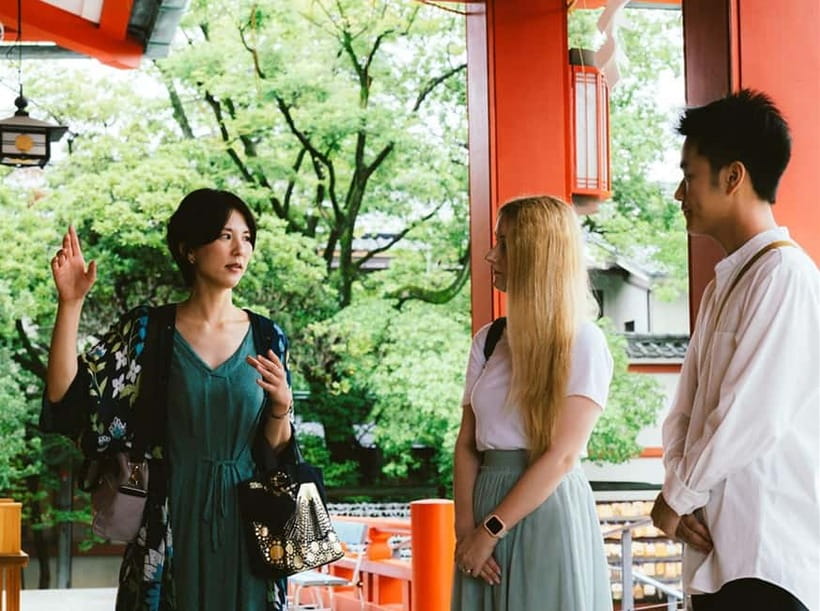
Manami’s background matters, too. She is from the area and has a Ph.D. in cultural heritage protection. Her academic knowledge gives the explanations structure, while her family stories connect the sites to everyday local life. The result is not just a list of religious symbols, but a way to understand why people continue to visit these places.
More tours and experiences in Tokyo:
- Mt Fuji and Hakone 1-Day Bus Tour Return by Bullet Train
★ 5.0 · 26,383 reviews - 1-Day Tokyo Bus Tour
★ 5.0 · 14,250 reviews - Tokyo: teamLab Planets TOKYO Digital Art Museum Entry Ticket
★ 4.6 · 9,779 reviews
Meeting outside Monzen-nakacho Station
The tour begins outside Exit 4 of Monzen-nakacho Station, served by the Oedo and Tozai subway lines. Look for the Kusuri no Fukutaro drugstore with the red sign just outside the exit.
Use Exit 4 specifically. There are other exits and another store with the same name nearby, so following the station exit instruction matters. Take the stairs rather than the elevator, which makes the correct drugstore easier to locate. If you arrive by taxi and the driver is unsure which shop to find, the meeting directions advise asking the driver to call the guide.
Wear comfortable shoes and bring a drink and some cash. Small coins are optional for the customary offerings at the temple and shrine. Admission to the fire ceremony is included, so you do not need to budget separately for that part.
The route includes short guided stops at Oyoko River and Tatsumi-shindo before the temple. These are not long sightseeing pauses. They help introduce the district and give Manami a chance to set the cultural context before you enter a religious space.
Oyoko River and Tatsumi-shindo
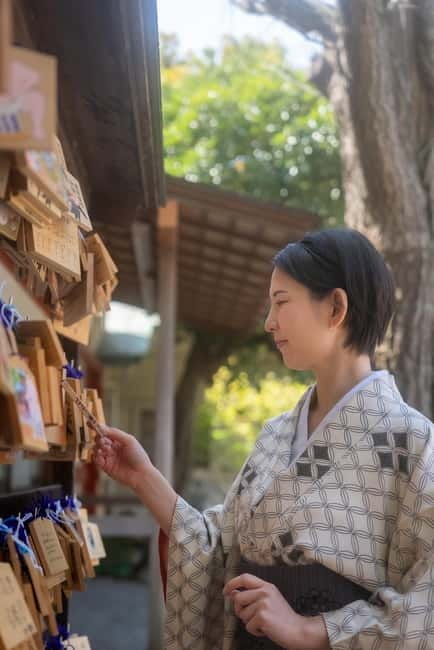
The first two stops each take about ten minutes. Expect a brief walk and explanation rather than a major attraction in its own right. Their value is in easing you into the neighborhood and giving you a sense of the local setting before the ceremony.
A short orientation can be especially helpful if this is your first visit to a Japanese temple or shrine. You can ask basic questions early, then use what you learn when you reach the sacred sites. With a small group, there should be space to pause over details that interest you.
These stops also make the tour feel like a walk through a real district, not simply a transfer between two religious buildings. Still, if you are expecting a long neighborhood history or a food-focused outing, the route is not designed for that. The central event is the fire ritual, followed by the shrine visit.
The Fukagawa Fudōdō fire ceremony
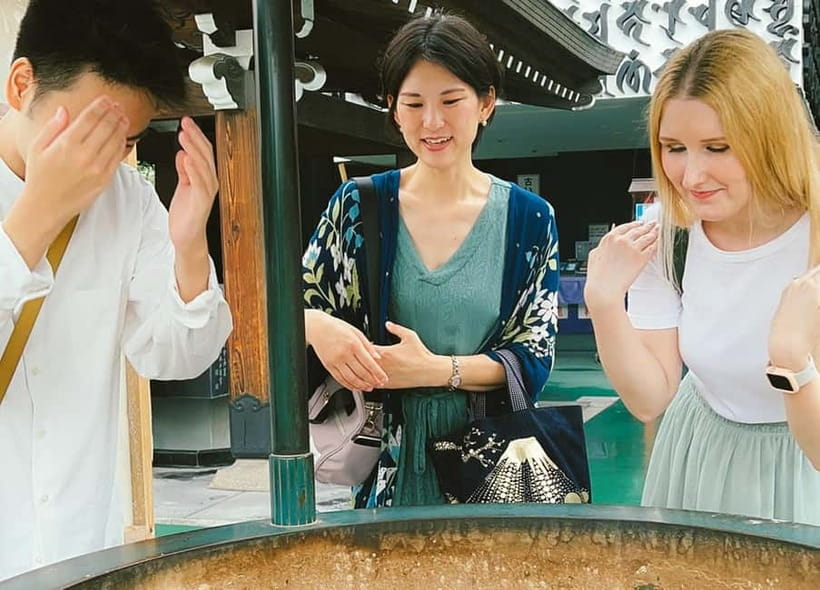
The visit to Naritasan Fukagawa Fudōdō takes about 40 minutes and is the tour’s defining moment. You observe a Buddhist fire ceremony accompanied by powerful drumbeats. Manami explains the ritual scene by scene, using explanation sheets so you can follow what is happening without interrupting the ceremony.
The explanations are valuable because the ritual is not presented as entertainment for a visiting audience. It is a serious religious practice for Buddhist worshippers. The group observes in silence, and Manami’s guidance helps you understand the action while respecting the people who have come to pray.
The seating choice reflects that approach. Rather than claiming the front middle seats for the best view, the group leaves those places for the Buddhist community. That may mean you do not have the closest possible vantage point, but it is a thoughtful way to take part as a visitor. The point is to witness respectfully, not to treat the ceremony like a performance.
Pay close attention to the etiquette briefing. The supplied guidance notes that crossing your legs while seated can be regarded as rude to Buddha and the monks. Photography, video recording, and audio recording are not allowed inside. Hats are also on the prohibited list, and shoes must not be worn indoors. These rules are easy to overlook if you are used to photographing every stop, but following them is part of the visit.
Shoulders and knees need to be covered. The tour provides shawls for people who need them, though it is simpler to dress appropriately from the start. Sleeveless shirts, short skirts, see-through clothing, and hats are listed as not allowed. Smoking is also prohibited.
The ceremony’s sound and stillness make a strong contrast. Drumbeats are powerful, but the group’s role is quiet observation. If you value cultural understanding and are comfortable putting your camera away, this is likely to be the most memorable part of the walk. If recording the ritual is important to you, the restrictions are a real drawback.
For a different side of the same trip:
- Mt Fuji & Hakone Cruise, Drum Show Bullet Train 1 Day from Tokyo
★ 4.0 · 7,413 reviews - Tokyo: Sumo Show Experience with Chicken Hot Pot and a Photo
★ 4.8 · 6,678 reviews - Tokyo: Shinjuku Food Tour (13 Dishes at 4 Local Eateries)
★ 5.0 · 6,603 reviews - Tokyo Mt Fuji 5th St & Hakone Cruise Bus Tour w/Bullet Train
★ 4.4 · 5,024 reviews
Tomioka Hachimangu Shrine and local customs
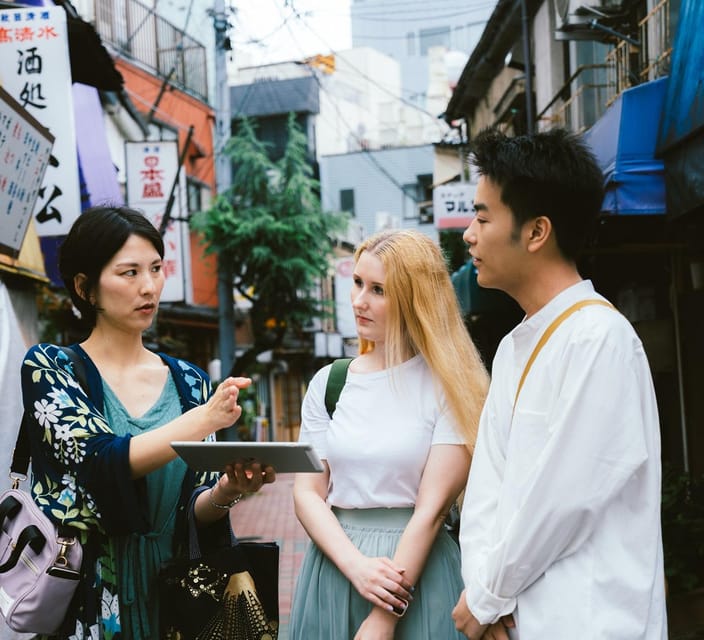
After the Buddhist temple, the tour moves to Tomioka Hachimangu Shrine for about 25 minutes. The change of setting gives you a chance to compare Shinto customs with the Buddhist ceremony you have just seen.
Manami explains the meaning of white fortune-telling paper, wooden wish bars, goshuin stamps, and Shinto symbols. These details give you a practical way to understand what people are doing at the shrine. Instead of seeing paper fortunes or wooden plaques as decoration, you learn how they fit into the visit and the act of making a wish.
The shrine also offers a local angle on sake and sumo, both of which have ties to Shinto, and you can see the impressive Sumo rocks. Manami’s family stories about its connection to the place bring the visit back from general cultural explanation to the lives of people in Monzennakacho.
This stop is a good counterweight to the fire ceremony. The temple visit focuses on Buddhist ritual and careful observation; the shrine visit opens up a different set of symbols and customs. In a short time, you get a useful comparison without needing to cross the city between sites.
What the $62 price includes
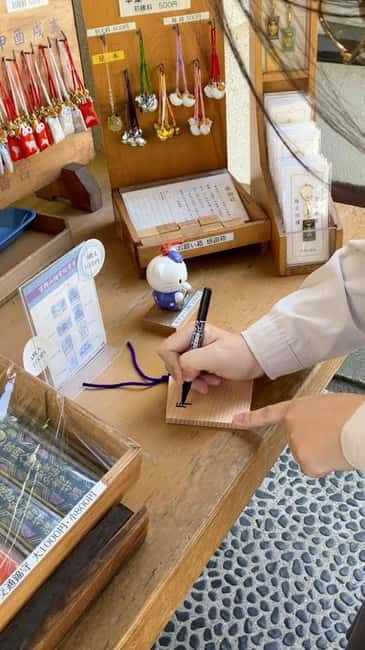
At $62 per person, the tour is a focused two-hour experience rather than a full-day sightseeing package. The price includes the fire ceremony admission, an English-speaking local guide, and the guided walk through a historic, less touristy part of Tokyo. Shawls are available if you need extra coverage.
The value rests largely on Manami’s explanations. You can visit a temple or shrine on your own, but it is harder to know what you are seeing, how to behave, or which details matter. Here, the guide puts the ritual and the objects into context, then gives you practical rules you can use at other religious sites in Japan.
The six-person limit adds value if you like asking questions. Some of the strongest praise for the tour has centered on Manami’s patience, warmth, and ability to explain Buddhism and Shinto clearly. A visitor who went with just one other person described learning a great deal in a short time, while another specifically appreciated that Manami answered many questions patiently.
The main cost not included is the optional small coin offering. Bring cash if you want to make one. There is no food or drink included, and the experience is not built around tastings or shopping. Think of the price as payment for access to a ceremony plus guided cultural interpretation, not a bundle of extras.
Who should book this walk
This tour suits you if you want to understand what you are looking at, not just collect photos of temples. It is especially useful if Japanese religious customs feel unfamiliar, or if you want clear advice on how to behave respectfully at shrines and temples.
It also suits visitors who enjoy small groups and conversation. The maximum of six makes it easier to ask questions, and the guide’s local and academic background gives the walk both personal and cultural depth. The high praise for Manami’s kindness and explanations makes her role central to the appeal.
You may prefer another activity if you want to move quickly, take photos inside the ceremony, or spend the time eating and drinking your way through the neighborhood. The fire ritual requires quiet attention, and the rules are firm. The tour is also not suitable for children under five or people over 80.
Allow for the two-hour duration and plan to arrive at the correct station exit. Wear covered, comfortable clothing, leave recording equipment unused inside the temple, and bring a drink and cash. Those small preparations make it easier to focus on the ceremony and the stories behind the sites.
Should you book it?
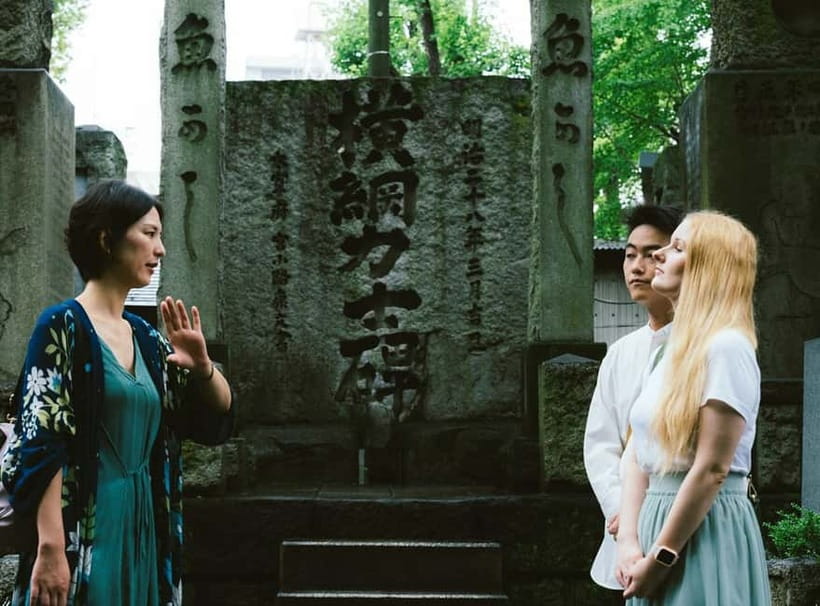
Book this walk if you want a respectful, well-explained look at Buddhism and Shinto in a local East Tokyo neighborhood. The fire ceremony, thoughtful seating etiquette, shrine visit, and Manami’s family connection combine into a short but substantial introduction.
Skip it if your priority is photography, a food crawl, or a loose sightseeing stroll. The tour asks you to follow rules and observe quietly. For a curious visitor willing to do that, $62 buys more than two hours of walking: it gives you context and etiquette that can make later temple and shrine visits easier to understand.
FAQ
How long is the tour?
The tour lasts two hours. It starts and ends at Monzen-nakacho Station.
Where do I meet the guide?
Meet outside Exit 4 of Monzen-nakacho Station, by the Kusuri no Fukutaro drugstore with the red sign. Use the stairs rather than the elevator to find the correct store.
Is the fire ceremony admission included?
Yes. Admission to the Fukagawa Fudōdō fire ceremony is included in the price.
Can I take photos or record the ceremony?
No. Photography, video recording, and audio recording are not allowed inside.
What should I wear?
Wear comfortable shoes and clothing that covers your shoulders and knees. Sleeveless shirts, short skirts, see-through clothing, hats, and shoes indoors are not allowed. Shawls are available if you need one.
Is the tour suitable for children?
It is not suitable for children under five.
What is the group size, and what language is the tour in?
The group is limited to six participants, and the live guide speaks English.
Freshly reviewed in Tokyo
- Tokyo: Toshimaya Sake Brewery Tour with Sake Tasting★ 5.0 · 6 reviews
- :Tokyo,Shibuya /Meiji Shrine tour in KIMONO/English-friendly★ 5.0 · 4 reviews
- Tokyo: Tour Privado por Tokio en español★ 4.3 · 4 reviews
- Tokyo:Tea ceremony experience at Komaba Warakuan★ 4.8 · 9 reviews
- :Tokyo,Shibuya/ Pro Photography in Kimono / English-Friendly★ 5.0 · 26 reviews
- Tokyo:Samurai Training : Swords, Bushido & Mental Discipline★ 5.0 · 6 reviews
- Tokyo:Mt Fuji & Hakone Day Tour with English Speaking Driver★ 5.0 · 26 reviews
- Tokyo:Nikko UNESCO World Heritage Sites Private 1-Day Tour★ 3.8 · 6 reviews
Tokyo Tours, compared.
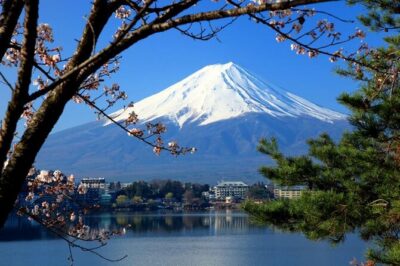
Mt Fuji and Hakone 1-Day Bus Tour Return by Bullet Train
Read our review →
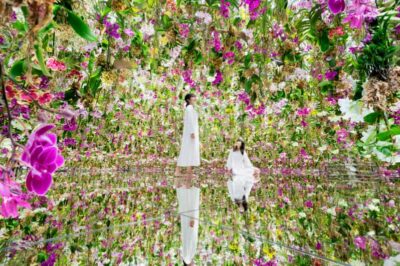
teamLab Planets TOKYO Digital Art Museum Entry Ticket
Read our review →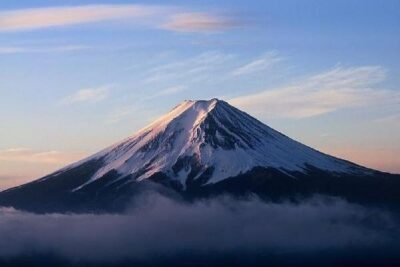
Mt Fuji & Hakone Cruise, Drum Show Bullet Train 1 Day from Tokyo
Read our review →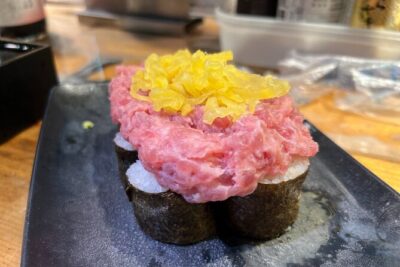
Shinjuku Food Tour (13 Dishes at 4 Local Eateries)
Read our review →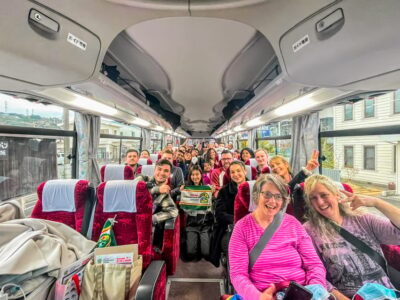
Tokyo Mt Fuji 5th St & Hakone Cruise Bus Tour w/Bullet Train
Read our review →
Flagship 2-Hours Official Street Go-Kart Tour – Tokyo Bay Shop
Read our review →