Reviewed · TOKYO TOURS
Tokyo: Spring Hitachi Seaside & Ashikaga Flower Park Tour
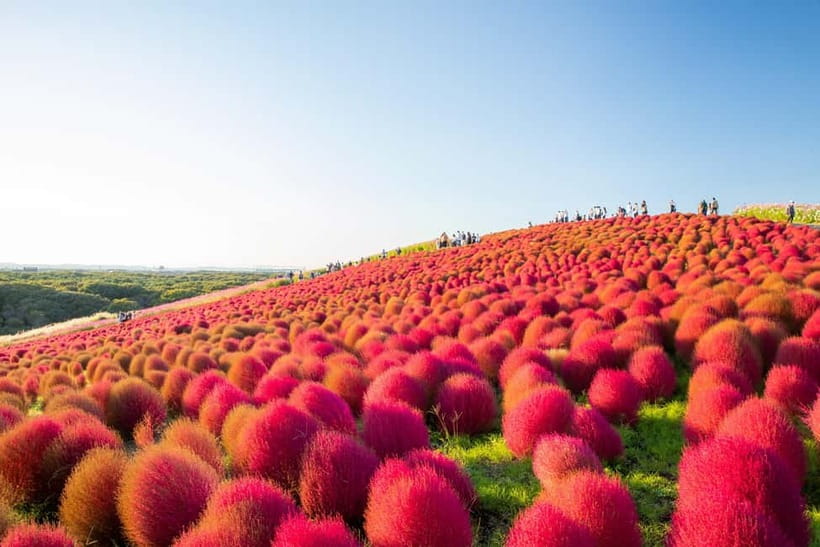
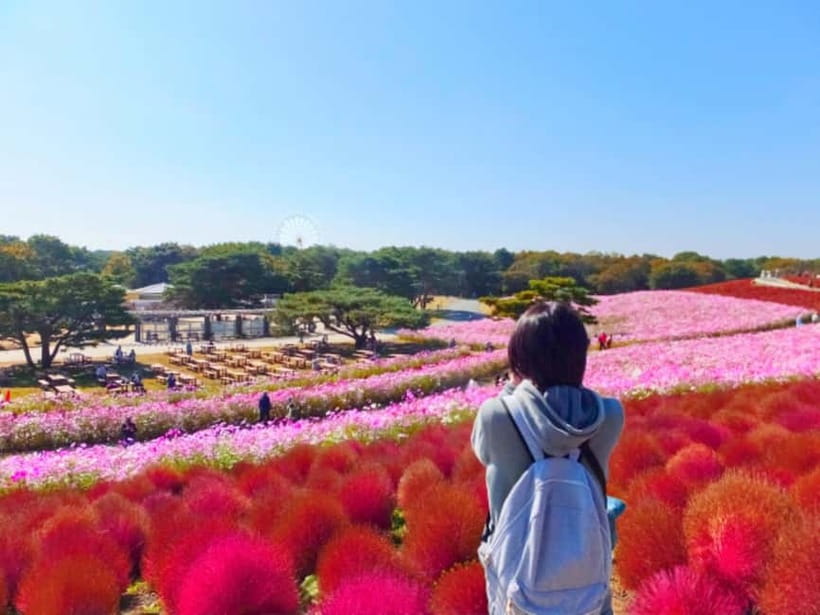
At Hitachi Seaside Park, Miharashi Hill turns blue with roughly 5.3 million nemophila, with sky and distant sea meeting the flowers at the horizon. Then Ashikaga Flower Park trades blue for great curtains of purple wisteria and a white flower tunnel.
I like the contrast between the two parks, and the way the coach makes a long day of spring sightseeing manageable from Tokyo. I also like that you get free time at each park rather than a guided march from one photo stop to the next.
The trade-off is time: this is a full day of roughly 11.5 to 12.5 hours, with several hours on the road and fixed windows at the gardens. If you want to linger over every path, you may wish the stops were longer.
The short version
- Hitachi’s blue hill: Spend about two hours at Miharashi Hill and the wider park, where nemophila create one of Japan’s most striking spring views.
- Ashikaga’s famous wisteria: Allow about 110 minutes for the Great Wisteria and an approximately 80-meter white wisteria tunnel.
- A practical food stop: Road Station Mibu offers a range of dishes and desserts, but meals are not included in the tour price.
- Coach travel from Tokyo: Transport and admission are included, with departure and return options at Shinjuku or Tokyo Station.
- A long, seasonal outing: Traffic, weather, and the flowering season can affect the day’s schedule and how long you spend at each stop.
- Useful guide support: English- and Korean-speaking guides are provided. Guides on recent departures have included Gilbert, Miss Park, and Miss Kim.
Two spring parks, two very different colors
This tour gives you a strong visual contrast. Hitachi Seaside Park is about open space and a broad sweep of blue flowers; Ashikaga is about the hanging shape and scale of wisteria. You spend much of the day getting between them, but the change in scenery makes the pairing more interesting than two stops with the same kind of garden.
At Hitachi, the main draw is Miharashi Hill, where approximately 5.3 million nemophila flower in spring. The blue blooms, open sky, and distant ocean form the view that makes this park famous. It’s an especially satisfying stop if you enjoy wide views and want photographs that show more than a close-up of a single flower.
Ashikaga changes the mood. Its Great Wisteria is known for long cascades of purple blossoms hanging overhead, and the white wisteria tunnel offers a different, more enclosed view. The park has been selected by CNN as a dream destination, but the more useful point for planning is simple: wisteria is the headline, and the visit is built around seeing it at its seasonal best.
More tours and experiences in Tokyo:
- Mt Fuji and Hakone 1-Day Bus Tour Return by Bullet Train
★ 5.0 · 26,383 reviews - 1-Day Tokyo Bus Tour
★ 5.0 · 14,250 reviews - Tokyo: teamLab Planets TOKYO Digital Art Museum Entry Ticket
★ 4.6 · 9,779 reviews
The long ride out from Tokyo
The tour starts from one of two meeting points: Starbucks Coffee at Shinjuku L Tower or Tokyo Station. The exact meeting point depends on the option you book, so check your confirmation rather than assuming you’ll use the station nearest your hotel.
The first coach ride is scheduled for about two and a half hours. That is a substantial stretch, but it saves you from arranging separate transport to two parks in different parts of the Kanto region. The coach also gives you a place to rest between walks, a welcome feature on a day that runs roughly 690 to 750 minutes in total.
The guide speaks English or Korean, depending on the tour. Recent guides have included Gilbert, Miss Park, and Miss Kim. Gilbert was praised for clear explanations and for keeping the group moving on time, including during Golden Week traffic; that sort of steady coordination matters when the schedule has several long road legs.
Keep your expectations flexible. The guide may adjust the itinerary because of traffic or weather, and time at each stop can change with the season and conditions on site. Peak-season traffic can also delay the return. The tour is a day trip, not a clockwork transfer service.
Hitachi Seaside Park and Miharashi Hill
You have about two hours at Hitachi Seaside Park for the visit, sightseeing, and free time. That gives you a proper chance to see the main hill and take photographs, but it is not enough to explore every corner at a leisurely pace. If you like gardens, build your priorities around Miharashi Hill first, then use remaining time for nearby paths and views.
The famous nemophila display is seasonal. The stated figure of 5.3 million flowers describes the scale of the spring planting, not a guarantee that every flower will be at peak bloom on your date. Timing matters: one visitor arriving in mid-May managed to catch the last of the nemophila, a reminder that a tour can fall near the edge of the viewing window.
The setting is part of the appeal. You are not just looking at blue flowers in a bed; the hill, open sky, and distant ocean create a broad view that changes as you walk and look around. For photos, take a moment to frame the flowers with the sky and horizon rather than focusing only on the closest blooms.
The main limitation is the short visit. One recent visitor wished for more time to walk around both parks, and that is a fair concern if you are happiest exploring gardens slowly. Still, two hours is a useful window for the main view and a taste of the park, especially when you are combining it with another major flower garden that day.
Lunch and a pause at Road Station Mibu
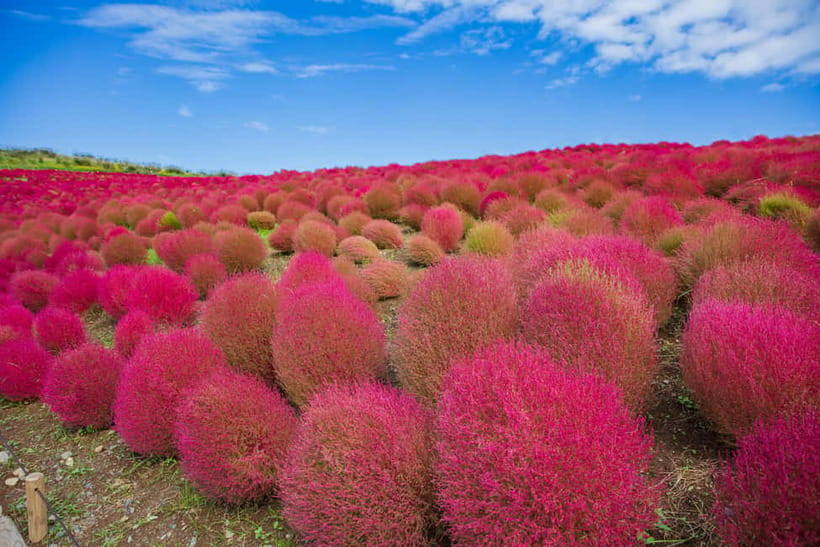
After Hitachi, the coach travels about an hour to Road Station Mibu, where the scheduled stop is around 40 minutes. It is a practical break rather than a long sit-down meal. You can choose from different dishes and desserts, and the service area also has Bandai character goods and displays to look at.
Meals are not included in the $98 price, so bring money for lunch and any snacks or souvenirs you want. The tour information also lists a local restaurant lunch, but it does not specify a set meal or restaurant arrangement. Treat the stop as a chance to buy food rather than counting on a prepaid lunch.
Forty minutes goes quickly if you need to choose food, eat, and use the facilities. I would keep your order simple and watch the time. This stop is useful because it breaks up the coach journey and lets you choose what you want to eat, but it is not a leisurely food excursion.
For a different side of the same trip:
- Mt Fuji & Hakone Cruise, Drum Show Bullet Train 1 Day from Tokyo
★ 4.0 · 7,413 reviews - Tokyo: Sumo Show Experience with Chicken Hot Pot and a Photo
★ 4.8 · 6,678 reviews - Tokyo: Shinjuku Food Tour (13 Dishes at 4 Local Eateries)
★ 5.0 · 6,603 reviews - Tokyo Mt Fuji 5th St & Hakone Cruise Bus Tour w/Bullet Train
★ 4.4 · 5,024 reviews
Ashikaga Flower Park and its wisteria
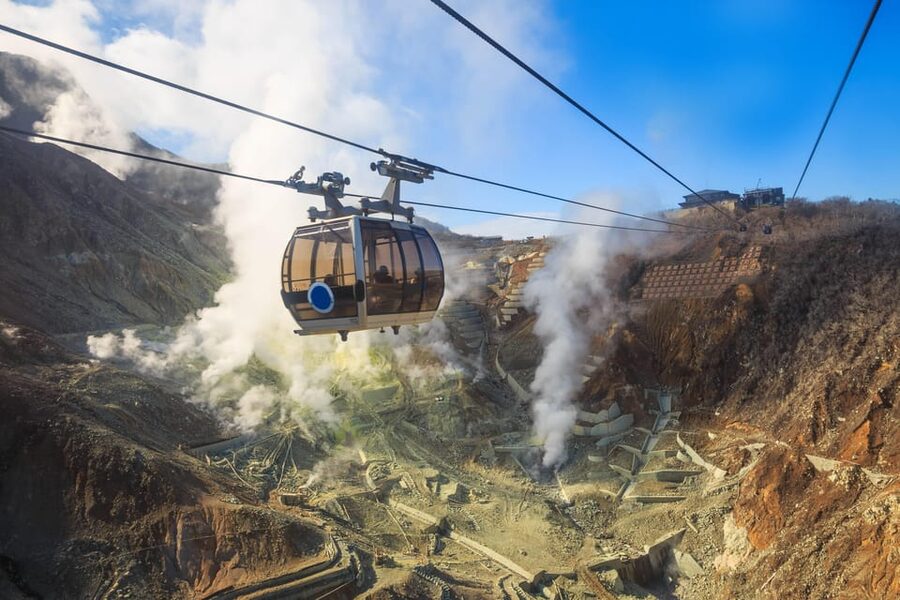
The afternoon’s main stop is Ashikaga Flower Park, with about 110 minutes for sightseeing and free time. That is a good amount of time to see the celebrated wisteria displays and walk through the white tunnel, though flower lovers may find themselves wishing for longer.
The Great Wisteria is the park’s signature sight. Its purple blossoms hang in long clusters from overhead trellises, creating the curtain-like effect that makes this visit feel different from the open hill at Hitachi. The white wisteria tunnel, approximately 80 meters long, offers another kind of walk: enclosed by pale blooms rather than spread out beneath a broad sky.
A visitor who had seen the park in May said it was the day’s standout and would have traded other stops for extra time there. That is a useful clue about how to plan your own visit. If wisteria is your main reason for booking, head straight for the Great Wisteria and tunnel, then use whatever time remains to explore further.
As with Hitachi, the season is the deciding factor. A flower park can be lovely even when the main display is not at its peak, but the tour is specifically appealing when the wisteria is in bloom. Check the expected flowering period for your travel dates before booking, and remember that bloom timing can vary.
What $98 includes, and what it does not
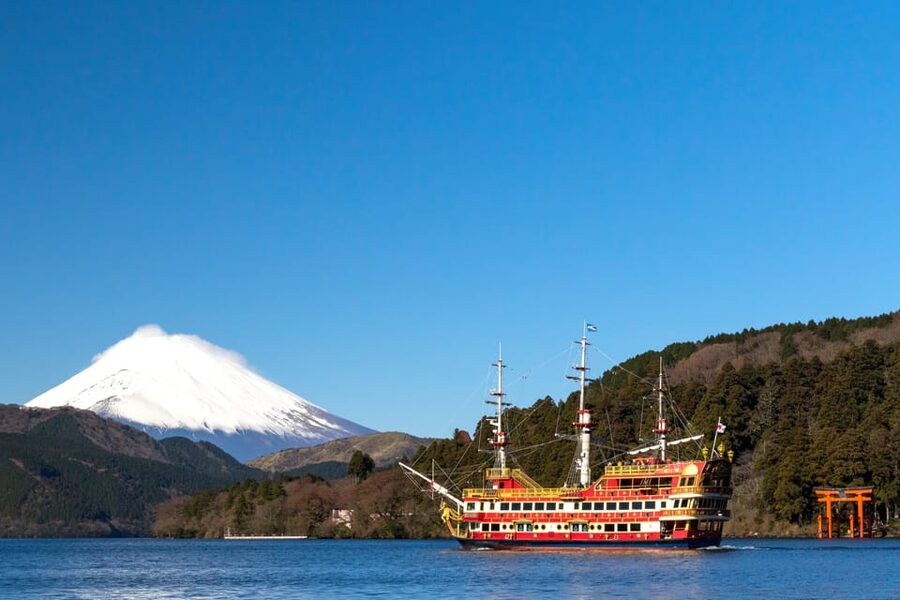
At $98 per person, the price covers coach transportation, admission tickets, and an English- or Korean-speaking guide. Since the parks are far from central Tokyo, having transport and entry bundled together saves you from coordinating multiple connections and buying separate admissions. For someone who wants to see both parks in one day, that convenience is a meaningful part of the value.
Meals, travel insurance, and personal expenses are extra. The Mibu stop gives you a choice of food, but you should budget separately for lunch, drinks, and anything you buy. The price also does not buy you more time at the gardens: you are paying for a guided day trip that fits two major parks into one outing.
The schedule is ambitious, but the cost is easier to judge if you would otherwise need to arrange transport and admissions yourself. It is less compelling if you prefer to travel slowly, spend a full day in one park, or avoid long coach rides. In that case, a shorter visit to one destination may suit you better.
A few practical points before you book
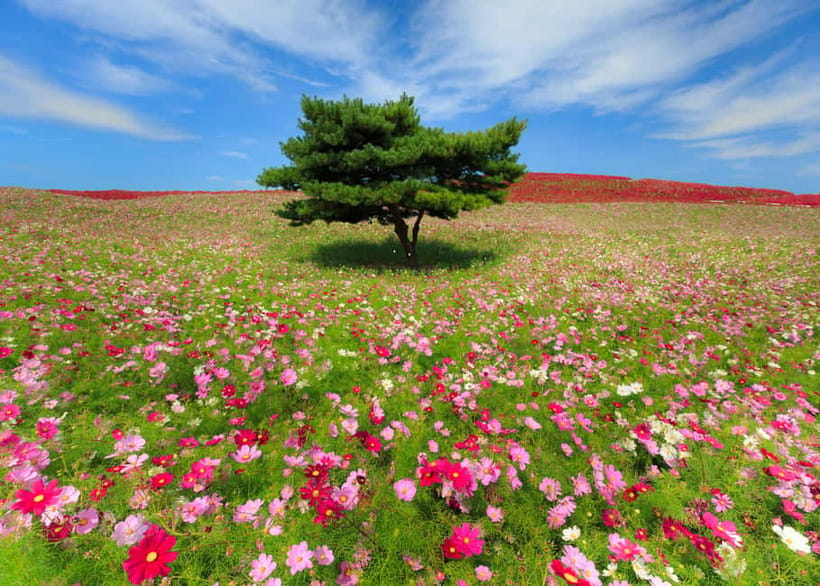
The full day lasts about 11.5 to 12.5 hours. The itinerary includes several coach journeys, so wear comfortable clothes and shoes that will work for walking around the parks. You will have free time at both gardens, but this is still a coordinated group outing with set departure times.
The vehicle cannot operate for more than 10 hours under Japanese law. The overall tour lasts longer because it includes park visits and meal time, but the guide may adjust the day in response to real-time conditions. Heavy traffic can push back the return to Tokyo, particularly during peak season, so avoid making tight evening plans.
If you are bringing a stroller or wheelchair, inform the operator in advance. Infants can join free of charge, but no seat is provided for them. A reminder email is sent between 3:00 and 5:00 p.m. the day before departure, with a link to a group chat for contacting tour staff; check your spam folder if it does not appear.
Free cancellation is available up to 24 hours in advance for a full refund, and you can reserve now and pay later. Those options help if your plans are still taking shape, but they do not remove the need to check the seasonal bloom timing.
Who should take this tour?
I would choose this trip if you want to see two famous spring flower displays without planning a long-distance day trip on your own. It suits first-time visitors to the region, photographers, and anyone who values a guide and direct coach transport more than having complete control over the schedule.
It is also a good fit if you enjoy seeing how different gardens make use of flowers. Hitachi’s open blue hill and Ashikaga’s hanging wisteria offer distinct views, and the Mibu stop adds a practical taste of roadside food and character merchandise along the way.
I would hesitate if you want to spend hours wandering at your own pace, or if a particular flower is the sole reason you are going and your dates fall outside its likely bloom period. The strongest reason to book is the combination: two major parks, admission and transport included, and a guide to keep the day moving. If you are happy with a long day and modestly timed stops, it is a straightforward way to see a memorable slice of spring in Japan.
FAQ
How long is the tour?
The tour lasts about 690 to 750 minutes, or roughly 11.5 to 12.5 hours. Return times can be delayed by heavy traffic.
Where can I meet the coach?
The two possible starting locations are Starbucks Coffee at Shinjuku L Tower and Tokyo Station. The meeting point depends on the option booked.
What is included in the price?
Transportation, admission tickets, and an English- or Korean-speaking guide are included. Meals, travel insurance, and personal expenses are not.
How much time do I get at each park?
The scheduled visit is about two hours at Hitachi Seaside Park and about 110 minutes at Ashikaga Flower Park. The guide may adjust stop times based on the season and conditions.
Is lunch included?
No. The tour includes a stop at Road Station Mibu, where you can choose from different dishes and desserts, but meals are not included in the price.
Can an infant join the tour?
Infants can join free of charge, but no seat is available for them. If you plan to bring a stroller or wheelchair, inform the operator in advance.
Freshly reviewed in Tokyo
- Tokyo: Toshimaya Sake Brewery Tour with Sake Tasting★ 5.0 · 6 reviews
- :Tokyo,Shibuya /Meiji Shrine tour in KIMONO/English-friendly★ 5.0 · 4 reviews
- Tokyo: Tour Privado por Tokio en español★ 4.3 · 4 reviews
- Tokyo:Tea ceremony experience at Komaba Warakuan★ 4.8 · 9 reviews
- :Tokyo,Shibuya/ Pro Photography in Kimono / English-Friendly★ 5.0 · 26 reviews
- Tokyo:Samurai Training : Swords, Bushido & Mental Discipline★ 5.0 · 6 reviews
- Tokyo:Mt Fuji & Hakone Day Tour with English Speaking Driver★ 5.0 · 26 reviews
- Tokyo:Nikko UNESCO World Heritage Sites Private 1-Day Tour★ 3.8 · 6 reviews
Tokyo Tours, compared.
Mt Fuji and Hakone 1-Day Bus Tour Return by Bullet Train
Read our review →
teamLab Planets TOKYO Digital Art Museum Entry Ticket
Read our review →
Mt Fuji & Hakone Cruise, Drum Show Bullet Train 1 Day from Tokyo
Read our review →
Shinjuku Food Tour (13 Dishes at 4 Local Eateries)
Read our review →
Tokyo Mt Fuji 5th St & Hakone Cruise Bus Tour w/Bullet Train
Read our review →
Flagship 2-Hours Official Street Go-Kart Tour – Tokyo Bay Shop
Read our review →