
Reviewed · TOKYO TOURS
Tokyo: Art Aquarium Museum GINZA Entry Ticket
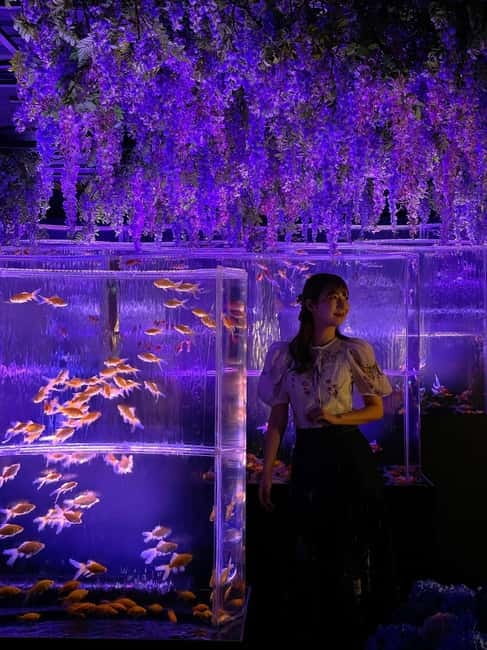
Art Aquarium Museum GINZA turns goldfish into the focus of a sensory art show: fish move through illuminated tanks while music and scent shape the room around them. It is a modern take on Edo-period goldfish appreciation, set inside Ginza Mitsukoshi rather than in a stand-alone aquarium.
I like two things in particular: the careful use of light, color, and sound, which makes the fish feel part of each display, and the seasonal changes that give the permanent exhibition a reason to look different on a return visit. The exhibits are also designed with photographs in mind, though you will need to leave tripods and lighting gear at home.
One consideration is the scale: plan on about an hour, and some people spend less. The artful presentation may not suit everyone, and one visitor raised concern about the condition of some fish. If animal welfare is a major factor in your choice of attractions, keep that in mind.
- Goldfish take center stage: The exhibits reframe a familiar ornamental fish as the subject of contemporary art.
- A sensory setting: Lighting, music, and scent shape the mood as you move among the aquarium displays.
- Seasonal presentation: This permanent Ginza venue changes its displays through the year.
- A compact visit: Allow roughly an hour, though a shorter walk-through may suit you.
- Photography is welcome: Take pictures, but do not bring tripods, monopods, strobes, or other lighting equipment.
- Easy to pair with Ginza: The museum is inside Ginza Mitsukoshi, near several major subway stations.
Goldfish, light, and the old Edo tradition
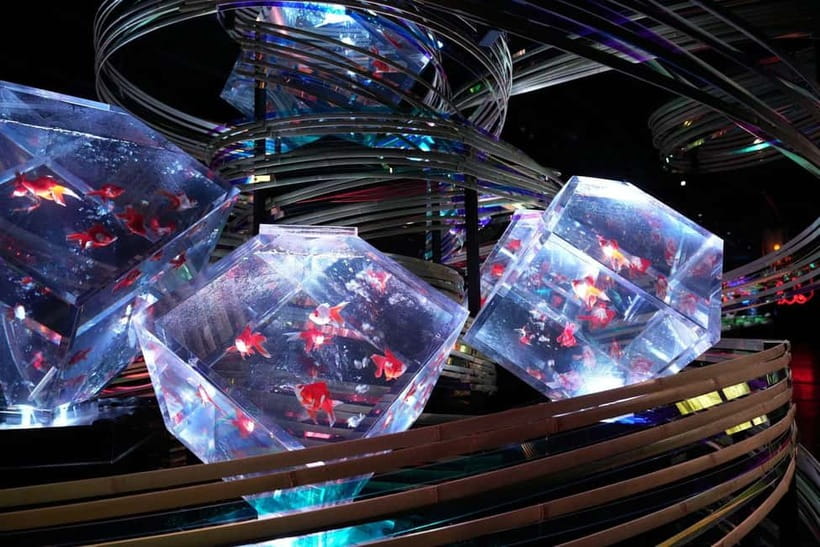
The central idea here is simple but unusual: take the traditional Japanese appreciation of goldfish and present it through contemporary visual art. Rather than treating the fish as a supporting feature in a standard aquarium, the museum places them in carefully designed tanks and spatial displays, with light, music, and scent shaping how you see them.
That shift matters. You are not coming for a broad survey of sea life or a large, educational aquarium route. You are coming to look closely at goldfish, their color and movement, and the contrast between living creatures and the artful settings around them. If you are curious about how a familiar cultural subject can be presented in a new way, the concept is the main attraction.
The setting also gives the visit a Japanese cultural frame without asking you to study a long history lesson. The exhibition draws on Edo-period goldfish appreciation, then updates it for a modern audience with theatrical presentation and photography-friendly displays. English information about the goldfish is available, which can add context to what might otherwise be mostly a visual visit.
I would approach the museum with the right expectation: this is a compact art exhibition built around live fish, not a full-day attraction. Its appeal depends on whether you enjoy looking, noticing changes in color and light, and taking time with individual displays. If you prefer large aquariums with many species and extensive interpretation, this may feel limited.
Moving through the displays at your own pace
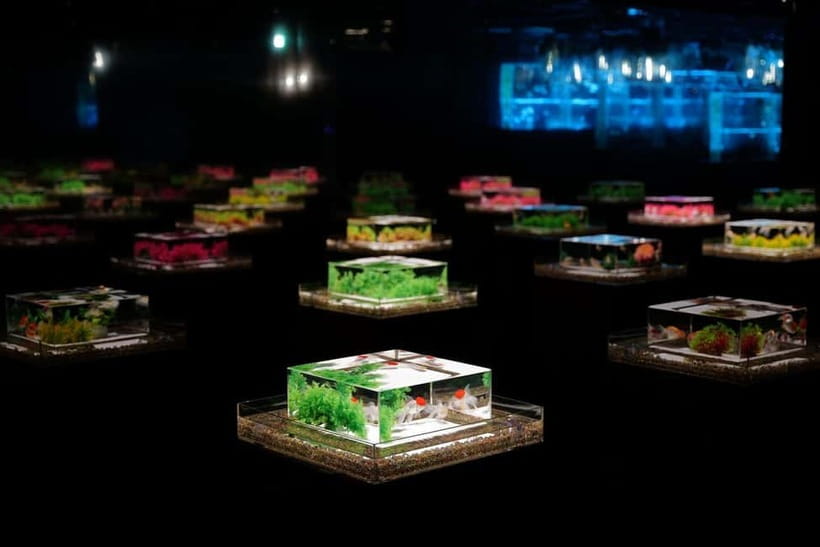
There is no guided tour or fixed sequence described for the visit, so think of it as a self-guided circuit through aquarium presentations and distinct spatial arrangements. The museum estimates about an hour for viewing. One visitor spent around 30 minutes taking photographs, while another found 45 minutes to an hour more suitable. Your pace will depend on how long you linger and how busy the rooms are.
At each display, watch the fish as well as the lighting around them. The central pleasure is the combination: goldfish swimming through visually striking tanks while music and scent give the surrounding space a particular mood. The soundtrack is described as tranquil, so this is not an attraction built around loud spectacle. It aims for a calmer, more contemplative effect.
You may find that the experience changes from one display to the next, with different tank forms and colors drawing your eye in different ways. The attraction’s distinctive value lies less in covering a lot of ground than in presenting the same subject through multiple visual treatments. Give yourself time to pause rather than racing through to the exit.
Information about goldfish is available in English, a useful touch if you want a little more than a sequence of photographs. The exact amount of text or interpretation is not specified, so I would not plan on a museum-style lecture. Still, even brief explanations can help connect the aesthetic displays to the fish and the tradition behind the exhibition.
More museum visits in Tokyo:
- Tokyo: teamLab Planets TOKYO Digital Art Museum Entry Ticket
★ 4.6 · 9,779 reviews - Tokyo: Samurai Ninja Museum Guided tour and Experience
★ 4.6 · 1,010 reviews - Ninja Experience (Family Friendly) at Samurai Ninja Museum TOKYO
★ 5.0 · 441 reviews
A permanent exhibition that changes with the seasons
Art Aquarium Museum GINZA has been open at Ginza Mitsukoshi since May 2022 and operates as a permanent venue. The displays change seasonally, giving the museum a living quality of its own: the core idea remains goldfish as art, while the visual presentation can shift over the year.
That makes a repeat visit more plausible than at a one-off temporary show. One visitor who returned after two years found that more than half of the art had changed. That is encouraging if you are in Tokyo often or already know the museum, though it does not promise the same amount of change on every visit.
For a first-time visit, the seasonal element is a bonus rather than the main reason to book. You are paying to see the current arrangement, not to compare it with past versions. If you are choosing between this and another attraction, the question is whether the blend of fish, art, and atmosphere appeals to you now.
Photography without turning the room into a studio
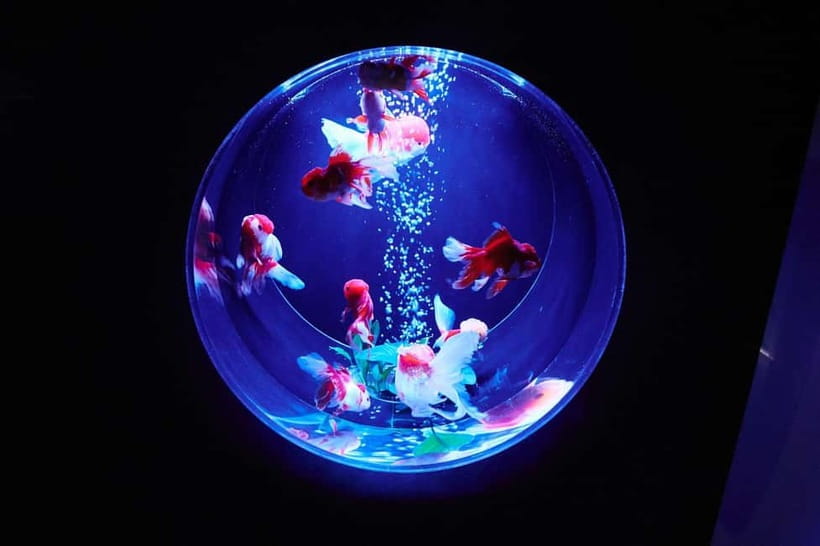
Photography is permitted, and the displays are popular with people who want to capture their colors and patterns. The rules are clear: no tripods, monopods, strobes, or similar lighting equipment. That keeps the setup simple. Bring a phone or handheld camera, and be ready to work with the light already in the room.
Timing can shape your pictures. A midweek visit around 10:30 in the morning was quiet enough for one person to take photos without getting in other people’s way. That is a useful possibility, not a guarantee; opening hours and closing days can vary, and crowd levels can change. If photography is important to you, check the current hours before you set out and consider a weekday morning.
The space can still be enjoyable if you are not taking pictures. The displays are designed to be seen in person, with music and scent adding elements a photograph cannot capture. I would take a few pictures, then put the camera down long enough to notice the movement of the fish and the way each installation is lit.
What the $17 ticket buys you
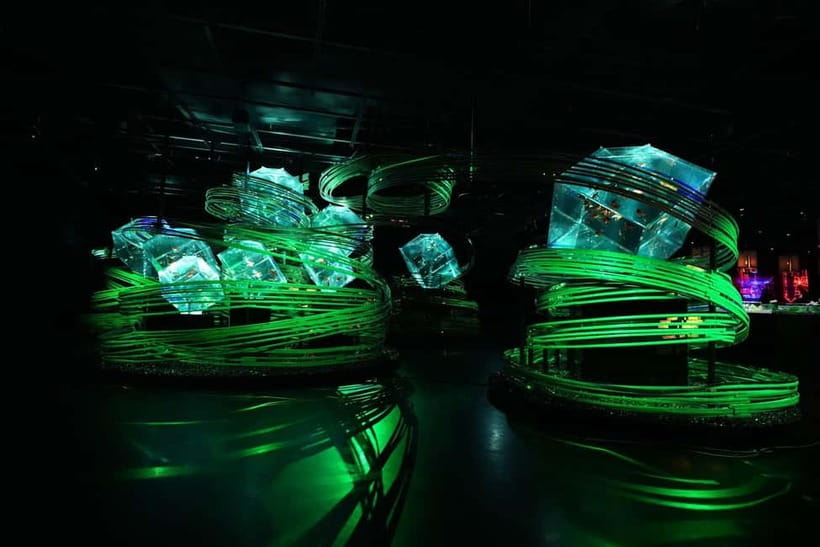
At $17 per person, admission buys access to a focused exhibition with an estimated viewing time of about an hour. That is reasonable value if you appreciate artful displays, photography, or a different kind of museum stop. It is less compelling if you measure value by hours of entertainment or expect a large aquarium with a broad range of animals.
The compact length can be an advantage in central Tokyo. You can fit the museum into a Ginza outing without surrendering most of your day, and the department-store location makes it a straightforward indoor stop. A gift shop is also on site, with souvenirs available if you want to bring home something connected to the visit.
Up to two children under elementary school age may enter free with one adult. That can make the ticket cost easier for a family, but remember that the core activity is looking at displays rather than taking part in hands-on activities. Older children who enjoy fish, color, and photography may find plenty to notice; the experience is likely less suited to children who need an active, play-focused attraction.
The admission ticket is non-refundable, so check the date and current operating details before booking. The ticket is valid for one day, but exact starting times and business hours depend on availability and can vary. These are small practical details, yet they matter when you are planning around a packed Tokyo schedule.
More aquarium visits in Tokyo:
- Tokyo: Sumida Aquarium Entry Ticket
★ 4.6 · 70 reviews - Tokyo: Sunshine Aquarium Entry Ticket
★ 4.6 · 55 reviews - Enoshima Aquarium: Admission Ticket
★ 4.4 · 14 reviews
Finding the museum inside Ginza Mitsukoshi
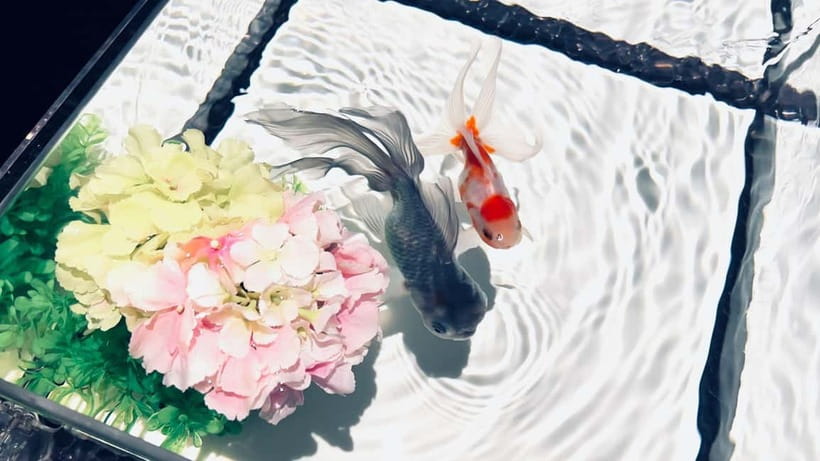
The museum is inside Ginza Mitsukoshi, at 4-6-16 Ginza, Chuo-ku, Tokyo, postal code 104-8212. Admission reception and same-day tickets are on the ninth floor of the new building. Because this is a department-store venue, allow a little time to find the right building and floor rather than assuming the museum has a separate street entrance.
Ginza Station is the closest route for many visitors. Take Exit A7 on the Tokyo Metro Ginza, Marunouchi, or Hibiya Line. From Ginza 1-chome Station on the Yurakucho Line, it is about a five-minute walk from Exit 9. From Higashi Ginza Station on the Toei Asakusa or Tokyo Metro Hibiya Line, the underground passage toward Ginza Station takes about two minutes.
The location is convenient if Ginza is already on your plan, but it may feel out of the way if you are making a special trip from elsewhere in Tokyo just for a short visit. One visitor found there was not much else nearby on their planned route. I would make the most of the location by pairing the museum with other Ginza plans, rather than treating it as a full-day destination.
Who is likely to enjoy it most
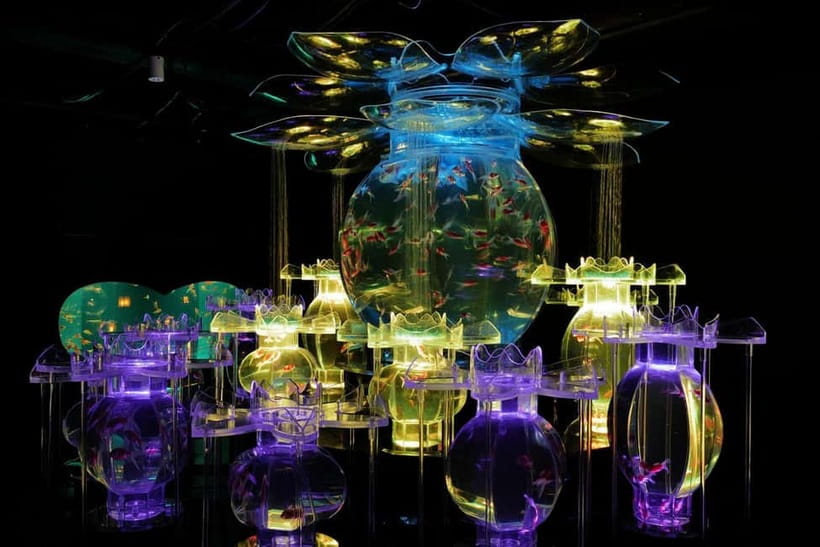
This is a good fit for anyone drawn to visual art, Japanese design, ornamental fish, or unusual photography settings. It also works well as a short indoor stop when you want something different from shopping and standard museum collections. If you like quiet, carefully lit displays, you may find the hour passes pleasantly.
It is also a reasonable choice if you are already visiting Ginza and want a compact attraction that does not require a long commitment. The central location, English information about the goldfish, and permission to take photos make it approachable for a range of visitors. The gift shop offers a final stop if you are looking for a souvenir.
The main caveat is that presentation is the point. This is not a conventional aquarium with a wide variety of aquatic life, nor does the available information promise extensive historical interpretation. And if you are sensitive to questions about keeping fish in display tanks, take seriously the concern raised about how some fish appeared. The venue may be beautiful to look at, but that does not mean every visitor will feel comfortable with the subject.
Should you book Art Aquarium Museum GINZA?
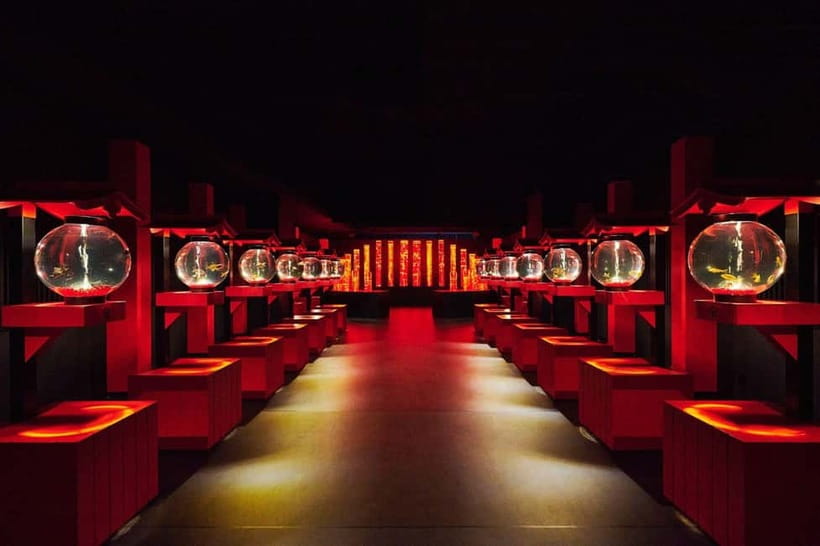
Book it if you want an hour of goldfish, artful lighting, music, and photography in the heart of Ginza. The seasonal displays add a little extra interest, and the department-store setting makes the visit easy to slot into a day nearby. At $17, the ticket makes sense for people who value a distinctive visual experience more than a long itinerary.
Skip it if you want a large aquarium, an all-day attraction, or a hands-on activity. Consider your views on animal displays before you commit, since the presentation of live fish is central to the museum. If the idea appeals, check the changing hours, aim for a quieter time if photos matter, and leave the tripod at home.
FAQ
How long should I allow for the museum?
The estimated viewing time is about one hour. You may spend less if you move quickly or longer if you pause to look at displays and take photographs.
How much does admission cost?
The listed price is $17 per person. Admission is included with the ticket.
Can children enter for free?
Up to two children under elementary school age may enter free of charge with one adult.
Where is Art Aquarium Museum GINZA?
It is inside Ginza Mitsukoshi at 4-6-16 Ginza, Chuo-ku, Tokyo. Admission reception and same-day tickets are on the ninth floor of the new building.
How do I get there by train?
From Ginza Station, use Exit A7 on the Ginza, Marunouchi, or Hibiya Line. From Ginza 1-chome Station on the Yurakucho Line, it is a five-minute walk from Exit 9. From Higashi Ginza Station, use the underground passage toward Ginza Station for a two-minute walk.
Is photography allowed?
Yes. Photography is permitted, but tripods, monopods, strobes, and similar lighting equipment are not allowed.
Does the exhibition change during the year?
Yes. The museum is a permanent venue with seasonal changes to its displays.
Can I get a refund if I cancel?
No. The activity is non-refundable.
Freshly reviewed in Tokyo
- Tokyo: Toshimaya Sake Brewery Tour with Sake Tasting★ 5.0 · 6 reviews
- :Tokyo,Shibuya /Meiji Shrine tour in KIMONO/English-friendly★ 5.0 · 4 reviews
- Tokyo: Tour Privado por Tokio en español★ 4.3 · 4 reviews
- Tokyo:Tea ceremony experience at Komaba Warakuan★ 4.8 · 9 reviews
- :Tokyo,Shibuya/ Pro Photography in Kimono / English-Friendly★ 5.0 · 26 reviews
- Tokyo:Samurai Training : Swords, Bushido & Mental Discipline★ 5.0 · 6 reviews
- Tokyo:Mt Fuji & Hakone Day Tour with English Speaking Driver★ 5.0 · 26 reviews
- Tokyo:Nikko UNESCO World Heritage Sites Private 1-Day Tour★ 3.8 · 6 reviews
Tokyo Tours, compared.
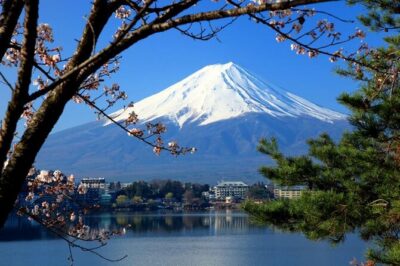
Mt Fuji and Hakone 1-Day Bus Tour Return by Bullet Train
Read our review →
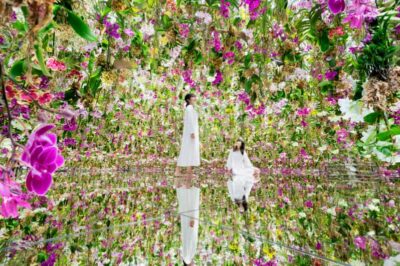
teamLab Planets TOKYO Digital Art Museum Entry Ticket
Read our review →
Mt Fuji & Hakone Cruise, Drum Show Bullet Train 1 Day from Tokyo
Read our review →
Shinjuku Food Tour (13 Dishes at 4 Local Eateries)
Read our review →
Tokyo Mt Fuji 5th St & Hakone Cruise Bus Tour w/Bullet Train
Read our review →
Flagship 2-Hours Official Street Go-Kart Tour – Tokyo Bay Shop
Read our review →
Browse the lists this tour appears in