
Reviewed · TOKYO TOURS
Tameike: Exploring the Heart of Japanese Politics Tour
Japan’s National Diet is more than an impressive building: it is where the country’s political decisions take shape. This three-hour walk pairs a guided visit inside with Hie Shrine and a traditional tea stop, giving you a look at both public life and everyday customs in central Tokyo.
I like the rare chance to tour the Diet in English and ask how Japanese government works, rather than simply admire the building from outside. I also like the shift in mood at Hie Shrine, where monkey guardians and a small path of torii gates bring a different kind of tradition into the same neighborhood.
One consideration: this is a walking tour with stairs at the Diet, and the schedule includes three stops in three hours. Comfortable shoes matter, and you’ll want to be ready to keep moving between them.
Key points to know
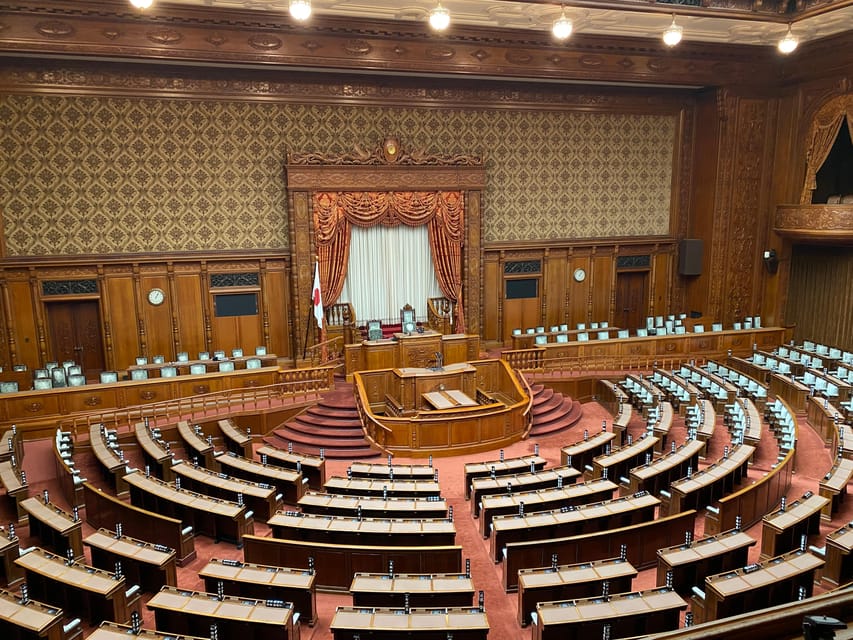
- The Diet visit is the centerpiece: The guided tour lasts about an hour and covers the building, political history, and how government works.
- Megumi leads the English tour: She is also called Meg, and the format leaves room for questions and conversation.
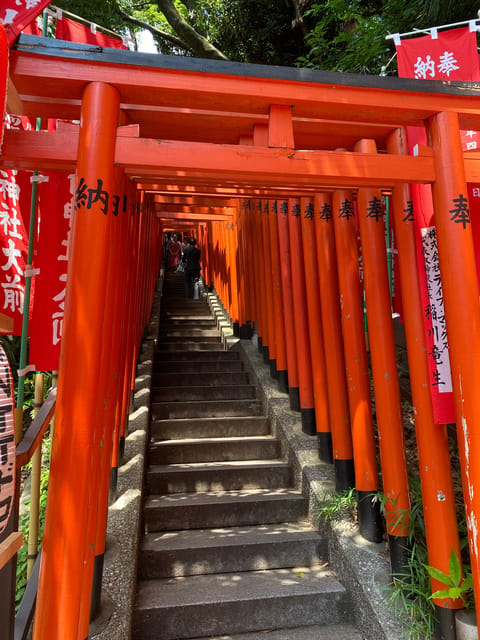
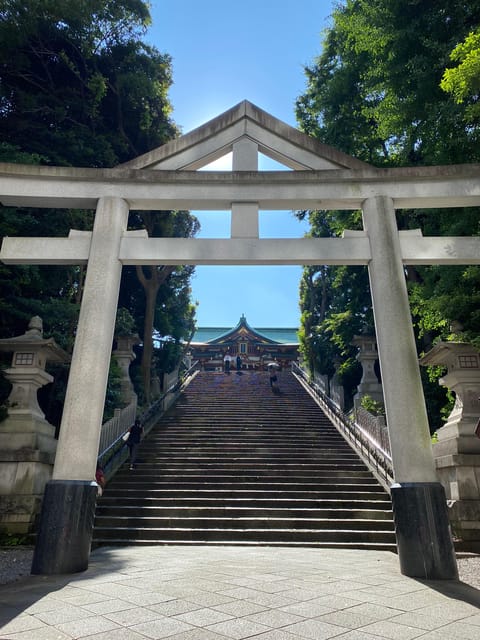
- Hie Shrine adds a cultural counterpoint: Look for monkey figures, monkey-themed charms and votive tablets, and the Thousand Torii Gates.
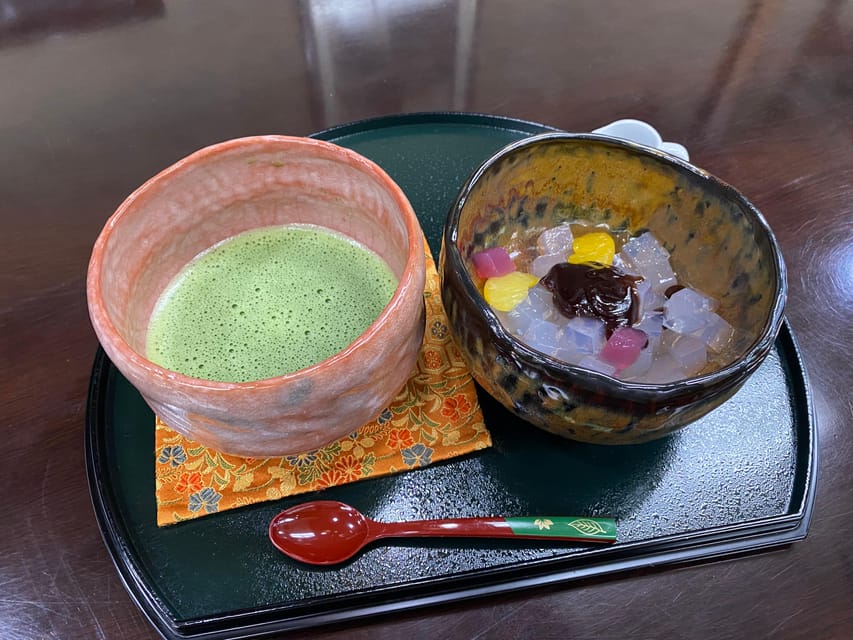
- Tea is part of the experience, not an afterthought: Dobashi-en serves matcha and sweets, and the tour includes a tea gift.
- The group is capped at five: That suits a conversation-led visit, though the exact group size can vary.
- The route is on foot: It starts at Kokkai-gijidōmae Station and finishes near Akasaka-Mitsuke Station.
A rare look inside Japan’s political center
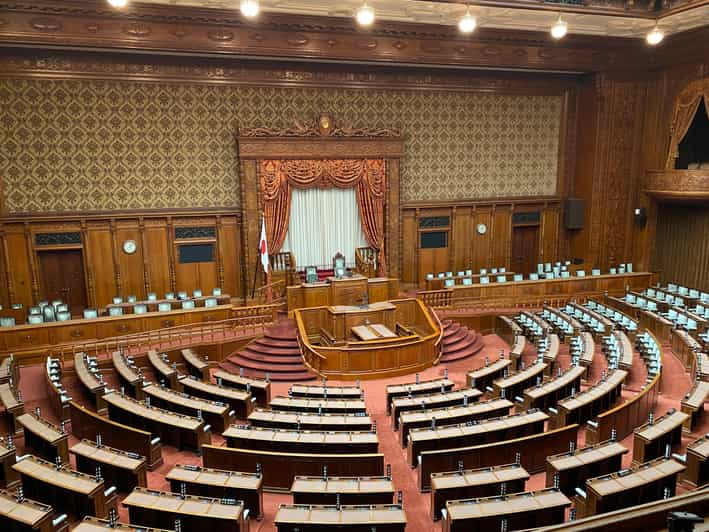
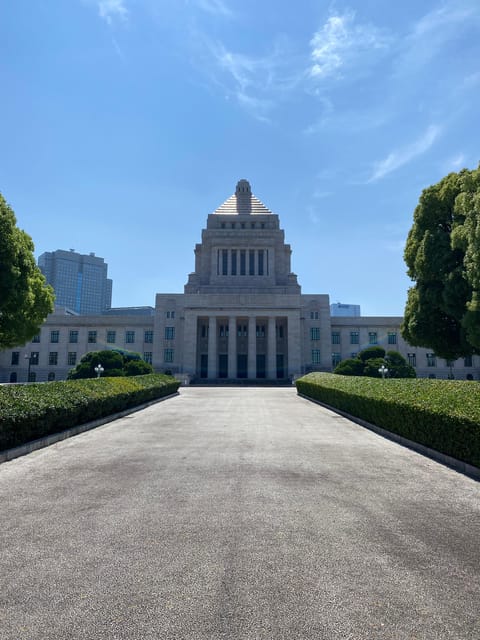
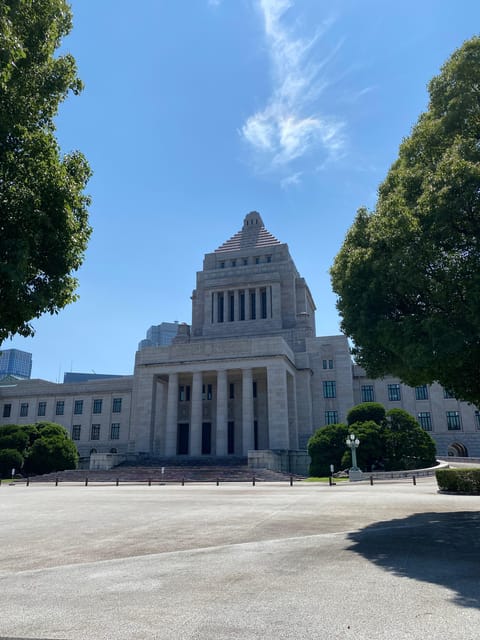
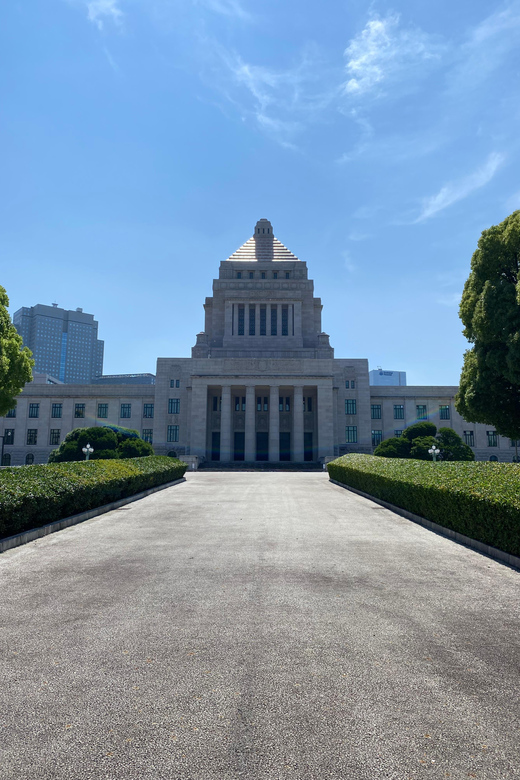
The National Diet Building gives this tour its strongest reason to book. Instead of treating politics as a distant subject, the visit puts you inside the setting where national decisions are made. The guided hour covers the building’s architecture and history, the grand chambers, and key political events.
The human side of the tour matters just as much as the rooms. Megumi can explain how the Japanese government works, including voting procedures, and connect what you see to the country’s political system. If you have questions about domestic or global affairs, the small group makes it easier to ask them in a natural way.
That exchange is a particular strength here. The tour is not just a set speech delivered while you follow a flag. People who have taken it describe conversations about Japanese customs and daily life as a valuable part of the visit. You can use that time to ask for context, check your understanding, or compare what you know about politics at home with Japan’s system.
The building itself is also worth seeing for its architecture. Still, the appeal is not only visual. A grand chamber can be impressive, but without context it is just a room. The guide’s explanations help you understand why the place matters and what kind of work happens there.
Allow for stairs inside the Diet, and wear shoes you can walk in comfortably. The tour information specifically flags the stairs, so this is not the time for footwear chosen only for photographs. The visit is one hour, which gives the guide room to explain the setting without making the entire three-hour tour a political lecture.
More tours and experiences in Tokyo:
- Mt Fuji and Hakone 1-Day Bus Tour Return by Bullet Train
★ 5.0 · 26,383 reviews - 1-Day Tokyo Bus Tour
★ 5.0 · 14,250 reviews - Tokyo: teamLab Planets TOKYO Digital Art Museum Entry Ticket
★ 4.6 · 9,779 reviews
Hie Shrine: monkeys, prayer, and a short torii path
After the Diet, the walk to Hie Shrine takes about 15 minutes. The change in subject is part of the appeal. You move from the formal center of government to a Shinto shrine known as a power spot for career success and matchmaking.
The shrine’s monkey imagery gives you something specific to look for. Guardian monkey statues appear at the gate and main hall, and monkey motifs also show up on votive tablets and charms. That detail helps make the visit more than a quick stop for a few photos. Megumi can explain the shrine’s traditional context and how to worship at a Shinto shrine, useful guidance if you have not visited one before.
The Thousand Torii Gates are another draw. They bring to mind the better-known gates at Fushimi Inari Shrine, but this is a smaller stop within a compact tour, not a substitute for a visit to Kyoto. Think of it as a chance to see the torii form in a different setting and learn why it matters here.
The guided portion and sightseeing time together take about 45 minutes. That is enough for an introduction and a look around, but not a long, unhurried shrine visit. If you are especially interested in Shinto practice or want time for quiet reflection, you may want to return on your own. For a first visit, the guide’s context can make a short stop feel purposeful.
Hie Shrine also gives the tour a useful balance. The Diet visit focuses on institutions and public life; the shrine offers a window into religious custom and personal hopes. Career success and matchmaking are not abstract themes here. They help explain why people might visit and what they may ask from a shrine.
Matcha and sweets at Dobashi-en
The final stop is Dobashi-en, a long-established green tea shop. You have about 45 minutes for tea and local snacks, including traditional matcha and sweets. After walking and concentrating on political history, this is a welcome pause rather than another sightseeing stop to rush through.
The tea portion is included in the $129 price, along with a souvenir tea gift. That makes the ending more satisfying than a brief tasting where you pay extra for every item. You get time to enjoy the flavors and ask questions, though the available details do not specify the exact sweets or tea variety, so treat the selection as part of the visit rather than expecting a particular menu.
There is practical value in ending at a tea shop, too. You can finish with something tactile and familiar: a bowl of matcha, a sweet, and a tea gift to take away. The stop brings the tour back to daily culture after an hour focused on political institutions.
Keep a little cash with you. Some shops may not accept cards, and while the tea and snack are included, you may want cash for any additional purchases. The tour ends at Akasaka-Mitsuke Station after the tea stop.
What the $129 price gets you
At $129 per person, this is not a low-cost walk. Its value depends on whether you want the guide’s explanations and the Diet entry, not simply a route between three places. The price includes admission to the National Diet Building, matcha and a snack at Dobashi-en, and a tea gift. It also covers a three-hour English-guided experience with a group limited to five.
That small cap is meaningful. Politics can be hard to follow if you only hear a prepared explanation, and a group of five gives you a fair chance to ask questions. The guide, Megumi, is repeatedly singled out for her ability to explain the political system clearly and make room for cultural exchange and conversation. For a subject that can feel technical, that personal attention is a substantial part of the value.
The itinerary also combines stops that are close enough to link on foot but different enough to offer variety. You get a formal government building, a Shinto shrine, and a tea shop in one compact outing. You are not paying for transport between far-flung attractions, but you are getting interpretation that can connect those places.
The trade-off is time. Three hours means each stop has a clear limit: one hour at the Diet, 45 minutes at Hie Shrine, and 45 minutes at Dobashi-en, with walks between them. If you like to linger, browse, or take a long break, this pace may feel brisk. If you want a guided introduction that makes an unfamiliar part of Tokyo easier to understand, the structure works well.
For a different side of the same trip:
- Mt Fuji & Hakone Cruise, Drum Show Bullet Train 1 Day from Tokyo
★ 4.0 · 7,413 reviews - Tokyo: Sumo Show Experience with Chicken Hot Pot and a Photo
★ 4.8 · 6,678 reviews - Tokyo: Shinjuku Food Tour (13 Dishes at 4 Local Eateries)
★ 5.0 · 6,603 reviews - Tokyo Mt Fuji 5th St & Hakone Cruise Bus Tour w/Bullet Train
★ 4.4 · 5,024 reviews
The walk, meeting point, and small-group feel
Meet at Kokkai-gijidōmae Station, Exit 1. Look for a guide wearing a navy blue happi, a traditional Japanese coat. That specific marker should make the meeting easier, but arrive with enough time to find the exit and get oriented before the tour begins.
The route is on foot. The first walk to the Diet is about five minutes, followed by a 15-minute walk to Hie Shrine and another 15-minute walk to Dobashi-en. Add the stairs at the Diet, and comfortable walking shoes are the sensible choice. The three hours are active, though the tea stop provides a seated pause.
The English-language group is capped at five participants. That format is a good fit if you prefer a guide who can respond to questions rather than speak to a crowd. It also means the experience may feel personal, especially if fewer than five people book. The group size is a limit, not a promise that every tour will have the same number of people.
The guide’s name to know is Megumi, often called Meg. The experience depends in part on the guide’s ability to make political and cultural topics accessible, so it is a good choice for curious people who enjoy conversation. If you would rather move quietly through a site without much explanation, this is a more talk-focused outing.
Who will get the most from this tour
Book this if you want to understand Japan beyond its famous temples and shopping streets. It suits anyone curious about how the government works, how political history connects to the present, or how Shinto customs appear in everyday life. The combination of Diet, shrine, and tea shop makes it particularly useful if you have three hours and want several kinds of context without arranging separate visits.
It is also a strong option for first-time visitors who want help reading a shrine. The monkey guardians and torii gates give you memorable details to notice, while guidance on how to worship helps make the visit feel less like looking in from the outside. The tea stop then offers a relaxed finish and a taste of traditional Japanese hospitality.
You may prefer another plan if you want a long, unstructured visit at the Diet or Hie Shrine, or if walking and stairs are a concern. The route has multiple stops and fixed durations, and the tour information advises against attending if you feel unwell. This is a compact guided introduction, not a slow day spent in one place.
Availability and starting times vary, so check the schedule when booking. The activity offers free cancellation up to 24 hours in advance and a reserve-now, pay-later option. Those terms make it easier to keep plans flexible, but they do not change the main decision: the tour is best for people who value explanation and exchange as much as sightseeing.
Should you book the Tameike tour?
I would choose this tour if the idea of asking real questions about Japanese politics appeals to you as much as seeing the Diet Building. Its strongest feature is the combination of a rare guided interior visit with a guide who can connect political procedure to customs and daily life. Hie Shrine and Dobashi-en add welcome variety, and the tea gift is a nice extra.
At $129, it is a considered purchase, not a casual neighborhood stroll. You are paying for Diet entry, an English-speaking guide, a small group, and a complete three-hour experience that includes tea and sweets. If those pieces match your interests, the price is easier to justify.
Skip it if your priority is free time, a large shrine visit, or avoiding stairs and walking. But if you want a compact, personal introduction to Japan’s political heart, with a shrine and a proper tea pause folded in, this is a thoughtful way to spend part of a Tokyo day.
FAQ
How long is the tour?
The tour lasts three hours.
What is the price?
The price is $129 per person.
What language is the tour in?
The live guide speaks English.
How many people can join?
The small group is limited to five participants.
Where does the tour start?
Meet at Kokkai-gijidōmae Station, Exit 1. Look for a guide wearing a navy blue happi.
Where does the tour finish?
The tour finishes at Akasaka-Mitsuke Station.
What is included in the price?
National Diet Building entry, matcha and a snack at Dobashi-en, and a souvenir tea gift are included.
What will I see at Hie Shrine?
You can see guardian monkey statues, monkey motifs on votive tablets and charms, and the Thousand Torii Gates.
What should I bring or wear?
Wear comfortable walking shoes because there are stairs at the National Diet Building. Bring cash, as some shops may not accept cards.
Freshly reviewed in Tokyo
- Tokyo: Toshimaya Sake Brewery Tour with Sake Tasting★ 5.0 · 6 reviews
- :Tokyo,Shibuya /Meiji Shrine tour in KIMONO/English-friendly★ 5.0 · 4 reviews
- Tokyo: Tour Privado por Tokio en español★ 4.3 · 4 reviews
- Tokyo:Tea ceremony experience at Komaba Warakuan★ 4.8 · 9 reviews
- :Tokyo,Shibuya/ Pro Photography in Kimono / English-Friendly★ 5.0 · 26 reviews
- Tokyo:Samurai Training : Swords, Bushido & Mental Discipline★ 5.0 · 6 reviews
- Tokyo:Nikko UNESCO World Heritage Sites Private 1-Day Tour★ 3.8 · 6 reviews
- Tokyo:Mt Fuji & Hakone Day Tour with English Speaking Driver★ 5.0 · 26 reviews
Tokyo Tours, compared.
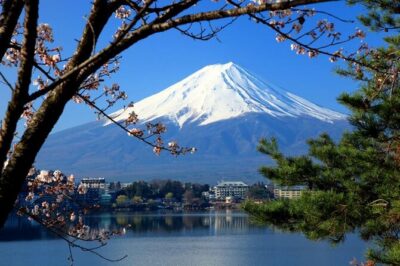
Mt Fuji and Hakone 1-Day Bus Tour Return by Bullet Train
Read our review →
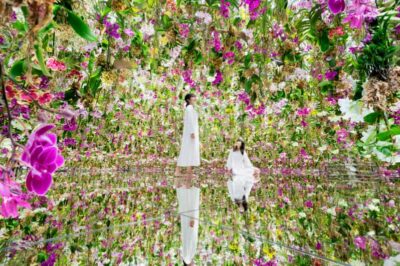
teamLab Planets TOKYO Digital Art Museum Entry Ticket
Read our review →
Mt Fuji & Hakone Cruise, Drum Show Bullet Train 1 Day from Tokyo
Read our review →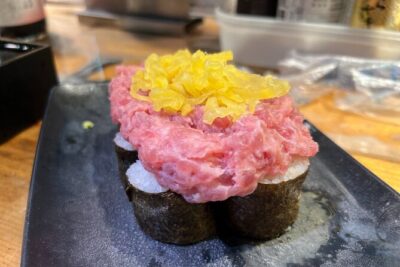
Shinjuku Food Tour (13 Dishes at 4 Local Eateries)
Read our review →
Tokyo Mt Fuji 5th St & Hakone Cruise Bus Tour w/Bullet Train
Read our review →
Flagship 2-Hours Official Street Go-Kart Tour – Tokyo Bay Shop
Read our review →