

Reviewed · MEIJI SHRINE TOURS
Join a Unique Cultural Ceremony at Tokyo’s Meiji Shrine
The unusual part of this Meiji Shrine tour is not the forest walk. It is stepping into a shrine hall to witness gokito, a traditional Shinto prayer ceremony that most people visiting on their own will not see. Priests chant and play music as you sit quietly and take in the ritual.
I like two things in particular: the walk gives you a calm start among the shrine’s trees, and the guide helps connect unfamiliar customs to everyday ideas you already understand. Guides Alex and Kohei have been praised for clear English and thoughtful explanations, though your guide may differ.
One thing to weigh: Meiji Shrine involves a lot of walking, so this is not a good fit if long walks are difficult for you. The ceremony is quiet and reflective, not a show built around constant explanation or photos.
Key points
- Gokito is the main event: You enter a ceremonial hall and watch priests perform a Shinto prayer ritual with chants and music.
- The forest walk sets the tone: Paths through Meiji Shrine’s wooded grounds offer a welcome pause from Tokyo’s city pace.
- A guide adds cultural context: English and Japanese are offered, and guides such as Alex and Kohei have led the tour.
- You pay $121 per person: The price includes taxes, fees, and the ritual participation fee, but not offerings or purchases.
- Plan for walking: Wear comfortable shoes, bring a drink and cash, and note that the tour is not suited to people with a cold.
Why the Gokito Ceremony Changes the Visit
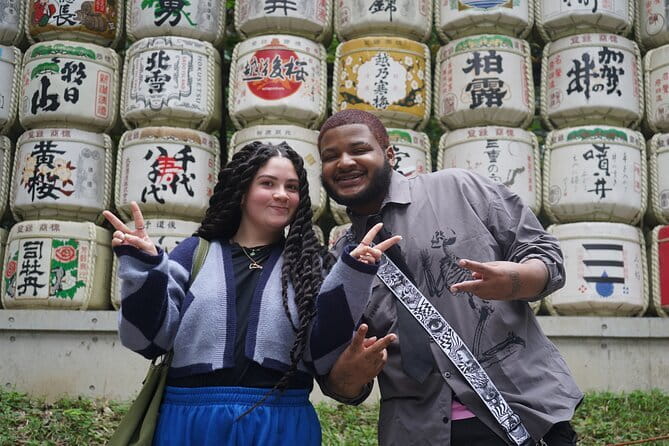
Meiji Shrine is easy to visit independently, but a self-guided walk usually means seeing the grounds and main shrine from a visitor’s perspective. This tour offers a different kind of access: you enter a wooden hall and witness a traditional gokito prayer ceremony.
Inside, high ceilings and polished floors give the room a spare, formal feel. Priests in traditional robes lead the prayer, accompanied by chanting and the sound of flutes and drums. You are not expected to understand every word. The point is to sit quietly, watch, listen, and notice how the ceremony shapes the space.
That distinction matters if you are deciding whether to pay for a guide. The ritual is the part you are unlikely to experience simply by strolling through the shrine grounds. It turns a visit from a look at an impressive religious site into a chance to observe an active custom, with someone nearby to explain what is happening.
The tour frames the ceremony as cultural learning, not a demand that you adopt a religious belief. You can take part respectfully without needing to know the prayers or share the faith. If you are curious about Japanese customs but unsure how to approach a sacred space, having a guide there can make the experience feel more welcoming.
More Meiji Shrine visits in Tokyo:
- Tokyo: Meiji Shrine, Asakusa, Skytree Bus Tour and Cruise
★ 4.7 · 1,986 reviews - Tokyo Panoramic 1 Day: Meiji Shrine, Asakusa, Odaiba and SKYTREE®
★ 4.5 · 1,222 reviews - Tokyo: Meiji Shrine Walking Tour — Shinto & Imperial System
★ 4.9 · 266 reviews
Following the Forest Paths into Meiji Shrine
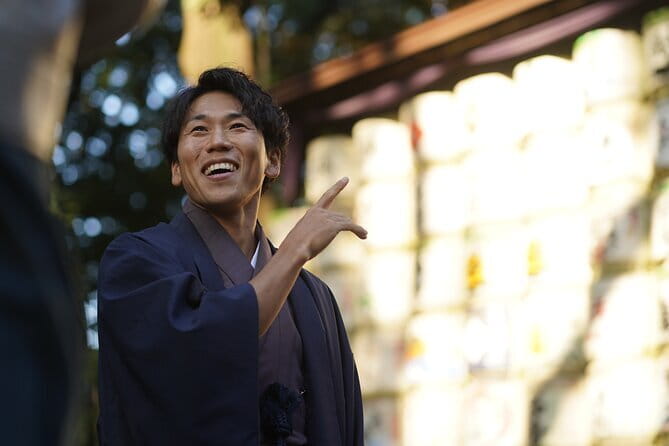
The tour begins at JR Yoyogi Station, where staff wait outside the West Gate near a map. Look for a guide in Japanese-style clothing. From there, you walk toward Meiji Shrine and follow quiet paths through its forest.
The contrast with Tokyo’s busy streets is part of the appeal. The walk gives you time to slow down before entering the ceremonial hall, and the trees, quiet, and scent of the woods make the approach feel like a transition rather than a quick stop on a sightseeing checklist. If you are starting a Japan trip, this is a thoughtful way to begin: less rushing between landmarks, more time to notice how a place feels.
The guide’s explanations help put the shrine in context as you go. A good cultural guide does more than name a building or explain a rule. They give you a way to understand why people behave as they do at a shrine, and how to carry that understanding to other places you visit. One participant, José, specifically praised Kohei’s thoughtful guidance for making each part of the visit feel meaningful.
Expect to walk for much of the outing. The grounds require plenty of time on foot, so comfortable shoes are a practical must. The tour information notes that wheelchair and pram availability exists, but also warns that the amount of walking may make the experience unsuitable for people with walking difficulties. If mobility is a concern, check directly with the operator before booking rather than assuming the whole route will be easy to manage.
Inside the Hall: Watching Priests Lead the Prayer
The ceremony is the heart of the tour. You enter a wooden hall with high ceilings and polished floors, then sit and observe as priests perform the prayer. Chants and traditional music fill the room, giving you a chance to focus on sound and atmosphere rather than on a long stream of facts.
You do not need to know what each prayer means to get something from the experience. The quiet, the formal movement, and the music can make the ritual feel powerful even when its words are unfamiliar. Some people find it calming; others may feel a chill. Either response is fair. This is a solemn ceremony, not a performance staged for tourists, so a respectful, attentive manner matters.
Photography and recording are not the point here. Audio recording is prohibited, and the best way to take in the ceremony is to give it your full attention. If you want to remember the details, listen to the guide before and after, and keep your own notes for later rather than trying to capture the sounds.
The ceremony can also help you make more sense of later shrine visits. One couple used what they learned here during a subsequent trip to Kyoto, finding it easier to understand rituals at other shrines. That is the tour’s practical cultural value: it gives you a starting point for noticing customs beyond this one site.
The Guide’s Role: Clear Explanations, Not a Lecture
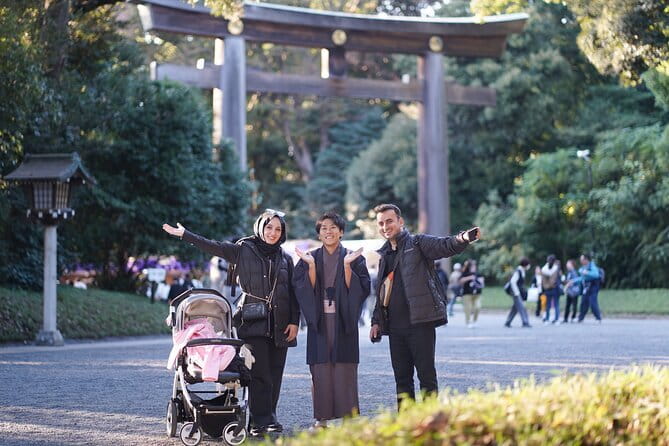
The guide can make or break a cultural tour, especially when the central experience is quiet and the customs may be unfamiliar. Here, the guide walks with you, explains what you are seeing, and answers questions. The tour is offered in English and Japanese, and the experience is designed for visitors who want more context than a simple walk around the grounds can provide.
Alex and Kohei are two guides named by people who took the tour. Alex was praised for fluent English, engaging slides, and a friendly manner. Kohei’s thoughtful explanations helped one participant find meaning in the different parts of the visit. Your guide is not guaranteed to be either of them, but those examples point to the kind of help the tour aims to provide: accessible language, cultural context, and a personal touch.
The guide’s experience living abroad can also help bridge differences in perspective. Instead of assuming you already understand Japanese shrine etiquette, a good guide can explain what to notice and why it matters. That is especially useful if this is your first or second visit to Japan, or if you have seen shrines before but want to move beyond looking at the architecture.
There is a trade-off. You will be with a guide rather than exploring entirely at your own pace, and the ceremony itself calls for quiet attention. If you prefer to wander alone, take pictures freely, or keep a visit short, an independent walk may suit you better. If you like asking questions and hearing context as you go, the guided format earns its place.
More tours and experiences in Tokyo:
- Mt Fuji and Hakone 1-Day Bus Tour Return by Bullet Train
★ 5.0 · 26,383 reviews - 1-Day Tokyo Bus Tour
★ 5.0 · 14,250 reviews - Tokyo: teamLab Planets TOKYO Digital Art Museum Entry Ticket
★ 4.6 · 9,779 reviews - Mt Fuji & Hakone Cruise, Drum Show Bullet Train 1 Day from Tokyo
★ 4.0 · 7,413 reviews
What the $121 Price Covers
At $121 per person, this is more expensive than a basic visit to Meiji Shrine, where you can walk the grounds without booking this tour. The extra cost buys a guided cultural experience and access to the traditional prayer ritual, not just entry to a scenic path.
The price includes all fees and taxes, along with the fee to experience the ritual. It does not cover coins for the offering box or money for goods you may want to buy. Bring cash if you plan to make an offering or purchase something. Drinks are also on the bring-along list, so carry one for the walk.
A Japanese snack has been part of some outings, and one guide even shared its recipe. Treat that as a possible extra rather than a promised feature, since it is not listed among the tour’s included items. A participant also described a professional photographer capturing moments on the tour, but photography services are not included in the stated inclusions. Do not book expecting a snack or photographer unless the operator confirms they are part of your date.
For the right person, the value lies in the ceremony and the guide’s context. If you only want to see the grounds, $121 is hard to justify. If you want to understand what is happening and attend a ritual most independent visitors will miss, the price has a clearer purpose.
Practical Details Before You Book
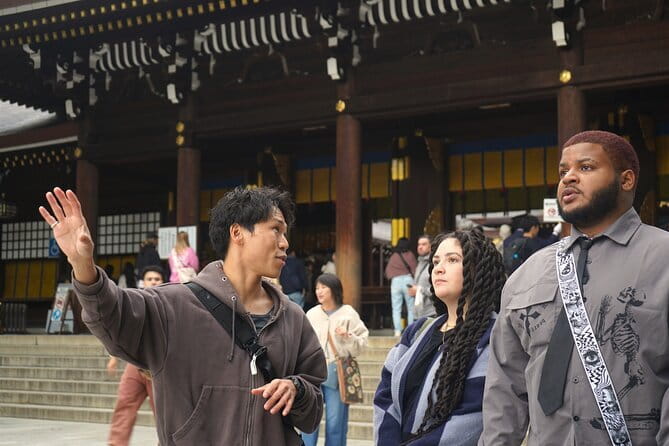
Meet at JR Yoyogi Station, outside the West Gate, by the map on the left. The tour ends back at the same meeting point, which makes it straightforward to plan the rest of your day around the station.
Wear comfortable shoes and bring a drink and cash. Alcohol and drugs are not allowed, and you should not attend if you are intoxicated. The tour is also listed as unsuitable for people with a cold. Audio recording is prohibited.
You can reserve now and pay later, which keeps your plans flexible. The cancellation terms allow a full refund if you cancel at least 24 hours in advance. No duration or group size is specified, so ask the operator if either detail affects your schedule.
Who Should Choose This Meiji Shrine Tour?
I would recommend this experience to curious first- or second-time visitors who want more than a quick look around a famous shrine. It is especially well suited to people who enjoy quiet, thoughtful activities and want cultural context they can use at other shrines in Japan.
It may also suit someone who has already visited Meiji Shrine independently and wants a reason to return. The forest walk is familiar in principle, but the ceremony changes the visit. Even someone born in Japan but raised elsewhere found the ritual a revealing introduction to the depth of Japanese culture, which speaks to how useful a guide can be when a custom feels close to home yet remains unfamiliar.
I would skip it if your priority is speed, free wandering, or an easy route with little walking. It is also not a fit if you are feeling unwell or would rather avoid a formal, quiet setting. For everyone else, the combination of forest paths, clear cultural explanations, and the gokito ceremony makes this a distinctive way to start a stay in Tokyo.
FAQ

How much does the Meiji Shrine tour cost?
The price is $121 per person. All fees and taxes, including the fee to experience the traditional prayer ritual, are included.
Where does the tour meet?
Meet at JR Yoyogi Station, outside the West Gate, by the map on the left. Staff wait there in Japanese-style clothing.
Where does the tour end?
The activity ends back at the meeting point at JR Yoyogi Station.
What is the gokito ceremony?
Gokito is a traditional Shinto prayer ceremony. You watch priests perform the ritual in a ceremonial hall, with chants and music.
Is the tour offered in English?
Yes. The tour is offered in English and Japanese.
What should I bring?
Bring comfortable shoes, a drink, and cash. Cash is useful for offerings or purchases, which are not included.
Are offerings and shrine goods included in the price?
No. Coins for the offering box and money for buying goods are not included.
Is the tour suitable for someone with walking difficulties?
The shrine requires a lot of walking, so the tour may not suit people with walking difficulties. Wheelchair and pram availability is noted, but check with the operator about your needs before booking.
Can I record the ceremony?
No. Audio recording is not allowed.
Can I cancel for a refund?
Yes. You can cancel up to 24 hours in advance for a full refund.
Freshly reviewed in Tokyo
- Tokyo: Toshimaya Sake Brewery Tour with Sake Tasting★ 5.0 · 6 reviews
- :Tokyo,Shibuya /Meiji Shrine tour in KIMONO/English-friendly★ 5.0 · 4 reviews
- Tokyo: Tour Privado por Tokio en español★ 4.3 · 4 reviews
- Tokyo:Tea ceremony experience at Komaba Warakuan★ 4.8 · 9 reviews
- Tokyo:Samurai Training : Swords, Bushido & Mental Discipline★ 5.0 · 6 reviews
- :Tokyo,Shibuya/ Pro Photography in Kimono / English-Friendly★ 5.0 · 26 reviews
- Tokyo:Mt Fuji & Hakone Day Tour with English Speaking Driver★ 5.0 · 26 reviews
- Tokyo:Nikko UNESCO World Heritage Sites Private 1-Day Tour★ 3.8 · 6 reviews
Meiji Shrine Tours, compared.

Meiji Shrine, Asakusa, Skytree Bus Tour and Cruise
Read our review →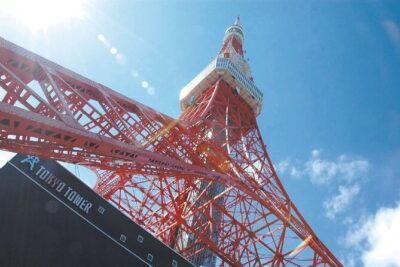
Tokyo Panoramic 1 Day: Meiji Shrine, Asakusa, Odaiba and SKYTREE®
Read our review →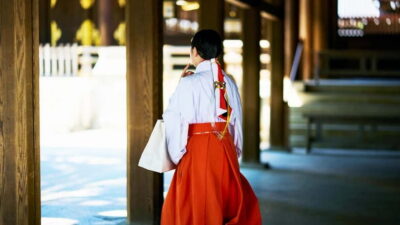
Meiji Shrine Walking Tour — Shinto & Imperial System
Read our review →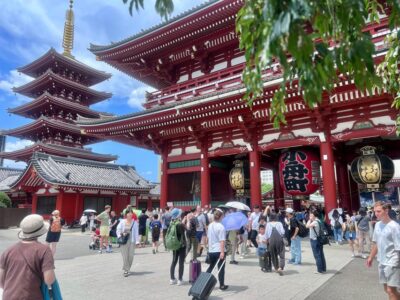
Meiji Jingu Shrine and Shinto Culture Walking Tour
Read our review →
1 Day Bus Tour with Meiji-Jingu,Odaiba,lunch&Skytree
Read our review →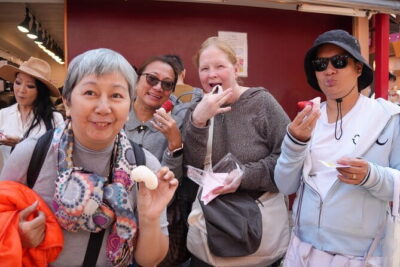
Tokyo Morning Tour : Meiji Shrine, Asakusa and Fish Market
Read our review →
Full Tokyo: Meiji Shrine, Imperial Palace, Asakusa & Skytree
Read our review →
Meiji Jingu, Harajuku, Shibuya, and Shijuku Tour
Read our review →Browse the lists this tour appears in