
Reviewed · TOKYO SAKE TASTINGS
Tasting All Types of Sake with Sommelier
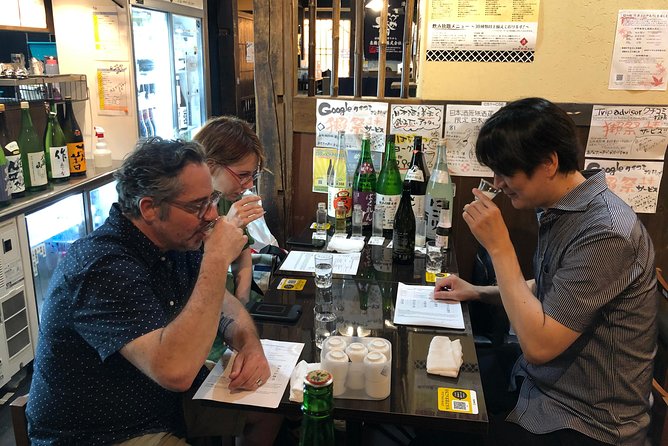
Sake can seem like a code written in rice, with unfamiliar labels and styles that are hard to distinguish if you are new to Japan. This 90-minute Shinjuku tasting turns that code into something you can use: sample six or seven sakes with sommelier Aki, then learn how production and serving style shape what ends up in your glass.
I like two things in particular: you get a practical guide to reading sake labels, and the tasting includes contrasting styles such as sparkling, sweet, dry, hot, and unpasteurized sake. Aki also makes room for questions, so you can connect the lesson to what you actually like.
One consideration: this is a focused tasting, not a full meal or a broad walking tour of Shinjuku. The sake selection and explanations are the main event, and the alcohol adds up, so have something to eat beforehand.
At a glance
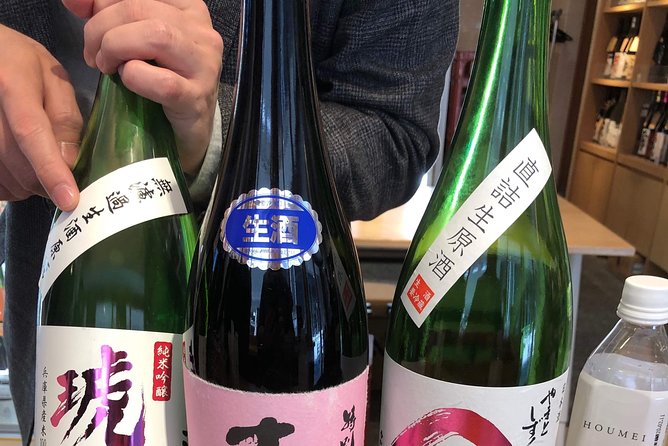
- Taste six or seven styles: The selection can include sparkling, pasteurized, unpasteurized, hot, sweet, and dry sake.
- Learn how to choose a bottle: Aki explains sake production and label details that can help you shop or order later.
- Meet in central Shinjuku: The group gathers near Shinjuku-sanchome, then heads to a sake bar beside Louis Vuitton Shinjuku.
- Get local context: The introduction touches on Shinjuku, Kabukicho, and Golden Gai, as well as sake.
- Keep the group small: The maximum is 12 people, and the session starts at 4 pm.
- Know the cost and timing: The price is $62.76 per person for about 90 minutes. It is commonly booked around 23 days ahead.
From Shinjuku-sanchome to the sake bar
The meeting point is in Shinjuku, at 3-chōme-4-8, Shinjuku City. The scheduled start is 4 pm. The first few minutes are spent getting acquainted with the Shinjuku area, followed by a short introduction to Shinjuku 3-chome before the group reaches the bar.
That brief neighborhood context gives the tasting a sense of place without pretending to be a full city tour. Shinjuku is a large district with several distinct corners, and the guide also talks about Kabukicho and Golden Gai. If you have heard those names but are not sure how they fit into the city, this is a useful, compact orientation.
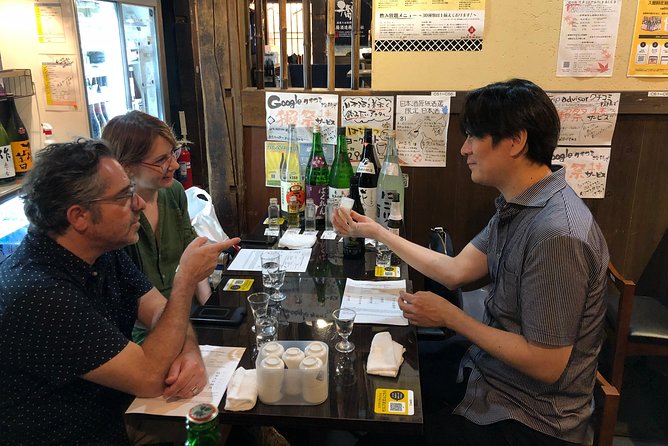
The bar is beside Louis Vuitton Shinjuku. It is the setting for the main part of the session, which lasts about 80 minutes. A small sake bar can make it easier to focus on the glasses and the explanation than a busy restaurant would, though the tour is first and foremost about tasting, not sightseeing.
The listed group limit is 12. That is small enough to allow questions, but it is not necessarily a private session. A few people have found themselves in a very small group, sometimes just a pair, but the number can vary.
More sake tastings in Tokyo:
- Ramen and Sushi Cooking Class with Sake Pairing Set in Tokyo
★ 5.0 · 291 reviews - Sake Tasting Masterclass in Shinjuku (8+ Varieties with a Pro)
★ 5.0 · 271 reviews - Sake Omakase in Tokyo: Guided Tasting by Certified Sommeliers
★ 5.0 · 239 reviews
What the tasting teaches you
Aki, also referred to as Akira, leads the tasting as a sake sommelier. The strongest reason to book is the combination of samples and explanation. Rather than simply handing you drinks, he talks through how sake is made, why styles differ, and how to think about the bottle in front of you.
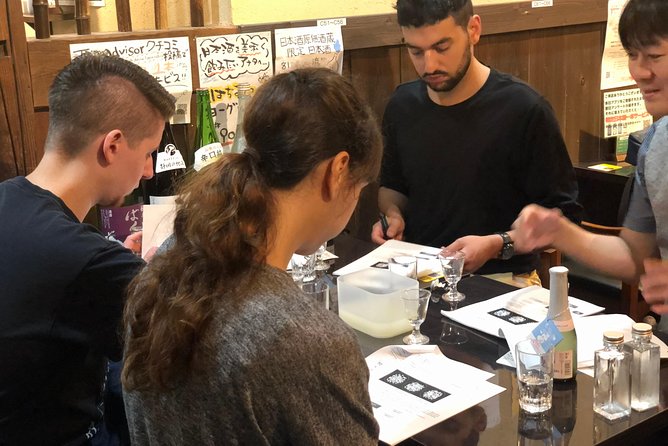
The tasting is described as six or seven sakes. Some sessions have included six varieties plus a welcome pour, so the total number of tastes may differ. The selection can range across sparkling, pasteurized, unpasteurized, hot, sweet, and dry styles. That breadth matters: sake is not one uniform flavor, and side-by-side comparison helps make the differences easier to grasp.
You can ask questions as you go, including questions about your own taste preferences. The useful outcome is not just learning the names of styles. It is being better equipped to say what you enjoy, understand what a label is telling you, and choose something more confidently in a shop or restaurant.
Aki also explains how to drink the different sakes and which foods may suit them. Food is discussed as a pairing topic, but a meal is not listed as part of the tasting. Bring your curiosity, and consider eating beforehand rather than treating the samples as a substitute for dinner.
Making sense of the label
For a first-time sake drinker, unfamiliar terms on a bottle can make choosing feel like guesswork. Aki covers how to read a sake label, along with the production process and the differences between types. He gives participants a printed information sheet about sake and its production, which can help you keep track of the basics after the tasting.
The lesson is useful beyond the bar. Once you know how to look at a label and connect it to what you tasted, you have a starting point for selecting sake at a restaurant or buying a bottle to take home. That is especially handy early in a Japan trip, when you may still be unsure what to order.
The information can be detailed. Some people describe the session as almost a college-level introduction, so expect more than a quick round of drinks. If you enjoy asking questions and comparing details, that depth is a strength. If you mainly want a casual drink with little explanation, the talk may feel like a lot.
One small wish is that the handout could include more specifics about each sake sampled, such as acidity or pasteurization. The tasting still gives you the chance to ask about those points directly, but you may want to take a few notes if there is a particular bottle you hope to find again.
Styles you may not meet at home
The selection is a key part of the value. Several tasters have found varieties that are difficult to get in the United States, including unpasteurized sake, which can be harder to ship. The promise is not that every session will include the same bottles; rather, you have a chance to sample Japanese sake that may not be readily available where you live.
The range is also a useful antidote to the idea that sake is always served warm or tastes alike. A session might include sparkling sake, as well as sweet, dry, hot, pasteurized, or unpasteurized examples. You can compare rather than rely on a label or a restaurant menu to tell you what you might like.
Aki’s guidance helps turn each taste into a reference point. You can notice which styles appeal to you and ask what makes them different. This is not a technical exam, and you do not need prior sake experience. It is a guided introduction built around trying different glasses and discussing them.
More drinks tours in Tokyo:
- Tokyo Bar Hopping Tour in Shinjuku (All-You-Can-Drink + Dinner)
★ 5.0 · 3,587 reviews - Best of Shinjuku: Izakaya Food Tour (4 Stops, 14+ Tastings)
★ 5.0 · 1,863 reviews - Tokyo: Shinjuku Local Bar and Izakaya Guided Walking Tour
★ 4.9 · 1,794 reviews - Shibuya Meltdown Nightlife Tour: All-You-Can-Drink Bar Hopping
★ 5.0 · 1,058 reviews
Shinjuku, Kabukicho, and Golden Gai
Sake takes center stage, but the local conversation adds useful context. The guide speaks about Shinjuku, the Shinjuku 3-chome area, Kabukicho, and Golden Gai. These names come up often when people plan an evening in Tokyo, and a little orientation can help you understand the area before you set off on your own.
The time spent on the neighborhood is brief. The first two itinerary segments are about five minutes each, while the main bar session takes around 80 minutes. Think of the local talk as a helpful extra, not a detailed history or a guided tour of each district.
Aki is also known for answering questions beyond sake and sharing tips about places to visit in Japan. That makes the session a good opening activity if you want to ask a local guide for general pointers while learning something specific. Just keep your expectations clear: there is no promise of a full itinerary-planning consultation.
Is $62.76 a fair price?
At $62.76 per person, the price buys a guided tasting of six or seven sake styles, an expert-led explanation, and the chance to ask questions in a small group. For someone who wants to learn how to choose sake, those parts add more value than simply paying for a few drinks at a bar.
It is particularly good value if the information changes how you order or shop during the rest of your stay. You are paying for context as well as samples: how sake is produced, what labels can tell you, how styles differ, and how to think about food pairings. The possible Japan-only selections add another reason to consider it if sake is already an interest.
The price is less compelling if you only want a drink or two and do not care about a lesson. Nor should you book it expecting a meal, a large sake flight with a fixed bottle list, or an extensive neighborhood walk. The exact samples can vary, and the session’s strength is the guided explanation.
The 4 pm start and 90-minute duration make it a manageable afternoon plan. The activity ends back at the meeting point, leaving you in the Shinjuku area. Since the experience includes several alcoholic pours, plan the rest of your evening with that in mind.
Who will get the most from it?
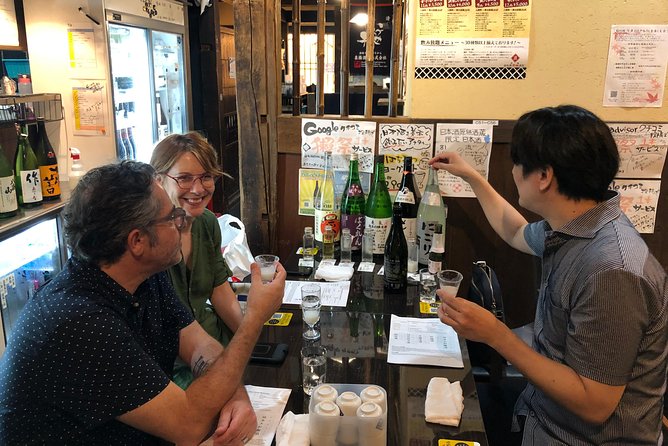
This tasting suits sake newcomers who want a friendly introduction without having to decode everything alone. Aki’s clear explanations and approachable style are central to the format, and the printed sheet gives you a basic reference afterward. You can ask beginner questions without needing to know the terminology first.
It also works well for sake fans who want to compare styles or try bottles they may not find at home. One particularly useful reason to book is the chance to taste unpasteurized sake, if it is included in that session. Experienced drinkers can still get value from discussing production and taste differences, though the session is designed as an introduction rather than an advanced technical course.
Friends and families can take it together, provided everyone is comfortable with an alcohol tasting. The group cap is 12, and the tone is social as well as instructional. Aki’s humor and warmth help keep the lesson from feeling like a lecture, even when he gets into detail.
This is not a fit for anyone looking for a nonalcoholic activity, a food-focused tour, or a long exploration of Shinjuku streets. The samples are the core of the experience, and the neighborhood information is a bonus.
Planning the afternoon
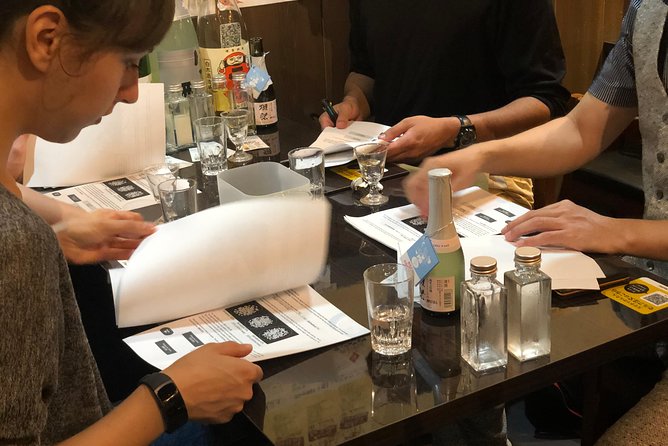
The tour begins at 4 pm, lasts about an hour and a half, and returns to the meeting point. It is commonly booked about 23 days in advance, so reserve ahead if the timing matters to your plans. Confirmation is provided at booking, and the ticket is mobile.
The meeting point is near public transportation, and most people can participate. If you are unsure where to meet in a crowded area, allow a little extra time to locate the exact spot. Aki has made a point of keeping communication clear and helping people find him, but arriving unhurried is still sensible.
Eat before you go. The samples can add up, and there is no meal listed as included. Water or food details are not specified, so do not count on either being part of the session.
The cancellation terms are flexible up to a point: you can cancel at least 24 hours before the start for a full refund. Cancellations or changes made less than 24 hours ahead are not accepted for a refund or change.
Should you book this sake tasting?
Book it if you want to understand what is in your glass, try several distinct styles, and leave with better tools for ordering or shopping. The combination of Aki’s sake explanations, label-reading tips, and local Shinjuku context makes this a useful first-week activity, especially if you plan to drink sake elsewhere in Japan.
Skip it if your priority is a meal, a broad walking tour, or an informal bar visit with little instruction. For a focused introduction at $62.76, though, this is a strong choice for curious beginners and sake lovers alike. Have lunch first, bring questions, and let your own palate guide the lesson.
FAQ
How long does the sake tasting last?
It lasts about 1 hour and 30 minutes. The main tasting at the bar takes about 1 hour and 20 minutes, with short introductions in the Shinjuku area.
What time does the tour start?
The listed start time is 4 pm.
Where does the group meet?
The meeting point is at 3-chōme-4-8, Shinjuku, Shinjuku City, Tokyo 160-0022, Japan, near Shinjuku-sanchome.
How many kinds of sake will I taste?
Expect six or seven types. Some sessions have included six varieties plus a welcome sake.
Who leads the tasting?
A sake sommelier named Aki, also referred to as Akira, leads the session.
What kinds of sake might be included?
The tasting may include sparkling, pasteurized, unpasteurized, hot, sweet, and dry sake. The exact selection can vary.
How many people can join?
The maximum group size is 12 people.
Does the activity end at the meeting point?
Yes. The activity ends back at the meeting point.
Can I cancel for a refund?
You can cancel at least 24 hours before the experience starts for a full refund. Cancellations or changes made less than 24 hours before the start are not accepted.
More food and drink experiences in Tokyo
- Tokyo: Shinjuku Food Tour (13 Dishes at 4 Local Eateries)
★ 5.0 · 6,603 reviews - Tokyo Tsukiji Fish Market Food and Culture Walking Tour
★ 5.0 · 3,184 reviews - Tokyo: Shinjuku Food Tour (15 Dishes and 4 Eateries)
★ 4.9 · 2,033 reviews - Tokyo: Tsukiji Fish Market Food and Walking tour
★ 5.0 · 1,724 reviews
Freshly reviewed in Tokyo
- Tokyo: Toshimaya Sake Brewery Tour with Sake Tasting★ 5.0 · 6 reviews
- :Tokyo,Shibuya /Meiji Shrine tour in KIMONO/English-friendly★ 5.0 · 4 reviews
- Tokyo: Tour Privado por Tokio en español★ 4.3 · 4 reviews
- Tokyo:Tea ceremony experience at Komaba Warakuan★ 4.8 · 9 reviews
- :Tokyo,Shibuya/ Pro Photography in Kimono / English-Friendly★ 5.0 · 26 reviews
- Tokyo:Samurai Training : Swords, Bushido & Mental Discipline★ 5.0 · 6 reviews
- Tokyo:Mt Fuji & Hakone Day Tour with English Speaking Driver★ 5.0 · 26 reviews
- Tokyo:Nikko UNESCO World Heritage Sites Private 1-Day Tour★ 3.8 · 6 reviews
Tokyo Sake Tastings, compared.
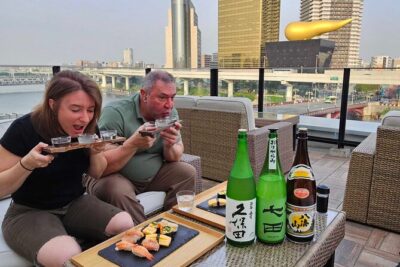
Ramen and Sushi Cooking Class with Sake Pairing Set in Tokyo
Read our review →
Sake Tasting Masterclass in Shinjuku (8+ Varieties with a Pro)
Read our review →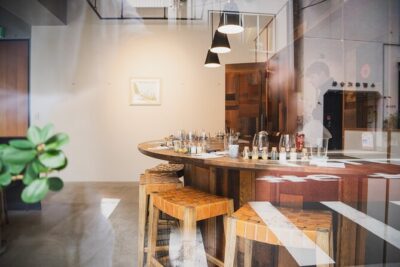
Sake Omakase in Tokyo: Guided Tasting by Certified Sommeliers
Read our review →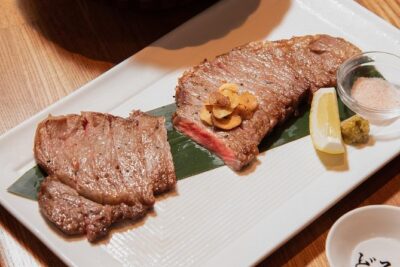
Wagyu & Sake Pairing in Shinjuku – Steak, Shabu-Shabu & More
Read our review →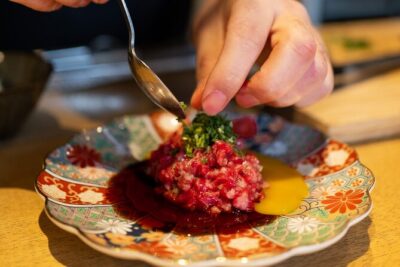
Tokyo Wagyu & Sake Pairing Tasting Experience with Local Flavors
Read our review →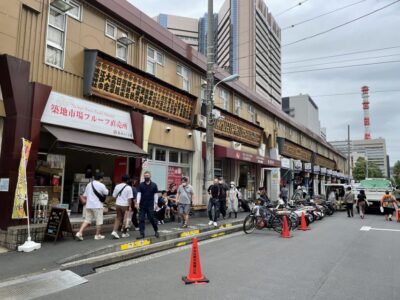
Tsukiji: Outer Market Walking Tour & Sake Tasting Experience
Read our review →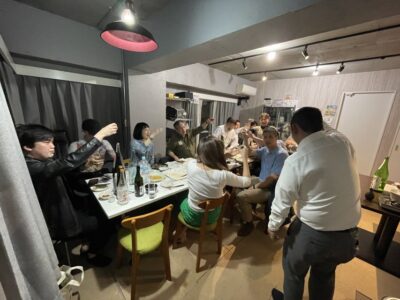
7 Kinds of Sake Tasting with Japanese Food Pairings
Read our review →Browse the lists this tour appears in