
Reviewed · TOKYO SAKE TASTINGS
Unique Brewery Tour and One-of-a-Kind Sake Tasting Near Tokyo
Doburoku is sake in a lively, unfinished state: the brewer bottles the fermenting mash without filtering it, leaving a cloudy drink that is difficult to store and rarely found on restaurant menus. At Yamane Brewery in Hanno, the method is paired with small-batch brewing in wooden barrels made from local Nishikawa timber, rather than the stainless-steel tanks used by most breweries.
I like two things here: you get to taste three kinds of doburoku in locally made cups, and the visit explains how the brewery’s use of wood and local materials shapes its sake. The trade-off is that this is a focused brewery visit, not a full-day Hanno tour, and the listed price does not include lunch or transportation costs.
- Doburoku is the main event: Taste three types of this cloudy, unfiltered sake, with snacks.
- Local wood changes the method: Yamane uses traditional barrels made from Nishikawa timber.
- The cups are local, too: Your tasting cups are made from Hanno soil, a material no longer produced and available only in limited quantities.
- The brewery has an unusual home: It operates from a repurposed convenience store and makes sake in small batches.
- The group stays small: A maximum of eight people gives the visit room for questions.
- Hanno is close to Tokyo: The town is about an hour away by train and can pair with visits to Chichibu, Kawagoe, or Moominvalley Park.
A rare sake, made while it is still changing
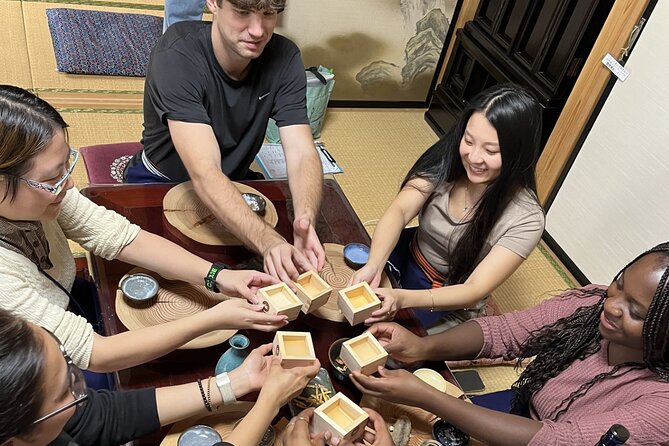
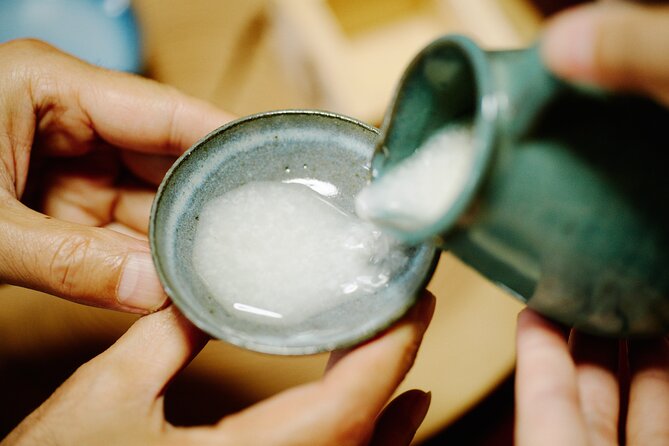
The draw here is not simply a chance to sample sake. It is a chance to taste doburoku, a style that remains cloudy because the brewer bottles the unfiltered fermentation mash, or moromi. Fermentation continues, which makes the drink hard to store and helps explain why you do not often find it on ordinary restaurant menus.
That difference matters when you taste it. Rather than sampling only a familiar, clear sake, you are trying a small-batch drink whose character is tied to a particular brewing process. The tour includes three types, so you can compare them rather than treat the tasting as a single sip and a photo.
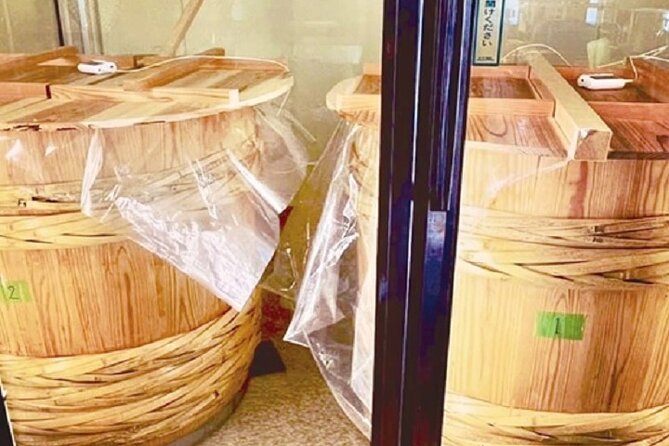
Yamane Brewery’s approach also gives the visit a strong sense of place. Instead of relying on standard stainless-steel tanks, it uses wooden barrels made from local Nishikawa timber. The brewery says natural microorganisms can thrive in the wood, adding flavors shaped by the timber and water. The result, by design, is not a perfectly repeatable product. Each batch can take on its own character.
For a sake enthusiast, that is the useful distinction: you are learning how a brewer’s choices affect the drink, not just hearing a list of ingredients. If you are new to sake, the tour still offers a clear way into the subject. You can taste, ask questions, and connect what is in the cup to the way it was made.
Meeting at Hanno Station
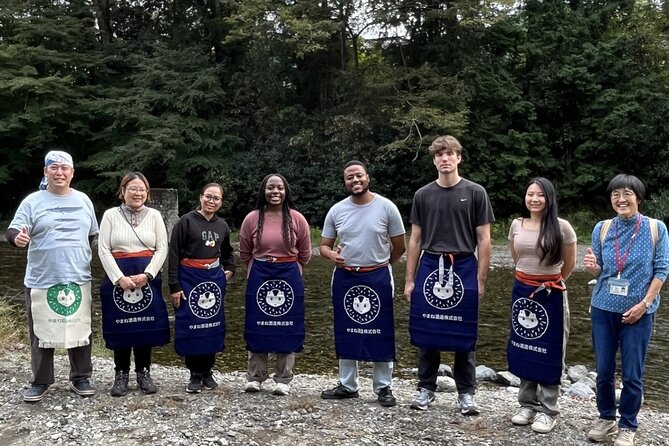
The tour starts at 1:00 pm at Hanno Station. Look for the guide holding a tour placard after you pass through the ticket gate. The group meets there for a briefing before walking together to the bus.
Allow a little time to find the meeting point, especially if you are arriving by train and do not know the station. Hanno is about an hour by train from Tokyo, which makes this a practical half-day outing from the capital. The tour is scheduled for about three and a half hours, and it returns to the same station around lunchtime.
There is a detail worth checking before you book: the tour information says transportation costs are not included, while the itinerary describes taking a bus to and from the brewery. Plan for transport expenses rather than assuming every ride is covered by the $100.43 price. The listing also notes that the activity is near public transportation, so Hanno is not an isolated destination.
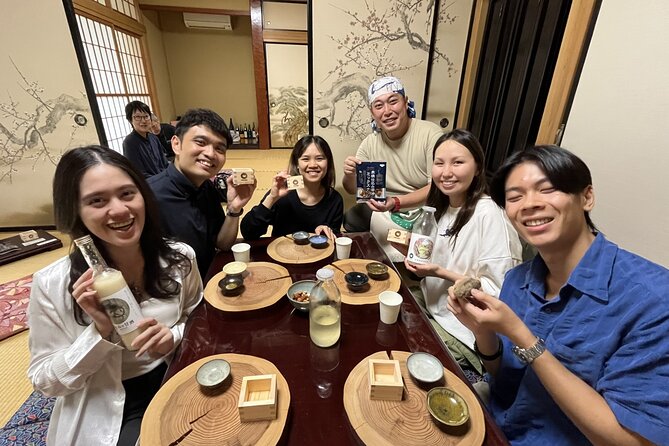
The group is capped at eight people. That small size suits a visit built around explanation and tasting. You are less likely to feel like one face in a crowd, and there is more room to ask the brewer or guide about an unfamiliar term or technique.
More sake tastings in Tokyo:
- Ramen and Sushi Cooking Class with Sake Pairing Set in Tokyo
★ 5.0 · 291 reviews - Sake Tasting Masterclass in Shinjuku (8+ Varieties with a Pro)
★ 5.0 · 271 reviews - Sake Omakase in Tokyo: Guided Tasting by Certified Sommeliers
★ 5.0 · 239 reviews
A traditional home before the brewery
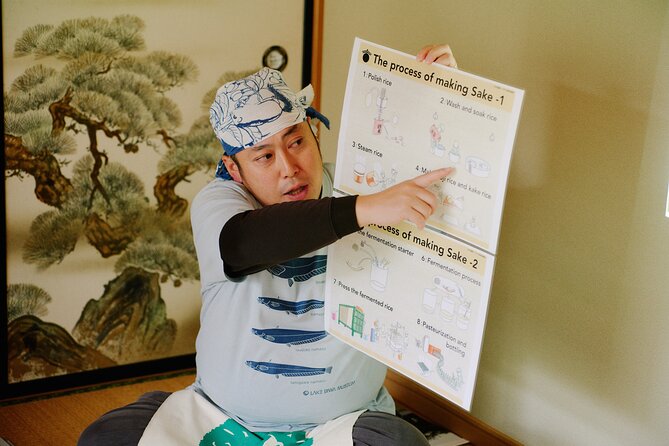
The brewery visit begins with a stop at the home of the head of a traditional Japanese house, described as a building full of character and history. There, you receive an introduction to how Yamane’s brewing differs from conventional methods.
This is a useful start because the brewery itself is unusual. It operates from a repurposed convenience store, while its approach to sake draws on older tools and practices. The contrast helps make the brewery’s choices easier to understand: this is not a large production line scaled down for tourists, but a small operation shaped around the brewer’s own priorities.
The owner is described as deeply committed to making sake with care rather than chasing quantity. In the tasting, that background gives you a reason to pay attention to the differences between the three varieties. The visit is not just about what a particular sake tastes like, but why the brewer chose a method that can be demanding and less predictable.
Some details may depend on the guide and the questions your group asks. Past descriptions of the experience include explanations of sake-making tools, serving practices, and the owner’s wider interests in research and nature conservation. Treat those as possible strands of the conversation, rather than a fixed lecture script.
Wooden barrels, local timber, and a distinct flavor
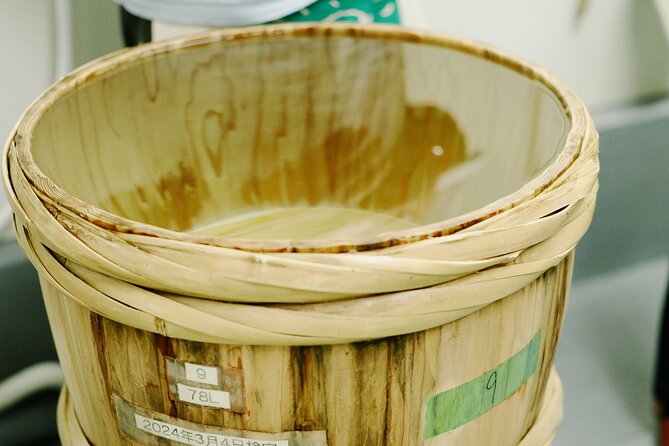
The most distinctive production detail is the use of Nishikawa timber barrels. Many sake breweries use stainless-steel tanks, which offer a controlled, consistent environment. Yamane’s wooden barrels take a different path: the wood and its natural microorganisms can influence the fermenting sake.
That means the barrel is more than a piece of old-fashioned equipment. It is part of the flavor story. The brewery’s approach brings local materials into the process, linking the finished drink to the surrounding area. You are not being asked to taste sake in the abstract; you are learning about the wood, water, and brewing choices behind each batch.
The brewery also uses a traditional bag-hanging technique, mentioned as part of its process. The tour is a chance to see how these methods fit together and to ask what they change in the final drink. If you already know the basics of sake production, this is likely the part that makes the visit especially worthwhile. If you are a beginner, the small group and direct explanations should make the technical details easier to follow.
Yamane’s location adds another layer. It is a small-batch operation based in a former convenience store, an unexpected setting for a brewery focused on traditional methods. That contrast is part of the appeal, but keep your expectations grounded: this is not presented as a sprawling historic brewery complex. Its interest lies in the craft and the choices behind the sake.
Three tastes in cups made from Hanno soil
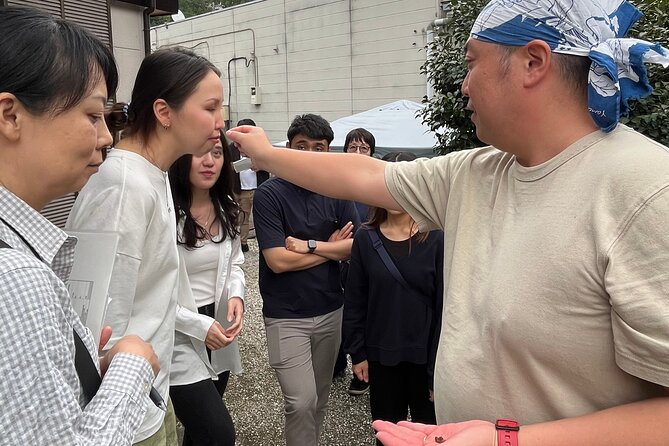
The tasting includes three kinds of sake and a sampling of snacks. The cups are made from 100% Hanno soil, a material that is no longer produced and exists in limited quantities. That makes the cup more than a souvenir detail: it extends the local-material theme from the barrels to the way you hold and taste the sake.
Take your time with the samples. Doburoku is unfiltered and still fermenting when bottled, so it is a different proposition from the clear sake many people know. Comparing three types gives you a better chance to notice variation in sweetness and character. The owner has been described as explaining how to serve sake properly, so ask if you are unsure how to approach a sample.
Snacks are included to accompany the drinks, but lunch is not. The tour returns to Hanno Station around lunchtime, and the guide may recommend local restaurants. You will need to pay for that meal separately, and the guide does not stay with the group for lunch.
Because the tasting is alcoholic, this tour is best suited to people who are comfortable sampling sake. The information provided does not specify non-alcoholic alternatives, so contact the operator before booking if that matters to you.
More drinks tours in Tokyo:
- Tokyo Bar Hopping Tour in Shinjuku (All-You-Can-Drink + Dinner)
★ 5.0 · 3,587 reviews - Best of Shinjuku: Izakaya Food Tour (4 Stops, 14+ Tastings)
★ 5.0 · 1,863 reviews - Tokyo: Shinjuku Local Bar and Izakaya Guided Walking Tour
★ 4.9 · 1,794 reviews - Shibuya Meltdown Nightlife Tour: All-You-Can-Drink Bar Hopping
★ 5.0 · 1,058 reviews
How the timing and price work
At $100.43 per person, this is not a bargain-priced station-side tasting. The price buys a guided visit of about three and a half hours, access to a small brewery, instruction on an uncommon sake-making method, three sake samples, and snacks. It also includes a small-group format, with no more than eight participants.
The value depends on what you want from the outing. If you only want to try sake, a tasting bar may cost less and take less time. If you want to understand how doburoku is made, why Yamane uses local wood, and how the brewery’s choices shape its product, the longer visit makes more sense. The chance to taste three types in cups made from scarce local soil adds a specific Hanno connection you would not get from a generic sake flight.
Budget separately for transport and lunch. Transportation costs are explicitly excluded, and lunch is not part of the tour. The itinerary describes a bus ride between the station and brewery, so confirm the transport arrangement and any fare when booking. The tour includes a mobile ticket, and confirmation is provided at booking.
There is free cancellation up to 24 hours before the start time. A minimum number of participants is required; if the tour is canceled for not meeting that minimum, you are offered another date or experience, or a full refund.
Pairing Hanno with the rest of your trip
Hanno is about an hour by train from Tokyo, making the tour feasible as a half-day excursion without committing to an overnight stay. It can also fit into a wider visit to the area, with Chichibu, Kawagoe, and Moominvalley Park noted as nearby attractions.
The tour itself is deliberately narrow in scope. You meet at the station, visit the brewery and home, taste the sake, and return to the station. That makes it easy to pair with another activity, but do not plan a packed itinerary around exact return times. The scheduled duration is approximate, and the tour concludes back at Hanno Station.
The brewery’s use of local materials and the owner’s interest in nature conservation may appeal if you like seeing how food and drink connect to a place. It is not a general nature tour, though. The central subject remains sake, and the most rewarding parts are the brewing explanation and tasting.
Who should book this tour?
I would put this tour high on the list for sake fans, curious drinkers, and people who enjoy meeting a small producer rather than visiting a large commercial facility. Doburoku is unusual enough to justify the trip on its own, while the barrels, local cups, and small-batch approach give you several concrete details to take away.
It is also a good fit if you want an organized visit near Tokyo with a small group and a clear schedule. The guide meets you at Hanno Station, and the outing returns there, so you do not have to make your own way through unfamiliar local roads.
Think twice if you are looking for a broad sightseeing tour, a long lunch with the guide, or a low-cost tasting only. The price is easiest to justify when you value the explanation as much as the drink. Check transport costs before booking, and leave room in your day for lunch after the tour.
FAQ
Where does the tour start and end?
It starts at Hanno Station in Saitama Prefecture and ends back at the same meeting point.
What time does the tour start?
The stated start time is 1:00 pm.
How long does the tour last?
The experience lasts about three hours and 30 minutes.
How many people can join?
The maximum group size is eight travelers.
What is included in the tour?
The tour includes alcoholic beverages, a tasting of Japanese sake, and a sampling of snacks.
How many kinds of sake will I taste?
The experience includes a tasting of three types of sake.
Is lunch included?
No. Lunch is not included. The tour returns to Hanno Station around lunchtime, where you can choose a local restaurant.
Are transportation costs included?
No. Transportation costs are listed as not included in the price. The itinerary describes bus travel between Hanno Station and the brewery, so confirm the fare and arrangements when booking.
Can I cancel for a refund?
You can cancel at least 24 hours before the start time for a full refund. Cancellations or changes made less than 24 hours before the start time are not accepted, and the tour may be canceled if its minimum number of participants is not met.
More food and drink experiences in Tokyo
- Tokyo: Shinjuku Food Tour (13 Dishes at 4 Local Eateries)
★ 5.0 · 6,603 reviews - Tokyo Tsukiji Fish Market Food and Culture Walking Tour
★ 5.0 · 3,184 reviews - Tokyo: Shinjuku Food Tour (15 Dishes and 4 Eateries)
★ 4.9 · 2,033 reviews - Tokyo: Tsukiji Fish Market Food and Walking tour
★ 5.0 · 1,724 reviews
More brewery visits in Tokyo
- Discover Japanese Coffee Brewing Experience at Tokyo
★ 4.9 · 8 reviews - Tokyo: Toshimaya Sake Brewery Tour with Sake Tasting
★ 5.0 · 6 reviews
Freshly reviewed in Tokyo
- Tokyo: Toshimaya Sake Brewery Tour with Sake Tasting★ 5.0 · 6 reviews
- :Tokyo,Shibuya /Meiji Shrine tour in KIMONO/English-friendly★ 5.0 · 4 reviews
- Tokyo: Tour Privado por Tokio en español★ 4.3 · 4 reviews
- Tokyo:Tea ceremony experience at Komaba Warakuan★ 4.8 · 9 reviews
- :Tokyo,Shibuya/ Pro Photography in Kimono / English-Friendly★ 5.0 · 26 reviews
- Tokyo:Samurai Training : Swords, Bushido & Mental Discipline★ 5.0 · 6 reviews
- Tokyo:Mt Fuji & Hakone Day Tour with English Speaking Driver★ 5.0 · 26 reviews
- Tokyo:Nikko UNESCO World Heritage Sites Private 1-Day Tour★ 3.8 · 6 reviews
Tokyo Sake Tastings, compared.
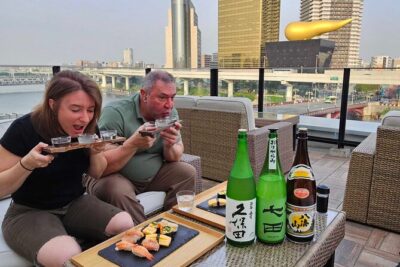
Ramen and Sushi Cooking Class with Sake Pairing Set in Tokyo
Read our review →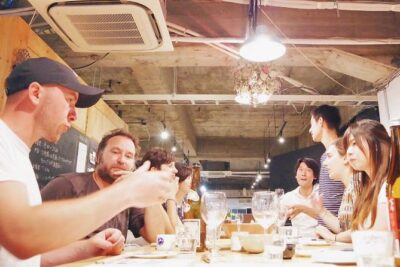
Sake Tasting Masterclass in Shinjuku (8+ Varieties with a Pro)
Read our review →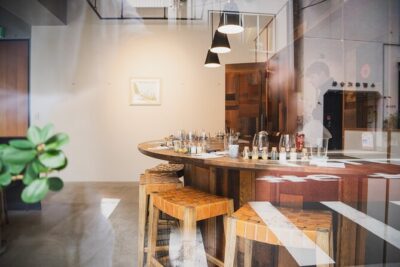
Sake Omakase in Tokyo: Guided Tasting by Certified Sommeliers
Read our review →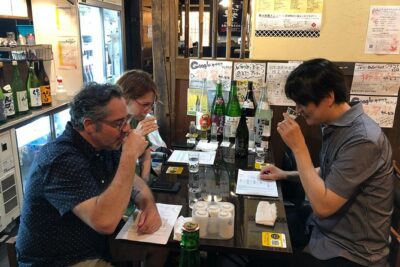
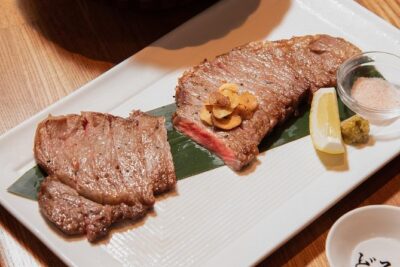
Wagyu & Sake Pairing in Shinjuku – Steak, Shabu-Shabu & More
Read our review →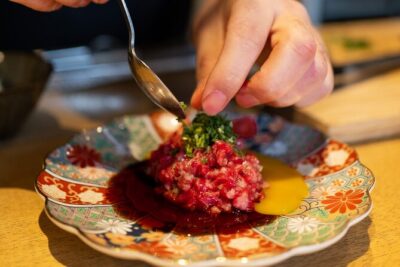
Tokyo Wagyu & Sake Pairing Tasting Experience with Local Flavors
Read our review →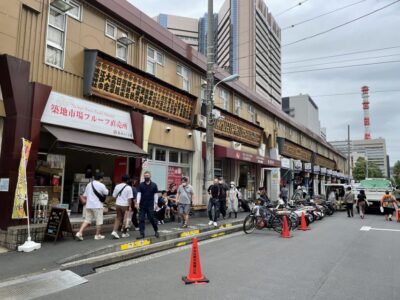
Tsukiji: Outer Market Walking Tour & Sake Tasting Experience
Read our review →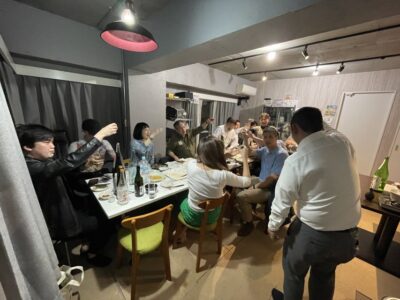
Browse the lists this tour appears in