
Reviewed · KAMAKURA TOURS
Kamakura Walking Tour – The City of Shogun
Kamakura’s story comes into focus when you link its great landmarks on foot: the shrine founded under the first shogun, a bronze Buddha in the open air, and a temple with gardens and a towering Kannon statue. This three-and-a-half-hour walk gives you that historical framework, with guides such as Miyu, Midori, and Maki helping connect religious sites to customs in daily Japanese life.
I like two things in particular: the small group, capped at 10, leaves room for questions, and the route pairs major sights with time on Komachi Street, where you can get a taste of local food and street life. The guides have also pointed out photo spots and suggested places to visit after the tour, making this a useful first stop in Kamakura.
The main consideration is cost beyond the $35 tour price. Transport and admission are not included, and the stated extra total is about ¥1,200. The schedule also gives only a short visit to each major site, so this is an orientation walk, not a slow, thorough tour of every temple.
Kamakura at a glance
- Four stops, four different sides of the city: a Shinto shrine, a shopping street, a giant Buddha, and a Buddhist temple.
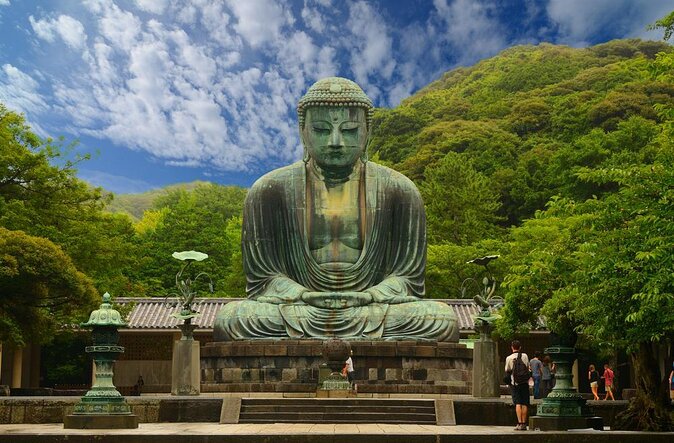
- The Great Buddha is the route’s visual centerpiece: the bronze statue is about 13.35 meters tall and dates to the 13th century.
- The walk starts near Kamakura Station and ends at Hase Station: useful if you want to continue exploring after the guide leaves.
- You get about 30 to 40 minutes at the main religious sites: enough for an introduction and a look around, but not an unhurried visit.
- Guides named in the tour’s history include Miyu, Midori, and Maki: the guide on your date may differ.
- Budget for about ¥1,200 in extra transport and admissions: the guide fee is included in the $35 price.
A good first walk through Kamakura
Kamakura is a strong day trip for anyone interested in Japan’s religious traditions and medieval political history. The city’s landmarks are spread across a route that can feel more meaningful with a guide: instead of seeing a shrine, temple, and Buddha as a string of photo stops, you can ask how Shinto and Buddhist practices differ and how people carry those customs into modern life.
That context is the tour’s biggest value. Guides Miyu, Midori, and Maki have been praised for clear explanations, a warm manner, and answers to questions. Some have also offered suggestions for the afternoon after the tour, a helpful touch if you want to stay in Kamakura rather than head straight back to Tokyo.
The group limit of 10 is another practical plus. It is small enough to make conversation possible, while still being a group walk rather than a private tour. Families have enjoyed the route, and the guide can make a day of historic sites more approachable for children, though the schedule still involves several stops and walking.
More Kamakura trips in Kamakura:
- Tokyo: Kamakura & Enoshima Day Trip including Temple Tickets
★ 4.5 · 1,375 reviews - Tokyo: Mt. Fuji, Kamakura, Big Buddha, & Lake Ashi Day Trip
★ 4.5 · 867 reviews - From Tokyo: Kamakura & Enoshima 1-Day Bus Tour
★ 4.5 · 189 reviews
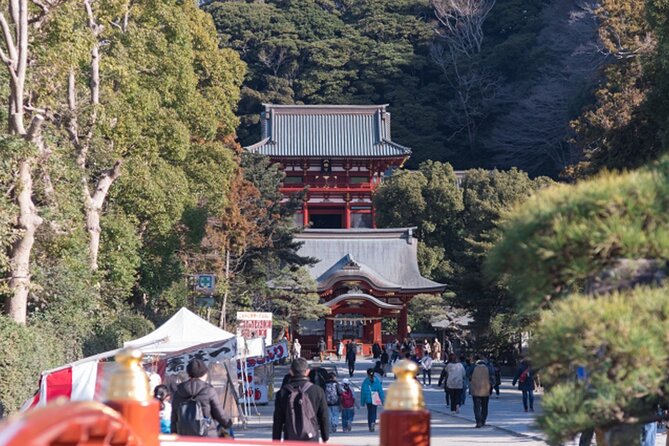
Begin at Tsurugaoka Hachimangu Shrine
The tour starts at the Kamakura City Tourist Information Center, at 1-chōme-1-1 Komachi, and begins at 10:00 am. From there, the first scheduled stop is Tsurugaoka Hachimangu Shrine, where you have about 30 minutes.
Founded in the 12th century by Minamoto no Yoritomo, the shrine is dedicated to Hachiman, the Shinto god. Yoritomo helped establish the Kamakura shogunate, so this is more than an attractive place to begin. The shrine gives the guide a natural opening to explain why Kamakura became a center of political power and how religious sites were tied to the ruling class.
The shrine’s admission is free, which helps keep the extra costs modest. Thirty minutes is enough for an introduction and a focused visit, but you should not expect to explore every corner at length. If you like to linger, take photos, or read every sign, you may want to return on your own later.
Take a taste of Komachi Street
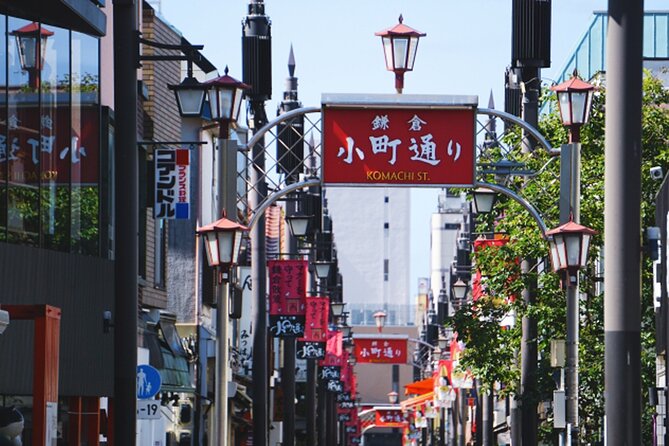
Next comes Komachi Street, a pedestrian street in central Kamakura named for the poet Ono no Komachi. The tour allows about 20 minutes here. After the formality of a shrine, this stop shifts attention to the city’s present-day rhythms, with shops and food options along the way.
The overview includes local cuisine, but the listed schedule does not set aside a full meal or name a specific restaurant. Treat this as a brief chance to look around and perhaps pick up a snack, rather than a food tour. If tasting local specialties is a priority, ask your guide for a recommendation and plan to return after the walk with more time.
This stop also serves a practical purpose. It breaks up the sequence of religious landmarks and gives you a chance to note places you might revisit after the tour. The short allocation means you will need to keep an eye on the clock if you stop to shop or eat.
Meet the Great Buddha at Kotoku-in
At Kotoku-in, you get about 30 minutes with the Kamakura Great Buddha, or Daibutsu. The bronze statue is approximately 13.35 meters tall and dates to the 13th century. Its scale is impressive, but the open-air setting is also part of what makes the visit distinct: the Buddha is not enclosed within a temple building.
A guide can help place the statue in the context of Kamakura’s Buddhist sites and explain why it remains one of the city’s defining sights. The allotted time gives you a chance to see it and take photos, while leaving room to listen and ask a few questions. It is not a long visit, so you may want to return if you prefer a slower look.
Admission is not included. The shrine and Komachi Street have no admission charge, while the Great Buddha and Hasedera Temple do. The stated combined extra for transport and admission is about ¥1,200, but the exact split is not provided. Carry enough yen for these costs rather than treating the $35 tour price as all-inclusive.
More walking tours in Kamakura:
- Kamakura Historical Walking Tour with the Great Buddha
★ 5.0 · 129 reviews - Kamakura 8 hr Private Walking Tour with Licensed Guide from Tokyo
★ 5.0 · 80 reviews - Kamakura: Half day Walking tour & Japanese sweets
★ 5.0 · 11 reviews - Kamakura; First Samurai Capital walking tour
★ 5.0 · 8 reviews
Finish among Hasedera Temple’s gardens
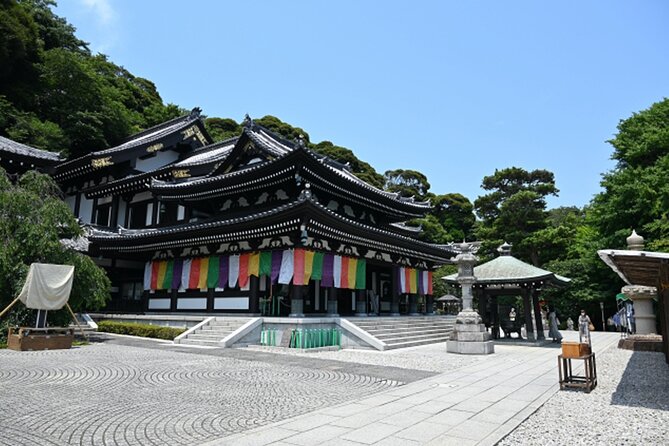
Hasedera, also known as Hase Kannon Temple, is the final scheduled sight and gets about 40 minutes, the longest stop of the day. It is known for its gardens, calm setting, and a tall wooden statue of the Goddess of Mercy. After the more direct encounter with the Great Buddha, this temple offers a different mood and another angle on Buddhist practice.
The extra time is welcome here. You can take in the gardens and listen as your guide explains the temple’s place in Kamakura’s religious life. Still, 40 minutes is a fixed window, and the temple’s attractions may tempt you to stay longer. If Hasedera is high on your list, consider returning independently after the tour.
The walk ends at Hase Station, at 2 Chome-14 Hase. That finish is convenient if you want to continue exploring the Hase area or use public transport from there. The tour does not promise a coastal viewpoint as a dedicated stop, although its overview highlights coastal scenery. Ask your guide about the best nearby place to see the views if that is important to you.
What the guides add
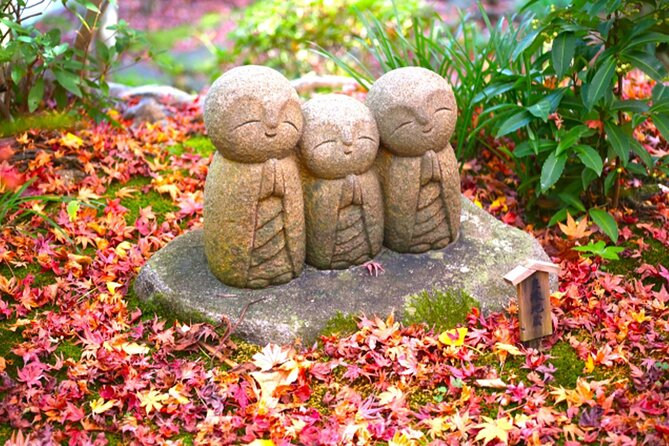
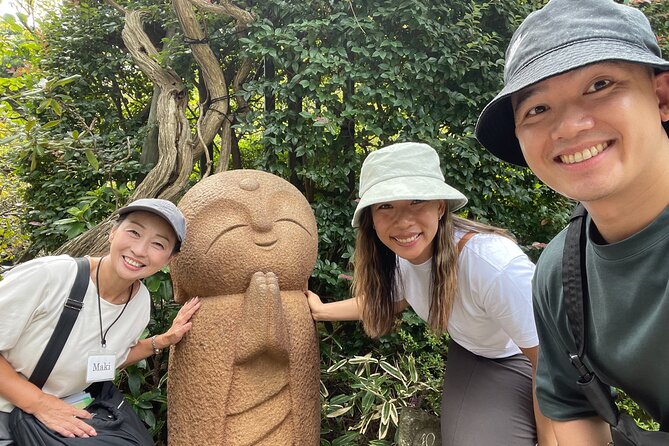
The strongest part of this tour is the human explanation between the landmarks. Miyu has been praised for making the walk engaging, answering questions, and giving ideas for the rest of the day. Midori has been appreciated for showing enjoyable places along the way and explaining Kamakura’s history in an accessible way. Maki has been described as energetic and personal, with clear explanations of the differences between Buddhist temples and Shinto shrines.
Those details matter because a shrine or temple can be visually striking without being easy to interpret. A guide helps you notice how the two traditions differ, what rituals mean, and how historical customs continue in present-day Japan. The tour is particularly useful if you have visited religious sites before but wished you had a clearer framework for understanding them.
Guide names are not a guarantee for a particular departure. The experience may be led by someone else, and the schedule does not specify who will guide your date. Still, the format makes time for questions, and the small maximum group should help keep the walk from feeling like a lecture delivered to a crowd.
Time, cost, and walking pace
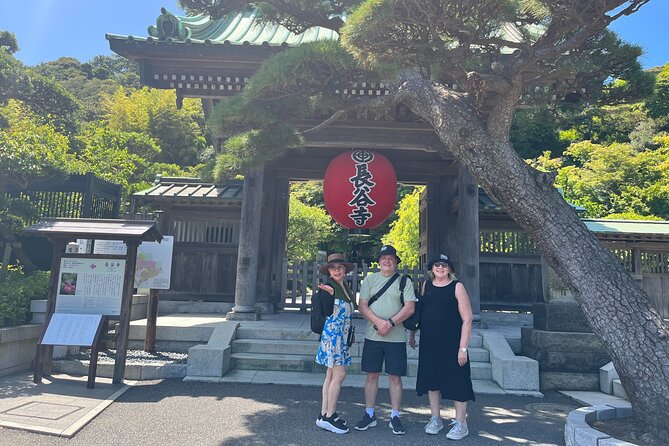
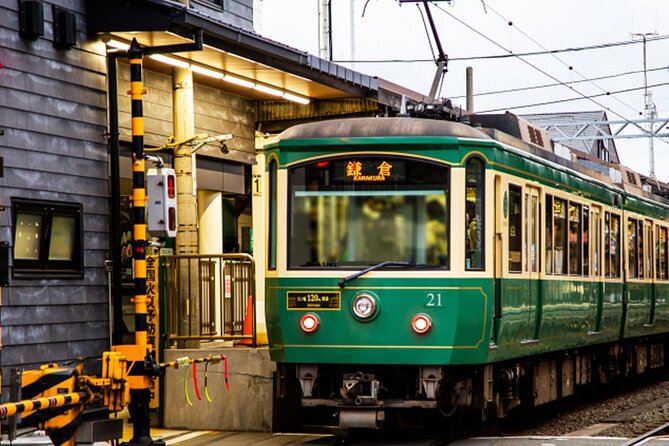
At roughly three and a half hours, this is a half-day activity with a useful balance: you see four central sights and still have time to explore on your own. The listed stop times add up to two hours, leaving time for walking and any transport between locations. One tour account describes riding the Enoden train, but transport is not included in the price, so confirm the arrangement and carry the separate fare.
The $35 price covers the guide, not admissions or transportation. With an extra ¥1,200 stated for those costs, the tour can still be good value if you want a local guide to explain the city and help you get oriented. If you are comfortable researching the sites and navigating between them yourself, you could visit independently, but you would lose the chance to ask questions and get tailored suggestions.
Wear shoes suited to a walking tour and leave space in your schedule for a later meal or a return visit to a favorite site. The route is described as suitable for most people, and service animals are allowed. It requires good weather; if poor weather cancels the tour, you can choose another date or receive a full refund. You can cancel for a full refund up to 24 hours before the start time.
Who should book this Kamakura walk?
I would choose this tour if it is your first visit to Kamakura, you want the main landmarks explained, or you are curious about how Shinto shrines and Buddhist temples differ. It also suits families who want a guide to keep the historical stops engaging, and anyone who would value suggestions for the rest of the day.
It is less suited to someone who wants extended time at each temple, a dedicated food itinerary, or a fully inclusive price. The route moves at a set pace, and the ticket and transport costs are extra. Book it as a guided introduction, then use the afternoon to revisit a favorite place, eat at your own pace, or follow a recommendation from your guide. If that combination fits your plans, the walk offers a practical way to make Kamakura’s major sights more than a checklist.
FAQ
How long is the Kamakura walking tour?
It lasts approximately three hours and 30 minutes.
What time does the tour start?
The stated start time is 10:00 am.
Where does the tour begin?
It begins at the Kamakura City Tourist Information Center, 1-chōme-1-1 Komachi, Kamakura.
Where does the tour end?
It ends at Hase Station, 2 Chome-14 Hase, Kamakura.
Which sights are included?
The scheduled stops are Tsurugaoka Hachimangu Shrine, Komachi Street, Kotoku-in and the Great Buddha, and Hasedera Temple.
Is the admission fee included?
No. The guide fee is included, but transportation and admissions are not. The stated combined extra is about ¥1,200.
How large is the group?
The maximum group size is 10 travelers.
Can I cancel for a refund?
You can cancel for a full refund up to 24 hours before the experience starts. If poor weather cancels the tour, you will be offered another date or a full refund.
Freshly reviewed in Kamakura
- Tokyo Yokohama Night View Tour With Kamakura And Enoshima★ 3.5 · 14 reviews
- Tokyo: Kamakura & Enoshima Day Tour with Pickup & Train Ride★ 4.1 · 61 reviews
- Tokyo: Kamakura Private Tour With Guide★ 5.0 · 5 reviews
- Tokyo: Day Trip to Kamakura in Spanish – Spanish★ 4.9 · 22 reviews
- Kanagawa: Kimono Rental in Kamakura Provided by RikaWafuku★ 4.8 · 8 reviews
- Private 2-Day Tour: Mt Fuji Hakone & Kamakura + Onsen Ryokan★ 5.0 · 3 reviews
- Kamakura: Great Buddha, Hase Temple, & Komachi Street Tour★ 5.0 · 11 reviews
- Mt Fuji Hakone/Enoshima Tour:Optional Ropeway/Lake Ashi Boat★ 4.3 · 49 reviews
Kamakura Tours, compared.
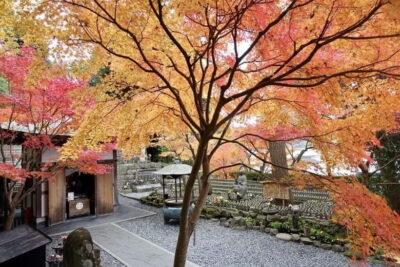
Kamakura & Enoshima Day Trip including Temple Tickets
Read our review →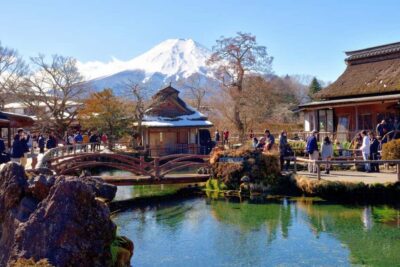
Mt. Fuji, Kamakura, Big Buddha, & Lake Ashi Day Trip
Read our review →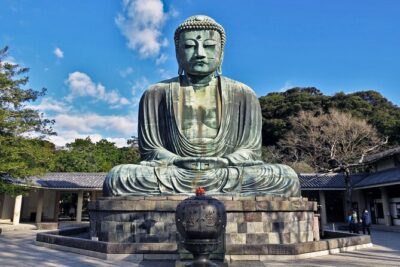
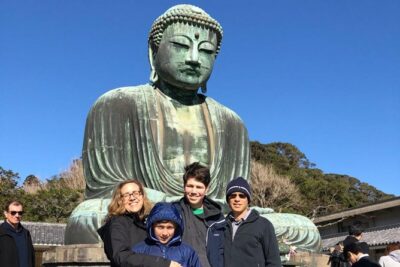
Kamakura Historical Walking Tour with the Great Buddha
Read our review →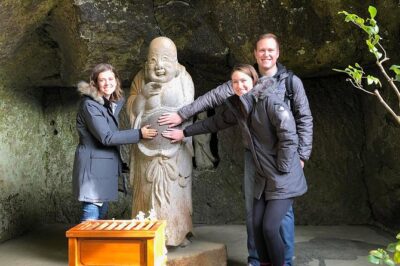
Kamakura Private Tour: Temples, Nature, and the Great Buddha
Read our review →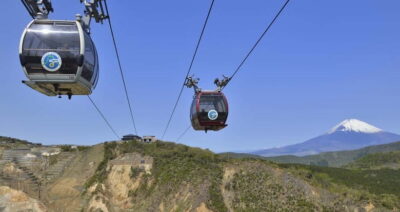
Sea of Mount Fuji, Hakone Ropeway, Ōwakudani, Enoshima
Read our review →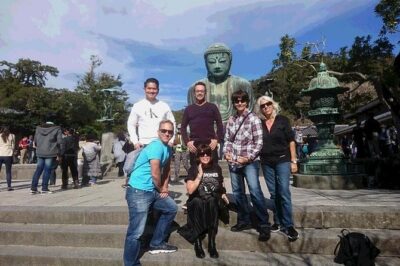
Kamakura 8 hr Private Walking Tour with Licensed Guide from Tokyo
Read our review →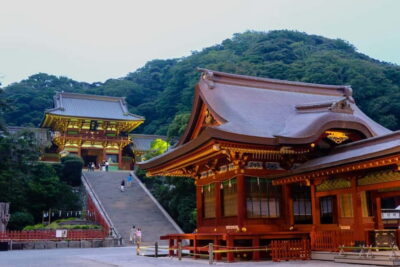
Kamakura & Enoshima Day Tour with Pickup & Train Ride
Read our review →Browse the lists this tour appears in