
Reviewed · HARAJUKU TOURS
Tokyo Walk through: Shinjuku, Harajuku, Omotesando & Shibuya
Shinjuku’s giant station, Harajuku’s teen-focused Takeshita-dori and Omotesando’s luxury storefronts make an unlikely but useful set of neighbors. This four-hour walk gives you a guided way to read the contrasts, with Shibuya’s youth culture and, if the weather cooperates, a quiet pause in Shinjuku Gyoen.
I like two things in particular: the small group, capped at eight, leaves room to tailor the walk to your interests, and the route pairs major shopping districts with everyday cultural context. Guides such as Hiroshi have also helped visitors understand train use and daily life, while Tina has finished at a ramen spot and helped with ordering.
The main consideration is the pace. Four hours covers several districts on foot, and the tour is not suited to people with mobility impairments. The information describes it as wheelchair accessible, but also flags substantial walking, so check directly with the operator if step-free access is essential.
The useful details at a glance
- The walk starts in Shinjuku: Meet outside the Gucci Shinjuku M Square Store, close to the district’s major rail hub.
- Four districts make for a broad introduction: The route connects Shinjuku, Shibuya, Harajuku and Omotesando, each with a different character.
- Shinjuku Gyoen offers a change of pace: The garden visit depends on decent weather and gives you a quiet counterpoint to city streets.
- The group is small: With no more than eight participants, there is more opportunity to ask questions and shape the walk around your interests.
- Guides can make the tour practical: Visitors have appreciated help with Tokyo customs, train use, food choices and ordering.
- Budget for your own extras: Meals, drinks, personal purchases and transport to and from the meeting point are not included.
A four-hour walk through Tokyo’s contrasts
This is a sampler, not a deep study of any one neighborhood. In four hours, you move from postwar city planning and major shopping streets to youth fashion and polished luxury retail. That variety is the point: you get a first impression of how different parts of central Tokyo serve different needs and generations.
The schedule names an hour each for Shinjuku, Harajuku and Omotesando, while the tour description also includes Shibuya. It does not spell out exact timings for every stop, so do not expect a minute-by-minute plan or assume that each district gets equal time. The advantage of a guided walk is that your guide can help make those transitions meaningful, rather than leaving you to decode a succession of busy streets on your own.
At $67 per person, the price is best judged against the small-group format and the guide’s role. You are paying for four hours of orientation and local explanation, not for meals, shopping or transport. If a guide helps you get comfortable with the train system, find a meal, or understand what you are seeing, that practical help can matter well beyond the walk itself.
More Shibuya tours in Tokyo:
- Official Street Go-Kart in Shibuya
★ 5.0 · 3,435 reviews - Tokyo: Street Kart Experience in Shibuya
★ 4.9 · 1,484 reviews - Shibuya Meltdown Nightlife Tour: All-You-Can-Drink Bar Hopping
★ 5.0 · 1,058 reviews
Starting at Shinjuku’s rail and shopping hub
The meeting point is right outside the Gucci Shinjuku M Square Store. It is a precise landmark in a district where station exits and large commercial buildings can make vague directions unhelpful. Plan your route there in advance, since transport to the meeting point is your responsibility.
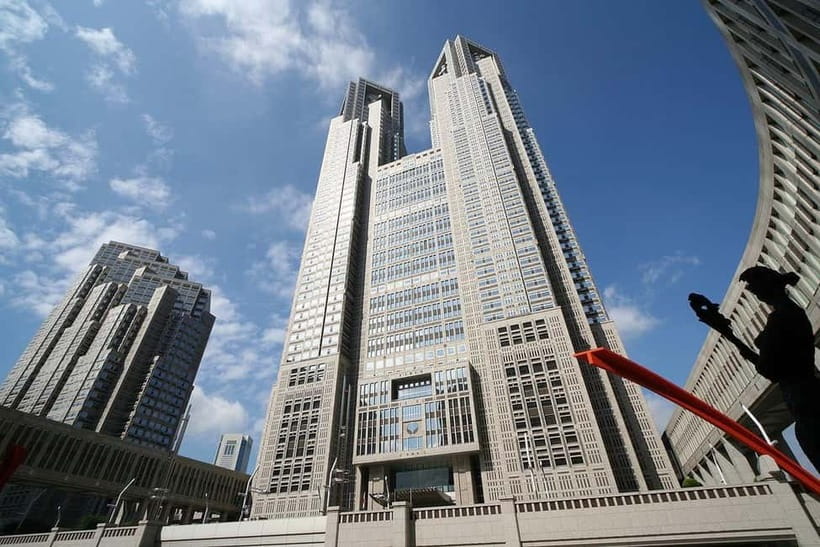
Shinjuku is described as home to the busiest train station on Earth, and the scale of the district helps explain why it became one of Tokyo’s major modern hubs. The tour puts that growth in context, including how postwar planning shaped Shinjuku and Shibuya to handle a growing population and changing city needs. That background is useful: it turns the area from a mass of signs and storefronts into a place with a story about how Tokyo organized urban life.
Expect a mix of mainstream shopping and well-known eating and drinking areas, along with cultural and art-related sights. The tour promises exploration rather than a list of named venues, so the exact stops may depend on your guide and your interests. If you have a particular curiosity, such as food, design or local habits, say so early. The small group and tailored approach are most useful when you make your priorities clear.
A practical benefit here is orientation. Tokyo’s rail network can feel like a puzzle at first, and one visitor especially valued learning how to use the train during the walk. That is a good reason to ask questions as you go, rather than treating the guide only as a source of facts about buildings.
A pause in Shinjuku Gyoen
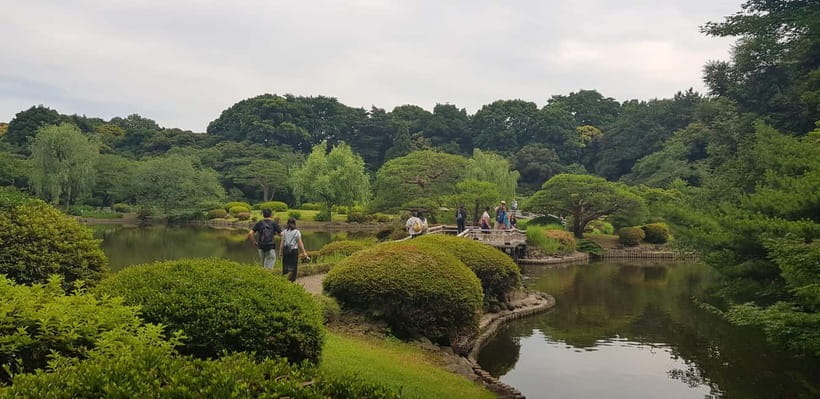
When weather allows, the route includes Shinjuku Gyoen, a garden known for bringing together several styles and approaches. After the density of central streets, a garden visit gives your eyes and ears a rest. It also offers a different view of the city: not a shopping district built for speed, but a planned space for slowing down.
The weather condition matters. The garden stop is not guaranteed in poor conditions, so treat it as a welcome possibility rather than the single reason to book. The tour information does not specify how long you spend inside or whether any garden admission charge is included, so confirm those details with the operator if they affect your plans.
Even a relatively short garden visit can improve the balance of a city walk. You get a chance to pause before moving on to the stronger contrasts of Shibuya, Harajuku and Omotesando. Bring comfortable shoes, but also dress for the forecast. Tokyo weather can change the feel of an outdoor itinerary quickly.
Shibuya and the energy of modern Tokyo
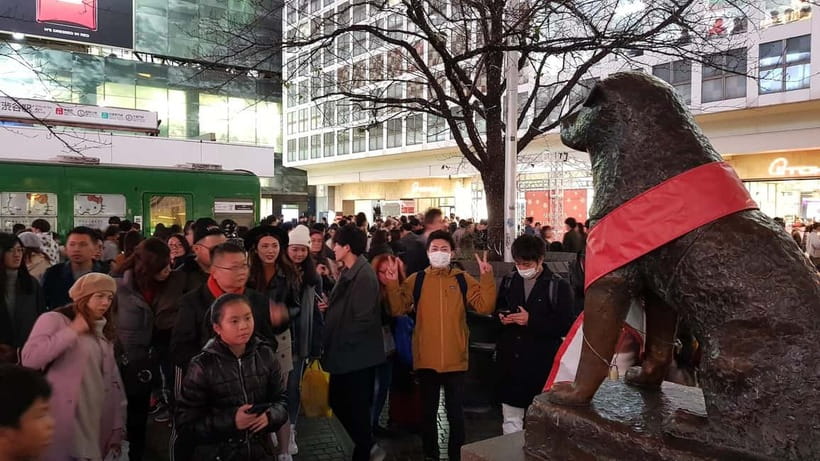
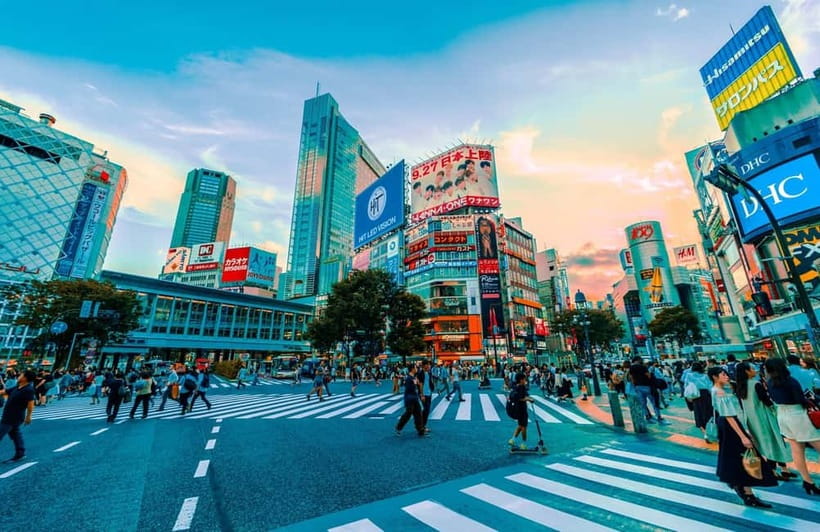
Shibuya is presented as a center of modern Japanese culture, especially for younger people. The tour aims to show more than the district’s famous image: it points toward smaller, less obvious corners and a mild avant-garde streak. The description does not name particular shops or landmarks, which leaves room for the guide to adapt the walk, but it also means you should not book expecting a fixed checklist of specific stops.
The value here is interpretation. A guide can help explain why one area feels geared toward youth culture while another nearby serves shoppers looking for established brands. You may also get a better sense of how daily life works in a district that can otherwise seem designed chiefly for shopping and people-watching.
If you want to spend time browsing, tell the guide. This is a walking tour with a cultural and shopping focus, not a dedicated shopping excursion, and personal purchases are not part of the $67 fee. The small group can make it easier to steer the conversation, but four hours still requires a balance between stopping and moving.
More Shinjuku tours in Tokyo:
- Tokyo: Shinjuku Food Tour (13 Dishes at 4 Local Eateries)
★ 5.0 · 6,603 reviews - Tokyo Bar Hopping Tour in Shinjuku (All-You-Can-Drink + Dinner)
★ 5.0 · 3,587 reviews - Tokyo: Shinjuku Food Tour (15 Dishes and 4 Eateries)
★ 4.9 · 2,033 reviews - Best of Shinjuku: Izakaya Food Tour (4 Stops, 14+ Tastings)
★ 5.0 · 1,863 reviews
Harajuku’s teen culture on Takeshita-dori
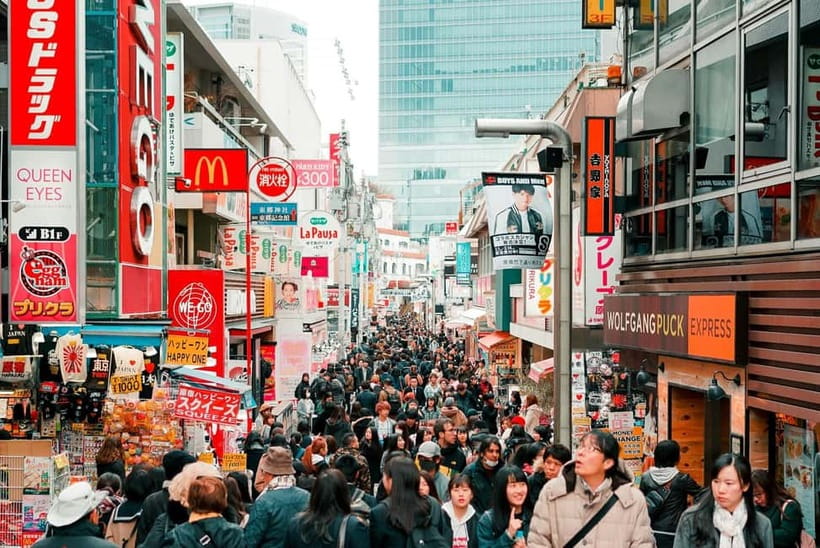
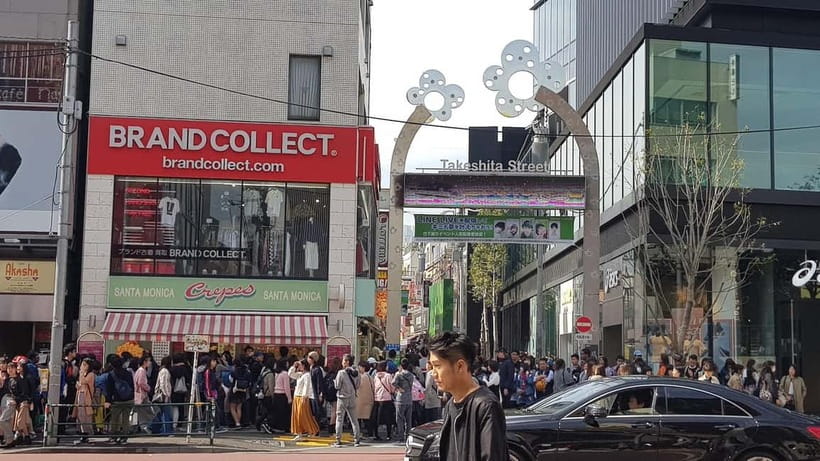
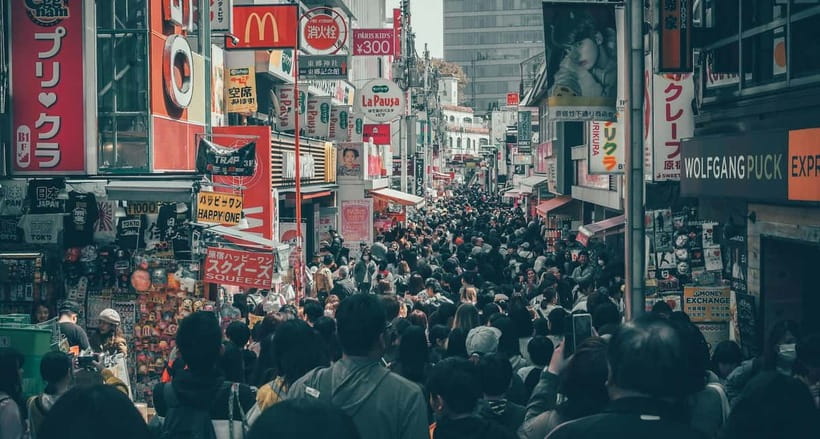
Harajuku shifts the mood again. Takeshita-dori is described as serving a 12-to-16-year-old market, a concentrated display of youth fashion and Japanese pop culture. You do not have to be a shopper to find it interesting. The street offers a direct look at how youthful tastes are expressed in public, from fashion choices to the kinds of shops that cater to teenagers.
It can also feel intense if you prefer quiet streets or dislike crowds. The tour’s broader route helps put the street in perspective: Takeshita-dori is one particular slice of Tokyo, not a stand-in for the whole city. Ask your guide what you are seeing and how the area fits into the city’s wider youth culture.
The tour is not described as a shopping session with set time for purchases. If there is a shop or style you are keen to explore, mention that before the walk reaches Harajuku. Otherwise, take the opportunity to observe and ask questions, then save serious browsing for another visit.
Omotesando’s polished front and backstreets
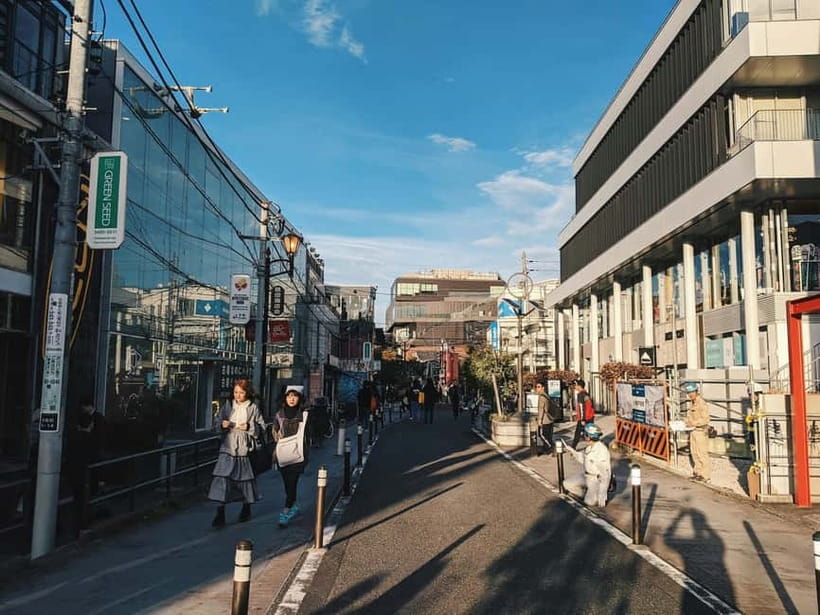
Across from Harajuku’s teenage focus, Omotesando offers a more restrained kind of spending power. Luxury labels and carefully designed retail sit alongside smaller backstreets with distinctive fashion finds. The contrast is the lesson: Tokyo can move from loud youth culture to understated wealth in a short walk, without either one telling the whole story of the city.
The main avenue gives you the visible, polished side of the district. The side streets are where the walk’s tailored format may pay off, especially if you care more about independent fashion than major brands. The exact route is not fixed in the information provided, so tell the guide what interests you rather than expecting a guaranteed list of boutiques.
This stop is also a useful place to think about value. You can enjoy the architecture, shop windows and district character without buying anything. Your own shopping expenses are separate, and the tour works just as well as a way to understand how retail and street style differ from one neighborhood to the next.
What the guides add
The strongest practical reports about the tour center on friendly, adaptable guiding. Renault was described as tailoring the walk to visitors’ interests and helping them understand Japanese culture. Scott was thanked for sharing his time and knowledge after an uneven start. Tina was praised for explaining shops and food options, then helping visitors order ramen. Hiroshi helped explain local sights, daily life and train use.
These are useful examples, not a guarantee that you will have any particular guide. The listed guides vary, and the provider is Pinpoint Traveler. What you can reasonably expect is an English-language guide and a small group, with a stated aim of personalizing the route. Tell your guide what you have already seen, what you want to learn, and whether food, fashion, art or transport is your priority.
One visitor described an initially rocky start before the day improved. That is a reminder to arrive at the correct meeting point and allow a little margin for finding it. If anything is unclear when you meet, raise it early. A flexible tour works best when both sides communicate.
Price, pace and practical planning
At $67, this is not the cheapest way to walk around Tokyo, but it bundles several neighborhoods into a compact orientation with an English-speaking guide and a maximum group size of eight. The price makes the most sense if you value context, have limited time, or want help navigating cultural differences and transport. If you prefer to wander alone and research each district independently, you may get better value from a map and a self-guided day.
The four-hour duration is long enough to cover a range of places, but it involves a fair amount of walking. Wear comfortable shoes and weather-appropriate clothing. Photography is allowed, though you should respect restrictions in particular areas.
Meals and drinks are not included, and neither are personal purchases or travel to the meeting point. One guide has helped visitors choose a ramen restaurant and place an order, which is a useful practical touch, but it does not mean a meal is part of the tour. The activity is described as wheelchair accessible, while also being unsuitable for people with mobility impairments. Because those details may not fit every traveler’s needs, contact the provider before booking if access requirements are important.
You can cancel up to 24 hours ahead for a full refund, and a reserve-now, pay-later option is offered. Starting times depend on availability, so check the date that suits your schedule.
Who should book this Tokyo walk?
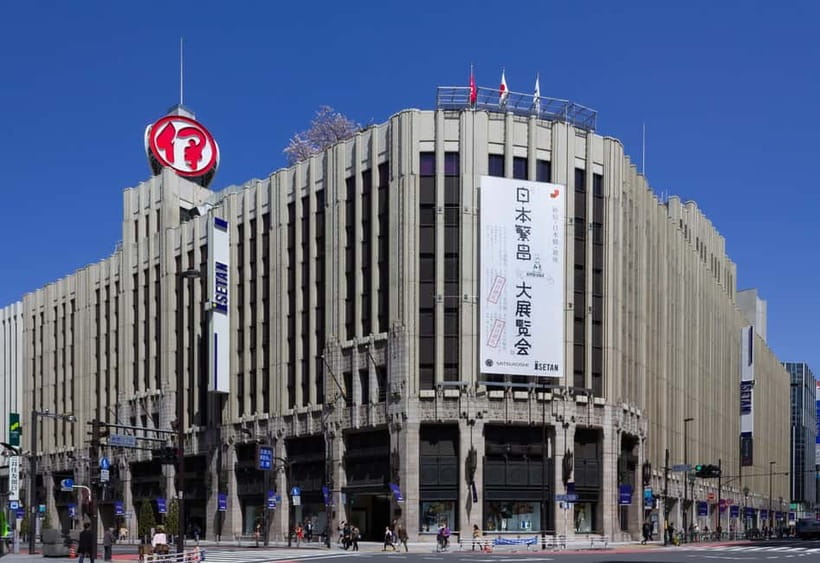
I would consider this tour if you are new to Tokyo and want a quick, guided introduction to the city’s modern districts. It is especially useful if you are curious about how postwar planning, youth culture, fashion and everyday routines meet in central Tokyo. The guide’s practical help with trains and food may also make the first days of a trip easier.
It is a weaker fit if your priority is a slow garden visit, a long shopping stop, or a low-walking activity. You will cover a lot of ground, and some stops depend on weather or the guide’s route. Book it for breadth and useful local context, not for a guaranteed deep visit to every named place.
FAQ
How long is the tour?
The walking tour lasts four hours.
Where does the tour meet?
Meet right in front of the Gucci Shinjuku M Square Store.
Which areas are included?
The tour covers Shinjuku, Shibuya, Harajuku and Omotesando.
Is Shinjuku Gyoen included?
A visit to Shinjuku Gyoen is included when the weather is decent.
What language does the guide speak?
The live tour guide speaks English.
How large is the group?
The tour is limited to eight participants.
Are meals and drinks included?
No. Meals and drinks are not included.
Is transport to the meeting point included?
No. You are responsible for transport to and from the meeting point.
What should I bring?
Wear comfortable shoes and clothing suited to the weather. Photography is allowed, but respect restrictions in certain areas.
Can I join if I have mobility impairments?
The activity information says it is not suitable for people with mobility impairments, despite also describing it as wheelchair accessible. Contact the provider before booking if you need specific access arrangements.
More walking tours in Tokyo
- Tokyo Tsukiji Fish Market Food and Culture Walking Tour
★ 5.0 · 3,184 reviews - Tokyo: Imperial Palace and Shogun Historical Walking Tour
★ 5.0 · 2,251 reviews - Tokyo: Shinjuku Local Bar and Izakaya Guided Walking Tour
★ 4.9 · 1,794 reviews - Tokyo: Tsukiji Fish Market Food and Walking tour
★ 5.0 · 1,724 reviews
More Harajuku tours in Tokyo
- Tokyo Go-Kart Tour Shibuya-Harajuku-Shinjuku (*IDP Required)
★ 5.0 · 217 reviews - Tokyo: Guided Go Kart Tour from Harajuku to Shibuya Crossing
★ 4.5 · 166 reviews - Shibuya & Harajuku: Hidden Gems & Highlights Private Tour
★ 4.7 · 139 reviews - Harajuku Kawaii Fashion and Pop-Culture Tour
★ 5.0 · 94 reviews
Freshly reviewed in Tokyo
- Tokyo: Toshimaya Sake Brewery Tour with Sake Tasting★ 5.0 · 6 reviews
- :Tokyo,Shibuya /Meiji Shrine tour in KIMONO/English-friendly★ 5.0 · 4 reviews
- Tokyo: Tour Privado por Tokio en español★ 4.3 · 4 reviews
- Tokyo:Tea ceremony experience at Komaba Warakuan★ 4.8 · 9 reviews
- :Tokyo,Shibuya/ Pro Photography in Kimono / English-Friendly★ 5.0 · 26 reviews
- Tokyo:Samurai Training : Swords, Bushido & Mental Discipline★ 5.0 · 6 reviews
- Tokyo:Mt Fuji & Hakone Day Tour with English Speaking Driver★ 5.0 · 26 reviews
- Tokyo:Nikko UNESCO World Heritage Sites Private 1-Day Tour★ 3.8 · 6 reviews
Harajuku Tours, compared.

Tokyo Go-Kart Tour Shibuya-Harajuku-Shinjuku (*IDP Required)
Read our review →
Guided Go Kart Tour from Harajuku to Shibuya Crossing
Read our review →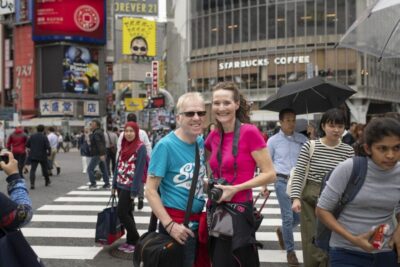
Shibuya & Harajuku: Hidden Gems & Highlights Private Tour
Read our review →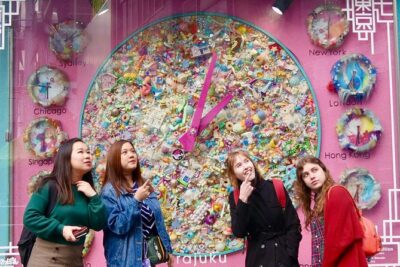
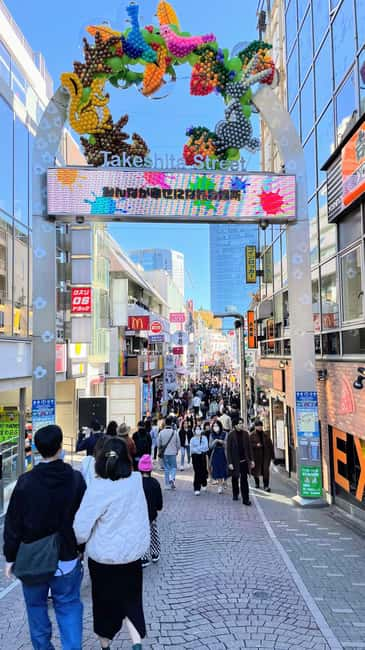
Meiji Jingu, Harajuku, Shibuya, and Shijuku Tour
Read our review →
Graffiti in Tokyo Walking Tour: Shibuya and Harajuku
Read our review →
SAMURAI EXPERIENCE in Tokyo(Harajuku)【SAMURAI’ve】
Read our review →
Tokyo Bike Tour: Shibuya, Harajuku & Hidden Gems
Read our review →Browse the lists this tour appears in