
Reviewed · HARAJUKU TOURS
Tokyo Tour in Spanish (Shibuya – Harajuku – Shinjuku)
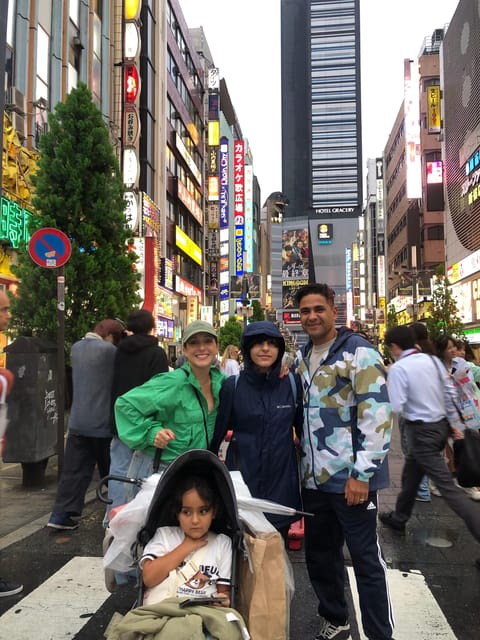
Shibuya, Harajuku, and Shinjuku give you three distinct angles on Tokyo in one day: the famous crossing, Harajuku’s shopping and street culture, and Shinjuku’s city energy. With a Spanish-speaking guide beside you, you can spend less effort figuring out the metro and more time making sense of what you see.
I like two things about this plan: you get two hours in each neighborhood, rather than a string of rushed photo stops, and the guide’s experience living in Japan can help you look beyond pop culture to the country’s spiritual side. The main consideration is that the day involves substantial walking and uses local transport, whose cost is not included in the $103 price.
What to know before you book

- Three neighborhoods, two hours each: The core visits are Shibuya, Harajuku, and Shinjuku, with time for walking, shopping, guided explanation, and independent exploration.
- A Spanish-speaking guide throughout: Guides have more than 15 years of experience living in Japan, according to the tour details.
- A small group: The group is limited to 10 participants, a useful size for moving through the city together and asking questions.
- Metro fares are extra: Local transport is part of the route, but you pay those fares separately.
- Come ready to walk: Comfortable shoes are recommended. The experience is designed for people of all ages, but it is still a walking tour.
- Confirm your meeting arrangement and tour choice: The meeting may be at a hotel lobby or a group meeting point, and you are asked to specify Tour 1, 2, or 3 when booking.
A full day with a guide, not just a checklist
This is an eight-hour guided day through some of Tokyo’s best-known urban districts. The schedule allows about six hours across the three neighborhoods, with three subway or metro rides listed at roughly 30 minutes apiece. That adds up to about seven and a half hours, leaving a little room for transitions or timing differences.
The value is not simply having someone lead the way. Tokyo can feel immense when you are new to it, and moving between neighborhoods by train adds another layer of decisions: which station, which line, and how to keep the day on track. A guide can take that navigation work off your hands while explaining the places you are seeing in Spanish.
The group is capped at 10, which should keep the outing more personal than a large coach tour. You can ask questions without having to catch a guide’s voice over a crowd, though the group still needs to move at a shared pace. If you prefer to explore every shop at your own speed, the scheduled guided format may feel restrictive at times.
The guides are described as having more than 15 years of experience living in Japan. That does not tell you who your particular guide will be, or guarantee what topics they will cover, but it does suggest that the tour is led by someone with long-term experience in the country rather than a short-term visitor. The guide’s role is to interpret the places and help you understand the culture, not just shepherd you from station to station.
More Shibuya tours in Tokyo:
- Official Street Go-Kart in Shibuya
★ 5.0 · 3,435 reviews - Tokyo: Street Kart Experience in Shibuya
★ 4.9 · 1,484 reviews - Shibuya Meltdown Nightlife Tour: All-You-Can-Drink Bar Hopping
★ 5.0 · 1,058 reviews
Shibuya: Tokyo’s famous crossing and a first look at city life
Shibuya is the first neighborhood stop, with around two hours for a guided visit, walking, shopping, and free time. The district’s headline attraction is Shibuya Crossing, so expect to see one of Tokyo’s most recognizable urban scenes. The allotted time gives you room to experience the area rather than treating it as a quick stop for a photograph.
A guide can help put the crossing and its surroundings into context. That matters in a place where it is easy to focus on the spectacle and miss how the district works as part of everyday city life. You can listen to the explanation, then use the free time to look around at your own pace.
Shopping is part of the plan, but there is no promise of specific stores or a set shopping route. If shopping is a priority, tell your guide what interests you and be ready to use some of your free time for it. If it is not, you can spend more of the stop walking and taking in the area.
Two hours is generous compared with a brief photo stop, but it can go quickly if you want to browse. Keep an eye on the time and follow the group’s return instructions, especially if you wander off to shop. The guide’s support is most useful when you want to explore without having to manage every navigation detail yourself.
Harajuku: time for street culture and a change of pace
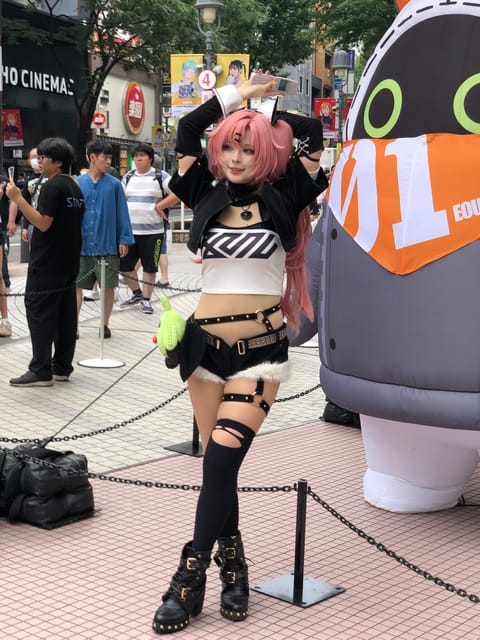
The next visit is Harajuku, also scheduled for about two hours. The plan includes a guided walk, free time, and shopping. After Shibuya, this stop adds another view of Tokyo’s contemporary culture, with room to notice how each neighborhood has its own character rather than treating the city as one uniform place.
The tour information does not name specific streets, shops, or attractions in Harajuku. That means the exact walk may depend on the guide and the group, so ask what is planned if you have a particular interest. The guide can explain what you are seeing and point out places you might not find on your own, but no named hidden stop is promised.
This is a good point in the day to balance listening with wandering. You can follow the guide’s introduction, then use the independent time to shop or look around. Since the tour is conducted in Spanish, it can also be easier to ask for context or clarify what you have noticed than it would be if you were relying only on signs or a translation app.
Keep expectations practical: two hours is enough to get a feel for the neighborhood, but not to explore every corner at length. The group’s schedule continues to Shinjuku, and the metro ride between areas is listed as about 30 minutes. If you stop to browse, leave yourself time to rejoin the group.
Shinjuku: a final neighborhood before the return
Shinjuku is the last main stop, with another two-hour window for a guided visit, walking, shopping, and free time. By this point, you will have seen three districts in a single day, and the guide can help draw comparisons between them. That broader view is one of the strengths of the route: rather than concentrating on one area, it gives you a first impression of several different parts of Tokyo.
No exact Shinjuku sights are specified, so do not book expecting a particular viewpoint, temple, or attraction. Entrance fees to viewpoints or temples are not included, and the schedule does not promise admission to any one site. If a specific place matters to you, ask in advance whether it is part of the selected tour and whether you should budget an extra entry fee.
The day’s broader focus may reach beyond modern city culture. The experience has been described as balancing pop culture with Japan’s spiritual side, an appealing combination if you want more than a day of shopping and city photography. Still, the particular spiritual sites or explanations are not named, so treat that as a possible dimension of the guide’s commentary, not a guaranteed visit to a specific temple.
Shinjuku also comes at the end of a long walking day. Take the comfortable-shoes advice seriously, and pace your shopping so you still have energy for the last stop. The tour returns to Tokyo, but the exact ending point is not specified, so confirm where you will finish if you have plans afterward.
More Shinjuku tours in Tokyo:
- Tokyo: Shinjuku Food Tour (13 Dishes at 4 Local Eateries)
★ 5.0 · 6,603 reviews - Tokyo Bar Hopping Tour in Shinjuku (All-You-Can-Drink + Dinner)
★ 5.0 · 3,587 reviews - Tokyo: Shinjuku Food Tour (15 Dishes and 4 Eateries)
★ 4.9 · 2,033 reviews - Best of Shinjuku: Izakaya Food Tour (4 Stops, 14+ Tastings)
★ 5.0 · 1,863 reviews
Metro rides, walking, and the real cost
The tour uses local transportation to move between neighborhoods, with each subway or metro segment listed at about 30 minutes. Those rides are part of the day’s structure, but transport fares are not included in the $103 per-person price. You should budget separately for them, along with any food, drinks, or admission fees.
Using public transport is a practical way to connect districts spread across a large city. It also gives you a glimpse of how people move around Tokyo, rather than keeping you inside a private vehicle all day. The trade-off is that you will need to follow the guide through stations and be prepared for the usual walking between transport and stops.
Food and drinks are also on your own. The itinerary does not identify a meal stop or include a meal, so plan accordingly and ask the guide about timing if you have dietary needs or want to set aside time to eat. With three long neighborhood visits, a snack or water may help you stay comfortable.
The $103 fee buys a full day of Spanish-language guidance in a group of no more than 10, plus a structured route through three major districts. It is better value if you want cultural explanation and help navigating than if you only need someone to point out the stations. Add metro fares, food, drinks, and any entrance fees when comparing the total cost with a self-guided day.
Meeting point, pace, and choosing the right version
The meeting arrangements are not described in just one way. The tour may begin at a group meeting point, and hotel-lobby pickup may sometimes be available; the included details also refer to meeting in the hotel lobby. Confirm your exact start location before the day, rather than assuming the guide will collect you at your accommodation.
You are also asked to specify Tour 1, 2, or 3 when booking, but the differences between those options are not explained here. Ask the provider what each version covers before choosing. This is especially important if you have a particular neighborhood, cultural focus, or site in mind.
The tour is presented as suitable for people of all ages, but it is a walking experience. There is no specific accessibility information, so if stairs, distance, or walking pace could be a concern, check directly with the provider before booking. Comfortable shoes are the clearest practical advice offered for the day.
The provider says that if the tour runs longer, there is no extra charge. That may offer some flexibility, but it does not guarantee a particular extension or explain how much extra time might be involved. If you have evening plans, ask how reliably the tour finishes within its stated eight hours.
Free cancellation is available up to 24 hours in advance for a full refund, and the reserve-now, pay-later option lets you keep plans flexible without paying at booking. Check the current terms when you reserve, especially if your schedule may change.
Should you book this Tokyo day?
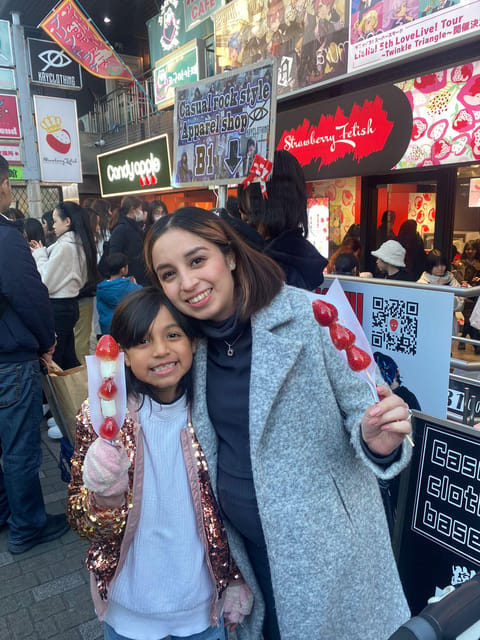
Book this tour if you want a Spanish-speaking guide, help getting around, and a single day that covers Shibuya, Harajuku, and Shinjuku without rushing through each in a few minutes. The small group and long experience of the guides are meaningful advantages if you want to ask questions and connect pop culture with wider cultural context.
Skip it if you want a private itinerary, a guaranteed visit to a named temple or viewpoint, or a day built around shopping at specific stores. Those details are not promised, and transport, food, and entrance costs add to the advertised price. For a first Tokyo outing that trades some independence for guidance and a well-defined route, it is a sensible choice.
FAQ

What neighborhoods does the tour visit?
The route includes Shibuya, Harajuku, and Shinjuku, with about two hours scheduled in each area.
How long is the tour?
The tour lasts eight hours. The schedule includes three metro or subway rides listed at about 30 minutes each.
What language is the guide?
The guide speaks Spanish throughout the tour.
How many people are in the group?
The small group is limited to 10 participants.
Are metro fares included in the price?
No. Local transportation is used during the tour, but city transport costs are not included.
Are food, drinks, or entrance fees included?
No. Food and drink are not included, and entrance fees to viewpoints or temples are also excluded.
Where does the tour start?
The meeting may be at a group meeting point or a hotel lobby. Confirm your specific meeting location when booking.
More Harajuku tours in Tokyo
- Tokyo Go-Kart Tour Shibuya-Harajuku-Shinjuku (*IDP Required)
★ 5.0 · 217 reviews - Tokyo: Guided Go Kart Tour from Harajuku to Shibuya Crossing
★ 4.5 · 166 reviews - Shibuya & Harajuku: Hidden Gems & Highlights Private Tour
★ 4.7 · 139 reviews - Harajuku Kawaii Fashion and Pop-Culture Tour
★ 5.0 · 94 reviews
Freshly reviewed in Tokyo
- Tokyo: Toshimaya Sake Brewery Tour with Sake Tasting★ 5.0 · 6 reviews
- :Tokyo,Shibuya /Meiji Shrine tour in KIMONO/English-friendly★ 5.0 · 4 reviews
- Tokyo: Tour Privado por Tokio en español★ 4.3 · 4 reviews
- Tokyo:Tea ceremony experience at Komaba Warakuan★ 4.8 · 9 reviews
- :Tokyo,Shibuya/ Pro Photography in Kimono / English-Friendly★ 5.0 · 26 reviews
- Tokyo:Samurai Training : Swords, Bushido & Mental Discipline★ 5.0 · 6 reviews
- Tokyo:Mt Fuji & Hakone Day Tour with English Speaking Driver★ 5.0 · 26 reviews
- Tokyo:Nikko UNESCO World Heritage Sites Private 1-Day Tour★ 3.8 · 6 reviews
Harajuku Tours, compared.

Tokyo Go-Kart Tour Shibuya-Harajuku-Shinjuku (*IDP Required)
Read our review →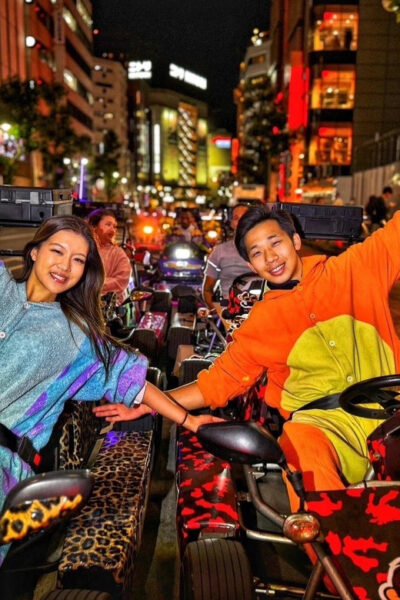
Guided Go Kart Tour from Harajuku to Shibuya Crossing
Read our review →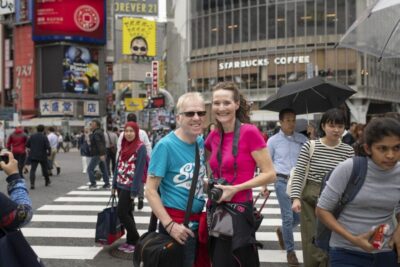
Shibuya & Harajuku: Hidden Gems & Highlights Private Tour
Read our review →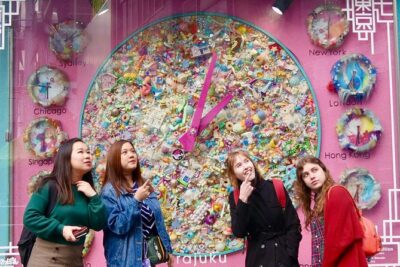
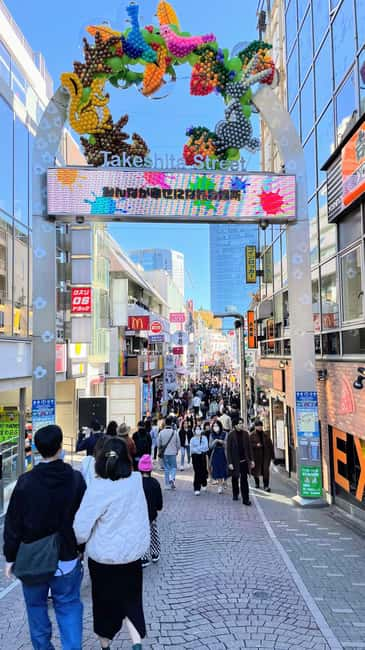
Meiji Jingu, Harajuku, Shibuya, and Shijuku Tour
Read our review →
Graffiti in Tokyo Walking Tour: Shibuya and Harajuku
Read our review →
SAMURAI EXPERIENCE in Tokyo(Harajuku)【SAMURAI’ve】
Read our review →
Tokyo Bike Tour: Shibuya, Harajuku & Hidden Gems
Read our review →Browse the lists this tour appears in