
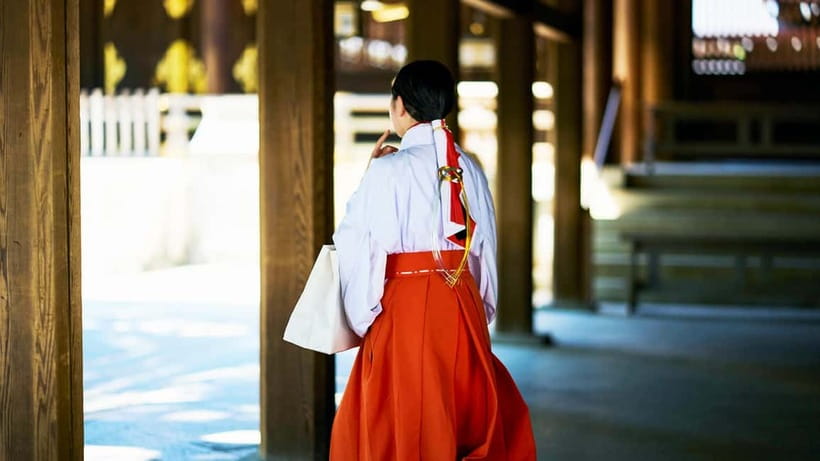
Reviewed · MEIJI SHRINE TOURS
Tokyo: Meiji Shrine Walking Tour — Shinto & Imperial System
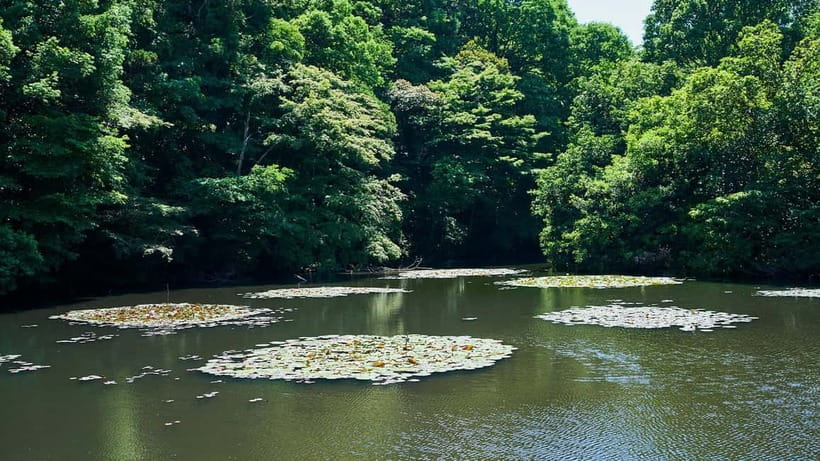
Meiji Shrine gives you a rare change of pace in central Tokyo: a broad, shaded forest path where the city’s noise recedes and birdsong takes over. The walk leads to the shrine’s imposing 12-meter torii gate and a chance to understand why this is more than a scenic stop.
I like two things especially: the guide explains the small rituals that make a shrine visit meaningful, and the tour connects Meiji Shrine to Japan’s shift from the samurai era to modern rule. The small group, capped at 10, also leaves room for questions. One consideration: the tour is English only, and its 90-to-135-minute length can vary, so leave some flexibility in your day.
What makes this walk worth your time
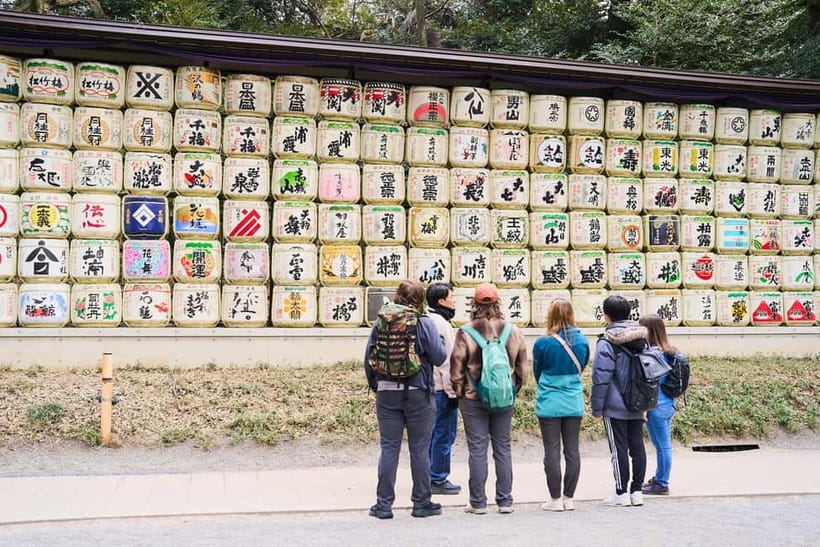
- A forest walk in central Tokyo: About 100,000 trees line the approach, creating a calm lead-in to the shrine.
- A striking torii gate: The 12-meter wooden gate is made from Taiwanese cypress said to be 1,500 years old.
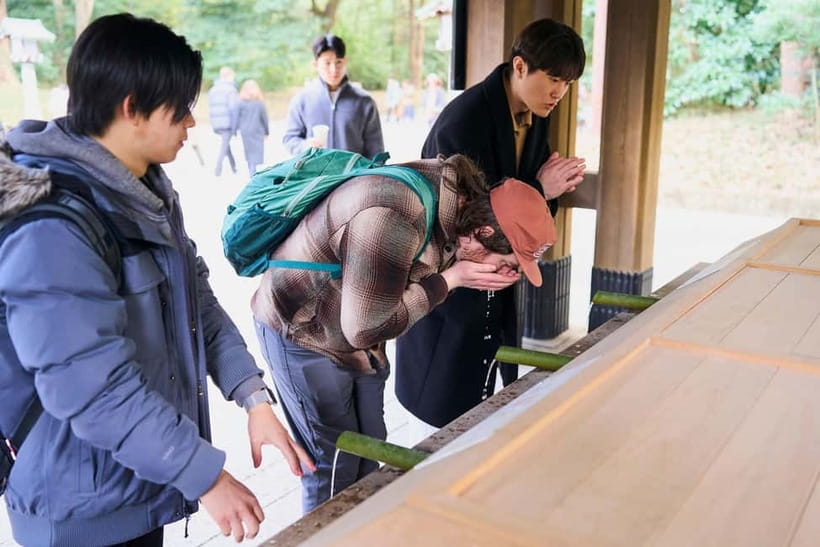
- Practical shrine etiquette: Learn why visitors walk along the path’s edges and how to approach the main shrine respectfully.
- Imperial history with a human scale: The guide links Meiji Shrine to Emperor Meiji, Empress Shoken, and Japan’s transition into modern times.
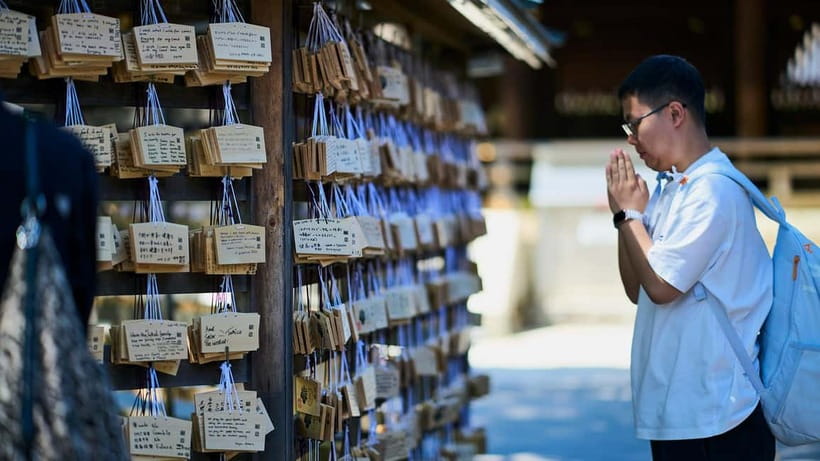
- Time to take part: The main shrine stop includes free time for offerings, protective charms, and the Omigokoro poems.
- A quiet finish: Mori no Terrace offers a place to pause for tea, light snacks, or a look through the gift shop.
From Harajuku Station into the forest
The tour starts near Harajuku Station, with the exact meeting point depending on the option you book. From there, the guide leads you toward Meiji Shrine’s first torii, called Meiji Jingu Ichino Torii. The first stop is brief, around 10 minutes, but it helps set the mood: you are leaving one of Tokyo’s best-known urban districts for a sacred space framed by trees.
The change in atmosphere is part of the point. The shrine grounds are planted with roughly 100,000 trees, and the path is shaded for much of the walk. You are not stepping into untouched wilderness, but the green corridor does offer a strong contrast with the streets nearby. If you have spent the morning among shops and traffic, the quiet can feel like a welcome reset.
Your guide also provides a useful frame for what follows. Meiji Shrine is not simply a picturesque building at the end of a walk. Its story is tied to Emperor Meiji and Empress Shoken, and to a period when Japan moved from samurai rule toward a modern state. The tour’s historical thread helps you notice why the shrine matters, not just how it looks.
The route includes walking between stops, so wear shoes you are happy to use on a long path. The experience is not a strenuous hike, but it is more than a quick look at the shrine entrance. The total tour lasts 90 to 135 minutes, depending on the departure and pace.
More Meiji Shrine visits in Tokyo:
- Tokyo: Meiji Shrine, Asakusa, Skytree Bus Tour and Cruise
★ 4.7 · 1,986 reviews - Tokyo Panoramic 1 Day: Meiji Shrine, Asakusa, Odaiba and SKYTREE®
★ 4.5 · 1,222 reviews - Tokyo: Meiji Jingu Shrine and Shinto Culture Walking Tour
★ 5.0 · 245 reviews
Wine barrels, sake barrels, and the story behind them
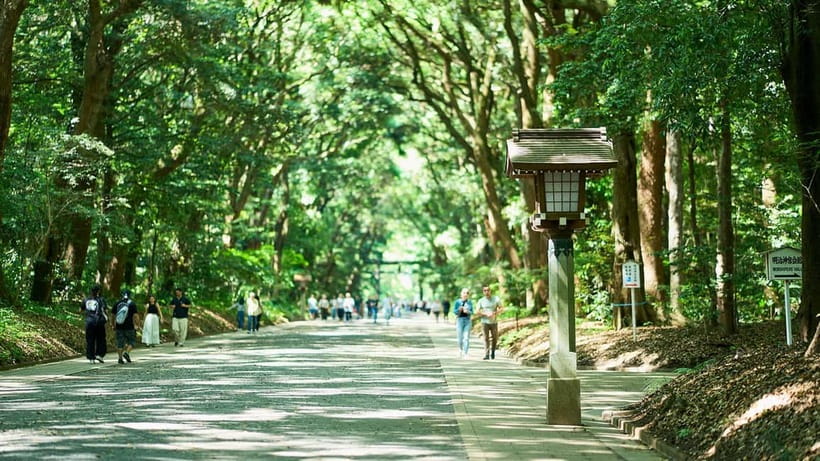
Two stops on the way to the shrine focus on barrels presented as offerings: the consecrated wine barrels and the consecrated sake barrels. The wine barrels make a striking display, and your guide can explain their place in the shrine setting. The sake barrels provide another look at how offerings and religious practice appear in public space.
These stops are short, about 10 minutes at the wine barrels and five at the sake barrels. That is enough time for a closer look and photographs, but not a long pause. Their value comes less from the objects alone than from having someone explain what you are seeing. Without context, rows of barrels can be easy to walk past without a second thought.
The tour’s structure works well here: you meet a sequence of concrete details before reaching the central shrine. The guide can use them to explain Shinto customs and the relationship between nature, worship, and community. Several guides have also helped visitors understand the difference between a Shinto shrine and a Buddhist temple, a useful distinction if you plan to visit more religious sites in Japan.
The 12-meter torii and the sacred route
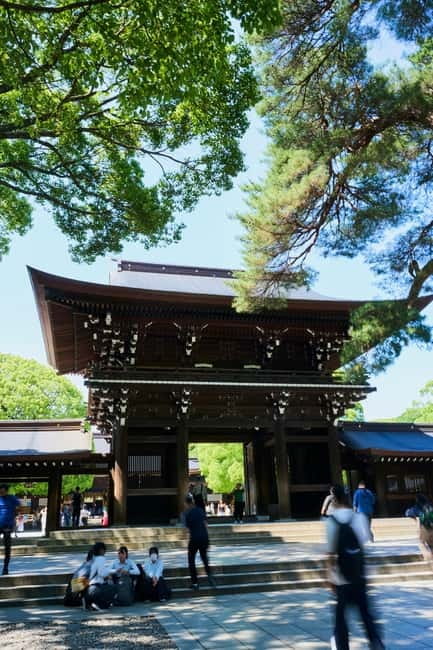
The Big Torii is one of the walk’s main visual moments. At 12 meters tall, it has a commanding presence, made more impressive by its position along the tree-lined approach. The gate is crafted from Taiwanese cypress described as 1,500 years old. You get around 10 minutes here for a look, photographs, and an explanation of its meaning.
A torii marks the entrance to sacred ground. One practical custom to remember is where to walk after passing through it. The middle of the path, known as seichu, is reserved for deities, so visitors are generally expected to keep to either side. It is a small detail, but it makes a real difference: you can take part in the visit with more confidence instead of wondering if you are breaking an unspoken rule.
This kind of guidance is one of the strongest reasons to book a tour rather than simply follow the path on your own. You still see the same gate and forest, but you have a better sense of how to behave and what the symbols mean. Guides have also helped visitors with the offering process, including providing coins when someone arrived without any. That sort of practical assistance can make the visit feel less like a test of local etiquette.
Emperor Meiji’s poems and the main shrine
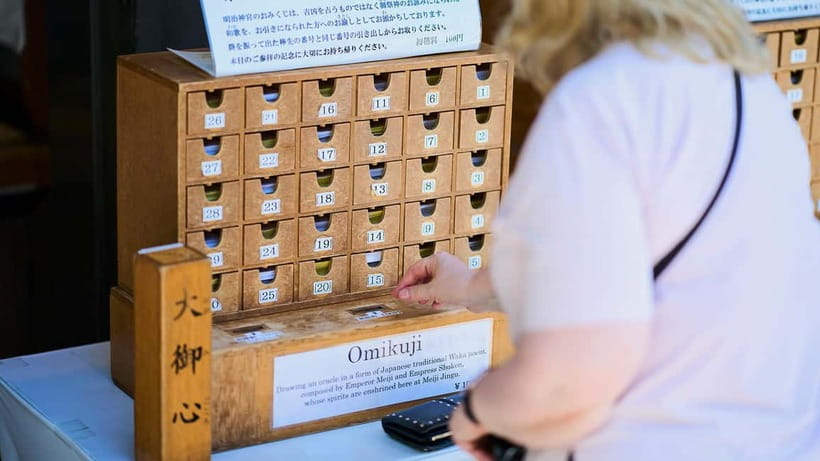
The next stop introduces poems written by Emperor Meiji and Empress Shoken. The tour highlights these imperial poems, with English translations available through a fortune called Omigokoro. This is a different experience from a standard fortune slip: the words are poems associated with the emperor and empress, presented in a way visitors who do not read Japanese can still understand.
The guide spends around 10 minutes on this part of the visit. It offers a more personal point of connection to the imperial figures at the heart of the shrine’s story. Rather than dealing only in dates and political change, you encounter words attributed to the people whose legacy the shrine commemorates.
At the main shrine, allow around 45 minutes for guided explanation, free time, sightseeing, and shopping. This is the tour’s longest stop, and rightly so. You can observe the shrine itself, learn how to pay your respects, and take time for activities such as making an offering or looking for an omamori, a protective charm. The guide can walk you through the customs so you know what to do and why.
The atmosphere is rooted in Shinto, Japan’s ancient religion, which is closely tied to respect for nature and harmony with the divine. Your guide’s role is not to turn the visit into a lecture on every part of Shinto belief. Instead, expect a practical introduction connected to the place you are standing in. That can help you make sense of the shrine’s rituals while leaving room for quiet observation.
The imperial theme also gives the visit a wider historical arc. The tour links the Meiji era with Japan’s move from samurai society to modern times, then brings that broad history back to the shrine grounds. Guides have used old photographs to show what the area looked like before construction began, a helpful visual aid if available on your departure. That kind of detail can make the site’s development easier to picture.
More walking tours in Tokyo:
- Tokyo Tsukiji Fish Market Food and Culture Walking Tour
★ 5.0 · 3,184 reviews - Tokyo: Imperial Palace and Shogun Historical Walking Tour
★ 5.0 · 2,251 reviews - Tokyo: Shinjuku Local Bar and Izakaya Guided Walking Tour
★ 4.9 · 1,794 reviews - Tokyo: Tsukiji Fish Market Food and Walking tour
★ 5.0 · 1,724 reviews
A pause at Mori no Terrace
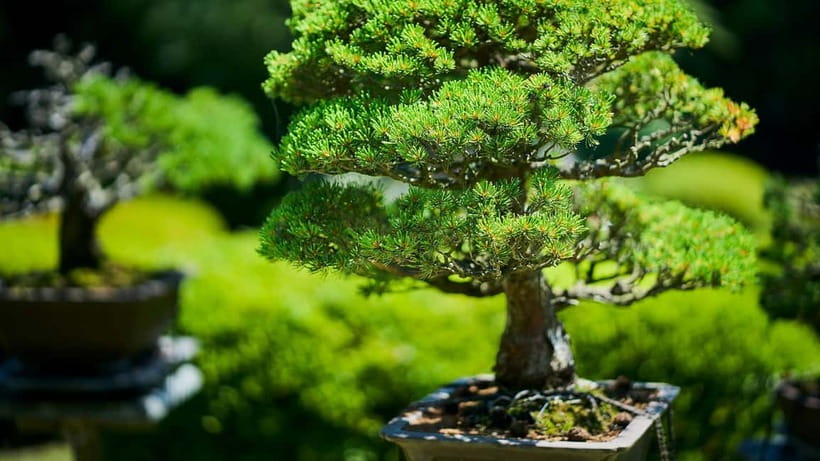
After the main shrine, the route ends at Forest Terrace Meiji Jingu and Café Mori no Terrace. The planned break is about 15 minutes. You can enjoy Japanese tea or a light snack while taking in the surroundings, or browse the gift shop for keepsakes.
The shop’s items include eco-blocks made from fragrant Japanese camphor and miniature barrels of sacred sake. These are more distinctive than the usual generic souvenir, especially if you want something small that recalls the shrine itself. The café stop is brief, so think of it as a pause rather than a full meal.
The finish is useful after the longer walk: you can sit down, reflect, and decide whether to linger on your own. The tour returns to Harajuku Station, keeping the route straightforward for the rest of your day.
What the guides add
A shrine can be beautiful without explanation, but a good guide helps you read it. The guides associated with this tour include Yuuka, Keiko, Ayaka, Yuuki, Nonoka, and others. Your particular guide depends on the departure, so do not book expecting a specific person unless that is confirmed when you reserve.
The strongest guide experiences described by participants share a few practical qualities: clear English, patience with questions, lively storytelling, and help with customs. Some guides have helped visitors write wishes, understand a fortune poem, or take photographs. Others have brought old pictures or added personal anecdotes to the history. These touches matter because they make the tour feel less like a set speech and more like a conversation.
The group limit of 10 supports that style. In a larger crowd, it can be harder to ask a question or hear a short explanation beside the path. With a smaller group, you have a better chance to get clarification and take part without feeling rushed. If the group is especially small, the walk may feel close to a private tour, though that is not guaranteed.
Price, pace, and who should book
At $23 per person, this is a good-value introduction to Meiji Shrine if you want more than a stroll and photographs. The fee covers an English-speaking guide and sightseeing tour. You are paying for interpretation and cultural orientation as much as for the route itself. A guide can help you understand shrine etiquette, the significance of the imperial poems, and the link between the site and Japan’s modern history.
The trade-off is time. The tour lasts 90 to 135 minutes, and the main shrine visit takes up a substantial share. If you want to explore every corner at your own pace, shop at length, or spend a long time at the café, you may prefer to return after the guided walk or visit independently. The tour gives you a structured overview, not unlimited time.
I would recommend it most to first-time visitors to Japan, anyone curious about Shinto, and people who want a practical introduction before visiting other shrines. It also suits you if you enjoy asking questions and connecting a place to the larger story of a country. If you already know the shrine well and want only a quiet, unstructured walk, the guide may add less value.
The tour is conducted in English only, with no Japanese-language support. It is offered for small groups of up to 10, and the start and meeting point can vary by option. You can reserve without paying immediately, and cancellation up to 24 hours in advance qualifies for a full refund.
Should you book the Meiji Shrine walk?

Book this tour if you want the forest, the shrine, and the customs to make sense as one experience. The best reason to go is the mix of calm scenery and clear cultural explanation, especially the walk beneath the Big Torii and the guidance on how to pay your respects. At $23, it is a modest price for a compact introduction to Shinto and the Meiji era.
Skip it if you want to wander entirely on your own or need a language other than English. For most first-time visitors, though, the guide’s context is the difference between seeing a beautiful shrine and understanding how to approach it.
FAQ
How long does the Meiji Shrine walking tour take?
The tour lasts between 90 and 135 minutes. Check the available start times when choosing an option.
What is the price?
The listed price is $23 per person.
Is the tour conducted in English?
Yes. The tour is conducted in English, and Japanese-language support is not available.
How large is the group?
The group is limited to 10 participants.
Where does the tour start and finish?
The starting location is Harajuku Station, though the exact meeting point may vary by option. The drop-off location is Harajuku Station.
What can I see or do at the main shrine?
The main shrine stop includes guided sightseeing and free time. You can pay your respects, shop for omamori protective charms, and find the Omigokoro fortune featuring poems by Emperor Meiji and Empress Shoken.
Can I cancel or reserve without paying right away?
Yes. You can cancel up to 24 hours in advance for a full refund, and the reserve-now, pay-later option lets you book without paying immediately.
Freshly reviewed in Tokyo
- Tokyo: Toshimaya Sake Brewery Tour with Sake Tasting★ 5.0 · 6 reviews
- :Tokyo,Shibuya /Meiji Shrine tour in KIMONO/English-friendly★ 5.0 · 4 reviews
- Tokyo: Tour Privado por Tokio en español★ 4.3 · 4 reviews
- Tokyo:Tea ceremony experience at Komaba Warakuan★ 4.8 · 9 reviews
- :Tokyo,Shibuya/ Pro Photography in Kimono / English-Friendly★ 5.0 · 26 reviews
- Tokyo:Samurai Training : Swords, Bushido & Mental Discipline★ 5.0 · 6 reviews
- Tokyo:Nikko UNESCO World Heritage Sites Private 1-Day Tour★ 3.8 · 6 reviews
- Tokyo:Mt Fuji & Hakone Day Tour with English Speaking Driver★ 5.0 · 26 reviews
Meiji Shrine Tours, compared.

Meiji Shrine, Asakusa, Skytree Bus Tour and Cruise
Read our review →
Tokyo Panoramic 1 Day: Meiji Shrine, Asakusa, Odaiba and SKYTREE®
Read our review →
Meiji Jingu Shrine and Shinto Culture Walking Tour
Read our review →
Meiji Shrine Walking Tour — Shintoism & Imperial System
Read our review →
1 Day Bus Tour with Meiji-Jingu,Odaiba,lunch&Skytree
Read our review →
Tokyo Morning Tour : Meiji Shrine, Asakusa and Fish Market
Read our review →
Full Tokyo: Meiji Shrine, Imperial Palace, Asakusa & Skytree
Read our review →
Meiji Jingu, Harajuku, Shibuya, and Shijuku Tour
Read our review →Browse the lists this tour appears in