
Reviewed · KAMAKURA TOURS
Enoshima Aquarium: Admission Ticket
Enoshima Aquarium makes the ocean feel connected rather than divided into a set of unrelated tanks. Its focus runs from nearby Sagami Bay out into the Pacific, with exhibits on the creatures and environments that link the two. I like that sense of place, and I like the mix of jellyfish and deep-sea exhibits with explanations and programs that give you more than a quick look at the animals.
At $18 per person, admission is a sensible choice if you want a flexible day indoors, especially when you have time to take the exhibits at your own pace. One caution: opening hours can change for holidays and events, and an early close for a private event has affected a visit before. Check the aquarium’s current hours before setting out.
Enoshima Aquarium at a glance
- Sagami Bay comes first: The opening exhibits set the scene with marine life from the waters close to the aquarium.
- The story reaches the Pacific: The aquarium connects local sea life with the wider ocean, giving the exhibits a clear theme.
- Look for jellyfish and deep-sea creatures: These displays bring attention to marine life beyond the familiar coastal species.
- Shows and programs add variety: Explanations and interactive activities offer ways to learn about the animals and their surroundings.
- Seasonal displays can change your visit: Temporary events mean the experience may differ depending on when you go.
- Three rail lines provide access: Katase Enoshima Station is the closest walk, at about three minutes.
Start with Sagami Bay
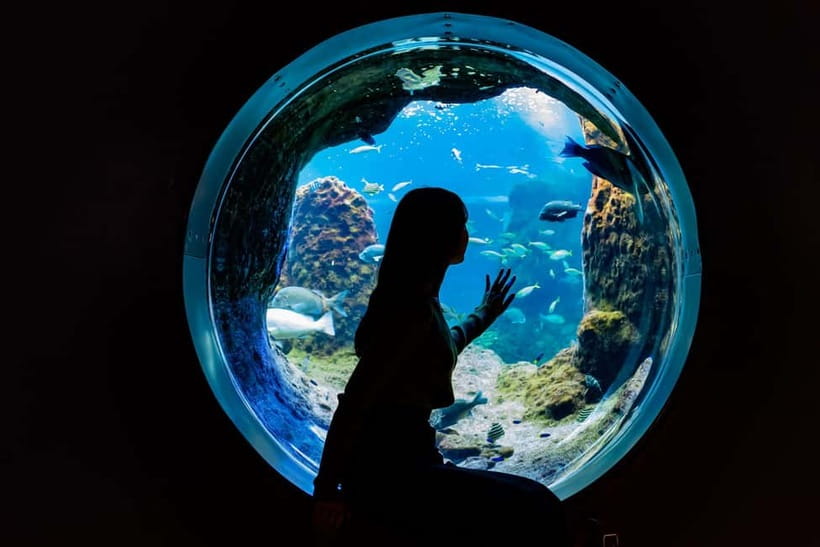
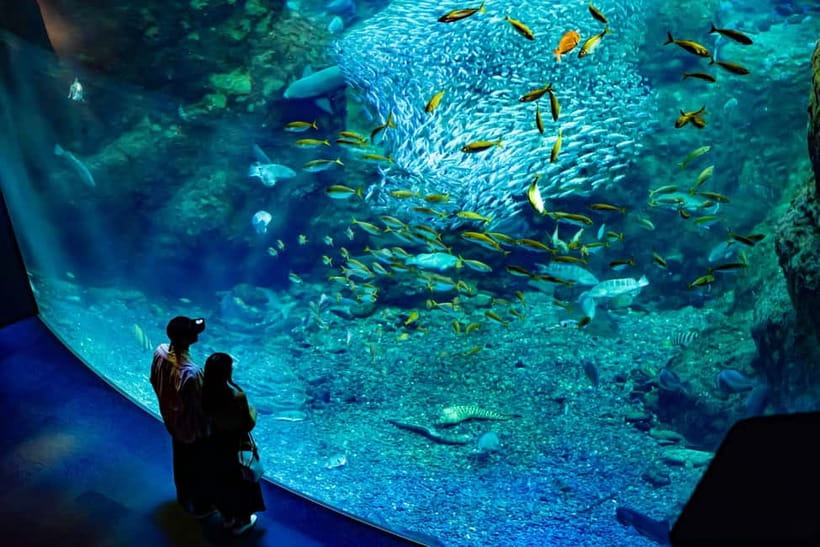
The aquarium’s route begins with Sagami Bay, a useful introduction to the place you are visiting. Instead of opening with a broad survey of ocean life, the exhibits first point you toward a nearby marine environment, then connect it to the Pacific. That local-to-wider-ocean approach gives the visit a thread to follow.
I’d give this first section a little time. It sets up the aquarium’s central idea: the sea is a web of habitats and living things, not just a collection of individual animals. If you are visiting with someone who likes to understand how a place works, this framing can make the displays feel more meaningful.
The supplied details do not name particular species in the Sagami Bay section, so it is best to arrive ready to explore rather than expecting a specific animal encounter. The aquarium also holds seasonal exhibits and temporary events, which can alter what is on view. That variety is a plus for repeat visits, though it means the exact experience depends on your date.
More Kamakura trips in Tokyo:
- Tokyo: Mt. Fuji, Kamakura, Big Buddha, & Lake Ashi Day Trip
★ 4.5 · 867 reviews - Tokyo:Sea of Mount Fuji, Hakone Ropeway, Ōwakudani, Enoshima
★ 4.9 · 84 reviews - Kamakura 8 hr Private Walking Tour with Licensed Guide from Tokyo
★ 5.0 · 80 reviews
From coastal water to deep-sea life
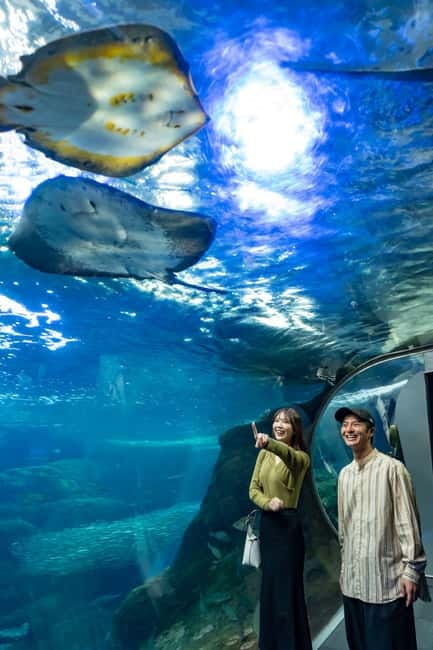
After the Sagami Bay exhibits, the visit moves toward the deep sea, then to jellyfish and other marine animals. The change in subject gives the route a natural progression: start with nearby waters, then look farther out and into less familiar parts of the ocean.
The deep-sea displays are a good reason to avoid rushing through. Their subject matter expands the visit beyond the coastal environment introduced at the start. The aquarium highlights creatures that may be unfamiliar to you, and that contrast helps explain why the Pacific is not one uniform habitat.
Jellyfish have their own place in the sequence. Their unusual forms and movement make them a different kind of draw from the other marine animals, and the aquarium presents them as part of its broader exploration of ocean life. If jellyfish are your main interest, check the aquarium’s current information before your visit for details about what is on display. The available details do not identify particular species or promise a specific exhibit lineup.
The route also includes a range of marine animals, but no fixed list is provided. Think of the visit as an introduction to connected ocean environments, rather than a guarantee that you will see a particular animal or show. That expectation is especially useful if you are planning around one favorite creature.
Explanations, shows, and seasonal programs
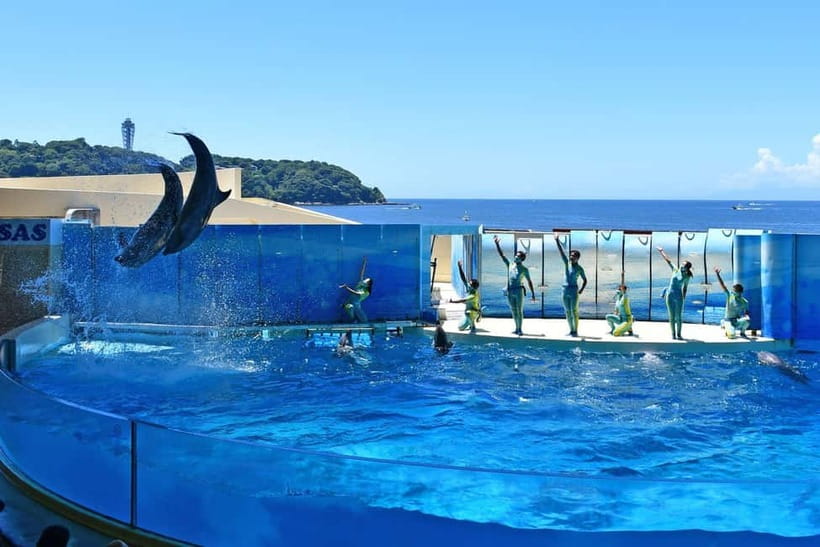
Exhibits are only part of the experience. Enoshima Aquarium also offers explanations, shows, and programs that let you interact with marine creatures or learn more about them. These activities can give the visit a change of pace, moving you from looking at displays to taking part in a scheduled or guided explanation.
The exact program schedule is not specified here, so you should check the aquarium’s website before you go if a particular show matters to your plans. The admission ticket covers entry, but the available information does not spell out whether every program has separate conditions. It is wise to confirm details rather than assume that every activity runs all day.
Seasonal exhibits and temporary events are another reason to check ahead. They can bring a fresh focus to a return visit, but they also make the day’s program less predictable from one season to another. If you are visiting only once, leave room in your schedule to see what is on offer when you arrive.
The overall approach is educational without making the visit feel like a lesson. You can pay close attention to the explanations, or simply enjoy the animals and displays. That flexibility makes the aquarium an appealing option if people in your group have different levels of interest.
How long to allow, and what $18 buys
The ticket is valid for one day, and the stated duration is one day. In practice, that means you can shape the visit around your own pace rather than follow a fixed tour itinerary. No guided tour or named guide is listed; this is admission to the aquarium, with its exhibits and available programs.
At $18 per person, the value depends on how much time you give the visit. If you move quickly through the displays, the ticket may feel less compelling. If you pause for explanations, explore the different marine environments, and take in a show or seasonal event when one is available, the price is easier to justify.
The ticket is for admission. The information provided does not specify food, transport, or other extras, so do not count those as part of the price. If you are comparing this with other activities in the area, consider whether you want a full indoor visit focused on ocean life, rather than a brief stop between other plans.
A practical point: admission may be restricted when the aquarium is crowded. That can affect your plans on busy dates, so avoid building a tight schedule around entering at a particular moment. The aquarium’s hours also vary by season, and special holiday periods or events can bring changes.
More aquarium visits in Tokyo:
- Tokyo: Art Aquarium Museum GINZA Entry Ticket
★ 4.5 · 278 reviews - Tokyo: Sumida Aquarium Entry Ticket
★ 4.6 · 70 reviews - Tokyo: Sunshine Aquarium Entry Ticket
★ 4.6 · 55 reviews
Getting there and planning your arrival
Katase Enoshima Station on the Odakyu Enoshima Line is the closest option, about a three-minute walk from the aquarium. From Enoshima Station on the Enoshima Dentetsu Line, allow about ten minutes on foot. Shonan Enoshima Station on the Shonan Monorail Line is also about ten minutes away.
The aquarium is open daily according to the stated schedule. From March through November, hours are 9 a.m. to 5 p.m. From December through February, it opens at 10 a.m. and closes at 5 p.m. Hours may change for spring holidays, summer holidays, the year-end and New Year period, or special events, so check the aquarium website for the date you plan to visit.
One reported visit on December 30, 2025, ended early because of a private event, and the visitor had to leave before seeing all the exhibits. That is not a reason to expect a closure on your date, but it is a good reminder to verify the schedule, especially around holiday periods. If you have a choice, an earlier arrival gives you more time in case hours or access change.
The aquarium is wheelchair accessible. Large or long luggage is not allowed inside, but paid coin lockers are available on the second floor. Flash photography is prohibited in some exhibit areas, and tripod or selfie-stick use may be restricted when the aquarium is busy. Keep your camera setup simple and follow signs in each area.
Visitors with disabilities receive half-price admission, as does one accompanying person for each eligible visitor. Bring the relevant certificate to present onsite. High school students must show their student ID.
Who will get the most from the visit
I’d recommend Enoshima Aquarium to you if you enjoy marine life, want an indoor activity with room to set your own pace, or are curious about how a nearby bay connects to the Pacific. The combination of exhibits, explanations, shows, and seasonal events gives you more than a walk past tanks, while still leaving the day flexible.
It also suits a mixed-interest group. Someone fascinated by jellyfish or deep-sea creatures can focus on those displays, while someone more interested in the broader ocean story can follow the aquarium’s focus on connected environments. The available details do not promise a specific show or species, so plan around the aquarium as a whole rather than one must-see attraction.
You may want to choose another activity if you need a tightly fixed schedule or are travelling with large luggage you cannot store. The risk of crowd-related admission restrictions and occasional changes to opening hours also calls for a little flexibility. A quick check of the official schedule is worth the few minutes.
Should you book Enoshima Aquarium?
Book if you want a self-paced look at Sagami Bay and Pacific marine life, with jellyfish, deep-sea exhibits, and educational programs in the mix. At $18, it offers fair value when you have time to explore rather than treating it as a short stop. Check current hours and event details before you go, and arrive with enough time to see the exhibits at an unhurried pace.
FAQ
How much does admission to Enoshima Aquarium cost?
The stated price is $18 per person. The ticket includes admission to the aquarium.
How long is the ticket valid?
The ticket is valid for one day.
What are the aquarium’s usual opening hours?
From March through November, the stated hours are 9 a.m. to 5 p.m. From December through February, they are 10 a.m. to 5 p.m.
Can opening hours change?
Yes. Hours may change for spring and summer holidays, the year-end and New Year period, or events. Check the aquarium website for the schedule on your visit date.
Which station is closest to the aquarium?
Katase Enoshima Station on the Odakyu Enoshima Line is about a three-minute walk away. Enoshima Station and Shonan Enoshima Station are each about a ten-minute walk.
Is Enoshima Aquarium wheelchair accessible?
Yes, the aquarium is wheelchair accessible.
Is the ticket refundable?
No. This activity is non-refundable.
Are there admission discounts for visitors with disabilities?
Yes. Visitors with disabilities and one accompanying person each can receive half-price admission. Present the relevant certificate onsite.
Can I bring a large bag, tripod, or selfie stick?
Large or long luggage is not allowed inside. Paid coin lockers are available on the second floor. Tripods and selfie sticks may be restricted during busy periods, and flash photography is prohibited in some exhibit areas.
Freshly reviewed in Tokyo
- Tokyo: Toshimaya Sake Brewery Tour with Sake Tasting★ 5.0 · 6 reviews
- :Tokyo,Shibuya /Meiji Shrine tour in KIMONO/English-friendly★ 5.0 · 4 reviews
- Tokyo: Tour Privado por Tokio en español★ 4.3 · 4 reviews
- Tokyo:Tea ceremony experience at Komaba Warakuan★ 4.8 · 9 reviews
- :Tokyo,Shibuya/ Pro Photography in Kimono / English-Friendly★ 5.0 · 26 reviews
- Tokyo:Samurai Training : Swords, Bushido & Mental Discipline★ 5.0 · 6 reviews
- Tokyo:Mt Fuji & Hakone Day Tour with English Speaking Driver★ 5.0 · 26 reviews
- Tokyo:Nikko UNESCO World Heritage Sites Private 1-Day Tour★ 3.8 · 6 reviews
Kamakura Tours, compared.
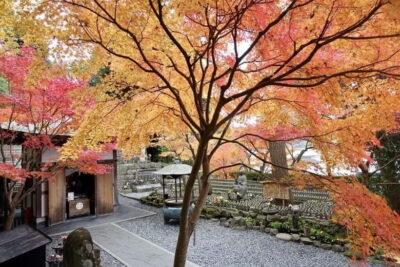
Kamakura & Enoshima Day Trip including Temple Tickets
Read our review →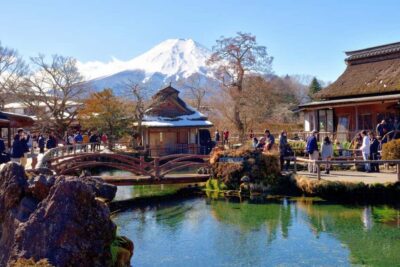
Mt. Fuji, Kamakura, Big Buddha, & Lake Ashi Day Trip
Read our review →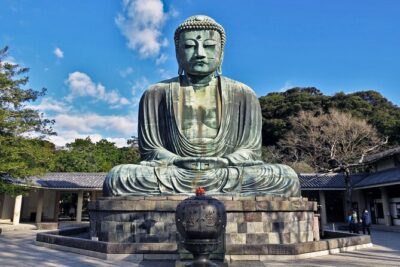
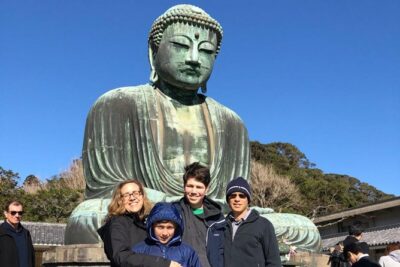
Kamakura Historical Walking Tour with the Great Buddha
Read our review →
Kamakura Private Tour: Temples, Nature, and the Great Buddha
Read our review →
Sea of Mount Fuji, Hakone Ropeway, Ōwakudani, Enoshima
Read our review →
Kamakura 8 hr Private Walking Tour with Licensed Guide from Tokyo
Read our review →Browse the lists this tour appears in