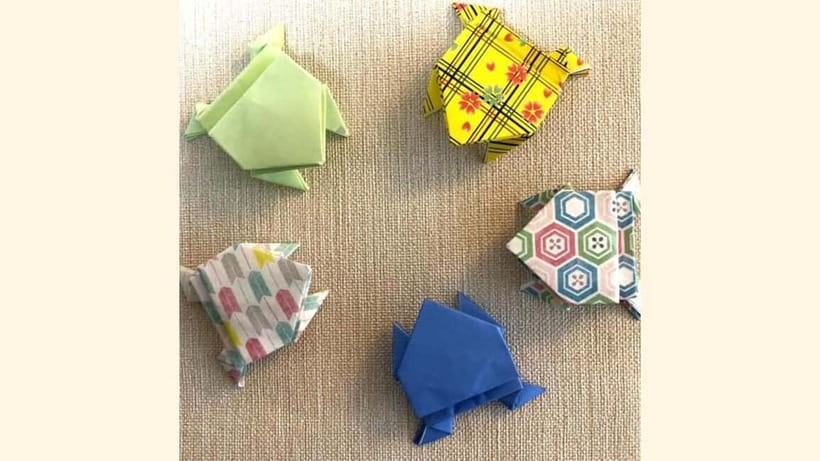
Reviewed · TOKYO TOURS
Tokyo: Learn Traditional Origami with a Local
Origami turns a plain square of paper into a crane, a frog, or a samurai helmet, and in this Shinjuku workshop Manami Watanabe shows you how, one careful fold at a time. She grew up in East Tokyo and has practiced since she was three, so the lesson connects hand skills with the stories and customs behind the shapes.
I like two things in particular: you choose from several designs and paper styles, and Manami explains the meaning of the figures as you make them. Her patient, step-by-step teaching is a real plus for beginners and families. The main caveat: experienced paper folders may find the choices too easy, and the designs cannot be customized on the spot.
Key things to know before you fold
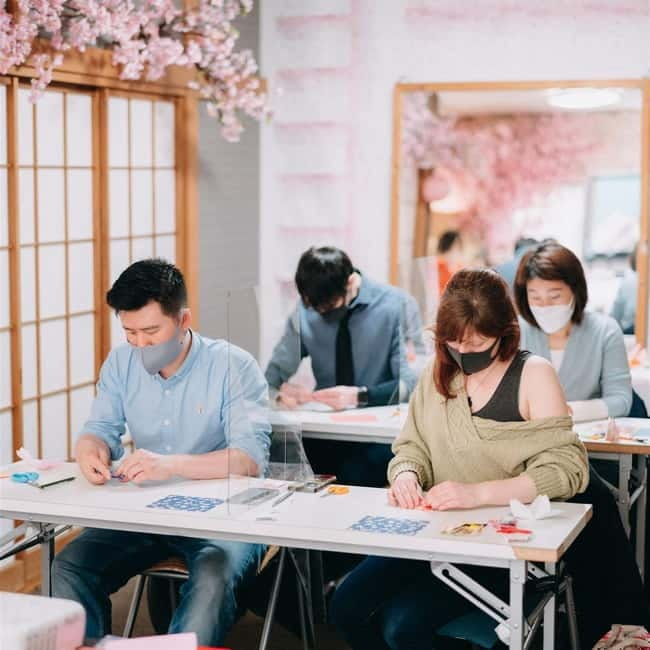
- Make three to five shapes: Choose from designs with different levels of difficulty, such as a crane, jumping frog, samurai helmet, box, or lotus.
- Hear the story as you work: Manami shares cultural context and personal memories, including the crane’s place in Japanese tradition.
- Pick your paper: The class provides both traditional and modern papers with decorative designs.
- Expect a beginner-friendly pace: Manami demonstrates each step and helps you when a fold goes awry.
- Find the class at FEEP Shinjuku Higashi-guchi: It is near Shinjuku-sanchome Station and accessible from the east gate of JR Shinjuku Station.
- Plan for the room and your group: The venue is a shared workspace with a locked entrance. Contact Manami when you reach the fifth floor.
A quiet craft break in the middle of Tokyo

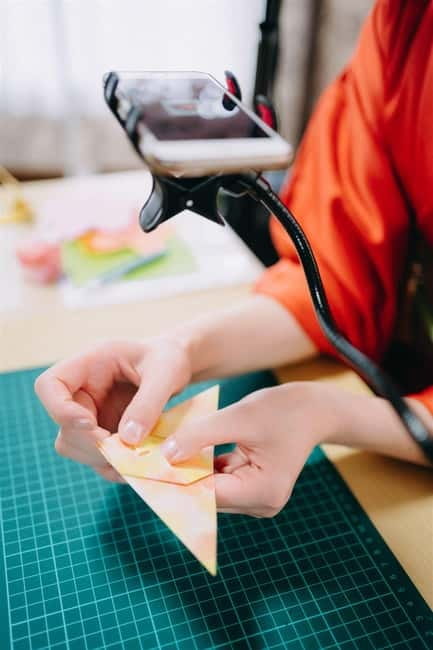
A 90-minute origami lesson offers a change of pace from Tokyo’s busy streets. You sit down, focus on a square of paper, and follow a sequence of folds until a familiar figure begins to take shape. It is hands-on without being strenuous, and you leave with a few small creations that fit easily in a bag.
The class is led in English by Manami Watanabe, a Tokyo native from the city’s east side who began folding paper as a child. That background matters: this is not only a lesson in getting the corners to line up. As you work, she talks about the history and meaning attached to each design, and at times draws on her own family and childhood memories.
I would think of the session as a cultural activity with a craft at its center, not a formal art course. You do not need prior experience. In fact, most of the class is planned for beginners, with clear demonstrations and time to ask for help. If you already fold intricate models, the selection may feel basic.
More tours and experiences in Tokyo:
- Mt Fuji and Hakone 1-Day Bus Tour Return by Bullet Train
★ 5.0 · 26,383 reviews - 1-Day Tokyo Bus Tour
★ 5.0 · 14,250 reviews - Tokyo: teamLab Planets TOKYO Digital Art Museum Entry Ticket
★ 4.6 · 9,779 reviews
Choose designs that suit your hands
Manami begins by showing designs at different levels of difficulty. You can choose the ones that interest you, then make three to five pieces during the session. That choice gives the class a little flexibility without turning it into a custom lesson: the available options are set, and they cannot be changed on site.
Past class choices have included a traditional crane, a jumping frog, a samurai helmet, an open box, and a lotus flower. Some are familiar symbols; others are simply satisfying to make. The range means a family or group can choose different shapes rather than all working on one project.
You also select paper for each piece. The supply includes traditional and modern origami papers with decorative designs, so you can match a sheet to the figure you are making. That small choice helps make the finished work feel personal, even though everyone follows the same basic instructions.
Do not worry if your first folds look less crisp than Manami’s. The key is to follow the demonstration, take your time, and ask for help when you need it. She guides people through each step and helps improve fold lines without taking over the work. Several families have appreciated how she keeps children involved and checks that they are keeping pace.
Fold, listen, and learn the meaning
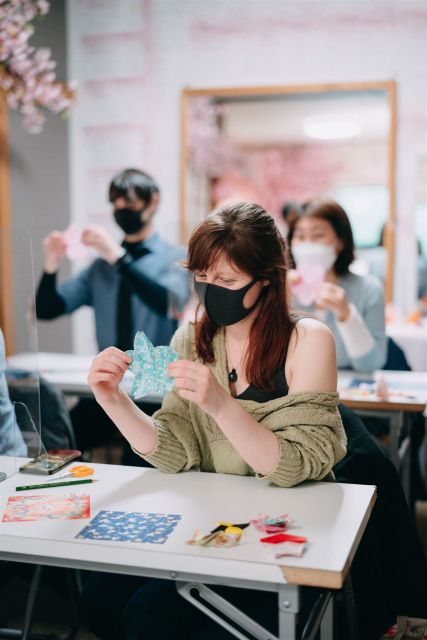
The class moves between instruction and conversation. Manami shows you how to make a fold, gives you time to try it, and helps when a corner does not quite meet. As each shape comes together, she shares its story or cultural significance. The crane is a good example: it is more than a pretty figure, and its place in Japanese culture gives the folding a layer of meaning.
You may also notice that some designs begin with similar folds. One participant found it useful to learn that many figures follow a shared starting pattern. That makes the activity more than a set of isolated instructions: you begin to recognize how a few basic techniques can lead to different results.
The pace is gentle rather than rushed. The goal is to finish a handful of figures within 90 minutes, not to master every fold in a single sitting. Some people manage three pieces; others complete four or five. Your choice of models and how quickly you work will shape the number.
The personal stories are part of what makes the lesson feel rooted in place. Manami has practiced since age three, and she brings her own connection to origami into the explanations. You are not simply copying a diagram from a book. You can ask questions and hear context while your hands are busy.
What the 90 minutes feel like
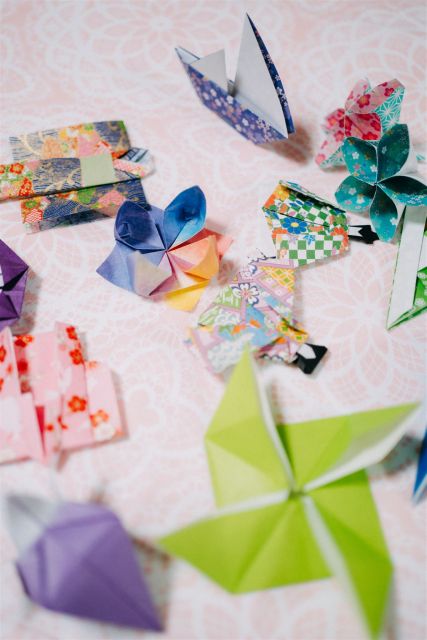
The session starts with a look at the design choices. You decide which figures appeal to you and select a sheet of paper for each. That opening matters because it lets you set a comfortable level: pick simpler forms if you want an easy introduction, or choose a more involved option from the available designs.
Then comes the main part of the class, with Manami demonstrating each stage and giving you time to follow along. There is no need to memorize a long sequence in advance. You can stop to ask for clarification or request help, and the instructor will guide you through the troublesome fold.
As you complete each figure, the class makes room for the stories behind it. The lesson is therefore not just a series of craft instructions, but it is also not a long history talk with paper as an afterthought. The cultural background is tied to the object in your hands, which makes it easier to remember.
At the end, you can take photos of your finished pieces and bring them home in the small bags provided. Origami travels well: it is lightweight, takes up little room, and can serve as a simple reminder of your time in Tokyo. You also get water and some snacks during the session.
For a different side of the same trip:
- Mt Fuji & Hakone Cruise, Drum Show Bullet Train 1 Day from Tokyo
★ 4.0 · 7,413 reviews - Tokyo: Sumo Show Experience with Chicken Hot Pot and a Photo
★ 4.8 · 6,678 reviews - Tokyo: Shinjuku Food Tour (13 Dishes at 4 Local Eateries)
★ 5.0 · 6,603 reviews - Tokyo Mt Fuji 5th St & Hakone Cruise Bus Tour w/Bullet Train
★ 4.4 · 5,024 reviews
Is $58 fair value?
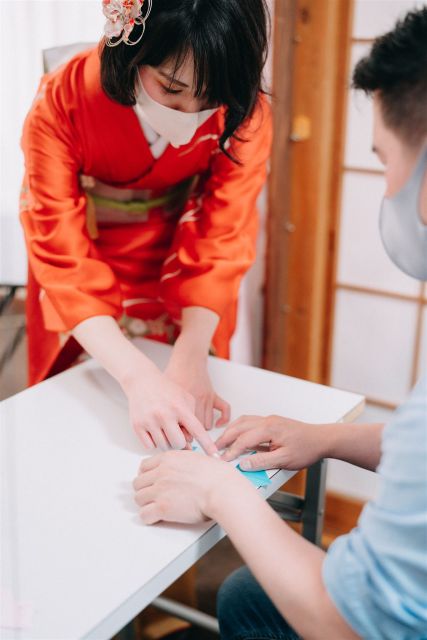
At $58 per person, this costs more than buying paper and following an online tutorial. You are paying for a 90-minute, English-language lesson with an instructor who offers individual guidance, a selection of papers, and explanations of the figures’ meaning. Scissors, pens, water, snacks, and a small bag for your work are included.
The value depends on what you want from the activity. If your aim is simply to learn one basic crane fold as cheaply as possible, the price may feel high. One participant found it a little pricey, even while recommending the class. That is a fair distinction: this is a hosted cultural experience, not a paper-supply bargain.
If you want an easy introduction with a local instructor, several designs to take home, and time to ask questions, the cost is easier to justify. Families may find particular value in the patient teaching. An adult visitor who brought along a grown son said he ended up enjoying it, while a family with an eight-year-old appreciated that Manami took time to help the child keep up. The activity can work across ages, though the venue needs advance notice for children under seven and for older participants or anyone who needs special care.
Getting to the Shinjuku meeting room
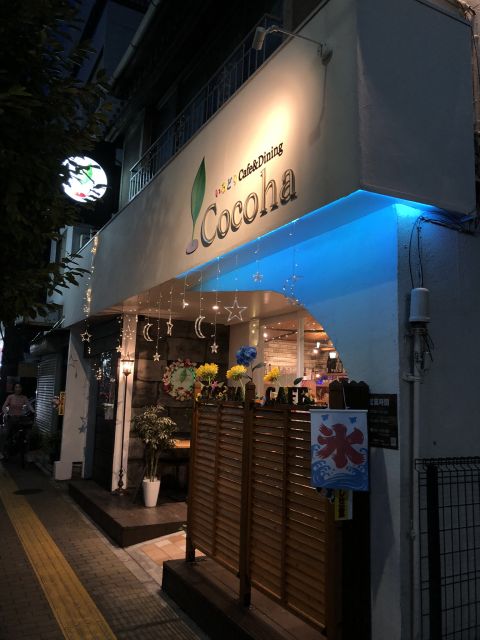
The class meets at FEEP Shinjuku Higashi-guchi, in the Shinseido Building, fifth floor, at 3-29-11 Shinjuku, Shinjuku-ku. The closest station listed is Shinjuku-sanchome, served by metro lines M09, F13, and S02. You can also reach it from the east gate of JR Shinjuku Station.
FEEP is a shared workspace, with meeting booths across the floor, not a street-level shop with an obvious open entrance. The entrance is locked, so message Manami when you reach the fifth floor. One group had trouble finding the meeting point, and Manami waited for them, but I would still check the address and route before setting out. Pick-up from the train station is not included.
The activity is listed as wheelchair accessible. If anyone in your party is under seven, elderly, or needs special care, tell the host in advance because the venue needs to be changed. That is a practical detail to sort out before booking, especially if you are arranging the activity for a family or mixed-age group.
Who will enjoy this class most?
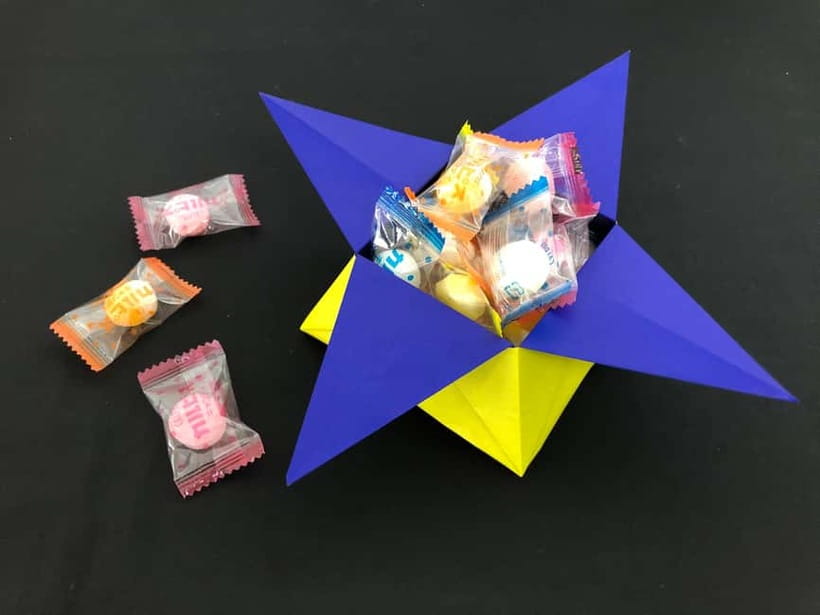
This is a good fit if you are curious about Japanese culture and want to make something with your hands rather than spend the whole day looking at displays. Solo visitors can enjoy the focused instruction and conversation, while couples and friends can make different designs side by side. Families with children old enough to take part can share the activity without needing everyone to have the same skill level.
It also suits people who like quiet, careful activities. Folding paper asks for attention, but the atmosphere is encouraging, and there is no expectation that you arrive with craft experience. The finished pieces give you something tangible to take home, and the stories may help you recall what each figure meant.
I would hesitate if you are an experienced origami maker looking for advanced models or a tailored challenge. The choices are designed mainly for beginners, and Manami cannot customize them at the venue. If you are unsure, consider whether making a few accessible figures and hearing their context is enough for you. If so, the simplicity is part of the appeal.
Should you book it?
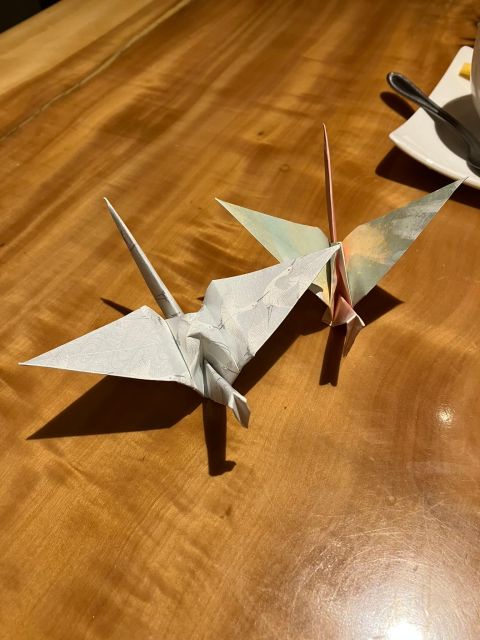
Book this class if you want a personal, low-key introduction to origami with time for both instruction and cultural context. Manami’s patient guidance is its strongest point, particularly if you are new to folding or bringing children. The paper selection, small take-home pieces, and stories attached to the designs make the 90 minutes feel like more than a basic craft demonstration.
Skip it if you already have strong origami skills and want advanced techniques, or if you are mainly looking for the least expensive way to learn a single pattern. For everyone else, it is a useful choice for a quieter stretch in a Tokyo itinerary, with the added pleasure of taking home something you made yourself.
FAQ
How long is the origami class?
The class lasts 90 minutes.
How many origami designs will I make?
You can make three to five shapes, depending on your choices and pace.
Is the class suitable for beginners?
Yes. The class is designed mainly for beginners, with step-by-step demonstrations and help available throughout.
What kinds of designs can I choose?
Options may include a crane, jumping frog, samurai helmet, open box, and lotus flower. The available designs are not customizable on site.
What is included in the price?
Origami paper in traditional and modern styles, scissors, pens, small bags for your finished pieces, water, and some snacks are included.
Where is the meeting point?
The class meets at FEEP Shinjuku Higashi-guchi, Shinseido Building, fifth floor, 3-29-11 Shinjuku, Shinjuku-ku. The nearest listed station is Shinjuku-sanchome, and the location is also accessible from the east gate of JR Shinjuku Station.
Is the class wheelchair accessible, and should I mention special needs?
The activity is listed as wheelchair accessible. Tell the host in advance if your group includes a child under seven, an elderly participant, or someone who needs special care, as the venue needs to change.
Freshly reviewed in Tokyo
- Tokyo: Toshimaya Sake Brewery Tour with Sake Tasting★ 5.0 · 6 reviews
- :Tokyo,Shibuya /Meiji Shrine tour in KIMONO/English-friendly★ 5.0 · 4 reviews
- Tokyo: Tour Privado por Tokio en español★ 4.3 · 4 reviews
- Tokyo:Tea ceremony experience at Komaba Warakuan★ 4.8 · 9 reviews
- :Tokyo,Shibuya/ Pro Photography in Kimono / English-Friendly★ 5.0 · 26 reviews
- Tokyo:Samurai Training : Swords, Bushido & Mental Discipline★ 5.0 · 6 reviews
- Tokyo:Mt Fuji & Hakone Day Tour with English Speaking Driver★ 5.0 · 26 reviews
- Tokyo:Nikko UNESCO World Heritage Sites Private 1-Day Tour★ 3.8 · 6 reviews
Tokyo Tours, compared.

Mt Fuji and Hakone 1-Day Bus Tour Return by Bullet Train
Read our review →

teamLab Planets TOKYO Digital Art Museum Entry Ticket
Read our review →
Mt Fuji & Hakone Cruise, Drum Show Bullet Train 1 Day from Tokyo
Read our review →
Shinjuku Food Tour (13 Dishes at 4 Local Eateries)
Read our review →
Tokyo Mt Fuji 5th St & Hakone Cruise Bus Tour w/Bullet Train
Read our review →
Flagship 2-Hours Official Street Go-Kart Tour – Tokyo Bay Shop
Read our review →