
Reviewed · HARAJUKU TOURS
Private Harajuku Omotesando Architecture Tour
Harajuku and Omotesando are more than a parade of shops. On this private architecture walk, you trace a route from the great wooden entrance to Meiji Shrine through streets where striking buildings share the stage with ordinary neighborhood life.
I like two things in particular: the chance to study landmark designs such as Prada and SunnyHills up close, and the turn into back streets that reveals a less polished, more everyday side of the area. A private guide can also shape the walk around your interests, whether you want to focus on buildings or the neighborhood itself.
One thing to plan for: 210 minutes is longer than the three hours suggested in the tour description, and you will be on foot, so bring comfortable shoes. The price is $129 per person, with drinks during a cafe break included, but meals and transport to the meeting point are not.
- Start at Meiji Shrine’s wooden entrance: Meet at Mori no Terrace cafe in the open space by the shrine entrance, not at the similarly named cafe inside the shrine.
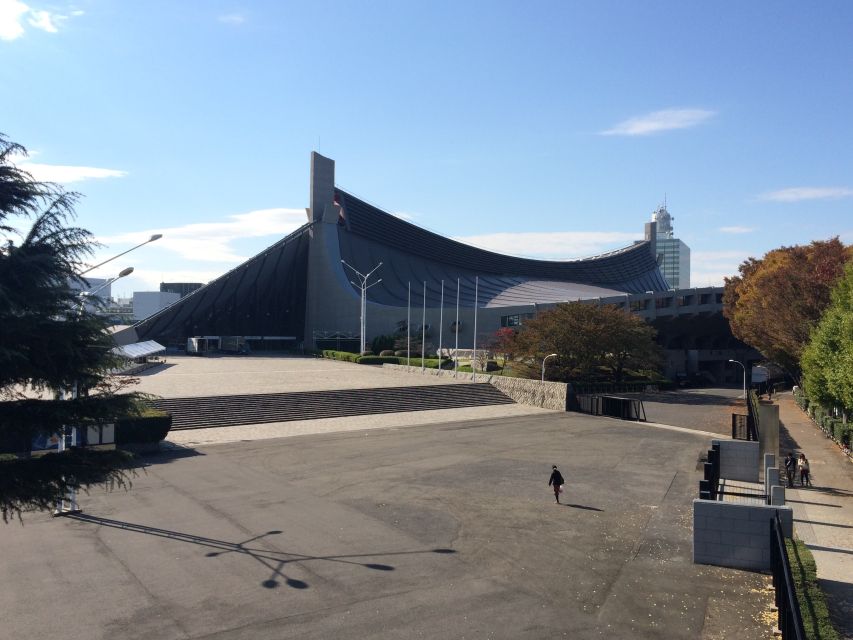
- See major buildings in a compact route: The walk features The Iceberg, Dior, Louis Vuitton, SunnyHills, and Prada, alongside a distant view of Yoyogi Gymnasium.
- Go beyond the shopfronts: A side trip into local back streets, including Cat Street on some routes, offers a different feel from Omotesando’s grand retail strip.
- Make it your own: This is a private group tour, and guides have adjusted routes to include buildings and interests requested in advance.
- Consider a night walk: The tour can be taken at night, when the buildings offer a different viewing experience.
- Pause for a drink: A cafe break is included, though meals are not.
From Meiji Shrine’s wooden gate to Yoyogi Gymnasium
The meeting point is CAFÉ Mori no Terrace, at 1 Yoyogikamizonocho in Shibuya. It sits in the large open area by Meiji Shrine’s wooden entrance gate. From JR Harajuku Station, leave by the Omotesando exit and walk toward the forest. You do not pass through a Shinto gate to reach the cafe.
That last detail matters. There is a similarly named cafe inside Meiji Shrine, so check the address before setting off. Starting here gives the walk a useful contrast: the shrine’s wooded setting is close by, but the tour turns toward the buildings and busy streets of Harajuku and Omotesando.
The first architectural landmark is Yoyogi Gymnasium, viewed from a distance. This is not a tour of the building’s interior, and the itinerary does not promise an inside visit. Even so, the view helps place the area’s modern architecture in a broader context before you move on to the storefronts and contemporary designs.
A licensed English-speaking guide leads the private group. Past guides have included Sakai Mari, Taka, Fuki, Yoshi, and Hal. Taka, a retired urban planner who studied at MIT, was especially well suited to explain the city’s architecture and Japanese architects, including Pritzker Prize winners. The tour’s strongest feature is that the guide is not simply pointing out facades. You can ask why a building matters, how an architect approached it, and what makes this neighborhood different.
Omotesando’s buildings are part of the street
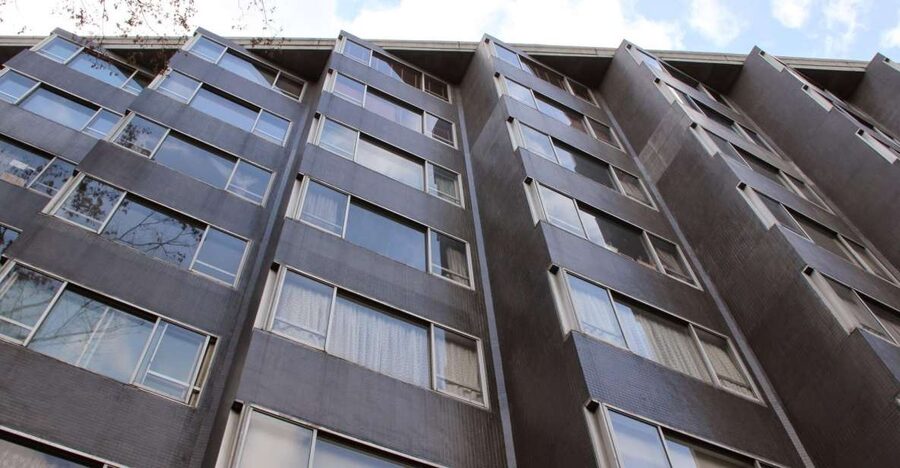
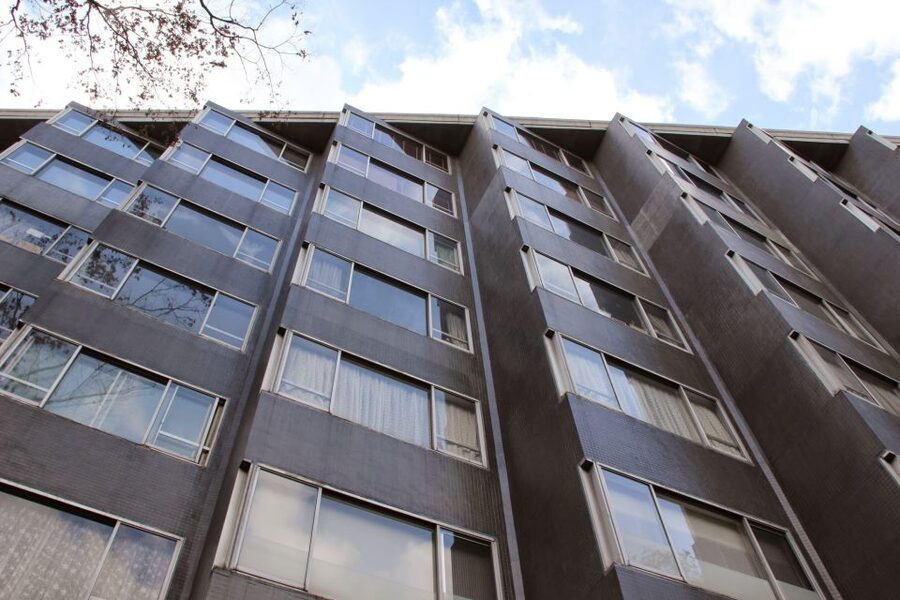
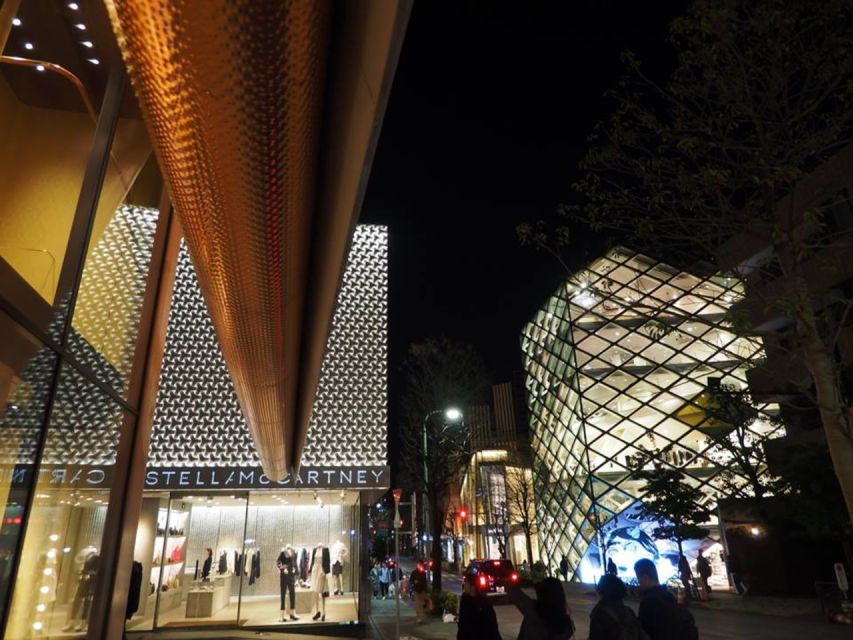
Omotesando is known for high-end boutiques, but the appeal here is not just the labels on the doors. The walk draws attention to the buildings that house them, with stops at The Iceberg, Dior, Louis Vuitton, SunnyHills, and Prada. These are the kinds of names you may already recognize, but seeing them as architectural works changes the way you look at the street.
The tour focuses on the relationship between design and retail. Why do major designers and architects choose this area? How does a shop building shape the feel of a street? Your guide can help you consider those questions as you move between the landmark structures. The emphasis is on looking closely and understanding the choices behind the buildings, rather than treating the route as a shopping excursion.
This is also a practical way to see several well-known architectural works in a single walk. If you have only a short time in Tokyo, the route gives you a focused introduction to an area that might otherwise register as a string of luxury storefronts. If you are keen on architecture, it offers more context than a self-guided stroll, especially when your guide can respond to the buildings you want to discuss.
There is a limit to what a street-level tour can show. The experience is about viewing buildings from the outside and hearing their stories while walking. The supplied details do not promise interior access, and you should not book expecting a tour of shops or private spaces. You will get the most from it by paying attention to the architecture as you pass, and by using the private format to ask questions.
More Harajuku tours in Tokyo:
- Tokyo Go-Kart Tour Shibuya-Harajuku-Shinjuku (*IDP Required)
★ 5.0 · 217 reviews - Tokyo: Guided Go Kart Tour from Harajuku to Shibuya Crossing
★ 4.5 · 166 reviews - Shibuya & Harajuku: Hidden Gems & Highlights Private Tour
★ 4.7 · 139 reviews
The back streets show another side of the neighborhood
The walk also steps away from Omotesando’s broad, polished retail corridor. In the back streets, you can see a wider range of local lifestyles and a less formal side of the district. Cat Street may be part of the route, and it has been described as a lively, cozy neighborhood worth returning to on your own.
That shift is central to the tour’s appeal. Omotesando and Harajuku are often reduced to two simple ideas: luxury shopping and youth fashion. The walk pushes past those labels. You move between famous buildings and smaller streets, which helps explain why the area feels distinctive rather than like a Japanese copy of another luxury shopping district such as Ginza.
A private route is useful here because your guide can adapt the walk to your interests. If you name buildings or architectural subjects you want to see, the guide may be able to include them. One past guide, Fuki, made room for every building her group had mentioned in advance, and also talked about less dramatic structures along the way. That kind of attention is more valuable than a checklist of famous stops: it helps you notice what would otherwise be easy to walk past.
Expect the balance between architecture and neighborhood life to depend partly on your questions and preferences. If you want a concentrated discussion of landmark buildings, say so. If you are curious about the back streets, ask your guide to make room for them. The private format gives you more say than a large fixed-route group, but it is still a 210-minute walk with a set starting point and a limited amount of time.
A cafe pause and the option of a night walk
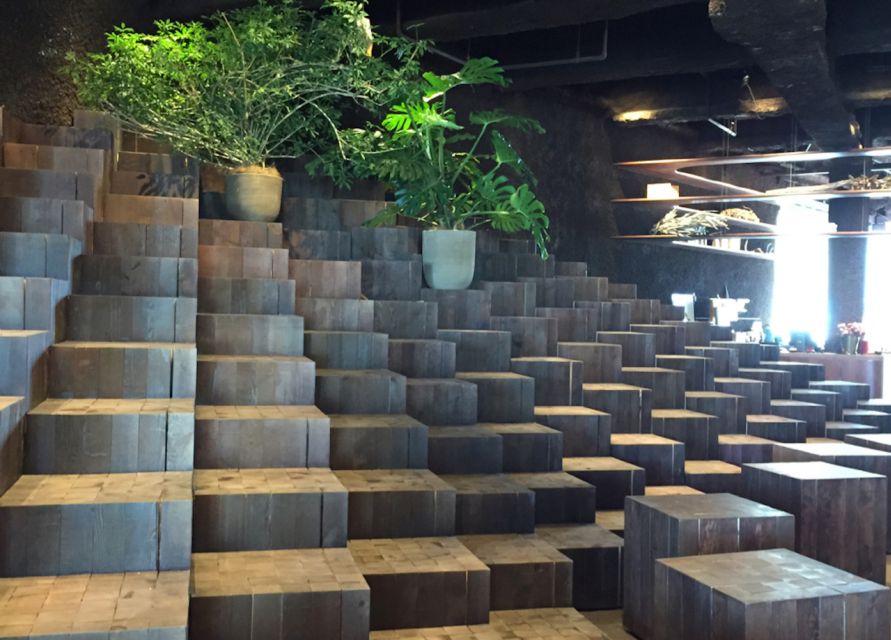
A short cafe break with drinks is included. It offers a chance to rest and watch people pass along Omotesando’s sleek streets, rather than racing from one building to the next. Meals are not included, so treat this as a pause, not a lunch plan.
The tour can also be taken at night. The same buildings can look different after dark, and the tour highlights nighttime viewing as a way to appreciate the architecture from another perspective. Starting times vary, so check the available options when booking. No specific lighting effects or night-only stops are promised, so think of the evening option as a change in atmosphere, not a separate itinerary.
Bring comfortable shoes. The tour is listed as wheelchair accessible, but the provided details do not explain the route’s surfaces or any specific access arrangements. If you need particular support, confirm the practical details with the operator before you book.
Is $129 per person a fair price?
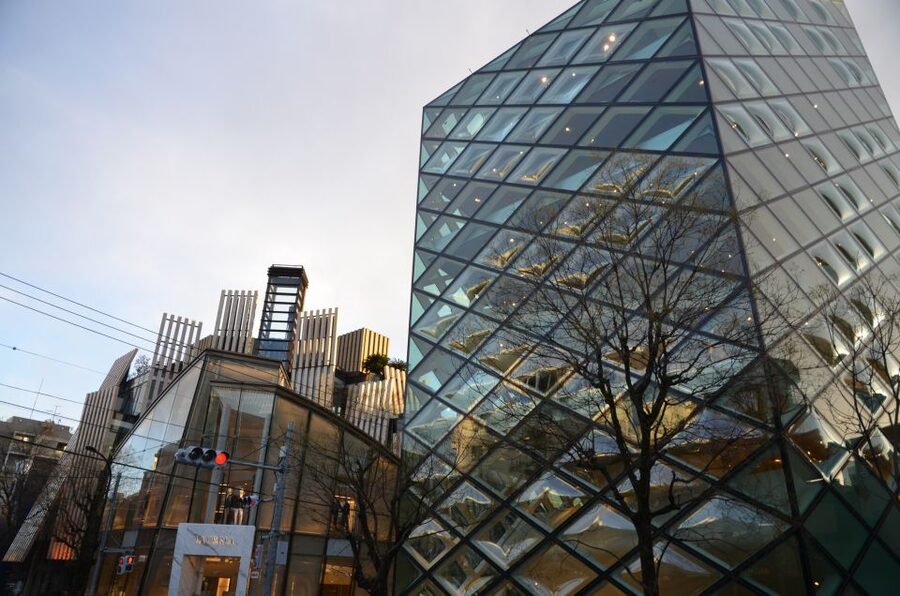
At $129 per person, you are paying for a licensed English-speaking guide and a private group experience lasting 210 minutes. Drinks during the cafe break are included. Transport to and from Harajuku and Omotesando, as well as meals, are extra.
The value depends on what you want from the neighborhood. If you only want to see the shops, you can walk the main streets on your own. The guide’s value comes from connecting the buildings to Japanese architecture, explaining why Omotesando attracts designers, and helping you read the back streets as part of the area rather than as a detour.
It is especially worthwhile if you have a strong interest in architecture, or if you prefer a local guide who can answer questions and adjust the route. The private format also makes the per-person cost easier to justify for a couple or small group who would rather set the pace together than follow a larger party. If you are traveling solo, you still get the same private attention, but the $129 price may feel steeper compared with a group walk.
The tour’s high praise has centered on the guides’ subject knowledge, enthusiasm, and flexibility. People have particularly valued learning about Japanese architects and being able to recognize buildings later in their Tokyo visit. That is a useful measure of the experience: you leave with more than a few photographs, and may find yourself looking at the city differently.
More tours and experiences in Tokyo:
- Mt Fuji and Hakone 1-Day Bus Tour Return by Bullet Train
★ 5.0 · 26,383 reviews - 1-Day Tokyo Bus Tour
★ 5.0 · 14,250 reviews - Tokyo: teamLab Planets TOKYO Digital Art Museum Entry Ticket
★ 4.6 · 9,779 reviews - Mt Fuji & Hakone Cruise, Drum Show Bullet Train 1 Day from Tokyo
★ 4.0 · 7,413 reviews
Who should book this architecture walk?
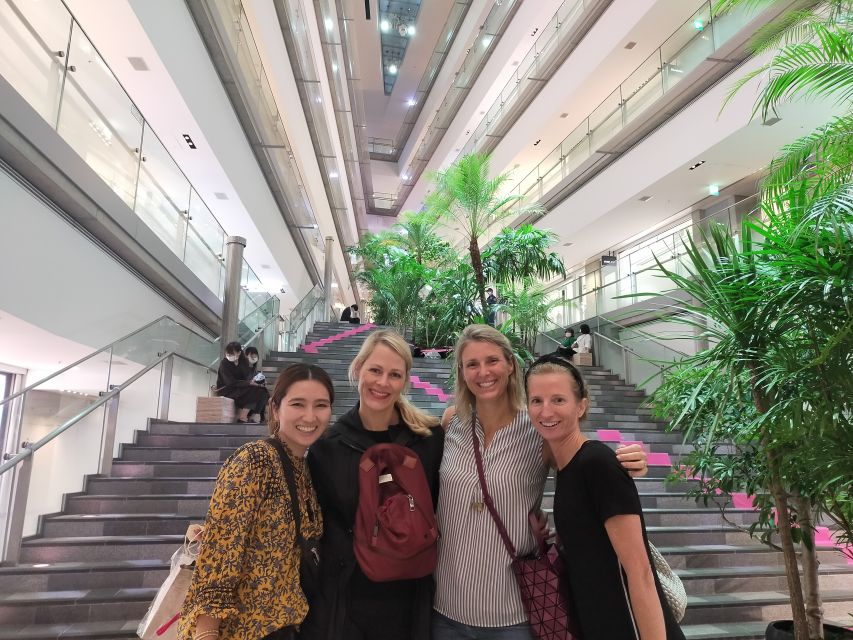
Book it if buildings are part of why you travel, or if you want a more thoughtful way to explore Harajuku and Omotesando than shopping alone. It suits curious visitors who enjoy asking questions, noticing design details, and mixing famous landmarks with side streets. The guide’s ability to tailor the route is a real advantage, so consider sharing your interests in advance.
It is less compelling if you want a fast, low-cost overview or a tour focused on fashion shopping. Three and a half hours is a substantial walk, and the experience centers on architecture and the neighborhood rather than buying anything. You will also need to make your own way to the meeting point and plan meals separately.
For the best fit, choose a time that suits your interest in daytime street life or nighttime views, wear comfortable shoes, and arrive at Mori no Terrace rather than the cafe inside the shrine. If those details work for you, this is a strong way to see why Omotesando is more than Tokyo’s answer to a luxury shopping strip.
FAQ
How long is the tour?
The tour lasts 210 minutes, or three and a half hours.
What is the price?
The listed price is $129 per person.
Where does the tour meet?
Meet in front of CAFÉ Mori no Terrace, in the open space by the large wooden entrance gate to Meiji Shrine. The address is 1 Yoyogikamizonocho, Shibuya City, Tokyo 151-0052.
How do I reach the meeting point from Harajuku Station?
From JR Harajuku Station, use the Omotesando exit and walk toward the forest. You do not go through any Shinto gates to reach the cafe.
Is the tour private, and what language is it in?
Yes. It is a private group tour with a live English-speaking guide.
Are meals and transport included?
No. Meals and transportation to and from the Harajuku Omotesando area are not included. A break with drinks is included.
Can I take the tour at night?
Yes. A night tour is offered as an option. Check availability for starting times.
Freshly reviewed in Tokyo
- Tokyo: Toshimaya Sake Brewery Tour with Sake Tasting★ 5.0 · 6 reviews
- :Tokyo,Shibuya /Meiji Shrine tour in KIMONO/English-friendly★ 5.0 · 4 reviews
- Tokyo: Tour Privado por Tokio en español★ 4.3 · 4 reviews
- Tokyo:Tea ceremony experience at Komaba Warakuan★ 4.8 · 9 reviews
- :Tokyo,Shibuya/ Pro Photography in Kimono / English-Friendly★ 5.0 · 26 reviews
- Tokyo:Samurai Training : Swords, Bushido & Mental Discipline★ 5.0 · 6 reviews
- Tokyo:Mt Fuji & Hakone Day Tour with English Speaking Driver★ 5.0 · 26 reviews
- Tokyo:Nikko UNESCO World Heritage Sites Private 1-Day Tour★ 3.8 · 6 reviews
Harajuku Tours, compared.

Tokyo Go-Kart Tour Shibuya-Harajuku-Shinjuku (*IDP Required)
Read our review →
Guided Go Kart Tour from Harajuku to Shibuya Crossing
Read our review →
Shibuya & Harajuku: Hidden Gems & Highlights Private Tour
Read our review →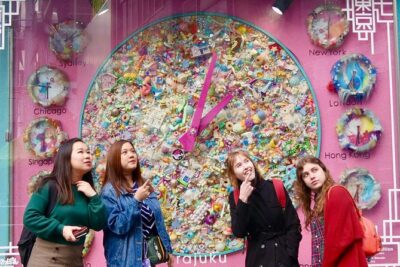
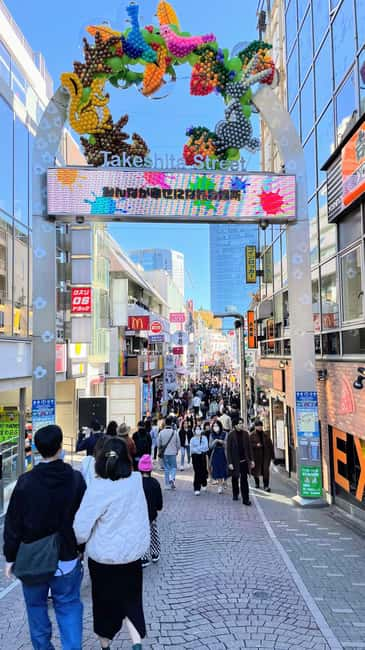
Meiji Jingu, Harajuku, Shibuya, and Shijuku Tour
Read our review →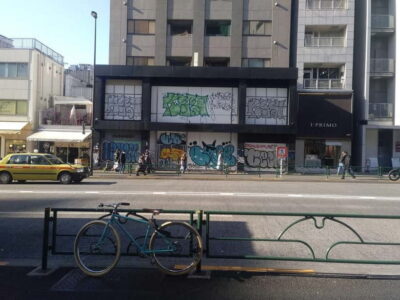
Graffiti in Tokyo Walking Tour: Shibuya and Harajuku
Read our review →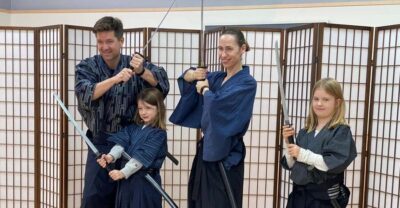
SAMURAI EXPERIENCE in Tokyo(Harajuku)【SAMURAI’ve】
Read our review →
Tokyo Bike Tour: Shibuya, Harajuku & Hidden Gems
Read our review →Browse the lists this tour appears in