Reviewed · TOKYO TOURS
Private Ginza Architecture Tour
Ginza’s architecture tells a better story when you see its contrasts side by side: a temple with an Indian-style exterior and church-like interior, a Kabuki theater shaped by tradition, and modern buildings that look toward the future. I like the way this private walking tour links those different ideas, and I like that it slips into a backstreet neighborhood as well as the famous avenues.
The main consideration is time and cost: at $129 per person for 210 minutes, this is a focused architecture tour, not a general Ginza introduction. You pay for a private English-speaking guide and a specific point of view, so it makes most sense if buildings and urban design are a real part of your interest in Tokyo.
Key points to know
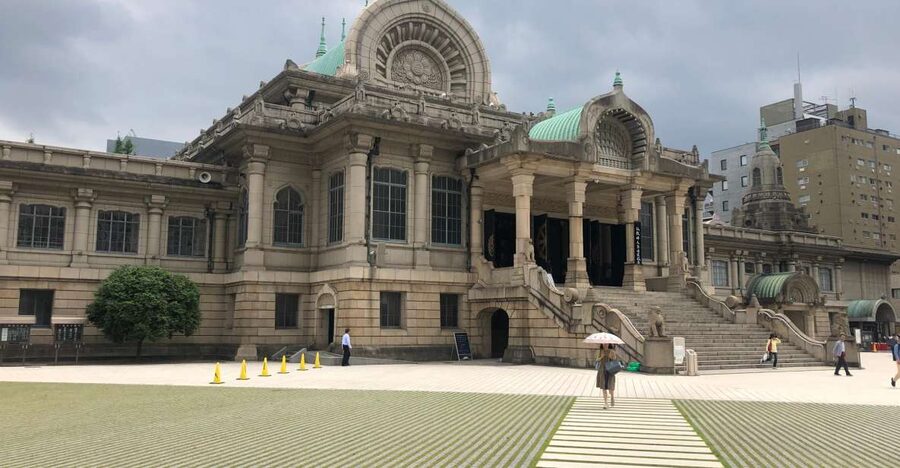
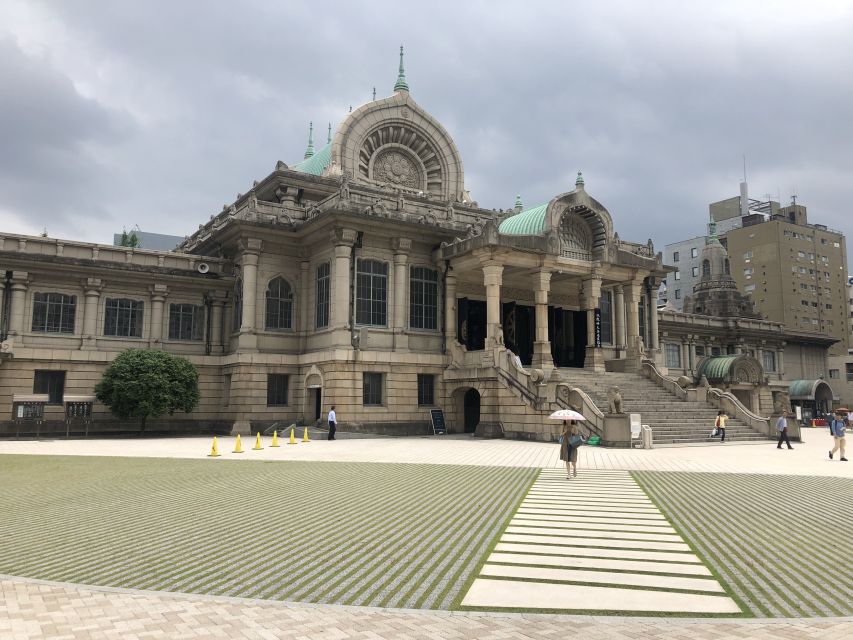
- Start at a temple with an unexpected design: Tsukiji Hongwan-ji combines an Indian-style exterior with a church-like interior.
- See tradition and modernity in sequence: The route connects the 2013 Kabuki theater with contemporary Ginza buildings.
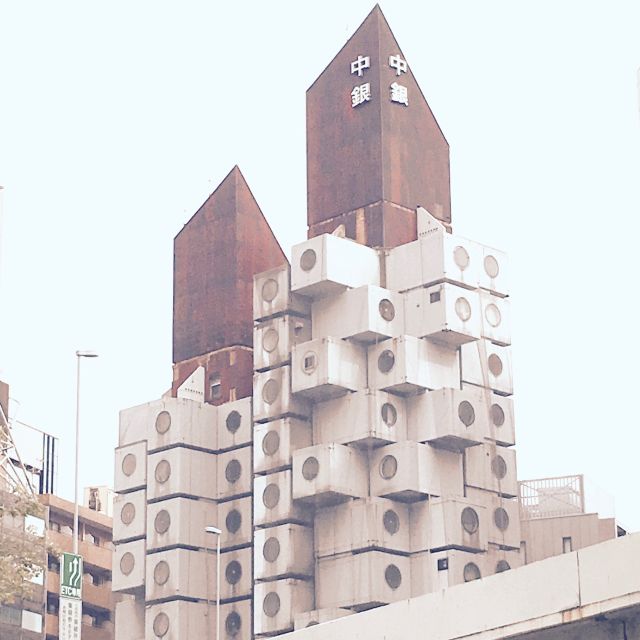
- Look for the Metabolism movement’s legacy: The tour includes a work associated with Japanese proposals for a new kind of urbanism in the 1960s and 1970s.
- Take a turn off the main streets: A secret side trip explores a backstreet neighborhood and gives you a different view of the area.
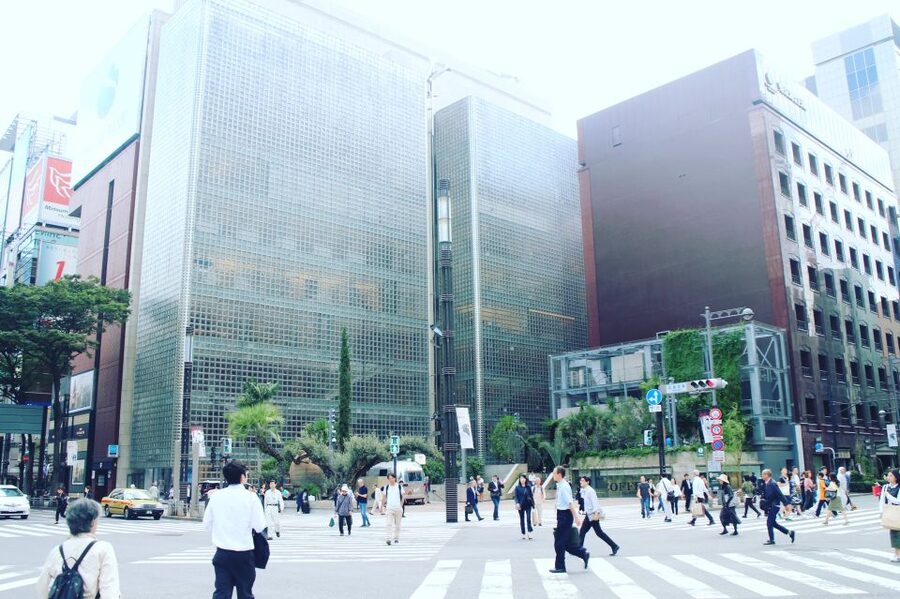
- Finish at a famous intersection: The walk ends at Ginza 4-chome, beside the Wako building, known for its SEIKO watch connection.
- Plan on a private, guided walk: The tour lasts 210 minutes, is conducted in English, and includes a break with drinks.
A walk that puts Ginza’s buildings in conversation
Ginza is easy to read as a shopping district, but the architecture tour gives you another way to see it. Instead of moving from shop to shop, you follow a line of buildings that express different ideas about worship, performance, commerce, and the shape of a city.
The range is the point. The route begins at Tsukiji Hongwan-ji, moves to a theater rooted in Japanese performance tradition, then turns toward modern buildings by established and emerging architects. You finish at a major Ginza intersection, after seeing both the showpiece streets and a quieter neighborhood tucked behind them.
Because this is a private tour, the guide can shape the walk around your questions more easily than on a large group outing. The available description does not name the guide, but the tour is conducted in English. A five-star rating from a verified participant and praise for the guide’s competence and pleasant manner reinforce the value of having a human guide explain what you are seeing, rather than treating the buildings as a checklist.
More tours and experiences in Tokyo:
- Mt Fuji and Hakone 1-Day Bus Tour Return by Bullet Train
★ 5.0 · 26,383 reviews - 1-Day Tokyo Bus Tour
★ 5.0 · 14,250 reviews - Tokyo: teamLab Planets TOKYO Digital Art Museum Entry Ticket
★ 4.6 · 9,779 reviews
Tsukiji Hongwan-ji opens with a surprise
Meet in front of the main gate of Tsukiji Hongwan-ji temple. The station approach is straightforward: leave Tsukiji Station by Exit 1 on the Tokyo Metro Hibiya Line, turn left, and walk straight for less than a minute. Your transportation to the Ginza area is not included, so allow for that separately.
The temple is a strong opening because it resists an easy label. Its exterior is described as Indian in style, while the interior feels like a European church. That contrast gives the guide a natural starting point for looking at how architecture can draw on different traditions and how a building’s outside and inside can make very different impressions.
The stop also broadens your sense of the neighborhood. Tsukiji is often associated with its fish market, but this walk begins with a major architectural point of interest instead. If you have already been thinking of the area only in terms of food, the temple is a useful reminder to look up and around.
Kabuki theater: tradition carried forward
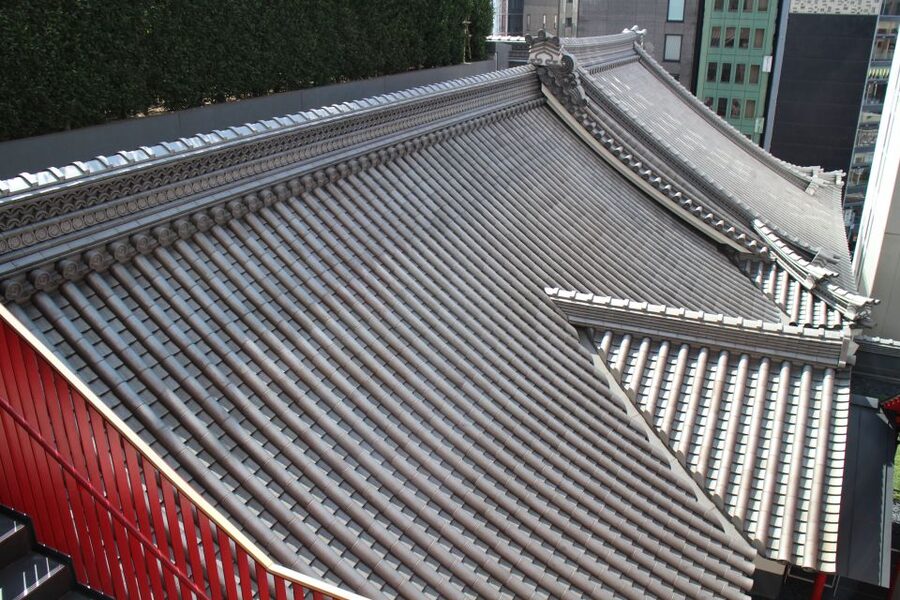
From the temple, the tour continues to a newly built Kabuki theater, completed in 2013. Its design inherits traditional style from earlier generations, making it a clear counterpoint to the more modern works later in the walk.
That pairing is useful. A new building does not have to reject the past to be contemporary; this theater gives you a chance to consider how a familiar cultural form can be carried into a newer structure. The information provided does not specify particular design details, so the guide’s explanation will be especially helpful here. Ask what was retained from earlier theater traditions and what changed in the 2013 building.
This is also one of the tour’s most distinct stops. You are not simply being shown a modern building because it is new. You are seeing a building whose stated purpose is to continue a traditional style, which gives the tour a more thoughtful rhythm than a procession of unrelated façades.
Modern Ginza, from Hayek Center to Mikimoto Ginza 2
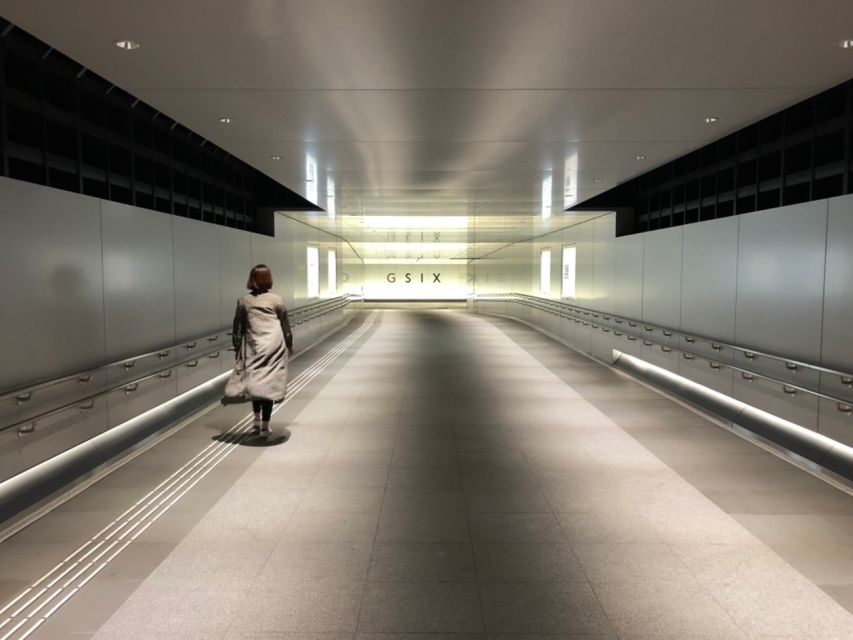
The route then takes in the Nicolas G. Hayek Center, Maison Hermes, Tokyu Plaza Ginza, and Mikimoto Ginza 2. These stops give you a run of modern works in a district known for prominent architecture. The tour’s appeal lies in seeing them as part of a larger conversation about how Ginza presents itself through buildings.
The description identifies the route as a mix of famous architecture and newer work by emerging architects. It does not provide architect names or detailed design notes for each stop, so avoid arriving with a set of assumed facts. Instead, use the guide to make comparisons: What makes one building feel traditional or modern? How does each sit within the street? Which features are meant to catch your eye, and which become clearer only when you stop and look?
A private format is particularly useful for those questions. If one building interests you more than another, you can ask for more context rather than waiting for a group to move on. The exact amount of time spent at each site is not specified, so you should not expect a formal interior visit or a set lecture at every address. The tour is described as a walking tour of the architecture.
For a different side of the same trip:
- Mt Fuji & Hakone Cruise, Drum Show Bullet Train 1 Day from Tokyo
★ 4.0 · 7,413 reviews - Tokyo: Sumo Show Experience with Chicken Hot Pot and a Photo
★ 4.8 · 6,678 reviews - Tokyo: Shinjuku Food Tour (13 Dishes at 4 Local Eateries)
★ 5.0 · 6,603 reviews - Tokyo Mt Fuji 5th St & Hakone Cruise Bus Tour w/Bullet Train
★ 4.4 · 5,024 reviews
The Metabolism movement and a different idea of the city
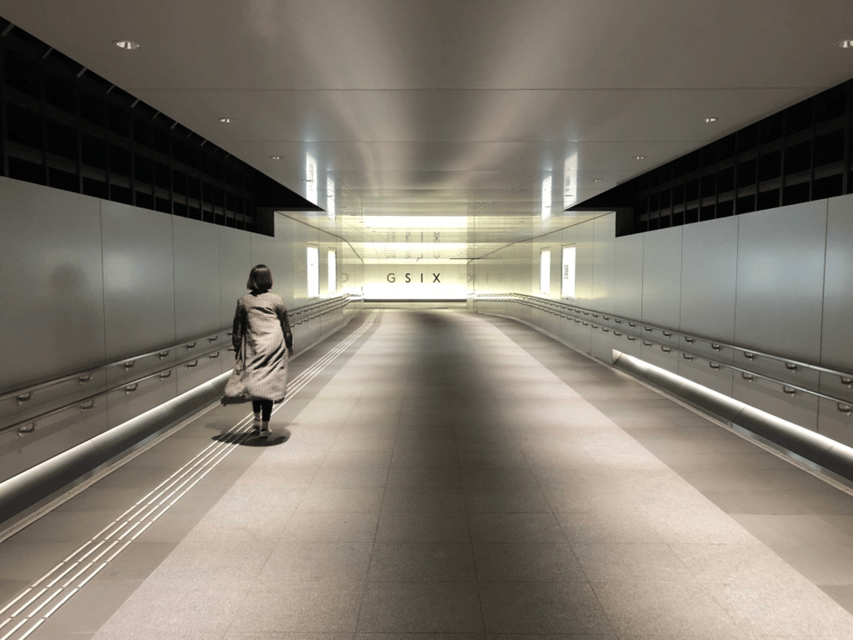
One of the tour’s central themes is Japanese Metabolism, an architectural movement associated with proposals for a new urbanism in the 1960s and 1970s. The route includes a masterpiece from this movement, offering a chance to connect a particular building with a broader question: how might a city be planned and organized for the future?
That context adds more than a style label. Instead of only judging whether a building looks appealing, you can consider the ideas behind it and the period in which those ideas took shape. The tour’s summary does not identify which stop is the Metabolism masterpiece, so ask your guide to point it out and explain what makes it a key example.
This is a useful stop for anyone interested in architecture beyond surface appearance. If you are new to the movement, you do not need specialist knowledge beforehand. The tour is built around seeing the work in place, and a guide can help connect the building to the movement’s proposals without turning the walk into a technical seminar.
Okuno Building and Ginza’s backstreet side
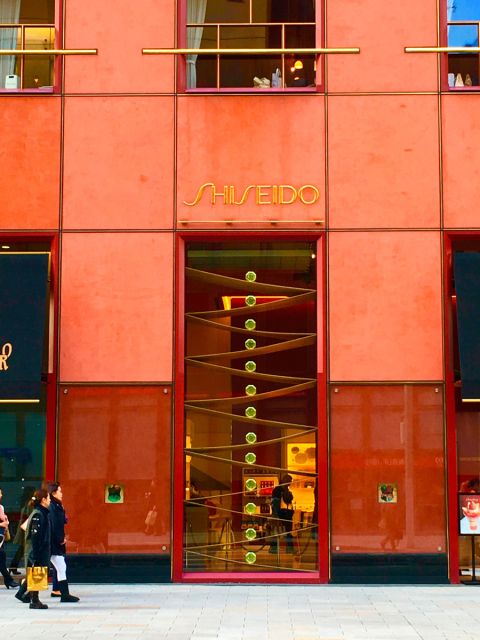
The Okuno Building appears later in the route, before the final stop at Ginza 4-chome. It gives the walk another point of comparison, though specific details about its design are not provided. Let the guide supply the context, and pay attention to how this building changes your impression of the area after the larger contemporary landmarks.
The secret side trip into a backstreet neighborhood is a welcome change of pace. The main route includes famous buildings, but Ginza is not only its best-known avenues and high-profile addresses. A short turn into quieter streets can show you another aspect of the district and help you notice how the neighborhood feels away from its most recognizable corners.
The side trip is not described in detail, so think of it as a change in perspective rather than a guaranteed stop at a particular shop, café, or hidden site. Its value is in seeing more than the formal architectural highlights. If you prefer tours that leave room for the everyday character of a place, this detour is one of the most appealing parts of the plan.
Ending at Ginza 4-chome and the Wako building
The walk finishes at the intersection of Ginza 4-chome, where the Wako building stands. Wako is linked with SEIKO watches, making it a recognizable landmark and a fitting endpoint for a tour that has moved between traditional and modern architecture.
Ending at a major intersection gives the route a clear finish rather than returning you to the starting point. Keep in mind that the tour begins at Tsukiji Hongwan-ji and ends at Ginza 4-chome, so plan your next stop from the finish rather than assuming you will be back at Tsukiji. Transportation to and from the Ginza area is not included.
What the price gets you
The cost is $129 per person for three and a half hours. That is not a budget stroll, and the price is easiest to justify if you want an expert-led architecture walk rather than a general orientation to Ginza. The private group format gives you a more personal setting for questions, while the route combines well-known buildings, architectural context, and a backstreet detour.
A break with drinks is included, which gives the walk a pause without requiring you to arrange a meal. Meals are not included, and the tour does not include transportation to or from the Ginza area. Factor both into your day, especially if you are traveling across Tokyo to reach the meeting point.
The tour is also a specialist choice. If you mainly want to shop, sample food, or see Ginza at your own pace, you may get better value from exploring independently. If you are curious about how the district’s buildings balance traditional forms and modern design, the guide’s explanations are what make the price worthwhile.
Who should book this walk
I would choose this tour if you enjoy architecture, urban design, or the way a city’s identity shows through its buildings. It suits visitors who want a structured route and a guide to connect stops that might otherwise feel like separate sights. The private format is also a good fit if you prefer asking questions as you go.
It may be less suitable if you want a broad Tokyo overview, a food-focused outing, or a tour centered on shopping. The itinerary is focused on Ginza architecture, and the pace is shaped around a 210-minute walking tour. There is a drinks break, but meals and transit are on you.
You do not need to know the Metabolism movement or the history of Kabuki architecture before you arrive. A little curiosity is enough. Bring questions, particularly about the buildings whose details are not spelled out in advance, and use the guide to make sense of the route’s sharp shifts in style.
Should you book the Private Ginza Architecture Tour?
Book it if architecture is one of the reasons you came to Tokyo, and you want a guide to connect Tsukiji Hongwan-ji, the Kabuki theater, modern Ginza landmarks, and the quieter streets between them. The combination of traditional and modern work is its strongest draw, with the Metabolism movement adding a broader urban-design angle.
Skip it if you would rather spend the same time shopping, eating, or wandering without a set focus. At $129 per person, this is a considered purchase, not a casual neighborhood walk. For the right person, though, a private guide and a carefully chosen route can make Ginza’s buildings far more legible.
FAQ
How long is the Private Ginza Architecture Tour?
The tour lasts 210 minutes, or three and a half hours.
What is the tour price?
The listed price is $129 per person.
Is the tour private?
Yes. It is offered for a private group.
What language is the tour conducted in?
The tour guide speaks English.
Where does the tour start?
It starts in front of the main gate of Tsukiji Hongwan-ji temple.
How do I reach the meeting point from Tsukiji Station?
Take Exit 1 of Tsukiji Station on the Tokyo Metro Hibiya Line, turn left, and walk straight for less than a minute.
Where does the tour finish?
It finishes at the Ginza 4-chome intersection, beside the Wako building.
Are drinks included?
Yes. The tour includes a break with drinks.
Are meals and transportation included?
No. Meals and transportation to and from the Ginza area are not included.
Can I cancel for a refund?
You can cancel up to 24 hours in advance for a full refund.
Freshly reviewed in Tokyo
- Tokyo: Toshimaya Sake Brewery Tour with Sake Tasting★ 5.0 · 6 reviews
- :Tokyo,Shibuya /Meiji Shrine tour in KIMONO/English-friendly★ 5.0 · 4 reviews
- Tokyo: Tour Privado por Tokio en español★ 4.3 · 4 reviews
- Tokyo:Tea ceremony experience at Komaba Warakuan★ 4.8 · 9 reviews
- :Tokyo,Shibuya/ Pro Photography in Kimono / English-Friendly★ 5.0 · 26 reviews
- Tokyo:Samurai Training : Swords, Bushido & Mental Discipline★ 5.0 · 6 reviews
- Tokyo:Nikko UNESCO World Heritage Sites Private 1-Day Tour★ 3.8 · 6 reviews
- Tokyo:Mt Fuji & Hakone Day Tour with English Speaking Driver★ 5.0 · 26 reviews
Tokyo Tours, compared.
Mt Fuji and Hakone 1-Day Bus Tour Return by Bullet Train
Read our review →
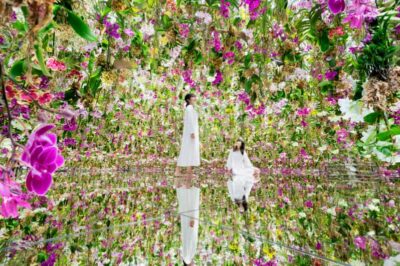
teamLab Planets TOKYO Digital Art Museum Entry Ticket
Read our review →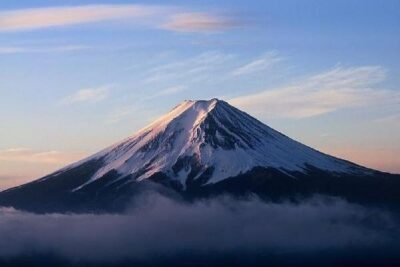
Mt Fuji & Hakone Cruise, Drum Show Bullet Train 1 Day from Tokyo
Read our review →
Shinjuku Food Tour (13 Dishes at 4 Local Eateries)
Read our review →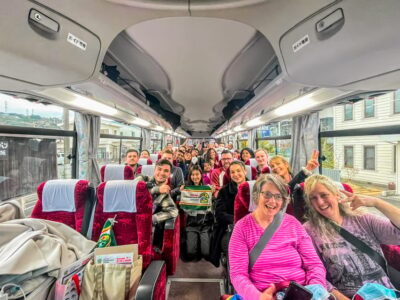
Tokyo Mt Fuji 5th St & Hakone Cruise Bus Tour w/Bullet Train
Read our review →
Flagship 2-Hours Official Street Go-Kart Tour – Tokyo Bay Shop
Read our review →