Reviewed · TOKYO TOURS
Tokyo: Ghost Tour with Scary Japanese Stories and Folklore
Tokyo’s ghost stories have a particular edge at Yoshiwara-jinja Shrine, where a vengeful spirit is said to have haunted the area for more than 1,000 years. The story is tied to a striking local belief: people in nearby offices still avoid turning their backs toward the shrine.
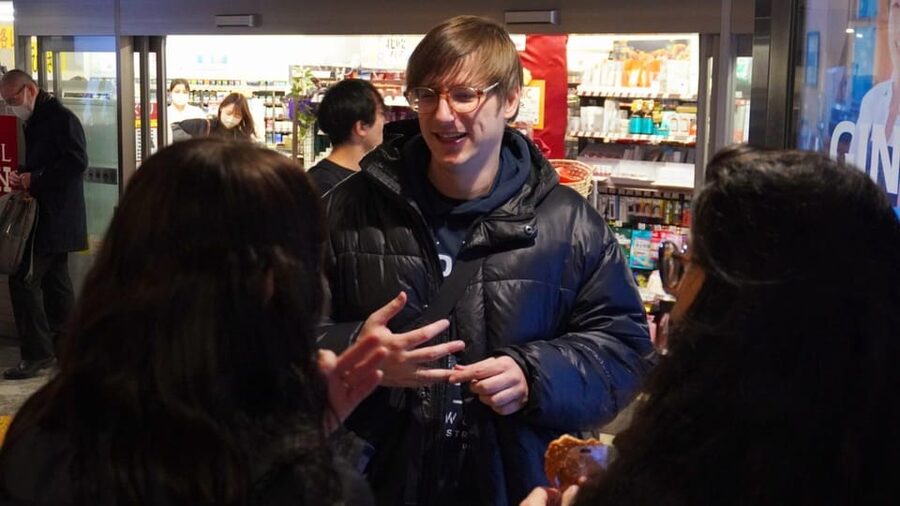
I like two things about this walk: it pairs folklore with accounts of crime and missing persons, and it takes you through Asakusa’s Shitamachi district after dark. The main consideration is that it involves nighttime walking, and the subject matter may be too intense for some people.
Key points before you book
- A long-lived haunting anchors the tour: Hear about the vengeful spirit associated with Yoshiwara-jinja Shrine and the local custom linked to it.
- The stories range beyond ghosts: Expect Japanese folklore and paranormal accounts, as well as true-crime and missing-person stories.
- You start inside Tokyo Station: Meet at the Marunouchi North Exit, where your guide will hold a sign with your name.
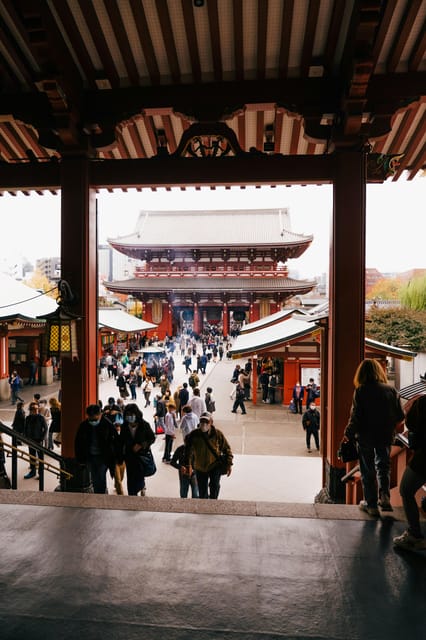
- The walk includes Asakusa’s Shitamachi: The route connects the station area with a historic part of Tokyo, though the exact stops and walking distance are not specified.
- A traditional snack is included: Drinks and transportation to and from the attractions are not.
- It is a night tour with age and health limits: It is not suitable for children under 10 or people with heart problems.
Why this Tokyo ghost walk feels different
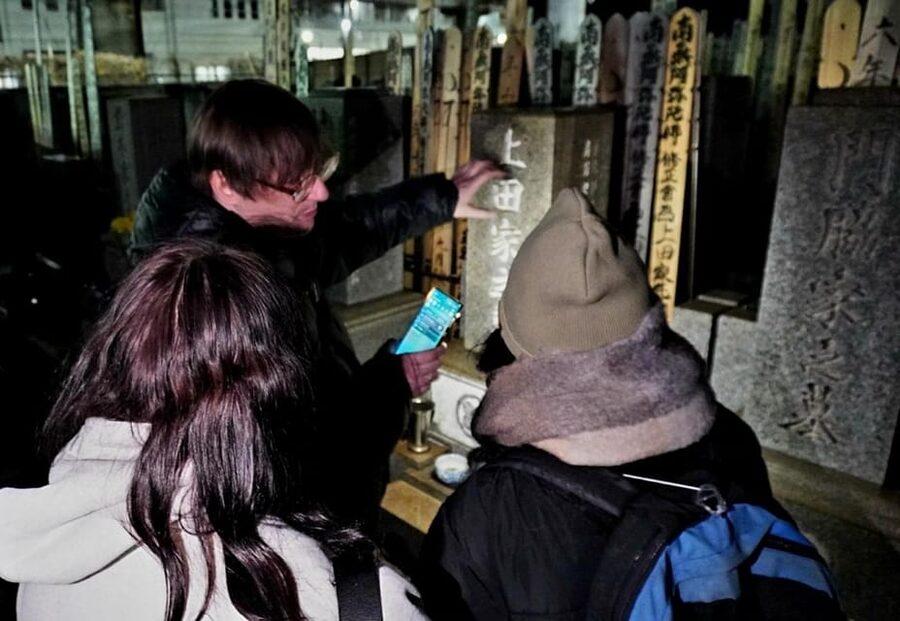
This is not a haunted-house attraction or a staged scare show. The appeal is the mix of place-based storytelling and real Tokyo streets. You hear about spirits and old legends in the neighborhoods connected to them, while your guide adds stories about crime, missing people, and local history.
That mix matters if you want something more grounded than a string of spooky tales. One part of the experience is supernatural folklore; another is the uncomfortable fact that real people and real events can haunt a place just as effectively as a ghost story. The guide’s job is to connect those threads and give you a reason to look at familiar streets differently.
The tour is listed as a small-group walk, with private groups available. No group-size limit is specified, so ask before booking if the size of the group is important to you. The tour is also offered in English, French, German, and Italian, which gives you a choice of language rather than requiring an English-language outing.
More tours and experiences in Tokyo:
- Mt Fuji and Hakone 1-Day Bus Tour Return by Bullet Train
★ 5.0 · 26,383 reviews - 1-Day Tokyo Bus Tour
★ 5.0 · 14,250 reviews - Tokyo: teamLab Planets TOKYO Digital Art Museum Entry Ticket
★ 4.6 · 9,779 reviews
Meeting inside Tokyo Station
You meet at Tokyo Station’s Marunouchi North Exit, also called Marunouchi-Kitaguchi. The meeting point is inside the station in the north wing. Follow the signs for the Marunouchi North Exit and look for your guide holding a sign with your name.
Tokyo Station is a large place, so the specific exit matters. Give yourself enough time to find it rather than aiming to arrive at the last minute. If you are already in the station, follow the signs instead of assuming that any Marunouchi exit will do.
The tour’s starting point is practical for a walk that heads toward other parts of the city, but transportation to and from attractions is not included. The information provided does not spell out every transfer or the exact route between stops, so check the tour details when selecting a time if you want to understand how much of the outing is on foot.
Yoshiwara-jinja and the story of the vengeful spirit
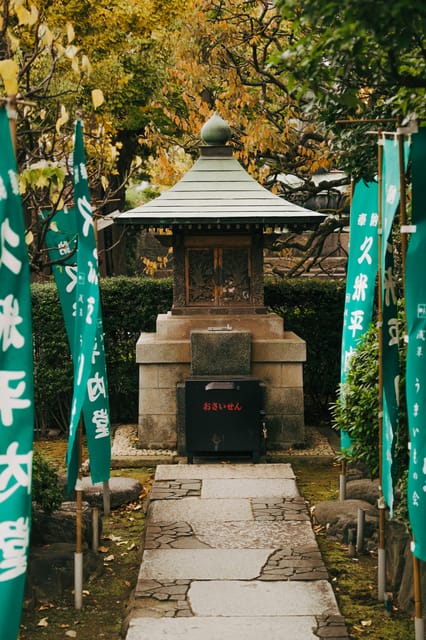
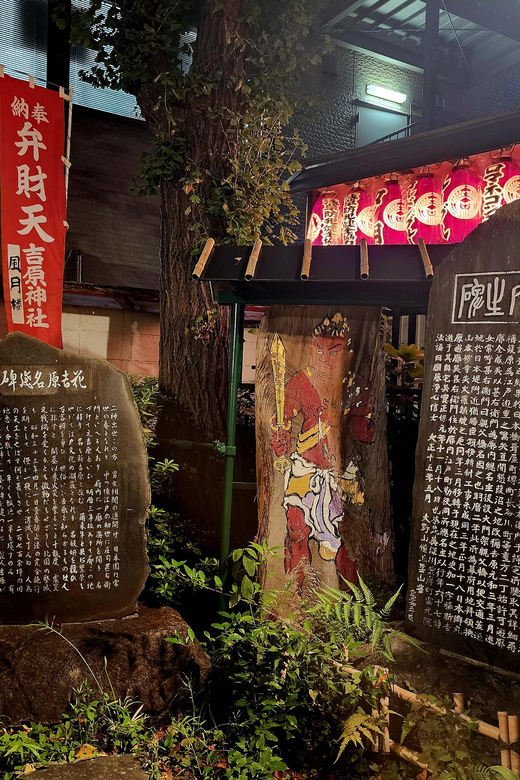
The shrine is the tour’s central stop. The spirit said to haunt this area for more than 1,000 years gives the walk its most specific and memorable story. You hear accounts of paranormal activity associated with the site and the belief that people working in nearby offices still avoid turning their backs toward it.
That detail gives the story a local dimension. Rather than hearing only a tale from long ago, you are introduced to a belief said to shape how people relate to the place today. The tour does not promise proof of the supernatural; its value is in explaining the legend and its place in the area’s folklore.
Yoshiwara-jinja is also a useful stop for anyone curious about the way Japanese ghost stories attach themselves to particular places. A shrine is not simply a spooky backdrop here. The setting helps make the story feel connected to the neighborhood, and your guide can explain what is known as local belief and what belongs to the tale.
Keep your expectations clear: the tour promises stories and a visit to a haunted shrine, not a paranormal investigation or a guaranteed ghost sighting. If you enjoy folklore and the atmosphere of a night walk, that distinction should feel like part of the appeal. If you are expecting theatrical effects, this is likely a quieter, more story-led experience.
Through Asakusa’s Shitamachi after dark
The walk continues through Asakusa’s Shitamachi district. Shitamachi refers to an older, lower-lying part of Tokyo, and in this tour it provides the setting for stories about the city’s past and its darker corners. You are not just hearing a collection of legends in a room; you move through the area with a guide who can relate stories to the streets around you.
The route is described as taking you to several locations, but the individual stops beyond Yoshiwara-jinja Shrine and Asakusa are not named. Nor is a precise walking distance provided. That means you should plan for a walking tour rather than expect a fixed sequence of attractions with a detailed stop-by-stop schedule.
Night is part of the experience. Streets and familiar landmarks can feel different after dark, and a guide can point out details you might pass without noticing on your own. Bring comfortable shoes and dress for the weather. The tour specifically involves walking at night, so a warm layer or rain protection may matter depending on the season.
The walk may also suit Tokyo residents, not just first-time visitors. The stories and locations offer a different angle on the city, and the guide’s local context can make an area you know feel newly charged with meaning. For a first visit, it is a chance to see parts of the city beyond the standard sightseeing circuit.
For a different side of the same trip:
- Mt Fuji & Hakone Cruise, Drum Show Bullet Train 1 Day from Tokyo
★ 4.0 · 7,413 reviews - Tokyo: Sumo Show Experience with Chicken Hot Pot and a Photo
★ 4.8 · 6,678 reviews - Tokyo: Shinjuku Food Tour (13 Dishes at 4 Local Eateries)
★ 5.0 · 6,603 reviews - Tokyo Mt Fuji 5th St & Hakone Cruise Bus Tour w/Bullet Train
★ 4.4 · 5,024 reviews
Stories that move from folklore to true crime
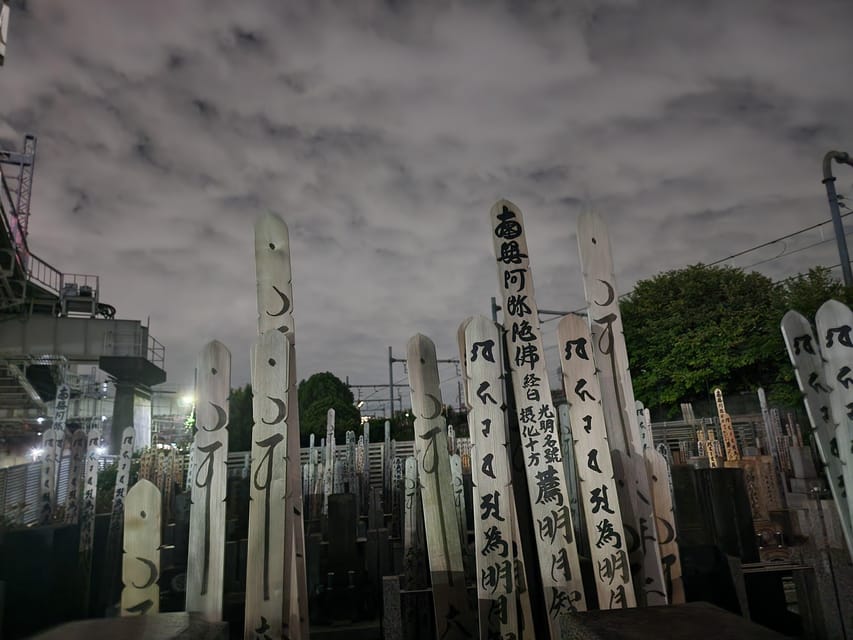
The subject matter is broader than the word ghost in the title might suggest. You can expect Japanese folklore and accounts of paranormal activity, but the storytelling may also include true crime and missing persons. That wider range was a particular strength for people who enjoyed the tour, and it helps keep the outing from becoming a single-note parade of ghost tales.
It also means the mood may shift. Folklore can be eerie and entertaining, while crime and missing-person stories can be more serious. If you prefer lighthearted supernatural entertainment, keep that range in mind. If you are interested in how local legends, real events, and memory overlap, the variety is a plus.
Guide names associated with the tour include Matthias and Maikel. They may not be the guide on every departure, so treat those names as examples rather than a promise. The guides have been described as engaging storytellers, and one is noted for presenting a broad range of material. A good guide matters especially on a tour like this: the streets themselves are only part of the experience, while pacing, context, and storytelling carry much of the evening.
A small snack, and what the $90 covers
At $90 per person, this is a premium-priced walking tour. The fee includes a professional guide, ghost stories and folklore, a visit to a haunted shrine, and a traditional Japanese snack. Drinks and transportation to and from the attractions cost extra.
The value depends on what you want from an evening in Tokyo. If you are happy to pay for guided storytelling and the chance to visit places you might not seek out alone, the combination can make sense. You are buying the guide’s interpretation and the shape of the walk, not admission to a series of major attractions. The included snack adds a small taste of local hospitality, but it is not a meal.
At this price, I would choose the tour for its subject and guide-led format, not because it is an inexpensive way to cover ground. If your priority is simply seeing Asakusa, you can explore the neighborhood on your own. If you want a focused night walk with local ghost stories and a shrine at its center, the extra cost pays for a more distinctive evening.
The tour has a rating of 4.7 from seven reviews, a small sample rather than a guarantee of how your own outing will go. The consistently praised features are the storytelling, the variety of subjects, the chance to explore locations at night, and the guide’s insight into the local area. One guide also offered a delicious snack, though the snack is included in the tour either way.
Practical details for a comfortable night
Wear comfortable walking shoes. You will be on foot at night, and the route is not described with a precise distance or duration beyond a one-day validity listing. Dress for the weather, and bring a camera if you want photos. Flash photography is not allowed, so leave the flash off.
The tour is not suitable for children under 10 or people with heart problems. Even if you meet those requirements, consider how you feel about stories involving hauntings, crime, and missing persons. The subject is meant to be spooky, and some of its material may be unsettling.
Languages offered are English, French, German, and Italian. Private groups are available, which may be useful if you want a more personal outing or are traveling with your own party. The exact group size and the details of private bookings are not specified.
You can cancel up to 24 hours in advance for a full refund, and a reserve-now, pay-later option is available. Starting times vary, so check availability for your date rather than assuming the tour runs at a particular hour.
Who should book this tour
I would recommend this walk if you enjoy Japanese folklore, unsettling local stories, and guided walks that add context to a neighborhood. It is especially appealing if you have already seen Tokyo’s best-known sights and want an evening activity with a different tone. The blend of ghost stories, crime, and local detail gives the tour more range than a simple collection of supernatural legends.
It is less suitable if you want a short, highly specified route, dislike walking at night, or are mainly looking for a cheap way to see Asakusa. The exact route and walking distance are not stated, and transport is not included. Consider those points before booking, especially if you have limited time or mobility needs.
At $90, book it for the stories and the guide, not for a long list of included attractions. If that sounds like the right kind of Tokyo evening, the shrine’s old haunting and the walk through Shitamachi offer a memorable change of pace.
FAQ
Where does the Tokyo ghost tour meet?
Meet inside Tokyo Station at the Marunouchi North Exit, also called Marunouchi-Kitaguchi, in the north wing. Your guide will hold a sign with your name.
What places does the tour visit?
The tour includes Tokyo Station, Yoshiwara-jinja Shrine, and Asakusa’s Shitamachi district. The exact details of all stops along the way are not specified.
What kinds of stories will I hear?
Expect Japanese folklore, accounts of paranormal activity, and stories that may include true crime and missing persons.
What is included in the price?
The price includes a professional guide, ghost stories and folklore, a visit to a haunted shrine, and a traditional Japanese snack. Drinks and transportation to and from the attractions are not included.
Which languages are available?
The tour is offered in English, French, German, and Italian.
Is the tour suitable for children?
No. It is not suitable for children under 10 years old.
What should I bring, and what is not allowed?
Wear comfortable shoes and dress appropriately for walking at night and the weather. You can bring a camera, but flash photography is not allowed.
Freshly reviewed in Tokyo
- Tokyo: Toshimaya Sake Brewery Tour with Sake Tasting★ 5.0 · 6 reviews
- :Tokyo,Shibuya /Meiji Shrine tour in KIMONO/English-friendly★ 5.0 · 4 reviews
- Tokyo: Tour Privado por Tokio en español★ 4.3 · 4 reviews
- Tokyo:Tea ceremony experience at Komaba Warakuan★ 4.8 · 9 reviews
- :Tokyo,Shibuya/ Pro Photography in Kimono / English-Friendly★ 5.0 · 26 reviews
- Tokyo:Samurai Training : Swords, Bushido & Mental Discipline★ 5.0 · 6 reviews
- Tokyo:Mt Fuji & Hakone Day Tour with English Speaking Driver★ 5.0 · 26 reviews
- Tokyo:Nikko UNESCO World Heritage Sites Private 1-Day Tour★ 3.8 · 6 reviews
Tokyo Tours, compared.
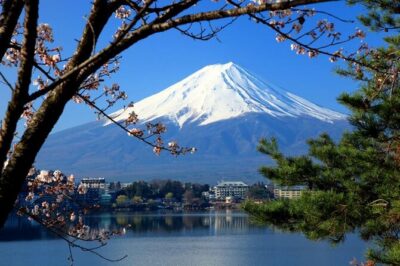
Mt Fuji and Hakone 1-Day Bus Tour Return by Bullet Train
Read our review →
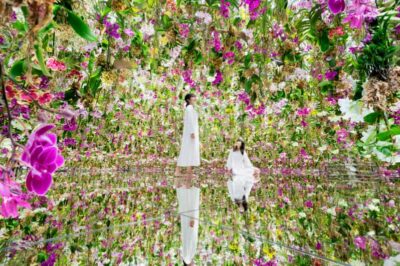
teamLab Planets TOKYO Digital Art Museum Entry Ticket
Read our review →
Mt Fuji & Hakone Cruise, Drum Show Bullet Train 1 Day from Tokyo
Read our review →
Shinjuku Food Tour (13 Dishes at 4 Local Eateries)
Read our review →
Tokyo Mt Fuji 5th St & Hakone Cruise Bus Tour w/Bullet Train
Read our review →
Flagship 2-Hours Official Street Go-Kart Tour – Tokyo Bay Shop
Read our review →